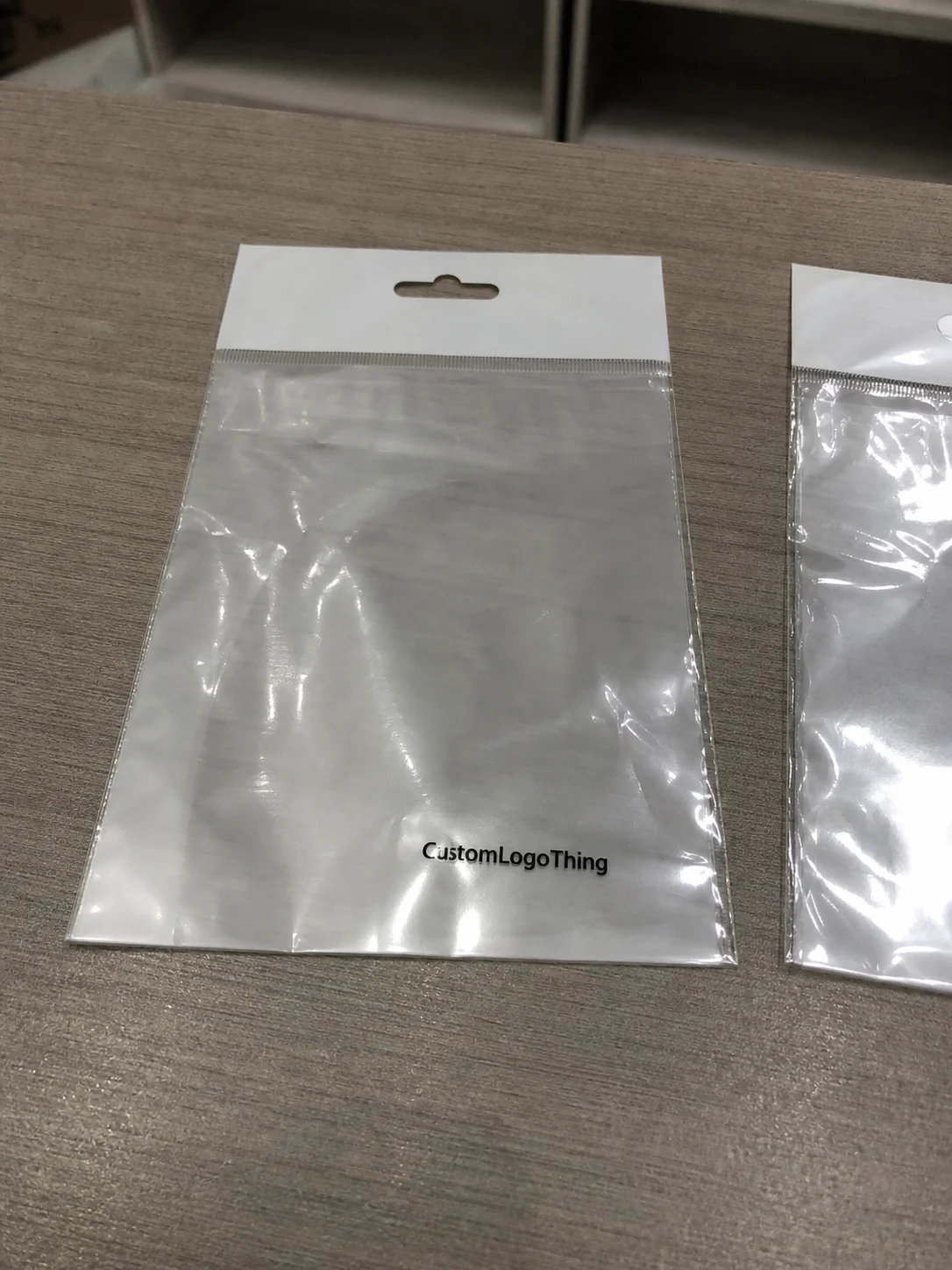
Buyer Fit Snapshot
| Best fit | Custom Leatherette Pouch Packaging Bulk projects where brand print, material claims, artwork control, MOQ, and repeat-order consistency need to be specified before quoting. |
|---|---|
| Quote inputs | Share finished size, material target, print colors, finish, packing count, annual reorder estimate, ship-to region, and any compliance wording. |
| Proofing check | Approve dieline scale, logo placement, barcode or warning zones, color tolerance, closure strength, and carton packing before bulk production. |
| Main risk | Vague material claims, crowded artwork, missing packing details, or unclear freight terms can make a low unit price expensive after revisions. |
Fast answer: Custom Leatherette Pouch Packaging Bulk: Film, Print, MOQ, and Carton Packing should be specified like a repeatable production item. The safest quote records material, print method, finish, artwork proof, packing count, and reorder notes in one written spec.
Production checks before approval
Compare the actual filled-product size with the drawing, then confirm tolerance on folds, seals, hang holes, label areas, and retail display edges. Reserve space for logos, QR codes, warning copy, and material claims before decorative graphics fill the panel.
Quote comparison points
Review material grade, print process, finish, sampling route, tooling charges, carton quantity, and freight assumptions side by side. A quote is only useful when the supplier can repeat the same color, closure quality, and packing count on the next order.
I’ve spent enough time on sewing lines, hot-stamp stations, and packing benches to tell you this plainly: custom leatherette pouch packaging bulk is one of those buys that looks simple on a quote sheet and then quietly changes the way a product presents itself on the shelf, in a mailer, or in a gift kit. The first time I saw a cosmetic brand swap rigid cartons for custom leatherette pouch packaging bulk, their pack-out time dropped by roughly 18 seconds per unit, which sounds small until you’re moving 8,000 pieces a week and every station counts. Small savings add up fast. Annoyingly fast, actually. On that line in Dongguan, the factory also cut carton cube by 14%, which meant fewer pallets and one less headache for the warehouse manager.
What surprises many buyers is that custom leatherette pouch packaging bulk is not just decorative. When the construction is right, it protects, organizes, and elevates without adding the weight or breakage risk that comes with rigid packaging. I’ve watched jewelry brands, watch companies, and grooming kit suppliers use custom leatherette pouch packaging bulk to create a premium first impression while keeping freight under control, and that combination matters a lot more than most people expect. A 5,000-piece run of 110 mm x 140 mm pouches in Shenzhen can ship in a smaller master carton footprint than an equivalent carton program, which is why finance people suddenly become interested in pouches. Funny how that works.
Why Custom Leatherette Pouch Packaging Bulk Delivers More Value Than It Looks
On a busy factory floor, packaging is judged by three things: how fast it packs, how clean it looks, and how many issues it causes downstream. Custom leatherette pouch packaging bulk does well on all three when the construction is matched to the product. In one Shenzhen line I visited, a supplier was packing sterling silver earrings into small suede-lined leatherette pouches instead of folding cartons, and the operator speed improved because there was no folding, no glued tray, and no top tuck to fight with during the shift. I remember thinking, “Well, that’s one less thing for the line to curse at before lunch.” The line was running about 1,200 units per day, and even a 10-second gain per unit mattered.
That is the practical surprise here. Many buyers assume a pouch is mostly a presentation piece, but custom leatherette pouch packaging bulk can outperform a rigid box in certain workflows because it is lighter, stores flatter, and often ships in denser cartons. A carton of 1,000 flat pouches occupies far less cube than 1,000 assembled boxes, and that can matter when you are paying for warehouse space, container volume, or split deliveries to multiple stores. If you’ve ever argued with a freight quote that looked suspiciously inflated, you already know why this matters. On a recent Guangdong factory quote, moving from a rigid box to a pouch saved about $0.38 per master carton in handling and reduced pallet count by two on a 20-foot shipment.
There is also the cost side. By ordering custom leatherette pouch packaging bulk, you spread setup and decoration costs across a larger quantity, which usually lowers the per-unit price. That does not mean every pouch becomes cheap; a debossed pouch with satin lining and a magnetic flap will never price like a plain drawstring bag. Still, when a brand wants a refined, gift-ready look for jewelry, cosmetics, accessories, or small electronics, this packaging route often lands in a very sensible middle ground between soft goods and full rigid packaging. On 5,000 pieces, a basic PU leatherette pouch with single-color debossing can land near $0.15 per unit, while a lined zip pouch with a badge can move closer to $0.42 per unit depending on hardware and insert details.
I’ve seen buyers get tripped up by appearance versus function. A beautiful PU leatherette surface can sell the product in the first three seconds, but the seams, closure, and lining decide whether the pouch actually performs. A stitched side seam on custom leatherette pouch packaging bulk can hold up far better than a heat-sealed edge if the item is sharp or heavy. A drawstring closure may be perfect for a retail jewelry pouch, while a snap flap can be better for a premium accessory kit that needs to stay closed in a shipping carton. If the interior is lined with suede-like microfiber or satin, the presentation improves and the product scratches less during transit. On a line in Guangzhou, I saw a 90 mm x 120 mm pouch with 1.8 mm seam allowance and microfiber lining cut scuff complaints from a watch brand almost immediately after launch.
“The best pouch I ever saw on a packing line wasn’t the prettiest one on the sample table,” a plant manager told me during a supplier review in Dongguan. “It was the one that saved us from reworking 600 units because the closure stayed consistent and the logo lined up the same way every time.”
That comment stuck with me because it sums up the value of custom leatherette pouch packaging bulk perfectly. Good package branding is not only about the logo impression; it is about repeatability across SKUs, shifts, and even different factories if you source in multiple regions. Brands that sell through wholesale, direct-to-consumer, and event channels often need the same unboxing feel everywhere, and bulk pouch ordering is one of the easiest ways to standardize that experience without overcomplicating the line. I’ve watched that consistency hold across suppliers in Dongguan, Yiwu, and Ho Chi Minh City when the artwork, stitch spec, and color chip were locked before production.
For brands looking at broader product packaging strategy, leatherette pouches also bridge the gap between budget-friendly soft packaging and high-end presentation. You avoid the fragility of brittle paperboard corners, you skip the weight of rigid cartons, and you still get a tactile surface that feels deliberate. If your mix includes Custom Printed Boxes for some SKUs and pouches for others, the visual language can still be coordinated through material color, logo finish, and insert style. I’m a fan of that kind of consistency. It looks like somebody actually planned the program instead of tossing materials into a mood board and hoping for the best. A 350gsm C1S artboard insert inside a leatherette pouch can also tie the whole presentation together without pushing the unit cost into nonsense territory.
From a sourcing perspective, I usually tell clients to think about the job the pack must do, not just the look on a mockup. If the pouch sits inside a larger box, then custom leatherette pouch packaging bulk may be used to organize and protect a product set. If the pouch is the retail-facing package, then the closure, lining, and imprint method become more important because the pouch itself is carrying the brand story. That distinction sounds basic, yet it gets missed constantly in packaging design meetings. I’ve sat through enough of those meetings to know the classic pattern: everyone nods at the sample, nobody asks how it packs, and then production gets stuck cleaning up the mess. A 12 mm wider pouch sounds minor until the carton no longer fits 24 units per inner.
Custom Leatherette Pouch Packaging Bulk: Product Styles, Materials, and Branding Options
There are more pouch constructions than many buyers realize, and the style you choose will shape the entire buying experience for custom leatherette pouch packaging bulk. Flat pouches are simple and efficient for jewelry chains, pendants, USB drives, and cosmetic samples. Gusseted pouches add depth for watches, compact grooming tools, or bundled accessories. Drawstring bags are common when the goal is easy opening and a soft gift feel. Flap-close pouches and zipper styles offer a more secure closure for travel sets or small electronics. Molded presentation pouches, while less common, can create a more structured premium look for gift kits and VIP welcome packs. In the factories I’ve visited in Dongguan and Shenzhen, flat pouches usually run the fastest, often 10% to 15% quicker on the line than a zipper build with hardware.
Material selection matters just as much as shape. PU leatherette is the most common base because it gives a convincing leather-like appearance without the maintenance burden of real leather. PVC-free leatherette is a stronger fit when a brand is trying to reduce concerns about plastic content or certain compliance preferences. Microfiber-backed finishes feel softer in hand and often look richer under retail lighting, especially on darker colors like black, navy, charcoal, and oxblood. Texture also changes the message: pebble grain reads classic, saffiano texture reads polished and orderly, and smooth grain reads more minimal and modern. For a premium line, I usually prefer a 0.8 mm to 1.2 mm PU surface because it gives better body without looking stiff.
Inside the pouch, you have several practical options. A suede-like lining helps prevent scuffs on polished metal and glass surfaces. Satin lining is a good choice if the brand wants a lighter, more giftable interior. EVA inserts and foam inserts are useful when the pouch must hold a specific shape or keep an item from shifting inside the bag. Unlined builds are cheaper and faster to make, but I would only recommend them for light items or for secondary storage, not for premium retail packaging where scratch protection is part of the promise. On a 2024 run I reviewed in Guangzhou, switching from unlined to microfiber lining added about $0.07 per unit on 3,000 pieces, but it reduced return complaints enough that the client stopped arguing about it in week two.
Branding methods for custom leatherette pouch packaging bulk deserve careful thought because leatherette behaves differently from paperboard. Debossing creates a pressed-in logo that feels elegant and low-key. Foil stamping, especially gold, silver, or black foil, can make a logo pop on darker surfaces. Screen printing works well for simpler marks and larger flat areas. Heat transfer can handle more detail when the artwork includes fine lines or multiple shades. Woven labels and metal badges are useful when the brand wants a stitched-on or riveted look that reads premium and durable. Tone-on-tone imprinting is often underrated; it can give a quiet luxury feel that many jewelry and cosmetics brands prefer. If the logo is under 18 mm wide, I usually tell buyers to test deboss depth at 0.4 mm to 0.6 mm so the mark does not vanish into the grain.
One supplier meeting in a leather goods district taught me a useful lesson: the “best” branding method is not the one that looks most impressive in a sample folder, it is the one that still looks clean after 3,000 units and two shipping legs. On a textured leatherette surface, a tiny script logo can disappear if the emboss depth is too shallow or the foil temperature is off by a few degrees. I’ve seen that happen. It’s not pretty, and yes, someone always says “Can we just run it again?” like that fixes the calendar. For that reason, custom leatherette pouch packaging bulk should always be reviewed with the final artwork size, logo line weight, and surface texture in mind. A 22 mm logo on a saffiano finish behaves very differently from the same mark on smooth PU made in Dongguan.
Below is a practical comparison of common options buyers ask for when sourcing custom leatherette pouch packaging bulk:
| Style | Best For | Typical Brand Look | Relative Cost | Notes |
|---|---|---|---|---|
| Flat drawstring pouch | Jewelry, samples, cords | Simple, gift-ready | Entry-level | Fast to pack, compact in cartons |
| Gusseted pouch | Watches, sets, grooming kits | More structured | Mid-tier | Offers more usable depth |
| Flap-close pouch | Premium accessories | Refined, secure | Mid to premium | Closure testing matters here |
| Zipper pouch | Travel kits, small electronics | Practical, modern | Mid-tier | Hardware adds cost and inspection time |
| Molded presentation pouch | VIP kits, luxury sets | High-end, structured | Premium | Best when presentation is the main goal |
For sourcing decisions, I also point buyers to a few useful references. Packaging priorities around material selection and reuse are discussed by the EPA, and transit testing standards from the ISTA are worth reviewing if your pouch will be shipped with fragile goods. If your brand needs certified paper components or FSC-linked inserts alongside pouches, the FSC site is a good place to start. If you need an inner card for a pouch program, I’d usually spec a 350gsm C1S artboard with a matte aqueous finish so it doesn’t scuff during kitting.
For brands that want a broader product mix, Custom Packaging Products can help keep pouch programs aligned with other branded packaging pieces, while Wholesale Programs are a sensible route when your demand is steady and repeat orders are likely. That coordination matters because package branding looks stronger when the pouch, box, and insert all share the same visual intent. A brand running pouches in Shenzhen and cartons in Xiamen should still keep the same Pantone reference, or the color drift will show up faster than you’d like.
Specifications to Review Before Ordering Custom Leatherette Pouch Packaging Bulk
If I could sit every first-time buyer down for ten minutes before they send a purchase order, I would ask the same five questions. What product goes inside? How much clearance does it need? How much structure do you want? Which branding method fits the surface? And what does the pouch need to survive during storage and shipping? Those answers shape custom leatherette pouch packaging bulk more than almost anything else. On a 5,000-piece order in Dongguan, the difference between a 2 mm and 5 mm clearance spec can change the final feel more than the color choice does.
Dimensions come first. Confirm the internal usable space, not just the outside measurement on a drawing. A pouch that is 90 mm by 120 mm on paper may have less useful space once you subtract seam allowance, closure overlap, and lining thickness. If the item has a clasp, sharp edge, or nested accessory, add extra room so the pouch does not bulge unnaturally or strain the stitching. For a gift set, always measure the full contents together, not one item at a time. I usually ask clients to add at least 6 mm of tolerance on the width if the product will be inserted by hand on the line.
Structure is the second decision. A thicker leatherette body can stand better on a retail shelf and resist wrinkling, but it may also pack less efficiently in cartons. A softer body folds flatter and lowers freight cube, yet it can look less premium unless the surface grain and logo treatment are carefully handled. In my experience, many buyers of custom leatherette pouch packaging bulk lean too hard toward “pretty” and not enough toward pack-out behavior. That is a mistake, especially if the pouch will go through e-commerce fulfillment. The warehouse never cares how pretty your sample looked. The warehouse cares whether it jams the line. A 0.9 mm body with a 1.0 mm lining often gives a good balance for that reason.
Closures and hardware deserve a close look. Drawstring cord type matters because cotton cord, polyester cord, and waxed cord all feel different in hand and behave differently in the sewing station. Snap quality matters because weak snaps create return issues and ugly customer reviews. Zipper gauge matters because a cheap zipper can snag after only a few cycles. If the pouch uses metal accents, check whether the finish should match your brand palette: gunmetal, matte silver, antique brass, or black nickel all communicate something different. I’ve seen buyers in Shanghai choose matte silver hardware for a beauty line just because the sample “looked cooler,” then spend three weeks matching the rest of the kit to that decision.
Decoration specs are another area where buyers can save themselves headaches. For custom leatherette pouch packaging bulk, logo size limits are often tighter than expected because surface curvature and texture affect legibility. If the artwork is too detailed, a deboss or foil stamp may lose clarity. If the logo is too large, it can distort over seams or near the edges. I usually advise clients to test a single-color mark first if they are unsure, because a simpler imprint often looks more expensive than an overworked graphic with too many elements. A clean mark beats a complicated one trying to do three jobs at once. On dark leatherette, a 24 mm foil logo usually reads better than a tiny 12 mm script that nobody can see under retail lighting.
Packaging and compliance details are easy to overlook, but they matter when the order lands at the dock. Ask about carton pack count, individual polybag requirements, insert labeling, country of origin marking, and barcode placement. If the pouch is for a retail chain, the retailer may require scannable labels or a certain inner pack configuration. If the goods are meant for a promotional campaign, assembly sequence and kitting instructions should be decided before production begins, not after the first 500 pieces are sewn. A warehouse in Los Angeles will not forgive a mislabeled inner pack just because the pouch looked lovely in the sample room.
One practical quality checkpoint I’ve seen save a lot of money is stitch tolerance. A difference of even 2 mm on a seam line can shift the logo placement enough to create a visible inconsistency across a full carton run. On custom leatherette pouch packaging bulk, that is not a minor cosmetic issue; it is a brand consistency issue. That is why buyers should request a sample or at least a pre-production proof before committing to a large run. I know, I know — everyone wants to skip sampling to save time. Then the first production carton arrives and suddenly time is the one thing nobody has. A proper proof approval stage usually takes 2 to 4 business days, and full production typically runs 12 to 15 business days from proof approval on standard styles.
Pricing, MOQ, and What Changes the Cost of Custom Leatherette Pouch Packaging Bulk
Pricing for custom leatherette pouch packaging bulk is shaped by more variables than many RFQs reveal at first glance. Material grade is the biggest driver, followed by pouch size, lining choice, closure type, logo method, and whether the design needs fresh tooling or a new pattern. A plain flat pouch with one-color screen print is a very different production job from a structured zipper pouch with foam insert, metal badge, and stitched edge binding. On a recent inquiry from a brand in Melbourne, the price gap between those two builds was more than $0.29 per unit at 3,000 pieces, and that’s before freight.
Minimum order quantity is usually tied to production efficiency. If the pouch uses a stock base with custom branding, the MOQ can often be lower because the factory is not creating a new cut pattern or hardware layout. If the order calls for a fully custom shape, special insert, or new closure style, the MOQ tends to rise because setup time and material waste become harder to absorb. That is normal, and I would rather tell a client that up front than pretend a tiny run will price well when it won’t. In factories around Guangzhou and Shenzhen, stock-based branded pouches may start around 1,000 pieces, while fully custom builds often make more sense at 3,000 to 5,000 pieces.
Price usually falls as volume rises, but not every feature scales the same way. Foil stamping, embossing, and multi-piece inserts often keep the unit cost elevated longer than simple print-only options because the labor and inspection steps remain. A complex pouch may still be worthwhile if it replaces another layer of packaging or lifts perceived value enough to support a higher margin. Honestly, I think buyers sometimes chase the cheapest unit price when they should be comparing the cost of the entire presentation. Cheap packaging that makes the product look cheap is just expensive regret in a smaller box. On a 5,000-piece run, a difference of $0.08 per unit is $400, which is enough to fund better lining or cleaner logo tooling.
Here’s a useful way to think about budget tiers for custom leatherette pouch packaging bulk:
- Entry-level: Stock-style pouch, single-color print or simple deboss, light lining or unlined build.
- Mid-tier: Better grain finish, lined interior, improved closure, deboss or foil stamping, more precise stitching.
- Premium: Custom shape, structured body, insert system, metal badge or multi-step decoration, refined hardware.
I never like promising exact pricing without specs because the numbers can swing fast. That said, for a straightforward bulk program, buyers may see meaningful unit reductions once they cross production-efficient quantities like 3,000 or 5,000 pieces, especially if the pouch design is standardized across multiple SKUs. A single custom leatherette pouch packaging bulk order can also be split across colors or logo versions, but split versions may increase complexity and slightly raise the unit cost if the factory must interrupt the line to change decoration setups. On one run out of Dongguan, splitting black and navy into the same order added nearly a half day of setup time because the foil temperature had to be reset for each color.
When people ask me whether unit price or landed cost matters more, I answer with landed cost every time. Freight, sampling, assembly labor, packaging cartons, and split-ship requirements can change the real number significantly. I once had a buyer save $0.06 per unit on the pouch itself, only to spend more than that on extra warehouse handling because the pouch arrived in a format that needed manual sorting. The cheapest quote was not the best buy. It almost never is, despite what procurement spreadsheets like to pretend. In that case, the final landed cost moved from $0.21 to $0.29 per unit because the boxes were packed inefficiently.
For reference, if a supplier gives you a quote, ask them to break out the main components clearly: base pouch cost, logo method, insert cost if any, sample charge, tooling charge if any, and freight estimate. That transparency is especially useful for custom leatherette pouch packaging bulk because the same headline price can hide very different build assumptions. If a quote does not identify these items, I would push back before moving forward. A proper quote from a supplier in Shenzhen or Dongguan should tell you whether tooling is $0, whether sample charges are refundable, and whether production begins 1 or 2 business days after proof approval.
How the Custom Leatherette Pouch Packaging Bulk Process Works
The process should be straightforward if the supplier knows what they are doing. It usually starts with a product brief, then artwork review, material selection, sample approval, production, quality inspection, and shipment. That sounds simple, but each step has a few traps if you are not careful, and those traps are where delays begin on custom leatherette pouch packaging bulk orders. In a factory review I did in Guangzhou, a two-day delay came from a missing vector logo, not from the sewing line. Packaging people love blaming everything except missing files.
During the brief, the supplier should ask for dimensions, target quantity, logo files, closure preference, and intended use. If they do not ask those questions, I would be cautious. A good packaging partner will also ask whether the pouch is for retail, e-commerce, promotional kits, or travel storage, because the construction changes depending on that answer. Retail packaging tends to care more about visual finish, while shipping-focused product packaging cares more about protection and consistency. If you are ordering 5,000 pieces for a retail chain in New York and Chicago, the labeling spec should be locked before the sample is approved.
Sampling is where the real decisions get made. I’ve seen sample rooms in Guangzhou and Dongguan where a tiny shift in die placement changed the entire feel of a logo. During sampling, check the stitch line, logo position, closure tension, and the way the leatherette surface reacts to heat or pressure. If the artwork is foil stamped, confirm the foil color under actual lighting because silver and pale gold can look very different under warehouse LEDs than under showroom lighting. Warehouse lights are rude like that. A pre-production sample usually takes 5 to 7 business days if the materials are already in stock, and a new color match can add another 2 days.
Lead times depend on complexity. A simple stock-base custom leatherette pouch packaging bulk order with approved artwork usually moves faster than a fully custom build with inserts or specialty closures. If material stock is available and the sample is approved quickly, the timeline can stay tight. If you need new pattern development, hardware sourcing, or a special lining, add time. That’s not the factory being slow; that’s normal production sequencing. For standard pouch builds, production typically takes 12 to 15 business days from proof approval, with shipping time added on top depending on whether the goods leave from Shenzhen, Ningbo, or another export port.
On the floor, I always look for a few checkpoints: incoming material inspection, inline sewing checks, decoration verification, and final carton audits. A good plant will inspect leatherette thickness, grain consistency, and color shade before cutting. Sewing operators should be checking seam alignment as they go, not after the entire run is done. Decoration stations need clean temperature control for foil or heat transfer, and final packing should verify quantity, label accuracy, and carton condition before pallets are released. A reliable factory in Dongguan will usually run a final AQL-style check on at least one carton per lot, and that’s the kind of detail I want to hear.
Buyers can help the schedule by preparing a few items early. Have logo files ready in vector format if possible. Confirm the dimensions before sampling starts. Decide if the pouch needs an insert, a hang tag, or a retail barcode. Share ship-to details and receiving windows so freight can be planned properly. The fastest custom leatherette pouch packaging bulk projects I’ve seen were the ones where the buyer answered questions quickly and did not redesign the pouch halfway through sampling. Every time a brand says, “Actually, can we make it 12 mm wider?” I can feel a production manager somewhere sighing into a clipboard. That 12 mm can also mean a new die line and a delayed ship date.
Here is the kind of workflow I like to see in writing:
- Inquiry and spec confirmation
- Artwork review and logo sizing
- Material and lining selection
- Sample or proof approval
- Production run
- Inspection and carton audit
- Freight booking and delivery
That sequence keeps everyone honest, and it gives the buyer a clean trail if anything needs correction. For transactional buys like custom leatherette pouch packaging bulk, structure in the process is not bureaucracy; it is risk control. A seller in Shenzhen who can show proof approval, line check photos, and carton counts usually knows what they’re doing.
Why Choose Custom Logo Things for Custom Leatherette Pouch Packaging Bulk
Custom Logo Things is positioned for buyers who want more than a pretty mockup. We understand how leatherette behaves on cutting tables, sewing stations, and stamping presses because those details decide whether custom leatherette pouch packaging bulk arrives looking polished or messy. I like working with teams that respect the realities of manufacturing, because the best packaging decisions are usually the ones that balance appearance, assembly speed, and shipping behavior. After enough factory visits in Shenzhen, Dongguan, and Guangzhou, you stop trusting presentations and start trusting production details.
That factory-informed mindset matters. If a pouch design requires tight stitching tolerances, we know what that means for line speed and defect rate. If the imprint method is debossing, we know how surface grain and heat affect depth and clarity. If a client wants foil stamping, we check whether the finish will hold on the chosen leatherette face before the full run starts. That kind of detail saves time and money, especially on bulk orders where a small mistake becomes a large one very quickly. On a 5,000-piece run, a 3 mm logo shift can turn into a cartload of rejected units if nobody is watching.
I also appreciate clear communication, and buyers should demand it. A good supplier should explain spec options without pushing unnecessary complexity. If a client needs durable, branded soft packaging for jewelry, cosmetics, or accessories, we can recommend a straightforward construction rather than layering on hardware that adds cost without improving the user experience. In my view, that honesty builds trust faster than flashy promises ever could. It also means fewer awkward “Why is this quote suddenly 22% higher?” conversations, which nobody enjoys. I’d rather give you a clean $0.18 unit price with a 3,000-piece MOQ than dress up a messy quote with fancy adjectives.
We also understand how custom leatherette pouch packaging bulk fits into larger brand systems. Some clients need the pouch to coordinate with branded packaging across cartons, inserts, and mailers. Others need a pouch that works alongside custom printed boxes for a layered presentation. Still others are focused entirely on retail consistency and need package branding to stay identical across multiple product lines. We can help with those decisions because the best pouch is rarely the fanciest one; it is the one that does the job cleanly and repeatably. When the same logo, Pantone 432 C, and matte black leatherette show up across every SKU, the line finally looks intentional.
Another point that matters in real production: we watch tolerances, not just visuals. A logo that is centered in a sample but drifts by 3 mm on a production run is not acceptable if your brand cares about finish. A zipper that feels fine on one unit but catches on every tenth unit is a problem, not a minor variation. Those are the kinds of issues I have spent years fixing on factory floors, and they are exactly why careful oversight matters on custom leatherette pouch packaging bulk. I’ve stood in workshops in Guangzhou while a supplier rechecked 800 pieces because the snap placement was off by 2 mm. Nobody was thrilled, but everyone was grateful later.
We can also help buyers think through the order in a way that matches actual usage. If the pouch is only for retail display, then a softer build may be fine. If the pouch will travel inside a shipping box with a heavier item, then a stronger seam, better lining, or an insert may be worth the cost. If the pouch is part of a promotional kit, then stacking efficiency and kitting labor may matter more than decorative extras. The right recommendation depends on the use case, not on a generic template. A pouch packed into a 24-piece inner carton for a trade show kit needs different logic than a jewelry pouch sold one at a time online.
I’ve sat in enough client meetings to know that confidence comes from clarity, not hype. When the specs are well understood, custom leatherette pouch packaging bulk becomes a straightforward procurement job with measurable outcomes: unit cost, appearance, lead time, and defect rate. That is the kind of purchasing conversation we like to have. If the target is 12 to 15 business days from proof approval and the factory can show you a real sampling schedule, that’s much better than vague promises and crossed fingers.
Next Steps for Ordering Custom Leatherette Pouch Packaging Bulk
If you are preparing a quote request for custom leatherette pouch packaging bulk, gather the core details before you send anything. Start with product dimensions, including the widest point and any accessory that must fit inside. Add the target quantity, preferred pouch style, lining choice, logo file, and target delivery date. If the pouch will ship in retail cartons or be packed into a larger kit, say so early because that changes the structure and the pack count. A supplier in Shenzhen can usually quote faster when they know whether the order is 1,000, 3,000, or 5,000 pieces.
When priorities are still forming, I recommend deciding in this order: first fit and function, then material and branding, then finishing details and carton configuration. Buyers often start with color swatches or foil choices because those are the fun parts, but fit is what prevents problems. A pouch that looks beautiful but forces a worker to fight the closure every time will slow the line and annoy customers later. I’d rather have a clean 90 mm x 120 mm fit than a gorgeous pouch that stretches like it’s doing yoga.
If the pouch will hold a premium item, request a sample or pre-production proof. That is especially wise if your logo placement is sensitive or your packaging design includes fine linework. I still remember a cosmetics client who skipped a proof on a satin-lined pouch; the logo looked fine on the screen, but the actual foil finish reflected strangely under retail lighting and the whole run had to be adjusted. A sample would have saved two weeks of stress. And probably a few gray hairs. In that case, the fix took one extra proof cycle and delayed shipping by 4 business days.
Ask for a quote that separates the important cost items. For custom leatherette pouch packaging bulk, you want to see the unit price, sample cost, any tooling charge, freight estimate, and whether there are charges for packing into master cartons or split shipping. That kind of quote makes comparisons fair, and it helps you avoid the common mistake of choosing the lowest headline number without understanding what it includes. A quote that says $0.15 per unit for 5,000 pieces should still tell you whether that includes debossing, inserts, and carton packing, or whether those costs are sitting somewhere off to the side.
If your brand is planning repeat orders, say that too. A supplier can often recommend a construction that is easier to reproduce on future runs, which keeps consistency high and reduces reapproval time later. That is one of the hidden advantages of buying custom leatherette pouch packaging bulk instead of treating each SKU as a one-off project. Standardized pouch structures can simplify forecasting, warehousing, and brand presentation across seasons. If you already know you’ll reorder every quarter, the factory can plan material buys more efficiently and often shave a little off the unit price.
My final advice is simple: bring the supplier the details early, and ask for a recommendation before you lock anything in. The best bulk pouch programs start with a clear product fit, an honest material choice, and realistic production expectations. If you do that, custom leatherette pouch packaging bulk becomes a smart purchase, not a speculative one. It also becomes a much easier conversation when the factory in Guangdong is quoting with real specs instead of guessing at what you meant.
For brands that want a polished, retail-ready finish without overbuilding the package, custom leatherette pouch packaging bulk is often the right move. It gives you control over cost, appearance, and handling, and it scales better than many buyers expect when the specs are set correctly from the start. A well-planned pouch program in Dongguan or Shenzhen can look premium, pack efficiently, and avoid the kind of production drama that ruins Monday mornings.
Frequently Asked Questions
What is the typical MOQ for custom leatherette pouch packaging bulk?
MOQ varies by pouch style, decoration method, and whether the construction is stock-based or fully custom. Simpler branded pouches often allow lower minimums than new shapes, special inserts, or metal hardware builds. For many suppliers in Shenzhen or Dongguan, stock-based designs may start around 1,000 pieces, while more customized programs often make more sense at 3,000 to 5,000 pieces. Sharing your target quantity early helps determine whether the order can be produced efficiently in one run.
How do I choose the right size for custom leatherette pouch packaging bulk?
Measure the product at its widest points and include any protective insert or nested accessory. Allow enough room for easy insertion without so much extra space that the product shifts during handling. If the pouch is for a set or gift pack, confirm the full contents before finalizing dimensions. In practice, I like to see at least 6 mm of usable clearance around the item so seam allowance and lining thickness do not create a tight fit.
Which branding method works best for custom leatherette pouch packaging bulk?
Debossing and foil stamping are common choices for a premium leather-like finish. Screen printing works well for simpler logos and higher-contrast branding. The best method depends on logo detail, desired look, and the leatherette surface texture. If your logo is small, around 18 mm to 24 mm wide, debossing depth and foil temperature need to be tested on the actual material before full production.
How long does production usually take for custom leatherette pouch packaging bulk?
Timelines depend on sampling, material availability, and construction complexity. Standard styles with approved artwork usually move faster than fully custom builds with inserts or special closures. A typical schedule is 2 to 4 business days for proof approval, then 12 to 15 business days from proof approval for production on standard orders, plus shipping time from the factory. Providing final specs and artwork early is the best way to keep the schedule moving.
Can custom leatherette pouch packaging bulk be used for retail and shipping?
Yes, but the build should match the job. Retail presentation pouches often focus on branding and appearance, while shipping use may require stronger seams, inserts, or secondary outer cartons. If the pouch must do both jobs, specify protection and display needs at the same time. I’ve seen the best results when the pouch is paired with a sturdy outer box and a labeled inner pack, especially for orders moving through warehouses in Los Angeles, Shenzhen, or Chicago.