What Custom Mailer Boxes Actually Do for Brands
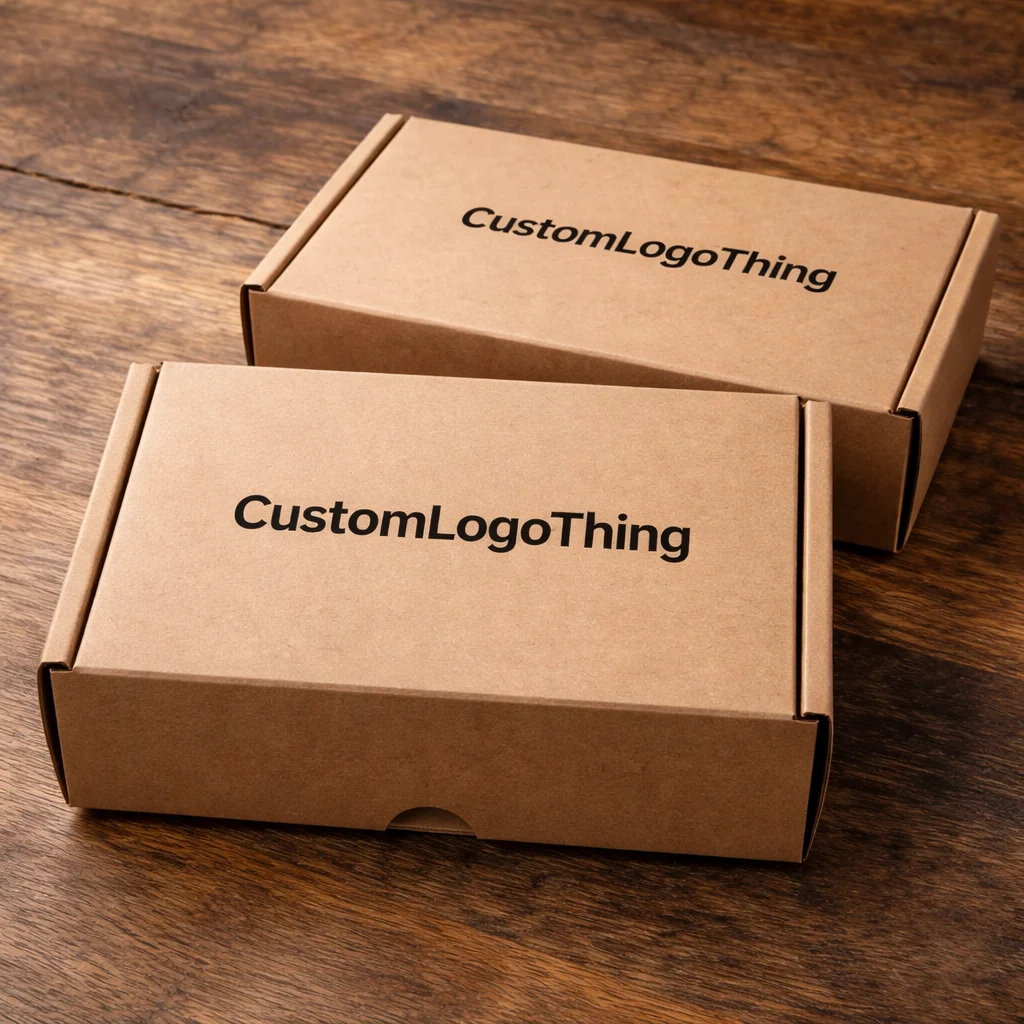
The first physical interaction most customers have with an order is the box, and that moment carries more weight than many brands expect. The shipping carton is not just a container; it sets the tone for the purchase, frames the product, and often shapes whether the order feels thoughtful or improvised. That is why Custom Logo Mailer Boxes matter. They bring structure, branding, and pack-out efficiency into one piece of packaging instead of treating those goals as separate jobs.
In practical terms, custom logo mailer boxes are printed mail-ready boxes built from corrugated board or paperboard-style constructions, with artwork placed on the outside and sometimes inside as well. They sit between plain shipping cartons and retail display packaging. More branded than a brown shipper, stronger and easier to assemble than many folding cartons, and usually a better fit for ecommerce than fully Rigid Gift Boxes.
The terminology gets mixed up often. A mailer box is usually self-locking or tuck-style and designed for presentation plus transit. A shipper box leans more heavily toward protection and may be plain. A product box is often used as a secondary retail layer and may still need an outer mailer. For apparel, beauty kits, samples, subscription sets, and lightweight accessory packs, mailer-style packaging often does both jobs well enough to keep the supply chain simple.
That dual role matters because packaging affects how customers judge value. A box that arrives crushed, loose, or visually unbalanced can make the product inside feel less premium even if the item itself is excellent. The opposite is true as well: a box with clean structure, correct sizing, and crisp print can make a modest product feel more considered. It is not magic. It is expectation management, and packaging is one of the few places where that happens before the product is even seen.
Buyers tend to separate product quality from packaging only in theory. In practice, the box becomes part of the product experience the moment it lands on the doorstep.
The best packaging decisions start with a realistic view of operations. A box has to look right, but it also has to pack quickly, ship safely, and arrive without unnecessary waste. That is the balance worth chasing.
How the Box, Print, and Shipping Format Work Together
Structure should come before decoration. That order avoids the most common packaging mistakes and usually saves money. Closure style is one of the first choices to make. Tuck-in flaps are fast to assemble and work well for light to medium products. Roll-end and reinforced styles offer better compression resistance and hold up better when boxes are stacked, loaded, or handled multiple times in transit.
Board selection changes the feel and performance of the box in a very real way. E-flute is thinner and gives a cleaner print surface, which makes it useful for lighter items and more refined graphics. B-flute is thicker and offers more cushioning, so it is better for heavier goods or shipments that face rougher handling. Some brands use laminated paperboard or chipboard for a smoother premium look, but those builds usually make more sense for lighter kits than for orders that need to survive harsher shipping conditions.
Print method is the next major decision. Digital printing is typically the most flexible choice for short runs, mockups, and faster sampling because setup requirements are lighter. Offset and flexographic printing start to make more financial sense at higher quantities, especially when color consistency matters across a larger order. If the brand color has to match closely, ask how the printer handles Pantone references, proof approval, and ink limits. A screen rendering is not a color standard, even if it looks convincing on a monitor.
Finishing should be chosen carefully, because it can add cost quickly without improving the actual user experience. Matte laminate gives a softer, more controlled look. Gloss finish creates more visual pop under bright light. Soft-touch coating feels premium, although it can scuff if handling is rough. Spot UV can highlight a logo or graphic detail, but it is easy to overuse. Inside printing can be effective for a reveal moment, but only when there is a real reason to print that second surface.
Fit matters more than decoration. A box that looks beautiful but crushes corners, shifts around the product, or requires too much filler is not doing its job. A plain but well-sized carton often performs better than an ornate one with the wrong dimensions. Inserts should be added when they stabilize the product or speed up pack-out. Tamper resistance belongs in the spec when the contents need it. Think of the box as a system, not a single panel with a logo on it.
For buyers comparing formats across a packaging program, the broader range of options on Custom Packaging Products can help show where mailers fit alongside other shipping and presentation styles.
Custom Logo Mailer Boxes Cost, Pricing, and MOQ Basics
Pricing is usually driven by five variables: box size, board grade, print coverage, finishing, and order quantity. Inserts, specialty coatings, and inside printing raise the total quickly. A simple printed box can stay reasonably efficient. Add layered finishes or a complex internal layout, and the budget shifts fast.
Minimum order quantity matters because setup costs do not disappear just because the run is small. A 500-unit order almost always carries more overhead per piece than a 5,000-unit order with the same specifications. That does not mean smaller runs are wrong. It just means the unit price reflects the reality of production. If a quote looks unusually low without exact dimensions or print details, expect adjustments later.
A useful way to think about the total is: setup + material + print + finishing + freight. Those costs stack, and they do not always show up in the first number a buyer sees. A box price may look attractive until shipping, inserts, or packing charges are added. That is why the cleanest quotes separate line items instead of burying them in a single figure.
| Option | Typical Use | Relative Cost | Tradeoff |
|---|---|---|---|
| Plain corrugated mailer | Basic shipping and kitting | Lowest | Minimal branding impact |
| Single-color logo print | Simple branded packaging | Low to moderate | Clean and efficient, but limited visual depth |
| Full-color outside print | Ecommerce and presentation packaging | Moderate | Better shelf appeal, more careful setup required |
| Soft-touch with inside print | Premium unboxing | High | Strong presentation, easier to overspend |
For many ecommerce programs, a simple printed mailer lands in a manageable price band at scale, while premium builds with specialty finishes and inserts move much higher. The exact range depends on dimensions, board selection, quantity, and freight distance, so a generic “cheap” quote is not especially useful. A better request is a quote based on actual packed product dimensions and real print coverage.
Watch the hidden costs. Oversized boxes create filler waste and increase freight volume. Heavy coatings can add expense without improving performance. Inside printing makes sense for some brands, but it is easy to pay for a feature that most buyers barely notice. Structure and fit usually deserve the budget before cosmetic extras do.
Production Steps and Timeline: From Artwork to Delivery
Production is usually predictable once the specs are clear. The standard sequence is brief, dieline selection, artwork setup, proofing, sampling, production, finishing, and packing. Problems tend to show up when the product measurements are incomplete or the artwork is still changing while production is being scheduled. A blurred logo file or a late design revision can slow the whole order more than a complex box structure ever will.
The most common delays are simple ones: missing dimensions, unclear dieline edits, color corrections after proof review, and approval bottlenecks. Packaging projects rarely fail because the box itself is impossible. They get delayed because too many decisions are postponed until the end.
Lead time depends on complexity. A straightforward mailer with one- or two-color print may move through proofing and production faster than a box with inserts, specialty coating, and inside print. Sampling is often a separate step, which means the sample may be quick while the full production run still needs its own schedule. That distinction matters when launch dates are tight.
Good planning starts with the basics: logo files in vector format, brand colors, packed product dimensions, product weight, target quantity, and delivery destination. Freight time should be part of the schedule from the start. Ground shipping, sea freight, and expedited transit all affect the calendar differently. Seasonal launches and subscription restocks are where timelines get exposed, because the packaging may be finished on paper but not yet on-site.
For transit expectations and shipping testing references, the ISTA guidelines are a useful benchmark. They do not solve every packaging issue, but they do help frame what a carton should survive before it reaches customers.
How to Choose the Right Specs for Your Product
Start with the packed item, not the product alone. Include tissue, inserts, bags, cushioning, or any other materials that are part of the final pack-out. If the box is too tight, packing becomes slow and corners scuff. If it is too loose, the product shifts and the presentation suffers. The ideal fit is snug without becoming difficult to assemble.
Size is a tradeoff between efficiency and usability. Smaller boxes reduce void fill, improve presentation, and often lower freight cost. But if the carton is too compact for the fulfillment team, the process becomes frustrating and the risk of damage goes up. A box has to work on the line, not just in a design mockup.
Product weight and fragility should drive the structure choice. Lightweight apparel, stationery, and sample kits can usually use standard mailer construction. Heavier items, glass, and dense components may need stronger corrugated board or a different shipper format entirely. A mailer box can do a lot, but it is not a universal answer.
Brand goals come next. If premium unboxing is the priority, focus on precise fit, a clean closure, and one or two well-placed finish details. If sustainability messaging matters, choose an efficient structure and avoid unnecessary coatings or layers. If the box will sit in retail environments, the graphics have to read quickly from a distance. That is a hierarchy problem as much as a design problem.
Artwork placement should follow visual priority. Put the logo where the eye lands first. Use side panels for supporting branding if needed. Inside printing can be effective for a reveal, thank-you note, or product story, but only when it earns the extra cost. Cluttered packaging tends to lose clarity faster than most teams expect.
Fulfillment deserves attention too. If the team packs dozens of orders an hour, a structure that folds quickly and closes consistently can reduce labor and errors. If the box will be stacked or shipped long distances, compression resistance and closure security matter more than decorative detail. Good packaging respects the workflow.
If your outbound mix includes other shipper styles, pairing boxes with Custom Poly Mailers can help keep the packaging system consistent across different product types.
For sustainability guidance, the EPA’s packaging and sustainable materials guidance is a practical reference for separating real material efficiency from marketing language.
Common Mistakes with Logo Mailer Packaging
The first mistake is choosing a size that looks right in a mockup but fails in actual pack-out. Design files can hide a lot. A carton that needs too much filler, bends at the corners, or slows the packing team is usually not the right spec, even if it photographs well.
The second mistake is overbuilding the decoration. Extra finishes, too many colors, and multiple special effects can push the package into expensive territory without improving the customer experience. A focused layout usually delivers more clarity than a design trying to showcase every available embellishment.
The third mistake is assuming a good-looking box will automatically ship well. It might not. Scuffing, compression damage, and corner crush are structural issues, not design preferences. If the box has to travel through multiple handling points, testing matters more than aesthetics.
The fourth mistake is weak artwork prep. Low-resolution logos, the wrong color mode, and no dieline review create avoidable problems in print. When a supplier asks for vector artwork or specific file standards, that request is there for a reason. Good prep protects both the timeline and the print result.
The fifth mistake is forgetting the inside of the box. Some brands spend everything on the outer panel and leave the opening experience flat. That can be a missed opportunity when the product is meant to feel premium, giftable, or presentation-led.
The sixth mistake is ordering before freight, storage, and pack-out requirements are clear. A carton that is hard to stack, awkward to store, or expensive to ship is an operational headache, even if the graphics look excellent.
Expert Tips for Better Results and Lower Waste
Use one strong hero panel if budget is limited. Not every face of the box needs equal visual attention. A clear front panel with consistent side branding often gives enough recognition without wasting print area.
Request a sample or prototype before committing to the full run. A simple test box can reveal fit issues, closure friction, color shifts, and insert problems before they become expensive. That small step often saves more money than it costs.
Choose standard sizes when they make sense. Custom dimensions are useful, but the more a box moves away from practical norms, the more likely it is to carry extra setup cost or waste material. Standard footprints can also simplify storage and reorders for recurring programs.
Keep color expectations grounded in the materials being used. A matte-coated box does not behave like an uncoated one, and a soft-touch finish changes how color reads. Corrugated liners can also shift appearance slightly. Packaging printing has tolerances, and knowing that up front prevents a lot of frustration.
Plan for reorder cycles early. If the box supports a subscription program, a seasonal launch, or a recurring promo set, inventory should include a buffer. That buffer makes storage a little less elegant, but it helps avoid rushed freight and last-minute substitutions.
A practical ordering rule holds up well: protection first, fit second, branding third, finish upgrades last. It is not flashy, but it is reliable.
Next Steps Before You Request Quotes
Before requesting pricing, build a simple spec sheet. Include dimensions, product weight, quantity, print coverage, finish preference, and whether inserts or inside print are needed. Add the shipping destination as well, because freight can change the total more than people expect.
Gather logo files, Pantone references, and brand guidelines before supplier conversations begin. Every missing file slows the project down, and every delay can change the cost structure. It also helps to decide what matters most: lower unit cost, premium presentation, or faster turnaround. Packaging rarely gives all three at once.
Ask for a quote that separates box price, insert price, sampling, and freight. That makes comparison easier and reduces the chance of comparing two very different packages as if they were the same. If the box is meant to ship the product, the quote should reflect an actual pack-out, not just an empty carton photographed under studio lights.
Custom logo mailer boxes work best when they solve a real packaging problem. With the right size, board, and print method, the box protects the order, supports the brand, and keeps fulfillment efficient. When the spec is wrong, the result is just expensive cardboard with a logo on it.
What are custom logo mailer boxes used for?
They ship products while carrying branded graphics and supporting a better unboxing experience. They are commonly used for ecommerce orders, subscription kits, gift sets, and lightweight retail goods. They make sense when the packaging needs to protect the product and present the brand at the same time.
How much do custom logo mailer boxes cost per unit?
Unit cost depends on size, board type, print coverage, finish, and quantity. Small runs usually cost more per box because setup and production overhead are spread across fewer pieces. The most useful quote is based on exact dimensions and real packaging requirements.
What information do I need for a quote on custom mailer boxes?
Provide box dimensions, product weight, quantity, artwork files, and finish preferences. Include whether inserts, inside printing, or special coatings are needed. Add the shipping destination so freight can be calculated accurately.
How long does production usually take for branded mailer boxes?
Timelines vary with structure and finishing. Simple runs move faster than Boxes with Inserts, spot UV, or inside print. Proofing, sampling, production, finishing, and freight all need time, and late artwork changes are the most common reason schedules slip.
What is the best material for custom logo mailer boxes?
The best material depends on product weight, shipping stress, and branding goals. Corrugated options offer more protection, while lighter paperboard-style builds can work well for premium presentation on low-weight items. If the box will travel a long way, structure should come before decoration.


