Custom magnetic boxes can change the way a product is perceived before the product itself gets any attention. The closure clicks into place, the board holds its shape, and the opening motion feels deliberate rather than disposable. That combination is why this format keeps showing up in premium packaging, branded gift sets, retail launches, and presentation kits where the box is part of the product story, not just a container.
The structure is not cheap to produce, and that matters. A rigid magnetic box is closer to a presentation tool than a basic folding carton, which means buyers should judge it on fit, finish, and user experience rather than on unit price alone. For brands that need a cleaner unboxing moment, it often sits alongside other Custom Packaging Products in the packaging mix instead of replacing them across the board.
Custom Magnetic Boxes: What They Are and Why They Feel Premium
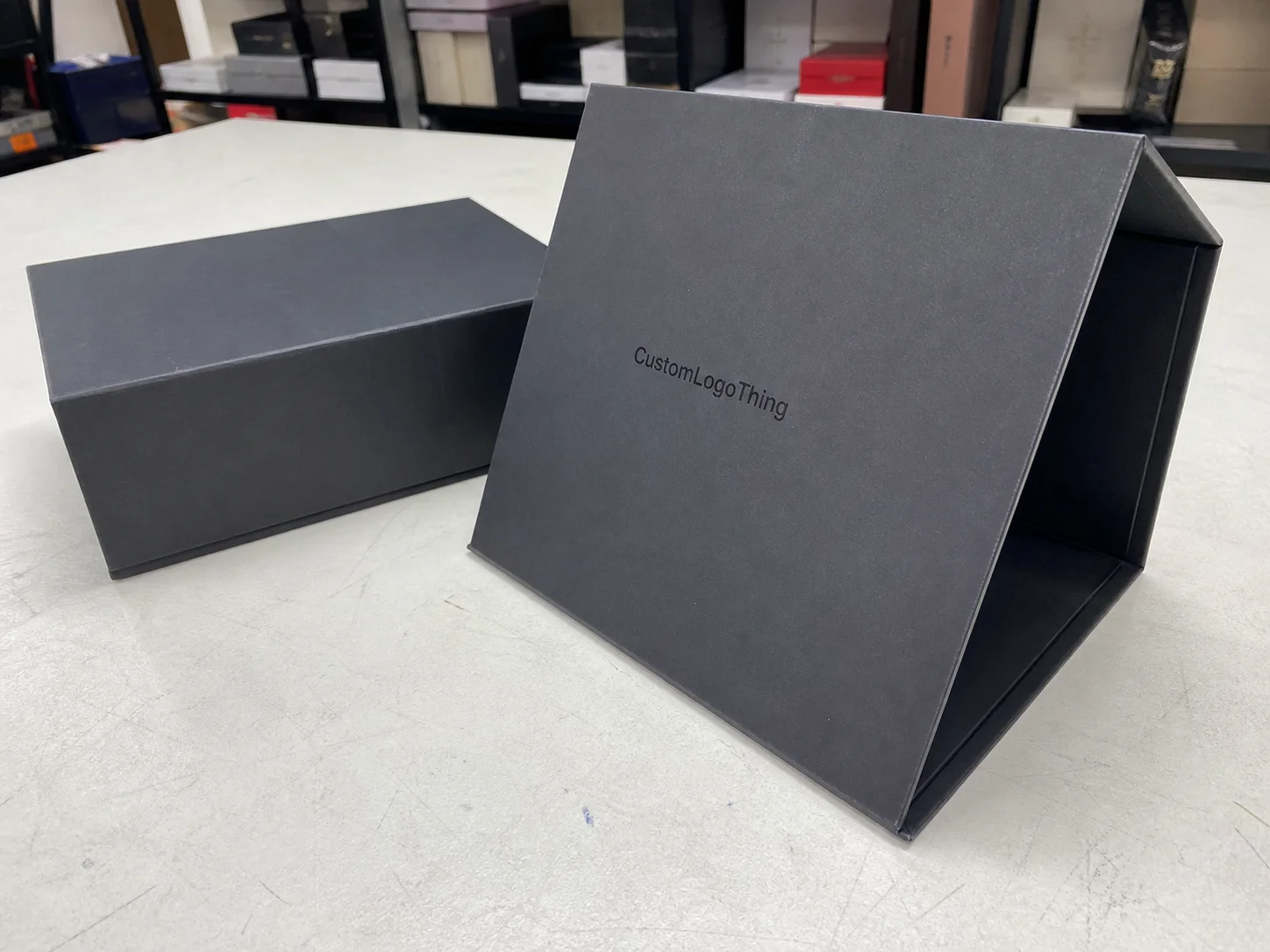
A magnetic box is usually built from a rigid paperboard or chipboard core, then wrapped in printed or specialty paper and fitted with hidden magnets in the flap or lid. The box opens with a controlled pull and closes with a centered snap. That simple motion carries a lot of weight in packaging psychology. People read stiffness, clean edges, and a precise closure as signs that the product inside received the same level of care.
That is why this format appears so often in cosmetics, fragrance kits, electronics, apparel sets, corporate gifts, and launch packaging. The rigid structure protects the presentation during handling, while the lid and insert create a sense of ceremony. A folding carton can still do the job for lighter or less sensitive products, but it will not deliver the same physical presence. The difference is obvious the moment you pick both up.
There is a practical side to the appeal. Premium packaging tends to get retained longer, which means the box can keep working after purchase as storage or as a reusable gift container. That does not make every magnetic box a sustainability win by default, but it helps explain why the format often outlasts the product cycle. Buyers notice when a package feels worth keeping.
That said, custom magnetic boxes are not the answer for every shipment. They are strong presentation shells, not rough transit containers. If the product will take repeated drops, compression, or long-distance parcel handling, the magnetic box should usually ride inside a stronger shipper. The box earns its keep at opening, not in the back of a courier van.
How the Magnetic Closure and Rigid Structure Work
The mechanics are simple to describe and unforgiving to build. Magnets are embedded in the lid wall and corresponding front panel, then covered by the wrap so they disappear into the structure. If the placement is off by even a small amount, the lid may pull unevenly, sit proud, or resist closure. The result is a box that feels off before the customer can explain why.
Board thickness usually falls in the 1.5 mm to 2.0 mm range for smaller presentation boxes, with thicker board used for larger formats, heavier products, or more demanding retail handling. The paper wrap may be printed art paper, textured stock, kraft-style paper, or a specialty finish such as soft-touch laminated paper. The core gives the box stiffness; the wrap gives it its visual identity.
Insert selection matters just as much. Paperboard inserts are efficient and lightweight. EVA foam offers tighter product restraint. Molded pulp can be a good option when the brand wants a more material-driven look or needs a stronger sustainability argument. A hybrid insert is often the compromise choice when the product has mixed components, such as a bottle, charger, accessory card, and printed literature.
Two variables deserve more attention than they usually get. First is hinge geometry. A side-opening book style behaves differently from a top-lift lid with a front flap, and the opening path changes how the product is displayed. Second is magnet strength. Too weak, and the lid feels underbuilt. Too strong, and the user has to force the box open, which is exactly the wrong impression for a premium item. The best closure feels almost inevitable.
A magnetic box should close with a clean pull, not a hard shove. If the lid needs force, the problem is usually in the magnet placement, the board caliper, or the insert height.
For heavier or more fragile items, the engineering has to account for strain points. A narrow hinge line can fatigue if the box is repeatedly opened and closed, especially if the pack is large or the product pushes outward. In those cases, board thickness, insert support, and closure alignment need to be checked together. If the product will travel through a distribution chain, ask whether the pack-out has been reviewed against common transit-testing standards such as ISTA methods. If the brand is making sustainability claims, material sourcing should also be supportable, and certifications tied to FSC are often part of that conversation.
Key Specs That Control Fit, Finish, and Shelf Impact
The spec sheet matters more than the sales pitch. For custom magnetic boxes, the dimensions need to be based on the finished pack-out, not the product alone. Tissue, sleeves, accessory cards, cables, and wraps all consume space. A box that looks roomy on paper can turn tight once the insert and wrap are added, and the reverse is just as common: a box sized too generously lets the product drift and cheapens the presentation.
The main specifications to lock down early are straightforward:
- Interior dimensions measured against the complete packed set.
- Board thickness matched to product weight and handling needs.
- Wrap material such as printed art paper, textured stock, or soft-touch laminated paper.
- Print coverage whether the design is full bleed, logo-led, or deliberately minimal.
- Insert style chosen for restraint, protection, and display.
Finish choices are not decorative extras. They change the cost structure, production time, and way the box reads in hand. Matte lamination gives a quiet, modern feel and tends to show less glare. Soft-touch adds a velvety surface that many buyers associate with luxury, though it can pick up handling marks if the box is packed and unpacked repeatedly. Gloss finish is brighter and more reflective, which can help in retail settings under strong lighting. Foil stamping, embossing, and debossing add tactile detail, but each one adds setup and inspection complexity.
Artwork also deserves disciplined handling. A clean dieline, proper bleed, and correct safe area matter more on wrapped rigid packaging than they do on a flat printed sheet because corners, folds, and wrapped edges can shift the visual balance. Small text near a hinge or corner is a common failure point. Designs with generous spacing, clear hierarchy, and fewer competing elements tend to survive production better than crowded layouts that depend on perfect alignment everywhere.
From a buyer’s standpoint, the best spec is the one that fits the real use case. A cosmetics kit may justify a soft-touch wrap and foam insert because the presentation and product protection both matter. An apparel kit may do better with a simpler printed lid and paperboard tray. That is where packaging design stops being a style exercise and starts being a cost-control tool.
A useful comparison is to treat the magnetic box like a tailored jacket. The fabric, lining, and stitching all matter, but the fit decides whether it looks expensive or merely expensive-looking. Overspecifying the build can waste money. Under-specifying it can make the whole launch feel careless.
Cost, Pricing, and MOQ Factors That Change Your Quote
Pricing for custom magnetic boxes is driven by a stack of variables, and the shell price alone rarely tells the full story. Size, board caliper, wrap material, magnet count, insert style, finish complexity, print coverage, and assembly time all affect the quote. Once magnets and custom inserts enter the picture, labor becomes a much bigger part of the cost than many buyers expect.
Lower quantities cost more per unit because the fixed work has to be spread across fewer boxes. Setup for dielines, die cutting, wrapping, magnet placement, proofing, and inspection does not shrink just because the order is small. If the run is large enough, the unit cost can fall quickly. If the structure is highly decorative, the decline is slower because handwork and finishing remain the bottleneck.
As a practical reference, a straightforward rigid magnetic box at moderate volume may land around $1.20 to $2.10 per unit at 5,000 pieces. A more finished build with soft-touch lamination, foil, and a custom insert can move into the $2.40 to $4.80 range or higher depending on dimensions, materials, and labor. At lower quantities, the same box can cost noticeably more because the setup burden is unchanged. Freight, duties, samples, and special packing are often separate, so a quote should be read line by line.
| Build Type | Typical Features | Common Use | Cost Pressure |
|---|---|---|---|
| Standard rigid magnetic box | 1.5 mm board, CMYK print, paper wrap, simple insert | Gift sets, starter kits, light cosmetics | Lower setup cost, strongest pricing at scale |
| Upgraded presentation box | 2.0 mm board, soft-touch finish, foil logo, die-cut insert | Launch kits, premium retail packaging | Moderate increase from finishing and inspection |
| Premium custom build | Textured wrap, embossing, custom foam or molded insert, complex print | VIP kits, electronics, high-value gifts | Highest unit price because of material and handwork |
Moq expectations vary by construction. Some suppliers can support a few hundred pieces on a simple build, but once the project includes specialty finishing or custom inserts, the minimum often rises to 500, 1,000, or more. That is not arbitrary. It reflects the economics of production efficiency. Lower minimums are possible, but the buyer usually pays for them in unit price.
Good quote comparison starts with the right question: what is included? The shell, insert, proof, tooling, setup, and master carton packing should all be visible. A low-looking price that excludes those items is not a bargain; it is a delayed invoice. The cleanest quote is the one that makes scope obvious.
If you are still deciding which packaging format deserves the premium budget, reviewing other Custom Packaging Products can help clarify whether magnetic closure boxes are the right place to spend.
Production Steps and Lead Time From Dieline to Delivery
The production path is usually predictable, but it depends on clear inputs. It starts with the buyer sharing product dimensions, quantity, finish preference, insert requirements, and target ship date. From there, the supplier checks feasibility and sends a dieline or structural guide. That step is more than paperwork. It is where the actual build gets tested against the product.
Artwork proofing follows. This is where many schedules slip because small issues are often found late: missing bleed, text too close to a fold, inconsistent color expectations, or a logo that should have been adjusted for the wrap seam. If the structure is unusual or the product is expensive, a physical sample is usually worth the time. A PDF can show placement. It cannot show how the lid feels when it closes or whether the insert holds the product under pressure.
Once the proof is approved, production moves through board cutting, wrap printing, magnet insertion, gluing, insert fabrication, inspection, and packing. Straightforward runs often take 12 to 15 business days after proof approval. More complex builds with foil, embossing, custom foam, or multiple revision rounds can move into the 20 to 30 business day range. That is not a delay; it is the normal price of complexity.
The schedule often turns on the slowest approval in the chain. One round of artwork revisions can matter more than the entire assembly stage. If the launch is tied to a seasonal event, trade show, or retail rollout, the safest move is to build in margin. Rush orders can be done, but they narrow the available options on finishing, quantity, and freight.
Shipping deserves separate attention. A rigid magnetic box should usually be nested or packed inside a master carton that protects corners and keeps the lid from opening during transit. For fragile products, pack-out tests matter more than assumptions. A box that looks sturdy in the hand can still fail if the master case is too loose, too heavy, or too weak for repeat handling.
Common Ordering Mistakes That Cause Waste or Delays
The most common mistake is measuring the product without measuring the full pack-out. That error sounds small, but it causes a large share of fit problems. Once inserts, tissue, sleeves, and accessory sets are added, the box may be too tight or too loose. Tight boxes crush corners and stress the closure. Loose boxes let the product move and make the packaging feel cheap.
Vague finish language creates another layer of trouble. Words like premium or luxury do not tell production what to make. Matte, gloss, soft-touch, foil, embossing, debossing, and wrap texture do. The more exact the instruction, the fewer revision cycles are needed. That is particularly true for branded packaging, where color and tactile feel are part of the brand identity rather than optional decoration.
Skipping a sample review is another expensive shortcut. Once the magnets are installed and the wrap is glued, changes become much harder. A proof can catch artwork errors, but only a physical sample can reveal closure force, lid alignment, and insert fit with any confidence. For electronics, glass bottles, or fragile gift sets, that sample often prevents a more expensive correction after the full run is complete.
If a buyer only gives the outside dimensions and asks for something "premium," the order is under-specified. The box has to be engineered around the product, the finish, and the shipping method, not around a feeling.
Freight mistakes show up later, but they are still part of the same problem. Master carton size, carton strength, and total packed weight affect both damage risk and shipping cost. A presentation box can arrive scuffed even when the box itself was built correctly if the outer packaging is weak. If the shipment will be handled multiple times before it reaches the customer, ask how the pack-out reflects common ASTM or ISTA-style transit expectations rather than assuming the inner box can carry the entire load.
One more issue is quote drift. Some suppliers show a low shell cost, then add setup, insert tooling, proof charges, and special packing later. That kind of pricing is hard to compare and easy to underestimate. A reliable quote makes the complete scope visible at the start.
Expert Tips and Next Steps for a Cleaner First Order
A cleaner first order starts with better inputs. Before asking for pricing, gather the exact product dimensions, target quantity, finish preference, insert needs, and ship date. That gives the supplier enough detail to spec the build correctly and reduces the back-and-forth that usually slows down custom magnetic boxes.
For higher-value launches, ask for a physical sample or a detailed proof that shows closure, artwork placement, and insert fit. If the build is simple and the timeline is tight, a digital proof may be enough, but only if the structure has already been proven. The more the package contributes to the customer experience, the more useful a sample becomes.
A short decision list helps keep the order grounded:
- Presentation priority: Is the box mainly for display, gifting, or retail presentation?
- Shipping method: Will it travel inside a master shipper or be handled directly?
- Budget ceiling: What unit price is acceptable at the target quantity?
- Launch date: How much time is available for proofing and sampling?
- Brand finish: Is the design asking for foil, soft-touch, embossing, or a simpler wrap?
That list is plain, but it prevents expensive overdesign. A tight budget should not be forced into a luxury build with three finishing effects. A fast launch should not be buried under a complex foam layout and multiple revision rounds. Good packaging design is usually a matter of fit, restraint, and choosing the right material for the job.
The cleanest buying process is simple: define the dimensions, confirm the insert, verify the finish, and check the timeline before approving the artwork. If those pieces line up, the final box is much more likely to feel intentional in hand and behave predictably in production.
What are custom magnetic boxes made of?
They are usually built from rigid paperboard or chipboard, then wrapped in printed or specialty paper for the finished exterior. Many versions also include foam, paperboard, or molded inserts to keep the product centered and protected inside the box.
How do I choose the right size for custom magnetic boxes?
Measure the product plus any inserts, tissue, sleeves, or accessories, then add the clearance needed for a clean fit without rattling. If the box is part of a set or gift kit, measure the full arrangement rather than each item on its own.
What affects custom magnetic box pricing the most?
Size, board thickness, finish complexity, insert style, print coverage, and quantity are usually the biggest cost drivers. Smaller runs generally have a higher unit cost because setup and labor are spread across fewer boxes.
How long does production usually take?
Lead time depends on proof approval, sampling needs, and the complexity of the structure or finish. Straightforward projects move faster, while foil, embossing, custom inserts, or revised artwork can extend turnaround.
Are custom magnetic boxes good for shipping?
They work well as presentation boxes, but shipping performance depends on the outer carton, product weight, and insert design. For fragile items, use a protective master shipper and do not rely on the magnetic box alone as the shipping container.


