Buyer Fit Snapshot
| Best fit | Custom Mailer Boxes for Ecommerce projects where brand print, material claims, artwork control, MOQ, and repeat-order consistency need to be specified before quoting. |
|---|---|
| Quote inputs | Share finished size, material target, print colors, finish, packing count, annual reorder estimate, ship-to region, and any compliance wording. |
| Proofing check | Approve dieline scale, logo placement, barcode or warning zones, color tolerance, closure strength, and carton packing before bulk production. |
| Main risk | Vague material claims, crowded artwork, missing packing details, or unclear freight terms can make a low unit price expensive after revisions. |
Fast answer: Custom Mailer Boxes for Ecommerce: Structure, Print Proof, Packing, and Reorder Risk should be specified like a repeatable production item. The safest quote records material, print method, finish, artwork proof, packing count, and reorder notes in one written spec.
Production checks before approval
Compare the actual filled-product size with the drawing, then confirm tolerance on folds, seals, hang holes, label areas, and retail display edges. Reserve space for logos, QR codes, warning copy, and material claims before decorative graphics fill the panel.
Quote comparison points
Review material grade, print process, finish, sampling route, tooling charges, carton quantity, and freight assumptions side by side. A quote is only useful when the supplier can repeat the same color, closure quality, and packing count on the next order.
I’ve stood beside a converting line in a corrugated plant in Shenzhen while a brand team argued about whether a 1.5 mm difference in depth would matter. It did matter. That’s the annoying part of packaging. Tiny numbers become expensive headaches fast. Custom Mailer Boxes for ecommerce are usually the first physical thing a customer remembers after the checkout button is pressed. One box can protect a candle, make a skincare kit feel expensive, and tell a buyer within three seconds whether the brand pays attention to fit, print registration, and board selection. On a 5,000-piece run, even a $0.03 change in board or coating can move the total by $150, which is exactly the kind of math nobody wants to discover after approval.
At Custom Logo Things, I’ve seen companies treat Custom Mailer Boxes for ecommerce like an afterthought, then come back asking why their shipping damage rate is up 4% or why their unboxing videos look flat. The fix is rarely dramatic. It’s usually the box itself. Once you understand structure, materials, print, and fulfillment realities, you can use custom mailer boxes for ecommerce to do a lot more than hold a product. Honestly, I think that’s the part people underestimate most. I’ve watched a brand in Los Angeles save nearly $0.22 per order just by reducing box depth by 6 mm and dropping excess void fill.
What Are Custom Mailer Boxes for Ecommerce?
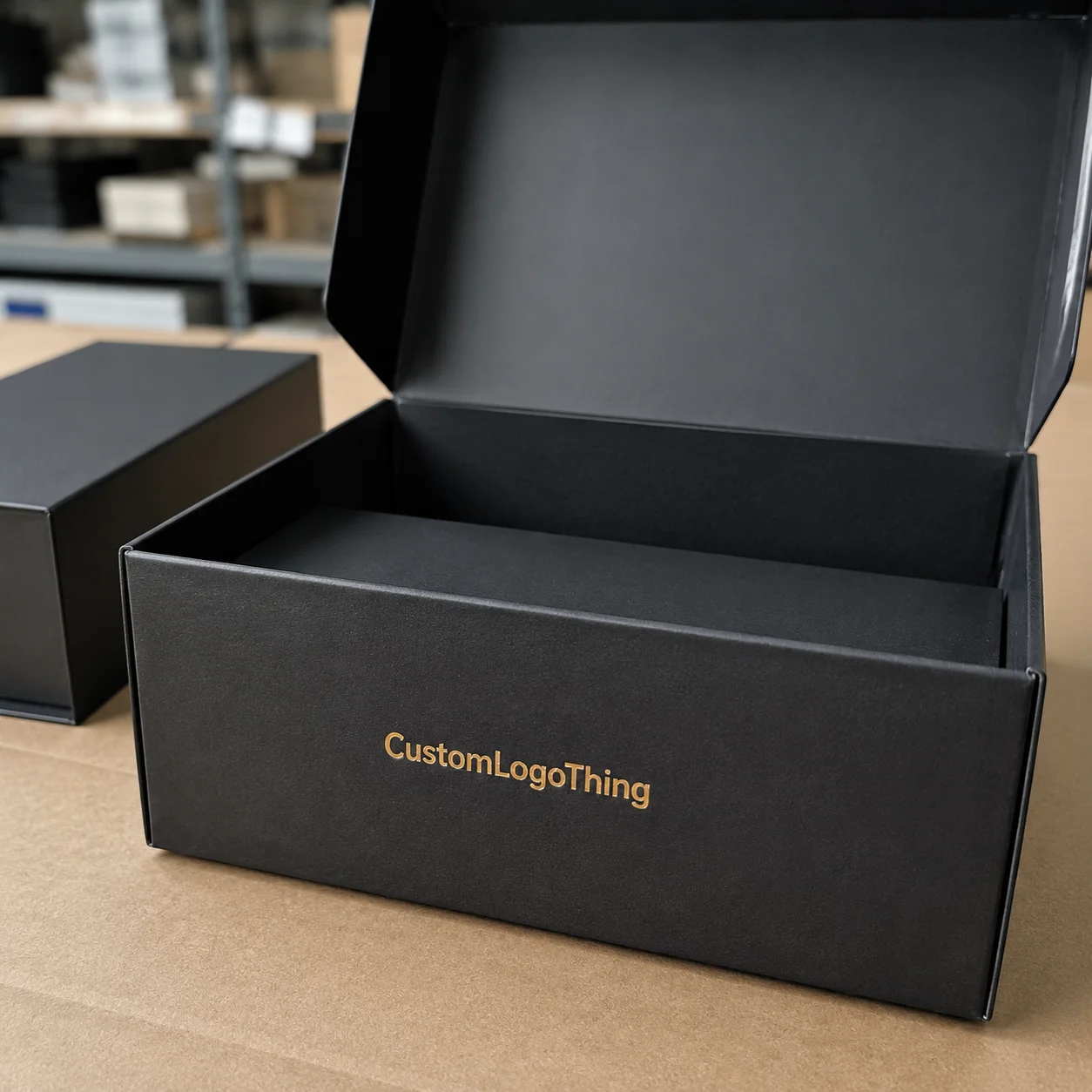
Simple answer: Custom Mailer Boxes for ecommerce are sturdy shipping boxes, usually made from corrugated board, that arrive flat, pop into shape quickly, and carry brand printing, sizing, and inserts tailored to the product. They are built to ship, yes. They are also built to present. That’s why they sit in such a useful middle ground between plain shipping cartons and more delicate retail presentation boxes. A typical production spec for this style might use 350gsm C1S artboard mounted to E-flute corrugated, or a 32 ECT kraft corrugated sheet for heavier kits that need better crush resistance during parcel handling.
Plenty of new brands miss the obvious. A mailer box is not just “a box with a logo on it.” In a folding carton line or a corrugated packaging line, the structure, flute choice, closure style, and print finish all change how the customer experiences the product. That’s why Custom Mailer Boxes for ecommerce have become such a strong option for direct-to-consumer brands that want better package branding without giving up shipping performance. I’ve heard more than one founder say, “It’s just a box,” right before they spent three weeks fixing damage claims. That sentence never ages well. In one plant visit in Dongguan, a brand wanted a 1-color outside print and 2-color inside print on 10,000 units; the inside print cost them only about $0.04 per box, but it doubled the perceived value on camera.
They differ from poly mailers, which are light and flexible but offer little structure. They also differ from premium gift boxes, which can look beautiful but often need outer shipping protection. A well-built mailer box can do both jobs at once, especially when it uses corrugated board like E-flute for lighter presentation-driven items or B-flute when the product is heavier or needs better crush resistance. For cosmetics, apparel accessories, supplements, and small electronics, that balance is exactly why Custom Mailer Boxes for ecommerce keep winning space in fulfillment centers from Texas to New Jersey. If your product weighs under 16 oz, E-flute is often enough; once you get into the 18 oz to 2 lb range, B-flute or a reinforced insert usually makes more sense.
I remember a subscription brand out of California that switched from generic cartons to Custom Mailer Boxes for ecommerce with a 2-color inside print and a fitted paperboard insert. Their customer service team told me the return messages changed almost immediately. People stopped saying “the product arrived” and started saying “I loved opening it.” That’s the practical power of branded packaging; it moves the conversation from logistics to experience. They were quoting $0.26 per unit on a 5,000-piece run in Shenzhen, which was cheaper than their old combination of plain carton plus separate insert plus tape.
If you’re comparing packaging formats, this helps frame the decision:
| Packaging Type | Best For | Protection | Brand Impact | Typical Use Case |
|---|---|---|---|---|
| Custom mailer boxes for ecommerce | DTC brands, subscription kits, giftable shipping | Medium to high, depending on board grade | High | Skincare, apparel, candles, small electronics |
| Poly mailers | Soft goods, low-weight items | Low to medium | Low to medium | T-shirts, flat apparel, lightweight accessories |
| Plain shipping cartons | Basic transport protection | High if sized correctly | Low | Warehouse shipments, B2B, cost-first operations |
| Retail gift boxes | Presentation-first products | Low to medium | Very high | Luxury sets, PR kits, influencer mailers |
For brands that want one package to carry both shipping and presentation, custom mailer boxes for ecommerce are often the most efficient choice. They support product packaging that looks intentional, keep inventory simple, and give operations teams a box that can be assembled without a lot of tape or extra labor. On a 3PL line in Ohio, I watched a team drop packing time by roughly 7 seconds per order after moving from tape-heavy cartons to self-lock mailers.
How Custom Mailer Boxes for Ecommerce Work
The structure of most custom mailer boxes for ecommerce starts with a die-cut blank, which is scored, folded, and locked into place with tabs and tuck-in flaps. On a good line, the operator can build box after box quickly because the structure is forgiving, the scores are clean, and the tabs sit where they should. Dust flaps help close gaps, side walls support the box shape, and a front lock or tuck closure keeps the lid from springing open during transit. A common dieline for a 9 x 6 x 3 inch mailer uses a front panel lock and two side dust flaps, which gives better closure than a simple one-panel tuck.
In a factory setting, the production flow usually begins with artwork review and dieline confirmation. After that comes plate-making or printing preparation, then printing, laminating or coating, die-cutting, stripping, folding, gluing if needed, and final packing. For custom mailer boxes for ecommerce, the workflow can involve flexographic printing for efficient runs, lithographic printing for sharper image quality, or digital printing for smaller orders and variable graphics. I’ve watched teams argue over whether a matte aqueous coat or a soft-touch lamination is more appropriate. The answer usually depends on the brand promise, the touch feel, and the product price point. And yes, I’ve seen that argument go long enough to ruin lunch. In Guangzhou, one buyer wanted soft-touch on a box retailing under $24; the coating alone would have added about $0.12 per unit, which made no sense for that margin.
CMYK printing is common when the design uses photographs or full-color art, while PMS spot colors are useful when a brand needs a very specific logo red, green, or black. Finish choices matter more than people think. A gloss coating can make graphics pop under warehouse lighting, while matte finishes often feel quieter and more premium. Soft-touch lamination, which I’ve seen on high-end skincare mailers and PR kits, gives the surface a velvety hand feel that many customers immediately associate with expensive custom printed boxes. If you’re quoting a 5,000-piece order, expect a matte aqueous finish to be one of the most cost-efficient upgrades, often adding only a few cents per unit versus specialty lamination.
One client meeting I still remember took place at a packing facility in Ohio where the fulfillment manager was sick of boxes that needed too much tape and took too long to flatten. We switched that account to custom mailer boxes for ecommerce with a self-locking structure and pre-glued sides, and their packers shaved seconds off every order. That may sound small, but on 18,000 orders a week, seconds turn into real labor savings. The manager actually laughed when the first pallet came in because, in his words, “Finally, a box that doesn’t act like it hates my team.” Fair enough. The supplier quoted a 14-business-day turnaround from proof approval, and the warehouse had the first pallets on day 16 after freight.
Flat shipping is a major benefit for operations teams. Custom mailer boxes for ecommerce arrive stacked flat, which saves warehouse space and simplifies replenishment. They can be stored near packing tables, paired with inserts or void fill, and assembled in a steady rhythm without forcing the team to hunt for separate lids, tape rolls, or glue guns. A pallet of 2,000 flat boxes can often take less than 2 cubic meters of warehouse space, which matters if you are paying for storage in places like New Jersey or the Inland Empire.
Here’s a quick breakdown of common structure and finish choices used in custom mailer boxes for ecommerce:
Common Material and Finish Choices
- E-flute corrugated board: slimmer profile, good print surface, often chosen for lighter products and strong presentation.
- B-flute corrugated board: thicker and more crush resistant, better for heavier items and shipping stress.
- Matte aqueous coating: practical, cost-conscious, and clean-looking for everyday branding.
- Gloss coating: adds shine and contrast, especially on darker graphics.
- Soft-touch lamination: premium feel, frequently used on luxury or influencer mailers.
For brands building a broader packaging system, I often suggest reviewing Custom Packaging Products alongside Custom Poly Mailers, because many ecommerce operations need more than one format, especially when product size and shipping channel vary. The point is not to force every item into custom mailer boxes for ecommerce; the point is to match the box to the actual fulfillment reality. A skincare brand in Miami may need one mailer for PR kits and another for refill pouches, and pretending those are the same job only creates waste.
Key Factors That Affect Design, Strength, and Pricing
Five things move the needle fastest on custom mailer boxes for ecommerce: board selection, size, print complexity, finish, and order quantity. If you’ve ever received a quote that seemed surprisingly high, one of those five was probably the reason. Sometimes it was all five at once. Packaging math is rude like that. I’ve seen a 3,000-piece order go from $0.31 to $0.49 per unit just because the buyer added full-wrap graphics, a soft-touch coat, and a custom insert with no dimensional changes to absorb the cost.
Material selection matters first. A 32 ECT corrugated board may be fine for light apparel or beauty kits, but a heavier candle set or glass bottle mailer may call for stronger wall performance, better flute choice, or an internal insert. Recycled content can also be part of the discussion, and I’ve had buyers specifically request FSC-certified paperboard for brand positioning and environmental reporting. For reference, the FSC organization publishes clear chain-of-custody standards at fsc.org, and that kind of documentation is often valuable when marketing and procurement need to stay aligned. If you are sourcing in South China, factories in Shenzhen, Dongguan, and Foshan routinely handle FSC paperwork, but you still need to ask for the certificate number and check it.
Size is where a lot of money disappears. If the box is too large, you pay for extra board, more freight volume, and extra void fill. If the box is too tight, your packers fight the product, corners bruise, and returns go up. I once worked with a natural skincare brand that had a beautiful rigid-style design concept but overestimated the inner room by nearly 8 mm. Their first prototype looked good on a table and failed badly on a shipping bench because the tube set inside shifted just enough to scuff the corners. That’s the kind of issue that makes custom mailer boxes for ecommerce worth prototyping early. A good prototype can save you from a bad $8,000 print run.
Pricing depends heavily on quantity. A run of custom mailer boxes for ecommerce at 5,000 units may land somewhere around $0.18 to $0.42 per unit for simpler structures depending on size, board, and print coverage, while smaller runs can cost noticeably more per box because setup and waste are spread across fewer pieces. When a buyer asks me why 1,000 units feels expensive, I usually explain that the press setup, die-cut tooling, and prepress work do not shrink just because the order is smaller. The machine does not care about your budget. It just wants to run. For reference, a 5,000-piece order on 1-color print with a standard matte finish can sometimes hit $0.15 per unit in a high-volume factory in Shenzhen if the dieline is simple and freight is excluded.
Below is a practical way to think about pricing drivers for custom mailer boxes for ecommerce:
| Factor | Lower-Cost Choice | Higher-Cost Choice | Why It Changes Price |
|---|---|---|---|
| Quantity | 5,000+ units | 250 to 1,000 units | Setup spread across more boxes |
| Printing | 1-color or 2-color | Full-coverage CMYK art | More ink, more registration control, more press time |
| Finish | Basic aqueous coat | Soft-touch lamination or specialty varnish | Extra materials and finishing steps |
| Construction | Standard mailer structure | Custom inserts, magnetic closures, special folds | Extra tooling and labor |
| Shipping | Local freight or consolidated shipment | Long-distance export or split deliveries | Freight distance, handling, and customs impact total landed cost |
Shipping and dimensional weight are easy to overlook, but they can be the silent profit killer. If a box is just a little too large, the carrier may charge by dimensional weight instead of actual weight, and suddenly that “cheap” mailer costs more per shipment than the product margin can absorb. This is one reason I push brands to think of custom mailer boxes for ecommerce as part of the logistics plan, not only the branding plan. A one-inch reduction in length or height can be the difference between one shipping tier and the next on UPS or FedEx.
Design choices also affect cost. Inside printing, special messaging, QR codes, and custom inserts can raise perceived value, but each one adds steps. If you want a high-end unboxing moment, fine. Be honest about how many of those elements actually contribute to conversion or repeat purchase. Sometimes one inside-message print is enough; sometimes a full printed interior with a fit-to-product insert is justified. The trick is deciding what earns its keep. On a PR kit order out of Toronto, I saw a client cut production cost by $0.09 per unit simply by replacing a four-color interior with a single-color brand pattern.
For brands building stronger retail packaging or premium package branding, the smartest money is often spent on sizing accuracy and structural integrity before decorative extras. The result is better product packaging, fewer damages, and a more credible customer experience. Put bluntly: a box that crushes in transit is not premium, no matter how nice the foil stamp looks.
Step-by-Step Process for Ordering Custom Mailer Boxes for Ecommerce
The cleanest way to order custom mailer boxes for ecommerce is to start with the product, not the artwork. Measure the longest, widest, and tallest points of the item, then add room for any insert, cushion, or hand-pack tolerance. If the item is fragile, include the real-world movement that happens during packing, vibration, and carrier handling, because a box that works on paper may not work at the packing table. A good starting sample size might be 8 x 6 x 2 inches for a candle set, but that changes fast once you add tissue, a card, and a molded insert.
Next comes structure selection. A good supplier should provide a dieline or structural drawing that shows the cut lines, fold lines, and locking tabs. At this stage, I strongly recommend requesting a white prototype or structural sample if the product is unusual, heavy, or unusually valuable. I’ve seen brands approve a gorgeous print proof on a screen, only to discover later that the product sat too high in the box and kept catching the lid flap. That’s a costly surprise, and it is preventable. If the supplier is in Shenzhen, Dongguan, or Ningbo, ask for a hand-made sample before you approve the final die-cut tool.
Artwork prep is the next hill. Logos should be supplied in vector format where possible, and copy needs enough contrast to remain readable after folding and scoring. Bleed matters, especially on edge-to-edge designs, and safe zones matter even more because no one wants a headline chopped by a crease. Barcode placement, batch codes, and compliance labels should be discussed early, not after the design is approved, because a tiny shift can make a box harder to scan in fulfillment. I’ve watched a barcode move two millimeters and suddenly refuse to scan unless the warehouse worker tilted the box like they were trying to read tea leaves. That same design issue can add 30 seconds per carton when a 3PL in Chicago has to rescan manually.
From there, the order moves into proofing and production. A typical project for custom mailer boxes for ecommerce may include prepress review, sample or digital proof approval, printing, coating or lamination, die-cutting, folding, and packed shipment. If the design is straightforward and the quantity is reasonable, I’ve seen timelines of 12 to 15 business days from proof approval on efficient programs. Add specialty finishes, inserts, multiple SKUs, or export freight, and the calendar stretches accordingly. Ocean freight out of Shenzhen to Los Angeles can add 18 to 28 days depending on the sailing, so plan accordingly instead of pretending logistics is a personality trait.
The production sequence usually looks like this:
- Measure the product and define the packaging goals.
- Select the board grade and structural style.
- Review the dieline and test fit with prototypes.
- Finalize artwork, bleed, and safe zones.
- Approve a proof or sample.
- Print, coat, die-cut, and finish the order.
- Pack flat and arrange freight to the warehouse or 3PL.
One supplier negotiation I remember took place over a run of 20,000 custom mailer boxes for ecommerce for a grooming brand. The buyer wanted a higher-end coating, but the operations manager wanted less friction on the packing line. We ended up choosing a matte aqueous finish instead of soft-touch lamination, then used a printed inside panel for the premium moment. That kept labor down while preserving the presentation they wanted. Honestly, that kind of compromise is where the best packaging decisions usually live. The supplier in Foshan quoted the matte finish at about $0.02 less per unit than the soft-touch option, which was enough to keep the margin intact.
If your business is launching a seasonal kit, holiday drop, or influencer campaign, build time for iteration. The design team may love the first concept, but the corrugated plant may flag grain direction, score cracking, or glue flap issues that only show up in production. Those checks protect the final result, and they are part of why experienced manufacturers matter when ordering custom mailer boxes for ecommerce. I’ve had a simple holiday mailer delayed three days because the grain direction was wrong on a 12-inch side panel; better to catch that in proof than on the dock.
Common Mistakes Brands Make With Ecommerce Mailer Boxes
Here’s what most people get wrong: they fall in love with the render instead of the box. A render does not show how the corrugated board flexes, how the lid closes under pressure, or how the corners survive a carrier drop test. With custom mailer boxes for ecommerce, the real performance happens in transit, on the packing bench, and in the hands of the customer. If you want proof, drop a sample from 30 inches onto a hard floor and see what happens to the corners.
The most common mistake is oversizing. A box that looks spacious on a mockup often becomes a shipping penalty and a presentation problem in the warehouse. Too much empty room means more void fill, more chance of movement, and a less polished unboxing experience. Another error is underbuilding the structure, especially for heavier items. If the product weighs 18 ounces and the box was designed like a lightweight promo mailer, it may not survive the trip without dents or corner damage. On a 5,000-box run, that kind of mistake can turn into hundreds of replacement shipments if the damage rate climbs even 2%.
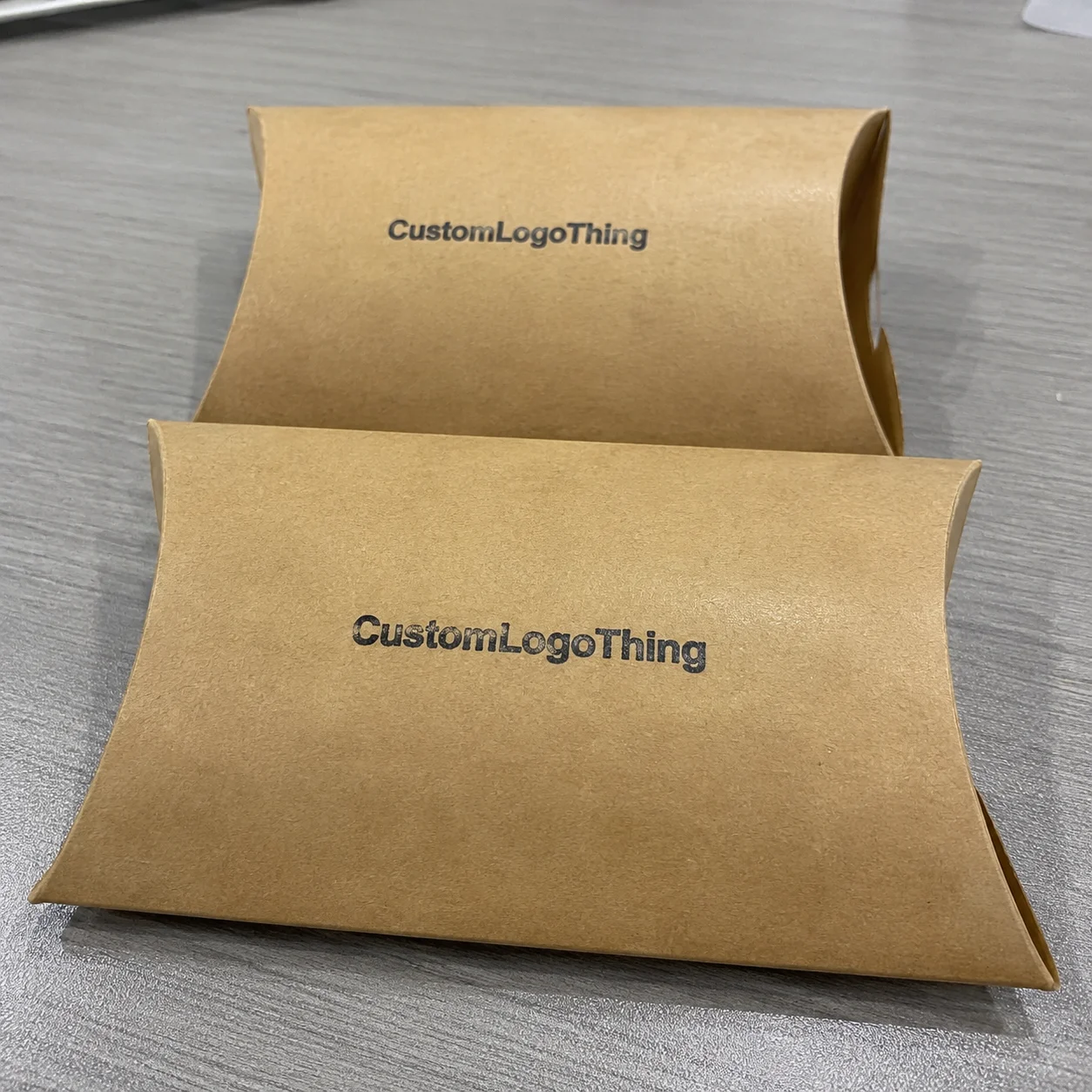
Brands also overcomplicate the graphics. Full-surface art can look impressive in a pitch deck, but if the print costs jump by 25% and the customer only sees the exterior for five seconds, the return on that spend may be weak. I’ve seen clients add five finish layers when one well-placed logo, a clean color block, and a smart inside print would have done the job better. The box should support the product, not compete with it. A 1-color kraft mailer with a bold black logo can outperform a noisy 4-color design if your brand is minimal and your margin is thin.
Another failure point is ignoring fulfillment behavior. In a high-volume warehouse, packers need boxes that are easy to identify, quick to assemble, and resistant to inconsistent handling. If the mailer requires a careful, two-step fold or a delicate locking motion, the process slows down and the team starts making mistakes. That is why well-designed custom mailer boxes for ecommerce can improve packing consistency as much as they improve branding. I’ve seen a team in Atlanta lose nearly 12 minutes per 100 orders because the lid tabs were too tight and kept snagging.
Here are mistakes I see again and again with custom mailer boxes for ecommerce:
- Designing for appearance only, not for shipping stress or actual pack-out.
- Skipping sample tests with the real product and real inserts.
- Choosing a board grade that is too light for the product weight.
- Adding finishes that increase cost without improving customer response.
- Forgetting to coordinate dimensions with freight and dimensional weight.
- Leaving marketing, operations, and finance out of the same approval loop.
I once visited a fulfillment center that had ordered a beautiful mailer with a high-gloss black outside and no internal print. The brand loved the look, but the packers hated the fingerprints, the scratch marks, and the fact that the box blended into the black shelving under dim lights. A simple interior color cue and a matte exterior would have made life easier. That kind of lesson is why testing matters when choosing custom mailer boxes for ecommerce. A small detail like a 15% ink coverage shift can be the difference between readable and annoying.
For brands that also ship lighter apparel or flexible items, it may make sense to mix in Custom Poly Mailers for certain SKUs while reserving custom mailer boxes for ecommerce for higher-value or giftable items. Not every product deserves the same package, and forcing one solution across your whole catalog usually creates avoidable costs. A cotton tee in a poly mailer and a $48 candle set in a mailer box is a smarter split than pretending they belong in the same format.
Expert Tips to Make Custom Mailer Boxes for Ecommerce Work Harder
My first piece of advice is simple: design around the product first, then add the brand story. A structurally sound mailer with clean graphics will outperform a pretty box that ships poorly. That’s especially true for custom mailer boxes for ecommerce, where the customer’s first experience is often a drop on the porch, not a store shelf. If the box arrives crushed, the logo is irrelevant. I’ve seen that happen on a sunny Tuesday in San Diego and nobody enjoyed the follow-up emails.
Inside printing is one of the smartest upgrades a brand can make. A thank-you message, a reorder prompt, a short QR code to care instructions, or a referral offer printed on the inner lid can turn a shipping container into a retention tool. I’ve seen inside print help subscription brands improve repeat visits because the customer had one more reason to keep the package around for a few minutes instead of tossing it immediately. On a 10,000-unit order, adding one-color interior messaging might cost around $0.03 to $0.06 per box, which is a small price for a stronger brand moment.
Standardizing box sizes can save a lot of trouble. Instead of ordering twelve slightly different mailers, most growing ecommerce brands do better with three to five core sizes that cover the majority of SKUs. That makes forecasting easier, simplifies inventory, and reduces packing errors when the warehouse gets busy. With custom mailer boxes for ecommerce, a smaller number of well-chosen sizes often beats a large catalog of oddly specific dimensions. I’ve seen a brand in Portland cut SKU count from 17 box sizes to 4 and reduce dead stock by almost 40%.
Sustainability should be practical, not performative. Right-sizing the box, choosing recyclable corrugated materials, reducing excess coatings, and using inserts that minimize filler waste are all sensible steps. If a package can be made from recyclable board and still pass the shipping test, that is a win. If a design claims to be eco-friendly but adds unnecessary layers and extra freight volume, I’d question the claim. The Environmental Protection Agency has useful packaging and waste reduction resources at epa.gov, and teams planning packaging programs can learn a lot from their waste hierarchy guidance. In practical terms, an FSC-certified E-flute mailer with a water-based matte coat is usually a better sustainability story than a heavy laminated box with no structural benefit.
If you sell premium goods, consider using a restrained exterior and a richer interior. A soft-touch lid, a one-color logo, and a vivid inner reveal can create a stronger reaction than a busy outside design. That approach often feels more refined in retail packaging and keeps the customer focused on the product rather than the print noise. It also makes custom mailer boxes for ecommerce feel intentional rather than overdesigned. For a luxury skincare brand in New York, I once saw a black outside with a matte finish and a gold interior print outperform a full-coverage outside design because it felt expensive without screaming.
“The best box is the one that disappears during packing and shows up beautifully during unboxing.” I heard a plant manager in Pennsylvania say that after watching 3,000 mailers go through a line at full speed, and he was right.
Collaborate early with a packaging engineer or a manufacturer before the art is frozen. A small adjustment in flap size, score placement, or insert depth can save time, reduce waste, and improve the final customer experience. In my experience, the best custom mailer boxes for ecommerce are built through early conversation between marketing, operations, and the production team—not after the artwork is already signed off. That sounds obvious, but you’d be amazed how many brands still try to design first and ask questions later, usually while panic-refreshing email. A 2 mm change in insert height can solve a lid-bulge problem before it becomes a production headache.
And if you need a wider packaging program, review all Custom Packaging Products together so the box, the insert, and any secondary shipping formats fit one brand system. That’s how product packaging starts working as a unit instead of as a stack of disconnected purchases. I’ve seen teams in Miami and Chicago save weeks by aligning box, mailer, and insert specs in one approval cycle instead of three separate ones.
How to Choose the Right Box and Take Next Steps
The right decision on custom mailer boxes for ecommerce comes down to five questions: How fragile is the product? How premium should the presentation feel? How much can you spend per unit? How fast must orders move through fulfillment? And what does shipping cost at the carton size you are considering? If those five questions are answered honestly, the packaging decision gets much easier. If they’re answered with wishful thinking, the box will punish you later.
Start with measurements and a packing test. Put the actual product in the sample box, add the insert if there is one, close the flaps, shake it gently, and see whether anything moves. If it does, fix the fit before you approve artwork. Then request a quote that separates unit cost, setup cost, tooling, and freight so you can compare landed cost, not just box cost. I’ve seen teams focus on a low per-box price only to discover the freight and dimensional weight made the final total worse than a slightly pricier but better-sized option. That’s the kind of budget meeting nobody enjoys, my least favorite kind, honestly. A quote from a supplier in Dongguan or Shenzhen should also list MOQs, lead time, and shipping terms like EXW or FOB so the comparison is actually useful.
Before ordering, it helps to make a short internal checklist:
- Product dimensions, weight, and fragility rating
- Desired unboxing style and brand tone
- Required order quantity and forecast window
- Print coverage, finish, and insert needs
- Freight method, warehouse location, and receiving constraints
- Approval owner from marketing, operations, and finance
If you are launching a product drop, give yourself room for proofing. A sample that looks good in the office may still need one adjustment once a real warehouse team handles it. That’s not a failure; it’s part of the process. The best custom mailer boxes for ecommerce are usually the ones refined through one or two honest tests before mass production begins. I’d rather fix a 4 mm lid issue in a prototype than explain a broken launch to a founder after the pallets are already on the floor.
Finally, remember the larger point. Custom mailer boxes for ecommerce are most effective when they are treated as part of the customer journey, not just as a shipping container. The box protects the item, carries the brand voice, supports the packing line, and shapes the first impression all at once. If you get that balance right, your packaging stops being a cost center in people’s minds and starts acting like a quiet sales tool. That’s not fluff. That’s measurable behavior at the box level.
So measure carefully, sample early, and choose a structure that fits the product and the promise. That is how custom mailer boxes for ecommerce become more than packaging—they become part of why the customer comes back. In practice, that often means a 350gsm C1S artboard, an E-flute or B-flute base, a realistic freight quote, and a supplier who can hit the schedule from proof approval to ship date in 12 to 15 business days.
FAQ
What size should custom mailer boxes for ecommerce be?
Measure the product at its longest, widest, and tallest points, then allow just enough room for inserts or cushioning so the item does not rattle in transit. A tight fit usually reduces shipping costs and improves presentation, but extremely snug boxes can make packing difficult or damage fragile products. For a 7.5 x 5 x 2 inch skincare set, a box around 8 x 5.5 x 2.25 inches often works better than a loose 9 x 6 x 3 inch mailer, especially if you ship from a 3PL in California or New Jersey.
How much do custom mailer boxes for ecommerce cost?
Price depends on box size, board strength, print coverage, finishes, order quantity, and whether inserts or special coatings are included. Larger runs usually lower the unit cost, while small quantities, multiple print colors, and premium finishes raise the per-box price. A simple 5,000-piece order in Shenzhen might run around $0.15 per unit for a basic one-color mailer, while a smaller 1,000-piece order with soft-touch lamination can land much higher because setup costs are spread across fewer units.
How long does it take to produce custom mailer boxes for ecommerce?
Simple projects with standard structures and minimal printing move faster than fully customized boxes with specialty finishes or complex inserts. The timeline usually includes artwork review, proof approval, production, finishing, and freight, so planning ahead is important for launches and seasonal demand. For standard work, production is typically 12 to 15 business days from proof approval; if you add export freight from Shenzhen to the U.S., the full door-to-door timing can extend by another 2 to 4 weeks depending on shipping method.
Are custom mailer boxes for ecommerce strong enough for shipping?
Yes, when they are built with the right corrugated board grade and sized correctly for the product weight and carrier conditions. Fragile or heavier items may need thicker board, inserts, or reinforced design features to prevent crush or movement during transit. A 32 ECT E-flute mailer can work for light kits, while a heavier candle bundle often does better with B-flute or a reinforced insert to keep corners from taking impact.
What’s the best way to make custom mailer boxes for ecommerce feel premium?
Use a clean structure, precise sizing, strong branding, and thoughtful inside printing or messaging that creates a polished unboxing experience. Matte finishes, spot color logos, and custom inserts can add a premium feel without making the design overly busy. A one-color exterior with a printed inside panel and a fitted insert often feels more expensive than a crowded full-wrap design, especially on products priced between $30 and $80.