Custom Mini Ziplock bags can make a tiny product look polished, organized, and ready to sell, while a sloppy pouch can make even a good item feel cheap. That contrast is why buyers should think about them as part of product packaging, not just as a container with a zipper on top.
In practice, the right small resealable bag protects against dust, helps keep moisture out, and gives brands a clean surface for logos, labels, or simple product identification. It also keeps sample counts tidy, which matters whether you are packing hardware, edibles, cosmetics, or promotional items. What looks simple on the shelf usually has more spec choices behind it than people expect: film thickness, zipper profile, print coverage, and size tolerance all affect the final result.
If you are comparing suppliers, or trying to avoid ordering the wrong format, this guide will help you read the specs the same way a packaging buyer would. That usually saves money, and more importantly, it saves you from receiving a bag that looks fine on paper but performs poorly in use.
Why Custom Mini Ziplock Bags Punch Above Their Weight
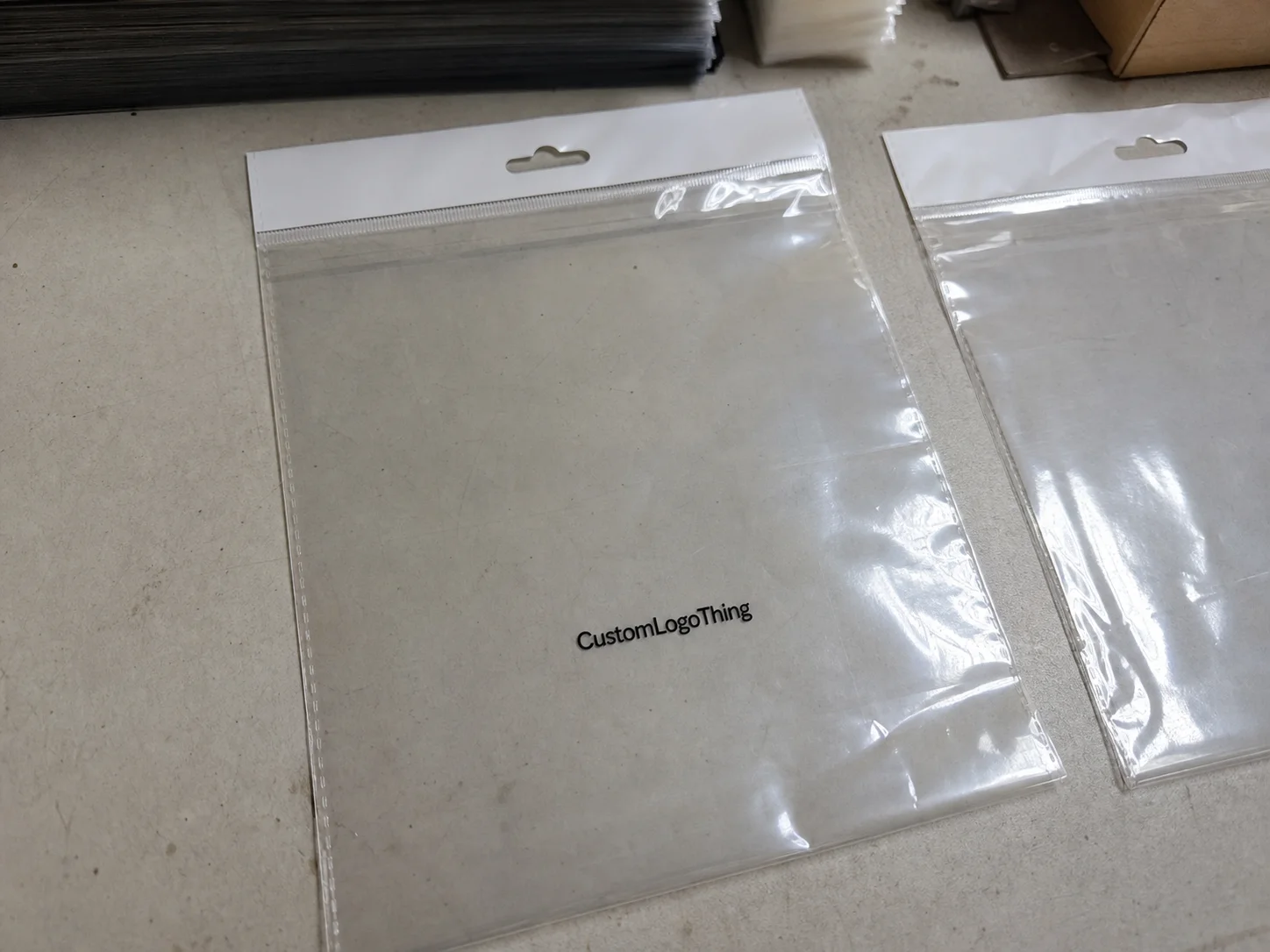
A small pouch can do a lot of work. One neatly printed bag can present a sample as a premium item, organize tiny components for a kit, or make a promotional giveaway feel intentional instead of random. That is why custom mini ziplock bags are often part of smarter packaging design, even when the contents are inexpensive.
These bags are usually small resealable plastic pouches made to hold compact items such as beads, screws, tea sachets, gummy samples, jewelry parts, capsule packs, or trade show handouts. The appeal is straightforward: the bag seals, the contents stay visible when clear film is used, and the surface gives you room for package branding without taking up much shelf space.
There is also a practical side that buyers appreciate. Small items are easy to misplace, count, or contaminate, and a resealable pouch solves a lot of that in one move. A decent zipper closure also makes the product feel usable after opening, which matters for retail packaging and for internal storage alike.
What surprises many first-time buyers is how many decisions hide inside a “simple” bag. You still need to think about zipper style, film gauge, print area, and whether the bag should be crystal clear, frosted, or opaque. Those choices affect cost, print quality, and customer perception in ways that are easy to overlook until you see a sample.
“For small-format packaging, the bag is part of the product experience. If the fit is wrong or the print is cramped, the whole thing feels less credible.”
If you are building a full lineup, it can help to compare these against other formats like custom printed boxes or blister packs. The right answer depends on the product, but small resealable bags often win when you need visibility, light protection, and low material use.
How the Resealable Closure and Film Construction Work
Most mini ziplock bags are built from one or two layers of plastic film, joined at the edges and fitted with a zipper track near the opening. The zipper lets the user open and close the pouch repeatedly, while the side and bottom seals keep the contents contained. That sounds basic, but the construction details are what determine whether the bag feels flimsy or well made.
Polyethylene is the most common base material, especially for general-purpose uses. It is flexible, easy to seal, and usually cost-effective. Some bags use laminated structures, which layer different films together to improve clarity, barrier performance, puncture resistance, or print quality. For a buyer, the main question is not the chemistry lesson; it is whether the bag needs to resist moisture, hold aroma, or simply display the contents cleanly.
The zipper profile matters more than many people think. A tighter, more defined zipper can create a more secure closure and a firmer tactile feel, while a looser closure may be easier for some users to open but feel less premium. For repeat-use items, that small interaction becomes part of the product experience.
Printing is typically applied to the outside film surface, either with spot color, full color, or a simple logo mark. The artwork needs to stay clear of the seal zones and usually away from the zipper track, because those areas are not ideal for legibility. On a small pouch, even a few millimeters can change the final look dramatically.
Optional features can improve function or presentation:
- Hang holes for peg display
- Tear notches for easier first opening
- Matte or glossy finishes to change the visual feel
- Frosted film for a softer, more premium look
For packaging buyers, these details are not cosmetic extras. They influence how the bag presents on a retail hook, how the end user opens it, and whether the bag supports the actual use case. If you want a practical packaging comparison point, the same logic applies to material and closure choices across broader product packaging lines too. For more options beyond pouches, see Custom Packaging Products.
Key Specs That Affect Fit, Look, and Performance
Size is the first spec most buyers ask about, but the nominal width and height rarely tell the full story. You need to account for usable fill area, zipper allowance, and the thickness of the product itself. A bag that is technically “big enough” on a flat spec sheet may still be awkward if the item is bulky, rigid, or oddly shaped.
Think in terms of packed dimensions. A flat accessory, like a folded card or small label set, behaves differently from a chunky sample jar or a hardware kit. In many cases, the product shape matters more than the printed bag size. I usually tell buyers to leave extra headroom so the zipper closes cleanly and the top of the item does not press into the seal line.
Thickness, often described as gauge or mil, changes both durability and feel. Thinner films can save money and work fine for light samples, but thicker film usually gives better stiffness, puncture resistance, and a more substantial hand feel. For tiny bags, a small increase in gauge can make the pouch easier to handle during packing and better-looking at the point of sale.
Print coverage also changes the finished appearance and the price. A one-color logo on clear film is usually the most economical branded option. Full-color artwork or repeat patterns can look much richer, but they add setup and print complexity. Front-only print is common, though some buyers want back-print space for compliance information, lot codes, or ingredients.
| Option | Best For | Typical Buyer Impact |
|---|---|---|
| Clear film, no print | Parts, samples, internal kits | Lowest cost, highest visibility |
| One-color logo print | Basic branded packaging | Low to moderate cost, clean look |
| Full-color print | Retail packaging, promotions | Higher setup cost, stronger brand impact |
| Frosted or matte finish | Premium presentation | Softer appearance, less product visibility |
Barrier needs matter too. If the contents are moisture-sensitive, aroma-sensitive, or meant to stay fresh, film choice should support that function instead of focusing only on appearance. Food contact use, retail display, sample distribution, and industrial parts storage all have different expectations. A bag that works beautifully for craft beads may not be the right answer for dry snacks or scent-sensitive herbs.
When in doubt, ask for the exact internal dimensions, the zipper placement, and the printable area, not just the outside size. Those three numbers prevent a lot of mistakes.
Custom Mini Ziplock Bags: Cost and MOQ Factors
Pricing for custom mini ziplock bags depends on a handful of variables that are easy to identify once you know what to ask. Size, film material, thickness, print complexity, zipper style, and special features all move the unit price. The smaller the run, the more those setup costs get spread across each bag.
That is why lower quantities often look expensive on a per-unit basis. The actual printing or conversion setup does not shrink just because the order is small. If a supplier has to prepare artwork, review proofs, or create print plates or screens, those costs still need to be recovered somewhere.
MOQ, or minimum order quantity, also changes depending on whether you are ordering a stock size with custom print or a fully custom dimension. A stock format may allow lower minimums, while a unique size or special closure often pushes the requirement higher. Some suppliers are flexible, but many production lines are designed around efficiency, not one-off experimentation.
Here is a realistic way buyers can think about pricing drivers:
- Size — larger pouches use more film
- Thickness — heavier gauge typically increases material cost
- Print coverage — more colors and larger artwork raise cost
- Special finishes — matte, frosted, or metallic effects add complexity
- Custom features — hang holes, tear notches, or odd dimensions affect tooling
- Shipping — weight, destination, and transit speed matter
For a rough planning range, a simple custom run of small printed bags can land anywhere from about $0.08 to $0.30 per unit at moderate quantities, while lower volumes often cost more. That is not a quote; it is a practical range that depends heavily on print method, film choice, and order size. A 5,000-piece order with simple one-color print will usually price very differently from a 500-piece order with full-color branding and special finishing.
Comparing quotes is where many buyers get tripped up. Two suppliers may both say “mini ziplock bag,” yet one quote includes a thicker film, a larger printable area, and packed cartons, while the other is based on a lighter stock bag with a tighter artwork window. Ask for like-for-like details: exact size, material, thickness, print method, closure style, packaging format, and whether samples or shipping are included.
Artwork prep can also add cost if files need cleanup. If your logo arrives as a low-resolution image, or if the colors are not set up properly for the chosen print process, expect back-and-forth before production can begin. For simple branded packaging, clean vector art is usually the safest starting point.
Production Steps and Lead Time From Artwork to Delivery
The production flow is usually straightforward, but each step needs to be handled carefully if you want a clean result. It starts with inquiry and spec confirmation, then moves to artwork review, proof approval, production, finishing, packing, and shipment. Miss one detail early and the delay tends to show up later when it is harder to fix.
Lead time depends on how ready the artwork is, how complex the bag is, and whether the order is based on stock materials or a custom-built format. For a simple run, buyers often see something like 12 to 15 business days from proof approval, though that can stretch if the artwork needs revisions or if the material is not immediately available. Larger or more complex runs can take longer, especially if there are multiple print colors or custom dimensions.
Prepress checks are where a lot of trouble gets caught. The supplier should confirm print alignment, seal margins, color separation, and whether the artwork sits safely away from the zipper zone. A good proof does not just show the logo; it should help you visualize the finished pouch as a real packaged item.
What slows things down most often?
- Unclear artwork files
- Missing dielines or bad dimensions
- Color matching questions that are not answered early
- Late proof approvals
- Changes after production has started
If the bags are tied to a launch date, trade show, or subscription ship date, build extra time into the schedule. Transit can add several days, and freight timing is not always under the factory’s control. That is one reason experienced buyers tend to approve artwork early and keep a backup plan for packaging design changes.
For buyers who care about standards, it helps to know that packaging suppliers may reference testing or material frameworks such as ISTA for transit performance or the packaging industry association for broader material and process context. That does not mean every pouch needs formal testing, but it does mean the bag should be evaluated as part of the shipping and handling chain, not just as a graphic surface.
Common Mistakes Buyers Make When Ordering Mini Resealable Bags
The first mistake is choosing by outside size alone. The second is assuming every small bag behaves the same once filled. A bag’s usable space can shrink fast once the zipper, seals, and product thickness are accounted for, and that is especially true with custom mini ziplock bags.
Another common issue is picking a film that looks good but does not fit the job. Clear, thin film may be fine for lightweight giveaway items, but if the product is sharp, aromatic, or handled repeatedly, you may want a stronger structure. Buyers who skip this step often discover the problem after the first packed batch.
Overprinting is another trap. Tiny text, thin lines, and overly detailed logos can disappear on a small format. On mini packaging, design simplicity usually beats ornament. Bold typography and strong contrast hold up better, especially on retail packaging where customers need to recognize the brand quickly.
People also forget to confirm use case. A bag intended for food contact should not be treated the same as a bag for industrial components. If the contents are edible, ask whether the film and print method are appropriate for that application. If freshness or odor control matters, then barrier performance becomes a serious spec, not a side note. For environmental and material context, buyers may also look at guidance from EPA resources on materials and waste handling, especially if packaging choices affect disposal or recycling expectations.
Finally, skipping proof review is a costly habit. Always check margins, seal zones, color contrast, and whether the logo is legible at actual size. A screen preview is not enough. Small-format bags need to be judged at the scale they will be produced.
Expert Tips for Better Ordering, Branding, and Use
Start with the product, not the packaging. Measure the item in its packed state, then add enough room for insertion and closure. That simple habit prevents a lot of undersized orders and awkward fits. If the item varies slightly from piece to piece, base the spec on the larger sample, not the best-case one.
Keep branding concise. On a small surface, a clean logo, one short tagline, or a simple product identifier is often stronger than trying to fit too much information. This is where package branding works best: a clear visual cue that is easy to recognize from a short distance.
Finish choice can change the mood of the bag. Matte and frosted finishes usually feel more premium and can soften the look of bold colors. Clear film, on the other hand, is better when product visibility is the main selling point. A customer buying beads, candy, or sample parts often wants to see what is inside immediately.
If the bag supports kitting, retail presentation, or subscription fulfillment, think beyond the pouch itself. Secondary packaging, labels, inserts, or bundled sets may be needed so the small bag feels like part of a complete product system rather than an isolated item.
“A good small bag doesn’t ask the customer to work harder. It makes the product easier to understand, easier to use, and easier to trust.”
And if sustainability is part of your buying criteria, ask about film options, print coverage, and packaging format with disposal in mind. FSC certification is more relevant to paper-based materials than plastic pouches, but it can matter if your overall packaging line includes cartons, inserts, or outer packaging. Many brands pair small plastic pouches with paper-based outer packaging to balance display needs and brand goals.
Next Steps for Choosing the Right Bag Specification
The fastest way to get an accurate quote is to prepare a short spec sheet. Include dimensions, product weight, material preference, print needs, quantity, intended use, and whether you want clear, matte, frosted, or opaque film. That one document keeps suppliers from quoting different assumptions and helps you compare options more fairly.
Once you have quotes, ask for a proof or sample before placing a larger run. This matters even more when the bag is meant to support retail packaging or a launch where color, clarity, and zipper feel affect customer perception. A sample can reveal issues that paperwork will never show, such as weak closure feel or artwork that looks too small in actual production size.
Before approving, confirm the timeline, shipping method, and any artwork deadlines. If your launch date is fixed, work backward from delivery and leave room for revisions. That is the safest way to keep custom printed packaging aligned with production and sales plans.
After delivery, inspect the finished bag against the approved spec and keep that approved version as your standard for reorder. That simple record makes future purchasing faster and helps keep consistency across runs. For a buyer, consistency is a big deal; it protects the look of the product line and reduces last-minute surprises.
Handled well, custom mini ziplock bags are a small-format packaging choice that can do a surprising amount of work. They protect the product, support branding, and keep tiny items organized without adding unnecessary bulk. When the spec is right, the bag disappears into the experience in the best possible way: it does its job, looks clean, and makes the product feel ready for market.
FAQs
What size should I choose for custom mini ziplock bags?
Measure the product in its packed form, not just its flat dimensions, because thickness affects fit. Leave enough headroom above the item for easy closing and a cleaner presentation. If the product is irregular, test with a sample or compare several size options before ordering.
Are custom mini ziplock bags good for food items?
They can be, but the material and print process must be appropriate for food contact use. Confirm whether the supplier offers food-safe films and whether the bag will be used for dry snacks, herbs, candy, or another application. If aroma retention or freshness matters, barrier performance becomes just as important as appearance.
What affects the price of custom mini ziplock bags the most?
Size, material, thickness, and print complexity usually have the biggest impact on cost. Lower quantities tend to have a higher unit cost because setup is spread across fewer pieces. Special finishes, multiple print colors, and rush production can also raise the price.
How long does production usually take for custom mini ziplock bags?
Lead time depends on artwork readiness, order quantity, material availability, and print method. Proofing and revisions can add time before production starts, especially if the layout is still being finalized. Build in extra time for shipping and any approval delays so the bags arrive when needed.
Can I print a logo on very small ziplock bags without losing detail?
Yes, but the artwork should be simplified so it remains readable at small scale. Bold lines, strong contrast, and clean typography usually work better than tiny fine detail. A proof is the best way to check whether the logo placement and size will look right on the finished bag.

