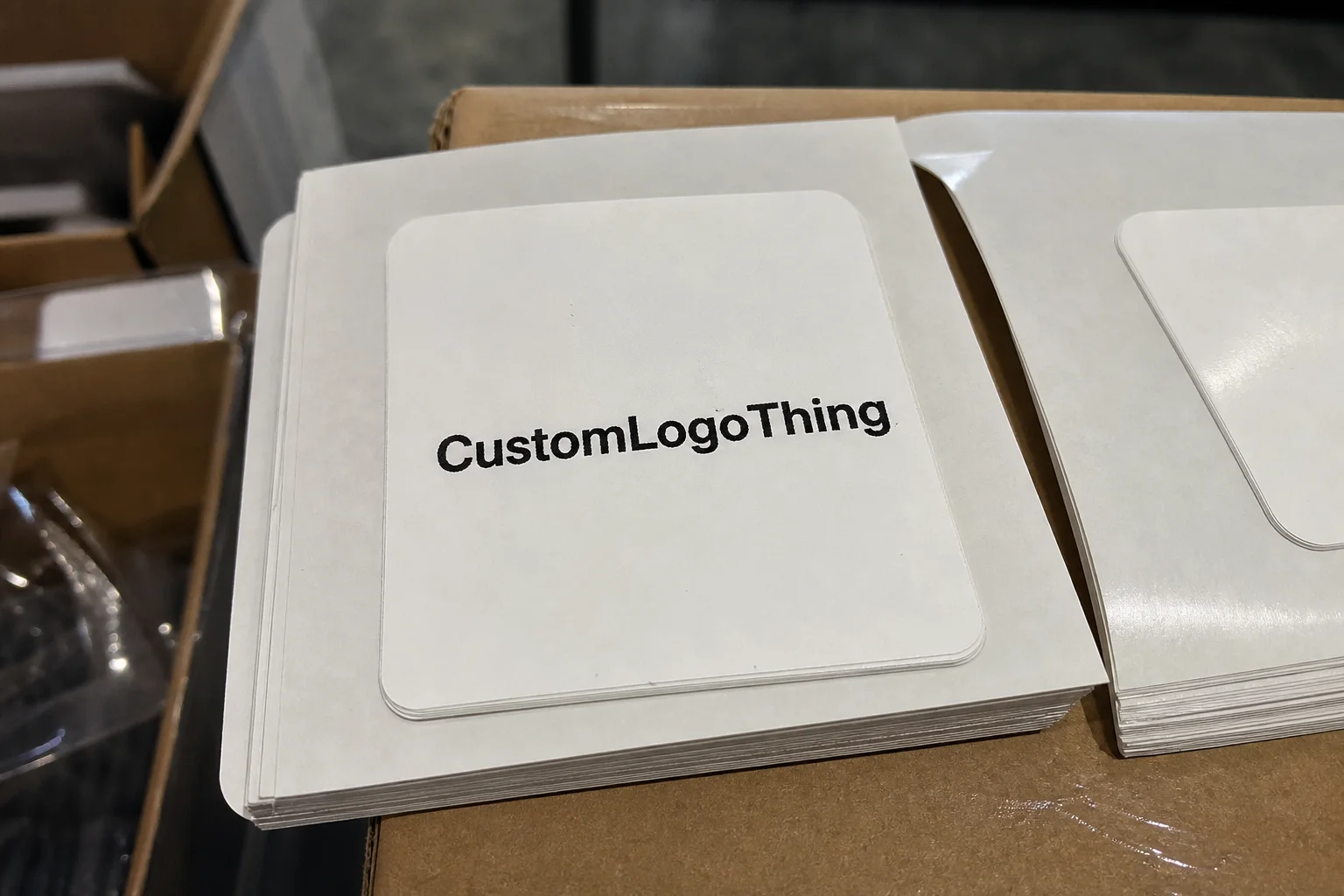
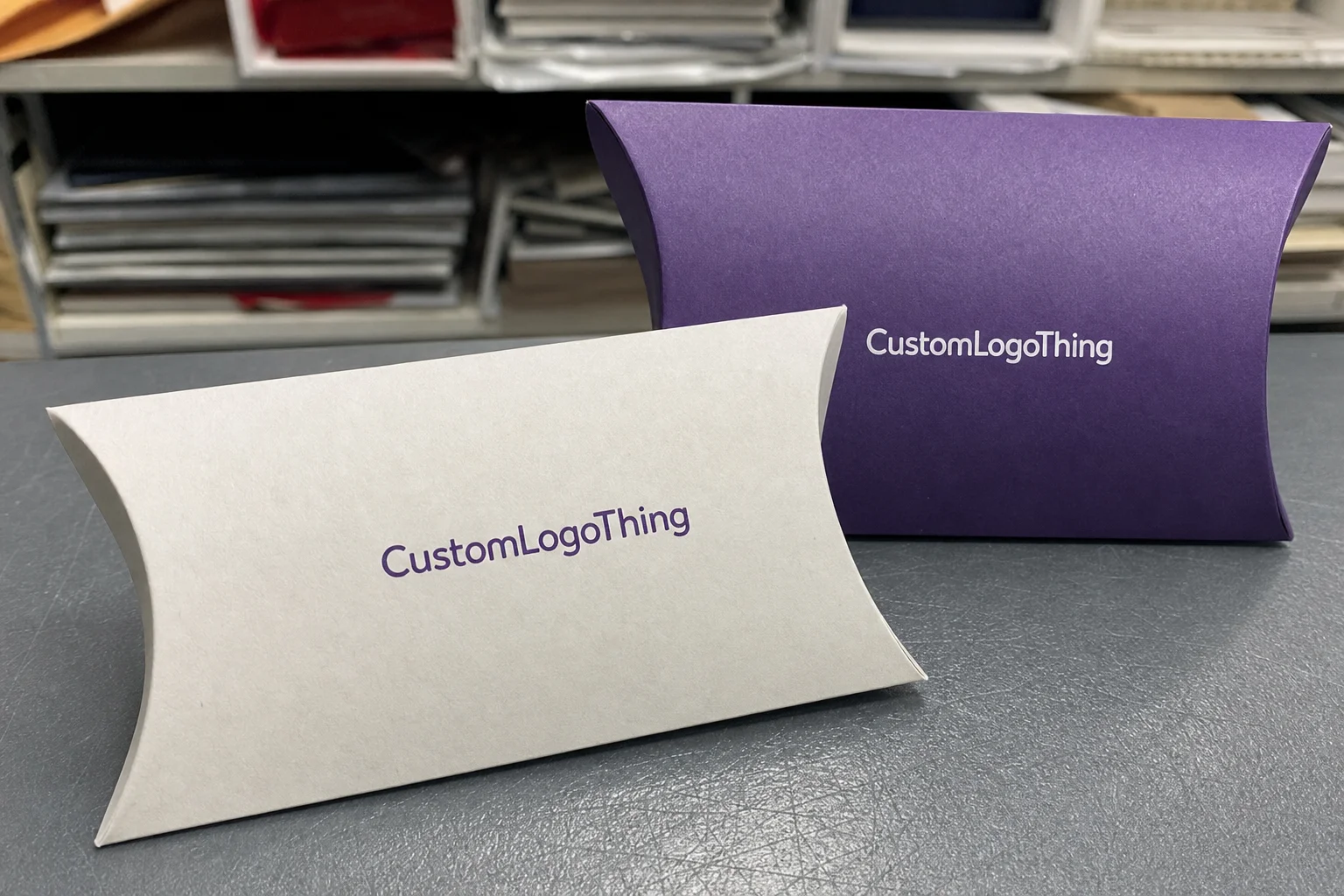
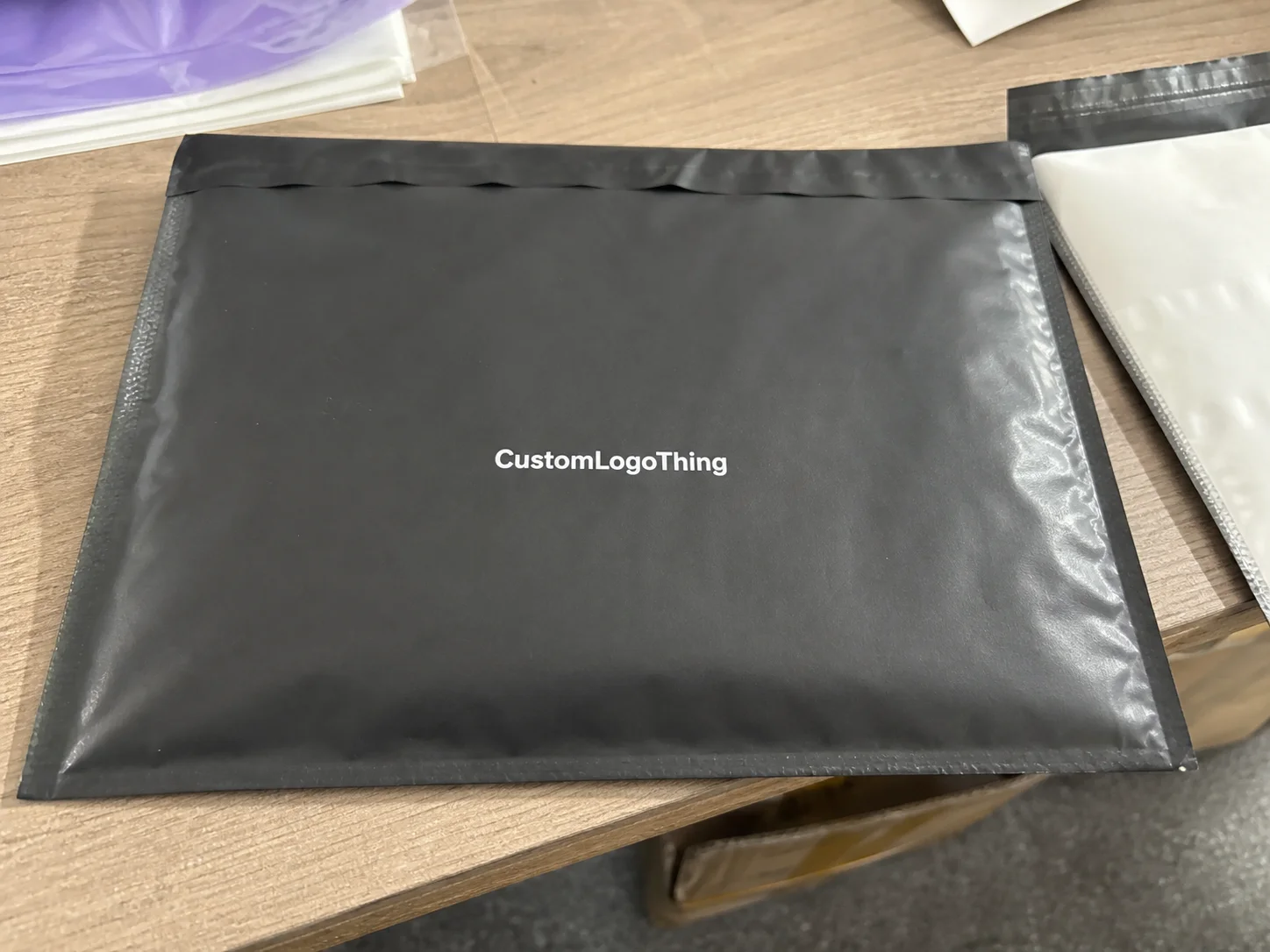
Buyer Fit Snapshot
| Best fit | custom packaging comparison for seasonal launches for packaging buyers comparing material specs, print proof, MOQ, unit cost, freight, and repeat-order risk where brand print, material, artwork control, and repeat-order consistency matter. |
|---|---|
| Quote inputs | Share finished size, material target, print colors, finish, packing count, annual reorder estimate, and delivery region. |
| Proofing check | Approve dieline scale, logo placement, barcode or warning zones, color tolerance, and any recyclable or compostable wording before bulk production. |
| Main risk | Vague material claims, crowded artwork, or missing packing details can create delays even when the unit price looks attractive. |
Fast answer: Custom Packaging Comparison for Seasonal Launches should be specified like a repeatable production item. The safest quote includes material, print method, finish, artwork proof, carton packing, and reorder notes in one written spec.
What to confirm before approving the packaging proof
Check the product dimensions against the actual filled item, not only the sales mockup. Ask for tolerance on folds, seals, hang holes, label areas, and retail display edges. If the package carries a logo, QR code, warning copy, or legal claim, reserve that space before decorative graphics fill the panel.
How to compare quotes without losing quality
Compare board or film grade, print process, finish, sampling route, tooling charges, carton quantity, and freight assumptions side by side. A lower quote is only useful if the supplier can repeat the same color, closure quality, and packing count on the next order.
Custom Packaging Comparison for Seasonal Launches: What Actually Matters
The first time I ran a custom packaging comparison for seasonal launches for a holiday skincare set, the prettiest box on the table lost by a mile. The sample looked expensive, the foil shimmered like it wanted its own spotlight, and the client loved it. Then we checked lead time, MOQ, and freight from the Shenzhen export agent. That “best” option needed 18 business days just for production, 3,000 units minimum, and a $1,250 setup bill on 350gsm C1S artboard with spot UV. The plain folding carton won because it could land in 11 business days from proof approval and still keep the margin intact. That is packaging reality, not brochure fantasy.
A custom packaging comparison for seasonal launches is not just about picking a nice box. It is a side-by-side review of formats, materials, print methods, finishes, and turnaround against an actual launch date, often tied to a 30-day retail window or a 45-day DTC campaign. You are not comparing packaging in a vacuum. You are comparing packaging against a promotion calendar, a warehouse schedule, a retail ship date, and maybe a founder who insists everything must “feel premium” while also costing less than lunch. I have sat through those conversations more times than I can count, and honestly, they are always a little bit hilarious until the invoice shows up.
Seasonal launches behave differently from evergreen product packaging because they live and die by timing. A year-round SKU can absorb a 28-day cycle. A seasonal drop cannot. If your Valentine’s set arrives on February 20, congratulations, you made a very expensive decoration. That is why a custom packaging comparison for seasonal launches has to factor in speed, display impact, and the economics of short-run production. Limited runs usually mean fewer units, more design pressure, and tighter tolerances on mistakes, especially when you are sourcing from Dongguan, Foshan, or Ho Chi Minh City instead of a nearby domestic converter.
When I visited a corrugated plant in Dongguan, one floor manager pointed at a stack of rejected mailers and said, “Pretty samples are cheap. On-time cartons are paid for.” He was right, and he was not trying to be poetic. The brands that compare packaging early avoid panic reprints, airfreight charges that can hit $4,000 to $12,000 on a small lot from Shenzhen to Los Angeles, and that awkward moment when the unboxing does not match the campaign creative. A smart custom packaging comparison for seasonal launches stops those problems before they start, which is more useful than it sounds until you are staring at a missed ship date and trying very hard not to say something unprofessional.
Here is what most people get wrong: they start with the packaging style they like, then try to force the budget around it. That is backward. Start with the launch date, the product protection requirements, and the landed cost target. Then compare options. If you want a fast way to think about it, this is a custom packaging comparison for seasonal launches built around three questions: can it arrive on time, can it protect the product, and can it carry the brand without wrecking margin?
For Custom Logo Things readers, I would frame the decision as a practical tradeoff between branded packaging, production speed, and unit economics. You can get lovely custom printed boxes for seasonal retail packaging in 12pt SBS or 350gsm C1S artboard. You can also get stuck with expensive paper that arrives late and does nothing for sell-through. The goal is not “best packaging” in the abstract. The goal is the right package for a campaign window that may last only 30 to 60 days, which is a very different kind of pressure than a steady evergreen program.
How Custom Packaging Comparison for Seasonal Launches Works
A proper custom packaging comparison for seasonal launches starts with the product, not the printer. I always ask for dimensions, weight, fragility, shelf life, shipping method, and where the box will live after arrival. A lip balm set shipped direct-to-consumer in a mailer needs a very different structure than a premium candle set displayed on a boutique shelf. Same brand. Totally different job. I remember a cosmetics client in Orange County who wanted one format for everything, and the sample immediately proved that the idea was… optimistic, let us say that.
Then I break the process into five stages. First, define specs. Second, shortlist formats. Third, request quotes. Fourth, review samples. Fifth, map the winners to the launch calendar. That last part matters more than people think. I have seen teams approve a gorgeous rigid box and then discover the carton vendor in Jiaxing needed a two-week art proof cycle because the dieline had seven revisions. That is how a custom packaging comparison for seasonal launches turns into a fire drill, and nobody enjoys that kind of excitement before coffee.
There are two comparisons happening at once. Structural comparison looks at the box style itself: mailer, folding carton, sleeve, rigid box, corrugated shipper, or display tray. Print and finish comparison looks at the surface: digital, offset, flexo, foil stamping, embossing, soft-touch lamination, spot UV, matte aqueous, or uncoated kraft. A sleeve might be cheap in paper cost but expensive in labor. A rigid box might look elite but add $1.40 to $3.00 per unit before freight. If you do not separate structural and finish comparisons, you end up comparing nonsense. I have seen teams do this with a straight face, and then act shocked when the math refuses to cooperate.
I have watched supplier quoting get messy in three different countries. PakFactory may quote a digitally printed carton with tooling built into the price. Pratt may quote separate plate fees, setup, and freight assumptions from its Chicago-area fulfillment partners. A local corrugated converter in Mexico City may give you a lower line item but exclude storage, palletizing, and delivery. None of that is dishonest. It is just how quoting works. In a custom packaging comparison for seasonal launches, the quote format is part of the decision. Apples-to-apples is not automatic, and if you do not ask the right questions, you can spend an entire afternoon comparing numbers that are not actually comparable. Fun times. Not really.
Design files matter too. If your artwork is not final, every revision costs time. Sometimes money. Sometimes both. A client once sent me a “final” file with three Pantone changes, one font substitution, and a new QR code after approval. The quote stayed the same; the schedule did not. Good suppliers will catch this. Great suppliers will warn you before the second round of proofs. Bad suppliers will nod politely and invoice you later, which is a very specific kind of irritation I would not wish on anyone.
That is why the real goal of a custom packaging comparison for seasonal launches is not finding the lowest sticker price. It is finding the best mix of cost, speed, quality, and reliability for the campaign window you actually have. If you need packaging that lands in 14 business days, do not compare it against a 28-day offset program and pretend it is fair. It is not. One is a sprint. One is a marathon with foil, and the foil is not going to run itself.
If you are still building your sourcing list, your Custom Packaging Products page should give you a starting point for formats and finishes you can actually price out. Then use those options to create your custom packaging comparison for seasonal launches sheet before you commit to design. That step alone saves a surprising amount of backtracking later.
Key Factors in a Seasonal Packaging Comparison
Cost is the obvious one, so let us handle it first. A real custom packaging comparison for seasonal launches should include unit price, setup fees, plate or tooling charges, sample charges, freight, storage, and rush fees. If a vendor says $0.78 per unit but hides a $650 plate fee and a $280 freight charge, that is not $0.78. That is a small lie with a spreadsheet. I have seen brands celebrate a low quote for exactly twelve minutes before the add-ons started appearing like unwanted guests.
Timeline comes next. Compare quoting speed, artwork approval time, sample turnaround, production lead time, and shipping method. I like to ask three direct questions: How fast can you quote? How fast can you sample? What is the latest ship date you can guarantee in writing? A custom packaging comparison for seasonal launches without those answers is just mood boarding with invoices, and I say that with affection because I have watched enough projects go sideways to know the difference.
Material choice changes everything. Kraft paperboard looks natural and prints well for earthy brands, but it may not hold rich blacks as cleanly as SBS. Corrugated board gives better crush resistance and works well for e-commerce, while rigid board signals premium for gifting and package branding. Recycled content can be a win, but not if the fiber quality drops so much that the corners crush during transit. I have seen “eco” boxes arrive looking like they lost a bar fight. Sustainable should still mean functional, not fragile.
Print method and finishes are where people overspend. Digital printing makes sense for short seasonal runs, usually under 2,000 to 3,000 units, because you avoid plate costs. Offset printing shines when you need color consistency across larger runs, but the setup cost is real. Flexo works well for corrugated and faster production, though detail can be limited. Foil stamping, embossing, soft-touch lamination, and spot UV all add perceived value, but each one adds time and money. A custom packaging comparison for seasonal launches should separate “looks good” from “adds meaningful sell-through.” Those are not the same thing, and I have seen more than one team discover that the hard way after they already paid for the fancy finish.
MOQ is one of the biggest seasonal traps. If you only need 800 units for a two-week holiday promotion, a supplier demanding 5,000 pieces may not be a fit unless you are planning multi-channel use or a second drop. Lower minimums matter because seasonal launches are often temporary. You do not want 4,200 leftover boxes in March because you guessed too high in November. That is warehouse clutter with a logo on it, and the storage rack does not care how good it looked in the concept deck.
Sustainability and compliance also belong in the comparison. If your product touches food, cosmetics, or children’s items, check relevant requirements before approving materials. FSC-certified paper can be a strong selling point, and you can verify responsible sourcing through fsc.org. For recyclability standards and broader environmental guidance, the EPA has useful references at epa.gov. In a custom packaging comparison for seasonal launches, sustainability should support the launch, not slow it down with unverified claims or a paper stock that sounds virtuous but falls apart in transit.
Here is a simple way to compare packaging options side by side:
| Packaging Option | Typical Use | Approx. Unit Cost | Lead Time | Best For |
|---|---|---|---|---|
| Digital folding carton | Short-run retail packaging | $0.42–$0.95 | 7–14 business days | Quick seasonal drops |
| Offset folding carton | Mid-volume product packaging | $0.28–$0.72 | 15–25 business days | Color-sensitive launches |
| Corrugated mailer | E-commerce and gifting | $0.65–$1.60 | 10–18 business days | Protective seasonal shipments |
| Rigid box | Premium limited editions | $1.80–$6.50 | 18–30 business days | Luxury seasonal sets |
That table is not a quote. It is a decision tool. Your actual numbers depend on size, quantity, decoration, and origin. But it does show why a custom packaging comparison for seasonal launches needs multiple variables, not just a single unit price. Packaging is annoyingly good at hiding the real cost until you make it do actual work.
One more thing people ignore: the unboxing experience. A seasonal launch often relies on social sharing, retail theater, or gift appeal. That means your packaging design and product packaging have to create a clean first impression in under five seconds. If the box opens awkwardly or the insert rattles, the brand story takes a hit. I have sat in client meetings where everyone loved the mockup until they tried opening it with one hand while holding a coffee. Real life is rude like that, and packaging has a habit of exposing it immediately.
Custom Packaging Comparison for Seasonal Launches: Cost, Pricing, and Hidden Fees
The fastest way to ruin a custom packaging comparison for seasonal launches is to compare only the headline unit price. That number is tempting because it looks clean. It is also usually incomplete. A supplier quoting $0.78 per unit can end up more expensive than one quoting $0.92 if the first one adds setup, freight, and revision charges later. The cheap quote is often just the beginning of the story, which is not exactly the part anyone wants to hear after they have already started celebrating.
Here is a real-style example from a client I helped with a small holiday candle launch out of a factory in Xiamen. Supplier A quoted 5,000 folding cartons at $0.78 each, plus a $650 plate fee, $280 freight, and $90 for sample shipping. Supplier B quoted $0.92 each, no plate fee, and production-ready samples included, but their lead time was four business days faster. On paper, Supplier A looked cheaper by $700. In landed cost, Supplier B won because the campaign team avoided $1,100 in rush freight by shipping with the main replenishment pallet. That is why a custom packaging comparison for seasonal launches has to include the full math. The spreadsheet may not be glamorous, but it is usually right.
Use landed Cost Per Unit, not factory price. Landed cost includes production, setup, sampling, freight, and any storage or fulfillment transfer charges. If you are shipping to multiple warehouses in Atlanta and Dallas, split shipment fees matter too. I once saw a brand pay $420 extra because they wanted 60% to one co-packer and 40% to a retail DC. Nobody mentioned that cost until the final invoice. Funny how that happens right after approval. It is almost as if the quote fairy only shows up when it is convenient.
Seasonal quantities make pricing weird. At 500 units, digital printing and simple structures usually dominate because tooling is low and speed matters. At 2,500 units, you can start comparing digital against offset depending on the art. At 10,000 units, offset often starts to look better on cost. That is the basic shape of a smart custom packaging comparison for seasonal launches. But shapes lie if you ignore decoration.
Premium finishes are worth it in specific cases. If the product is a gift set, influencer kit, or holiday retail display, then foil, embossing, or spot UV may justify the extra $0.15 to $0.60 per unit. If it is a support SKU in a seasonal bundle, a clean matte print on quality board may do the job at half the price. Honestly, I think this is where many brands overspend. They treat every SKU like the hero piece. It is not always the case, and the factory floor will happily charge you for that assumption.
Watch for hidden fees. Artwork changes after proof approval. Expedited proofs. Color matching to a last-minute Pantone revision. Warehouse storage after production because the campaign got delayed. Replacement runs for damaged cartons. Even pallet reconfiguration can show up as a charge. In a custom packaging comparison for seasonal launches, ask suppliers to specify what is included and what is billed separately. That one question can save you several hundred dollars.
Below is a straightforward comparison structure I use in client spreadsheets:
- Base unit price — quoted per piece at your target quantity.
- Setup or tooling fee — plates, dies, molds, or form charges.
- Sampling cost — prototype or press proof fees.
- Freight — air, ocean, domestic trucking, or expedited delivery.
- Storage — if the supplier holds finished goods before ship-out.
- Rework or revision fees — extra charges after file changes.
If the quote does not show all six lines, I would ask for clarification before you treat it as comparable. A custom packaging comparison for seasonal launches only works when each option is measured on the same basis. Same quantity. Same dimensions. Same print spec. Same destination. Otherwise you are just comparing opinions disguised as numbers, and I have already had enough meetings like that to last me a while.
Step-by-Step Process and Timeline for Seasonal Launch Packaging
Start with the launch date and work backward. That sounds basic because it is basic, and basic gets ignored constantly. For a custom packaging comparison for seasonal launches, I like to map the calendar in seven steps: brief and specs, supplier shortlist, quote comparison, sample review, final approval, production, QC, and delivery. If the launch date is fixed, the packaging calendar should be built around it, not the other way around. I know that sounds almost embarrassingly obvious, but the number of times I have had to say it out loud tells you everything.
Here is a practical timeline for a typical seasonal run from proof approval to delivery:
- Days 1–3: Finalize dimensions, quantity, budget, and packaging structure.
- Days 4–7: Send RFQs to 3–5 suppliers in Guangzhou, Dongguan, or Shenzhen and request apples-to-apples quotes.
- Days 8–12: Review samples, dielines, and print mockups.
- Days 13–15: Approve final artwork and sign off on specs.
- Days 16–30: Production, QC, and freight booking.
- Days 31+: Delivery, receiving, and launch prep.
That is not a universal schedule. It depends on material, factory location, and print method. But it gives you a realistic frame. Digital short-run packaging can move faster, often 12-15 business days from proof approval. Offset with special finishes can stretch longer, especially if the plant in Foshan is waiting on hot foil dies or custom inserts. The point of the custom packaging comparison for seasonal launches is to see which option fits the calendar before you fall in love with it. Because once the team gets emotionally attached to a sample, the rational part of the room starts getting shouted down, and nobody needs that.
I had a brand in one client meeting insist they needed rigid boxes with silver foil for a summer drop. Beautiful idea. Terrible timeline. The boxes needed 21 business days, and the creative team had not finalized the logo spacing. I suggested a printed sleeve over a standard mailer from a converter in Suzhou. They hated the idea for about 10 minutes. Then they saw the actual shipping costs and changed their mind. That is how packaging decisions should work: with math, not ego.
Compare suppliers on speed, but do not reward speed alone. Fast quoting is nice. Fast sampling is nice. But if the supplier never answers QC questions or disappears after deposit, the launch is still at risk. I always ask about communication: who is the day-to-day contact, how often they update, and what happens if production finds a color shift or die-cut issue. In a custom packaging comparison for seasonal launches, responsiveness can be the difference between a clean launch and a warehouse headache.
Rush timelines usually mean fewer choices. Maybe no embossing. Maybe a narrower paper range. Maybe air freight instead of ocean. Maybe higher minimums because the plant is slotting your job between existing work. That is normal. What matters is whether the tradeoff still makes sense. A supplier that promises everything in five days is either sitting on inventory or making promises they cannot keep. I have seen both, and neither ages well once production starts.
Common Mistakes in Seasonal Packaging Comparisons
The biggest mistake is comparing only price and ignoring lead time. That is how brands end up paying for air freight and writing apology emails. A custom packaging comparison for seasonal launches has to balance cost against schedule. If a cheaper box arrives after your launch window, it is not cheaper. It is late. That little detail has caused more than one very awkward launch recap.
Another common error is choosing a packaging style that looks amazing but ships poorly. Deep rigid lids can scuff. Tall sleeves can slide. Heavy inserts can crush inside transit. I have seen elegant retail packaging fail because the closure was not tested in real shipping conditions. Test the package under pressure, not just on a mood board. Your warehouse does not care how good it looked in Figma. The boxes certainly will not apologize when they get crushed.
People also forget to ask about MOQ, color tolerances, and proof types. Then they discover the minimum order is 3,000 when they only need 1,200. Or the supplier allows a ±5% color variance that the creative director finds unacceptable. Or the proof was digital while the production run uses offset, and nobody noticed the difference until the cartons arrived. A solid custom packaging comparison for seasonal launches asks those questions before money changes hands. It is much easier to be picky before the deposit clears.
Finishes can create hidden risk too. Soft-touch lamination feels luxurious, but it can show scuffs if the boxes are rubbed during transport. Heavy foil can look gorgeous and slow down production. Embossing can be stunning and also create registration issues if the dieline is tight. I am not anti-finish. I just think people should pay for finishes where they earn their keep, instead of sprinkling sparkle on everything and hoping the invoice looks polite.
And then there is fit. If the product shifts inside the box, the customer notices. If the insert is too tight, the pack line slows down. If the carton cracks at the corner, the returns team gets busy. A custom packaging comparison for seasonal launches should include real product samples, not just drawings. I have watched a $0.12 insert save a $900 return problem. That is not theoretical. That is Tuesday, and Tuesday is usually where the real lessons hide.
If you want the short version, here is the mistake list I give clients:
- Comparing quotes with different quantities.
- Ignoring freight and destination charges.
- Approving artwork before sample fit is tested.
- Choosing a finish that slows production too much.
- Skipping durability testing for shipping and shelf handling.
Expert Tips for Smarter Seasonal Packaging Decisions
I use a scorecard every time. A custom packaging comparison for seasonal launches gets much easier when you rank each option from 1 to 5 on cost, speed, shelf appeal, sustainability, and unboxing experience. Then add weighting based on the campaign. If it is a retail holiday set, shelf appeal may count for 40%. If it is an e-commerce bundle, protection and shipping cost may matter more. That simple framework keeps the conversation from drifting into “I just like this one better,” which, as a decision method, is charmingly useless.
Request physical samples whenever possible. Screen mockups lie with confidence. They show colors that do not exist and surfaces your printer cannot hold consistently. A real sample lets you check board stiffness, closure fit, finish scuff resistance, and how the package opens in hand. In one factory visit in Ningbo, I watched a premium box fail because the magnet clasp was 2 millimeters off and the lid popped open in transit. The rendering looked perfect. The sample did not. Guess which one shipped? Exactly. The sample saved us from a very expensive embarrassment.
Keep one base structure and swap seasonal graphics where you can. That reduces tooling costs and speeds up the next round of production. I worked with a beverage brand in California that reused the same mailer die across three seasonal launches and only changed the printed sleeve. They saved about $1,400 in tooling and cut sampling time by a week. That kind of packaging design reuse is boring. It is also profitable, which is usually my favorite kind of boring.
Build relationships with at least two suppliers. Not because you plan to play games, but because factories get overloaded. Good partners get busy. Great partners get booked. If one supplier misses a window, the fallback keeps your launch alive. I have negotiated with both big converters and small regional shops in Toronto and Kuala Lumpur, and I can tell you: having a second source is not paranoia. It is basic risk control.
Use high-cost embellishments only where they matter. Save foil and embossing for hero SKUs, influencer kits, or the box that will be photographed on launch day. Use cleaner, simpler packaging for support items or secondary variants. That is how you protect margin without making the brand feel cheap. A smart custom packaging comparison for seasonal launches does not spread the budget evenly. It spends where the customer actually sees it.
Document what worked after each launch. Save the supplier, unit cost, lead time, defect rate, and any freight surprises. Save a photo of the final packaging next to the product. After three seasonal runs, your future comparison gets much faster because you are no longer guessing. You have data. And data beats memory, especially when memory is shaped by panic, caffeine, and a last-minute Slack message from someone saying, “Quick question…”
For brands building a stronger buying system, I also suggest using a simple internal checklist for product packaging and package branding. Include the dieline version, approved Pantone values, finish notes, packing method, and shipment destination. That small discipline cuts avoidable mistakes. It also makes your next custom packaging comparison for seasonal launches cleaner because everyone is working from the same spec sheet.
“We thought the premium option was safer until Sarah showed us the landed cost and the ship date. Then the cheaper-looking carton won because it actually arrived.”
That was a real client comment after we shifted from a rigid presentation box to a printed folding carton with a smart insert. The product still looked premium. The budget stayed intact. The boxes arrived five days early. I love when packaging decisions end that way. It does not happen by accident, and it certainly does not happen when everyone is guessing.
What is the best way to do a custom packaging comparison for seasonal launches?
The best way is to compare every option on the same basis: unit price, setup, sampling, freight, lead time, MOQ, material, and finish. A strong custom packaging comparison for seasonal launches starts with the launch date and works backward so you can see which structure fits the campaign, the budget, and the shipping plan before anyone approves artwork.
FAQs
How do I compare custom packaging for seasonal launches without overpaying?
Compare landed cost, not just unit price. Put setup, sampling, freight, storage, and rush charges in the same spreadsheet so each supplier is measured the same way. If you use the same quantity, dimensions, and print spec across quotes, the numbers become much more honest. That is the core of a practical custom packaging comparison for seasonal launches.
What packaging type is best for a seasonal launch?
The best type depends on the product, budget, and timeline. Mailers work well for e-commerce gift sets, folding cartons fit retail SKUs, and rigid boxes suit premium limited editions. A good custom packaging comparison for seasonal launches should pick the structure that protects the product and supports the launch experience, not just the one that looks flashy in a render.
How long does seasonal custom packaging usually take?
Simple digitally printed packaging can move quickly, while offset or specialty finishes take longer. A realistic schedule includes quote review, sampling, production, and shipping buffers. I always tell clients to plan backward from the launch date and leave room for revisions. That is the only sane way to run a custom packaging comparison for seasonal launches.
What hidden costs should I watch for in packaging quotes?
Watch for plate fees, tooling, sample charges, freight, storage, revision fees, and split shipment costs. Ask whether artwork proofing is included and whether the price is ex-factory or delivered to your warehouse. If a quote looks unusually low, it usually means something got left out. That is a classic problem in a custom packaging comparison for seasonal launches.
Should I choose sustainable packaging for seasonal launches?
Yes, if it fits your product, budget, and brand story. Compare recyclability, paper certifications, and material strength before you decide. FSC-certified paper is a useful benchmark, and the EPA also provides environmental guidance that can help with material decisions. Sustainability is strongest when it supports both the launch experience and real-world operations. That makes it a smart part of a custom packaging comparison for seasonal launches.
If you remember only one thing, make it this: a custom packaging comparison for seasonal launches is not about choosing the fanciest box or the cheapest quote. It is about timing, total cost, protection, and how the package performs when the campaign is actually live. I have seen brands win with a simple carton and lose with a luxury box because the numbers and schedule were wrong. So start with the launch date, compare landed cost instead of sticker price, and test the sample in the same conditions your customer or warehouse will face. That is the cleanest path to a packaging decision that holds up in the real world, not just on a render sheet.