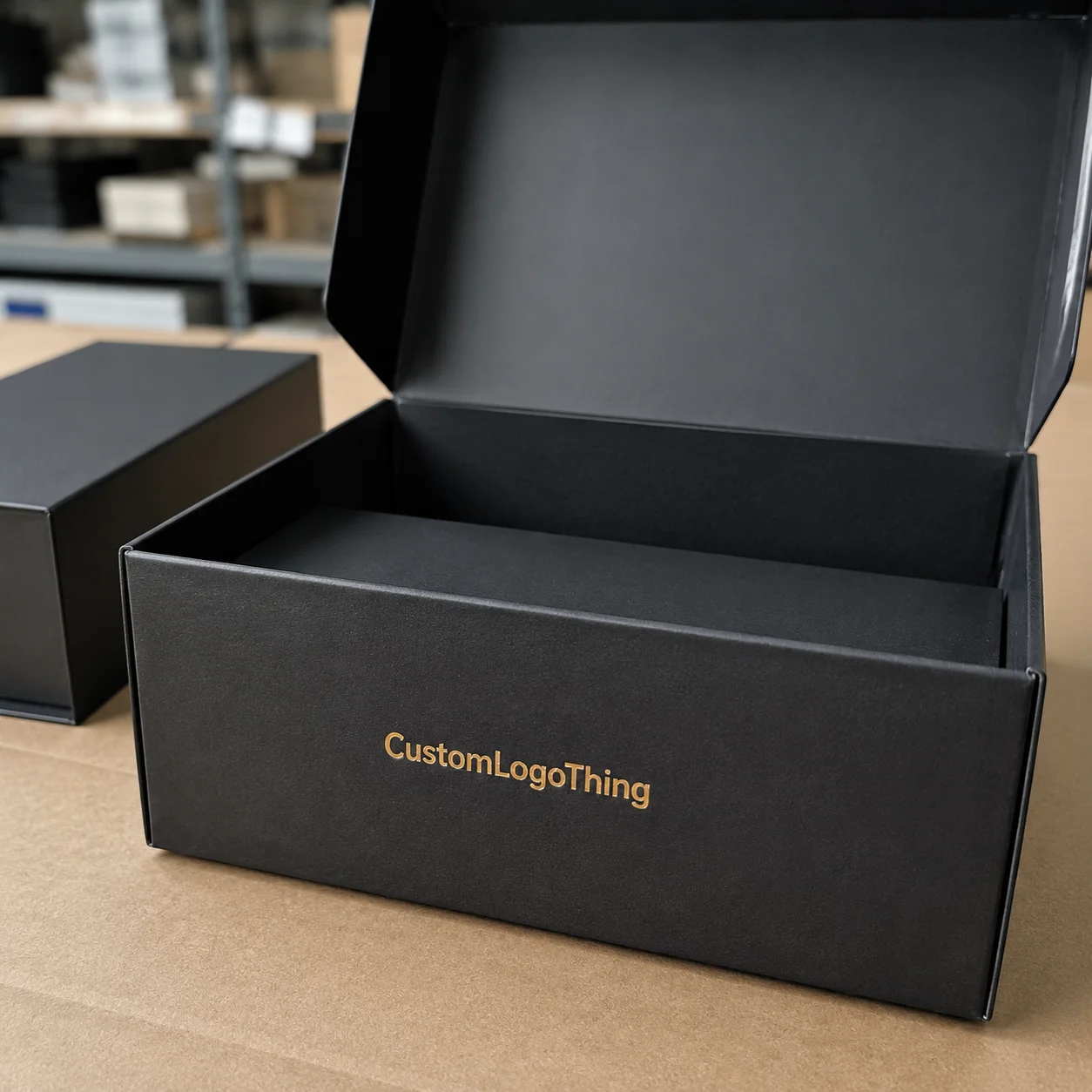
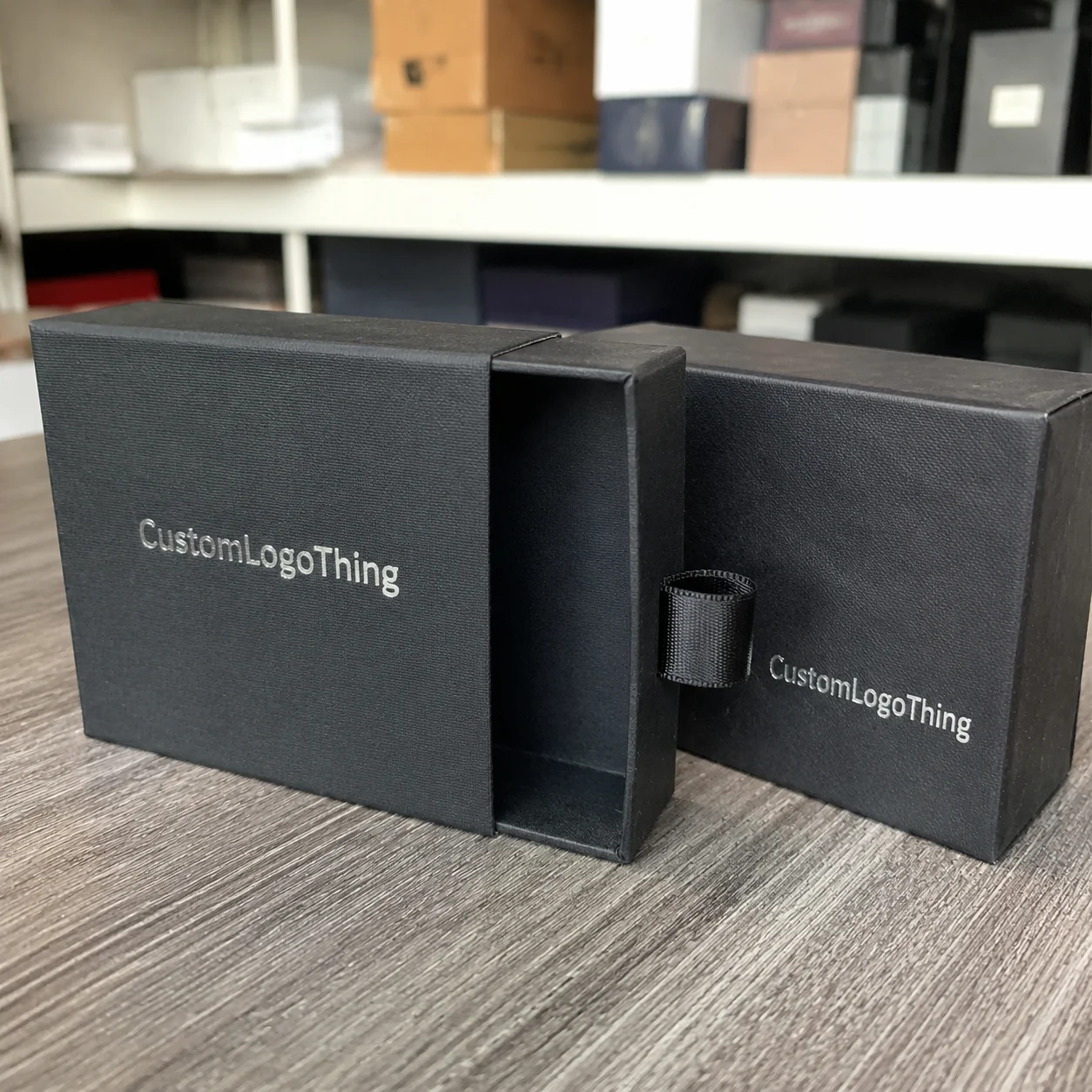
Buyer Fit Snapshot
| Best fit | Custom Packaging for Candles Wholesale projects where brand print, material claims, artwork control, MOQ, and repeat-order consistency need to be specified before quoting. |
|---|---|
| Quote inputs | Share finished size, material target, print colors, finish, packing count, annual reorder estimate, ship-to region, and any compliance wording. |
| Proofing check | Approve dieline scale, logo placement, barcode or warning zones, color tolerance, closure strength, and carton packing before bulk production. |
| Main risk | Vague material claims, crowded artwork, missing packing details, or unclear freight terms can make a low unit price expensive after revisions. |
Fast answer: Custom Packaging for Candles Wholesale: Retail Fit, Compliance Space, Print, and Cost should be specified like a repeatable production item. The safest quote records material, print method, finish, artwork proof, packing count, and reorder notes in one written spec.
Production checks before approval
Compare the actual filled-product size with the drawing, then confirm tolerance on folds, seals, hang holes, label areas, and retail display edges. Reserve space for logos, QR codes, warning copy, and material claims before decorative graphics fill the panel.
Quote comparison points
Review material grade, print process, finish, sampling route, tooling charges, carton quantity, and freight assumptions side by side. A quote is only useful when the supplier can repeat the same color, closure quality, and packing count on the next order.
Custom Packaging for Candles wholesale changes the numbers faster than most brands expect. I remember seeing a 9 oz glass jar candle sit in a plain stock carton on a buyer’s table and look, frankly, forgettable. Then the same product showed up in a custom box with a tight insert, matte finish, and a clean foil mark, and suddenly the conversation shifted from “Can this move?” to “How many cases can you supply?” That is the strange little math of packaging: a box can protect a $14 candle, shape the scent story, and quietly decide whether the buyer sees a commodity or a brand. Custom Packaging for Candles wholesale has to do all three jobs at once, and it usually has to do them on a 12- to 15-business-day timeline after proof approval.
A lot of candle brands underprice packaging because they stop at the box quote. That makes sense until breakage, returns, and weak shelf presence show up and start chewing through margin. Honestly, I think this is where a lot of otherwise smart teams get blindsided. A box that costs $0.14 more can prevent a $12 return and save a retailer relationship that took six months to build, especially in regional wholesale programs moving through Dallas, Atlanta, or Los Angeles. The first number is rarely the real number, particularly once freight, customs, and replacement units enter the picture.
Why custom packaging for candles wholesale changes sell-through
I’ve watched candle packaging decide whether a buyer reorders or quietly forgets your line exists. At one distributor meeting I attended in Chicago, two candle brands had nearly identical fragrance profiles and fill weights. One arrived in plain stock cartons with a sticker slapped on the front (which, to be fair, looked like it was trying its best). The other used custom printed boxes with a matte finish, foil logo, and an insert that held the jar centered. The second line sold through faster because the buyer could justify a higher shelf price and saw fewer damaged units in transit. The spreadsheet told the story long before the brand team did.
Custom Packaging for Candles wholesale solves three problems in one move. It has to survive shipping from a manufacturing floor in Shenzhen, Dongguan, or Yiwu to a warehouse in Texas, Ontario, or Manchester. It has to look strong enough to earn a placement decision in less than ten seconds. And it has to stay consistent across jars, tins, melts, and gift sets, which is where packaging design and package branding either hold the line together or scatter it across the floor. A customer may buy one candle for the scent. The next one often goes into the cart because the box signaled quality before the lid was ever lifted.
Plain stock boxes can work for low-risk, low-value items, yet they usually lose on perceived value. They also tend to create more void space, which means more void fill, more carton movement, and a higher chance of edge crush. In contrast, custom Packaging for Candles wholesale lets you match the box to the jar diameter, wick height, lid profile, and insert depth. That tighter fit reduces damage and makes pallet planning cleaner. I’ve seen pallet cube improvements of 8% to 12% after changing box dimensions by only 3 to 5 millimeters. Tiny change, surprisingly big payoff.
The revenue side matters too. A candle line with stronger branded packaging can support a higher retail price because the box does part of the selling before the customer reads the label. Retail Packaging for Candles is emotional, but it still follows practical rules: if the box looks fragile, expensive, or inconsistent, buyers assume risk. If it looks intentional, sturdy, and unified, they tend to order deeper. I’ve watched that pattern repeat enough times to stop calling it a coincidence, especially in boutique retail clusters in New York, Austin, and Vancouver.
“The box was the difference between a test order and a full program.” That’s a buyer comment I heard after a candle brand switched from generic cartons to custom packaging for candles wholesale with a custom insert and color-matched print. The order went from 500 units to 4,000 units in the next round.
Before you place an order, build a checklist around five things: fit, insert style, material strength, finish, and production lead time. If one of those drifts, the whole launch can wobble. A luxury candle can still feel cheap if the board crushes too easily or the lid rattles inside the cavity. And yes, I have seen a beautiful candle fail because the box sounded like a maraca when you picked it up. Not exactly the premium experience anyone was hoping for, especially after paying $1.25 more per unit for the upgraded print.
If you’re comparing supply partners, it helps to look beyond a single quote. Our Custom Packaging Products page shows the range of structures available, while our Wholesale Programs page is useful if you’re planning repeat volumes instead of one-off runs. The cheapest box is rarely the cheapest program, particularly when a 20,000-unit reorder lands three weeks before peak season.
Custom packaging for candles wholesale: box styles and product fit
Custom packaging for candles wholesale starts with structure. If the box style is wrong, nothing else matters. I learned that years ago on a plant floor in Guangzhou where a team was packaging 12 oz glass candles into a tuck-end carton that looked gorgeous in a mockup and then failed vibration testing. The problem wasn’t the print. It was movement. A 2 mm gap can become a cracked jar when a pallet crosses a dock plate and someone hits the brakes on a forklift a little too hard (which, yes, happens more than anyone wants to admit).
The most common options are rigid candle boxes, tuck-end cartons, sleeve boxes, mailer boxes, and set packaging for 2-pack or 3-pack bundles. Each one serves a different commercial purpose. Rigid boxes work well for premium gift sets and high-margin retail packaging. Tuck-end cartons are efficient for standard jar candles, especially when shelf display matters and unit cost has to stay controlled. Sleeve boxes are useful when the brand wants a cleaner reveal without overbuilding the entire structure. Mailer boxes are the practical choice for DTC shipping and subscription candle programs. Bundle packaging is best when the goal is to raise basket size with curated scent sets, such as a three-candle collection priced at $36 to $48.
Here’s how I usually match structure to candle type:
- Glass jar candles: Best with corrugated mailers or rigid boxes with a custom insert; the insert should stop lateral movement and control vertical lift.
- Tin candles: Tuck-end cartons or sleeve boxes can work if the tin is not heavy and the closure is secure.
- Pillar candles: Custom die-cut cartons or fitted sleeves, because the shape is often taller and more compressible than a jar.
- Wax melts: Smaller cartons, trays, or multi-pack sleeves that hold several units without crushing edges.
- Luxury scented candle sets: Rigid boxes with compartment inserts, especially if the set includes multiple fragrances or accessories.
For custom packaging for candles wholesale, the insert matters almost as much as the outer box. Paperboard inserts, molded pulp, foam, and custom die-cut retention systems can all perform well, but only when matched to the shipping lane. If the candles are going through parcel networks, I lean toward molded pulp or corrugated retention because they absorb impact better. If the package is staying on shelf and moving mostly in cartons, paperboard can be enough and often looks cleaner. I know that sounds obvious, but I’ve seen enough brands choose inserts based on price alone and then act surprised when the jars start knocking around like loose change.
Custom dimensions reduce waste in two places: inside the box and on the pallet. A box built around exact candle dimensions can reduce void fill, improve carton packing density, and lower shipping waste. In one reorder discussion with a mid-sized brand, we moved from a generic 4 x 4 x 5.5 inch carton to a tailored 3.75 x 3.75 x 5.1 inch structure. The result was fewer dunnage inserts, better fit, and slightly more units per master case. That sounds small until you multiply it by 8,000 boxes. Then it starts looking like real money.
For brands that need multiple SKUs, consistency matters. If your 8 oz and 12 oz candles use different product packaging formats, the line can look scattered. Good packaging design solves that by sharing brand elements across box styles: the same logo placement, the same typography, the same finish family, and the same scent coding system. That is how package branding becomes a sales tool rather than decoration.
Common structure comparison for candle buyers
| Box style | Best use | Strength | Typical cost impact |
|---|---|---|---|
| Rigid box | Gift sets, luxury launches | Very high | Higher material and labor cost |
| Tuck-end carton | Standard jar or tin candles | Moderate to high | Lower unit cost at volume |
| Sleeve box | Retail presentation, reveal effect | Moderate | Mid-range, depends on board choice |
| Mailer box | DTC shipping, subscriptions | High in transit | Often efficient for fulfillment |
| Multi-pack set box | 2-pack or 3-pack bundles | High with insert | Higher insert complexity |
One mistake shows up all the time: buyers choose the style before they confirm the shipping method. That is backwards. A mailer that ships well in-zone may be overkill for retail placement, while a beautiful rigid box can fail if it is used in a rough parcel route. Custom packaging for candles wholesale should follow the actual route to market, not a mood board. I’m not against mood boards, but they should not be in charge of freight planning.
Specifications that matter in candle packaging wholesale
When buyers ask for custom packaging for candles wholesale, I always push them to define the specs before they ask for price. Otherwise the quotes are meaningless. A box made from 300gsm SBS with aqueous coating is not the same thing as a corrugated mailer with a soft-touch laminate and foil stamp. They may both be “custom boxes,” but they behave very differently in production and shipping. If your supplier is manufacturing in Dongguan and quoting in U.S. dollars, that spec sheet becomes even more important because freight, duty, and finish choices can shift the landed cost by 15% or more.
The core specs you should request are simple and specific: box dimensions, board grade, paper thickness, print method, coatings, and finish. For candle product packaging, I also like to know whether the fragrance oil is strong enough to cause odor transfer, because not every material handles scent exposure the same way. Most modern packaging suppliers can source odor-neutral papers, but you should still ask. A candle box should not arrive smelling like a print shop (unless that’s the brand story, in which case… we need to talk).
Material choices usually fall into four buckets:
- SBS artboard: Smooth, bright, and ideal for retail packaging with sharp print; commonly used for lightweight cartons, often in 300gsm to 400gsm ranges.
- Kraft paperboard: Natural, earthy, and popular for brand positioning that wants a more recycled look.
- Corrugated board: Better for shipping strength, especially for glass jar candles and DTC orders; E-flute and B-flute are common for retail-ready or mailer applications.
- Rigid chipboard: Best for luxury branded packaging and premium gift presentation, often wrapped with 157gsm art paper or specialty paper.
For print and finish, the most common choices are CMYK, PMS color matching, foil stamping, embossing, debossing, soft-touch coating, matte, and gloss. In candle packaging, finish changes perception fast. A soft-touch black rigid box feels very different from a gloss-laminated carton, even if the artwork is identical. I’ve watched retail buyers handle both and make a decision in under 30 seconds. That is the reality of shelf-side product packaging, especially in boutiques from Paris to Portland.
There are practical details too. Scuff resistance matters because candle boxes often move through case packing, pallet stacking, and display setup. A coating that looks beautiful in a sample room can fail if it scratches under warehouse handling. Likewise, inserts must stay stable around wax-based products. Wax can soften in warm storage, which means your fit tolerance should not be too loose. A 1 mm change in cavity width can be the difference between a snug pack-out and a rattling return.
For formal quality control, ask whether the supplier follows industry testing procedures relevant to your route. Depending on the pack type, standards like ISTA testing and material references from the Packaging School and PMMI network can help you compare suppliers more objectively. If the packaging uses fiber-based material with sustainability claims, check source documentation through FSC. If your brand has environmental requirements for shipping waste, the EPA’s packaging and waste guidance at epa.gov is worth reviewing.
I’ve also seen candle brands skip dieline approval and regret it. A 1/8 inch error can turn into a lid that will not close, a jar that rattles, or a carton that bows on the shelf. Sampling and dieline sign-off are not optional in serious custom packaging for candles wholesale programs. They are the cheapest mistake prevention you will ever buy, and they are far cheaper than reprinting 5,000 cartons in week three.
Pricing, MOQ, and unit economics for wholesale candle boxes
Let’s talk numbers, because this is where purchase decisions happen. Custom packaging for candles wholesale pricing changes with box style, board grade, print coverage, finish complexity, insert design, and order quantity. A simple one-color kraft tuck box is a very different buy from a foil-stamped rigid set with custom foam. If a vendor gives you one number without spec clarity, you are not comparing the same product. You’re comparing apples to a full fruit basket and calling it a spreadsheet.
Here is the pricing framework I use with clients:
- Setup costs: Dieline development, print plate or tooling charges where applicable, and sampling.
- Unit cost: The per-box price based on volume and materials.
- Freight: Ocean, air, or domestic shipping depending on where the order is produced and delivered.
- Landed cost: The real number, including customs, duties, and delivery to your warehouse.
For a realistic example, a 4-color custom carton for a 9 oz candle can land very differently depending on order size. At 3,000 units, unit pricing is usually materially higher than at 10,000 units because the setup gets spread across fewer boxes. At 5,000 pieces, a simple SBS carton might be around $0.15 to $0.28 per unit in a low-complexity run, while a more finished version with foil and a custom insert can sit closer to $0.40 to $0.85 per unit. Add rigid construction, and the cost can move into the $1.20 to $3.50 range depending on paper wrap, insert, and hand assembly. The board might be the same size, but the labor is not.
Example cost drivers buyers can control
- Use fewer print colors if the design can carry the brand with one or two PMS colors.
- Choose standard structures instead of highly irregular custom constructions.
- Simplify inserts by using paperboard instead of foam when protection allows it.
- Increase batch size if storage and cash flow can support it.
- Keep finishes selective by applying foil only to the logo rather than the full panel.
I’ve negotiated packaging deals where the brand saved 11% by removing a second foil pass and switching from full lamination to spot soft-touch. That kind of change barely affected the shelf look, but it had a real impact on margin. That is the sort of decision that makes custom packaging for candles wholesale useful instead of decorative. In one case, the savings covered the freight from Ningbo to Long Beach on the first 8,000-box order.
MOQ is another point buyers need to understand early. Small brands often want low minimums, which makes sense if demand is still being tested. Larger candle manufacturers usually need more aggressive pricing and can support higher MOQs to unlock better rates. There is no magic number that works for every case. A rigid box program may need a higher minimum than a simple carton program, and some finishes will push the MOQ up because of machine setup or supplier constraints. A 5,000-piece run is often far more practical than a 1,000-piece run if you want pricing that can survive wholesale margins.
My advice is to plan inventory against sales velocity, not optimism. If your scent line moves 600 units a month, ordering 20,000 boxes may sound efficient, but storage, cash tied up in inventory, and design refresh risk can outweigh the savings. If you are supplying retail chains with predictable reorders, a larger run can lower per-unit cost enough to protect margin through the entire season. A 90-day sell-through forecast in Nashville or Seattle tells you more than a hopeful launch deck ever will.
Compare quotes apples-to-apples. Ask every supplier for the same board, same print, same finish, same insert, same freight term, and same approved artwork stage. Otherwise the cheapest quote might simply be the lightest spec, not the best value. I’ve seen brands select a lower-priced supplier and then spend the difference fixing breaks, color shifts, and late deliveries. That is not a win.
Custom packaging for candles wholesale is a margin tool when it is spec’d correctly. It is also a cost leak when it is not. The difference lives in the details, down to whether the insert is 350gsm C1S artboard or 1.5 mm rigid chipboard.
Production process and timeline for custom candle packaging
The production path for custom packaging for candles wholesale should be orderly. Inquiry, specs confirmation, artwork prep, dieline approval, sampling, revision, mass production, shipping. That sequence sounds basic, but I’ve seen more delays caused by missing dimensions than by printing problems. One client sent a “standard jar size” description that turned out to be off by 6 mm because the lid had an overhang. That tiny mismatch forced a second round of samples and pushed the launch back by ten business days. The whole thing could have been avoided with a tape measure and five quiet minutes.
The fastest projects usually have five things in place early: final dimensions, approved artwork files, insert choice, barcode needs, and shipping destination. If one of those is still open, the timeline stretches. Finish complexity also matters. A simple printed carton may move faster than a rigid box with foil, embossing, and a multi-part insert. Custom printed boxes are efficient only when the approval process is disciplined. From proof approval, a typical production timeline is 12 to 15 business days for standard cartons and 18 to 25 business days for more complex rigid sets.
Here is a practical planning window I recommend for wholesale buyers:
- Simple cartons: enough time for quote, sample, and production before launch.
- Premium rigid sets: longer lead time because of assembly and finish steps.
- Holiday or peak-season orders: plan earlier because factory queues tighten and transit capacity can shrink.
What slows a project down the most? Unclear measurements, missing brand files, and last-minute design changes. The factory can work with almost anything if the specs stay stable. If the brand is still deciding whether the label should sit centered or top-aligned, the approval chain stalls. I’ve sat in supplier negotiations where one changed logo placement meant a revised die line, a revised proof, and a new sample. That is why packaging design needs a final decision gate, ideally before the 3D mockup is approved.
The approval stage matters more than most buyers realize. A dieline is not a suggestion; it is the engineering map for the box. Once approved, it should be treated like a contract between design intent and manufacturing reality. If the candle is a gift SKU, I also recommend a physical fit test with the actual jar, lid, wick, and label applied. A naked sample rarely tells the full story. A finished sample with a 92 mm jar and a 58 mm lid does.
For brands shipping to multiple destinations, add the logistics details before production starts. Domestic pallet shipping and export carton builds are not identical. If your candles are going into e-commerce channels, ask whether the finished packaging should pass route-specific tests. That can reduce breakage and support a cleaner reorder program later. In North America, for example, a parcel route through Toronto or Phoenix will expose packaging differently than a single-pallet B2B move into a warehouse in Birmingham or Portland.
Why choose us for custom packaging for candles wholesale
We position ourselves as a manufacturing partner, not just a printer. That matters because custom packaging for candles wholesale requires more than pretty artwork. It requires accurate specs, material guidance, and production oversight that matches the weight, fragility, and retail channel of the candle itself. If a supplier only talks about print, they are ignoring the structural half of the job. Our production network includes packaging runs in Guangdong and Zhejiang, which gives us a practical view of both print quality and assembly control.
In our experience, the best results come from matching the box strength to the product weight and shipping method. A 7 oz soy candle in a tin does not need the same build as a 2-pack luxury glass set. That sounds obvious, yet I still see buyers overbuild or underbuild because no one walked them through the options. Our approach is data-driven: we ask how the candle ships, where it sits, how often it reorders, and what the margin target looks like. That information informs the packaging design instead of guessing at it. If your landed target is $0.65 per unit on a 5,000-piece run, we build backward from that.
Here are the capabilities candle brands usually care about most:
- Custom sizing for jars, tins, pillars, melts, and bundled sets.
- Premium finishes such as foil, embossing, debossing, matte, gloss, and soft-touch.
- Structural testing to reduce breakage and prevent loose fit issues.
- Color control so repeat runs stay visually consistent.
- Scalable reorder support for growing lines and seasonal programs.
I also think transparent communication is underrated. Buyers often ask about lead times and get vague answers. That creates planning risk. We prefer direct timelines, staged approvals, and honest notes when something depends on artwork readiness or freight mode. If a sample needs revision, we say so. If a finish will extend production by several days, we say that too. Trust is built in those specifics, not in fancy promises. If a reorder is headed for Sydney instead of Seattle, we flag the transit difference early.
There is another benefit to a supplier that understands wholesale candle packaging: fewer wasteful revisions. A team that knows the difference between retail packaging and shipping packaging will not force a fragile, oversized concept into a channel where it cannot perform. That protects your margin. It also protects your brand impression, which is just as important when you are dealing with retailers, distributors, or subscription buyers.
Custom packaging for candles wholesale should support growth, not complicate it. The right partner helps you move from one candle SKU to a line with clear package branding across several scents and formats. That consistency makes replenishment easier, and it helps the buyer remember your brand when the next order is due.
How to place your first custom candle packaging order
If you are ready to order custom packaging for candles wholesale, start with measurements. Measure the candle height, body diameter, lid width, and total weight. Then decide the box style, print finish, and target order quantity. If you are still choosing between two structures, request both. Comparing a rigid box and a tuck-end carton side by side can expose differences in shelf feel, shipping cost, and insert design that are easy to miss on screen.
When you request a quote, send the following information:
- Candle dimensions and weight.
- Closure type such as lid, cap, or shrink seal.
- Artwork files in editable format if possible.
- Box style preference and any structural reference.
- Insert requirements for glass, tin, or multiple items.
- Quantity for each SKU.
- Shipping destination for accurate landed-cost planning.
I recommend comparing two or three structural options before you commit, especially for gift sets and fragile glass jars. That extra step can uncover a better fit or a lower freight cost. I’ve seen a three-candle bundle move from a bulky rigid tray to a slimmer die-cut sleeve system, saving space in case packs and improving shelf presentation. The initial artwork barely changed. The economics did. In one project, the box depth dropped from 6.2 inches to 4.9 inches, which also improved cube efficiency in the warehouse.
Your launch sequence should be practical: request samples, approve specs, confirm timeline, and then map your reorder point based on sales velocity. If you sell 1,200 units per month and your lead time is 30 to 40 days, you do not want to place the reorder after stock gets thin. Build in buffer. Candle seasonality can turn a predictable line into a rush order overnight, especially between October and December.
One more thing: keep the packaging files organized. Store the approved dieline, final art, color references, and approval notes in one place. That makes the next run faster and cuts down on errors. It also helps if you later expand into a second scent or a limited-edition collection. The same base structure can often support a family of SKUs with minor artwork updates, which is exactly what a scalable wholesale program should do.
For buyers comparing options, the path is straightforward. Review structure, confirm specs, align budget, then place the order with a supplier that can support repeat business. If you need a broader product range, our Custom Packaging Products catalog is a strong starting point, and our Wholesale Programs page outlines how recurring programs are handled. That combination is usually where a first candle box order turns into a long-term packaging plan.
Custom packaging for candles wholesale is not just a box purchase. It is a channel decision, a margin decision, and a brand decision. Get the dimensions right, choose the structure for the shipping lane, and insist on a sample before mass production. That is how you protect product, support retail packaging goals, and sell more units without relying on hope.
FAQ
What is the best custom packaging for candles wholesale if I ship glass jars?
Rigid or corrugated mailer-style packaging with a tight custom insert usually performs best for glass jars. The goal is to stop movement, protect corners, and keep the jar from contacting the box walls during transit. For heavier 8 oz to 12 oz jars, I prefer an insert that locks the base and controls lift. I also like a little extra testing here, because glass has a talent for exposing weak packaging at the worst possible moment. If the route runs through Denver, Nashville, or Miami, I would test for vibration and drop resistance before approving 5,000 units.
How much does custom packaging for candles wholesale usually cost per unit?
Unit price depends on box style, board grade, print coverage, finishes, and order volume. Higher quantities usually lower the unit cost, while rigid boxes and premium finishes raise pricing. A simple carton will generally cost less than a foil-stamped gift box with a custom insert. For example, a 5,000-piece run of a basic 350gsm C1S artboard carton may come in around $0.15 to $0.30 per unit, while a luxury rigid set can land at $1.20 or more depending on wrap paper and assembly. If someone quotes you one neat little number without asking for specs, I’d be skeptical.
What MOQ should I expect for wholesale candle boxes?
MOQ varies by structure and print method, but custom packaging often requires a production minimum to keep costs efficient. Brands should confirm MOQ early so inventory planning matches launch demand and storage capacity. If you are launching several scents, it may be smarter to split the quantity by SKUs rather than overcommit to one design. A common starting point is 1,000 to 3,000 pieces for simple cartons and 500 to 1,000 pieces for more complex rigid presentations, depending on the supplier and finish.
How long does it take to produce custom packaging for candles wholesale?
Timeline depends on artwork readiness, sampling, approval speed, and finish complexity. A clean spec sheet and fast dieline approval shorten the process significantly. If the packaging includes foil, embossing, or a complex insert, plan for additional production time. In my experience, standard cartons are typically ready in 12 to 15 business days from proof approval, while more complex gift boxes can take 18 to 25 business days. Delays usually come from the brand side first, not the press.
What information do I need before requesting a quote for candle packaging?
Provide candle dimensions, weight, box style preference, quantity, print colors, finish, and insert needs. Include artwork files and shipping destination so pricing and lead time are accurate. If you already know the retail channel, include that too, because wholesale packaging for e-commerce and shelf display often needs different strength targets. A quote for a 9 oz jar shipped to Chicago will not match a quote for the same candle going to a warehouse in Rotterdam.