Buyer Fit Snapshot
| Best fit | Custom Packaging for Small Business projects where brand print, material claims, artwork control, MOQ, and repeat-order consistency need to be specified before quoting. |
|---|---|
| Quote inputs | Share finished size, material target, print colors, finish, packing count, annual reorder estimate, ship-to region, and any compliance wording. |
| Proofing check | Approve dieline scale, logo placement, barcode or warning zones, color tolerance, closure strength, and carton packing before bulk production. |
| Main risk | Vague material claims, crowded artwork, missing packing details, or unclear freight terms can make a low unit price expensive after revisions. |
Fast answer: Custom Packaging for Small Business: Material, Print, Proofing, and Reorder Risk should be specified like a repeatable production item. The safest quote records material, print method, finish, artwork proof, packing count, and reorder notes in one written spec.
Production checks before approval
Compare the actual filled-product size with the drawing, then confirm tolerance on folds, seals, hang holes, label areas, and retail display edges. Reserve space for logos, QR codes, warning copy, and material claims before decorative graphics fill the panel.
Quote comparison points
Review material grade, print process, finish, sampling route, tooling charges, carton quantity, and freight assumptions side by side. A quote is only useful when the supplier can repeat the same color, closure quality, and packing count on the next order.
Why Custom Packaging Gives Small Businesses an Edge
Let me share a number that still stops people in their tracks: research consistently shows that 72% of consumers form opinions about products based entirely on packaging design. Not the product itself at first glance. The package. Think about your own behavior for a second. When you're shopping online, what makes you trust an unfamiliar seller? The photos look good, sure. But when that package arrives—whether it's sitting on your porch or waiting in your mailbox—it's a physical promise from the brand. Did it arrive intact? Does it feel like someone cared about the experience of giving it to you? Small businesses competing against Amazon giants and established retailers need this moment more than ever. Your product packaging becomes your silent salesperson, working 24/7 without additional ad spend. I can't tell you how many times I've watched a small brand blow past competitors just because their unboxing experience made people feel special. (Meanwhile, the competitor is still using those sad gray poly mailers that scream "we couldn't be bothered.") > "We redesigned our mailer boxes from generic brown shipping boxes to custom printed boxes with our brand colors and a QR code linking to a discount for their next order. Our unboxing experience videos tripled in three months. Repeat customer rate jumped 34% that same quarter." — Small-batch skincare brand owner, Portland, Oregon This pattern repeats itself across industries. A boutique coffee roaster in Brooklyn increased their wholesale accounts by 40% after distributors noticed their custom packaging products on store shelves. A ceramics studio in Austin noticed that gift customers started showing up with their branded tissue paper as wrapping for other gifts—essentially getting free advertising. That still makes me smile. The math makes sense when you break it down. Traditional advertising might cost $0.15-$2.00 per impression depending on the channel. Custom packaging? Each touchpoint costs pennies, and that customer handles your branded package an average of 5-8 times before it's even opened. That's five to eight impressions from a single piece of marketing collateral that you were going to buy anyway.The Psychology Behind Unboxing
There's actual neuroscience here. The anticipation of opening a beautifully designed package triggers dopamine release similar to receiving a gift. Handcrafting that experience—even for a $25 product—creates an emotional connection that rational pricing can't compete with. I visited a fulfillment center in Southern California last year where they were testing different packaging inserts for a vitamin brand. Same product, same price point, different packaging approaches. The version with a custom-printed tray holding the bottles in place outsold the bulk-boxed version by 23% in their test period. Customers reported higher perceived value even though the contents were identical. The product manager was baffled. I wasn't. People want to feel taken care of. That's the power of branded packaging done right. It's not vanity spending—it's marketing that pays for itself.What Is Custom Packaging for Small Business Ideas?
Let's get specific about terminology, because I've watched entrepreneurs waste time and money because they didn't understand the basic categories. Custom packaging refers to any product packaging solution that's manufactured to your exact specifications—not just selected from a catalog of stock items. This means the dimensions fit your product perfectly, the materials match your brand values, the printing showcases your logo and design, and the structural features serve your specific needs. Standard packaging comes in predetermined sizes and limited material options. Standard packaging works fine for shipping. It does nothing for your brand. And honestly, if you're still using those generic Amazon-style mailers, you're leaving money on the table. Every single order.Types of Custom Packaging Available
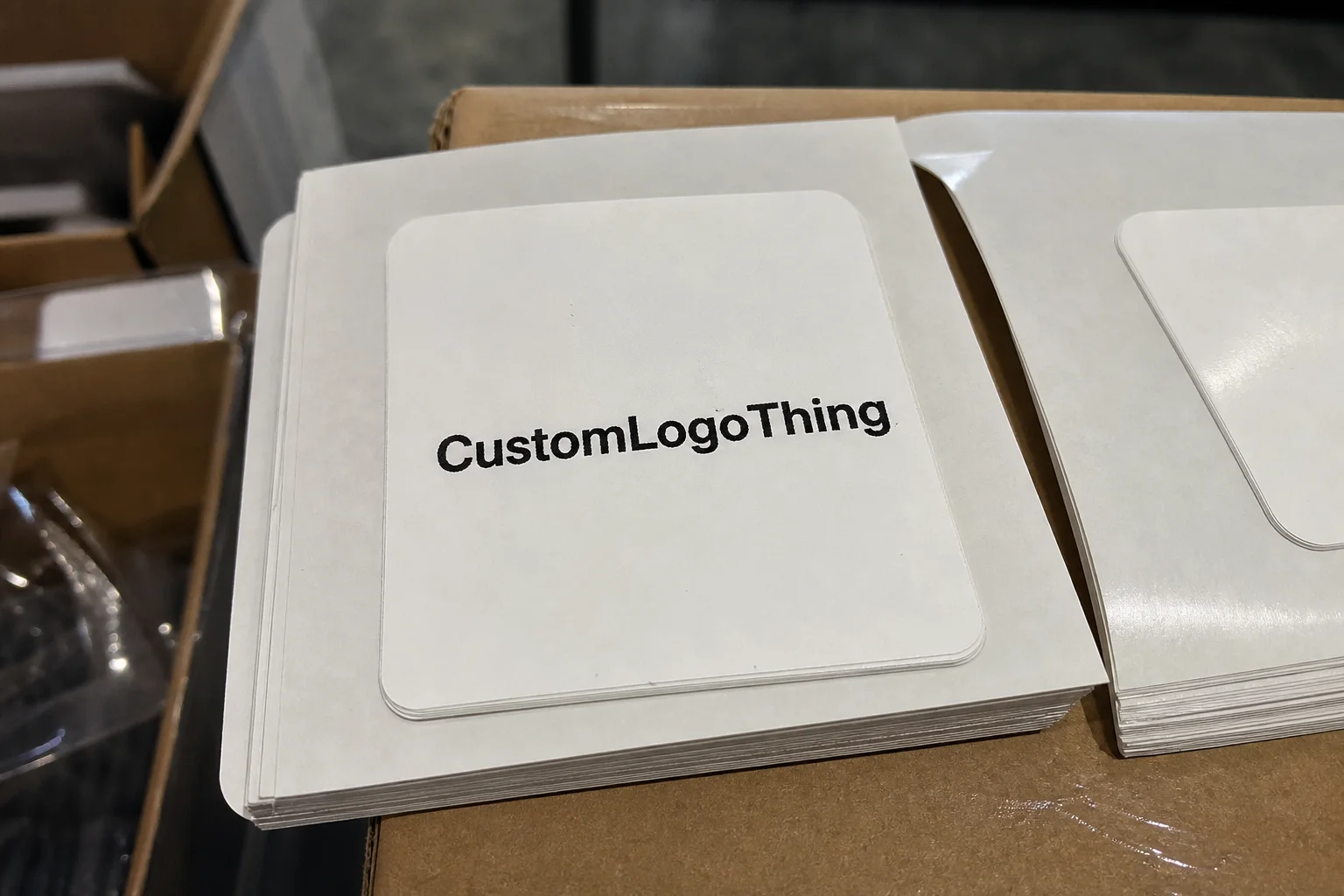
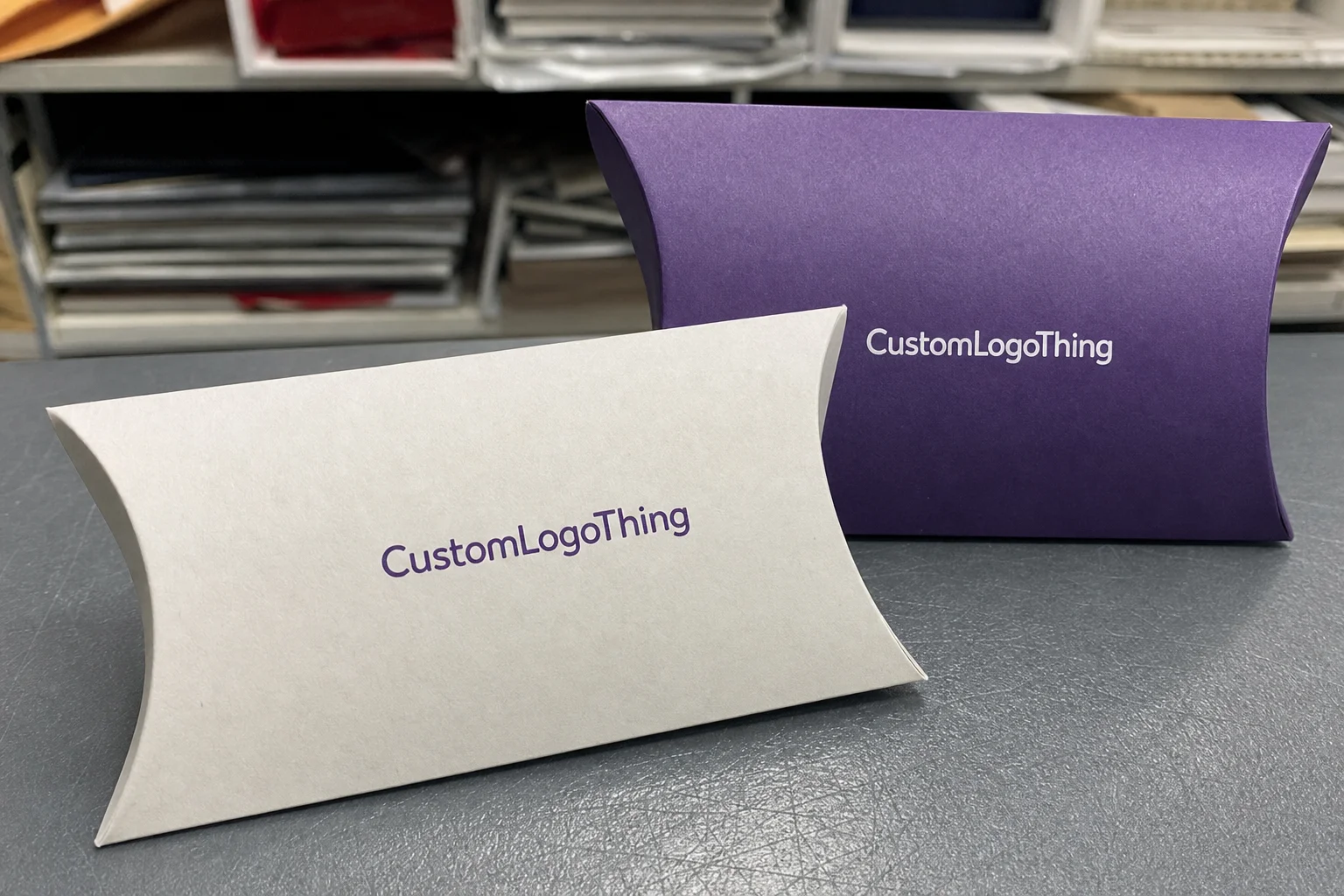
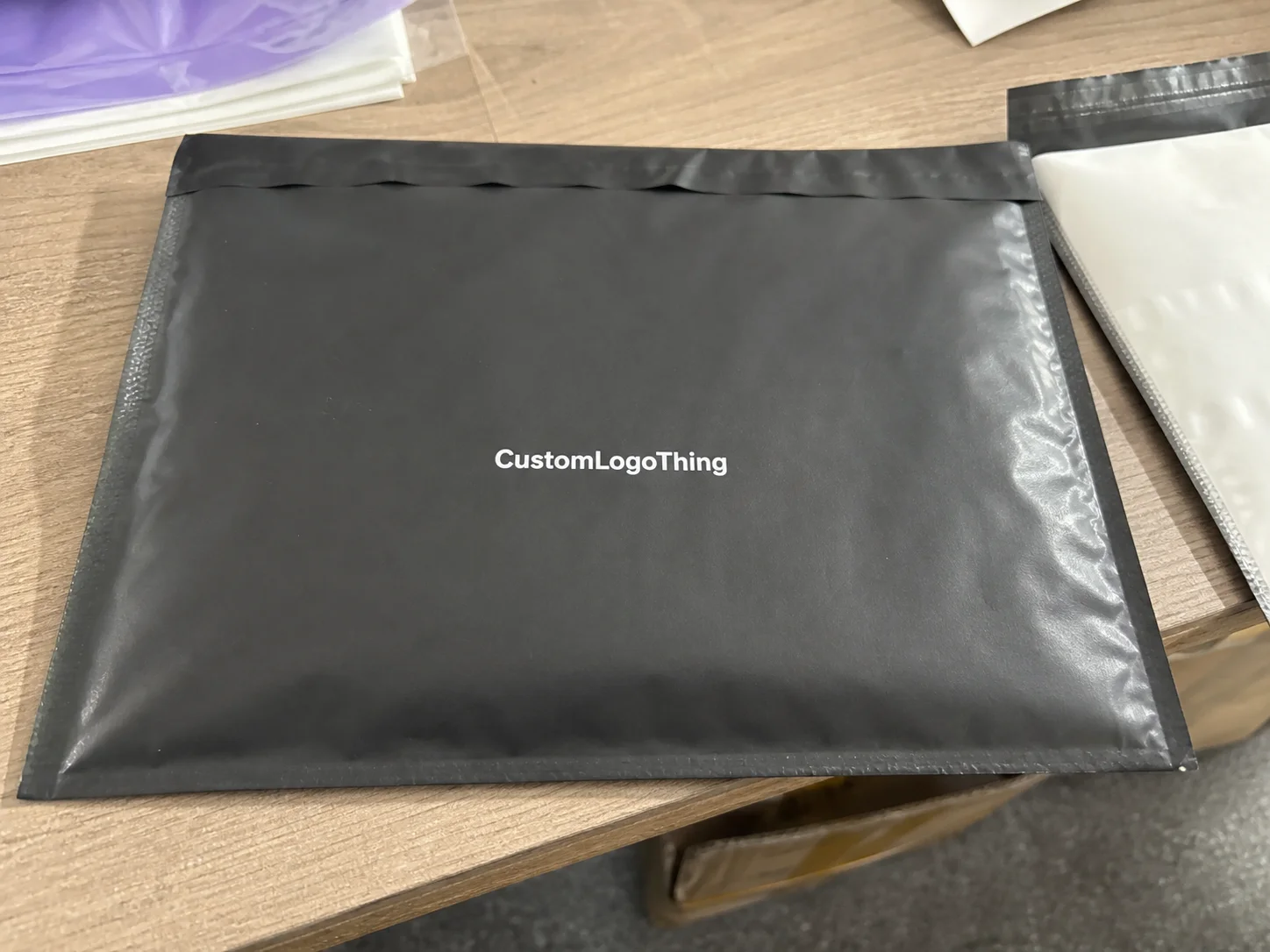
Here's where small businesses have more options than their larger competitors typically realize: **Mailer boxes** are the workhorses of e-commerce shipping. These self-contained shipping boxes feature a tuck flap or similar closure mechanism. They're what most subscription boxes arrive in, what boutique clothing brands use, what anyone selling products online needs. My clients typically specify these in E-flute corrugated board, which offers good crush resistance while remaining light enough to avoid killing their shipping margins. I've been burned by heavier flute sizes before—your per-unit shipping costs will make you weep. **Folding cartons** are the flat-pack boxes you see in retail stores. Think cereal boxes, cosmetic packaging, small electronics. These require assembly but ship flat, which significantly reduces storage requirements and shipping costs. They're typically printed on C1S (coated one side) board with SBS (solid bleached sulfate) construction. **Poly mailers** are the plastic envelopes many e-commerce brands default to. Here's where you can differentiate though—custom printed poly mailers in your brand colors cost only 15-25% more than plain white versions and make a massive impression compared to those generic gray envelopes. I know, I know—plastic isn't ideal for sustainability reasons. But for many products, they're practical. Just make the trade-off consciously. **Rigid boxes** are the premium option. Two-piece boxes made from thick, non-collapsible material that feel substantial in the hand. Think Apple's product packaging or high-end jewelry boxes. These cost more per unit but work exceptionally well for giftable products. I remember unwrapping a rigid box from a ceramicist I admire and actually feeling guilty about tossing it. That's the effect you want. **Kraft paper and tissue** serve as wrapping and fill materials. Custom printed tissue with your logo pattern, branded tissue paper, crinkle paper in coordinating colors—these finishing touches transform an ordinary box into a branded experience. The small stuff matters more than people think. The question I always ask my small business clients: what do you want your customer to feel when they run their fingers across your package? That answer determines everything else.How the Custom Packaging Process Works
I remember my first experience ordering custom packaging. I was working with a client selling handmade soap bars, budget tight, timeline tighter. We received our first batch of 500 custom printed boxes and discovered they'd ordered them in the wrong shade of purple. The logo looked washed out. The corners were rounded differently than specified. I wanted to throw my laptop out the window. That $1,200 mistake taught me the value of understanding the process before you commit.Step 1: Define Your Objectives
Before you contact anyone, answer these questions honestly: What problem is your packaging solving? Are you primarily concerned about product protection during shipping? Wanting to enhance brand recognition? Looking to reduce costs by getting better fits for your products? Or is it all three? Small businesses skip this step entirely, then wonder why their beautiful branded boxes arrived damaged or didn't fit their products. The packaging serves the product. Always. Not the other way around, no matter how pretty those boxes look in your Pinterest board.Step 2: Research and Select Your Packaging Supplier
Not all packaging manufacturers serve small businesses well. Some have minimum orders that would bankrupt a startup. Others have turnaround times incompatible with seasonal businesses. A few specialize in certain materials or printing methods that might not suit your needs. Look for suppliers who explicitly market to small businesses and startups. Many now offer low minimum order quantities (MOQs) thanks to digital printing technology improvements over the past five years. Ask about their experience with your specific product category and request references. If they get defensive about references, run. That's happened to me twice, and both times the companies pulled a disappearing act after I paid the deposit. We vetted six different manufacturers before finding one who could handle our client's candle line with appropriate food-safety certifications and reasonable quantities. That due diligence saved thousands. Yes, it was tedious. No, I don't regret a single spreadsheet.Step 3: Submit Specifications and Design Files
This is where precision matters. You'll need to provide: - Exact product dimensions (length, width, height, weight) - Required cushioning and support - Anticipated shipping conditions (will it be mailed? shipped via freight?) - Your print-ready artwork or request design assistance - Material preferences if you have them Reputable suppliers will walk you through material selection if you're not sure what you need. Most small business owners underestimate how much protection their products require. A soap bar that seems solid can arrive dented if it shifts during shipping. Your packaging supplier should ask these questions. If they don't, be suspicious.Step 4: Request and Approve Samples
This step costs extra and takes time. Skip it at your own risk. Production samples (sometimes called "first article samples") let you verify that: - The dimensions work with your actual product - The colors match your brand guidelines - The structural design protects the contents - The printing quality meets your standards When my client received their candle box samples, we discovered the window cutout was positioned 3mm too low. That's not visible in digital proofs but would have been glaring in real life. Fixing that before production saved a full reorder. The supplier was annoyed. I didn't care. Neither did my client's customers. Expect to pay $50-150 for production samples depending on complexity. Budget this into your initial packaging investment. It's not optional. Trust me.Step 5: Production, Quality Control, and Delivery
Once you approve samples, production begins. Quality control varies by manufacturer—ask about their inspection process. Some check every box. Others spot-check. The difference matters if you're ordering thousands of units. Delivery logistics can sneak up on small businesses. Are your boxes shipped flat and require assembly? Is there a minimum pallet quantity? What are the freight shipping costs? These factors influence your total investment significantly. I once didn't check this carefully and ended up with a $400 freight bill for $800 worth of boxes. I was not pleased.Key Factors to Consider When Designing Custom Packaging
Design is where art meets engineering, and I've watched talented designers create gorgeous packaging that failed spectacularly in shipping. Here's how to avoid that trap.Material Selection
**Corrugated cardboard** remains the workhorse of e-commerce shipping. The flute size (A, B, C, E, or F) determines thickness and cushioning. E-flute (1/16" thick) works well for lightweight products. B-flute (1/8" thick) handles heavier items. Many suppliers offer combination profiles for specialized needs. **Kraft paper** options range from 30# tissue-thin to 100# cover stock. Lighter weights work for wraps and fills. Heavier weights can replace some box applications, though structural integrity suffers compared to corrugated. **Rigid board** is typically 0.030" to 0.060" chipboard, offering that premium feel but limited protection. Best for shelf-stable products that won't be shipped long distances. **Biodegradable options** have improved significantly in recent years. Mushroom-based packaging, corn starch cushioning, and plantable seed paper are now viable for many applications. Costs run 20-40% higher than conventional materials, but consumer demand keeps growing. I used mushroom packaging for a client last year and genuinely couldn't stop talking about how cool it was. Yes, I'm a packaging nerd. We exist.Structural Integrity
Ask yourself: what happens when this package falls three feet onto a concrete loading dock? When it's stacked in a warehouse for six months? When it's shipped in a hot truck across the Arizona desert? Your package design must account for the worst reasonable conditions. I've seen gorgeous custom packaging fail within hours of arrival to customers because the structural design didn't consider humidity exposure. Looking at you, beautiful rice paper-wrapped boxes that arrived in humid Florida summer. The ISTA (International Safe Transit Association) publishes testing protocols that serious packaging engineers reference. ISTA testing standards give you a framework for understanding what your packages should withstand.Visual Design Elements
Your brand colors belong on your packaging. Obvious statement, but you'd be shocked how many small businesses I see using generic boxes because they couldn't match their exact brand colors. I once saw a brand with gorgeous teal branding stuck in sad brown boxes because "the colors didn't work out." Make the colors work out. That's your job. Consider these finishing options: - **Matte lamination** provides a sophisticated, non-reflective surface that handles fingerprints well - **Gloss lamination** makes colors pop but shows every scratch and smudge - **Soft-touch lamination** adds that velvety texture that makes people want to keep touching the box—this premium feel increases perceived value - **Spot UV** highlights specific elements (your logo, a tagline) with a shiny coating against matte backgrounds - **Embossing and debossing** add dimensional texture, though they increase production costs significantly For logo placement, think about how the box will sit on shelves. Will your customer see the top? The side? Design accordingly.Sustainability Considerations
Here's a number worth remembering: 66% of consumers report preferring eco-friendly packaging options. That's not even counting the consumers who actively avoid brands they perceive as wasteful. Ask yourself: - Can your packaging be recycled in standard curbside programs? - Are you using soy-based or vegetable-based inks instead of petroleum products? - Is your corrugated board made from recycled content? - Can your tissue paper and paper fills be composted? The EPA's sustainable materials management resources offer guidance on making responsible choices. I've watched brands get legitimate negative publicity for beautiful packaging that created enormous waste. Not worth the tradeoff. I've also watched brands turn their sustainability story into a major marketing point. Pick your adventure.Functionality Testing
Before finalizing your design, answer these questions: - Can the package be assembled by one person in under 30 seconds? - Does it accommodate your actual product including any protective inserts? - Is the opening intuitive for customers? - Does the unboxing experience tell a story? The unboxing experience matters enormously for social media sharing. Think about what moments customers might want to photograph or video. Your tissue paper fold, your branded tissue, your personal touches—these become content when they're memorable. I once watched a client get featured on three separate Instagram accounts because their packaging included a tiny illustrated card explaining the origin of their ingredients. Free marketing. Unrepeatable if you're not thoughtful about it.Common Mistakes Small Businesses Make with Custom Packaging
Through fifteen years of industry observation, I've compiled a list of packaging mistakes I see repeatedly. Learn from others' expensive lessons.Mistake 1: Prioritizing Aesthetics Over Structural Integrity
Thin walls look elegant. Thin walls collapse under minimal pressure. A client once showed me their stunning rigid box design for artisanal chocolate bars. It won design awards. It also arrived damaged in 15% of shipments. The cost of damaged goods and customer complaints far exceeded any brand benefit from the pretty package. I wanted to be gentle, but honestly? I told them it was a beautiful disaster. They fixed it. Their return rate dropped by double digits. The solution: design for protection first, beauty second. A matte-finish corrugated box that arrives intact will serve you better than a beautiful rigid box that fails.Mistake 2: Underestimating Total Costs
The unit price is just the beginning. When budgeting for custom packaging, include: - Unit costs ($0.35-$2.50 typically) - Tooling and setup fees ($50-$500 one-time) - Shipping costs (can equal 10-30% of order value for large volumes) - Storage costs (flat-pack boxes need warehouse space) - Assembly labor (if boxes require folding and gluing) - Damaged goods replacement rate (even good packaging has some failure) - Design costs if hiring outside help I always tell clients to multiply their initial quote by 1.4 to account for these hidden costs. That number keeps them realistic. Sometimes it's 1.2. Sometimes it's 1.6. Budget accordingly or cry later.Mistake 3: Ordering Too Small a Sample Batch
You should test your packaging before committing to full production. But I've seen entrepreneurs order too-small test batches that didn't surface real problems. Order enough to fill at least 100 orders before evaluating. That sample size reveals patterns around product returns, shipping damage, and customer feedback that smaller batches miss. Also, request samples from multiple suppliers. One supplier's "standard white" is a different shade than another's. Printing technology varies. Paper thickness differs between manufacturers even with identical specifications. I've had two suppliers send me "kraft" boxes that were visibly different shades. In the same order. To compare. It happens.Mistake 4: Ignoring Regulatory Requirements
Certain product categories have specific packaging regulations you might not know about. Food products require FDA-compliant materials and labeling. Cosmetics need specific ingredient disclosure panels. Children's products have their own standards. I learned this lesson the hard way when a client's candle boxes didn't meet labeling requirements for certain fragrance materials. They had to destroy an entire production run and reorder at significant expense. I felt terrible. They learned to ask better questions upfront.Mistake 5: Poor Communication With Suppliers
Vague specifications create expensive misunderstandings. Be explicit about everything: exact dimensions in specific units, specific brand colors with Pantone or CMYK values, particular materials with thickness specifications. When in doubt, provide physical samples. I've seen suppliers deliver exactly what was technically requested but miles from what was intended. The remedy for that is detailed communication upfront. Yes, it takes time. Yes, it's worth it.Custom Packaging Costs and Pricing for Small Business Budgets
Let me give you the numbers that actually matter, because I've watched too many small business owners go in blind.| Packaging Type | Typical MOQ | Per-Unit Cost Range | Tooling/Setup Fees |
|---|---|---|---|
| Custom Mailer Boxes | 100-500 units | $0.85 - $3.50 | $75 - $250 |
| Folding Cartons | 50-500 units | $0.50 - $2.00 | $50 - $200 |
| Poly Mailers | 250-1,000 units | $0.25 - $0.75 | $100 - $300 |
| Rigid Boxes | 50-200 units | $3.00 - $15.00+ | $200 - $500 |
| Custom Tissue Paper | 1,000-5,000 sheets | $0.08 - $0.25 | $50 - $150 |
Breaking Down a Real Example
Say you're ordering custom mailer boxes for your handmade candle business. You sell about 150 candles per month and want two months of inventory. **Order details:** - Quantity: 300 units - Size: 6" x 6" x 3" - Material: E-flute corrugated, kraft exterior - Print: 2-color (1 PMS spot color + black) - Finishing: None (keeping costs down) **At a mid-range supplier, you might expect:** - Unit cost: $1.40 per box - Setups: $125 (printing plates and dieline) - Total: $545 Break that down: you're paying about $1.82 per box including setup. For a candle selling at $28, that's roughly 6.5% of retail price in packaging costs. Many of my clients aim for packaging at 5-10% of product price. This example falls right in that range. But consider using standard brown shipping boxes (which might cost $0.40 each) plus bubble wrap and generic tissue. The real comparison includes product damage rates, customer perception, and reorders influenced by packaging. Often custom packaging pays for itself within the first quarter. I've seen the numbers. They add up.Cost-Saving Strategies That Actually Work
**Standardize your box sizes.** I worked with a jewelry client who had five different box sizes for different product lines. Consolidating to three sizes reduced their packaging costs by 18%. Less complexity = lower pricing from suppliers. They resisted this initially because each product "needed" its own box. No, it didn't. **Reduce your color count.** Each additional spot color adds setup costs. That "one more color" decision might add $75-150 to your setup fees on every order. **Consider flexo printing for higher volumes.** Digital printing offers flexibility and low MOQs, but flexographic printing becomes more economical above 2,000-3,000 units with consistent designs. **Bundle orders.** Some suppliers offer discounts for combining tissue paper, boxes, and labels in one order. Ask about package deals. Worst case, they say no. Best case, you save 10%. **Build supplier relationships.** I've seen loyal customers get 10-15% discounts just by being reliable, communicative, and ordering consistently. These relationships matter. I've gotten emergency rush production because I answer emails within two hours and pay invoices on time. Revolutionary concept, I know.Production Timeline: How Long Does Custom Packaging Take?
I once watched a Kickstarter campaign miss its shipping deadline because the founder didn't understand packaging lead times. They designed rewards before sourcing packaging. They had beautiful reward tier descriptions with no way to fulfill them. The comments section was brutal. Don't let this be you.Realistic Timeline Breakdown
**Design Phase: 3-7 days** Creating print-ready files yourself takes time based on your design skills. Hiring a designer adds 1-2 weeks. Suppliers offering design assistance typically turn initial concepts around in 3-5 business days with revisions taking additional time. **Sample Production: 5-10 business days** Production samples from most manufacturers take this long. Rush samples (often called "priority samples") are sometimes available in 2-3 days for premium fees. **Bulk Production: 10-21 business days** This varies most dramatically by supplier. Smaller operations with digital printing might turnaround 500 units in 5 days. Larger runs on flexo equipment might need 3-4 weeks. International production can take 6-8 weeks just for production. **Shipping and Delivery: 3-7 days domestic, 14-30 days international** Domestic freight typically arrives within a week of production completion. International shipping from Asian manufacturing facilities commonly adds 3-5 weeks to your timeline. **Total Timeline: 4-8 weeks from concept to receiving packaging** For a small business launching a new product, I recommend starting packaging conversations 10-12 weeks before you need inventory. That buffer accommodates design revisions, sample testing, potential reorders, and shipping delays. I know it feels excessive. It isn't.Why Rush Options Exist and When to Use Them
Many suppliers offer expedited production for 25-50% premium pricing. Is it worth it? Run out of packaging with 500 orders waiting to ship? Yes. Launching at a trade show next month and need packaging to match? Probably. Didn't plan ahead? That's a lesson you'll pay for once. And the next time too, probably, because planning ahead is genuinely hard when you're running a small business. I'm not judging. I'm just reporting what I've seen. I keep a spreadsheet of rush-order suppliers for clients who need emergency fulfillment. These relationships get built proactively, not in crisis mode. Building them in advance means faster response when urgency strikes. Ask me how I know this. Please don't ask me how I know this.Timeline Variables to Discuss With Suppliers
Ask about: - Current production queue status - Available production capacity - Shipping port access and congestion (this has been unpredictable recently) - Holiday/peak season schedules - Weather delays affecting shipping Ask your supplier specifically: "When would my order need to be placed to arrive by [date]?" Then build your timeline backward from there.What Are the Best Custom Packaging Ideas for Small Business Owners?
If you're looking for custom packaging for small business ideas, here are the approaches that consistently deliver results for brands across industries. The best small business packaging solutions share common characteristics: they protect the product, represent the brand effectively, and create memorable unboxing moments without requiring massive budgets. **Subscription box styling** works exceptionally well. Coordinate your outer box with tissue paper, branded stickers, and a thank-you card that creates a cohesive experience. Even simple additions like printed tissue or custom crinkle paper elevate the perception of your products. I've watched small-batch food brands transform their customer experience with coordinated packaging that makes their products feel like genuine gifts rather than items purchased online. **Minimalist branded boxes** work across industries when executed thoughtfully. Clean typography, your logo positioned intentionally, and quality materials create an elevated perception without complex design. The key is letting your product speak through restraint rather than overwhelming customers with graphics. **Window-cut packaging** lets customers see the product inside while maintaining brand presence on the exterior. This hybrid approach works particularly well for handmade goods where the craft of your products deserves visibility. I've seen artisan soap makers and candle producers increase perceived value significantly just by showing what they make inside. **Eco-conscious packaging** has become a genuine differentiator. Recycled kraft boxes with soy-based printing, paper void fill instead of bubble wrap, plantable seed paper for cards—these choices align with consumer values while often reducing costs compared to traditional alternatives. The right packaging idea for your small business depends on your specific products, brand personality, and customer expectations. Start with what fits, then evolve as you learn what resonates with your audience.Expert Tips for Getting Started with Custom Packaging Today
Let me leave you with the practical advice I wish someone had given me fifteen years ago.Start With Physical Measurements
Measure your actual product. Then measure it again. I once worked with a client who swore their lip balm tubes were 2.5 inches tall. They were 2.75 inches. That quarter-inch difference meant custom inserts didn't fit, which meant products shifted during shipping, which meant broken seals and angry customers. Measure twice, people. This is not the time for estimation.Get Samples Before Commitment
This bears repeating because so many people skip it. Actual physical samples. Put your product in the box. Shake it. Drop it from table height onto a hard floor. Does everything stay put? Does your product survive? If not, your packaging needs adjustment before you order 5,000 units.Document Everything
Keep a packaging specification sheet with every detail: supplier name, contact, order numbers, material specifications, Pantone colors, dimensions, dieline files, everything. I've seen businesses lose this information when employees leave or suppliers close. It's preventable.Build Relationships, Not Just Transactions
The suppliers who remember you, answer your emails quickly, and give you the benefit of the doubt during problems? Those are the ones worth keeping. Return calls promptly. Pay on time. Share when their packaging shows up in your social media. Be the client they want to help.Start Simple, Evolve Over Time
You don't need perfect packaging on day one. Start with functional custom boxes that fit your product and represent your brand. Add premium touches—tissue, stickers, thank-you cards—as revenue allows. I've watched brands evolve from boring brown boxes to full unboxing experiences over 18 months. The journey is part of the story.Frequently Asked Questions
**What's the minimum order quantity for custom packaging as a small business?** Many suppliers now offer digital printing with MOQs as low as 50-100 units for certain products. Traditional offset printing may require 1,000+ units. I recommend starting with digital to validate your design before committing to larger runs. **Can I get custom packaging for seasonal products with low volume?** Yes, but expect higher per-unit costs. Some suppliers specialize in short-run seasonal packaging. Plan at least 8-10 weeks ahead for custom seasonal packaging. **How do I know if my packaging design is shippable?** Request samples and test them. If your supplier offers ISTA testing services, take advantage of them. Better to discover problems during sampling than after production. **What's the most cost-effective custom packaging for e-commerce?** Custom mailer boxes with flexo printing typically offer the best balance of cost, protection, and brand presence for e-commerce businesses shipping 100-1,000+ orders monthly. **Should I prioritize sustainability over aesthetics?** You can have both, honestly. Recycled-content corrugated board with soy-based inks can look beautiful. The choice isn't as binary as it used to be. But if you're on a tight budget, protection and fit come first. Sustainability improvements can be layered in as you grow. --- The world of custom packaging for small business ideas isn't as intimidating as it looks from the outside. Yes, there are details to manage. Yes, you'll make at least one expensive mistake along the way. I'm still waiting to meet the person who didn't. But the brands that get this right? They build customer relationships that last. They earn word-of-mouth marketing that money can't buy. They turn first-time buyers into raving fans. Your products deserve packaging that matches their quality. Your customers deserve an experience worth remembering. And your business deserves every advantage you can give it. Now go forth and package responsibly.Related packaging resources
Use these related guides to compare specs, costs, quality checks, and buyer decisions before making the final call.