Buyer Fit Snapshot
| Best fit | Custom Packaging Price per Unit projects where brand print, material claims, artwork control, MOQ, and repeat-order consistency need to be specified before quoting. |
|---|---|
| Quote inputs | Share finished size, material target, print colors, finish, packing count, annual reorder estimate, ship-to region, and any compliance wording. |
| Proofing check | Approve dieline scale, logo placement, barcode or warning zones, color tolerance, closure strength, and carton packing before bulk production. |
| Main risk | Vague material claims, crowded artwork, missing packing details, or unclear freight terms can make a low unit price expensive after revisions. |
Fast answer: Custom Packaging Price per Unit: Material, Print, Proofing, and Reorder Risk should be specified like a repeatable production item. The safest quote records material, print method, finish, artwork proof, packing count, and reorder notes in one written spec.
Production checks before approval
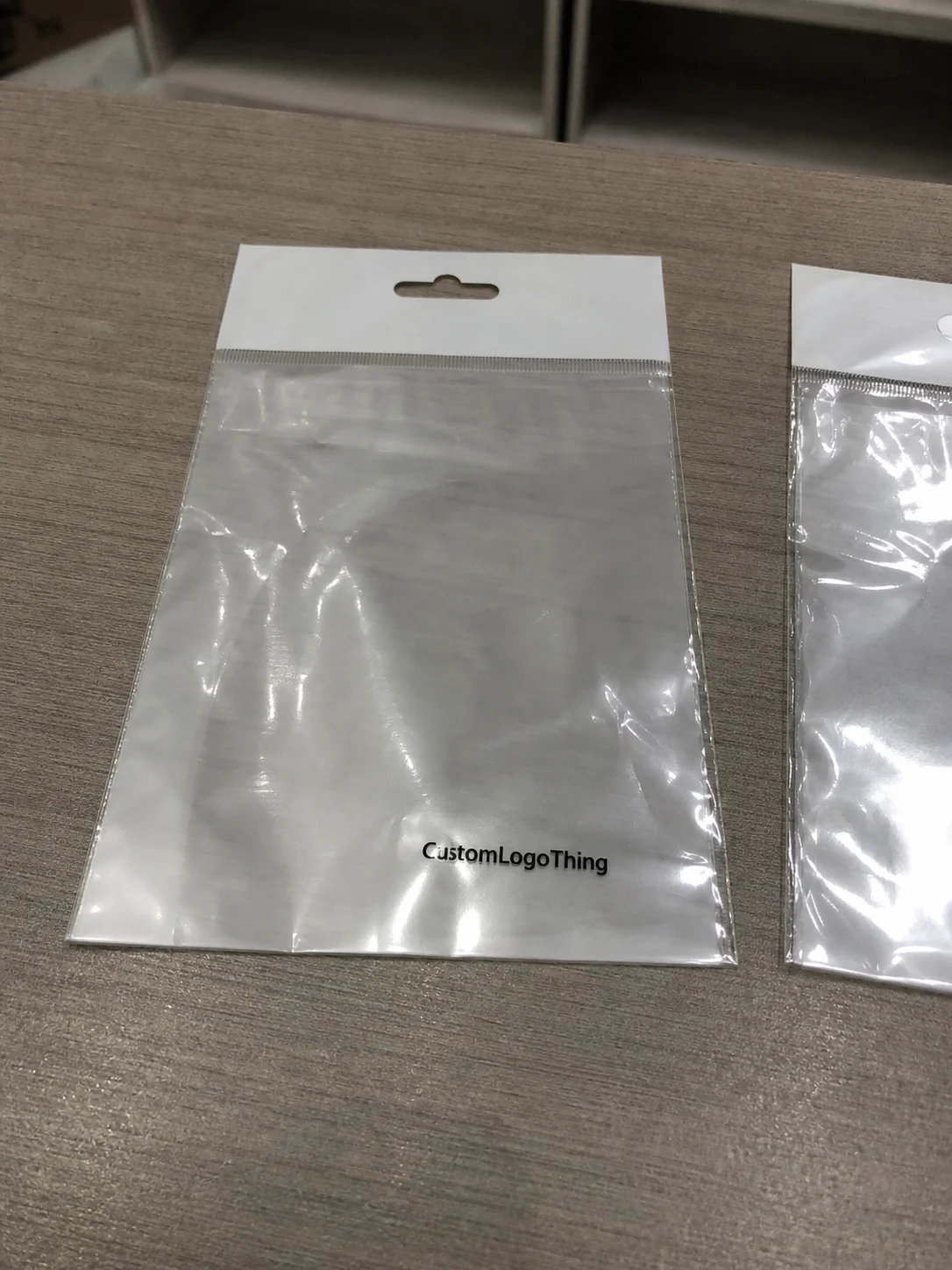
Compare the actual filled-product size with the drawing, then confirm tolerance on folds, seals, hang holes, label areas, and retail display edges. Reserve space for logos, QR codes, warning copy, and material claims before decorative graphics fill the panel.
Quote comparison points
Review material grade, print process, finish, sampling route, tooling charges, carton quantity, and freight assumptions side by side. A quote is only useful when the supplier can repeat the same color, closure quality, and packing count on the next order.
A Custom Packaging Price per unit can look fantastic in an email and still turn into an unpleasant surprise on the invoice. I’ve watched a buyer celebrate a $0.38/unit quote in Shenzhen, then nearly choke when inserts, coating, packing, and freight pushed the real number to $0.71/unit. That gap is not rare. It happens because a custom packaging price per unit only means something when you know exactly what sits inside the number. Otherwise, you’re basically comparing weather forecasts and calling it finance.
I’m Sarah Chen. I spent 12 years living in box plants, corrugated shops, and too many supplier conference rooms with bad coffee. I’ve negotiated with mills in Guangdong that quoted me three different paper grades for the same board thickness. I’ve stood on a factory floor in Dongguan while a line manager pointed at a “cheap” box and explained why the die-cut waste alone would wreck the margin. I remember one supplier trying to sell me on “premium value” while the sample lid didn’t even close properly. So yes, I care about Custom Packaging Price per unit because bad quoting burns real money, and because I have absolutely no patience for invoices that seem to have been assembled by a magician with a grudge.
Why Custom Packaging Price Per Unit Looks Cheap Until It Isn’t
The first trap is simple: people compare custom packaging price per unit like they’re comparing the same product. They’re not. A rigid box with 2mm chipboard, soft-touch lamination, and a foam insert lives in a completely different category from a folding carton made from 350gsm C1S artboard with no insert and one-color print. Same label. Different universe. Change the spec sheet, change the price. Change the board, change the finish, change the insert, and suddenly the quote is doing gymnastics.
One client sent me a quote for $0.38/unit and asked why I couldn’t match it. I pulled the file, then the quote, then the spec. The low quote excluded the insert, used thinner board, skipped inside printing, and quoted EXW only from a factory near Shenzhen. Once we added the actual requirements, the custom packaging price per unit landed at $0.68 before freight. The “cheap” quote was just the less complete one. Honestly, I think half the packaging market survives on people not reading the fine print, which is rude, but apparently effective.
That’s why I tell buyers to use custom packaging price per unit as a benchmark, not a shopping religion. It helps compare options if the material, print method, finish, insert, and delivery terms match. If one supplier includes tray packing in Shenzhen and another doesn’t, the comparison turns into fake math fast. And fake math, in my experience, has a weird talent for showing up right before launch.
Quote fast. Compare slowly. That’s how you keep a “good deal” from becoming a reprint order.
The lowest custom packaging price per unit often comes from thinner board, fewer colors, or a longer lead time. Sometimes the supplier also knows you’re new and assumes you won’t catch a missing detail until the boxes arrive. I’ve seen that happen with retail packaging for cosmetics, candles, and subscription kits. Every one of those brands thought they saved $200. Then they paid again to fix the box. I still remember one candle brand that wanted “luxury” but approved a carton so thin you could practically feel the product’s anxiety through it.
On a factory visit outside Dongguan, I saw a pallet of custom printed boxes where the outside looked fine but the inside kraft coating had been swapped to a cheaper stock. The brand wanted premium packaging design; the factory wanted to shave pennies. The lesson was blunt: if you only look at the custom packaging price per unit, you can end up buying a compromise you never approved.
Custom Packaging Price Per Unit: What Actually Changes the Cost
The biggest cost driver is structure. A folding carton, a mailer box, and a rigid setup box do not live in the same price band. Not even close. A simple mailer in E-flute with one-color print can start around $0.42/unit at 5,000 pieces. A rigid two-piece box with wrapped paper, foil stamping, and an EVA insert can jump to $1.80 to $3.40/unit depending on size and finishing. That is the reality behind custom packaging price per unit.
Board thickness matters next. A 400gsm paperboard carton costs less than a 2mm grayboard structure because the material and labor are lighter. Then print coverage enters the picture. Full flood CMYK on every panel costs more than a single spot color and a clean logo. White ink on kraft adds another wrinkle. If you’re using custom printed boxes for retail packaging, every square inch of ink coverage affects the final custom packaging price per unit.
Finishes are where budgets go to die, slowly and politely. Gloss lamination is usually cheaper than soft-touch. A matte aqueous coating is often less expensive than full film lamination. Foil stamping, embossing, debossing, spot UV, and textured varnish each add setup and handling. Beautiful branded packaging does not need five effects stacked on top of one another. The cleanest package branding I’ve seen usually uses one or two effects well, not seven effects badly. I say that as someone who has had to approve three different “luxury” samples in a row and wondered if we were designing packaging or preparing for a fireworks contest.
Supplier-side realities matter too. There are plate fees. Die-cutting fees. Tooling for special inserts. Labor for wrapping rigid boxes. Then there are minimum material runs from the mill. When I negotiated with a paper mill in Guangdong, they would not split a custom board run under a certain sheet count. That meant the custom packaging price per unit looked high on a smaller order because the setup cost had to be spread across fewer boxes. The mill did not care that the buyer had a tight budget. The mill cared about the order size.
Simple structural changes can save money without making the packaging look cheap. Switching from a full custom insert to a die-cut paperboard cradle can cut labor by 15% to 22%. Reducing the box depth by 3mm can improve board yield. Moving from full-wrap soft-touch to a localized matte coating can also bring the custom packaging price per unit down while keeping the brand feel intact. Smart packaging design is often about removing waste, not removing style. Personally, I think that’s where the real skill lives: not in piling on extras, but in knowing which ones actually earn their keep.
For buyers who want a faster reference point, I keep a rough pricing ladder in my head:
- Folding cartons: lowest unit cost, especially at higher volumes.
- Mailer boxes: mid-range, depending heavily on board grade and print coverage.
- Rigid boxes: highest labor and material cost, especially with inserts.
If a quote falls far outside that ladder, ask why. Sometimes the supplier has a better machine. Sometimes they left out half the job. That is why the custom packaging price per unit should always sit beside a spec sheet and a calculator. Otherwise you’re not pricing packaging; you’re participating in performance art.
Specifications That Move the Custom Packaging Price Per Unit
If you want a real quote, stop sending only inspiration photos. Pretty photos do not equal specifications. I need dimensions, board type, thickness, print method, finish, and insert type before I trust any custom packaging price per unit. Otherwise we are all guessing, and guessing is expensive. I’ve learned this the hard way, which is another way of saying I’ve been burned enough times to develop a reflex.
Here’s the exact spec list I ask for before I quote:
- Dimensions: length, width, height in mm or inches.
- Product weight: especially if the box needs crush resistance.
- Board type: corrugated, paperboard, chipboard, or rigid grayboard.
- Thickness: such as 350gsm, 400gsm, 2mm, or 3mm.
- Print method: CMYK, PMS spot, digital, offset, or flexo.
- Finish: gloss, matte, aqueous, soft-touch, foil, embossing, or spot UV.
- Insert: none, paperboard, molded pulp, foam, EVA, or PET tray.
Small size changes matter more than people think. Drop a carton from 120mm wide to 115mm, and suddenly the board imposition may fit more efficiently on a sheet. That can lower the custom packaging price per unit. Increase it by 5mm, and you may force a different sheet layout, which wastes material and pushes cost up. Packaging is annoying like that. Tiny numbers can carry big consequences, like a single millimeter showing up on a quote as if it owns the place.
Insert choice is another major line item. A molded pulp tray can be more sustainable than foam and better for FSC-aligned paper sourcing standards, but it may require new tooling and a minimum run. Foam is simple to source, but it can add expense if you need custom cutting. Paperboard inserts are usually the budget-friendly middle ground. If you’re building product packaging for cosmetics or electronics, the insert can shift the custom packaging price per unit more than the printed outer box itself.
Premium effects change the bill quickly. Foil stamping looks great on branded packaging, especially if you want a luxury shelf impression. But foil requires heat, pressure, and registration control. Embossing adds a die. Soft-touch coating needs careful handling because it scuffs if the line gets sloppy. I’ve seen a brand approve a beautiful soft-touch finish and then blame the factory when fingerprints showed up on the shipping floor. That was not a factory failure. That was a material choice problem. And yes, I had to sit through the meeting where everyone said “unexpected handling marks” like that phrase made the box feel better.
If you want proof, ask for a line-item quote. A proper custom packaging price per unit estimate should separate board, printing, finishing, insert, and packing. If the supplier sends one lump number with no explanation, you are being asked to trust vibes. Vibes do not pass QC.
Pricing, MOQ, and Custom Packaging Price Per Unit Math
MOQ is the reason small orders often look expensive. The setup cost does not disappear just because your order is tiny. It gets divided across fewer units. That is why custom packaging price per unit drops as volume rises. The math is not magical. It is just spread.
Here is a simple example for a mid-range Custom Mailer Box with CMYK print, matte lamination, and a paperboard insert, quoted from a supplier in Shenzhen:
| Order Quantity | Estimated Factory Price Per Unit | Setup / Tooling Spread | Estimated Landed Price Per Unit |
|---|---|---|---|
| 500 units | $1.42 | $0.38 | $1.95 |
| 1,000 units | $1.06 | $0.21 | $1.48 |
| 5,000 units | $0.63 | $0.06 | $0.91 |
That table is the type of thing buyers should ask for. Not because every factory prices the same way, but because it shows how the custom packaging price per unit changes with scale. If one supplier claims the unit price barely moves from 500 to 5,000, I would question whether they have included all the real costs. I’ve seen quotes like that, and they always make me suspicious in the same way a “too good to be true” coupon does.
Hidden costs are where the invoice gets sneaky. Tooling for a custom insert. Plates for offset printing. Sample shipping from Dongguan to Chicago. QC rework. Freight from the port. I always tell clients to compare landed cost, not just factory price. A low factory quote can become the most expensive option once you add ocean freight, customs clearance, and local delivery. The real custom packaging price per unit is the number that lands at your warehouse, not the one in a sales email.
Sometimes paying a slightly higher unit price makes business sense. If you order 1,000 boxes instead of 5,000, you may pay $0.18 more per unit, but you avoid sitting on inventory for 10 months. That matters for seasonal brands, subscription models, and fast-changing retail packaging. I’ve watched clients overbuy packaging to “save” 8 cents a box. Then they changed the label, rebranded the line, and ate the dead stock. Smart money respects inventory risk. Frustratingly, the dead stock never seems to get that memo.
In one negotiation with a beverage startup, I split the order into two phases. Their first run was 2,000 units, then a second run after sell-through. The unit price was higher than a large bulk order, sure. But their cash flow survived, and the packaging matched the actual launch performance. That is how you use custom packaging price per unit as a tool instead of a trap.
How Long Does a Custom Packaging Price Per Unit Quote Take?
A proper quoting process starts with the brief. Not with your logo. The brief should include the specs, quantity, target budget, and use case. Are these Boxes for Ecommerce shipping, shelf display, or subscription unboxing? The answer changes the structure, and the structure changes the custom packaging price per unit. If a supplier jumps straight to a number without asking questions, they are either very confident or not paying attention. I have a soft spot for confidence, but not when it’s pretending to be due diligence.
My normal workflow looks like this: brief, spec confirmation, mockup, sample approval, production, QC, then shipping. For a standard mailer box, you might see 12 to 15 business days from proof approval. Folding cartons can be faster. Complex rigid boxes with custom inserts can take 20 to 30 business days, sometimes longer if the finish is fussy or the paper mill in Foshan is behind.
The biggest delay killer is artwork revision. A client sends three logo versions, two missing dieline panels, and a last-minute Pantone change. Then they ask why the custom packaging price per unit is taking longer to lock. Because the spec is still moving, that is why. Packaging plants hate ambiguity. Ambiguity makes scrap. It also makes project managers stare into the middle distance for longer than is healthy.
Late sample approvals are another classic problem. I had a client in the beauty category who held the sample for 11 days while their marketing team “aligned internally.” The factory had already reserved press time in Shenzhen. The schedule slipped, and the freight window moved. Their custom packaging price per unit did not change much, but their launch date got bruised. Time is money, even if nobody wants to say it out loud in a Zoom meeting.
If you want to speed things up, send print-ready files, final dimensions, and a finished spec sheet from day one. Include the target product weight and whether you need shipping protection. If your packaging must pass transit testing, reference ISTA transport testing standards or relevant ASTM methods. That gives the supplier a real target instead of a guess. And yes, asking for testing changes the custom packaging price per unit. Better to know that upfront than after a crushed shipment.
For companies shipping in bulk, I also recommend checking EPA recycling guidance if sustainability claims matter to your brand. The material choice can influence both compliance and customer perception. A clean package branding story is easier to defend when the materials actually match the claim.
Lead times also depend on complexity. A simple kraft mailer with one-color print and no insert is one thing. A rigid set with foil, embossing, magnetic closure, and a nested insert is another. That is why custom packaging price per unit should never be viewed outside the timeline. Faster jobs usually cost more. Slower jobs can cost less, but only if your inventory plan can tolerate the wait.
Here is the part buyers forget: every revision cycle adds labor. Every proof change can move the quote. Every late approval can create rush charges. So if you want a stable custom packaging price per unit, lock the spec before you ask for the final number. Radical concept, I know.
Why Choose Us for Custom Packaging Price Per Unit Quotes
Custom Logo Things works because we quote like adults. We do not hide freight in a corner of the invoice and call it strategy. We itemize what matters: material, print, finish, insert, packing, and shipping. That is how a custom packaging price per unit should be presented. Clear enough that your finance team can read it without sending six follow-up emails. Clear enough that your operations team does not have to become detective work specialists by Tuesday.
I’ve visited factories in Shenzhen where the sample room looked better than the production floor. That is not my favorite trick. We do the opposite. We validate the sample, then confirm the production method, then check QC at the line. I’ve stood at a Shenzhen facility while cartons were checked for color shift, glue line consistency, and cut accuracy. I’ve also rejected a batch because the foil registration was off by 1.5mm. You do not pay me to admire bad work. You pay me to notice when the “almost right” box is actually going to annoy every single person who touches it.
Our supplier relationships matter too. Direct factory relationships in Guangdong mean better control over board grade, finish selection, and revision speed. They also mean we can push back when a mill quote looks inflated or when a factory tries to swap in a lower spec. That negotiation power helps protect the custom packaging price per unit from needless markups.
We also care about spec matching. If your brand needs premium branded packaging for a retail launch, we will not pretend a flimsy box is just as good. If you need efficient ecommerce packaging, we will not sell you an overbuilt rigid structure because it looks expensive. Good product packaging should match the channel, the product weight, and the actual customer experience.
That is why buyers come to us for Custom Packaging Products. They want a quote that respects the real job, not a fantasy number that collapses under scrutiny. A better custom packaging price per unit is not always the lowest one. It is the one that fits the spec, the budget, and the launch plan without surprise charges.
How to Get the Best Custom Packaging Price Per Unit
If you want a sharper custom packaging price per unit, start by sending better information. Every quote should include dimensions, quantity, product weight, print art, finish preference, and target budget. If you can tell us how the box will be used, even better. Shipping box? Shelf display? Subscription unboxing? Those details cut down on revision cycles and bad assumptions.
Ask for two or three spec options. Not five. Not fifteen. Two or three is enough to see where the price moves. One option can be a budget build, one can be a mid-range build, and one can be a premium version. That lets you compare appearance, durability, and custom packaging price per unit without turning the process into a design marathon.
Request a mockup or sample before you commit to a large run. I’ve seen too many brands approve from a PDF and then panic when the physical box feels too thin or the closure feels loose. A sample can reveal whether the finish fingerprints, whether the insert rattles, and whether the logo placement actually looks balanced. Those small checks protect the custom packaging price per unit from becoming a regret.
Negotiate structure before price. That is the smartest move. If the quote is too high, ask whether the insert can change, whether the coating can simplify, or whether the box dimensions can tighten. A 2mm reduction in width may save more than arguing over a few cents on labor. Structure decisions usually move the custom packaging price per unit more than haggling ever will.
Compare landed cost. Always. Factory price alone is incomplete. Freight, duties, carton packing, and local delivery can change the final math by 10% to 25% depending on destination. If a supplier quotes a beautiful factory rate and then dumps the logistics on you, the real custom packaging price per unit was never beautiful at all.
My final advice is practical: gather specs, compare landed cost, and request a line-item quote. If you do that, the custom packaging price per unit becomes a decision tool instead of a guessing game. And if a supplier refuses to itemize the quote, that tells you enough already. I’ve never met a mysterious quote that got less mysterious after the third email.
Bottom line: the right custom packaging price per unit is not the cheapest number on the screen. It is the number that matches your actual box, your actual product, and your actual timeline. Get the spec right, compare like for like, and the budget stops being a surprise. If you’re reviewing quotes this week, start by stripping out anything that isn’t apples-to-apples—material, finish, insert, packing, and delivery terms—then pick the option that protects both margin and launch date. That’s the real win.
FAQ
What affects custom packaging price per unit the most?
Box style, size, board thickness, print coverage, and finishing are the biggest drivers. MOQ also matters because setup costs are spread over more units at higher volumes. A rigid box with a custom insert will almost always cost more per unit than a simple folding carton, especially if the board is 2mm grayboard or the print uses full CMYK coverage.
How can I lower my custom packaging price per unit without making the box look cheap?
Simplify the structure before cutting the design down. Use smart finishes selectively instead of covering every panel with premium effects. For example, one foil logo and a matte coating on 350gsm C1S artboard often looks better than three competing finishes and costs less, too.
Does a larger MOQ always mean a lower custom packaging price per unit?
Usually yes, because setup and tooling get divided across more units. But only order more if the inventory risk makes sense for your business. If the design might change, a huge run can become expensive dead stock, especially for seasonal packaging shipped through Los Angeles or Chicago distribution centers.
What should be included in a custom packaging price per unit quote?
Ask for material, printing, finishing, insert cost, setup fees, sampling, and shipping to be itemized. A real quote should clearly state what is and is not included. If freight or packing is missing, the number is incomplete, and the custom packaging price per unit is not reliable.
How do I compare two custom packaging price per unit quotes accurately?
Compare the same dimensions, materials, print method, finish, MOQ, and delivery terms. Use landed cost, not just factory price, so freight and hidden fees do not wreck your budget. If one quote is cheaper because it uses thinner board or omits an insert, that is not a win.