Custom Parking Permit Stickers look straightforward until they start failing in the field. The edge lifts after a hot week on the windshield, the print fades under sunlight, or a permit that should have stayed on one vehicle comes off cleanly enough to be reused somewhere else. For property managers, campus operations teams, and facility buyers, these stickers are not decorative extras. They are control devices, and the material, adhesive, and print decisions behind them determine whether the system holds up for months or turns into a steady stream of replacements.
A good permit needs to do four things at once: identify the vehicle, resist tampering, survive the environment, and stay readable to the people enforcing the rules. That is why the buying process deserves more attention than a quick quote comparison. The right spec depends on the actual parking conditions, the expected service life, and how strict the transfer rules need to be. A sticker for temporary visitor access is not the same thing as a year-long resident permit, even if they share the same shape and color.
It also helps to think of the permit as part of the policy, not just the paperwork. If the sticker is too easy to remove, parking control becomes easy to game. If it is too fragile for the climate, the cost moves from print line to operations budget. If it is unreadable from a few feet away, staff lose time checking vehicles one by one. Small differences in stock or adhesive can change how the whole program behaves.
Why parking permits fail when the spec is wrong
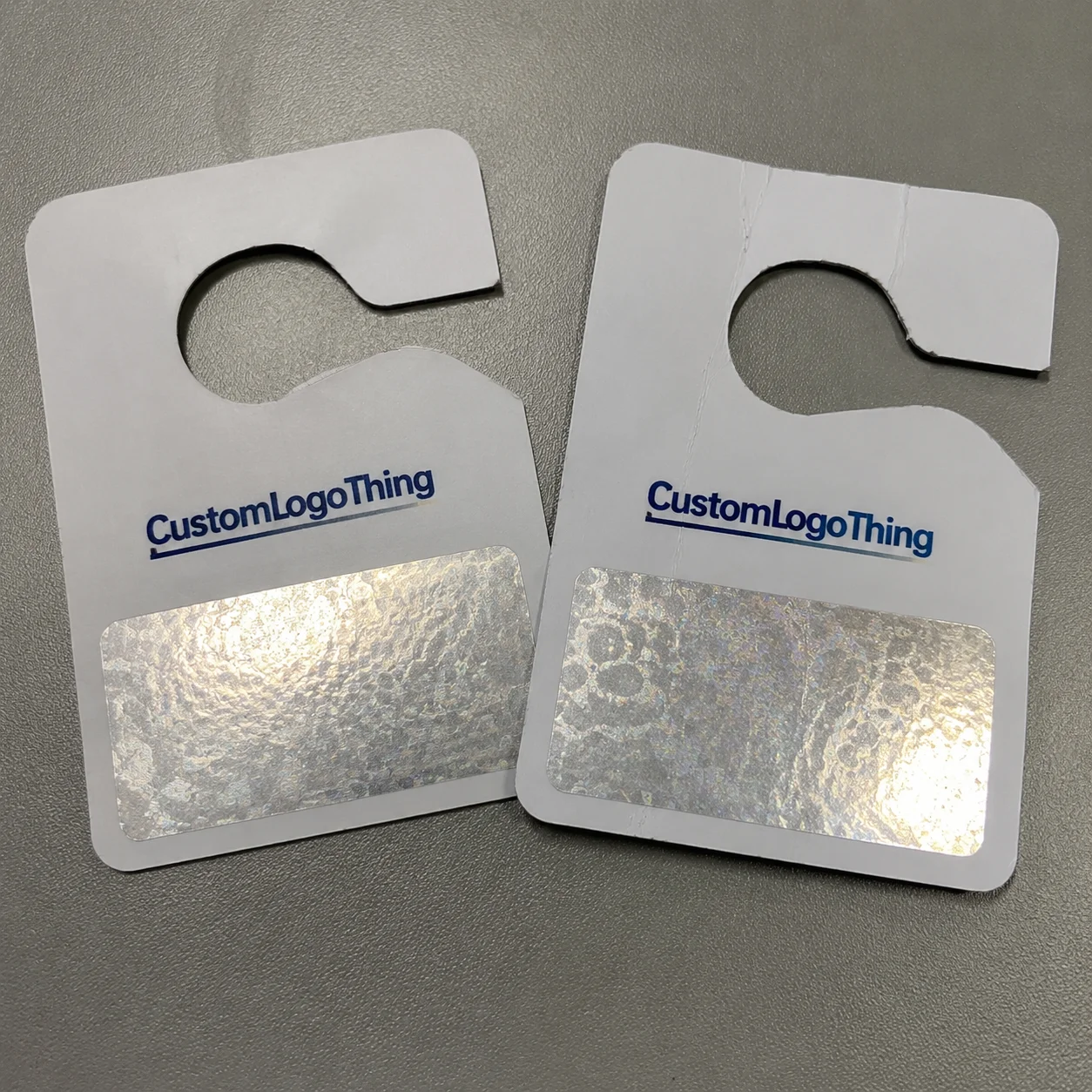
The most common failure pattern is simple: the permit seems fine on day one, then starts behaving badly once it meets heat, cold, repeated handling, or a less-than-perfect surface. A windshield permit may peel because the adhesive was too light. A bumper-facing label may resist removal too well and leave residue. A design that looks crisp in a proof may be too small to read in real lot conditions. None of that is unusual. It usually means the spec was written for a photo, not for a vehicle.
Custom parking permit stickers work best when the buyer starts with the use case and works backward. Apartment communities usually want resident and visitor separation. Campuses often need zone-based control, color coding, and easy year-over-year tracking. Hospitals and workplaces may need staff, vendor, and temporary access differentiation. Event parking may only need short-term visibility, but it still needs enough structure to prevent casual reuse. The format is different, but the logic is the same: the sticker has to support enforcement without creating extra labor.
There is also a practical question around accountability. A permit system is easier to manage when each sticker maps to a vehicle record, resident account, employee roster, or event credential. That mapping is what turns a printed item into an enforceable asset. If the sticker cannot be tied back to a record, replacement requests, revocations, and audits become messy quickly.
Three questions usually clarify the entire job: how long does the permit need to stay on, who has to verify it, and how hard should it be to transfer or counterfeit? Those answers decide the adhesive, film, numbering style, and security features. They also keep the order from drifting into unnecessary upgrades that add cost without solving the actual problem.
How custom parking permit stickers work in daily use
Daily use is not complicated, which is part of the appeal. A permit is issued, applied to the vehicle, and checked visually by staff or security. In a well-run system, the sticker links back to a record that supports issuance, renewal, replacement, or revocation. That link matters because enforcement is faster when staff can trust what they see on the vehicle.
Most buyers use at least one control feature. Sequential numbering helps track issuance and reconcile inventory. Barcodes or QR codes support scan-based verification. Color coding can separate access classes, floors, lots, or permit seasons. Some programs use clearly defined windshield placement rules so enforcement teams know exactly where to look. The sticker itself stays small, but the system around it can be surprisingly detailed.
There are a few adhesive formats worth separating because the terminology matters in real ordering conversations:
- Permanent - intended for long-term placement and stronger anti-transfer control.
- Removable - intended for seasonal programs, short-term access, or easier end-of-term removal.
- Destructible - fractures during removal, which helps discourage reuse.
That choice affects more than removal. It changes customer service workload, replacement policy, and how much time staff spend cleaning up after renewals. A permit that must be reapplied every few months needs different handling than one that can stay on the vehicle for a full year. Buyers who plan for the end of the term usually avoid the most frustrating part of the program.
Many organizations also connect the sticker to parking software or a permit database. That pairing is valuable because a printed permit alone only solves half the problem. The other half is making sure issuance, revocation, and replacement are recorded accurately so gate staff and enforcement teams are not working from different information.
Materials, adhesives, and print features that affect performance
Material choice is where many orders either become durable or become recurring reorders. Vinyl and polyester are the usual workhorses for outdoor parking applications. Paper-based constructions can be fine for short-term use, but they are rarely the best fit for parking control that lives outside, sees sunlight, and gets handled often. Polyester generally offers better dimensional stability. Vinyl tends to balance durability and cost. Paper usually makes sense only when the service life is short and the environment is mild.
Adhesive choice should follow the surface, not the artwork. Glass, painted metal, and textured plastics do not behave the same way. A windshield sticker needs a formulation that bonds securely without making application difficult. A bumper-facing permit may need a different pressure-sensitive adhesive altogether. If the permit is seasonal or temporary, a removable adhesive can be the right choice. If it has to stay in place through a full cycle of weather and washing, a stronger adhesive or destructible film often makes more sense.
Print features matter just as much. Variable data allows each permit to carry a unique ID. Sequential numbering helps with issuance records and audits. Security slits or patterned construction can make transfer more difficult. Holographic elements help make copying harder. UV-resistant inks are worth paying for if the sticker lives outdoors, because sunlight is often the quiet reason a permit looks old before the term is over.
For comparison, the broad trade-offs usually look like this:
| Construction | Typical Use | Durability | Relative Cost |
|---|---|---|---|
| Paper label stock | Short-term visitor access | Low | $ |
| Vinyl | General outdoor permit use | Medium to high | $$ |
| Polyester | Long-life permits and stronger anti-tamper needs | High | $$$ |
| Destructible film | Fraud control and non-transferable permits | High for enforcement, not for reuse | $$$ |
If the lot is hot, exposed, or subject to frequent inspections, a tougher film with UV-stable print and an adhesive matched to the surface is usually the safer bet. Summer heat can push windshield and panel temperatures well beyond ambient air temperature, and parking permits do not live in controlled environments. They live on cars, in weather, on curved surfaces, and under constant scrutiny.
For buyers used to buying printed packaging or labels, the same discipline applies here. The spec has to reflect the life cycle of the item in use, not just the look of the proof. If the organization already evaluates material consistency, print accuracy, and finish quality on Custom Packaging Products, it should use the same standards for parking permits. A permit is small, but it still has to perform reliably.
Useful references for broader material and sourcing context include the ISTA testing framework and the FSC system when paper content or responsible sourcing is part of the brief. Those standards are not parking-specific, but they help buyers think more clearly about durability, handling, and material discipline.
Cost and pricing factors to compare before you order
Pricing for custom parking permit stickers usually comes down to size, quantity, material, adhesive, print coverage, variable data, and finishing. The mistake many buyers make is comparing only the headline unit price. That can hide the fact that one quote includes numbering, proofing, and a stronger film, while another starts cheaper but adds fees for every small requirement. The lowest number on the page is not always the lowest total cost.
For planning purposes, simple runs may land around $0.18-$0.28 per unit for 5,000 pieces on straightforward construction, while more durable or security-heavy specs can move higher. Smaller quantities usually cost more per piece because setup is spread over fewer units. A run of 500 can easily cost several times more per unit than a much larger order. That is basic production math, not a special pricing trick.
Minimum order quantity matters too. Many print programs reward volume, so larger runs often reduce per-sticker cost, especially when the artwork stays unchanged. Bulk only helps if the permit system is stable. Nobody wants to sit on obsolete colorways or outdated zone labels because the parking map changed halfway through the year.
There are also a few costs that do not show up in the first quote unless you ask:
- Proofing for artwork corrections or variable-data setup.
- Setup fees for custom dies, special finishes, or numbering logic.
- Shipping when the order needs expedited freight.
- Rush production when the renewal window was underestimated.
- Replacement orders for damaged, lost, or revoked permits.
The right balance depends on the service life. If the permit only needs to survive a few weeks, paying for heavy-duty construction may be unnecessary. If it must last through weather, washing, and repeated visual checks, a better film and adhesive often lower the total cost because replacements fall. In that sense, parking permits are not much different from packaging: the cheapest version up front is not always the cheapest version over time.
Process, timeline, and production steps from proof to shipment
Most custom jobs follow the same sequence: artwork submission, proof review, approval, printing, finishing, quality checks, and shipment. The difference is how much friction appears between those steps. A clean reorder with a locked spec can move quickly. A first-time order with variable numbering, multiple colors, and a new adhesive usually takes longer.
Typical lead time depends on complexity and inventory availability. Straightforward runs often fall in the 12-15 business day range after proof approval, while more customized work can take longer. Rush jobs are possible, but speed usually trades off against cost, routing flexibility, or available materials. Reorders move faster when the original artwork is archived and the numbering rules are already documented.
The delays usually come from a few predictable places:
- Missing or low-resolution artwork.
- Unclear numbering or variable-data instructions.
- Delayed proof approval from multiple stakeholders.
- Material substitutions because the first choice is out of stock.
- Late changes to size, color, or placement details.
From a production standpoint, organized buyers save time. Give the vendor exact dimensions, total quantity, numbering format, intended surface, and application environment. If the permit needs to align with branded packaging or another package branding system, share the brand files early so color matching and typography stay consistent across the whole set.
It also helps to think ahead to the next order. If the permit will be reordered annually, keep the artwork, spec sheet, numbering format, and approval history in one place. A clean archive is boring to maintain and very useful six months later when renewal season arrives faster than expected.
Step-by-step checklist for ordering the right permit sticker
The best order starts with the actual use case. Is the permit for temporary visitor access, annual resident parking, staff vehicles, or event-day traffic control? That answer sets the service life and the level of anti-transfer control. Temporary visitor passes can tolerate lighter construction. Annual permits usually need stronger durability and better traceability.
Next, define size, shape, and placement. Smaller stickers may be fine when they sit in a predictable location and only staff need to read them up close. Larger formats help when verification happens from a distance or when the permit has to carry a number, date, and visual code at the same time. Adhesive should be chosen after the surface is known, not before.
Then handle the data. Prepare the numbering sequence, department codes, zone identifiers, or QR content before requesting the proof. If color is doing part of the sorting work, set the color logic before printing. A clear visual system can make enforcement much faster because staff can spot mismatches without opening a database every time.
Quick ordering checklist:
- Define the parking use case and permit life span.
- Choose the correct surface and adhesive type.
- Set size, visibility, and placement rules.
- Prepare numbering, barcode, or QR logic.
- Confirm durability, climate exposure, and replacement policy.
- Approve a proof that matches the actual final spec.
That list is basic, but it prevents expensive mistakes. Most problems show up after the first distribution wave, when corrections are slower and more expensive than getting the order right the first time.
Common mistakes that weaken parking control
One of the easiest mistakes to make is choosing a low-tack adhesive for a permit that is supposed to stay on for months. It sounds minor until the edges curl and staff start seeing half-attached stickers in the lot. Another common error is ordering a design that looks polished on screen but is too small to read from a patrol vehicle or gatehouse.
Skipping serial numbers creates another weak point. Without unique identifiers, transfers are easier and accountability gets blurry. A shared design with no variable data is easier to copy, photocopy, or fake. That does not mean every permit needs heavy security features, but it does mean some level of traceability usually pays for itself.
Climate matters more than many buyers expect. Heat, humidity, frost, and UV exposure all change how a sticker behaves. So does the removal method. If the wrong adhesive is chosen, the permit may leave residue, tear during removal, or fail before the term ends. Underestimating replacement needs is also a budget issue. Lost, transferred, and damaged permits are part of real parking operations, not rare exceptions.
In packaging terms, this is similar to choosing a good-looking label that cannot survive shipping. The design may be right. The operating conditions are what expose the weak point.
Expert tips for stronger enforcement and smoother rollout
Color coding is one of the fastest ways to improve visual enforcement. Different colors for zones, seasons, or access levels help staff sort vehicles faster, especially when lots are crowded or lighting is poor. That same principle shows up in packaging design: the eye needs a clear signal before it needs detail.
Another useful habit is to build a reordering system from the start. Keep the artwork file, numbering range, material spec, adhesive notes, and approval history together. If the permit is seasonal or annual, archive the old versions so future orders are not rebuilt from memory. That work is not glamorous, but it lowers the odds of errors during renewal.
Test one sample on the actual vehicle surface before approving the full run. A sticker that behaves well on a sample panel may act differently on a dirty windshield, a curved bumper, or a surface with residue from an old permit. One test can answer more questions than a dozen spec sheets.
“The fastest way to weaken a parking program is to treat the permit as decoration instead of control hardware.”
Finally, align the sticker with the policy. The design should support the renewal date, replacement rules, and enforcement workflow. If staff have to explain a confusing permit system every week, the operation is spending time that never appears in the print quote.
Used well, custom parking permit stickers do more than label vehicles. They reduce ambiguity, support enforcement, and make parking control easier to manage at scale. A solid order starts with the surface, the climate, the service life, and the data requirements, then moves into material and finishing decisions that match those realities. That is the difference between a permit that looks fine on approval day and one that still does its job after months of sun, handling, and enforcement checks.
What are custom parking permit stickers used for?
They identify authorized vehicles and help staff enforce parking rules quickly. They are common in residential communities, campuses, workplaces, hospitals, and event parking.
Which material is best for custom parking permit stickers?
It depends on durability needs. Vinyl and polyester usually outperform paper in outdoor use, while the adhesive and print finish should match the surface and expected service life.
How much do custom parking permit stickers usually cost?
Pricing depends on size, quantity, material, numbering, and finishing. Larger quantities generally reduce unit cost, while security features, specialty construction, and rush orders increase it.
How long does production usually take?
Timeline depends on artwork readiness, proof approval, and production complexity. Simple reorders move faster than fully custom jobs with variable data or specialty materials.
Can custom parking permit stickers be removed without damage?
Some are designed to be removable, while others are destructible for anti-transfer control. The right choice depends on whether the permit is temporary, renewable, or security-focused.


