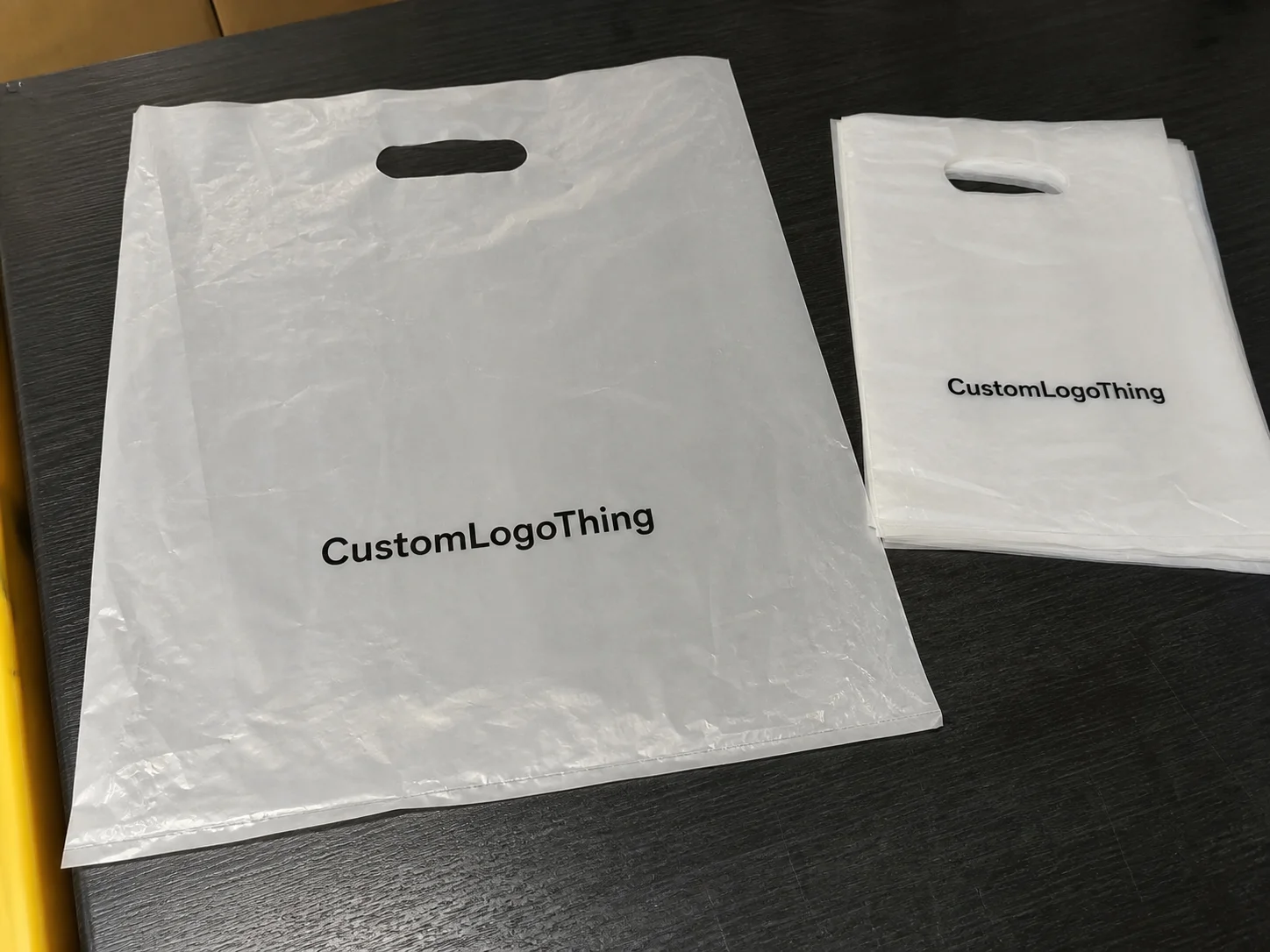
Start with the checklist before a small bag error turns into a full-run problem

A plastic garment bag seems like a minor packaging item until a small sizing error affects thousands of units. A good Custom Plastic Garment Bags sample order checklist catches the issues that usually show up too late: a fleece set that barely fits, a flap covering the barcode, or a hanger opening that tears under load.
The sample should confirm more than appearance. Buyers need to verify usable dimensions, film feel, closure performance, print placement, warning copy, and how the bag performs with the actual folded or hung garment inside. The warehouse often notices fit problems before anyone comments on print.
Those decisions also affect freight density, barcode scanning, static during loading, and how neatly units sit in master cartons. If the bag is too loose, presentation looks sloppy. If it is too tight, seams, seals, and corners fail faster.
Practical rule: Never approve a garment bag sample empty. Test it with the real garment, including tags, inserts, tissue, stickers, bands, and any paperwork that ships with it.
If your team also buys Custom Packaging Products such as labels, mailers, or custom printed boxes, keeping bag specs aligned with the wider product packaging system helps avoid separate revision cycles later.
How to use a custom plastic garment bags sample order checklist without missing the costly details
The checklist works best in sequence. Start with the packed garment dimensions. Then confirm bag format, material, thickness, closure, print layout, barcode space, warning text, and carton packing. Finish by testing the filled sample under normal handling conditions.
That order matters because the expensive mistakes usually happen before artwork review. Buyers often focus first on logo placement, but the bigger cost drivers are usable internal size, flap construction, gusset depth, lip position, and whether the garment actually loads without strain.
A working checklist also needs clear owners. Packaging or sourcing should verify dimensions and film specs. Design should approve print position and readability. Compliance should check suffocation warnings, recycling marks, and market-specific copy. Warehouse or operations should test loading speed, flap handling, and barcode scanning through the actual film.
Use direct status notes such as pass, revise, or pending. “Looks okay” is not enough. A useful note is specific: “Increase usable width by 15 mm to fit folded hoodie with tissue and hangtag without corner stress.”
- Measure the packed unit, not only the garment body.
- Insert all trims including tags, boards, tissue, stickers, and bands.
- Check the sample against the RFQ so dimensions, thickness, and print version match the quote.
- Scan barcodes through the filled bag under normal warehouse or retail lighting.
- Keep one signed reference sample tied to the final approved specification sheet.
Choose the bag format around pack-out, display, and protection, not habit
Many programs default to a flat poly bag because it is familiar and economical. That works for standard folded basics, but not every SKU behaves the same once packed.
Bulky fleece, dress shirts on hangers, baby apparel with boards and inserts, lingerie sets, and multi-piece uniforms all need different bag behavior. The right format depends on fold method, display needs, line speed, and how much protection the unit actually needs.
Flat poly bags suit many folded garments. Self-seal flap bags give clean presentation without separate tape. Side-gusset bags add depth for thicker garments or multipacks. Wicketed bags help manual or semi-automated packing. Hanging bags work for transport or display on hangers. Vented bags help release trapped air during packing.
Closure choice affects operations more than many buyers expect. Permanent adhesive gives a neat finished pack but removes re-entry. Resealable adhesive helps inspections or returns. Heat seals can offer consistency for some lines. Open-top bags may work as an inner protective layer before a secondary pack.
Surface finish is another tradeoff. High-clarity film usually improves garment visibility and logo impact. Frosted or matte film can look more refined, but it may reduce barcode contrast and make the folded unit harder to see. Test it with the real SKU before approving.
- Ask for vent holes if trapped air makes sealing uneven or cartons bulky.
- Specify warning text early because required size and placement vary by market.
- Add euro slots or hang holes only if needed since die-cuts add cost and can weaken unsupported areas.
- Consider tear notches if the end user needs cleaner opening without scissors.
Lock down the specifications that actually decide sample approval
Sample approval should be driven by exact specifications, not a general visual impression. Buyers need bag length, width, gusset depth if any, flap length, lip position, vent placement, hanger opening, and usable internal dimensions. Outside size alone is not enough because seals, folds, adhesive zones, and die-cuts reduce the space the garment can occupy.
Film thickness should be stated in a unit everyone understands. Suppliers may quote in gauge, mil, or microns, so convert at the start. As a rough reference, 1 mil equals 25.4 microns. Many apparel bags land around 30-60 microns depending on size, garment weight, resin, and desired feel.
Lighter film can work well for tees and lightweight basics while reducing resin cost and carton weight. Heavier film adds stiffness, puncture resistance, and a more substantial hand feel, but raises unit cost.
Material choice matters as much as thickness:
- LDPE is soft, flexible, and easy to seal.
- HDPE is crisper and often more utility-focused.
- CPP is valued for clarity and presentation.
- OPP offers high gloss but can be less forgiving in some handling conditions.
- Recycled-content blends may support sustainability goals, but performance can vary with recycled percentage and resin consistency.
If sustainability claims matter, ask whether recycled content is post-consumer or post-industrial, what percentage is certified, and what documentation the supplier can provide. The EPA’s recycling guidance is a useful starting point for end-of-life language, but local acceptance still varies.
Print specs need the same discipline. Confirm color count, white underprint on clear film if needed, acceptable registration tolerance, and safe space around logos, folds, and warning text. A logo can print within tolerance and still look wrong if it lands too close to a flap line or side seam.
Compliance copy often gets squeezed in late. Warning text needs readable contrast and open space. Barcodes should be scanned on the actual filled sample, not just checked on a proof. If packed garments will move through parcel networks in master cartons, consulting ISTA guidance can help for heavier folded units or packs with multiple trims.
Pricing, MOQ, and unit cost: what moves the quote fastest
Bag size, film thickness, material choice, print coverage, color count, flap style, and extra features usually move the quote fastest. Each change affects resin usage, setup time, tooling, yield, or line speed.
A larger bag uses more film. A heavier gauge raises material weight. More print coverage needs more ink and tighter print control. Add a gusset, vent pattern, hang hole, or reinforced flap, and the cost structure changes again.
Sample orders also follow different economics from production runs. A short prototype run often has a high per-piece cost because setup is spread over very few units. That does not necessarily mean the production order will be expensive.
Compare quotes only when the assumptions match. Check whether pricing includes export cartons, overrun tolerance, artwork setup, plates or cylinders, freight terms, and thickness assumptions. A lower quote may simply reflect thinner film or missing setup charges.
| Spec Scenario | Typical MOQ Range | Estimated Unit Price Range | Main Cost Driver |
|---|---|---|---|
| Clear flat bag, 1 color print, 35-40 micron | 5,000-10,000 pcs | $0.06-$0.12 | Bag size and film weight |
| Adhesive flap bag, 2-3 colors, 40-50 micron | 5,000-15,000 pcs | $0.09-$0.18 | Print setup and flap construction |
| High-clarity OPP bag, white underprint, hang hole | 10,000-20,000 pcs | $0.14-$0.26 | Material and print coverage |
| Recycled-content bag with custom warning text | 10,000-25,000 pcs | $0.10-$0.22 | Resin blend and sourcing consistency |
These are planning ranges, not firm quotes, but they show where cost usually moves first. If you are deciding between two gauges or two materials, request alternates in a single RFQ. If you buy through Wholesale Programs, ask whether related SKUs can be grouped to improve setup economics or MOQ flexibility.
Sample process and timeline from artwork file to physical approval
A practical sample process usually follows the same order: inquiry, spec review, artwork check, proofing, sample making, shipping, internal review, revision if needed, then production approval. Most delays come from missing inputs, not sample fabrication.
Different sample types prove different things. A stock-material mockup can confirm rough size and format quickly. A digitally printed prototype helps with general logo placement but may not reflect final flexographic or gravure color on clear, matte, or frosted film. A press-matched preproduction sample is closer to real production but takes longer and usually costs more.
A basic sample cycle with ready artwork and a common material often lands around 5-10 business days plus courier transit. Preproduction samples requiring new plates, tooling changes, or less common materials can take 12-20 business days before shipping.
Projects usually stall in the same places: missing dielines, low-resolution logos, unclear fold orientation, uncertainty over hanger versus flat packing, and uncontrolled artwork versions in email. Buyers who send artwork, dimensions, quantity tiers, destination, compliance copy, and sample purpose together move much faster.
Fast sign-off starts with a complete brief: artwork file, bag dimensions, thickness target, quantity tiers, warning text, shipping address, and a short note on what the sample must validate.
Internal review should be practical. Fit-test the real garment. Open and reseal the flap several times if re-entry matters. Check appearance in normal lighting. Scan the barcode through the filled bag. If the unit ships through parcel distribution in master cartons, use the same basic handling checks your logistics team already trusts.
Approval mistakes that cause rework, waste, and delivery risk
The biggest approval mistake is approving by outside dimensions alone. A bag can measure correctly and still fail because the packed garment is thicker than expected, the flap overlaps branding, the adhesive catches on tissue, or the hanger opening distorts under weight.
Another common mistake is treating a mockup as a color proof. Ink behavior changes across clear, frosted, matte, and high-gloss films, and white backing can shift the final tone. If color precision matters, confirm what the sample proves and what it does not.
Operational issues are also easy to miss. Adhesive that seems acceptable in a meeting room may slow operators on the line. Vent holes placed too close to a fold can weaken the bag. A hanger slot that works on a light shirt may tear on a heavier jacket. Static can also attract lint or slow repetitive pack-out.
Carton packing should be reviewed with the same care as the bag. An approved unit bag does not prevent receiving problems if pack counts, assortments, or carton markings are unclear. Keep one controlled approval sheet with dimensions, material, thickness, print file name, sample type, comments, and final sign-off status so changes do not drift across email chains.
Send a clean RFQ and place the sample order with fewer revisions
A strong RFQ improves quote accuracy and cuts revision noise. For a sample order, send packed garment dimensions, orientation, target quantities, preferred material, acceptable thickness range, closure type, artwork file, warning-text requirement, destination, and any retailer or compliance rules in one package.
Be clear about what the sample must prove. Fit, clarity, seal quality, flap function, print position, warning-text legibility, and carton packing are all valid, but not every project needs every check. If one point will decide the order, say so early.
Alternate quotes are most useful when tied to real choices: a baseline spec, a lower-cost gauge option, and an upgraded clarity or recycled-content option if presentation or sustainability matters. More than that usually creates comparison fatigue.
Once the sample is approved, lock the artwork version, approved dimensions, quantity split by SKU or size, delivery window, and carton packing method before issuing the PO. Buyers who need broader commercial details can review the company FAQ alongside the final spec sheet so the order stays focused on actual production variables.
Frequently Asked Questions
What should a custom plastic garment bags sample order checklist include before I request a quote?
Include bag dimensions, packed garment orientation, film type, thickness, closure style, print colors, warning text, quantity tiers, delivery location, and artwork files. Also state what the sample needs to confirm, such as fit, print position, sealing, barcode scanning, or full approval across all of them. If retailer rules or market-specific labeling apply, include them up front.
How many samples should I order for custom garment bag approval?
Order enough to test across functions, not just inspect one piece. In practice, that usually means samples for packaging review, warehouse handling, merchandising, and compliance sign-off. If you are comparing materials, gauges, or closures, ask for matched variants and keep one signed approval sample with the final spec sheet.
What affects the price of custom plastic garment bag samples and production orders?
Size, film thickness, resin choice, print coverage, color count, closure style, and features such as vent holes, hang holes, or gussets usually move price first. Sample orders often look expensive on a per-piece basis because setup costs are spread across a short run. Courier speed, material availability, and print method can also affect landed sample cost.
How long is the lead time for a custom plastic garment bags sample order?
Lead time depends on sample type. A simple mockup may be ready within a few business days, while a preproduction sample matched closely to final specs often takes 1-3 weeks before transit. Artwork readiness, material availability, plate creation, and proof revisions are the main timing variables.
What is the most common mistake when approving custom plastic garment bag samples?
The most common mistake is approving the bag without testing the actual packed garment inside it. Other frequent misses include warning-text placement, flap performance, vent-hole location, barcode readability through the real film, and uncontrolled artwork revisions after sample sign-off. One approval record tied to one final file version reduces those risks.