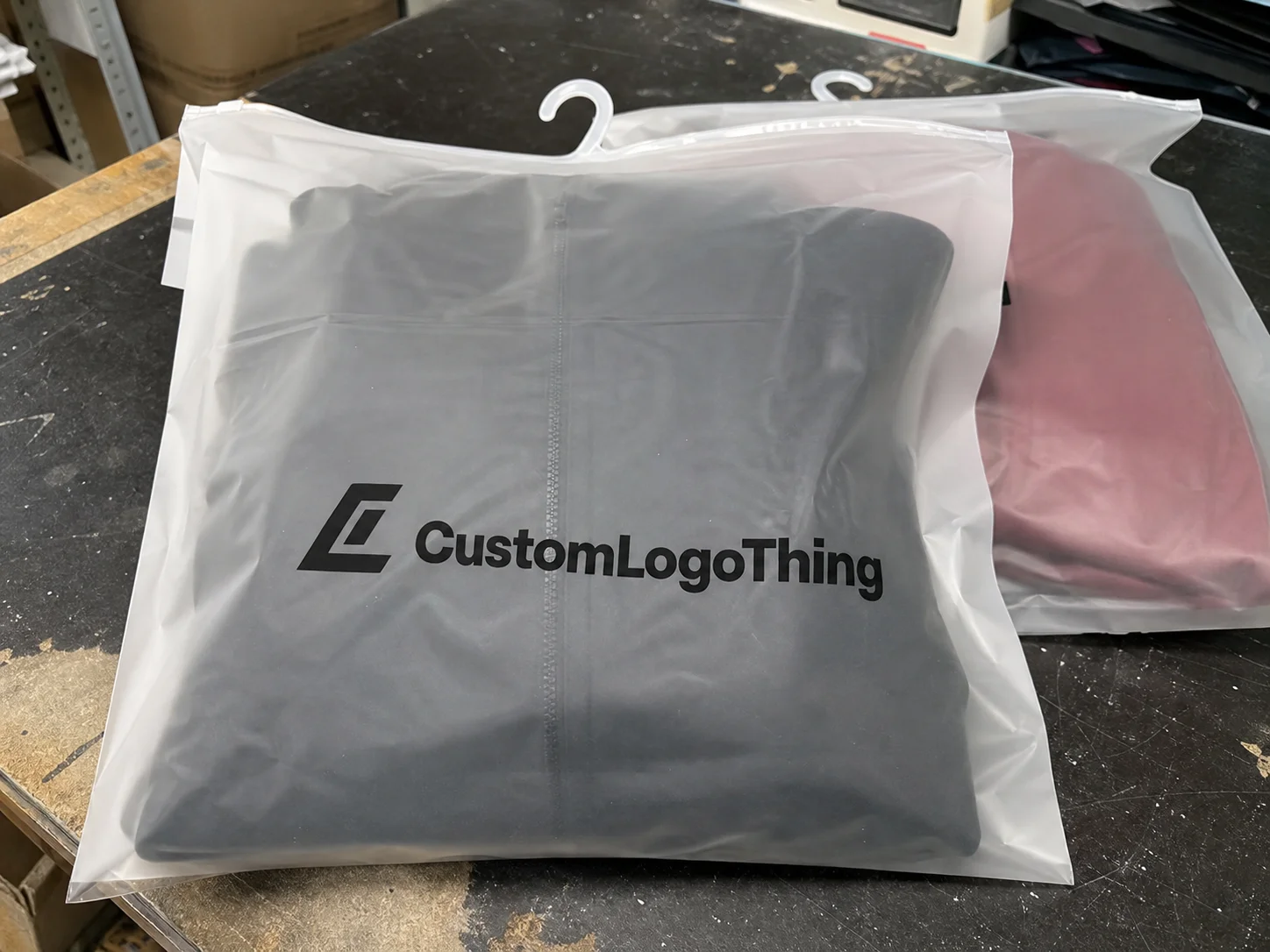
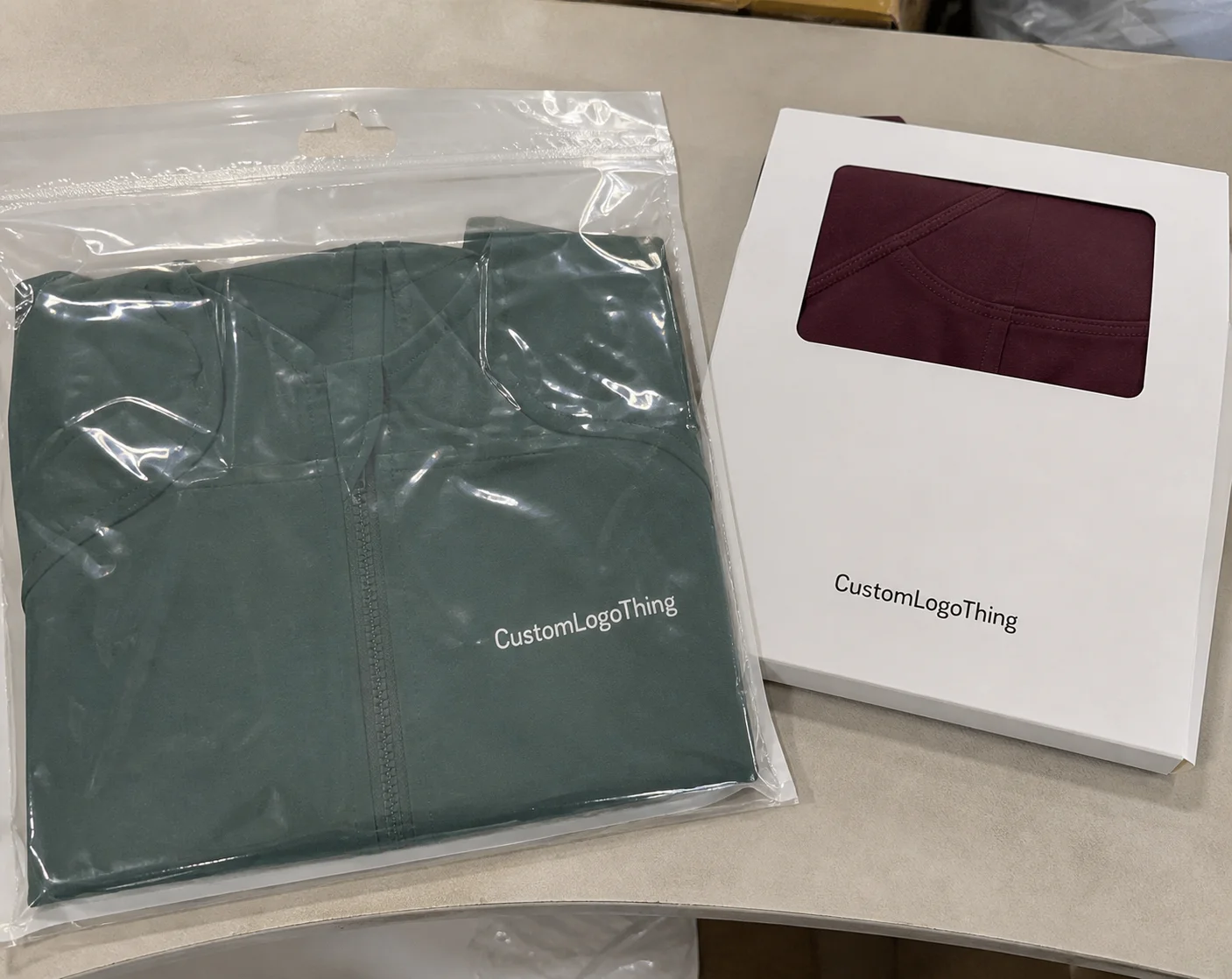
Buyer Fit Snapshot
| Best fit | Custom Pouch Packaging Wholesale projects where brand print, material claims, artwork control, MOQ, and repeat-order consistency need to be specified before quoting. |
|---|---|
| Quote inputs | Share finished size, material target, print colors, finish, packing count, annual reorder estimate, ship-to region, and any compliance wording. |
| Proofing check | Approve dieline scale, logo placement, barcode or warning zones, color tolerance, closure strength, and carton packing before bulk production. |
| Main risk | Vague material claims, crowded artwork, missing packing details, or unclear freight terms can make a low unit price expensive after revisions. |
Fast answer: Custom Pouch Packaging Wholesale: Specs, Pricing, Process should be specified like a repeatable production item. The safest quote records material, print method, finish, artwork proof, packing count, and reorder notes in one written spec.
Production checks before approval
Compare the actual filled-product size with the drawing, then confirm tolerance on folds, seals, hang holes, label areas, and retail display edges. Reserve space for logos, QR codes, warning copy, and material claims before decorative graphics fill the panel.
Quote comparison points
Review material grade, print process, finish, sampling route, tooling charges, carton quantity, and freight assumptions side by side. A quote is only useful when the supplier can repeat the same color, closure quality, and packing count on the next order.
Custom Pouch Packaging Wholesale has become a serious buying option for brands that need shelf presence, shipping efficiency, and repeatable print quality without carrying the weight and freight cost of rigid containers. I’ve walked enough packing floors in Shenzhen, Dongguan, and Ningbo to know this: a well-built pouch can hold its own beside jars, cartons, and tubs, while using less material and taking far less pallet space. A 150mm x 220mm stand-up pouch can often ship flat before filling and then stack tight in master cartons, which is exactly the kind of boring detail that saves money. For private label buyers, snack makers, supplement brands, beauty companies, and e-commerce sellers, custom pouch packaging wholesale is not just a sourcing choice. It is an operations decision that affects inventory turns, fill speed, and how your product looks the moment a customer picks it up.
Honestly, I think many buyers start with price and end up paying for indecision later. The better question is whether Custom Pouch Packaging Wholesale fits your product’s shelf life, shipping profile, and branding goals. If you sell dry goods, powders, liquids, samples, or resealable retail packs, the format can reduce storage burden and improve branded packaging consistency across every reorder. A 350gsm C1S artboard carton may look nice on a pitch deck, but if your product is moving 5,000 units a month through a 3PL in Dallas or Chicago, pouch efficiency can matter more than paperboard romance. That matters when your product packaging has to work in a warehouse, on a retail shelf, and inside a mailer box. And yes, I’ve seen people spend three weeks arguing over zipper color while ignoring barrier specs. That kind of thing makes me want to gently bang my head on a sample carton.
In my experience, wholesale ordering makes the most sense when a brand needs the same pouch style across several SKUs or expects reorder volume over time. One client I met during a supplier negotiation in Shenzhen wanted a 100g snack line with three flavors and one visual system. We compared Custom Pouch Packaging Wholesale against small-run cartons and found the pouch route cut carton freight by roughly 28% on a cube basis, while simplifying SKU management. At 10,000 units per flavor, the savings added up fast, especially once we compared the $0.18 per unit pouch quote against the $0.31 per unit carton alternative. That’s the kind of math that changes a buying decision fast.
Custom Pouch Packaging Wholesale: The Buying Case
What surprises a lot of first-time buyers is how much shelf impact a pouch can deliver with less material than many rigid formats. A stand-up pouch with high-coverage print, a strong seal, and a well-placed zipper can look premium without the mass of a jar or tin. In custom pouch packaging wholesale, that visual efficiency often pairs with lower warehousing cost because pouches ship flat before filling and stack efficiently after filling. A pallet of 50,000 flat pouches can occupy a fraction of the cube of the same quantity of assembled rigid containers. Freight teams notice that immediately. So do finance teams. And if finance doesn’t notice, they probably haven’t seen the storage bill yet.
Here’s the practical case for custom pouch packaging wholesale: you get repeatable quality, consistent branding, and a unit cost curve that improves as quantity rises. That matters for brands that reorder every 6 to 10 weeks or run seasonal promotions. It also matters for businesses with narrow margin bands. I’ve seen snack brands save enough on inbound packaging to fund a better zipper closure or a matte finish that improved retail conversion. A matte laminated pouch with a laser score tear notch and a $0.03 zipper upgrade can look dramatically more polished than a plain gloss bag, even if the core fill stays identical. Those are small moves on paper. On shelf, they are the difference between “generic” and “worth a second look.”
Custom pouch packaging wholesale also fits operational realities. If your product has a 9-month or 18-month shelf life, you need Packaging That Protects aroma, moisture, and oxygen exposure while staying cost disciplined. If your SKU is sold in retail and e-commerce, the pouch has to survive both transport and point-of-sale handling. For many buyers, the appeal is simple: product packaging that protects the fill, strengthens package branding, and reduces dead space in storage. In Singapore, Toronto, and Los Angeles, I’ve seen brands choose foil-laminate pouches precisely because a 12-month shelf life needed better oxygen resistance than a basic PE film could provide.
I’ve seen this play out in a buyer meeting for a wellness startup that sold protein blends and capsule pouches. Their original rigid container looked polished, but warehouse cube cost was painful. After comparing custom pouch packaging wholesale options, they moved to a resealable pouch with foil laminate and a tear notch. The result was better carton utilization, lower per-unit freight, and more room for branded packaging on the front panel. Their final spec used a 12.5cm x 20cm pouch with a 45mm bottom gusset, and the landed packaging cost came down by about 19% on a 20,000-piece reorder. No drama. Just better economics.
Who benefits most? Private label brands, food and snack companies, health and wellness lines, beauty and personal care brands, and e-commerce sellers who want retail packaging aesthetics without a rigid-package bill of materials. Custom pouch packaging wholesale is especially useful when you need one visual system across multiple product sizes. It can also work well for custom printed boxes adjacent to pouches in a kit, if your brand ships bundles or gift sets. A 3-piece sampler kit with one pouch, one carton, and one insert can still stay orderly if the pouch spec is locked to the rest of the system.
“The best pouch purchase is the one that matches your fill, your shelf life, and your freight reality—not just your mood board.”
For buyers comparing routes, I always recommend checking whether the wholesale program supports recurring replenishment, not just a one-off run. If the supplier can help with Wholesale Programs and also coordinate with broader Custom Packaging Products, you get cleaner sourcing, less back-and-forth, and fewer spec mismatches at reorder time. I’d rather manage one supplier in Guangzhou who understands repeat orders than chase five quotes from people who disappear after the first sample.
Custom Pouch Packaging Wholesale Product Details
Custom pouch packaging wholesale covers several pouch styles, and the right one depends on how the product is used, displayed, and sealed after opening. The common formats are stand-up pouches, flat pouches, gusseted pouches, spouted pouches, and zipper pouches. Each has a different cost structure, fill behavior, and shelf look. That is why asking for a quote without defining the style is a waste of time. The same artwork can behave differently on a flat pouch versus a stand-up pouch with a bottom gusset, especially when the artwork has fine type at 6 pt or a full-bleed dark background.
Stand-up pouches are the most common retail choice because they sit upright and give a broad front panel for branding. They work well for snacks, coffee, granola, powders, and dried ingredients. Flat pouches are simpler and cheaper, so they often suit samples, sachets, single-use beauty items, and small-fill promotions. Gusseted pouches give more volume and can be useful for heavier fills or products that need a wider base. Spouted pouches make sense for liquids, sauces, and refillable formats. Zipper pouches, meanwhile, are about resealability; once a customer opens the pack, a good zipper keeps odor and moisture under control. A 210mm x 140mm flat pouch is fine for a 25g sample, but it is the wrong answer for a 500g granola SKU.
In a factory visit I made outside Dongguan, the line supervisor showed me the difference between a food pouch and a cosmetic pouch running on the same machine. The film structure changed, the seal temperature changed, and the tolerance for contamination changed. Food-grade runs were being held closer to 120°C to 140°C on the seal bars, while a cosmetic refill pack tolerated a different window because the product wasn’t as moisture-sensitive. That’s the kind of detail buyers rarely see. Custom pouch packaging wholesale is not just about artwork. It is about how the pouch is built, filled, sealed, and handled after production. (Also, factory coffee is a brave choice. I still don’t know if it was coffee or a dare.)
Barrier performance is one of the most overlooked topics in product packaging. A pouch can need resistance to moisture, oxygen, UV, odor transfer, grease, or puncture. Snack brands usually care about moisture and oxygen. Coffee roasters care about aroma retention and valve compatibility. Supplements may need light protection and clean label space. Beauty brands may care about puncture resistance and premium tactile feel. For custom pouch packaging wholesale, barrier selection must match the product, not the mood board. A 12-micron PET / 60-micron PE laminate is a different animal from a foil structure with an aluminum layer, and the shelf life outcome will not be the same.
Finishing options matter too. Matte lamination gives a soft premium look. Gloss finishes sharpen contrast and can make colors pop under store lighting. Spot UV can highlight a logo or pattern, while metallic effects create strong shelf contrast. Clear windows can help buyers see the contents, which is useful for dried food or tea. Resealable closures, tear notches, and euro slots can all be added depending on the route to market. If you sell through retail, package branding usually benefits from at least one tactile or visual differentiator; otherwise, every bag blends together after the first four feet of shelf. A matte pouch with a 35mm clear window and a euro slot often performs better in-store than a plain shiny bag with no closure or hanging option.
| Pouch Type | Best For | Typical Strength | Common Limitation |
|---|---|---|---|
| Stand-up pouch | Retail snacks, coffee, powders | Strong shelf presence and resealability | Higher material and tooling cost than flat pouches |
| Flat pouch | Samples, sachets, travel-size items | Lower unit cost and easy shipping | Less shelf impact and lower fill volume |
| Gusseted pouch | Bulk dry goods, tea, heavier fills | More capacity with efficient footprint | Can be harder to stand consistently when partially filled |
| Spouted pouch | Liquids, sauces, refill packs | Controlled dispensing and consumer convenience | More complex closure and sealing requirements |
| Zipper pouch | Resealable retail products | Better post-open performance | Closure adds cost and may affect fill speed |
Print quality affects perception more than many buyers expect. A blurry logo, off-brand red, or weak contrast can make a product look cheaper even if the formula is excellent. I’ve sat in supplier negotiations where the buyer wanted the lowest quote possible, then rejected the first sample because the brand blue looked washed out under warehouse LEDs in Yiwu. That’s not vanity. That is retail packaging reality. If you are building a long-term line, custom pouch packaging wholesale should prioritize color consistency, line clarity, and a print method suited to your design density. A 4-color process job with a dense gradient needs more discipline than a one-color black pouch with a foil stamp.
For brands using custom pouch packaging wholesale alongside other branded packaging, the look should match the rest of the system. If your cartons, labels, and mailers are all slightly different in tone, the line loses cohesion. Package branding works best when the pouch feels like part of a deliberate family, not a lone asset designed in isolation. If your outer shipper uses a kraft look and your pouch uses cool gray, the mismatch is obvious by the third reorder.
Specifications That Affect Custom Pouch Packaging Wholesale Orders
Before you ask for a quote on custom pouch packaging wholesale, you need the numbers. I mean actual numbers: width, height, gusset depth, fill volume, film thickness, closure type, and barrier requirement. Without those details, quote comparisons become noisy fast. A 150g coffee pouch is not the same as a 500g protein pouch, even if both are stand-up styles. A 130mm x 210mm pouch with a 40mm gusset tells a very different production story than a smaller sachet. If the supplier has to guess, you will pay for that guessing somewhere in the process.
The main measurable specs are straightforward. Dimensions define the pouch footprint. Fill volume tells the supplier how much product the package must hold. Film structure determines barrier and feel. Sealing type affects machine compatibility and shelf durability. Thickness, usually measured in microns or mils depending on the market, influences puncture resistance and handling. Barrier level determines how much moisture, oxygen, or light can pass through the material. In custom pouch packaging wholesale, those specs drive both performance and cost. A 100-micron total structure can feel much different from a 140-micron total structure when the pouch is sliding down a filling chute at 40 units per minute.
Material selection is where many projects either get clean or get messy. PET, PE, and CPP are common layers in laminate structures. Kraft laminations can deliver a natural look, though they are not automatically recyclable just because they look paper-based. Foil laminations provide strong barrier protection and are often used for coffee, supplements, and aroma-sensitive items. Mono-material recyclable structures are gaining attention, but the product fit has to be tested carefully. Not every formula behaves well in a low-barrier recyclable pouch. That depends on the contents, the expected shelf life, and local recycling access. A kraft-style pouch with a 20-micron window might look eco-friendly, but that does not make it the right structure for a 14-month shelf life.
I once reviewed a supplement project where the brand wanted a recyclable story, a matte finish, and a high barrier pack. The first idea looked good in a deck and failed in testing because the seal window was too narrow for their fill line. The second idea worked. That is the sort of tradeoff buyers need to accept. Custom pouch packaging wholesale is rarely about finding the “best” material in a vacuum. It is about finding the right structure for the actual production environment. On a line in Ningbo, a 6mm seal tolerance can be the difference between stable production and a pile of rejects.
Compliance matters too, especially for food, cosmetics, and dietary supplements. Food-contact requirements, label space, lot coding, ingredient declarations, and regulatory copy all need to fit cleanly. Buyers should confirm whether the pouch can carry the necessary legal text without crowding the design. If the packaging is for supplements, you need to think about serving facts, warnings, and tamper evidence. If it is for cosmetics, your claims should align with the product’s actual attributes. Custom pouch packaging wholesale projects move faster when compliance is reviewed before artwork approval, not after. A pouch that needs a 40mm back-panel text block should be designed that way from day one.
Artwork requirements are a common source of delay. Ask for the dieline, bleed area, resolution standard, and proofing method before design starts. A 300 dpi file in CMYK is the usual baseline for print-ready artwork, though your supplier may specify a different setup depending on press and substrate. Spot colors should be confirmed early if brand consistency matters. In my experience, the worst time to discover a font issue is after production approval, not during layout. Fonts are sneaky little troublemakers. If your logo relies on Pantone 186 C and your packaging is running on a converted CMYK build, you should expect a small shift unless the supplier has very controlled color matching.
Technical choices affect total landed cost more than just the unit price. A thicker film can reduce damage but raise material cost. A zipper adds convenience but increases sealing complexity. A custom window can improve conversion but complicate print coverage. When buyers compare custom pouch packaging wholesale quotes, they should look at the full landed cost: unit price, setup, freight, sampling, and expected waste. Otherwise, the quote with the lowest headline number can become the most expensive on receipt. A $0.15 per unit offer for 5,000 pieces can easily beat a $0.13 quote once the second offer adds $320 in setup and $180 in freight.
For authority, I always encourage buyers to benchmark handling and transport expectations against standards bodies. Packaging test references from organizations such as the International Safe Transit Association help frame shipment durability, while the Packaging Machinery Manufacturers Institute offers useful industry context. For sustainability claims, the EPA recycling guidance is a more reliable starting point than marketing copy on a supplier website.
Custom Pouch Packaging Wholesale Pricing and MOQ
Pricing in custom pouch packaging wholesale is shaped by five main variables: size, material structure, print complexity, closure type, and order quantity. There are secondary factors too, like freight mode and sampling needs, but those five drive most of the quote. A small flat pouch with one-color print and no zipper will always sit at a different price point than a large stand-up pouch with foil laminate, matte finish, and a resealable zipper. Add a euro slot and spot UV, and the number moves again. Simple as that.
MOQ, or minimum order quantity, depends on the pouch style and the way it is printed. Simple structures generally have lower minimums than specialty barrier pouches or highly customized finishes. A flat pouch might start at a lower threshold than a custom spouted pouch, and digital print can sometimes reduce the minimum versus gravure or flexographic methods. That said, lower MOQ often comes with higher per-unit cost. There is no magic trick. You either pay more per piece for flexibility or commit to a larger run for better unit economics. A 1,000-piece digital run may be convenient; a 20,000-piece gravure run may be cheaper by 35% per unit.
Here’s a practical pricing framework I use when reviewing custom pouch packaging wholesale quotes:
- Base pouch cost: the core material and fabrication price per unit.
- Print setup: plates, cylinders, or digital preparation costs.
- Closure add-ons: zippers, spouts, valves, tear notches, and hang holes.
- Sampling and proofs: pre-production samples, digital proofs, or hard proofs.
- Freight: sea, air, or domestic transport to your receiving point.
For a rough market illustration, a simple custom pouch packaging wholesale order can come in around $0.12 to $0.28 per unit at higher volumes, while more complex structures with foil, zipper, and specialty print may move into the $0.25 to $0.60 range or more depending on size and finish. For example, a 5,000-piece order of a 120mm x 180mm matte stand-up pouch with a zipper might land around $0.15 to $0.22 per unit, while a 50,000-piece run of the same pouch could fall closer to $0.09 to $0.14 per unit. These are directional figures, not promises. Your spec sheet controls the actual number. A 5,000-piece order and a 50,000-piece order will not share the same economics, and any supplier who pretends otherwise is not being honest.
One client meeting still sticks with me. A beverage-adjacent startup had three quotes for the same looking pouch, and the gap was almost 40%. Once we broke them down line by line, the cheapest quote excluded freight, sampling, and change fees. The “expensive” quote was actually clearer and closer to the real landed cost. That is the part buyers miss when they chase the lowest line item. Custom pouch packaging wholesale should be evaluated as a total package, not a single unit rate. If one supplier quotes $0.17 per unit and another quotes $0.21 per unit but includes proofing, inner cartons, and export packing, you are not comparing the same thing.
Order quantity changes the story quickly. As quantities rise, setup costs spread out and the unit price falls. That’s why custom pouch packaging wholesale often rewards brands with stable demand. If you can forecast 3 to 6 months of usage, you can usually negotiate a better structure. If your sell-through is unpredictable, you may prefer smaller batches even if the per-unit cost is higher. Inventory risk is a real cost. Excess packaging sitting in a warehouse for 10 months ties up cash and storage space. A 12,000-piece reorder at $0.14 per piece can be smarter than 25,000 pieces at $0.11 if your sell-through only supports 9,000 units before the next redesign.
Here is the tradeoff in plain terms: buy more, save more per pouch; buy less, preserve flexibility. The right answer depends on reorder cadence, shelf life, and launch risk. For brands with fast-moving product packaging needs, a mid-sized order often strikes the best balance. For mature SKUs with stable demand, larger custom pouch packaging wholesale runs usually make sense. If the product sells 2,000 units a month and the pouch lead time is 12 to 15 business days from proof approval, ordering 8,000 pieces at a time may be the cleanest move.
Ask every supplier to separate setup, sample, freight, and unit pricing. If they won’t, you cannot compare offers cleanly. Also ask whether price changes with print coverage, matte finish, or insert components. These small items can move the quote more than buyers expect. That is especially true in branded packaging where the visual spec is doing a lot of work. A fully printed pouch with white ink underlay and a soft-touch lamination may cost 15% to 25% more than a basic one-color build, depending on quantity and region.
Custom Pouch Packaging Wholesale Process and Timeline
The usual custom pouch packaging wholesale workflow starts with a brief, moves to quoting, then artwork, proofing, production, quality control, and shipment. That sequence sounds simple because it is simple. The problems show up in the gaps between steps. Missing dimensions, vague fill weights, or late-stage artwork changes can add days, sometimes weeks. I’ve seen a two-color food pouch get delayed because the customer changed the legal copy after the proof was approved. That is not a production issue. That is a planning issue. In one case, a 48-hour copy revision pushed delivery from the first week of April to the middle of the month.
Most projects move through these stages:
- Inquiry and brief: product type, fill weight, target quantity, and pouch style.
- Quote: price, MOQ, material spec, and lead time.
- Artwork and dieline: layout, bleed, color setup, and branding review.
- Proof approval: digital or physical sign-off before production.
- Production: printing, lamination, pouch forming, and finishing.
- Quality check: seal integrity, color consistency, and dimension verification.
- Delivery: packing, export handling, and shipping to the receiving location.
Timeline varies by format and complexity, but a practical expectation for custom pouch packaging wholesale is usually 12 to 15 business days from proof approval for standard production runs, with longer windows for complex structures, special finishes, or larger volumes. Sampling can add another 5 to 10 business days depending on whether you need a digital proof or a physical sample set. If the order requires regulatory review, plan for more time. A two-day delay on artwork approval can easily push the whole schedule. If you want foil, a valve, and a custom die-cut window, 18 to 20 business days is a more realistic planning number.
What slows a project down most often? Incomplete specs, late artwork changes, and compliance revisions. I’d rank those ahead of machine downtime and freight issues because they happen more often. If you want to shorten lead times, approve the dieline early, confirm your material choice before production, and make sure the legal copy is finalized. That sounds basic because it is basic. Yet it is the difference between a controlled launch and a scramble. A supplier in Guangzhou can print faster than your team can approve a comma, and that is usually where the calendar breaks.
Custom pouch packaging wholesale works best when the buying team thinks in inventory cycles, not just in print deadlines. If your launch date is fixed, back into the timeline from the shelf date and count every review step. If you’re reordering a steady SKU, align production with sell-through so you do not overstock packaging. I’ve seen brands with excellent packaging and weak planning get stuck with six months of inventory because they ordered by instinct instead of forecast. A 15,000-piece run sitting untouched in a New Jersey warehouse for eight months is not a win, no matter how pretty it looks.
Quality control deserves more attention than it gets. A good supplier should check seal strength, print registration, color consistency, and dimensional accuracy before shipment. For products traveling long distances, transport testing references like ISTA are useful. If your supply chain is sensitive, ask whether the supplier can validate cartons, pallet patterns, and outer packaging as part of the order. Custom pouch packaging wholesale is not just about the pouch; it is about how the pouch arrives. If outer cartons use 5-ply corrugated board and the pallet pattern is wrong, a perfect pouch can still show up damaged.
When a supplier communicates well, the process feels calm. Not perfect. Calm. You get clear update points, clean proofs, and a realistic answer when something changes. That is why the operational side matters as much as the material side. A supplier who handles custom pouch packaging wholesale with clear documentation saves time even when the project gets complicated. I’ll take a plain English production update from a factory in Suzhou over a fancy promise from someone hiding behind vague dates.
Why Choose Us for Custom Pouch Packaging Wholesale
Custom Logo Things is built for buyers who want facts before fluff. We help customers compare structures, costs, and performance so the final decision fits the product, the shelf, and the shipping lane. That matters because custom pouch packaging wholesale is not a one-size-fits-all category. A coffee brand, a supplement brand, and a beauty brand may all need pouches, but they need very different materials, closures, and print systems. A 250g coffee pouch with a one-way valve has different requirements from a 30ml cosmetic refill pack, and pretending otherwise is how sourcing turns into cleanup.
What do we focus on? Clear specs, print consistency, and communication that does not hide the real tradeoffs. If a material choice improves barrier but raises cost, we say so. If a matte finish is likely to mute a dark brand color, we say that too. I’d rather lose a sale than send a buyer into a packaging structure that performs poorly for their actual product. That sounds dramatic, but after enough bad sample rounds, you get selective about what you’ll sign off on. I’ve seen a buyer save $0.02 per unit and lose half a day of production because the zipper track didn’t align with their fill machine.
In a supplier meeting I attended for a beauty client, the conversation turned from price to consistency the moment the buyer saw three different shades of black across sample runs. That is where a good supplier earns trust. Quality control is not a slogan. It is color management, tolerance checks, and repeatability across reorders. For custom pouch packaging wholesale, repeatability protects both product packaging and brand equity. A difference of 2 to 3 Delta E points might not sound dramatic, but on a shelf lit by LEDs in Sydney or Miami, it is obvious.
We also support buyers who need both standard and custom specifications. Some brands need a standard pouch with a branded print overlay. Others need a fully custom size with a specialty closure. Both are valid. The right answer depends on launch budget, fill line compatibility, and shelf strategy. Our role is to keep the project grounded in actual numbers, not assumptions. If the line runs 60 pouches per minute and the closure adds 3 seconds per fill cycle, that matters. No one should discover that at first production.
Fast quoting helps too. A clean brief can get a meaningful response quickly because the quote is built on real dimensions and a defined structure. Guided artwork support matters for the same reason. When dielines, bleeds, and color expectations are set early, the project moves faster and cleaner. That reduces rework, which is one of the hidden costs in packaging design. A supplier that answers within one business day with a spec-based quote is usually easier to work with than one that sends three vague notes and a handshake emoji.
If your brand needs a coordinated system, we can also align pouch work with Custom Packaging Products and broader Wholesale Programs. That is useful when you are building a line across pouches, cartons, and shipping formats. Package branding gets stronger when every component speaks the same visual language. A pouch, a shipper, and a shelf carton all using the same type hierarchy can make the whole line look far more expensive than it is.
For buyers who want an eco-conscious story, we can discuss recyclable mono-material structures, paper-based looks, and testable sustainability claims. But I’ll be blunt: eco-friendly is not a label you should use casually. Ask for material data, performance limits, and recycling guidance before you approve any claim. The right packaging should protect the product first. Sustainability only works if the pack still does its job. A compostable-looking pouch that fails seal integrity after 60 days does not help anybody.
Our difference is operational clarity. Fewer surprises. Cleaner specs. Better forecasting support. That is what keeps reorders simple and launch calendars sane. If you are evaluating custom pouch packaging wholesale as a long-term supply strategy, that clarity becomes valuable fast. It is the difference between a one-time purchase and a repeatable procurement process that actually holds together in year two.
How to order custom pouch packaging wholesale
If you want to move quickly on custom pouch packaging wholesale, start with four decisions: product type, fill weight, pouch style, and target quantity. Those numbers define most of the quote. Once you have them, gather your artwork files, your legal copy, and any sample references that show the finish or shape you want. A supplier can work with rough ideas, but not nearly as efficiently as with a real spec. If your product is 85g, say 85g. If it is 150ml, say 150ml. Guessing wastes everyone’s afternoon.
Before you request a quote, I recommend comparing at least two structures or finish options. For example, compare a matte stand-up pouch with a gloss stand-up pouch. Or compare a foil laminate against a recyclable mono-material. That simple comparison often reveals whether you are paying for real performance or just visual preference. In custom pouch packaging wholesale, the cheapest option is not always the most economical once shelf life and freight are included. A $0.11 pouch that creates more damage or lower conversion is not cheaper. It is just cheaper on the quote.
A good quote should include unit price, MOQ, lead time, material structure, and shipping assumptions. If those five pieces are not stated, the quote is incomplete. Ask whether sampling is included, whether artwork revisions are allowed, and whether freight is quoted separately. The more precise the quote, the easier it is to compare suppliers on a like-for-like basis. A quote from Ningbo, one from Ho Chi Minh City, and one from Guangzhou can only be compared if each uses the same pouch size, film spec, and shipment terms.
One of the most common mistakes I see is buyers requesting packaging before they finalize the fill specification. That creates unnecessary back-and-forth. If you know the product density, fill weight, and closure requirements, the pouch can be sized accurately the first time. If not, you risk paying for a bag that is either too large, too tight, or difficult to seal on your line. For custom pouch packaging wholesale, accuracy upfront saves money downstream. A 120g powder with low density may need a wider pouch than a 150g dense snack, and that difference changes both print layout and material usage.
There is also a practical sequencing issue. Confirm compliance text before print approval. Approve the dieline before design finalization. Check sample fit before ordering at scale. These steps seem obvious, but they prevent expensive rework. I’ve watched companies spend more on fixing packaging than they saved through aggressive sourcing. That happens when speed outruns process. If you approve a proof on Friday and change the allergen statement on Monday, you may have just bought yourself another production cycle.
Here’s the cleanest path forward:
- Define the product and fill weight.
- Choose the pouch style that matches shelf and shipping needs.
- Send artwork files, brand colors, and compliance copy.
- Request two quote options if you want to compare cost versus finish.
- Approve the sample, then move into production.
If your launch date is fixed, tell the supplier early. If your reorder cycle is predictable, share that too. Custom pouch packaging wholesale works best when the buyer and supplier both understand timing, volume, and storage constraints. That way, the packaging supports the business instead of forcing the business to react to it. A clean launch plan in April beats an apology email in May.
My final advice is simple: ask for the sample, confirm the specs, and place the order only after every key detail is approved. That includes dimensions, film structure, closures, print method, and shipping assumptions. If you do that, custom pouch packaging wholesale becomes a controlled buying process, not a guessing game. And if you are building a brand that needs consistency across every product packaging touchpoint, that discipline pays off in ways that are easy to measure and hard to replace.
What is the typical MOQ for custom pouch packaging wholesale?
MOQ depends on pouch style, material, and print method. Simple structures usually have lower minimums than highly customized or specialty barrier pouches. Ask for MOQ by size and finish, since each spec can change the threshold. For example, a basic flat pouch may start around 3,000 to 5,000 pieces, while a specialty stand-up pouch with zipper and matte lamination may start closer to 10,000 pieces.
How much does custom pouch packaging wholesale cost per unit?
Unit cost is driven by size, material complexity, print coverage, closures, and quantity. Bigger orders usually lower the per-unit price. Request a quote that separates pouch cost, setup cost, sampling, and freight. As a practical example, a 5,000-piece order may land around $0.15 to $0.22 per unit for a standard printed pouch, while a 20,000-piece order of the same spec may drop closer to $0.10 to $0.14 per unit.
How long does custom pouch packaging wholesale take to produce?
Timeline varies by proof approval speed, materials, and order size. Sampling and artwork confirmation often determine whether production starts quickly. Plan earlier if your launch date is fixed or your packaging requires compliance review. For standard runs, production is typically 12 to 15 business days from proof approval, with an extra 5 to 10 business days if you need physical samples.
Which pouch type is best for custom pouch packaging wholesale orders?
Stand-up pouches work well for retail display and resealability. Flat pouches suit samples and smaller fills. Choose the format based on product weight, shelf presence, and shipping needs. A 100g snack line in a stand-up pouch can look much stronger on shelf than the same product in a flat bag, especially in retail stores in Austin, London, or Sydney.
Can I get custom pouch packaging wholesale with eco-friendly materials?
Yes, many buyers request recyclable mono-materials or paper-based laminations. The best option depends on barrier performance, product compatibility, and local recycling access. Ask for material testing details before approving an eco claim. A recyclable structure that fails your oxygen barrier target at 18 months is not the answer, even if it sounds nice in a sales deck.