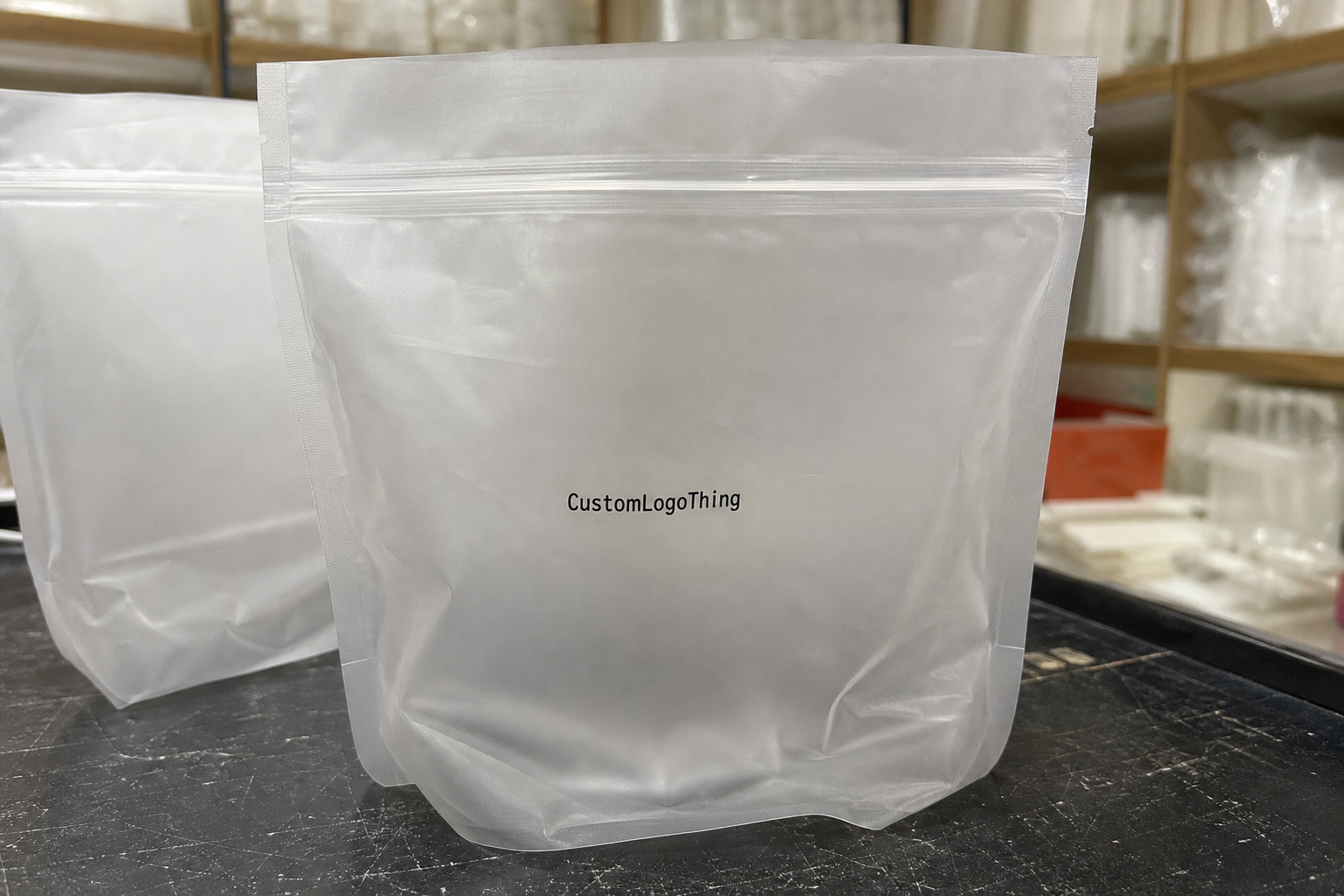
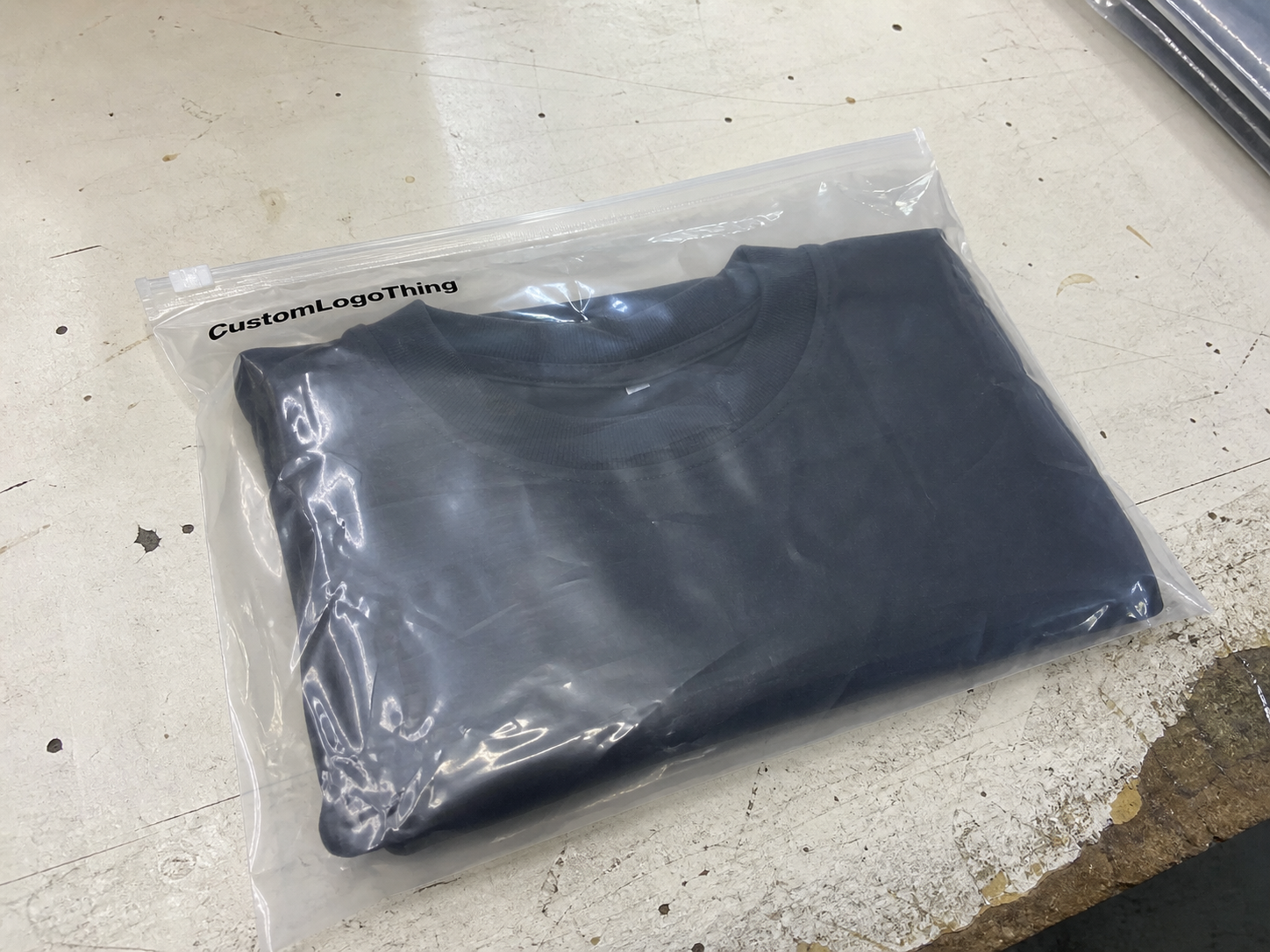
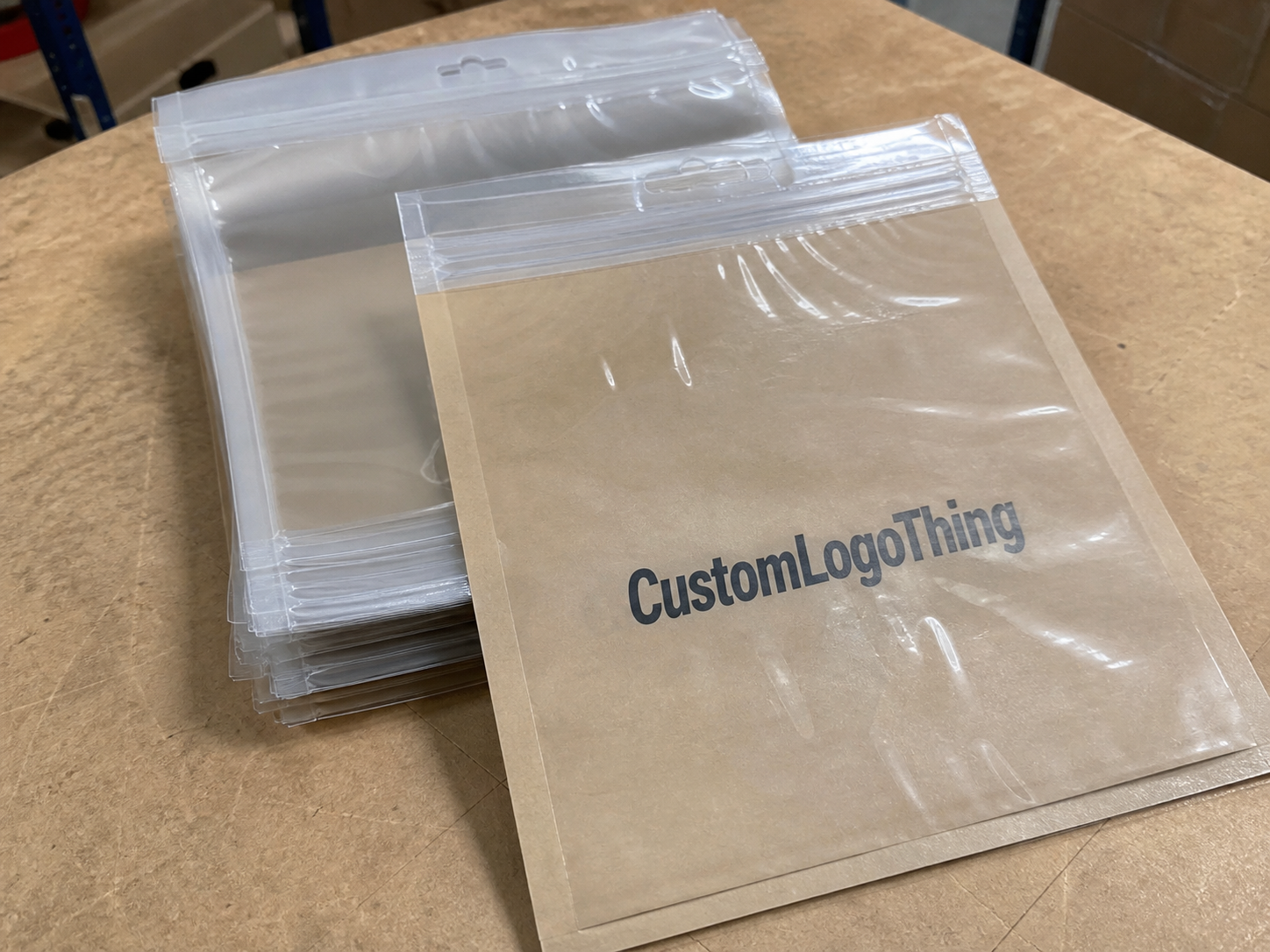
Custom printed cinch bags do a lot of quiet heavy lifting. They hand out easily at events, package retail purchases without looking fussy, carry gym gear or shoes, and keep a logo visible long after the first use. That combination is why buyers keep coming back to them. They are simple, useful, and not expensive enough to trigger buyer guilt. Rare, frankly.
What makes them effective is not just the drawstring closure. It is the mix of low weight, decent print area, and everyday usefulness in a format people actually keep. If you are comparing custom printed cinch bags for promotions, retail, onboarding kits, or branded packaging, the small details matter more than they first appear.
Material feel, seam strength, cord style, and print method all shape the finished product. Two bags can look similar online and feel completely different in hand. A useful spec sheet prevents weak seams, muddy artwork, and that unfortunate moment when the bag looks cheaper than the brand on it.
Why custom printed cinch bags punch above their weight
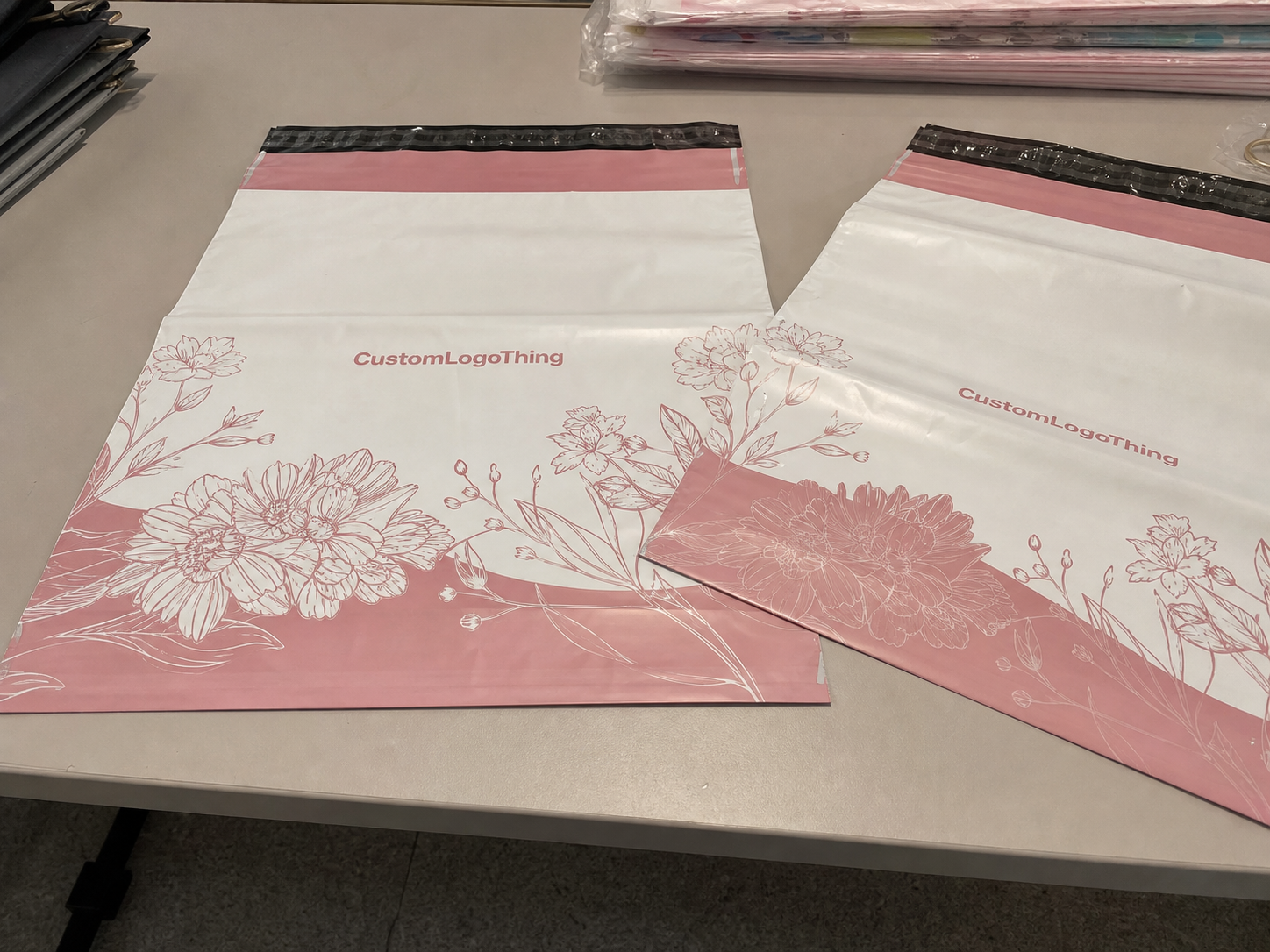
A cinch bag is a soft bag with a drawstring closure, usually pulled shut by cords running through a stitched channel, grommet, or reinforced top hem. The common materials are nonwoven polypropylene, polyester, cotton, and blends. Each one has a different handfeel, print behavior, and cost structure.
From a buyer’s perspective, the appeal is obvious. One item can serve as a giveaway, a retail carrier, a school handout, or a reusable bag for customers who want something lighter than a tote. It is also easier to pack, ship, and store than many alternatives. Flat-packed bags save shelf space and freight volume, which matters when you are ordering for a trade show, a seasonal launch, or a wider rollout.
The bag becomes part of the brand presentation, not just a carrier. If the print is clean and the bag feels sturdy, the whole package reads as intentional. If the print is fuzzy or the cords feel like a regret, the brand gets dragged into that disappointment. Design has consequences. Annoying, but true.
Good cinch bag spec work is about balance. If the fabric is too light, the bag feels flimsy. If the print is too detailed, the design can disappear once the bag is gathered. If the cord is weak, the whole thing feels underbuilt.
The best custom printed cinch bags feel coherent. The fabric weight matches the use case. The decoration suits the material. The cord hardware does not look like a last-minute add-on. That consistency is what separates a cheap giveaway from a piece of branded packaging people actually keep using.
How the bag structure and print process work
Every cinch bag has a few core parts: the body material, the side and bottom seams, the drawcord, the closure channel or grommets, and sometimes reinforcement at stress points. If one of those pieces is underspecified, you feel it quickly. The cords dig in, the seams stretch, or the bag twists when loaded unevenly.
Decoration methods vary, and the right one depends on the artwork and substrate. Screen printing is a common choice for simple logos, solid spot colors, and medium-to-large runs because it is predictable and cost-effective. Heat transfer can handle more detail or small text, especially when the print area is limited. Digital printing supports more complex graphics, though it tends to be more sensitive to fabric texture and finish.
Here is the practical part buyers often skip: a smooth polyester bag will usually hold fine detail better than a heavily textured nonwoven surface. Cotton can look premium, but ink behavior depends on weave and finish. With custom printed cinch bags, the print method has to match the material. A great logo file will not rescue a bad substrate choice.
Artwork placement also needs care because these bags do not stay flat in use. The closure gathers the top, folds form naturally, and seams can interrupt a design if the artwork lands in the wrong spot. That is why suppliers usually ask for a vector file and a print placement mockup before production starts.
Color matching deserves a real conversation, not a shrug. Some brands need Pantone matching to keep the logo aligned with other packaging. Others only need a close visual match, especially for event giveaways where speed matters more than exact shade control. Both approaches work, but they should be agreed on before approval.
For broader packaging programs, it helps to keep the bag graphics aligned with the rest of the system. If you are ordering from a source like Custom Packaging Products, ask whether the same brand colors, icon style, or messaging can carry across multiple formats so the whole set feels related.
Print behavior by material usually breaks down like this:
- Nonwoven polypropylene: economical, slightly textured, best for bold logos and solid color prints.
- Polyester: smoother handfeel, better for sharper graphics and a more polished retail packaging look.
- Cotton: natural appearance, premium feel, often preferred for higher-perceived-value programs.
There is also the reality of production constraints. Very fine lines can fill in. Tiny text can blur. Gradients may shift. If the bag is going to be cinched tight most of the time, the usable print area shrinks more than people expect. A proof should reflect that, not the fantasy version sitting perfectly flat in a design file.
Cost, pricing, and MOQ factors buyers should compare
Price is shaped by more than bag size. The main drivers are material, dimensions, print color count, print locations, closure style, and order quantity. A simple one-color logo on a standard nonwoven bag will almost always cost less than a full-coverage print on a heavier polyester style with reinforced corners.
MOQ, or minimum order quantity, matters because setup time is built into the economics. Screen setup, print alignment, proofing, and machine changeover all cost time whether you order 500 pieces or 5,000. Larger runs usually lower the unit price. Smaller runs usually carry a higher per-piece cost because the fixed work gets spread across fewer bags.
For buyers comparing custom printed cinch bags, the headline price can be misleading. A low quote may exclude artwork cleanup, freight, or packaging inserts. Another quote may include better fabric weight, stronger stitching, or a more durable print method. Comparing only the first number is how budgets get “saved” in the most expensive way possible.
| Spec profile | Typical use | Common unit range | What affects cost most |
|---|---|---|---|
| Nonwoven polypropylene, single-color print | Promotions, school events, simple giveaways | $0.18-$0.35 at higher quantities | Bag weight, print coverage, quantity |
| Polyester, one to two colors, smoother finish | Retail packaging, employee kits, brand merch | $0.35-$0.85 depending on run size | Material finish, decoration method, print size |
| Cotton, premium feel, more refined print | Gift sets, higher-end retail packaging | $0.75-$1.50+ depending on specs | Fabric weight, stitching, sourcing, print style |
Those ranges are not fixed offers. They move with market conditions, geography, and shipping. Still, they give a more honest starting point than vague “contact us for details” language. If a quote is vague, ask for an itemized breakdown. Good suppliers can explain what the number includes. If they cannot, that is information too.
Some cost variables are easy to miss: extra print locations, PMS color matching, rush production, sample charges, carton labeling, and freight to a warehouse or event site. Buyers ordering for retail packaging programs should also ask whether the supplier can bundle bags with other packaging materials to reduce handling or consolidate shipments.
For simple internal comparisons, I usually look at three things first: the actual fabric weight, the decoration method, and the print area. Those three details usually explain most of the price difference. Everything else is secondary unless the order is highly customized.
Process and turnaround: from artwork to delivery
The production flow is straightforward, but every step matters. It starts with a quote request, moves through artwork review, then a digital proof, and sometimes a physical sample or mockup if the design is more complex. After approval, production begins, followed by quality control and shipment.
If you want fewer delays, send the right information early. That means a vector file, usually AI, EPS, or PDF; the target quantity; size preferences; the color standard if exact matching matters; and the delivery deadline. When buyers send a low-resolution logo and ask for urgent changes later, the schedule gets longer and the chance of mistakes goes up. Nobody enjoys redoing a proof because the file was a screenshot from an old slide deck.
Proofing is where expensive errors get caught. It confirms logo placement, print dimensions, artwork orientation, and final bag color. On flexible products like custom printed cinch bags, a proof is not a formality. It is the chance to catch a logo sitting too close to a seam, a font too small to read once the bag is cinched, or a color that looked fine on screen but fails against the actual bag fabric.
Turnaround depends on stock availability, decoration method, order size, and how fast approvals move. A simple order with ready artwork can often be completed in roughly 12-15 business days after proof approval, though larger quantities or specialty fabrics can extend that. Rush service is usually possible only when the spec is simple and the design is already print-ready.
There is a real difference between “production time” and “calendar time.” A supplier may quote two weeks of production, but one delayed proof can add days. Freight adds more. If the bags are needed for an event or launch date, build in a buffer. Tight schedules and custom goods have a bad habit of becoming everyone’s problem.
For products that ship into a distribution network, it also helps to think about packaging validation the same way you would for transit cartons. Industry guidance such as ISTA testing standards can be useful when goods must survive shipping, handling, and stacking. You can find more on those standards at ISTA.
One practical habit saves time: ask for the approval timeline in writing. If the supplier is waiting on your signoff, the clock stops. If the supplier is waiting on stock, that is a different issue. Clarity up front keeps both sides honest.
Choosing the right specs for your use case
Material choice should follow purpose, not habit. Nonwoven polypropylene is often the budget-friendly pick for events and broad giveaways because it keeps the unit cost low and still looks neat when printed well. Polyester gives a smoother surface and usually a more finished look. Cotton feels more premium and works especially well for retail packaging or gift sets where tactile quality matters.
Size matters just as much. A bag meant for trade show kits may only need to hold brochures, a notebook, and a small bottle. A bag for shoes, apparel bundles, or multi-item retail orders needs different dimensions and often more gusset depth. If the contents crowd the bag, it will not cinch cleanly and the print may distort when closed.
Closure choice changes both performance and perception. Round cords are common and comfortable. Flat cords can distribute pressure more evenly on the shoulder. Thicker ropes feel sturdier and often suit premium branded packaging programs. Locking toggles are useful when extra security matters, especially for sports, travel, or school-related kits.
Extras should be selected with restraint. Reinforced corners help when the bag carries heavier items. Lined interiors improve finish, but they add cost. Front pockets are useful for tickets or cards. Heavier fabric weights improve durability, but they also increase price and may not be necessary for a low-cost promotion.
Here is a simple way to match spec to goal:
- Low-cost distribution: nonwoven polypropylene, one-color print, standard drawcord.
- Retail presentation: polyester or cotton, stronger stitching, cleaner print detail.
- Employee kits: midweight fabric, reinforced seams, readable logo and department messaging.
- Reusable customer carry bag: durable fabric, good cord hardware, print that can survive repeat use.
That last category matters more than some brands expect. A bag that gets reused five or ten times keeps your logo in circulation far longer than a one-and-done giveaway. If the goal is lower waste and stronger brand recall, durability is part of the strategy, not an upgrade. The EPA has helpful material on waste reduction and reuse at epa.gov.
Fit matters too. If the bag is too small for the contents, the seams strain and the logo gets warped every time it closes. If it is too large, it can look sloppy. Neither outcome helps the brand.
Common mistakes to avoid before placing an order
The first mistake is making the artwork too detailed. Fine lines, tiny text, gradients, and photographic effects may work in a design file but fall apart on a flexible fabric surface, especially when the bag is gathered closed. For custom printed cinch bags, bold shapes and clean contrast usually print better and read faster.
The second mistake is choosing the wrong fabric weight. Too light, and the bag may feel cheap or tear at stress points. Too heavy, and it may cost more than the use case justifies. A buyer trying to save cents per unit can end up with a bag that fails early or sends the wrong message at retail.
Another common issue is ignoring what will actually go inside the bag. A shoe bag, a bottle carrier, and a conference kit all have different size needs. If the opening is awkward or the interior is too shallow, the bag wastes material and money while still failing the job.
Proof approval is another place where mistakes sneak through. Buyers sometimes focus on the logo and miss the contrast against the bag color, or they approve a proof without noticing that the imprint sits too low to be seen once the drawcord is pulled tight. That is an easy miss, and it happens more often than people admit.
Finally, do not compare quotes without checking whether they are truly the same spec. One quote may include one-color printing on both sides, another may include only one side. One may include carton packing, another may not. If the material weights differ even slightly, the handfeel and durability can change enough to matter.
A cheap-looking bag can weaken a strong brand. Buyers usually feel that immediately, even if they cannot explain why. Stitch quality, fabric hand, and print clarity all send a message before the logo has a chance to do its work.
Expert tips for better branding, durability, and reuse
Strong contrast is one of the simplest ways to improve readability. A dark logo on a light bag, or a light logo on a dark bag, usually holds up better from a distance and in poor lighting. If the brand colors are close to the bag color, the imprint may be technically correct and still underperform visually.
Simple graphics often age better than busy layouts. Flexible materials wrinkle, gather, and fold, so a clean mark usually survives real use more effectively than a crowded design. Buyers often overcomplicate this part. They try to fit too much message into a small moving surface. The bag does not care about your brand manifesto.
Designing for repeat use is smart business. If the bag survives beyond the first handoff, it continues to advertise the brand without additional spend. That is why durable stitching, reliable cord anchors, and a sensible fabric weight matter as much as the artwork itself.
If the bag will carry heavier items, ask for a sample or mockup before committing to a large order. Even a simple pre-production check can reveal whether the cords feel comfortable, whether the seams hold shape, and whether the bag closes cleanly under load. That kind of test is especially helpful when comparing promotional bags against more refined retail packaging programs.
One more practical tip: match the tone of the bag to the occasion. A retail launch bag should look polished. An onboarding kit may need a more professional, understated look. An event giveaway can be brighter and more energetic. The better the fit, the more likely the bag feels like part of the package branding instead of an afterthought.
For sustainability-minded programs, FSC-certified paper materials may be part of the larger packaging conversation, even if they are not used on the cinch bag itself. If you are coordinating a broader branded packaging system, see fsc.org for reference on certification language and responsible sourcing concepts.
Quality control is worth calling out because it is easy to overlook. A decent inspection should check print alignment, color consistency, seam integrity, cord attachment, and overall finish. For bulk orders, sampling a few cartons from different parts of the run helps catch issues that may not show up in the first stack of bags.
Next steps: spec, request, and compare before you order
The cleanest way to Buy Custom Printed cinch bags is to lock down the specification before asking for quotes. Confirm the size, material, quantity, print colors, closure type, and delivery deadline. Without those details, it is impossible to compare suppliers fairly, and you will waste time untangling mismatched offers.
Send a clean vector file and include any brand rules that matter. If color matching is important, provide Pantone references. If the logo has minimum size rules, mention them. If the design includes small text, flag that up front so the supplier can identify print limitations before production.
Ask for a sample image or pre-production proof when the design is detail-heavy, uses gradients, or depends on exact color balance. A quick digital proof can save a lot of grief later, especially when the bag is part of a larger product packaging program that needs to look consistent across multiple items.
Then compare two or three quotes on identical specs. That is the only fair way to judge value. If one supplier offers a lower price but excludes setup, uses lighter fabric, or limits print placement, the lower number is not the better deal. A clean comparison protects budget and brand quality at the same time.
Before the order is placed, get the proof, timeline, and shipping plan in writing. Once the bags arrive, check them against the approved sample for color, print placement, stitching, and overall finish. That final review takes minutes and tells you whether the production run matched the promise. If custom printed cinch bags are part of a wider branded packaging program, that attention to detail is what keeps the whole presentation feeling deliberate instead of improvised.
What are custom printed cinch bags best used for?
They work well for events, retail packaging, school programs, employee kits, and branded giveaways because they are lightweight and reusable. They also give brands a large visible surface area without the bulk of a traditional tote.
Which material is best for custom printed cinch bags?
Nonwoven polypropylene is often the most budget-friendly option for promotions. Polyester gives a smoother surface for print detail, while cotton feels more premium and giftable.
How much does it usually cost to order custom printed cinch bags?
Cost depends mainly on quantity, material, size, print colors, and any special features like reinforced corners or locking cords. Larger orders usually lower the unit cost, while small runs can include higher setup charges.
How long does production usually take for custom printed cinch bags?
Turnaround depends on artwork approval speed, stock availability, decoration method, and order size. Simple orders move faster when the artwork is print-ready and the proof is approved quickly.
What artwork should I send for custom printed cinch bags?
Vector files are best because they keep logos sharp at any print size. It also helps to include Pantone references, preferred print placement, and any branding notes about colors or minimum text size.