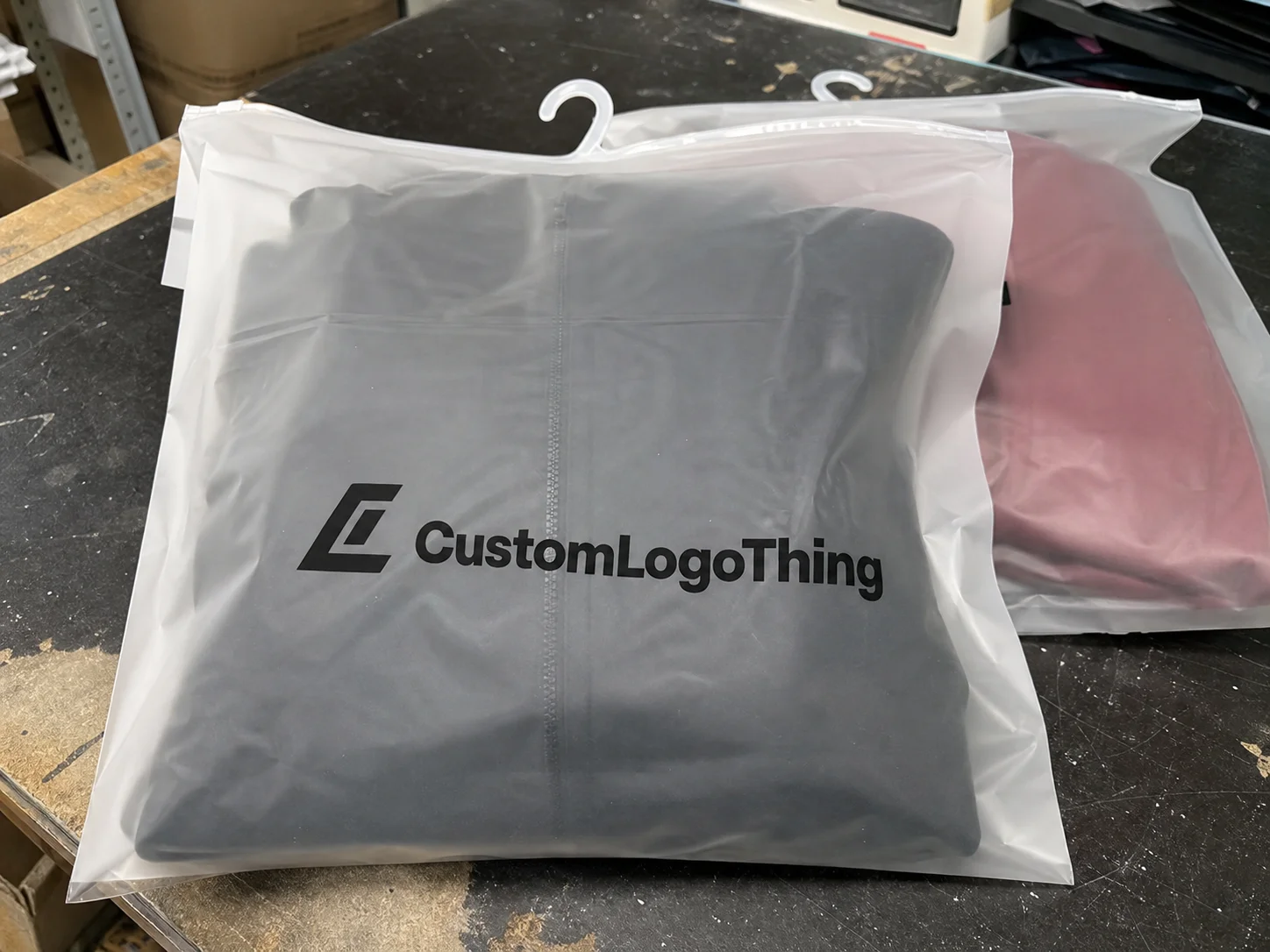
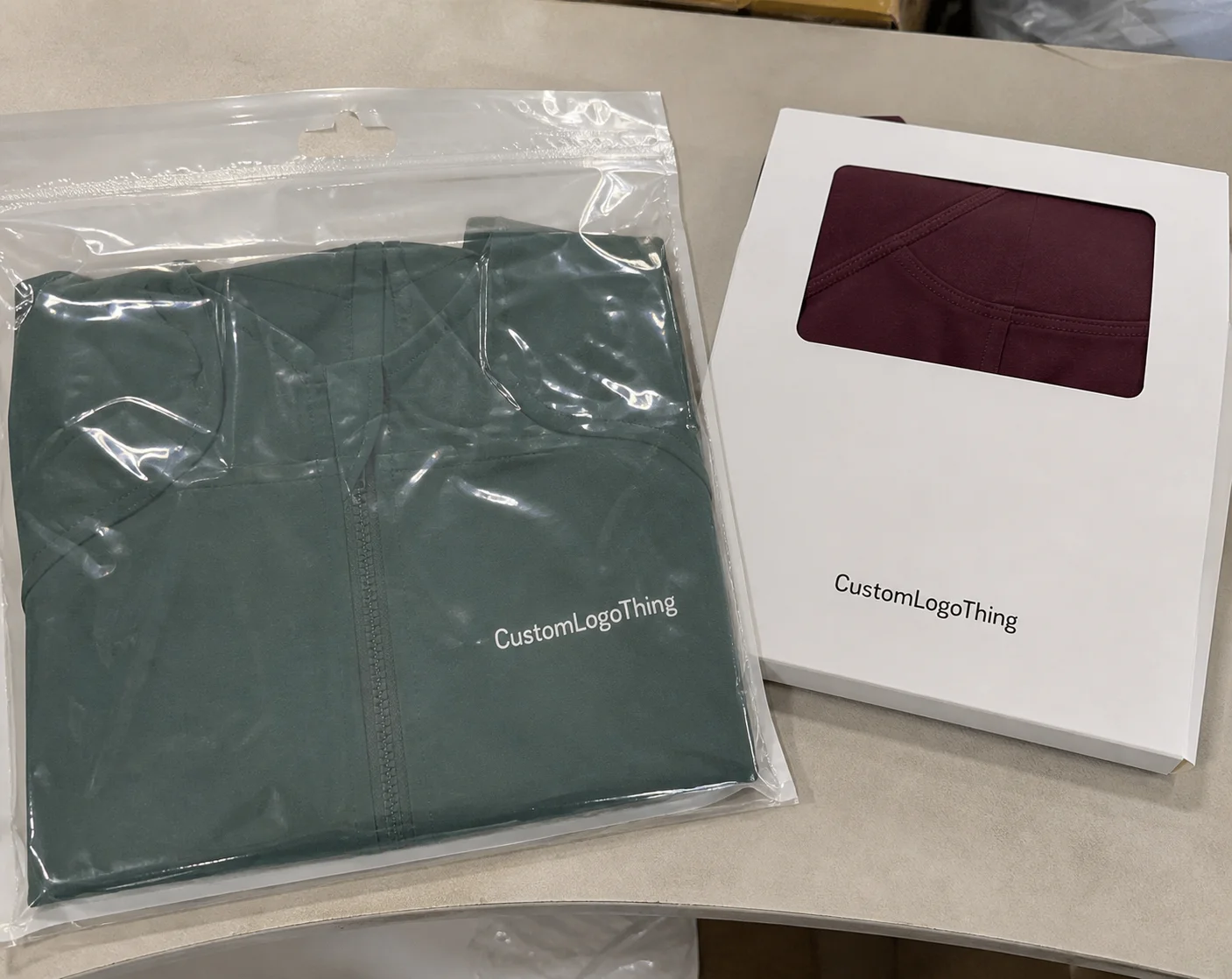
Buyer Fit Snapshot
| Best fit | Custom Printed Compostable Mailer Bags projects where brand print, material claims, artwork control, MOQ, and repeat-order consistency need to be specified before quoting. |
|---|---|
| Quote inputs | Share finished size, material target, print colors, finish, packing count, annual reorder estimate, ship-to region, and any compliance wording. |
| Proofing check | Approve dieline scale, logo placement, barcode or warning zones, color tolerance, closure strength, and carton packing before bulk production. |
| Main risk | Vague material claims, crowded artwork, missing packing details, or unclear freight terms can make a low unit price expensive after revisions. |
Fast answer: Custom Printed Compostable Mailer Bags: Quote Scope, Sample Proof, MOQ, and Lead Time should be specified like a repeatable production item. The safest quote records material, print method, finish, artwork proof, packing count, and reorder notes in one written spec.
Production checks before approval
Compare the actual filled-product size with the drawing, then confirm tolerance on folds, seals, hang holes, label areas, and retail display edges. Reserve space for logos, QR codes, warning copy, and material claims before decorative graphics fill the panel.
Quote comparison points
Review material grade, print process, finish, sampling route, tooling charges, carton quantity, and freight assumptions side by side. A quote is only useful when the supplier can repeat the same color, closure quality, and packing count on the next order.
Introduction: Why Custom Printed Compostable Mailer Bags Are Getting Attention
I remember standing on a fulfillment floor outside Chicago in Bolingbrook, Illinois, watching a buyer turn over a plain gray mailer in one hand and a sample of custom printed Compostable Mailer Bags in the other. She looked at the crisp black logo, tapped the short disposal note, and said, “This one feels like a brand, not a shipment.” I’ve heard a lot of packaging opinions over the years, but that one landed because it was so bluntly true, especially with a bag that cost about $0.21 per unit on a 5,000-piece quote from a supplier in Dongguan, Guangdong. That reaction is exactly why Custom Printed Compostable Mailer bags keep showing up in packaging meetings now.
In plain language, custom printed compostable mailer bags are shipping envelopes made from materials designed to break down in composting conditions, then printed with a brand logo, artwork, or messaging. They are not the same as standard polyethylene poly mailers, even though they can look similar from a distance. The difference lives in the material chemistry, the seal layer, the print system, and the disposal pathway. If you’ve ever handled Custom Poly Mailers beside compostable ones, the feel alone tells you they are built for different outcomes, especially when one uses a 70-micron compostable blend and the other is built from conventional LDPE film.
Brands switch for a few clear reasons: customer expectations, visual branding, and pressure to reduce the carbon footprint of shipping. I’ve seen a small apparel startup in Austin move from plain poly to custom printed compostable mailer bags after one viral unboxing video made their packaging look “cheap and wasteful.” The product didn’t change. The packaging did. Sales lifted enough that they called it a packaging fix, but honestly, it was a perception fix, which in retail can be half the battle anyway, especially when the mailers arrive in a clean 15 x 20 inch size with a matte print finish.
Language gets messy fast. Compostable is not the same as recyclable, biodegradable, or made with recycled content. Recyclable means a material can enter an established recycling stream, though that stream may not accept it locally. Biodegradable means microorganisms can break the material down over time, but that says nothing about where, how long, or into what. Recycled-content packaging uses recovered material, which can reduce virgin resin demand but does not automatically make it compostable. Custom printed compostable mailer bags are only the right choice if the disposal pathway matches the material and the claims are documented, usually with ASTM D6400, EN 13432, or similar certification paperwork from the supplier’s compliance folder.
When I visited a packaging line in Mississauga, Ontario, last year, the operations manager pointed to a roll of shipping bags and said, “Half our service tickets used to be about wasted packaging. Now they ask how to dispose of it.” That shift matters. It means packaging is no longer just protection. It is part of product packaging, retail packaging, and package branding all at once. The best custom printed compostable mailer bags do all three jobs without making the logistics team miserable, whether the order ships from a 40,000-square-foot warehouse in New Jersey or a 3PL hub near Vancouver.
In this piece, I’ll break down how custom printed compostable mailer bags are made, what drives pricing, how to order them without getting burned, and where brands make the most expensive mistakes. I’ll also compare them with standard poly mailers, because every packaging decision is a tradeoff. If someone tells you there is a perfect option for every shipment, they are selling something, and they probably are not quoting you for a 12- to 15-business-day production window from proof approval.
How Custom Printed Compostable Mailer Bags Work
Custom printed compostable mailer bags usually start with a multilayer film structure built for tear resistance, seal integrity, and printability. The outer layer carries the graphics. The inner layer provides the seal. Between them, you may find a compostable polymer blend based on materials such as PLA, PBAT, starch-based compounds, or other certified compostable resins. The exact recipe varies by supplier, and that variation matters more than the marketing copy on the box. One factory in Shenzhen showed me a 60-micron film built around a PBAT-starch blend, while another in Xiamen preferred a slightly stiffer PLA-based laminate for cleaner print registration.
The bag has to do four things at once: hold product weight, survive conveyor handling, resist moisture long enough for transit, and accept print without smudging or cracking. In my experience, the simplest designs perform best. A clean logo, a short brand line, and maybe a disposal icon give you more reliability than a full-coverage artwork layout with ten color traps and tiny legal text. Custom printed compostable mailer bags are not a place to cram every design idea you have ever had, especially if you are trying to keep the unit price near $0.24 at 5,000 pieces.
Compostable material behavior depends heavily on conditions. Industrial composting facilities often operate around controlled heat, moisture, and microbial activity, which is very different from a backyard pile that may sit cool and dry for months. That is why certification matters. Look for recognized standards such as ASTM D6400, ASTM D6868, or EN 13432, and verify the claim with documentation instead of trusting a green leaf icon. If a supplier cannot explain the standard in plain English, I get cautious fast. For general industry guidance, the Packaging Association and the EPA both provide useful background on materials and waste pathways.
Printing on compostable substrates is possible, but there are limits. Water-based inks and certain low-migration systems are common, while heavy ink coverage, metallic effects, and glossy coatings can create complications. I’ve seen buyers request a full photographic print with a matte soft-touch finish on a compostable mailer, then wonder why the first proof looked flat and slightly muted. That’s not a defect. That’s physics. On custom printed compostable mailer bags, color tends to print best when the artwork respects the substrate rather than fighting it, and many factories in Zhejiang will recommend two-color flexographic printing for the cleanest result on large runs.
Shipping performance is usually good for lightweight apparel, accessories, and other soft goods. Tear resistance and puncture resistance vary by thickness, often measured in microns or mils depending on the supplier. A bag around 60 to 80 microns may be enough for a T-shirt or scarf, while heavier or sharper items need extra testing. Moisture resistance is decent for normal parcel transit, but I would not use custom printed compostable mailer bags for anything that could leak, sweat, or require long-term storage in damp conditions without testing first. In a climate-controlled warehouse in Rotterdam, they may hold up well for weeks, but in a humid loading yard in Miami, the storage conditions deserve a lot more attention.
One factory floor memory sticks with me. A line operator in Shenzhen picked up a failed sample and said the seal was fine, but the gusset dimensions were off by 4 millimeters. That tiny error caused product creep during packing, which slowed the team by about 12 seconds per bag. Multiply that by 8,000 units, and you understand why specifications matter. Custom printed compostable mailer bags are a packaging decision, yes, but they are also a machine-compatibility decision, especially on automatic bagging lines running 35 to 50 cycles per minute.
Key Factors That Affect Performance, Cost, and Branding
Size is the first decision, and it is where I see brands waste the most money. A bag that is 15 percent too large can increase void space, make the package look sloppy, and sometimes push shipping costs higher if dimensional weight kicks in. A bag that is too small can split seams or force staff to overstuff the product. With custom printed compostable mailer bags, the “right size” is usually the smallest size that still allows a clean load, enough seal area, and a margin for handling, whether that means 10 x 13 inches for folded tees or 14 x 18 inches for light hoodies.
Thickness matters almost as much. If you are shipping a folded hoodie, a 70-micron build may be enough. If you are shipping hard-edged accessories, add more protection or rethink the format entirely. I’ve seen buyers choose a thinner bag to save $0.02 per unit and then spend far more on replacements, customer complaints, and reshipments. The cheapest custom printed compostable mailer bags are not always the least expensive packaging choice overall, particularly when the price difference between 60 and 80 microns is only a few cents on a 10,000-piece order.
Pricing is affected by quantity, print coverage, size, and substrate. Setup costs can be meaningful, especially for custom artwork. A small run of 5,000 units with one or two colors might come in around $0.18 to $0.32 per bag, depending on dimensions and material availability. A more exact quote I reviewed last quarter came in at $0.15 per unit for 5,000 pieces on a simple one-color format from a factory in Dongguan, while a fully printed version with a larger print area moved closer to $0.31 per bag. Larger runs can push unit pricing down, sometimes below that range, but only if the artwork is simple and the specification is stable. Full-coverage printing, special finishes, and custom sizes increase cost fast. I’ve negotiated enough supplier quotes to know that “minor changes” often become line items.
| Option | Typical Strength | Brand Impact | Approx. Unit Cost at 5,000 pcs |
|---|---|---|---|
| Plain compostable mailer | Good for lightweight goods | Low visual impact | $0.14-$0.22 |
| 1-color custom printed compostable mailer bags | Good balance of cost and branding | Clean, professional | $0.15-$0.32 |
| Full-coverage custom printed compostable mailer bags | Depends on material and print method | High visual presence | $0.28-$0.48+ |
| Standard poly mailer | Strong and familiar | Less eco-friendly messaging | $0.07-$0.16 |
Branding decisions are where packaging design becomes expensive or effective. The strongest custom printed compostable mailer bags usually rely on high contrast, a limited palette, and a logo placement that remains readable after shipping scuffs. A centered logo with a simple border often works better than a dense illustration wrapped across every edge. If you are building branded packaging for an ecommerce label, the bag should reinforce recognition in one glance, not require a 30-second explanation, and a 350gsm C1S artboard look may inspire your box packaging, but the mailer still needs a cleaner, more restrained approach.
There is also a strategic comparison with standard poly mailers. Poly mailers usually win on price, puncture resistance, and shelf life. Compostable mailers usually win on sustainability messaging and consumer perception, especially for eco-conscious brands. But “better” depends on the use case. A boutique jewelry brand shipping velvet pouches may benefit more from custom printed compostable mailer bags than a hardware supplier shipping heavy metal parts. Context beats ideology every time, and a 2-ounce cosmetic sample does not need the same package structure as a 3-pound candle set.
Supply chain realities matter more than many buyers expect. Minimum order quantities can range from 3,000 to 20,000 units, and lead times often fall between 12 and 25 business days from proof approval, depending on factory load and freight lane. If you need a special size, custom color, or unusual print setup, add buffer time. I once sat in a supplier meeting in Ningbo where the buyer wanted a redesign approved on Friday and delivery by the following Monday. That is not planning. That is wishful thinking, especially if the factory is already booked on a Friday-to-Wednesday production rotation.
For businesses comparing broader packaging options, it can help to look at the full ecosystem, including Custom Packaging Products that sit alongside shipping mailers, inserts, and product presentation pieces. Sometimes a brand fixes its packaging problem with mailers. Other times, the better answer is a combination of custom printed compostable mailer bags plus secondary custom printed boxes for higher-value orders, particularly when the inner shipper needs an 18 x 12 x 6 inch carton and the outer mailer is only there for protection and presentation.
Honestly, one of the most overlooked factors is staff handling. If the bag is awkward to open, difficult to load, or too slippery on the packing bench, labor costs creep up. A packaging choice that saves two cents on materials but adds three seconds of pack time is not a win. Custom printed compostable mailer bags should support operations, not just marketing, and the packing line in Columbus, Ohio, will tell you very quickly whether the design works.
Step-by-Step: How to Order Custom Printed Compostable Mailer Bags
The ordering process starts with specifications, not artwork. Before you request quotes for custom printed compostable mailer bags, list the exact bag dimensions, target product weight, closure style, quantity, shipping destination, and any compostability requirement you need to meet. If you skip this step, every supplier will quote something slightly different, and you will be comparing apples, oranges, and at least one pear. A clean spec sheet can save a full week of back-and-forth, especially if the supplier is in Guangzhou and your team is in Toronto.
Your spec sheet should include internal usable size, outside size, thickness target, print area, seal type, and whether the bag needs a single-use adhesive strip. Add your artwork file format, preferred ink colors, and any compliance text. If you need a specific certification, say so upfront. A vague request like “eco-friendly and compostable” is not enough. For custom printed compostable mailer bags, the wording on the quote matters almost as much as the price, and a supplier that quotes a 15 x 20 inch bag with a 45-micron wall is not the same as one quoting an 80-micron film.
Sampling is where good suppliers separate themselves. A proper process usually includes artwork review, digital proofing, a material sample or stock sample, then a production sample if your order is large enough. In a recent client meeting, the buyer was convinced the green in their logo would print the same on kraft boxes, white poly, and compostable film. It didn’t. We adjusted the pantone target by one step and saved an entire rerun. That is why proof approval should never be rushed, and why a physical proof sent from Shenzhen or Xiamen is worth the extra courier time.
Typical timeline from quote to delivery
- Quote request and spec confirmation: 1 to 3 business days.
- Artwork review and proof preparation: 2 to 5 business days.
- Proof approval and sample signoff: 1 to 4 business days.
- Production for custom printed compostable mailer bags: typically 12 to 15 business days from proof approval, or 8 to 18 business days depending on factory load.
- Quality check, packing, and freight booking: 2 to 4 business days.
- Transit time varies by lane, from 3 days to 30+ days depending on shipping method.
Ask direct questions before you sign anything. Is the compostability claim supported by certification documents? What inks are used? Can the supplier provide print samples on the exact substrate? What storage conditions are recommended? Some compostable materials are more sensitive to heat and humidity than standard poly, so I always ask about warehouse conditions. If a supplier tells you “store anywhere,” I would press harder, especially if your cartons will sit in a warehouse in Houston during July.
Comparing quotes fairly is harder than it looks. A quote with a lower unit price can hide higher setup fees, narrower tolerances, weaker seal strength, or a smaller usable print area. Another supplier may quote a slightly higher unit cost but include better freight terms, stricter QC, and more stable color output. That is why I tell buyers to compare total landed cost, not just the number on the first page. Custom printed compostable mailer bags should be judged on the entire package, not one line item, and a price difference of $120 on a 5,000-piece order may disappear once the carton count and freight lane are included.
It also helps to request a reference run sheet or process summary. I like to know whether the supplier does in-line seal testing, visual print inspection, and random carton checks. If their process resembles the testing discipline used in transport packaging, that is a good sign. For reference, the ISTA standards around package testing are a useful reminder that shipping performance should be validated, not assumed, whether the bags are produced in a factory outside Guangzhou or shipped through a consolidator in Los Angeles.
One small but useful tactic: send the same spec sheet to every vendor, including your preferred carton count per pallet, label requirements, and pallet height limit. That keeps quote comparisons clean. I’ve seen companies save 8 to 12 percent simply by standardizing how they asked for pricing on custom printed compostable mailer bags. Not because the vendors suddenly became generous. Because the buying process got tighter, and the difference between a 60-piece carton and a 100-piece carton stopped muddying the math.
Common Mistakes to Avoid With Custom Printed Compostable Mailer Bags
The biggest mistake is assuming every compostable claim means the same thing. It does not. Some bags are industrial compostable only. Others may be certified for certain home-compost conditions, but that is much less common and usually more sensitive to real-world variables. If your customer base includes people who expect backyard compostability, be very careful with wording. Custom printed compostable mailer bags can support a sustainability story, but only if the claim is accurate and understandable, and a supplier in Suzhou should be able to point you to the exact certification number.
Size mistakes are next. A bag that is too large uses more material and looks wasteful. A bag that is too tight can split the seam or force the packer to fold product awkwardly. I once reviewed a clothing line where the founder ordered one size for tees, hoodies, and leggings. The tees looked lost inside the bag, and the hoodies stressed the seal. One spec rarely fits three product families. Good custom printed compostable mailer bags are matched to the actual SKU mix, whether that means 10 x 13 inches for tees or 14 x 19 inches for a folded sweatshirt.
Design mistakes are surprisingly common. Too many colors can drive up cost and create duller print results. Tiny legal copy becomes unreadable. Low-contrast logos disappear in transit. Overly detailed graphics can make the mailer look busy instead of premium. I like branding that survives the shipping journey. If the bag looks strong in a mockup but weak after 1,200 miles and two conveyor belts, the design missed the point, and a supplier proof from a factory in Dongguan will usually expose that problem before mass production.
Compliance mistakes can get expensive. Avoid vague lines like “eco-safe,” “earth friendly,” or “100% green” unless you can substantiate them. Environmental claims should be specific, qualified, and backed by documentation. That includes certification references, disposal instructions, and region-specific guidance where needed. A claim on custom printed compostable mailer bags is part of the product label, not just decoration, and in some markets it needs the same discipline as a carton panel or hangtag.
Operational mistakes are less glamorous but just as damaging. Compostable materials can be more sensitive to heat and humidity, so storing cartons near loading dock doors or in hot containers can create premature aging. I’ve seen seals weaken because bags were held in a sunlit warehouse for too long. I’ve also seen buyers order too few units, then have to re-order months later and discover slight color variation between batches. Consistency matters when the packaging is part of your brand identity, especially if the first batch came from a facility in Zhejiang and the second came from a different line in Jiangsu.
Here is the awkward truth: custom printed compostable mailer bags are not always the best fit for every item. Heavy books, sharp-edged tools, and products that may leak often need a different format. Sometimes a reinforced mailer or a different package structure is the smarter choice. Packaging is supposed to serve the product, not the other way around, and a 2-pound kitchen tool does not belong in a thin mailer just because the artwork looks nice.
Expert Tips for Getting Better Results From Custom Printed Compostable Mailer Bags
My first recommendation is always the same: test a sample run with real products before committing to a full order. Put the actual item in the bag, seal it, weigh it, drop it from waist height, and run it through your packing table workflow. That sounds basic, but I cannot count how many times a sample looked perfect on a desk and failed once a packer worked at speed. Custom printed compostable mailer bags need to be tested in the conditions they will actually face, whether that means a 30-inch drop test or a week in a warehouse at 72 degrees Fahrenheit and 55 percent humidity.
Keep the branding simple and high contrast. A black or deep navy logo on a natural or white compostable mailer often reads better than a subtle pastel palette. If your identity system allows it, use one dominant mark and one short supporting line. That gives you stronger recognition without crowding the print area. In practice, the best custom printed compostable mailer bags often look more confident because they do less, and a 1-color layout can cost about $0.15 per unit for 5,000 pieces while still looking polished.
Educate customers in plain language. If the bag is industrial compostable, say so. If composting access varies by city, say that too. Customers appreciate honesty more than polished vagueness. Add a short disposal line or QR code if your audience is likely to scan for instructions. This is where eco-friendly packaging can either build trust or invite skepticism, depending on how clearly you explain the end-of-life path in Seattle, Denver, or whichever city your customer actually lives in.
Think about package efficiency at the same time as branding. A bag that fits the product closely reduces filler needs, shrinkage risk, and freight waste. That helps both logistics and the perception of care. It also connects to broader packaging design decisions, especially if the rest of your system includes inserts, tissue, or custom printed boxes. The strongest brands make the whole system feel intentional, from the folding method to the carton count per pallet.
When selecting suppliers, ask for three things: printed samples on the actual substrate, certification documents, and storage recommendations. If possible, ask for a reference from a customer shipping similar products in a similar volume range. A supplier that works well for a 200-unit boutique order may not be the best fit for 20,000 units monthly. Likewise, the cheapest quote is not always the safest choice for custom printed compostable mailer bags, especially if the factory cannot confirm a stable lead time from proof approval to shipment.
“We thought the sustainability story was the headline, but the real win was that customers started posting the packaging.” That was a remark from a DTC founder I worked with in Portland, and it stuck with me because it captures the dual role of custom printed compostable mailer bags: operational shipping tool and visible brand signal.
One more tip from the factory floor: insist on a clear packing spec. If the carton count, pallet height, and carton labeling are not standardized, you create friction downstream. The best sustainability move is not just choosing custom printed compostable mailer bags; it is making sure the order process, warehousing, and shipping instructions are all tidy enough that the packaging performs as intended, whether the cartons are stacked 6 high or 8 high on a 48 x 40 inch pallet.
Conclusion: Your Next Steps for Choosing the Right Mailer
If you are narrowing your options, start with five decisions: material standard, certification, size, print coverage, and supplier fit. Those choices determine most of the performance, cost, and branding outcomes for custom printed compostable mailer bags. Everything else is detail, though some of those details can be expensive, like choosing a custom size that adds another $0.04 per unit across 10,000 bags.
Measure your products first. Then list shipping requirements, including weight, destination, handling risks, and whether the parcel will travel through hot or humid conditions. Gather artwork in vector format if you can. Request samples where possible. And compare quotes using the same spec sheet so you are not fooled by inconsistent assumptions. That is the most practical way to buy custom printed compostable mailer bags without second-guessing yourself later, especially if your launch date is fixed and your production slot is 12 to 15 business days from proof approval.
I’ve seen brands transform their shipping presentation with a well-chosen mailer, but I’ve also seen them waste money because sustainability, branding, and logistics were planned separately. The best results happen when those three pieces are designed together. That is true for custom printed compostable mailer bags, and it is true for almost every serious packaging decision, whether the fulfillment team is in Brooklyn, Brisbane, or Bellingham.
If you want to build a cleaner package experience while keeping your operations sane, begin with a sample request, a technical spec sheet, and a supplier conversation that includes certification, print limits, and lead time. Do that, and custom printed compostable mailer bags can become a useful part of your shipping system rather than just a good-looking idea, with a quote that actually matches the factory reality.
FAQs
Are custom printed compostable mailer bags really better than plastic mailers?
They can be a better fit for brands that prioritize compostability and want packaging to reflect that message. The tradeoff is real: performance and cost depend on bag structure, product weight, shipping route, and the exact material used. For lightweight apparel and accessories, custom printed compostable mailer bags often make sense. For heavier or sharper items, a standard poly mailer may still perform better, especially if the price difference is $0.09 per unit and the shipment is headed through a rough freight lane.
What should I ask before ordering custom printed compostable mailer bags?
Ask about certification, composting requirements, print limitations, lead time, minimum order quantity, and storage conditions. Request a sample or proof so you can confirm size, color, and seal quality before production. I would also ask how the supplier handles humidity-sensitive stock, because some compostable films need tighter warehouse control than conventional mailers, particularly in coastal cities like Los Angeles, Miami, or Singapore.
How much do custom printed compostable mailer bags cost?
Pricing usually depends on quantity, size, print complexity, material choice, and setup fees. A small run may sit in the $0.18 to $0.32 range per bag, while larger orders can reduce unit cost if the artwork and size are stable. Full-coverage artwork or special finishes will usually cost more. Custom printed compostable mailer bags should always be priced against total landed cost, not unit price alone, and a simple 5,000-piece run can land near $0.15 per unit when the print is limited to one color.
Can custom printed compostable mailer bags be used for clothing or lightweight goods?
Yes, they are commonly used for apparel, accessories, and other lightweight ecommerce items. The right thickness and size matter for tear resistance, seal strength, and postage efficiency. I would always test them with the actual folded product, not an empty sample, because the way clothing shifts in transit affects the final result. A hoodie packed in a 70-micron bag in Chicago may behave very differently than the same item shipped from a hot warehouse in Phoenix.
How long does the ordering process take for custom printed compostable mailer bags?
The timeline usually includes quoting, artwork setup, proof approval, sampling if needed, production, and shipping. Many orders take 12 to 25 business days from proof approval, though revisions, freight method, and factory load can change that. If you need custom printed compostable mailer bags for a launch, build in extra time for proof tweaks and sample review, because a small color correction can add 2 to 4 business days before production even starts.