Why custom printed NFC stickers get overlooked until they fix a bad QR experience
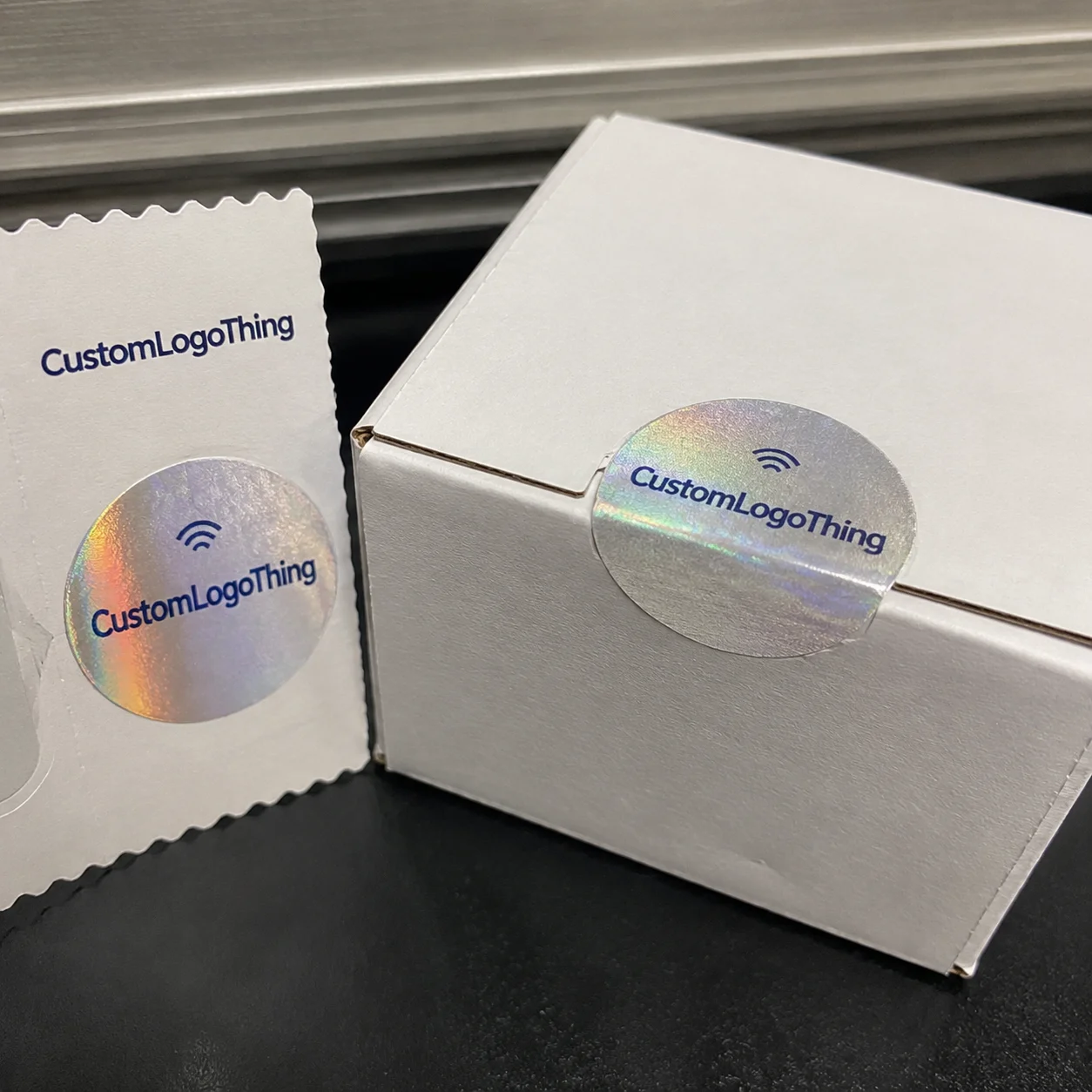
A lot of teams start with a QR code, then discover the real problem is not the code itself. People do not see it, scan it badly, or give up when the page behind it loads slowly. Custom printed NFC stickers solve that friction by letting the user tap instead of aim a camera, which is why they keep showing up on packaging, handouts, displays, and promotional materials where the next action matters more than the sticker.
At a basic level, it is a printed label with an embedded NFC chip, usually paired with a branded face stock, laminate, or overprint layer. The chip stores a link or action, and the sticker becomes a physical bridge to a digital destination. That destination might be a product page, warranty form, instructions, review request, loyalty reward, or authentication step.
The category is most useful when a pack, tag, or insert has to do more than sit there and look finished. That is true for product packaging, retail displays, event materials, and any branded packaging program that wants a measurable interaction instead of passive decoration. A well-made NFC sticker does not announce itself. It just removes a few annoyances between the product and the person holding it.
The catch is that NFC is not a cure-all. Read performance depends on the chip, antenna geometry, print construction, adhesive, and the surface it lands on. A decent sticker on the wrong substrate can fail just as predictably as a bad landing page. The physical build and the digital destination both have to hold up.
From a buyer’s point of view, the value is straightforward: shorten the distance between the item and the next useful action. If a tap gets someone to register a warranty, check a manual, or redeem a promotion in a couple of seconds, the sticker has done its job. If not, it is just another label with electronics inside it.
How NFC sticker tap-to-open behavior actually works
The flow is simple enough on paper. A phone touches or gets close to the sticker, the device reads the chip, and the encoded action opens, usually a URL. That action may launch a browser, contact card, app, form, or social profile. In practice, the experience feels instant only when the phone is compatible, the chip is encoded correctly, and the landing page is quick.
There are two common product types: read-only NFC stickers and writable or rewritable tags. Read-only is the safer choice for most packaging and campaign work because it prevents accidental edits after shipment. Rewritable tags make sense when the content changes often, but they add operational complexity and are usually not necessary for standard product or retail applications.
Most current iPhones and Android phones support NFC, but behavior is not identical across devices. Some read automatically with the screen on, some need closer placement than buyers expect, and older devices may be less forgiving about angle and distance. That is why real device testing matters. You are not buying a feature on a spec sheet; you are buying a user action that either happens or does not.
Antenna size and placement influence the result more than many first-time buyers expect. A larger antenna can improve read range, but sticker size, substrate choice, and the mounting surface all matter too. Curved bottles, foil pouches, thick laminates, and metal shelving can reduce reliability if the construction is not chosen with those constraints in mind.
Typical tap destinations include:
- Product registration pages
- Landing pages with a single clear action
- App download pages
- Review requests and social profiles
- Support forms and usage instructions
Key spec choices that affect cost, durability, and scan reliability
Spec decisions drive nearly everything: unit price, scan rate, durability, and how the sticker looks on the finished pack. If the application is simple, a standard NFC tag with a printed face can be enough. If the label will live on a wet, cold, rough, or highly handled surface, the construction needs more thought than “make it glossy.”
Chip type and memory are the first choices. For straightforward URL redirects, a standard NTAG-style chip is usually enough. If the project needs more memory, extra commands, or stronger security features, the cost rises. Most buyers do not need more storage just to open a web page. They need a reliable chip and a clean setup.
| Option | Best for | Typical cost impact | Notes |
|---|---|---|---|
| Standard URL tag | Product pages, forms, simple campaigns | Lowest | Enough for many packaging use cases |
| Higher-memory chip | Multiple data fields or more complex actions | Moderate | Useful when the workflow is not just a link |
| Security-focused chip | Authentication or anti-counterfeit programs | Higher | Better for controlled programs and verification |
| Rewritable tag | Campaigns that change often | Higher | Useful only if future updates are likely |
Material and finish matter just as much. Paper face stocks work for indoor promotions and lower-cost labels. Vinyl, PET, or other synthetic stocks handle moisture and repeated handling better. Add lamination if the sticker will face abrasion, refrigeration, or frequent touching. Packaging teams already make similar decisions for labels and cartons: choose the surface for the actual use case, not the mockup on a screen.
Adhesive choice is a bigger deal than many buyers expect. Standard permanent adhesive works on plenty of cartons and smooth bottles. For curved containers, a flexible adhesive with enough tack to stay put without lifting at the edges is usually safer. For corrugated, cold-chain, or textured substrates, testing is non-negotiable. On metal surfaces, a spacer or special construction may be needed because metal can interfere with NFC performance.
Print options also change the result. Full-color branding works well for package decoration, but too much artwork can bury the tap prompt. Matte finishes reduce glare and often look more premium. Gloss can stand out on shelf, though it may create reflection issues if the icon or instruction is too small. Variable data is useful when the run needs unique IDs, serial numbers, or batch-level tracking.
Environmental fit matters. Indoor giveaways, freezer-safe labels, and outdoor retail signage are different jobs. If the sticker needs moisture resistance, ask for waterproof construction and verify the adhesive for the actual temperature range. If the label will be chilled, frozen, handled, and then scanned in poor light, the spec should reflect that reality instead of the nicest possible description.
For standards and testing language, it helps to know the common reference points. Packaging programs often borrow from shipping and handling expectations like ISTA test methods, and sustainability-minded buyers may ask about material sourcing through FSC. For broader packaging and waste context, the EPA publishes useful guidance on materials management.
Custom printed NFC stickers cost, MOQ, and quote factors
Pricing depends on quantity, chip type, print complexity, material, finish, and whether the tags need encoding or special testing. That may sound basic, but buyers still compare quotes as if every NFC sticker were interchangeable. It is not. A simple branded tag for a carton is a different product from a tamper-resistant, weatherproof label for a beverage bottle.
For small orders, the unit price usually feels high because setup costs are spread across fewer pieces. At low quantity, the buyer is paying for artwork review, proofing, chip handling, and production setup almost as much as the stickers themselves. At higher quantity, the unit cost drops because those fixed costs are diluted. Volume matters. The math is not glamorous, but it is dependable.
Here is a practical budget lens for quotes:
- 100 units: best for testing; highest unit cost
- 500 units: often the sweet spot for pilots
- 1,000 units: better economics for small rollouts
- 5,000 units: usually much lower unit cost if specs stay standard
What can a buyer save on? Standard shapes, one chip type, fewer SKUs, and simpler artwork. What pushes cost up? Encoding setup, variable data, security features, tamper-evident construction, and special adhesives. If each piece needs a unique serial number, expect more handling. If the design needs a custom die-cut, expect setup friction. None of that is mysterious; it just has to be priced correctly.
For planning purposes, ask for tiered quotes at 100, 500, 1,000, and 5,000 units. That shows the breakpoints quickly and helps you see whether the business case supports a pilot or a broader rollout. Also ask what the quote includes: proofing, encoding, packaging, and shipping. Hidden charges are how a clean quote turns into a bad surprise.
If you are comparing suppliers, do not stop at the lowest sticker price. Ask whether they test scan performance, how they handle artwork revisions, and whether they can provide sample units before the full run. Those answers tell you more about the final result than a cheap headline number.
Production steps and turnaround from artwork to shipment
The production flow is usually straightforward: confirm the spec, prep the artwork, choose the chip, approve the proof, encode the tags, print, laminate if needed, run quality control, and pack for shipment. When the job is clean, that sequence is boring. Boring is good. Boring means the order shipped on time.
What slows things down? Unclear URLs, late artwork changes, rushed approvals, special testing, and custom shapes that require more setup. If the buyer has not decided whether the destination should open a mobile page, a PDF, or a form, the proof stage turns into a delay. Clear input saves time. Vague direction consumes it.
Typical turnaround depends on complexity. Straightforward runs with finalized artwork can move quickly after proof approval, while custom constructions, extra durability testing, or larger quantities naturally take longer. For many orders, a realistic window is often 12 to 15 business days from proof approval, though simple jobs can finish sooner and complicated ones can stretch beyond that. The exact timeline should always be tied to the actual spec, not a generic promise.
For first contact, send these four things:
- Final destination link or action
- Quantity
- Application surface and environment
- Preferred size, finish, and shape
That gives the supplier enough information to quote the real job instead of guessing. If you are ordering custom printed nfc stickers for a campaign, product launch, or packaging refresh, this is the stage where clear inputs save both time and money.
The cleanest NFC projects are the ones where the link is final before production starts. Every late decision becomes a delay in print, encoding, or both.
Step-by-step ordering checklist for first-time buyers
If this is the first run, keep the scope narrow. The goal is not the most technically impressive sticker in the room. The goal is a tap that does something useful every time, on the right surface, with minimal drama.
- Define the use case. Decide what should happen after the tap and why someone would bother.
- Pick the environment. Indoor, outdoor, chilled, frozen, handled often, or mostly static.
- Choose the tag structure. Chip type, size, face stock, adhesive, and finish should match the surface.
- Prepare the destination content. Make the landing page fast, mobile-friendly, and easy to understand.
- Review proof files. Confirm artwork, tap prompt, encoding, and any variable data.
- Test sample units. Try multiple phones and scan angles on the actual packaging.
- Plan the rollout. Decide how inventory gets distributed, tracked, and reordered.
One detail buyers often miss: the tap experience should match the sticker branding. If the sticker looks premium but sends people to a clunky page, the whole thing feels off. That is not a technology failure. That is a packaging experience failure. The physical and digital pieces need the same level of polish.
If you already use custom printed boxes or other branded packaging assets, the sticker should fit the same system. Same color logic. Same tone. Same action. Otherwise it looks bolted on, and people notice that immediately.
Common mistakes that make NFC stickers underperform
The first mistake is a weak destination page. If the tap sends people to a slow, cluttered, or irrelevant page, they will abandon it. A good tap experience should feel immediate and useful. If it takes several seconds to load and still makes the user hunt for the next step, the sticker failed even if the chip worked.
The second mistake is choosing the wrong substrate or adhesive. A sticker that works on a flat carton may fail on a curved bottle, textured box, or metal shelf display. NFC is sensitive to placement and construction. You cannot treat every surface as if it behaves the same way. It does not.
The third mistake is assuming all phones behave identically. They do not. Scan distance, chip placement, and how the user taps matter. Test with multiple devices and in realistic lighting and handling conditions. A sticker that reads nicely on a desk can behave very differently once it is on retail packaging.
The fourth mistake is overdesigning the artwork. If the label is crowded, the tap prompt disappears. Keep the hierarchy simple. A tap icon, a short instruction, and a clear brand mark usually do more than a busy layout with six claims and a tiny fallback code nobody notices.
The fifth mistake is ordering too early without checking the destination link. A dead link is an expensive typo. A batch of custom printed nfc stickers cannot rescue a broken URL, and no amount of nice packaging design will hide that error for long.
Next steps for specing and testing custom printed NFC stickers
Start with three basics: quantity, surface type, and the exact link or action the chip should trigger. Those three inputs narrow the spec fast. The rest is refinement, not guesswork.
Request sample specs or a short proof run before committing to full production. Then test the sample on the actual packaging, in the actual environment, with actual phones. That means lighting, angle, handling, and scan distance all need to be part of the check. If a sticker passes on a desk but fails on a curved bottle in a warehouse, the desk test was decorative.
Plan the update path now, not later. If future campaigns may need new content, decide whether the tags will be rewritten, redirected, or replaced. If you are using NFC alongside QR backup, keep the fallback system clean and branded. That matters for product packaging, retail packaging, and any program where the sticker has to carry real customer expectations.
For brands already investing in branded packaging, NFC is easiest to justify when it shortens a real journey: registration, support, loyalty, or authentication. If the tap saves time and creates a better experience, the economics usually work. If it is only a novelty, the appeal fades quickly.
So yes, custom printed nfc stickers can be a smart buy. Order them like a packaging professional, not like someone shopping for a tech gimmick. Lock the spec, test the surface, verify the link, and keep the rollout realistic. That is how you get reliable scans, fewer mistakes, and a program that actually earns its place on the pack.
What are custom printed NFC stickers used for on packaging?
They can trigger product pages, authentication checks, loyalty offers, instructions, or registration flows. They work best when the tap action is fast, useful, and tied directly to the product experience.
How much do custom printed NFC stickers usually cost?
Pricing depends on quantity, chip type, material, finish, and whether encoding or variable data is included. Small orders cost more per unit; larger runs usually reduce the unit cost sharply.
Do NFC stickers work on all phones?
Most modern iPhones and Android phones support NFC, but behavior and scan distance vary by device. Testing with multiple phones is the safest way to confirm the real-world experience.
How long does production usually take for custom printed NFC stickers?
Simple jobs can move quickly after proof approval, while custom materials, encoding, and testing add time. Fast turnaround depends on finalized artwork, a clear destination link, and quick approvals.
Can custom printed NFC stickers be reused or rewritten?
Some NFC tags are writable or rewritable, but many production runs are locked for consistency and security. If you need updates later, choose a chip and workflow that supports rewriting before ordering.


