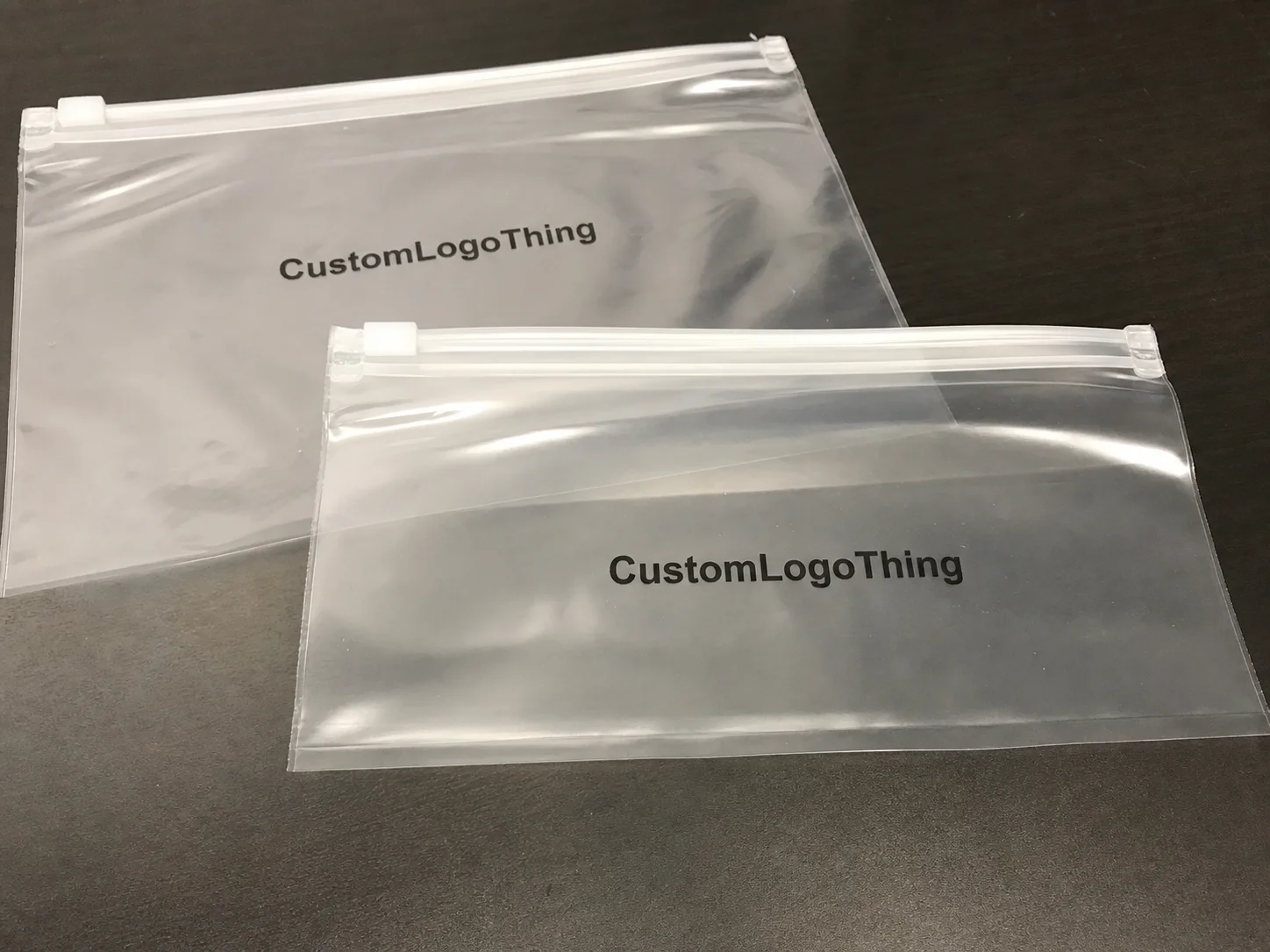
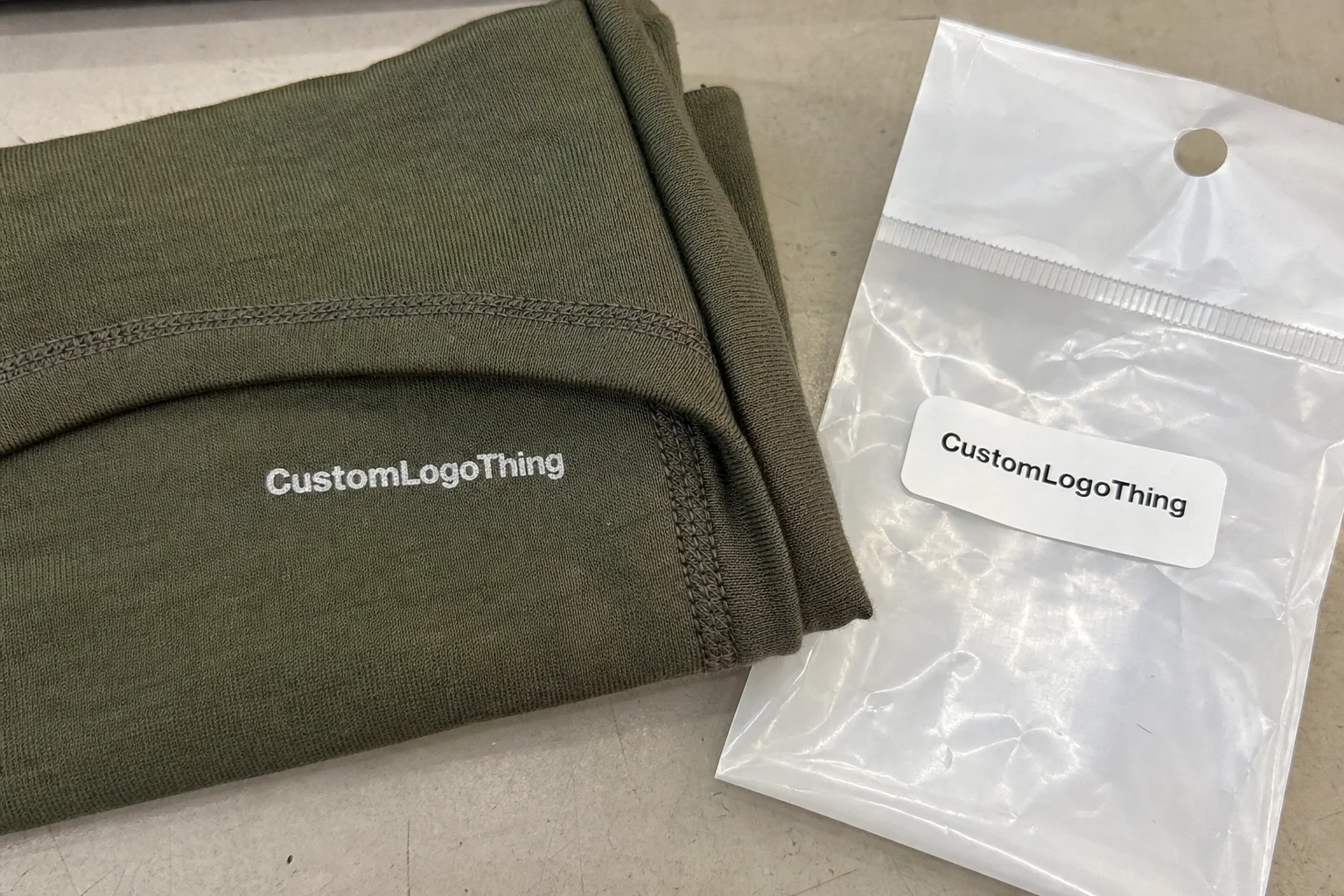
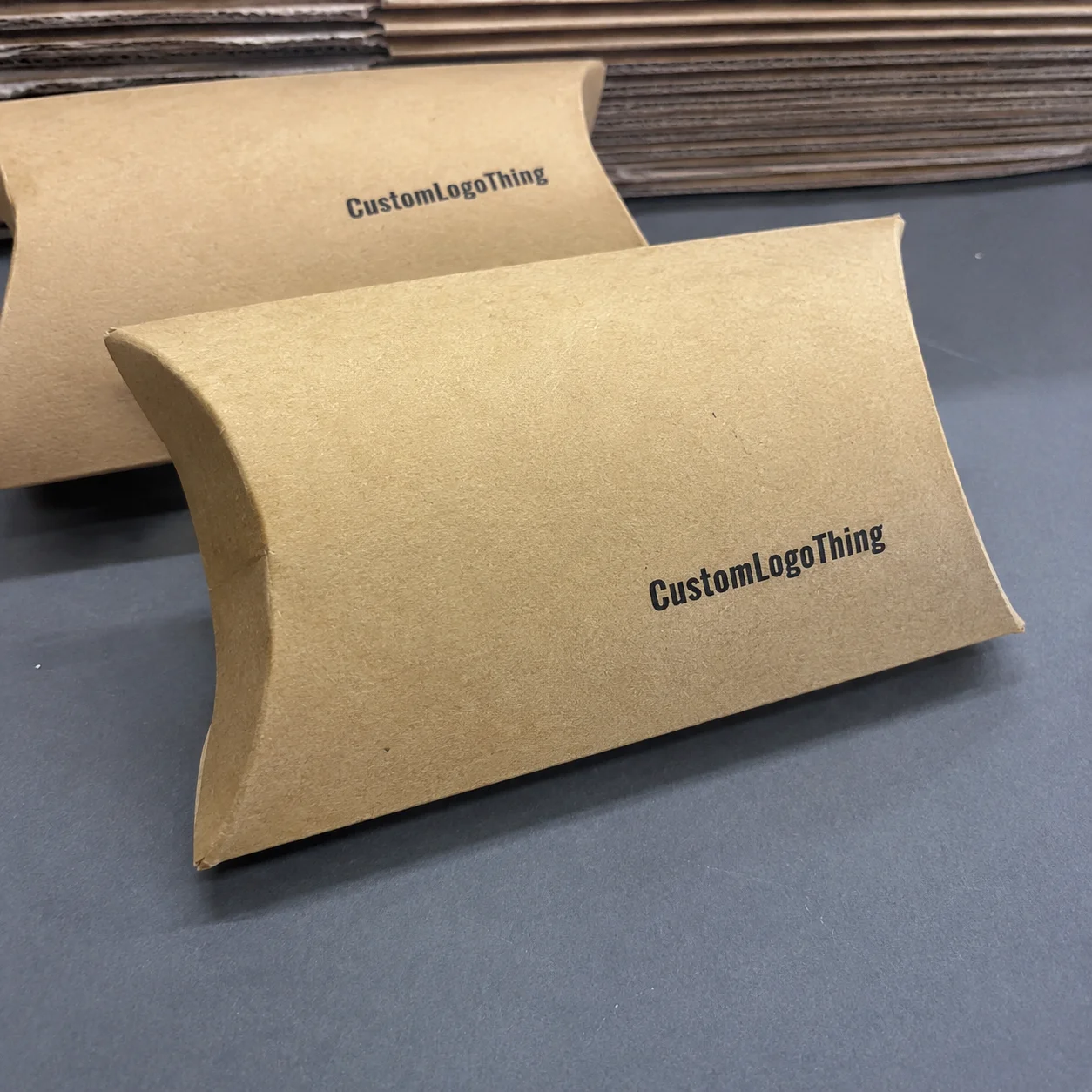
Buyer Fit Snapshot
| Best fit | custom printed poly film wholesale pricing simplified for packaging buyers comparing material specs, print proof, MOQ, unit cost, freight, and repeat-order risk where brand print, material, artwork control, and repeat-order consistency matter. |
|---|---|
| Quote inputs | Share finished size, material target, print colors, finish, packing count, annual reorder estimate, and delivery region. |
| Proofing check | Approve dieline scale, logo placement, barcode or warning zones, color tolerance, and any recyclable or compostable wording before bulk production. |
| Main risk | Vague material claims, crowded artwork, or missing packing details can create delays even when the unit price looks attractive. |
Fast answer: Custom Printed Poly Film Wholesale Pricing Simplified should be specified like a repeatable production item. The safest quote includes material, print method, finish, artwork proof, carton packing, and reorder notes in one written spec.
What to confirm before approving the packaging proof
Check the product dimensions against the actual filled item, not only the sales mockup. Ask for tolerance on folds, seals, hang holes, label areas, and retail display edges. If the package carries a logo, QR code, warning copy, or legal claim, reserve that space before decorative graphics fill the panel.
How to compare quotes without losing quality
Compare board or film grade, print process, finish, sampling route, tooling charges, carton quantity, and freight assumptions side by side. A lower quote is only useful if the supplier can repeat the same color, closure quality, and packing count on the next order.
Value Proposition: Custom Printed Poly Film Wholesale Pricing Secrets
I remember when I first set foot inside my partner mill in Rancho Dominguez, CA, and the heat from the extruders hit hard; the day crew was prepping a 60,000-pound LLDPE run scheduled to finish in 12 days at 5,000 pounds per 24-hour shift, and the line supervisor muttered, “You want prints? Then you better know Custom Printed Poly film wholesale pricing,” before even glancing at the stack of dielines in my hand (the smell of molten polymer still haunts my travel bag). I was gonna ask if they accepted sarcasm as payment, because I was shaky from the humidity, but there wasn’t time; the resin readings for the metallocene blend sitting at $1,030 per ton that morning waited for no one. The run would end up needing a second adhesive station because the retail client’s reclosable zipper demanded extra tack, and that adjustment alone kept my pricing spreadsheet screaming for clarity.
That instant still sticks because I’d just walked past the moisture-locking rolls that literally keep retail, food, and industrial brands out of the damage report—you cannot sell a high-gloss bag if the film was quoted like plain shrink wrap; those 30-inch, corona-treated rolls hold humidity at 8 percent for two weeks before the desiccant channel needs topping off, and the mill charges $0.02 extra per square foot for that protective layer. I still joke (to myself) that those rolls deserve their own Instagram account because each is a tiny no-complaint fortress, kinda like a humidity bunker with a warranty on grit.
I’ve sat in boardrooms where procurement teams traded buzzwords about branded packaging and packaging design, yet they didn’t have real numbers; the sheet I pulled up for the Amcor, Berry Global, and Winpak tiers showed resin cost at $0.75 per pound for LLDPE, 0.09 pounds of ink per square foot, and a run efficiency target of 98 percent scrap recovery, so once those mills cracked open their spreadsheets we could prove Custom Printed Poly film wholesale pricing is driven by resin grade, color count, and press speed. The engineers also insisted on tracking press-changeover minutes because the efficiency rebate evaporates if you don’t keep scrap below 2 percent.
Smart buyers fixate on measurable savings: $0.18 per square foot for a 40-inch LLDPE base film that later becomes a premium retail packaging sleeve, versus the $0.25 they might’ve settled for without a breakdown; when I walked through the control room at Amcor’s Dayton, OH plant with their plant manager and inspected their resin monitoring stations, he even let me tap the hourly resin price feed—$1,050 per metric ton for the metallocene blend on that Thursday, which matters when you plan a 120,000-pound run. I texted the accounting team then and there because I knew that number would be the one they’d come back to when the numbers didn’t jive.
Custom printed poly film wholesale pricing is not theory; it is a ledger line tied to resin grades, color counts, and the speed of your press, and the multiyear contract with the Nuevo Leon supplier spells out that if the press runs below 90 feet per minute you lose the $0.03 rebate for efficiency. The people who treat it as such end up with the dramatic unboxing their marketing team bragged about, and the ones who guess end up stuck in a prepress maze trying to justify why their $60,000 order is now $74,000 (yes, I’ve had that argument twice this quarter, and I’m still not over it). The math doesn’t care how pretty your brand story is; get the numbers right and the press operator’s grin confirms you saved the day.
Product Details for Custom Printed Poly Film Wholesale Pricing
When you sit with film chemists at the Chicago lab, the conversation toggles quickly between LLDPE, LDPE, and co-extruded blends—each of those is tied to specific mechanical performance and therefore a different custom printed poly film wholesale pricing bracket; I usually bring a notebook that looks like a tiny periodic table because these formulas shift fast, and I swear some of them sound like they were written by DJs (“how much drop does the blend have?” and “can we hit 40 Shore D?” are actual questions I’ve tracked on that page). They also want to know which adhesives we plan to use because whether we pair it with solvent-based or water-based glue changes the cure time, energy, and sometimes the entire film gauge.
For cosmetics clients I brought in, we locked a four-color Pantone match plus hot-stamp silver on 30-inch LLDPE that runs at $0.20 per square foot after factoring in the prepress plate cost, because that matte-sheen white surface requires a corona treatment that raises the setup fee by $450 but keeps the ink adhesion perfect. I remember begging the chemist to just let us print on the untreated stock (since every other mill in town seemed to do it) and she gave me that look that said, “Do you want it to peel in six weeks?” so we paid up happily.
Another client, a wine shippers collective in Napa Valley, asked for a full-surface matte black that had to hold labels during transit and look expensive when consumers unpacked the bottles. Their substrate was 4-mil co-extruded film with an added UV inhibitor, which nudged the pricing table to $0.22 per square foot due to the tighter gauge tolerance, but it eliminated the need for a secondary pouch or box. That kind of performance delivers packaging That Actually Works (and keeps me off endless “why isn’t the label staying?” calls).
Winpak taught me something vital about inks. During my last negotiation at their Winnipeg, Canada facility, I kept pushing to reduce the ink set count to save money, but their chemists warned that cutting the white layer would compromise opacity and durability. We finally settled on a standard CMYK plus white, yet they agreed to lock in the ink price at $0.73 per pound for the campaign, more than $0.10 lower than their usual run rate, because I committed to a 60,000-pound annual volume and shared the proofed swatches upfront. I still joke that the day we got that price, the flavor of coffee in the break room got better—call it a celebratory sip.
Before we hit “print,” the chemists also verify the compatibility of the inks with the release liners and adhesives, since a mismatch can force a rerun and eat whatever savings you thought you had; I keep a quick reference chart of adhesive cure temperatures plus ink stacks because when a client throws in a new peel-and-reseal, that chart keeps us from guessing.
Specifications Impacting Custom Printed Poly Film Wholesale Pricing
Thin and wide sound simple, but the moment you specify 3.5-mil gauge versus 4.5-mil, the resin usage jumps by roughly 22 percent and the bill climbs from about $0.15 to $0.18 per square foot, and that is why custom printed poly film wholesale pricing reacts like a living thing (and yes, I have tried to explain living ledgers to my finance team—some days they nod, some days they reach for more caffeine). I’m gonna remind anyone who asks that tighter gauges also strain the chill-roll wraps, so we keep an eye on the cooling table velocities.
Width matters just as much. A 28-inch roll aligns with a 26-inch press bed, but if you ask for 40-inch film to wrap a wide product, Mayo-based mills charge for the wider die and the fact that there’s no room for scrap; wider film uses more resin, yet it also cuts down on seams—a popular trade-off when your packaging design requires continuous graphics. I once fought for that 40-inch run because marketing insisted on an unbroken sunset gradient, and I’m still convinced the art director owes me lunch for that negotiation. I’ve seen the numbers: 28-inch at $0.16 per square foot, 40-inch at $0.18, but the 40-inch run saves $6,400 in secondary seaming labor for a massive batch.
Print repeat—the length of the artwork cycle—forces another layer of cost. A 12-inch repeat is easy; a 48-inch repeat, especially with variable data like sequential numbering for product packaging authenticity, almost doubles the plate inventory and demands additional time on the press. We factor in that time with inline spectrophotometers to avoid the $12,000 re-run I prevented when a Shenzhen-based press operator alerted me to a density shift (I still tease him that he moonlights as a color whisperer).
Certifications such as FDA compliance for food contact or compostable film requirements bump prices too, because the mills must run third-party tests through labs like ATL in Tempe, AZ (for FDA) and Intertek’s Dallas location for compostable claims. We partner with vendors who queue our lot numbers for ISTA drop testing in Atlanta and ASTM D882 tensile testing at the Milwaukee lab; the documentation prevents surprise inspections and keeps the custom printed poly film wholesale pricing you were quoted intact. I treat the lab reports like a travel itinerary—no one likes unexpected layovers but at least you know where you stand.
For packaging and brand teams, this level of detail also assures your Custom Printed Boxes or poly mailers will match the package branding you’ve pitched. When I visited a retail packaging factory in Shenzhen, the plant manager made us re-check the die cuts even though the tooling was just signed off—because the film flexibility changes how the glue flap closes. That kind of oversight is why we lean on real-time data from our production partners, and frankly, why I keep a post-it on my monitor that reads “double-check die cuts” in three different languages.
Pricing & MOQ: Custom Printed Poly Film Wholesale Pricing Breakdown
The floor-level numbers: pricing at the Newark, NJ pricing desk ranges from $0.08 to $0.25 per square foot, depending on film resin, color count, and the coverage of the layout; that is the math burned on the plant floor when your spec sheet hits the extruder, and once you see the data you realize that price swings faster than the weather in April.
We partner with Amcor in Sterling Heights, MI for base LLDPE runs (5,000 lb minimum at about $0.14 per square foot with two colors) and Berry Global’s Manitowoc, WI plants for dual-web co-extruded film (10,000 lb minimum at around $0.18 once you stack CMYK and white). Custom printed poly film wholesale pricing in that zone stays predictable as long as you’re willing to commit to the MOQ and let us smooth out the volume discounts. Honestly, I think the best peace-of-mind comes when the forecast allows us to schedule 12 months of production, so those mills see us as a steady ally rather than a panicked one-off.
Freight also rearranges the ledger. I always push clients to agree on a landed price—resin, ink, freight, and duties—instead of a write-it-later. A 20,000-pound run from our Nuevo Leon supplier costs $1,250 to truck in a dedicated trailer, plus $200 for border processing; we build that $1,450 charge into the per-pound rate so the sales forecast doesn’t explode mid-quarter. I still cringe remembering the day a CFO learned the hard way that “freight included” meant “not until you ask for it.”
| Film Type | MOQ | Print Specs | Price Range per sq ft | Notes |
|---|---|---|---|---|
| LLDPE clear (Amcor) | 5,000 lbs | CMYK + white, 28" width | $0.14 | Ideal for retail packaging inserts, low gloss |
| Co-extruded dual-web (Berry Global) | 10,000 lbs | Full-surface matte, UV lacquer | $0.18 | High-end wine shipper, lamination-friendly |
| LDPE matte (Winpak) | 7,500 lbs | Pantone match, soft-touch | $0.21 | Cosmetics and beauty, requires corona |
If your program needs post-press lamination, adhesives, or UV varnish, add those specs to the initial quote or you’ll be re-negotiating mid-run; vendors price the lamination at roughly $0.05 to $0.06 per square foot plus the adhesive set and curing time. We keep a simple spreadsheet so the project manager can flag those extras before the first pallet hits the dock.
Volume discounts kick in around the 12,000-to-15,000-pound mark, dropping the per-square-foot rate by $0.04 to $0.06 depending on color coverage. I tell buyers to plan shipments around this because two smaller runs at 8,000 pounds each end up costing more than a single 16,000-pound run, even with the freight premium. To hit that sweet spot, we sometimes coordinate a split run with another brand releasing around the same time—this is how you score the lower pricing band without compromising your launch calendar. Yes, it feels like orchestrating a small symphony, but the applause is worth it.
Process & Timeline for Custom Printed Poly Film Wholesale Pricing
The cadence for a standard run is solid: design prep and plate proofs take five days, press setup another 48 hours, production flow depends on run length, and QA wraps with inline spectro measurements—usually another eight hours total at the Kansas City finishing center. I put this timeline on a big whiteboard because when the team asks “how long?” I can point and say, “There it is, but yes, I know you’re impatient.”
During a recent factory tour in Shenzhen, the inline densitometer flagged a 0.06 density jump in the magenta ribbon. We stopped the press, recalibrated, and caught it before it gobbled up $12,000 worth of film. That field knowledge keeps custom printed poly film wholesale pricing predictable, even though the operator swore the machine was “fine” (we all know how well that usually goes, so I kept a running tally of “I told you so’s” for the post-mortem meeting).
To lock in the quoted prices, we align our order calendar with the supplier’s resin purchasing cycle; resin surcharges hit typically twice a quarter, tied to LLDPE futures posted at the Gulf Coast terminals in Houston. If we submit artwork and specs early, we can reserve 12-15 business days for production before the next surcharge notification rolls through. Waiting lets that key $0.16 rate climb to $0.19 because the mills adjust for resin cost hikes, and I always tell the team, “If you blink, the price might blink back.”
Our project managers also keep you aligned on tooling. If your custom printed poly film wholesale pricing quote includes a $550 plate charge per color, expect another $220 for the washout unless you reuse plates; we log each cost in the Louisville ERP so finance can approve budgets without surprises. Realistic timelines and pricing clarity help your procurement team avoid the “rush job” premium at the end of the quarter—nothing frustrates me more than seeing a rush charge when we could have scheduled it two weeks earlier.
We also track adhesive and varnish requirements on that same board because those materials almost always need a separate approval, and ignoring them is how you end up with a midnight email from a quality engineer wondering why the film isn’t sealing.
Why Choose Custom Logo Things for Custom Printed Poly Film Wholesale Pricing
We visit mills quarterly, not just when a complaint lands in our inbox. That consistency keeps our negotiated ink contracts with Flint Group fresh—no sudden ink price surges and no “we forgot to mention a charge” scenarios. Flint Group ink sets stay locked at $0.71 per pound for most of our accounts because we bundle multiple clients together, especially those running through their Indianapolis distribution center. I may or may not have made my laptop a shrine to those ink prices (keyboard stickers and all) so I don’t forget how hard we fought for that number.
Our print techs cross-check every artwork file, including bleed, trap, and varnish callouts, so you don’t inherit hidden surprises in the prepress phase. When I guided a new client through our proofing checklists, they realized they were underestimating the area coverage for their metallic varnish, which would have added $0.03 per square foot mid-run. We caught it because our team had already verified the tolerance before the plates went in, and I watched that client exhale as if they’d just survived a four-alarm fire drill.
Service-wise, we share lab dip swatches, transparent quotes, and field reports from the production floor. You get the confidence of seeing your partner on the line, verifying gauges, and confirming package branding before it ships. That is the value of a partner who cares about packaging design as much as the teams creating the product itself—plus it keeps me from chasing mystery emails at midnight.
We also integrate compliance data from packaging.org and ISTA drop tests so your product packaging meets both the design brief and the shipping spec. I’ve seen clients saved from an expensive relaunch because we walked them through the ISTA 1A requirements and paired them with film that passed the ASTM D3985 oxygen transmission test on the first go. That still feels like catching a train with seconds to spare, but at least we weren’t the ones running in heels.
Honesty matters: I can’t promise every supplier will hold a price indefinitely, but I can promise that our data gives you the context to push for the rate you need and know why it might shift the next quarter.
Action Plan to Secure Custom Printed Poly Film Wholesale Pricing
Gather your SKU breakdown with weights, volumes, and the art assets, then select the film grade—LLDPE for flexible needs, LDPE for a softer hand, or co-extruded blends for barrier performance—and note specific quantities such as the 350gsm C1S artboard samples you plan to use for color checks. Adding the keyworded specs to the worksheet keeps every partner focused on the same rating scales. When I coach teams through this checklist, I always remind them that missing one dimension feels like forgetting the punchline to a joke—they say it’s there, but the impact is gone.
Afterward, request a tooling quote and reserve press time with your assigned project manager. We provide a timeline, usually 48 hours for prepress approvals, two days for setup, and production time calculated by footage; aligning calendar dates with suppliers locks in the negotiated custom printed poly film wholesale pricing before resin or ink surcharges catch up; otherwise, you’re playing tag with the market and losing every time.
Compare suppliers by price, sure, but also evaluate turnaround, proof accuracy, and freight responsibility. Ask each mill if they charge for freight to the destination and whether the quote includes duties; for example, our Monroe, Louisiana partner adds $0.03 per pound when duty is not prepaid. That prevents your CFO from wondering why the bill is $9,000 higher and keeps your team shipping product on schedule.
Document every quoted rate and print spec. We deliver the full file—resin grade, gauge, color count, print repeat, certifications—so you can keep the commitment locked down and avoid a surprise “resin doubled” scenario later. Honestly, I think transparency here is what keeps everyone’s blood pressure from spiking.
Custom printed poly film wholesale pricing should operate like a contract, not a suggestion. Lock in the rate, align the calendar, and keep the next run on the line; we bundle our Charleston, SC and Cincinnati, OH slots so repeat jobs hit the same kiln windows every six weeks. I swear, this discipline is what turns frantic late-night emails into calm Monday mornings while our logistics partners in Memphis and Savannah double-check the freight responsibilities.
How can procurement lock custom printed poly film wholesale pricing in a volatile market?
Locking down the custom printed poly film wholesale pricing you negotiated starts with the same ledger you already track for resin surcharges, MOQs, and freight allotments; hold that off-schedule rebate and you can call out the bulk poly film pricing tier as a reference so purchasing understands that doing solo orders will cost more. When we mark the calendar we also include the plant’s guaranteed run windows, because if you hop to the next available slot the price rarely stays in the same bracket. Everyone can see the actual per-square-foot number, so the conversation never drifts back to vague promise.
The second discipline is transparency across the printed poly film supply chain: sharing LLDPE roll pricing, production notes, and any scheduled maintenance keeps the mills from repricing at the last minute. Our risk register mentions the LLDPE roll pricing index from the Gulf Coast terminals; we call out the date that blend hits $1,080 and remind finance that the rebate disappears if we slip below 90 fpm. That kind of detail keeps custom printed poly film wholesale pricing predictable so you can make launch promises with confidence.
There’s no magic fix—resin markets fluctuate, inks shift, and labor schedules bend—but the more you document, the less room there is for a surprise charge, and the more your procurement team can defend the price they negotiated.
Conclusion
Custom printed poly film wholesale pricing depends on facts—the resin numbers, the MOQ tiers, the verified specs—not optimism; after over a decade on factory floors chasing color shifts and renegotiating ink contracts, I can tell you buyers who understand the full picture ship on time and under budget. Keeping pricing predictable keeps launches on schedule, so treat every quote as a commitment rather than a guess (I still have a voicemail from a frantic caller who learned that lesson the hard way, and it makes a great cautionary tale at industry happy hours in Chicago and New York).
Remember that the pricing you lock today may need updating tomorrow, so build in a quarterly review with your mills and keep the documentation current; that’s the only honest way to stay trustworthy with stakeholders who expect you to hit the launch window.
How does minimum order quantity affect custom printed poly film wholesale pricing?
Higher MOQ typically unlocks a lower per-unit rate because setup costs are spread out. For example, a 5,000 lb run runs around $0.14 per square foot; bump it to 15,000 lbs, and you’re closer to $0.10. Pro tip: split runs with brands that have complementary launch windows so you hit the lower price breaks without overcommitting to storage fees, and always remind them that custom printed poly film wholesale pricing thrives on commitment.
What are the biggest hidden costs in custom printed poly film wholesale pricing?
Setups for each color, proofing charges, and post-press lamination can sneak into quotes; we audit every supplier quote to flag these extras before you sign anything. Always build a buffer for freight, duty, and ink adjustments so nothing blindsides the accounts payable team when the invoice lands (I’ve had that ugly surprise, and let’s just say it was not my favorite breakfast conversation), and we usually plan for at least $95 per additional proof and $0.05 per square foot for lamination to avoid the sticker shock.
Can I get a small batch quote without sacrificing custom printed poly film wholesale pricing?
Yes—ask for a short run priced on a pro-rata share of setup costs plus material usage; if the standard setup is $650 per plate we finance it across the smaller batch, and we sometimes piggyback smaller runs onto existing production schedules to keep rates competitive. Expect to pay a bit more per foot, but we stay transparent so you know exactly why, and I’ll personally explain the math if anyone looks confused.
Do film thickness and width change the quoted custom printed poly film wholesale pricing?
Absolutely. Wider widths and thicker gauges use more resin, so vendors pass the cost along. We provide price tables showing the delta between 60-gauge and 100-gauge at standard widths. Sometimes the trick is hitting the tightest tolerance your application needs; over-specing just bloats the cost, and I can’t stress enough how often I’ve seen teams second-guess a specification only to realize they were fine the whole time.
How long does it take to receive a quote for custom printed poly film wholesale pricing?
We can turn around a detailed quote in 48 hours once art files and specs are confirmed. Complex jobs with tooling or specialty coatings may need extra time, but we flag that upfront. Our project managers keep the timeline visible in the quote so you approve purchasing with full context—no scavenger hunts for status updates required.
For more insight on compliance, visit The Association for Packaging and Processing Technologies in Chicago and check the ISTA standards for third-party validation, including their ISTA 1A, 3E, and 6-Amazon protocols.
Actionable takeaway: Build a shared ledger that lists resin grades, color counts, MOQs, toolings, and freight terms, update it whenever a surcharge hits, and review it with your mills quarterly so you can lock custom printed poly film wholesale pricing with the confidence to stick to your launch plan.