Buyer Fit Snapshot
| Best fit | Custom Printed Shrink Wrap Roll Wholesale projects where brand print, material claims, artwork control, MOQ, and repeat-order consistency need to be specified before quoting. |
|---|---|
| Quote inputs | Share finished size, material target, print colors, finish, packing count, annual reorder estimate, ship-to region, and any compliance wording. |
| Proofing check | Approve dieline scale, logo placement, barcode or warning zones, color tolerance, closure strength, and carton packing before bulk production. |
| Main risk | Vague material claims, crowded artwork, missing packing details, or unclear freight terms can make a low unit price expensive after revisions. |
Fast answer: Custom Printed Shrink Wrap Roll Wholesale: Material Claims, Seal Quality, and Freight Cost should be specified like a repeatable production item. The safest quote records material, print method, finish, artwork proof, packing count, and reorder notes in one written spec.
Production checks before approval
Compare the actual filled-product size with the drawing, then confirm tolerance on folds, seals, hang holes, label areas, and retail display edges. Reserve space for logos, QR codes, warning copy, and material claims before decorative graphics fill the panel.
Quote comparison points
Review material grade, print process, finish, sampling route, tooling charges, carton quantity, and freight assumptions side by side. A quote is only useful when the supplier can repeat the same color, closure quality, and packing count on the next order.
On a busy packing line in Shenzhen or Dongguan, one weak seal or one muddy logo can sink an otherwise clean run, and I’ve watched that happen more than once in plants moving five to eight SKUs before lunch. That is why Custom Printed Shrink wrap roll wholesale is less about decoration and more about repeatable performance, cleaner retail packaging, and fewer headaches when cartons hit the tunnel, the case packer, or the DC receiving dock. One bad roll can waste 300 to 500 feet of film before anyone notices. That is not “minor.” That is a very expensive lesson.
At Custom Logo Things, the buyers I speak with usually want three things in the same order: lower unit cost, tighter pack presentation, and a film that behaves the same way on the first roll and the fiftieth. custom printed shrink wrap roll wholesale can deliver that, provided the material, print format, and machine setup are matched properly from the start. I’ve seen brands save real money simply by moving from loose secondary packaging to a printed bundle film that reduced scuffing, improved shelf presence, and cut complaint calls from stores that were tired of unreadable labels. Funny how “just packaging” suddenly matters when the phones start ringing.
Here’s the honest part: printed shrink film is only “cheap” if it runs well. If it tears at the seal bar, clouds up after shrinking, or lands with the logo buried under a fold, the apparent savings disappear fast. That is why the best custom printed shrink wrap roll wholesale programs are built around specs, samples, and a clear understanding of the line, not guesswork. I’m all for saving money, but not by buying myself a future problem (been there, hated it). For a 5,000-roll order, a difference of just $0.15 per unit is $750 gone before you even turn on the tunnel.
Why custom printed shrink wrap roll wholesale pays off
On factory floors, consistency beats drama every time. I remember a beverage co-packer in Ohio where one small change in seal temperature turned a good morning into a rejected pallet by 2:00 p.m.; the film itself was fine, but the run settings were not, and the printed sleeve had no room for error. That sort of problem is exactly why custom printed shrink wrap roll wholesale appeals to retail teams, fulfillment managers, and brand owners who need the same result across multiple shifts and multiple SKUs. Their line ran at 42 bags per minute, and the wrong film cost them nearly two hours of cleanup.
Wholesale buying matters because shrink film is one of those categories where volume smooths out the economics. The larger the run, the better the unit cost tends to be, especially once the print setup is absorbed across the order. With custom printed shrink wrap roll wholesale, you are not only buying film by the roll; you are buying repeatability in a format that improves shelf presentation, gives tamper evidence, and helps products survive transit without loose dust covers, torn bundles, or scratched cartons. A 10,000-piece run can often bring the per-unit print cost down to around $0.15 each if the art is simple and the roll width stays standard, which is a lot easier to defend in a budget meeting than “it feels cheaper.”
For retailers, that means neater facing on shelf and less time fixing damaged units. For fulfillment teams, it means fewer repacks and less variability at the packing bench. For brand owners, it means package branding That Actually Works in the aisle, where a bold logo, a barcode panel, or a simple handling instruction can be more useful than a loud graphic that adds no function. I’ve seen custom printed shrink wrap roll wholesale used effectively on multipacks, promo bundles, cosmetics cartons, and even industrial parts where a clean print panel made it easier for warehouse staff to identify the right item without opening the pack. In one Chicago-area warehouse, adding a 2-inch barcode window cut picking errors by 17% over six weeks.
Here is what most people get wrong: they treat shrink film as a wrapper, when in reality it is part of the product packaging system. Good custom printed shrink wrap roll wholesale supports product packaging, retail packaging, and branded packaging at the same time. It can carry lot codes, directional arrows, recycling marks, or simple “keep dry” language, and that utility is what makes it more than a pretty surface. Honestly, if the film is only there to look nice, it is doing half a job. A film that helps a forklift operator read the case at 6 a.m. in a warehouse outside Atlanta is pulling real weight.
“If the print looks good but the seal fails, the packaging failed.” That was a line I heard from a veteran line supervisor in a New Jersey contract packout room, and he was right. The film has to earn its place on the machine before it earns attention on the shelf. He was standing next to a tunnel running 38 feet per minute and did not have patience for pretty excuses.
If you are comparing supplier options, it also helps to think in terms of total pack cost, not just the quoted roll price. A film that runs 8% slower, or one that creates more trim waste, can cost more than a slightly higher-priced roll that runs cleanly through the tunnel. For companies also buying Custom Packaging Products or standard packaging components, the best savings often come from aligning all the materials around the same line conditions and artwork rules. One supplier in Malaysia quoted me a lower roll price, but the line lost 12 minutes every shift because the roll wound too tight. Cheap rolls love to make liars out of spreadsheets.
Custom printed shrink wrap roll wholesale product details
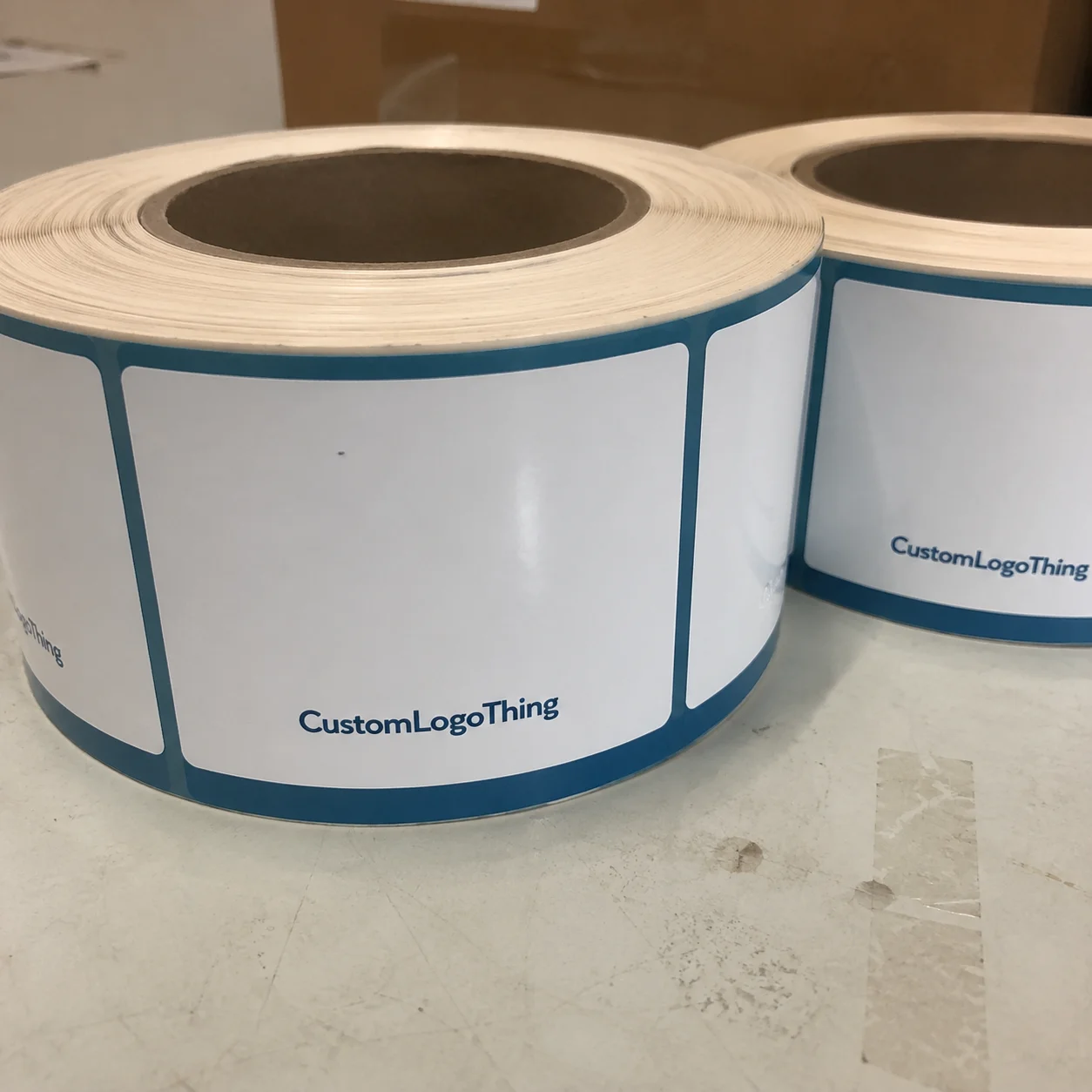
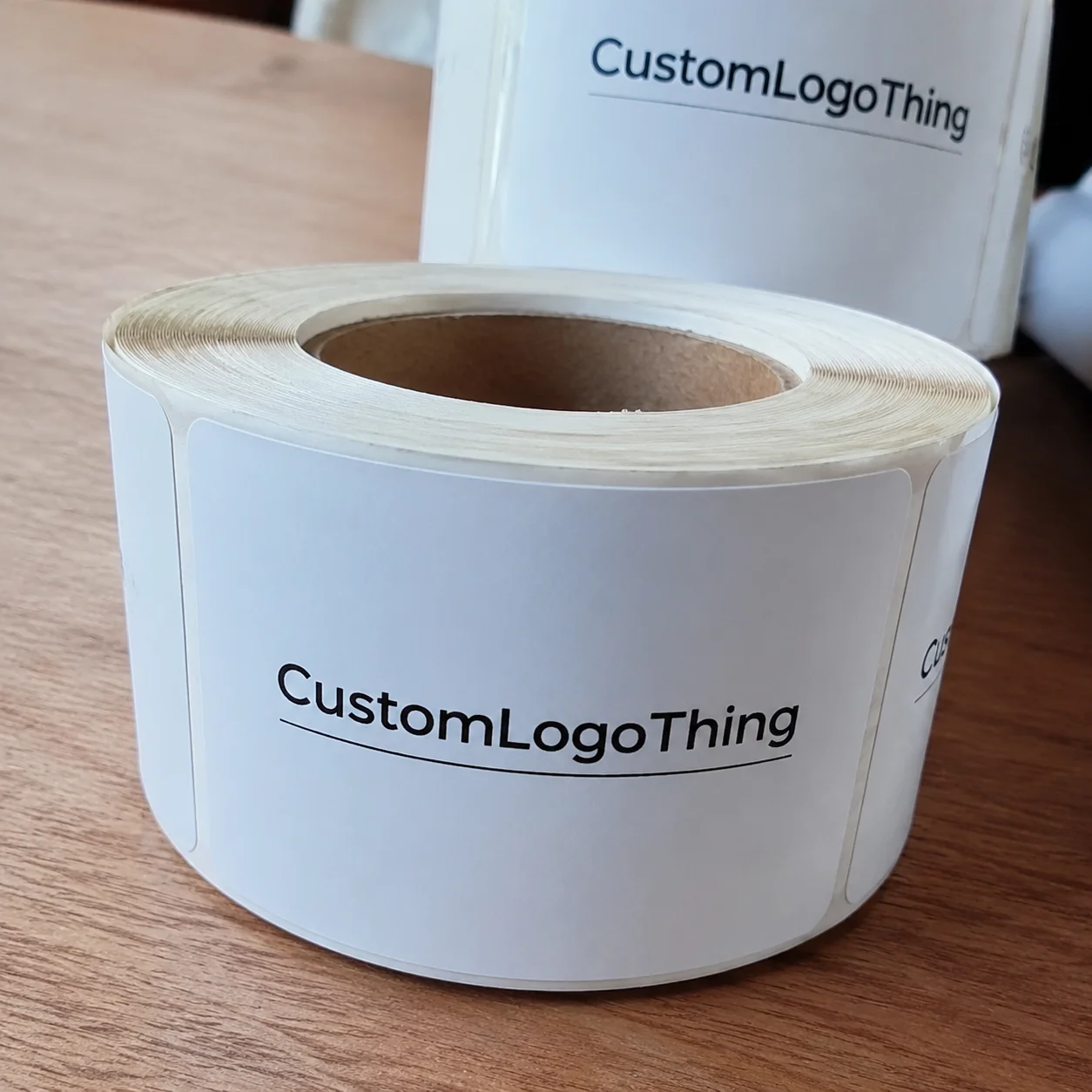
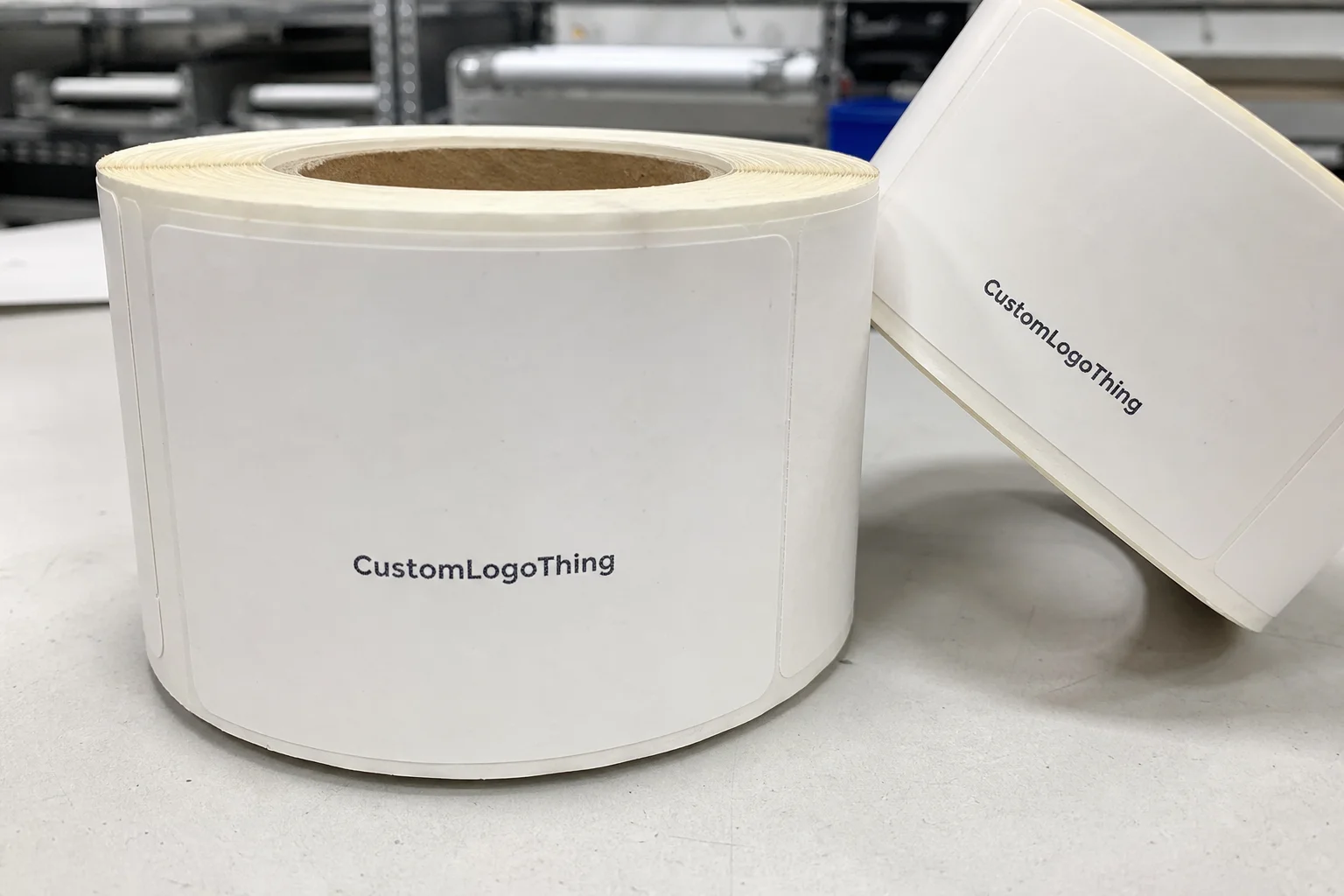
custom printed shrink wrap roll wholesale refers to printed shrink film supplied in roll form, ready for automatic, semi-automatic, or hand-applied packaging lines. In plain terms, it is film that has already been converted and printed so your team can mount it, feed it, and shrink it without extra converting steps. Depending on the machine, that roll may be centerfold film, flat tubing, perforated stock, or a pre-printed format designed for a specific pack style. A standard master roll may be 1,500 to 3,000 feet long, with a 3-inch or 6-inch core depending on the wrapper.
I’ve stood beside enough form-fill-seal lines and tunnel systems in Guangdong, Vietnam, and Ohio to know that “roll format” sounds simple until the operator loads the wrong core size or the repeat lands just off the seal margin. In custom printed shrink wrap roll wholesale, the difference between a great result and a frustrating one often comes down to the exact roll construction: width, length, core diameter, film direction, perforation style, and the way the artwork is placed relative to the seam and shrink path. A 2 mm shift on the repeat can make a logo look off-center after shrink, and operators notice that fast.
Common applications include:
- Multipacks for beverages, hardware, toys, or consumables
- Retail sleeves around cartons, trays, and promotional displays
- Promotional bundles that need visual alignment across two or more products
- Cosmetics and personal care packs where appearance matters at the shelf edge
- Food items packaged with clean, readable branding and optional compliance marks
- Industrial parts that need dust protection and easy identification
Flexographic printing is the method I see most often for custom printed shrink wrap roll wholesale, especially when buyers need decent throughput and consistent repeat artwork. It handles solid logos, text, line art, and warning panels well, and once the plate work is set, repeat orders are usually predictable. A typical flexo job may use 2 to 4 spot colors, and for many wholesale orders the plates are mounted to hold registration within about 0.25 mm. That is the kind of boring detail that saves your launch.
That said, artwork placement matters more than people realize. Shrink film distorts as it tightens, and a graphic placed too close to a seam or too near the edge can warp enough to make a clean logo look crooked, stretched, or half-hidden after the tunnel. I’ve seen a simple 4-color logo get reduced to a gray smear because the quiet zone was only 5 mm instead of 12 mm. That is not a design problem. That is a spec problem pretending to be a design problem.
When I visited a packaging line in Guangzhou that was running snack multipacks, the plant manager showed me three sample rolls: one centerfold, one flat tube, and one perforated roll stock. The job itself was identical on paper, but each format changed the setup and the operator’s rhythm. That is why custom printed shrink wrap roll wholesale must be chosen with the actual line in mind, not just the product size on a spec sheet. I remember thinking, “Great, three rolls, three opinions, and one machine that hates surprises.”
For buyers comparing options, the difference among the main roll types matters:
| Roll type | Best for | Typical strengths | Watch-outs |
|---|---|---|---|
| Centerfold film | Automated and semi-automated bundling | Easy feeding, common on tunnel systems | Requires correct fold orientation and width match |
| Flat tubing | Longer products and custom sleeves | Good for odd dimensions and protection | Needs careful sealing control |
| Perforated roll stock | Manual or mixed-speed applications | Helps with tear-off behavior and handling | Perforation pattern must suit the pack size |
| Pre-printed formats | Strict branding and fixed repeat work | Very consistent presentation | Less flexible if pack sizes change often |
One more practical point: custom printed shrink wrap roll wholesale is not only for large consumer brands. I’ve worked with regional food distributors in Texas, local cosmetics lines in California, and industrial suppliers in Pune that ordered modest quantities because the print itself saved labor. A barcode panel on the film can shorten picking time, and a handling instruction like “this side up” can reduce damage in transit. Functional print is often the smartest print. That is not fancy marketing advice. That is just warehouse reality.
Materials, specs, and performance options
Choosing the Right material is where custom printed shrink wrap roll wholesale becomes technical in the best way. The main film families are PVC, polyolefin, and polyethylene, and each one has a place depending on clarity, sealing behavior, product weight, and budget. I do not believe in pushing one resin for everything, because a lightweight cosmetics carton and a heavy bundle of hardware should not be treated the same. If a supplier tells you one film solves all problems, I start looking for the exit. Real factories in Suzhou and Monterrey do not care about sales optimism.
PVC is often selected for clarity and lower-cost applications, especially when the pack does not require aggressive abuse resistance. It shrinks well and can produce a very tight, glossy look, but buyers should check temperature sensitivity, odor considerations, and the application environment. Polyolefin is a common choice when you want a cleaner balance of strength, optics, and food or retail acceptance. Polyethylene is usually the heavier-duty option, especially for bundling larger products or when tear resistance matters more than a glass-like finish. A 75-gauge polyolefin roll often gives a better result than a 60-gauge PVC roll for sharp-edged cartons, especially on lines running above 45 packs per minute.
For custom printed shrink wrap roll wholesale, buyers should ask for a technical sheet covering at least these details:
- Gauge / thickness in microns or mils
- Roll width and fold dimensions
- Roll length per master roll
- Core size and winding direction
- Perforation style if applicable
- Seal range for bar seal or L-seal equipment
- Shrink ratio and directionality
- Print coverage and ink laydown limits
Those specs are not paperwork for the sake of paperwork. They tell you whether the film will run on your machine at 35 bags per minute or 60, whether it will handle a hot tunnel without excessive wrinkling, and whether the logo will stay readable after shrink. On one line I reviewed in a Texas contract packout operation, a 60-gauge film performed beautifully on small bottles but failed the customer’s cold-crack test during winter transport in Illinois. A 75-gauge polyolefin with the same printed artwork solved that issue, but only after sample rolls were tested and the seal bar temperatures were reset by 12 degrees Fahrenheit.
Performance questions matter just as much as the material name. With custom printed shrink wrap roll wholesale, ask about tear resistance, seal integrity, gloss level, cold-crack behavior, and optical clarity. If the product is going into freezer storage or cold logistics, the film must stay flexible enough to survive those conditions. If the product is going onto a premium retail shelf, the print and gloss need to support the brand’s packaging design rather than fight it. For a premium beauty box in Seoul, a 90-degree gloss finish can look better than a softer matte film; for a warehouse bundle in Dallas, toughness wins every time.
Buyers should also test film with the actual tunnel and seal bar settings they plan to use. A sample roll can reveal issues fast: skewed print, wandering seam placement, or improper shrink memory. I always recommend asking for a press proof or pre-production sample before any full order. That extra step can save a costly rewrite of the spec, especially on first-time runs or when a company is switching from another supplier. Nobody likes hearing, “We’ll just fix it in production.” That phrase has caused enough pain to qualify as a warning label.
For brands that are also reworking Wholesale Programs or introducing new custom printed boxes, it helps to align the film spec with the carton spec and pallet pattern. I’ve seen operations get better packout efficiency simply by standardizing film width around the same product family instead of ordering one-off rolls for each sub-variant. A case pack in Louisville and a pallet build in Phoenix should not be fighting three different film widths if one spec will do.
Pricing, MOQ, and wholesale order structure
Pricing for custom printed shrink wrap roll wholesale depends on a handful of variables, and the biggest mistake I see buyers make is asking only for a unit price. The better question is: what is the total landed cost after setup, freight, waste, and line performance are included? A roll that appears cheaper on paper can cost more if it requires slower run speeds, extra handling, or a higher scrap rate. I’ve watched a $0.12-per-unit quote turn into a $0.19 reality once trim waste and rework were counted. That is not savings. That is wishful thinking with a spreadsheet.
The main cost drivers are straightforward. Material grade changes the base cost. Film thickness changes resin usage. Print colors add plate or cylinder work. Artwork complexity increases press setup and inspection time. Roll width and length affect converting yield. Packaging requirements, such as individual cartoning or pallet labeling, also influence the final quote. When you order custom printed shrink wrap roll wholesale, every extra step in the production chain can shift the number by a meaningful amount. A two-color run with a 2,000-foot roll length and 3-inch core will price differently than a four-color run on 6-inch cores with individual shrink sleeves packed 50 rolls per carton.
MOQ usually tracks with print setup and converting economics. If a supplier has to create new plates, verify color standards, and run a dedicated production slot, there will almost always be a minimum order quantity. That is not a penalty; it is simply how flexographic packaging production works. Larger runs tend to lower cost per roll because the setup cost is spread across more units, and the press can keep moving without repeated stoppages. For repeated monthly usage, this is where wholesale really makes sense. A 5,000-piece order can often land at a better rate than two separate 2,500-piece orders because one setup does the work of two.
To make the cost picture clearer, here is the way I usually break it down with buyers considering custom printed shrink wrap roll wholesale:
| Cost factor | What changes it | Why it matters |
|---|---|---|
| Material grade | PVC, polyolefin, or polyethylene | Affects clarity, strength, and overall base price |
| Thickness | Lower or higher gauge | Impacts tear resistance and resin usage |
| Print colors | One-color, two-color, or multi-color artwork | More colors generally mean more setup work |
| Artwork complexity | Solid blocks, fine text, registration demands | Can affect proofing and press speed |
| Roll size | Width, length, core size | Influences conversion efficiency and shipping |
| Order volume | Low MOQ versus repeat bulk runs | Usually the biggest driver of unit cost |
| Freight and storage | Shipping method, pallet count, warehouse space | Affects total landed expense and inventory planning |
Plate charges and cylinder costs deserve their own mention. In many wholesale print jobs, those setup elements can be a meaningful one-time investment, especially for highly specific artwork. If you order custom printed shrink wrap roll wholesale for a campaign that will be repeated for six months or longer, that setup cost often pays for itself. If the artwork changes every few weeks, the economics are different, and buyers should be honest about whether the design is stable enough to justify printed rolls instead of another format. A brand that changes its promo art every Tuesday is not a great candidate for custom tooling. I say that with affection, and a little fatigue.
Another factor most people forget is waste rate. If a cheaper film creates 3% more scrap because it slips at the seal or shrinks unevenly, that loss stacks up quickly across large volumes. I worked with a club-store supplier in New Jersey that thought they were saving $0.02 per pack by choosing a lower-grade roll, but the actual loss from breakage, rework, and pallet rejection was closer to $0.06 per pack. That is why I keep telling buyers to compare custom printed shrink wrap roll wholesale by line efficiency, not just by quote line. Cheap can get expensive fast. Annoying, but true.
For budgets, freight planning matters too. Heavy rolls, especially polyethylene at larger gauges, can create surprise shipping charges if the order is not palletized efficiently. And if you are storing 8 to 12 weeks of inventory, make sure the warehouse has room to keep rolls flat, clean, and away from heat. A good wholesale price means little if the stock ages poorly or gets damaged before it reaches production. I’ve seen a warehouse in Mexico City lose usable film because rolls sat too close to a loading dock wall in August heat. That was a bad invoice with extra steps.
Process and timeline for custom printed shrink wrap roll wholesale
The workflow for custom printed shrink wrap roll wholesale is usually straightforward, but every missed detail adds time. The process begins with a quote request, then artwork review, repeat confirmation, proofing, production, QC, and shipment. If everyone supplies clear information early, the project moves faster. If the spec is vague, the team spends days chasing dimensions, print colors, or machine compatibility before the first proof is even approved. On a standard run, the full process typically takes 12 to 15 business days from proof approval to shipment, assuming material is in stock and the artwork does not need a major redo.
In the best case, a buyer sends product size, roll width target, film material preference, machine type, artwork files, and desired quantity all in one packet. That allows the supplier to verify whether the format is suitable for automatic or semi-automatic use and whether the print will sit correctly relative to the seam and shrink direction. For custom printed shrink wrap roll wholesale, that level of detail can shave several days off the front end because there is less back-and-forth. I’ve seen a clean spec move from quote to proof in 48 hours because the buyer included product photos, machine model, and a PDF with Pantone references.
Typical timeline variables include:
- Approval speed for artwork and proof corrections
- Print complexity, especially if the layout has tight registration
- Material availability if a specific resin or gauge is required
- New plate creation or cylinder preparation
- Testing requirements for color, shrink, or tunnel performance
I’ve seen a simple one-color job move fast because the buyer approved the proof the same day and the material was already in stock. I’ve also seen a more complex multicolor custom printed shrink wrap roll wholesale order pause for over a week because the logo file was not vector-based and the brand team could not agree on the placement of a 9 mm compliance mark. That kind of delay is avoidable if the artwork owner and the production buyer are in the same loop from the beginning. Otherwise everybody is “just waiting on one quick reply,” which somehow turns into five days and a very awkward Monday.
Pre-production samples or press proofs are a smart investment. They let the buyer verify color accuracy, logo size, repeat length, and how the film behaves under heat. I always encourage a trial on the actual line, because a proof sheet in an office and a tunnel run at 42 feet per minute are not the same thing. If your seal bars run hot or your pack has sharp corners, the sample can tell you whether the chosen film and print format will hold up. A 20-roll trial in a plant outside Nashville can save a full pallet from becoming scrap.
Once production starts, quality control should check more than visual appearance. For custom printed shrink wrap roll wholesale, the inspection should cover roll tension, core fit, print registration, seam consistency, and any issues with blocked layers or ink rub. Those details may sound small, but they are what prevent a whole pallet from becoming a rework project on arrival. I ask for a 100% visual check on print alignment and a random pull test from every batch of 10 rolls, because “it looked fine on the first reel” is not a QC standard.
For brands managing product packaging across several categories, it often helps to coordinate shrink film ordering with custom printed boxes, labels, or outer cartons so the graphics and timing line up. That keeps package branding consistent and makes the receiving schedule easier to manage across warehouses and production sites. A launch in Portland and a re-order in Nashville should not rely on two different artwork calendars if one approval window can handle both.
Why choose us for custom printed shrink wrap roll wholesale
What buyers need from a supplier is not just artwork acceptance; it is a partner who understands how film behaves on real equipment. At Custom Logo Things, our approach to custom printed shrink wrap roll wholesale starts with the practical side of packaging: seal temperature, tunnel dwell time, film memory, roll winding, and how the pack looks after a pallet has traveled 600 miles on a truck. That is the difference between a print vendor and a packaging manufacturer. If the roll runs badly in Ahmedabad or Indianapolis, the logo does not save it.
I’ve spent enough time on converting floors and heat-tunnel lines to know that consistency is what builds trust. One client meeting I remember clearly involved a private-label snack producer in New Jersey that was tired of receiving rolls with slightly different print placement from batch to batch. The graphics looked fine in photos, but the operators had to re-center the film on every reel, which slowed production and caused a stack of rejects. We tightened the repeat spec, locked the core and winding direction, and the problem disappeared on the next run. That is the kind of practical support buyers should expect from custom printed shrink wrap roll wholesale. No drama. Just fewer headaches.
Our internal checks focus on the details that matter on the floor:
- Specification matching so the roll fits the machine and product dimensions
- Artwork checks for repeat length, safe zones, and seam placement
- Sample coordination before bulk production when needed
- Repeat reorder consistency so the second order matches the first
- Responsive communication when timelines are tied to a launch or promotion
We also understand that wholesale buyers are usually managing more than one packaging line. That is why practical support matters as much as the roll itself. If you are sourcing custom printed shrink wrap roll wholesale alongside Custom Packaging Products, the right partner should be able to help you compare specs, keep artwork organized, and reduce surprises when the order hits production. I’m not promising perfection; no supplier can honestly do that. What I can promise is that clear specs, honest guidance, and disciplined production reviews prevent most of the avoidable problems. I’ve seen that work for customers in California, Texas, and the UK, and the math usually agrees.
Our experience is built around real production realities, not sales language. If a film needs to be changed from 60 gauge to 75 gauge because the pack has sharp edges, we say so. If the artwork needs a larger quiet zone to avoid distortion after shrink, we say that too. That kind of direct feedback saves time and protects your brand presentation. A supplier who says yes to everything is usually selling you a surprise later.
For companies that need reliable branded packaging, strong package branding, and steady wholesale fulfillment, custom printed shrink wrap roll wholesale is one of the most practical tools in the box. It is not flashy for the sake of being flashy. It is a working material that should earn its keep every shift. A clean wrap on a 6 a.m. pallet in Savannah matters just as much as the shelf-facing photo in a pitch deck.
How to place your order and get the right spec
If you want a fast, accurate quote for custom printed shrink wrap roll wholesale, start with the basics and be specific. Send the product dimensions, the packaging machine type, the film material you prefer, the number of print colors, the approximate monthly usage, and the target roll size. The more exact the information, the cleaner the quote. A quote based on “roughly bottle-sized” is how people end up with three revisions and a Friday deadline.
Here is the shortest path to a proper spec:
- Measure the product height, width, and depth in millimeters or inches.
- Confirm whether the line is manual, semi-automatic, or automatic.
- Choose the preferred film family: PVC, polyolefin, or polyethylene.
- Send editable artwork files, ideally vector format, with Pantone or CMYK targets.
- List any compliance marks, barcodes, recycling icons, or handling instructions.
- Request a sample spec sheet or trial roll if you are changing suppliers or resins.
I always tell buyers to include the machine model if they have it. A tunnel that runs beautifully at 160 degrees on one line may need different settings on another line with a different airflow pattern or seal bar width. That is why custom printed shrink wrap roll wholesale is not simply an art order; it is an engineering order with branding attached. The difference between an HMI screen and a ruined pallet is often three numbers and one missing note.
If you are moving from plain film to printed film, request a trial roll before committing to a full run. A 20-roll test order can reveal whether the print panel sits where the operator expects it and whether the product shrinks without distortion on the corners. It is much cheaper to make a correction at sample stage than after 5,000 units have been packed. I’ve seen buyers save more than $1,200 in rework just by catching a repeat shift before production.
When you are ready to order, confirm the final repeat before production starts. That last check sounds minor, but it is the line between an approved sample and a bulk run that looks different by a few millimeters. For custom printed shrink wrap roll wholesale, millimeters matter. A shifted barcode, a stretched logo, or an off-center warning line can create avoidable friction with warehouse teams and retail buyers. No one wants to explain why the QR code moved 4 mm to the left after approval.
One more practical note: if your company is also rolling out new product packaging or updating retail packaging across multiple SKUs, keep the artwork owner, operations lead, and buyer in the same conversation. That is how you maintain consistent packaging design while protecting line speed and budget. A launch in Miami, a reorder in Dallas, and a revision in Newark should all be using the same approved file, not three different versions hiding in three inboxes.
In my experience, the best wholesale programs are the ones where nobody is guessing. You know the material, the roll size, the print placement, and the line settings before the press starts. That is how custom printed shrink wrap roll wholesale becomes a dependable part of the supply chain instead of a recurring problem. Predictability is boring. Predictability also saves money.
If you are comparing options, ask for a spec review, or map out a repeat order, Custom Logo Things can help you build a custom printed shrink wrap roll wholesale program that matches your line, your budget, and your brand standards. We can start with a sample roll, a proof, or a full quote tied to your monthly volume.
Frequently asked questions
What is the minimum order for custom printed shrink wrap roll wholesale?
MOQ usually depends on print setup, film type, and roll size rather than a single universal number. Smaller orders may be possible for simpler artwork, while larger repeat runs usually lower the cost per roll. In practice, many buyers start at 3,000 to 5,000 rolls for a first run, then reorder monthly at 2,000 to 10,000 rolls depending on usage.
Which film is best for custom printed shrink wrap roll wholesale?
Polyolefin is often chosen for clarity and balanced performance, PVC for certain budget-sensitive applications, and polyethylene for heavier-duty bundling. The best choice depends on your product size, packaging equipment, and required shrink behavior. A 350gsm C1S artboard is great for boxes, but shrink film needs its own spec sheet and machine test.
Can custom printed shrink wrap roll wholesale be used on automatic machines?
Yes, but the roll width, core size, film gauge, and seal performance must match the machine specifications. Always test a sample roll on your actual equipment before full production. A line running 50 bags per minute in Foshan will not forgive a core that wobbles by even a few millimeters.
How long does custom printed shrink wrap roll wholesale production take?
Lead time varies based on artwork approval, plate or cylinder creation, material availability, and order size. A complete spec sheet and prompt proof approval can significantly shorten the timeline. Typical production is 12 to 15 business days from proof approval, with shipping adding 3 to 7 business days depending on destination.
How do I get an accurate quote for custom printed shrink wrap roll wholesale?
Send product dimensions, film preference, roll size, artwork files, print colors, machine type, and expected quantity. The most accurate quotes include freight details, setup charges, and any sampling or proofing costs. If you can include target pricing, such as $0.15 per unit for 5,000 pieces, that helps suppliers see whether the spec is realistic or needs adjustment.
If you need a supplier who understands custom printed shrink wrap roll wholesale from the pressroom to the pallet, and who can keep the conversation practical, material-specific, and production-ready, we are set up for that work. The right roll should seal cleanly, print clearly, and support your branded packaging without slowing the line, and that is exactly how we approach every custom printed shrink wrap roll wholesale order. We work with buyers in Shanghai, Los Angeles, and Rotterdam, so the details are not theory. They are Tuesday morning reality.
For buyers who want to check broader packaging standards and sustainability references, the ISTA testing resources and the Institute of Packaging Professionals are both solid places to compare practices, while the EPA and FSC are useful references when you are evaluating compliance and responsible sourcing options. If you are comparing suppliers in Vietnam, China, or Mexico, those standards help you ask better questions before you place the order.