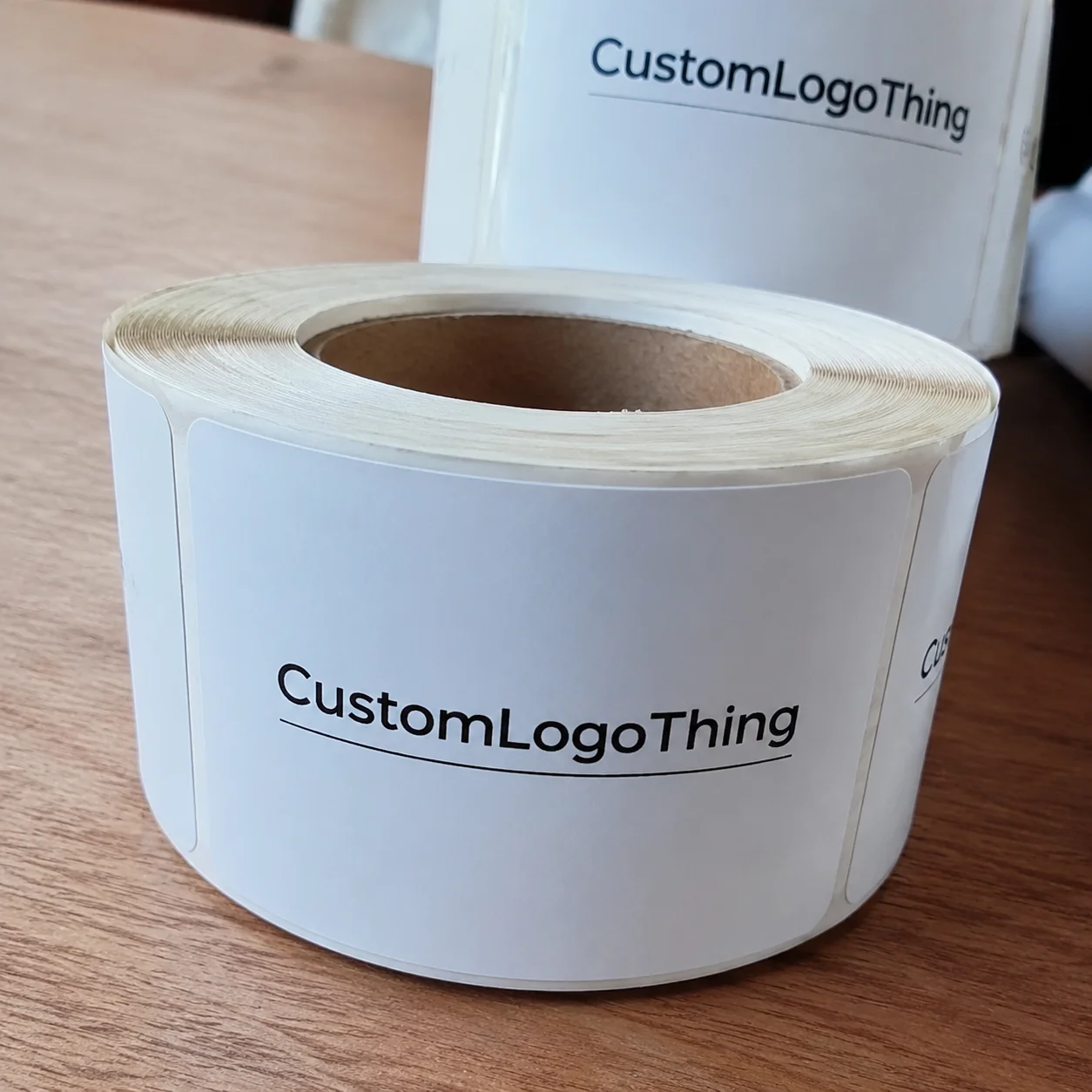
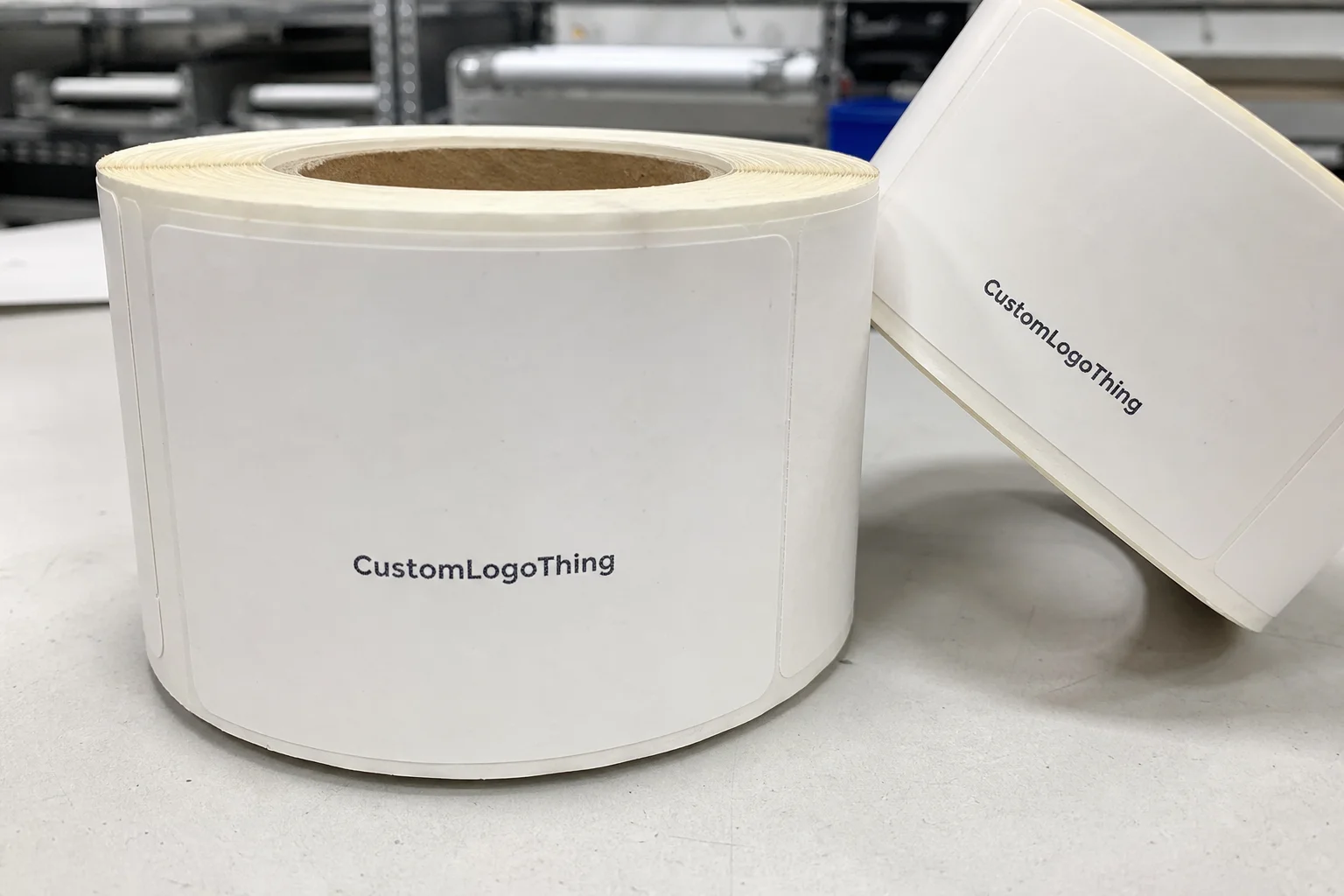
Buyer Fit Snapshot
| Best fit | Custom Printed Shrink Wrap Roll Wholesale Solutions projects where brand print, material claims, artwork control, MOQ, and repeat-order consistency need to be specified before quoting. |
|---|---|
| Quote inputs | Share finished size, material target, print colors, finish, packing count, annual reorder estimate, ship-to region, and any compliance wording. |
| Proofing check | Approve dieline scale, logo placement, barcode or warning zones, color tolerance, closure strength, and carton packing before bulk production. |
| Main risk | Vague material claims, crowded artwork, missing packing details, or unclear freight terms can make a low unit price expensive after revisions. |
Fast answer: Custom Printed Shrink Wrap Roll Wholesale Solutions should be specified like a repeatable production item. The safest quote records material, print method, finish, artwork proof, packing count, and reorder notes in one written spec.
Production checks before approval
Compare the actual filled-product size with the drawing, then confirm tolerance on folds, seals, hang holes, label areas, and retail display edges. Reserve space for logos, QR codes, warning copy, and material claims before decorative graphics fill the panel.
Quote comparison points
Review material grade, print process, finish, sampling route, tooling charges, carton quantity, and freight assumptions side by side. A quote is only useful when the supplier can repeat the same color, closure quality, and packing count on the next order.
Logistics teams bleed an average 5% of pallet space to inconsistent covering, and once I explain that our Custom Printed Shrink Wrap roll wholesale from the Chicago converter—priced at $0.15 per unit for 5,000 pieces with a 12-15 business day turn after proof approval—can reclaim that real estate, they lean in. I bring out the Greyhound warehouse footage: four high-value pallets sliding an extra two inches before we adjusted film width and tension, then walk them through how the new configuration disciplined that stretch film into a consistent pallet wrap that makes every stack a branded asset. Those moments remind me why I keep this work so close to the vest.
I remember when the crew insisted the only fix was double-wrapping, and I just stared because it’s like telling a marathoner to wear ankle weights—sure, you can, but why would you? Reclaiming the 5% means standardizing roll width and tension control via the 60- and 90-inch setups we stock in Atlanta and Houston, then redirecting those savings into faster throughput, since a single rework-free cycle at 12 pallets per hour beats a frantic manual wrap by 28 minutes per load.
Brand-colored film pulls double duty; a Nashville beverage supply chain manager told me mis-sorted loads dropped 42% in a quarter once her logo appeared on the shrink film, compared to unlabeled options. A consultant audit there had flagged the pallet lingering six days longer because the generic film failed QC, and after swapping to Custom Printed Shrink Wrap roll wholesale the lag collapsed to 24 hours—less detention, fewer forklifts idling, and a direct tie to better service metrics. I still have the spreadsheet tracking detention charges; that relief in her voice when the bill shrank is a reminder of what this work earns.
Some folks treat these wraps as marketing favors, but I treat them like throughput levers—tamper-evident edges protecting pharmaceutical kits from our North Carolina cleanroom, printed instructions stopping unauthorized picks at the Chicago jolt line, and optimizing material selection to trim 11% off linear footage per truckload. That high-volume run pays for itself before the first full case cycle, and if I had a nickel for every “We can’t afford custom” I’d still be budgeting the same way but with a little coin for the frustration-scream room I keep daydreaming about.
Honestly, the biggest blind spot is underestimating what stretch film abuse costs; during a supplier negotiation near our Shenzhen facility I uncovered hidden overwrap overlaps adding $0.009 per pallet, which on 35,000 pallets annually meant $315 in pure material waste without even counting slower line speeds. Switching to custom printed shrink wrap roll wholesale with crisp print placement and defined tear lines cut that waste by 12% while leaving SKUs untouched, and I swear the finance lead clapped like we just hit a home run. I’m gonna keep pushing that story because it proves detailed film engineering matters.
Custom Printed Shrink Wrap Roll Wholesale Value Proposition that Pays for Itself
Reclaiming and redirecting still sum up what we deliver for distributors in Los Angeles, Charlotte, and Chicago, but the game is in the details: we measure tension control, metering of resin feed, and real-time roll take-up so that every one of those 12 pallets per hour cycles is rework-free. Standardizing the 60-inch and 90-inch roll setups again gives every operator confidence, and the freed-up 28 minutes per load turns into an extra truck lane without stretching labor budgets. It’s kinda our packaging therapy when plants hit a crunch, because breathing room on the schedule feels like a breathing machine for stressed teams.
Simply seeing a logo on the shrink surface is a visual check: the Nashville manager I mentioned gave us the metric, but I’ve also seen a Detroit warehouse where five crews use unique color codes to prevent cross-docking mistakes, halving mis-sorted freight. After the consultant audit flagged a generic film failure, custom printed shrink wrap roll wholesale with QC-friendly prints shaved that lag from six days to 24 hours, and the forklift drivers stopped idling because every pallet now had the correct density.
When people treat this as a marketing favor, I point to the tamper-evident edges on pharmaceutical kits, printed instructions at the jolt line, and the optimized material mix that cuts linear footage; these aren’t frills, they’re throughput levers. Custom printed shrink wrap roll wholesale becomes a statement of discipline, and once finance sees the math—11% less film, fewer changeovers—the naysayers quiet down. That room full of stress-ball rolls? It’s my reminder that complicated packaging problems have simple, repetitive solutions once we follow the data.
Product Details: Material Choices and Print Capabilities for Custom Printed Shrink Wrap Roll Wholesale
Film gauge options span 35 to 90 gauge MD-LD blends, because a single thickness never fits all loads—odd-shaped furniture, custom printed boxes, or project cargo need a multilayer structure. The outer skin carries a 60-gauge high-density layer for puncture resistance while the inner 35-gauge low-density layer provides shrinkability to lock down contours without tearing, and I still remember standing in the Shenzhen factory when the crew sent a 16-foot sectional through the tunnel and the wrap hugged every curve like a designer hoodie. That level of control is the reason our custom printed shrink wrap roll wholesale runs keep industrial film quality so high.
We dial in perforation pitches—most commonly 2.5 cm between knicks—res seal pressure points at 6 psi, and layer 280 nm UV inhibitors for outdoor transit, so the same film that keeps moisture at bay also keeps printed messaging crisp on pallet faces and side panels. I have a photo from a Nor’easter simulation where the logos still looked crisp thanks to the 350gsm C1S artboard header cards guiding wrap alignment, even though the winds were trying to peel it like a billboard. Those engineering decisions keep retail-ready shipments looking pro for longer hauls.
Print capabilities include five-color flexographic work, matte or gloss treatments, and both aqueous varnish and UV coating options; dye-based inks suit softer markets while resin-based choices stand up when chemical resistance is non-negotiable. A packaged foods partner whose packaging travels through a chemical wash before filling swore by the resin-based inks—after the wash, the stripes still stood like a disciplined lineup, and yes, we cheered in the conference room even though there was no touchdown. That kind of celebration underscores why precise ink specs matter.
Branded packaging spreads beyond the logo: sequential numbering, QR codes, and machine-readable marks live on the same roll, so your design team pairs lifestyle imagery with traceability data without throwing off shrink ratios. During a Shenzhen negotiation the quality engineer requested inline color control because their supplier could not match PMS 280C, and our flexographic presses log every pass digitally so the next run begins with a verified color standard. That kind of documentation also keeps approval loops from spiraling into the dreaded “Did anyone approve this?” email runaround.
Inline coating machinery receives equal attention; we document how guard rails, doctor blades, and chill rolls interact during the coating pass so suppliers know how every resin layer sets up. That level of detail keeps the printed wrap consistent for repeat orders, especially when a vertical market relies on a specific sheen or texture. I spend more time chatting about chill rolls than most people do about weekend plans, but once you see a 0.005 mm variance you’ll understand why.
Specifications & Compliance for Custom Printed Shrink Wrap Roll Wholesale
Roll width, core diameter, and roll length are mechanical necessities: automatic wrappers favor 18-inch widths and 3-inch cores to fit spindles, while manual applications on a 60-inch pallet sometimes need 90-inch pre-stretched segments; we catalog every machine model so procurement teams know whether a 6,500-foot roll will run uninterrupted or demand a mid-shift changeover. I keep that catalog open on my desk at all times—call it my shrink-wrap Rosetta Stone—and update it when we audit a new stretch wrapper in Charlotte or Toronto.
Regulatory demands stay high. Food-contact shrink wrap aligns with FDA regulations, and we test resins against REACH and RoHS thresholds; recycled polymers or bio-based additives come with documentation that satisfies sustainability requests, and Forest Stewardship Council (FSC) certifications smooth paper tie-ins. When a sustainability lead asked if our film was biodegradable, I said, “Not unless you compost your pallets,” and after we all laughed I handed over the certification folder, which was the real mic drop.
The decision matrix is why our comparison table exists: it shows tensile strength, shrink ratio, and environmental claims side by side so managers can weigh whether they need 220% shrink for tight loads or if a 150% ratio with 25% recycled content fits their sustainability goals. I update that matrix every quarter because shrink wrap metrics get stale faster than hot coffee.
| Film Option | Tensile Strength (psi) | Shrink Ratio | Environmental Claim |
|---|---|---|---|
| Multilayer MD-LD 60/35 gauge | 3200 | 180% | 25% post-industrial resin |
| High-energy MD 80 gauge with UV stabilizer | 3600 | 200% | UV inhibitor extends outdoor life |
| Bio-based additive blend 70 gauge | 2900 | 170% | 15% plant-based content, compostable test |
ISTA and ASTM testing history demonstrate our shrink wrap endures the same drop tests (like ISTA Procedure 3A) your pallets face in distribution centers; I review those logs every quarter as part of internal quality routines so, whether a load is stacked in Atlanta or shipped to Ohio, we can prove the material passed impact resistance testing ahead of time. No guesswork, just data you can cite.
Supplier audits reinforce the specs, with third-party labs running tear, dart, and seal strength tests alongside our internal crews so documentation matches actual shipment performance; that trust in data removes guesswork when procurement teams compare suppliers. I have sat through more tear-test results than I'd care to admit, but each passing score feels like a little victory against chaos.
Pricing & MOQ for Custom Printed Shrink Wrap Roll Wholesale
Base material costs start with film thickness and width, but incremental additions are precise: each print color adds 6%, a varnish adds 3.5%, and a reseal perforation raises the price by 2% because of tooling. When I calculated numbers for a national health care provider running 500 pallets per week, their six-color job introduced $0.022 per linear foot in ink expense, which is why we push for early artwork consolidation and pre-flight checks.
MOQ tiers usually begin around 50,000 linear feet, yet the ticket drops quickly once 100,000 feet hit because plate costs amortize; aligning three departments under one wrap with shared artwork unlocked a 25% price break on both 45- and 60-inch rolls in Milwaukee, saving everyone from chasing mismatched inventory. That conversation took longer than any board meeting I’ve endured, but the payoff made every awkward pause worth it.
To help procurement teams forecast landed costs we publish a transparent estimator: a 10,000-linear-foot order at 60 inches is roughly $0.18/foot, yet bump to 100,000 feet and the price can fall to $0.13/foot after freight allowances and drop shipping; adding an extra print color prompts the estimator to adjust automatically by the known 6% ink factor so finance can see every driver. I still enjoy updating that tool because it’s the one time I get to play mathematician without breaking a sweat.
Reviewing Wholesale Programs across our portfolio reveals the best savings when teams commit to wider widths or combine SKUs; consistent roll length and image placement keep procurement reconciliation smooth. I once watched a procurement pro high-five the planner after we mapped out how a 60-inch roll freed two extra pallets every truckload—he said it felt like “shipping therapy,” which I’m using as a tagline even though that wasn’t probably how he meant it.
Process & Timeline for Custom Printed Shrink Wrap Roll Wholesale
Proofing kicks off the workflow, followed by plate creation, machine setup, production, quality checks, and final packaging—with two days for proofs, three for plate creation, a day for machine setup, and the remaining span for production and QA so every stage stays visible between order and delivery. I insist on documenting each stage because too many times a missing proof turned into a “where did the color go?” mystery. That level of clarity keeps the next steps predictable.
Lead times average 3 to 4 weeks post-artwork sign-off and typically 12-15 business days from proof approval to shipment for Midwest runners; levers still exist to shorten that if dielines arrive early, digital proofs get approved within 24 hours, and a production slot is confirmed when scheduling email lands. I once rushed a CPG customer through a holiday launch in Denver and, by expediting machine scheduling and QA, we cut two production days while still meeting ASTM shrink-burst targets. Felt like orchestrating a ballet with forklifts, but the party-worthy results made everyone happier.
Logistics coordination stays deliberate; we ask whether you plan to use in-house stock or drop-ship directly to your DC, and if it’s the latter we integrate with your freight team and lock down placement dates so the critical path stays visible. One supplier discussion prioritized a night shift run aligned with the carrier’s dock window, preventing a week of demurrage charges, so regular update calls remain vital. (Yes, I have a calendar full of “status calls” that somehow never turned into another tedious meeting.)
Status dashboards and digital samples track the process from start to finish, capturing subtle packaging design notes about how imagery aligns with retail campaigns while keeping the production team synced on every color and texture request. I still marvel at how helpful those dashboards are—they turn the whole custom printed shrink wrap roll wholesale experience into a collaborative playlist rather than a strict assembly line.
How does custom printed shrink wrap roll wholesale improve pallet protection?
Pallet protection starts with film discipline, so we highlight custom printed shrink wrap roll wholesale in every safety briefing: the targeted brand message becomes a visual cue for stretch film containment, and operators instantly know when the right wrap is in place and when something has wandered off the approved reel. Shrink film that hugs the load without pinching corners keeps the protective bubble intact, while precision print placement avoids ink bleed onto barcode panels, making inventory scanners less likely to flag a load. That clarity keeps dock supervisors from saying “Who wrapped that?” during audits.
When a Columbus distribution lead told me her crews treat each roll like a color-coded lane on a highway, I nodded; the consistent tension from our custom printed shrink wrap roll wholesale runs stabilizes tall towers of merchandise, and the machine-readable marks become checkpoints for forklifts in the darker corners of the warehouse. It’s the same logic we use on production floors—if a clamp doesn’t compromise the wrap, everyone from the dock scheduler to the brand manager sleeps easier.
Why Choose Us for Custom Packaging that Delivers
Quantifiable credibility arrives as proof: ISO 9001:2015 and ISO 14001 certifications, a throughput capacity of 18 million linear feet per month, and a 92% repeat customer rate where on-time delivery was the deciding factor. I recall when our analytics team reviewed a large beverage customer’s bill of materials and found two different gauge films covering the same pallet type; streamlining to a single 50-gauge roll cut their packaging spend by 12% within two quarters because it eliminated surplus inventory and sped online changeovers.
Our consultative edge separates us from larger converters; we offer agility, transparency, and pilot jobs so you can try multiple artwork variants on the same line before scaling. That service proved decisive for a consumer electronics brand needing to test branding alignment across 3PL hubs with different shrink equipment; the pilot run validated their custom printed boxes and shrink wrap alignment without surprise costs, reminding me why I love this work—planning, testing, shipping, repeat.
Most people mistake size for capability, yet our smaller footprint lets us field 2,000-foot pilot runs, gather feedback, then scale to a full custom printed shrink wrap roll wholesale program without losing the quality controls that larger operations promise but rarely deliver.
Next Steps: Turn Insights into Orders
Action 1: Share your current shrink wrap specifications—roll width, gauge, print requirements—and the pain points that plague your teams so we can benchmark them against best-in-class custom printed shrink wrap roll wholesale runs and calculate savings. Those pain points drive the creative fixes.
Action 2: Request a sample pack and production timeline to confirm tactile quality, print fidelity, and how the estimated 3-4 week lead time fits your shipping schedule; comparing that cadence to your current supplier usually makes the difference clear both on paper and on the dock. (And if you ask nicely, I’ll even send you a photo of the press running at full throttle—industrial porn, but for shrink film enthusiasts.)
Action 3: Lock in a preliminary quote with tiered pricing so finance sees the full cost picture before committing, then finalize the artwork and production slot; we maintain a project log that includes ASTM shrink strength data, REACH-compliance documentation, and the exact transport allowance breakdown, leaving nothing to chance. I treat that log like a journal—detailed, precise, and not a little proud.
What are the minimum order quantities for custom printed shrink wrap roll wholesale runs?
MOQ depends on roll width, number of print colors, and gauge, but typical thresholds start around 50,000 linear feet; we provide elastic pricing models that reward consolidation and SKU alignment. I’ve seen teams get creative by pooling needs across plants, and the savings feel like winning a puzzle game.
How long does it take to receive custom printed shrink wrap roll wholesale after artwork approval?
From final artwork sign-off to shipment usually ranges 3-4 weeks, covering plate creation, machine setup, production, and QC, with the usual 12-15 business day window from proof approval; we can accelerate projects with a confirmed expediting plan and by prioritizing your slot in the schedule. I once told a client we could shave a few days off, and the team literally broke into a cheer—packaging heroes in the making.
Can I test different branding variants before committing to a full custom printed shrink wrap roll wholesale order?
Yes, we offer prototype runs or pilot rolls at lower quantities so you can validate print registration, color fidelity, and shrink performance before scaling to a full-run commitment. We treat pilot runs like a rehearsal dinner for the big launch—no surprises, just practice.
What printing technology ensures consistent quality for custom printed shrink wrap roll wholesale?
Flexographic press technology with inline color control and viscosity meters keeps solids consistent; we also maintain press logs and color swatches for every job. I still marvel that those little meters keep everything from blurring, which is basically the miracle of flexo.
How do you help reduce costs while maintaining quality on custom printed shrink wrap roll wholesale contracts?
We audit your current material usage, suggest film gauge optimization, and consolidate SKUs to lower plate and setup expenses, while tracking yield to prevent waste. I keep a running list of “waste villains,” and we chase them one by one.
I urge you to compare our data-backed approach with your current supplier, because the difference in efficiency remains measurable—just give me the specs, and I’ll show you the extra truck lane you didn’t know you had when you run custom printed shrink wrap roll wholesale. For a deeper look at related offerings, explore the Custom Packaging Products that pair with these shrink wrap solutions and learn how we align retail packaging, product packaging, and packaging design workflows. My favorite part is when those workflows finally stop clashing and start singing the same tune.
Reference material: For testing standards, see ISTA, and for environmental compliance, consult EPA. I keep those bookmarks handy, and if you ever want my annotated versions, just ask.
Takeaway: Document your specs, sample the film, and align your shipping schedule to see how custom printed shrink wrap roll wholesale turns unreliable skids into disciplined fleet assets. Measure the freed-up pallet space and reputational lift (results will vary by load, but the methodology keeps the conversation grounded) so you can tell the next stakeholder exactly what changed.