Why custom produce bags matter for freshness, speed, and brand recall
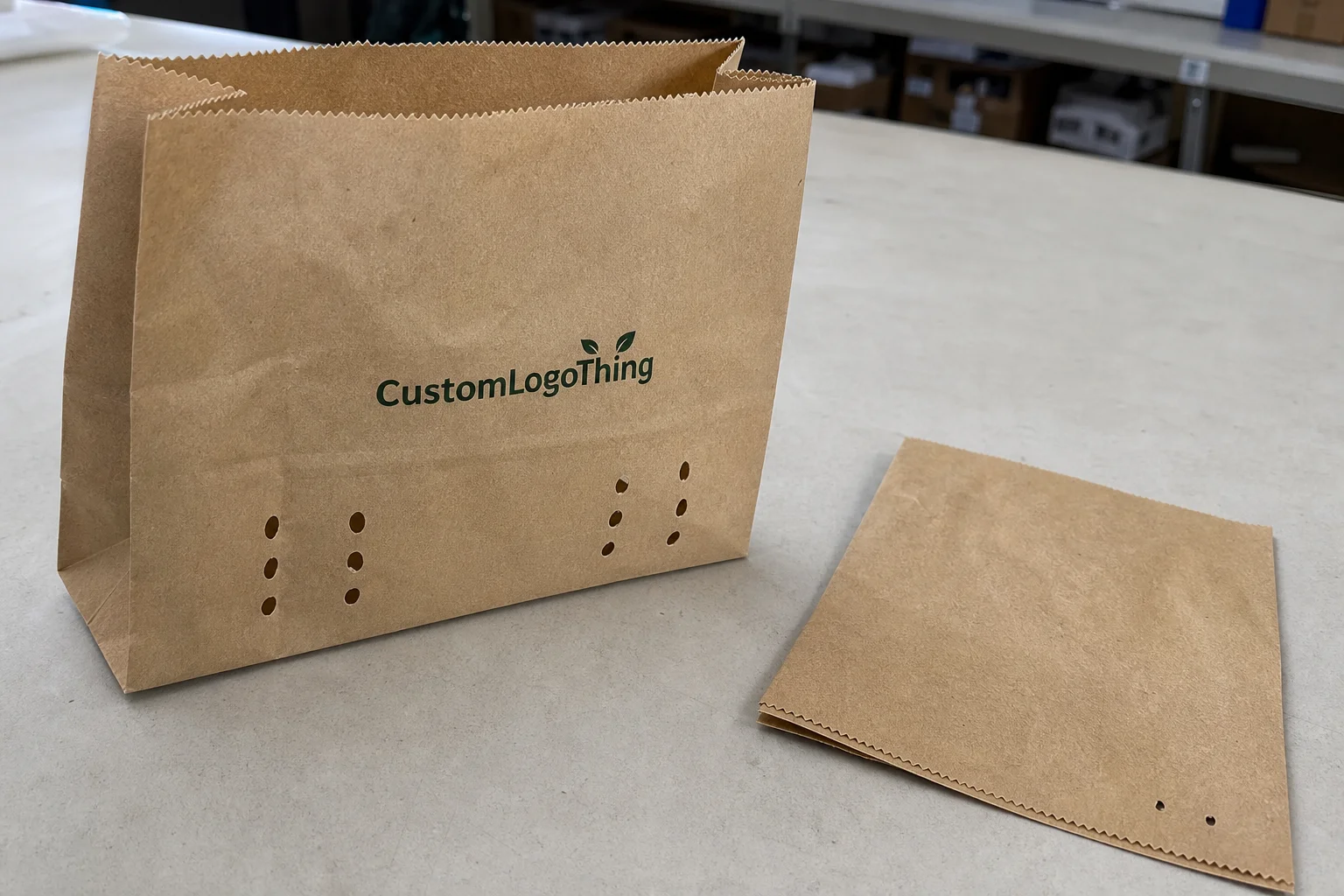
custom produce bags carry more responsibility than their modest footprint suggests. They are not simply a printed layer around lettuce, onions, apples, or herbs; they help manage moisture, protect delicate surfaces, speed up packing, and shape how shoppers read quality before they ever touch the fruit or greens.
Fresh produce is unforgiving. A film that holds condensation can make leafy items look tired long before they are actually spoiled. A bag that splits in a cooler slows down the crew and creates waste. A package that hides too much of the product can undermine sales because shoppers still want that quick visual check that says, “this looks fresh.” Small changes in packaging often affect shrink, labor, and presentation more than a new label design ever will.
Different buyers use produce packaging for different reasons. A farm stand may want simple branding that feels local and easy to recognize. A distributor may care more about barcodes, repeatability, pallet handling, and how the bag performs across several SKUs. A CSA program may need something light, affordable, and easy to pack quickly when volume rises and falls from week to week.
The practical brief is plain: keep produce presentable, compliant, and cost-controlled. Good packaging has to support shelf life, reduce damage, and still give the brand a clear identity. That balance is where most successful programs are decided.
“The bag is part of the product experience. If it slows staff down or traps moisture, the customer feels it long before they read the logo.”
How produce bag construction works: materials, ventilation, and closures
Most produce bags are built from four basic elements: a film, a gauge or thickness, a ventilation pattern, and a closure style. Some include handles. Some are packed on a wicket or in a roll so staff can dispense them quickly. Every one of those details affects how the bag behaves on the floor, in the cooler, and during transport.
Ventilation is one of the first things buyers should understand. Fresh produce continues to respire after harvest, which means it gives off moisture and heat. If the bag traps that moisture, condensation builds fast and can soften greens, blur print, and shorten shelf life. Perforations, micro-perforations, or a breathable structure help control that environment, although the right pattern depends on the crop and how it is packed.
Two materials come up often: low-density polyethylene and polypropylene. LDPE tends to feel softer and more flexible, which helps with puncture resistance and handling comfort. Polypropylene is usually crisper and clearer, which can be useful when visibility is part of the merchandising plan. Neither material is automatically better. The right choice depends on product weight, desired clarity, seal behavior, and the way the bag will be handled.
Print coverage affects presentation, but it also affects visibility. A fully printed bag can look polished and retail-ready, yet too much ink can hide the product and reduce the quick visual confirmation shoppers expect with fresh produce. That is why many buyers end up balancing logo placement, transparency, and airflow rather than treating graphics as the only priority.
Different crops place different demands on the construction. Leafy greens need better moisture management. Apples and citrus can usually tolerate heavier handling and benefit from clear visibility. Onions need a bag that breathes well and resists abrasion. Root vegetables often need a stronger film because dirt, stems, and rough surfaces create more wear during packing and distribution.
Closure style matters too. An open-top bag may be ideal when speed is the top concern in a packing room. A zip or seal closure can add convenience in certain retail or consumer-facing uses, but it may slow throughput and add cost. There is no universal answer here; the right choice depends on whether the bag is meant primarily for packing, transport, display, or some combination of those uses.
Buyers sometimes ask for stronger seals than the product actually needs. That can be a mistake. A bag that is overbuilt for the handling environment costs more and can slow packing without improving performance in any meaningful way. The better approach is to match the structure to the actual stress points: moisture, abrasion, stack pressure, or repeated handling.
Key specs to compare before ordering custom bags
Before anyone requests pricing, the spec sheet should be clean and specific. The most useful variables are bag size, film gauge, perforation count, print method, and load capacity. If those details are vague, comparing quotes becomes muddy very quickly.
Size should be based on the filled product, not on a rough guess. A two-pound bag of citrus behaves very differently from a two-pound bag of tender greens because density, shape, and surface texture all change the load profile. Sharp stems or rough edges usually justify thicker film. Thin material can lower unit cost by a fraction of a cent, then fail under stress and become much more expensive through waste, returns, or repacking.
Buyers should also ask for food-contact compliance information and any supporting documentation the supplier can provide. Depending on the application, that may include declarations tied to FDA food-contact expectations, internal quality records, or migration testing where relevant. For sustainability claims, ask for proof rather than marketing language. The FSC system is relevant when paper components or secondary packaging are part of the program, and it can help support broader brand claims when used correctly.
Source reduction also deserves a careful look. A lighter gauge is not automatically better if it leads to failures and product loss. Recycled content can help, but it may affect clarity, seal behavior, or consistency from run to run. Recyclability depends on local collection and processing infrastructure, not just the resin code printed on the package. Good procurement work usually means comparing tradeoffs instead of chasing slogans.
Warehouse handling matters as much as the produce itself. A bag that works at a calm farm stand may fail in a fast distribution environment where drops, stacking, pallet friction, and repeated handling are routine. Retail display adds another layer: the package still needs to look clean under bright lighting and be easy for staff to stock.
When reviewing specs, it helps to separate what is truly essential from what is merely nice to have. A high-clarity finish may be useful for one product line, while another may benefit more from ventilation or a stronger seal. Good buyers rarely ask for everything. They ask for the right few things that solve the real problem.
Spec comparison buyers can use
| Spec area | What to ask | Why it matters |
|---|---|---|
| Bag size | Filled dimensions, not flat size alone | Prevents overstuffing or wasted material |
| Gauge | Film thickness matched to product weight | Controls puncture resistance and handling durability |
| Perforation | Hole count, size, and placement | Helps manage moisture and respiration |
| Print method | Flexographic or other supported print process | Affects color detail, setup cost, and repeatability |
| Load capacity | Target weight with margin for real use | Reduces failures during packing and transport |
Custom produce bags cost, MOQ, and unit pricing factors
Pricing for custom produce bags usually comes down to five main drivers: resin cost, bag size, print colors, bag style, and quantity. Lead-time pressure can add a premium too. If a buyer needs a rush run during harvest or before a seasonal retail push, the factory may need to shuffle production capacity, and that tends to show up in the quote.
It helps to separate pricing into three layers. The first is sample or prototype cost. The second is setup cost, which can include plates, dies, or print preparation. The third is the unit price. Buyers sometimes focus only on the unit number and miss the setup charge, which makes the “cheap” quote more expensive on smaller orders.
For typical custom runs, unit pricing often falls as quantity increases because setup gets spread across more pieces. A small order might land in a range like $0.12 to $0.25 per bag depending on size and print coverage, while larger volumes can push the price down materially. Those figures are only directional. Gauge, ventilation, and print complexity can move them quickly.
Minimum order quantity matters a great deal for smaller growers and seasonal operators. If a buyer only needs one harvest window’s worth of bags, a high MOQ can force excess inventory and storage costs. On the other hand, a very small run may not justify setup charges well. That is why many buyers should compare several quantity tiers rather than asking for a single best price.
Here is a practical way to compare quotes without chasing the lowest number blindly:
- Match the same bag size and gauge across every quote.
- Confirm the same print coverage and number of colors.
- Separate setup charges from unit pricing.
- Ask whether samples, plates, and freight are included.
- Check whether the quote assumes stock material or fully custom production.
That last point gets overlooked often. A quote built on stock components may look attractive, but if the design or ventilation pattern is wrong for the produce, the savings disappear quickly. Packaging has to perform in use, not only on a spreadsheet.
There are also hidden costs that show up after approval if the spec was rushed. Reprints, missed delivery windows, and product damage can easily outweigh a small savings on the bag itself. Buyers who manage packaging as a system tend to spend less over the full season because they reduce avoidable changes and emergency orders.
Process and lead time: from artwork to production steps
The ordering process is usually straightforward, but each stage can slow down if the buyer is not prepared. It starts with specs confirmation, then artwork review, proofing, approval, production, and shipping. If any step is unclear, the schedule stretches.
Artwork issues are a common source of delay. Missing dielines, low-resolution logos, color corrections, and unclear legal copy can each add back-and-forth. Barcode problems cause trouble too. A barcode that scans perfectly on a screen may fail on the package if the contrast, size, or quiet zone spacing is off. That is not a minor detail; it can stop a package from moving through the line.
Stock customization and fully custom production are not the same thing. Stock customization may involve printing on an existing format, which can shorten the timeline. Fully custom production gives more control over size, perforations, and structure, but it takes longer and usually requires more detailed approval.
Physical samples are worth the time. A screen proof shows placement. A real sample shows stiffness, transparency, handling, and how the material behaves when loaded. For fresh produce, that hands-on check often separates a package that simply looks good from one that actually works in the cooler and on the sales floor.
Lead time is not only factory time. Freight planning matters too, and so does seasonal demand. If a buyer needs bags before a harvest peak or a retail promotion, the actual turnaround may be longer than the production slot alone suggests. Experienced buyers usually count backward from the use date, not from the purchase order date.
Typical timelines vary widely. A straightforward stocked format with simple print may move relatively quickly, while a fully custom bag with new tooling, detailed artwork, or special compliance review can take several weeks longer. The safest schedule is the one that leaves room for revisions and shipping delays, because those delays are common enough to plan for.
For buyers who want a broader reference point on packaging performance, the ISTA standards are useful for thinking about transit testing and package resilience. Produce bags are not corrugated shippers, but the logic is similar: packaging has to survive the handling chain, not just pass a spec sheet review.
Common mistakes buyers make with printed produce packaging
The first mistake is guessing the bag size. If the filled product volume is not measured, the bag often ends up too small or too loose. Too small creates stress and tearing. Too loose creates poor presentation and wasted material. Either way, the packaging program pays for the guess.
The second mistake is over-printing. Shoppers buying fresh produce usually want to see what they are getting. If the graphics dominate the surface, the bag starts to feel more like a promotional item than a food package. That is especially true for transparent or semi-transparent formats where visibility is part of the sales appeal.
Another common error is choosing the thinnest film just to hit a target price. Thin material can be fine in some cases, but it backfires when the product has stems, corners, moisture, or rough handling. A few extra microns may save more money than they cost if they prevent tears, returns, or repacking.
Ventilation gets ignored more often than it should. High-moisture items need airflow that fits their respiration rate and handling conditions. A bag that works for dry root vegetables may not be acceptable for herbs or leafy greens. That is basic packaging engineering, yet it still gets missed in rushed sourcing cycles.
Artwork often gets approved before the technical details are checked. Barcodes, product descriptors, weight statements, and color legibility all need to be reviewed before production starts. A polished proof is not enough. Retail packaging has to function under scanner lights, in humid coolers, and in the hands of staff who are moving quickly.
There is also a tendency to forget how packaging choices interact with store operations. If a bag is hard to dispense, difficult to seal, or awkward to stack, it slows workers down every day. That kind of friction rarely shows up in an initial quote, but it shows up in labor and handling costs later.
“A good-looking bag that fails in handling is not a good bag. It is a future chargeback.”
Practical next steps to spec the right bag and request a quote
Before contacting a supplier, build a clean inventory of the produce you actually ship: SKU names, average weight, unit dimensions, handling method, and whether the bag is for packing, transport, or retail display. That one step prevents a lot of expensive guessing.
Then gather the supporting pieces: artwork files, compliance requirements, target order volume, preferred delivery window, and any constraints tied to store fixtures or warehouse equipment. If you have a sustainability target, state it clearly. It may affect gauge, material choice, or recycled content options.
Ask for side-by-side quotes on two or three versions. For example: one with standard film, one with downgauged material, and one with different print coverage. That comparison helps reveal the real cost driver. Sometimes the best savings come from changing the structure, not from negotiating the per-unit rate alone.
Request a sample or mockup before final approval. It is far easier to correct an airflow issue, a logo placement problem, or a fill-volume mismatch on a sample than after 50,000 pieces are printed. That is true whether the buyer is ordering custom produce bags, custom printed boxes, or another branded packaging component.
If you are building a broader packaging mix, it can also help to review related formats in the Custom Packaging Products range. Fresh produce rarely exists in isolation; in many operations, the bag, label, shipper, and secondary wrap need to behave like one system.
The cleanest decision path is simple: define the produce, define the performance, compare the true unit cost, then lock the production plan. Done well, custom produce bags stop being a line item and start doing what packaging should do: protect the product, support the brand, and keep operations moving.
FAQ
What are custom produce bags used for in grocery packaging?
They protect fresh produce during handling, transport, and display while also carrying branding or handling instructions. In many programs, they help manage moisture, improve pack-out speed, and support a more consistent customer presentation.
How do I choose the right size for custom produce bags?
Measure the filled product volume and weight, then match the bag to how the produce will be packed, stacked, or hung. If the item has sharp edges, irregular shapes, or extra moisture, allow margin for both fit and durability.
What affects the price of custom produce bags the most?
Material choice, bag size, print complexity, order quantity, setup Costs, and Turnaround pressure usually matter most. A quote with the same unit price can still cost more overall if the setup fee is high or freight is excluded.
How long does it take to produce custom produce bags?
Timing depends on artwork approval, proofing, sample needs, production capacity, and shipping distance, so buyers should plan ahead. If the order needs special compliance review or a physical sample sign-off, the timeline usually extends.
Can custom produce bags be made with sustainability in mind?
Yes, buyers can evaluate recycled content, downgauging opportunities, material efficiency, and recyclability requirements with the supplier. The best choice depends on the product, local waste systems, and whether the material still performs well in real handling conditions.


