Custom promotional tote bags stay useful long after the booth is packed up and the event staff has moved on. A tote handed out at a trade show may end up carrying groceries, office supplies, gym clothes, samples, or catalog stacks for months afterward, which gives one giveaway a far longer life than a flyer or a low-value insert. For buyers trying to make budget go further, custom promotional tote bags often earn their place because they combine utility, visibility, and a low cost per impression.
They also sit in a practical middle ground for packaging and merchandising teams. They are not rigid custom printed boxes, but they still act like a branded surface that travels. That makes them useful in retail packaging, event handouts, employee kits, and even package branding programs where the bag becomes part of the overall presentation. In plain terms, a tote is a reusable carrier with a lot of branding area and enough utility to stay in circulation.
“The strongest promo item is usually the one people keep using. If it leaves the venue and keeps moving, the brand keeps moving with it.”
That is one reason totes appear in so many programs, from pop-up shops to onboarding kits. Compared with many one-time-use items, they offer repeated exposure and a better chance of real-world use. When the construction is solid and the artwork is clean, the bag can stay in service for months, sometimes longer.
What Custom Promotional Tote Bags Are and Why They Punch Above Their Weight
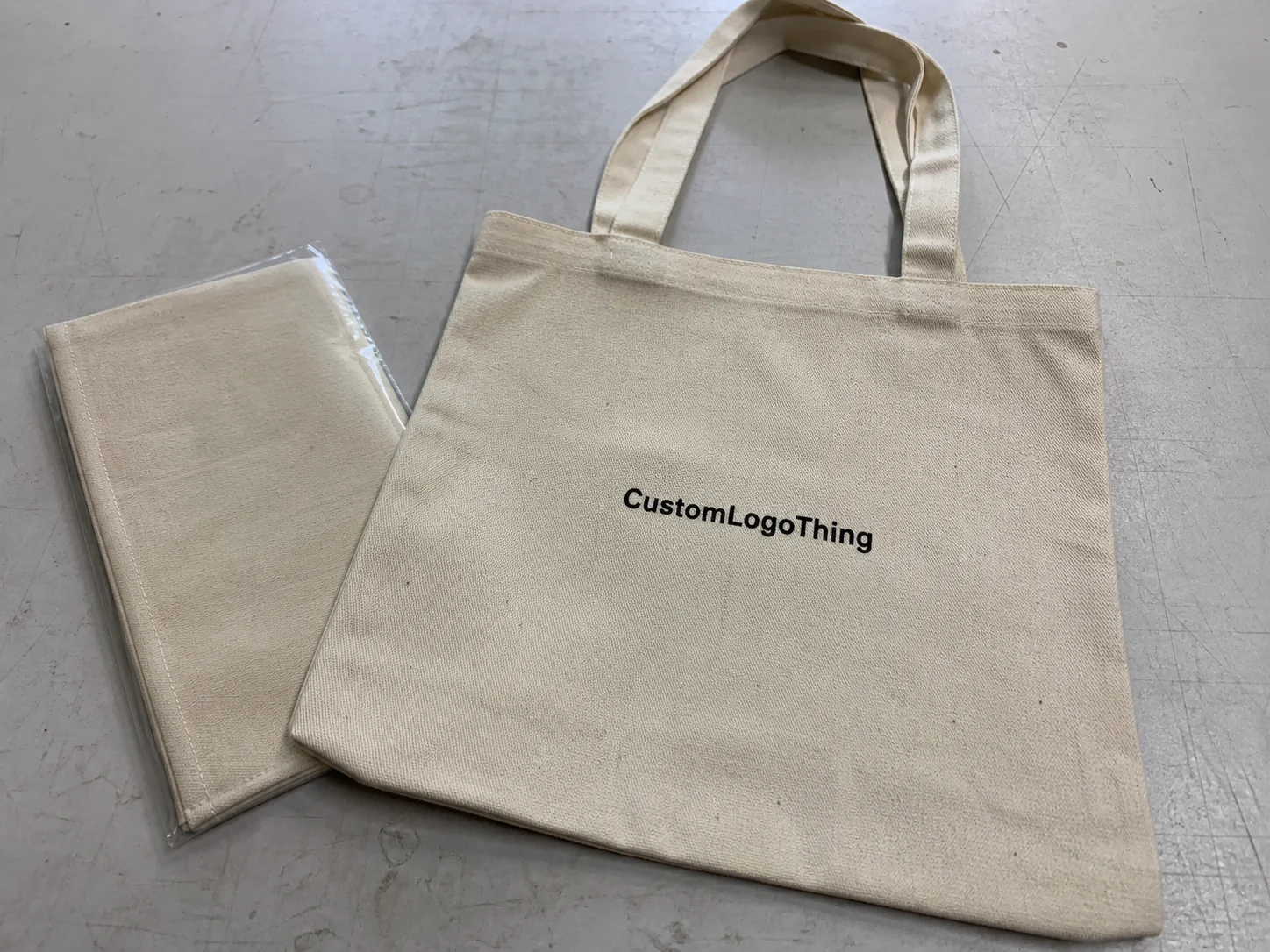
At the simplest level, custom promotional tote bags are reusable carry bags printed with a logo, campaign message, artwork, or slogan. They can be flat or gusseted, lightweight or premium, folded or structured. The point is not decoration for its own sake; it is giving a brand repeated exposure every time the bag carries lunch, literature, samples, or groceries.
That repeated use is what gives totes an unusual place in marketing math. A bag may cost only a small amount at volume, depending on the material and print method, but if it gets used 20, 30, or 50 times, the cost per impression drops fast. Not every bag will get that kind of life, of course. A thin event tote may end up in a closet or a recycling bin. A sturdier reusable bag with a clear imprint has a much better chance of staying in rotation.
They are especially common in:
- Retail packaging for stores that want a more polished carryout experience.
- Trade shows and conferences where attendees need something useful immediately.
- Employee welcome kits, where the tote becomes part of the onboarding presentation.
- Community events and nonprofit campaigns that need a handout with staying power.
There is also a sourcing advantage. Tote bags are easier to customize than many packaging formats because they do not require a rigid structure, folding pattern, or complex insert system. In many programs, that keeps setup manageable and minimums reasonable. For seasonal promotions, regional campaigns, or limited runs, that flexibility matters.
From a buyer’s perspective, the real comparison is not tote versus tote. It is tote versus other branded touchpoints. A brochure might be read once. A hoodie costs more and reaches fewer people. A tote sits in the middle: visible, reusable, and often economical enough to distribute in meaningful volume.
How the Tote Bag Printing Process Works
The production path is usually straightforward, but the details are where orders are won or lost. Most projects start with artwork submission, then digital proofing, then sample approval if needed, followed by production, quality control, and packing. If the proof stage gets rushed, small problems can become expensive later. Misplaced logos, low-resolution files, and off-color imprints are the usual trouble spots.
Common decoration methods include screen printing, heat transfer, and full-color printing. Screen printing is the workhorse for simple logos, strong spot colors, and larger runs. It is usually the most economical option when the artwork uses one to three colors and has a clear imprint area. Heat transfer is useful for more detailed graphics or smaller quantities, though it can raise the unit cost. Full-color printing fits artwork with gradients, photographic elements, or more complex color transitions, but it is not ideal for every fabric or every run size.
Material and print method have to work together. A smooth polypropylene surface usually holds crisp graphics better than a rough woven fabric. Canvas can look premium, but the texture affects how fine details resolve. The sharper the artwork needs to be, the more the substrate matters.
Good design choices reduce production risk. Strong contrast, clean line weights, and fewer tiny details almost always print better. A logo that already feels crowded on a screen usually becomes harder to read on a moving tote, especially once folds, seams, and handle placement come into play. Practical design is less about adding elements and more about deciding what will survive the print process cleanly.
Proofing is the key checkpoint. This is where the buyer confirms bag size, imprint placement, ink colors, and general expectations. If the proof shows the logo sitting too low, too close to the seam, or too small for the bag, that is the time to speak up. It is much cheaper to correct a file than to reprint finished inventory.
If the tote is part of a broader branded program, review the rest of the collateral at the same time. A bag built around one color palette while the inserts or labels use another can make the whole package feel disconnected. For broader sourcing, see Custom Packaging Products that support retail packaging and event presentation.
Cost and Pricing Factors That Change Your Quote
Pricing for custom promotional tote bags usually comes down to a handful of variables, and the quote often makes sense once you know what to look for. The biggest drivers are bag material, print colors, artwork complexity, bag size, and quantity. Each one affects material usage, labor, setup, or packing.
Quantity has the clearest effect on unit price. For most bag programs, the minimum order quantity spreads setup and print preparation across more pieces, which usually lowers the cost per bag. A 250-piece order will almost always cost more per unit than a 2,500-piece run with the same artwork. That is not a trick. It is the normal effect of setup economics.
Material is usually the next major factor. Basic non-woven polypropylene is often the most economical choice for events and volume giveaways. Woven polypropylene, canvas, laminated finishes, and recycled-content materials typically cost more because they use more material, require more processing, or both. Premium options may also need more careful handling during print and packing.
Artwork complexity matters more than many buyers expect. A one-color logo is simpler than a full-wrap graphic or a design that needs multiple print locations. Front, back, and gusset printing add setup time and often increase color registration requirements. If the objective is the lowest upfront spend, simpler decoration usually helps. If the goal is stronger perceived value, a slightly higher unit price may be worth it, especially when the bag gets reused often.
Below is a practical comparison of common tote styles and what they usually signal for buyers. The ranges are indicative, not guaranteed, because supplier pricing changes with material market conditions, freight, and order detail.
| Bag style | Typical use case | Indicative unit cost at volume | What drives the price |
|---|---|---|---|
| Non-woven polypropylene | Events, giveaways, campus programs | $0.40-$1.10 | Low material cost, simple screen print, high quantities |
| Woven polypropylene | Retail carryout, durable promo use | $0.75-$1.80 | Higher durability, stronger handles, better reuse |
| Canvas or cotton | Premium gifting, brand merch, employee kits | $1.50-$4.50 | Heavier fabric, premium feel, higher print expectations |
| Laminated or structured tote | High-impact retail packaging, premium campaigns | $1.80-$5.00+ | Lamination, structure, larger print areas, more finishing steps |
Single- or multi-location printing can move the price as well. A one-side logo on a standard tote is simpler than printing front, back, and gusset. If budget is tight, keep the decoration plan focused. If the bag is meant to project more value, a slightly higher spec can be justified by the extra use it gets in the field.
One useful budgeting question is this: do you want the cheapest tote, the best-looking tote, or the tote that keeps working longest? Those are not the same thing. Buyers sometimes try to get all three from the lowest-cost spec, and that usually leads to disappointment.
Choosing Materials, Sizes, and Print Specs That Fit the Job
Picking the right tote starts with use case, not price. A lightweight event handout has very different needs from a grocery-style carrier or a premium gift bag. If the material or dimensions are wrong, the bag may look fine on a sample sheet and still fail in use.
Main material choices include polypropylene, non-woven, woven, canvas, and recycled-content options. Non-woven polypropylene is common because it is light, cost-effective, and easy to decorate. Woven polypropylene usually feels stronger and more durable. Canvas has a more premium hand feel, but it weighs more and can push the budget up quickly. Recycled-content options are increasingly common for buyers who want a sustainability angle without moving into a more expensive premium build.
Size and structure are not cosmetic choices. Handle style, gusset depth, and weight capacity all affect usability. A flat tote may be fine for brochures and catalogs, but a gusseted bag handles boxes, bottles, or folded apparel much better. Handle drop matters too. If the handles are too short, the bag is awkward to carry over the shoulder. Too long, and it swings low and feels sloppy in use.
Print specs matter just as much. The imprint area has to fit the artwork without crowding seams or folds. Dark bags limit color options unless the print process uses an underbase or white ink. Light bags are more forgiving, but not every material accepts the same level of detail. Color contrast is your friend here. A logo that looks clear on a screen can disappear on a textured navy tote if the contrast is weak.
It helps to think of the tote as a branded tool, not just a container. A useful bag gets reused. A useful bag travels. And every extra trip around town is another impression for the brand.
For brands already investing in product packaging, the tote can echo the visual language of cartons, labels, and inserts. That consistency makes the whole presentation feel more intentional. Buyers often focus on the tote alone, but package branding works better when the bag fits the wider system.
Production Steps, Timeline, and Lead Time Expectations
A typical tote order follows a predictable path: quote, artwork setup, proof approval, manufacturing, quality check, and shipping. Simple stock bags with basic decoration can move quickly, but the schedule stretches when materials are special, artwork is complex, or freight takes longer than expected.
For many programs, standard turnaround often lands around 12-15 business days after proof approval for straightforward orders. That is a common benchmark, not a promise. Stock availability, print method, and material choice all affect timing. If the bags need special sourcing, custom sizing, or multi-location decoration, the schedule can extend. International sourcing can add days or weeks depending on freight routing and customs clearance.
Rush orders are possible in some cases, but they usually narrow the options. Buyers may need to choose from in-stock colors, reduce print complexity, or accept a higher unit cost. That tradeoff is normal. Speed costs money, and speed also limits the material and decoration choices available.
The best way to protect a launch date is to approve artwork quickly. Delayed approvals create a chain reaction: production waits, shipping slips, and the event team ends up with bags arriving after the campaign has started. If the date is fixed, work backward and build time for revisions.
If the tote order is part of a larger packaging rollout, coordinate the schedule with the rest of the branded components. Labels, inserts, and custom printed boxes may follow different production paths, and one delay can affect the whole release. Cross-functional planning matters more than most teams expect.
For buyers who want to think beyond appearance and into handling or transit, packaging organizations such as packaging.org and testing bodies like ista.org are useful references. If the tote is part of a broader packaging or fulfillment workflow, those standards help frame expectations around performance, shipping, and handling.
Common Mistakes Buyers Make Before Ordering
Most tote mistakes are preventable. The issue is usually not the product itself. It is the spec sheet, the artwork file, or the assumptions made before the quote. Buyers send designs that look fine on a laptop but fall apart at print size. Tiny text, hairline details, and low-resolution files are common troublemakers.
Another frequent misstep is choosing the lowest price without checking weight capacity, handle strength, or reuse potential. A cheap bag that tears after two uses is not a bargain. It is a short-lived impression. If the tote needs to carry catalogs, bottles, or apparel, the load requirement should be part of the decision from the start.
Under-ordering can be expensive in its own way. Ordering too few units can raise the unit price and leave the campaign short before the event ends. It may feel cautious to keep volume low, but if the tote performs well, shortages create more friction than savings.
Unclear brand guidelines also cause avoidable problems. If the logo has a strict color reference, share it. If there are minimum clear-space rules, include them. If the brand team cares about exact placement, say so before proof approval. A little clarity at the start saves a lot of back-and-forth later.
Finally, skipping sample review can turn a minor issue into a costly reprint. A proof is not a formality. It is the point where misaligned logos, weak contrast, and size mistakes get caught before they become finished inventory. That matters even more when the tote supports retail packaging or a highly visible public campaign.
Expert Tips for Better ROI on Custom Promotional Tote Bags
If the goal is return on investment, design for repetition. A sturdy bag with a simple, high-contrast imprint usually outperforms an intricate design that looks clever but gets ignored or discarded. The most effective totes are often the least fussy ones.
Match the tote to the audience. That sounds obvious, but it gets missed constantly. A premium canvas tote may fit a boutique customer or executive gift, while a non-woven event bag makes more sense for a conference crowd that values volume and practicality. The audience determines what gets carried after the event, not just what looks good in the presentation mockup.
Ask for proof details, material swatches, and clear guidance on print limitations. A supplier can usually tell you whether a design needs simplification, whether a certain ink will work on a specific fabric, or whether a seam will interfere with placement. Those checks save money and reduce revisions.
A slightly higher unit price can be justified if the bag lives longer and gets more use. That is the part many buyers miss. A tote that costs 30% more but doubles reuse can still be the better buy. The math is not only unit price; it is cost per impression.
Here are a few practical ways to improve outcomes:
- Use one strong logo version instead of crowding the bag with multiple messages.
- Choose colors that keep contrast on the selected bag material.
- Keep the design large enough to read from a few feet away.
- Ask whether the bag will be folded, boxed, or bulk packed for distribution.
- Plan one tote design that can work across events, retail, and employee gifting.
If the program spans multiple channels, that last point is especially useful. One tote style can support retail packaging at the store, trade show giveaways at the booth, and internal recognition kits in the office. Reuse across channels improves efficiency and makes the brand feel more consistent.
For sustainability-minded buyers, a recycled-content tote or a bag with FSC-aligned paper components elsewhere in the package system can support a broader environmental message. The U.S. EPA has useful guidance on waste reduction and materials management at epa.gov. Sustainability claims should always match the actual material spec, though. Vague green language rarely holds up well under scrutiny.
That is where honest sourcing pays off. If the bag is meant to be a workhorse, specify durability. If it is meant to be a premium gift, specify hand feel and finish. If the program is mainly about reach, choose a clean, cost-effective format that can be distributed widely. Custom promotional tote bags can do all three jobs, but not with the same construction every time.
What affects the price of custom promotional tote bags the most?
Material choice, print colors, bag size, and quantity are the biggest pricing drivers. Larger orders usually reduce unit cost, while premium materials and more complex artwork increase it.
How long does production usually take for custom promotional tote bags?
Typical timing depends on stock levels, decoration method, and how quickly proof approval happens. Rush orders are possible in some cases, but they usually limit customization and raise cost.
Which material is best for reusable promotional tote bags?
Non-woven polypropylene is often a cost-effective choice for events and giveaways. Woven, canvas, or recycled-content options work better when durability and premium feel matter more.
How many custom promotional tote bags should I order?
Base the quantity on attendee count, distribution channels, and how long the campaign will run. Ordering above the minimum can lower unit cost and help avoid shortages.
What artwork works best on promotional tote bags?
Simple logos, bold typography, and high-contrast color combinations usually print cleanly. Avoid very small text or highly detailed art if the bag material or print method has limited resolution.
Done well, custom promotional tote bags are more than a giveaway. They are reusable, visible, and surprisingly efficient when the material, print method, and order size are chosen carefully. Buy for reuse, proof the art carefully, and treat the tote like a moving part of your branded packaging system. That is how the bag keeps working long after the first handoff.


