Custom Rigid Setup Boxes shape the first physical impression of a product. The weight, stiffness, and clean opening signal value before the item is even seen. That is why buyers use them for premium retail, gifts, cosmetics, accessories, and electronics.
They also affect practical decisions. Unlike folding cartons, rigid boxes do not ship flat, so they change storage, freight density, and assembly planning. If the specification is right, they protect the product and improve presentation. If the specification is wrong, they become a cost problem with a fit problem attached.
That tradeoff is the reason these boxes keep showing up in premium packaging programs. They are not just decorative. They are a structural choice that influences brand perception, packing speed, and landed cost.
What Custom Rigid Setup Boxes Actually Change
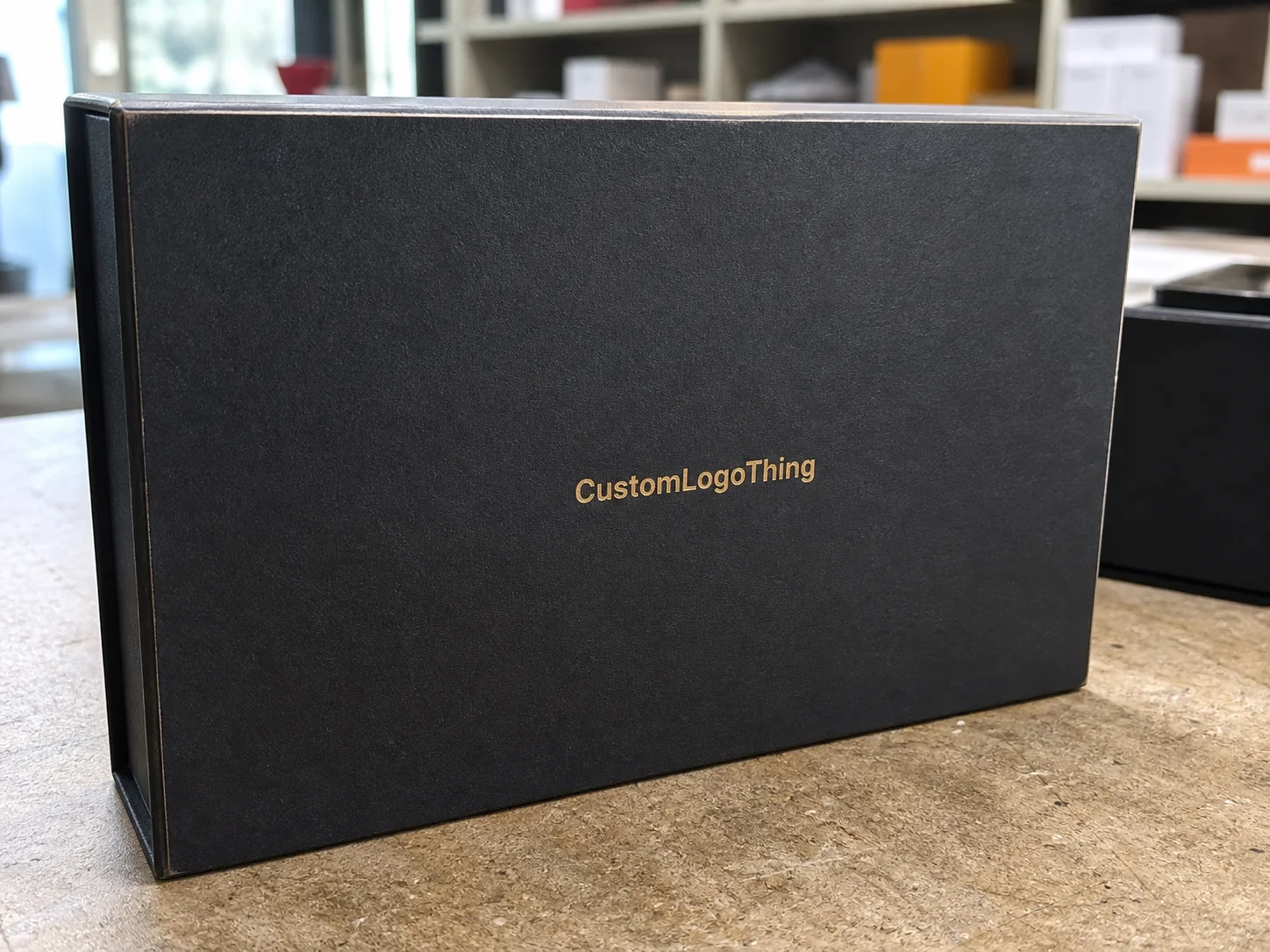
Custom rigid setup boxes change perception first and logistics second. Buyers often focus on appearance, then realize the format affects warehousing, shipping, and handling more than expected. Because the box is built as a permanent structure, it takes more space than a flat pack carton and usually requires more careful inventory planning.
They also change how long packaging stays visible to the customer. Many rigid boxes are kept and reused for watches, skincare items, cables, keepsakes, or documents. That reuse gives the packaging a longer brand life than a disposable carton. The logo, texture, and finish can keep working after the purchase is complete.
The best fit is where presentation and product value need to rise together. Gift sets, subscription kits, corporate gifts, fragrances, jewelry, and premium electronics are common examples. In those categories, the box contributes to the sale. For low-margin products or heavy warehouse distribution, the extra cost may not justify the format.
How the Box Structure Works From Board to Finish
The core of a rigid box is chipboard or greyboard, usually around 1.5 mm to 3 mm thick. That board provides stiffness and shape retention. The visible surface is then wrapped in printed paper, specialty paper, textured stock, or another decorative outer layer.
Different structures solve different needs. A lid-and-base box is simple and stable. A shoulder box creates a more premium reveal. Book-style boxes work well for sets and certificates. Drawer-style boxes add motion and are often used for cosmetics and jewelry. Magnetic flap boxes feel more like presentation cases, but they require tighter tolerances and more assembly control.
That structure affects cost and defect risk. A basic two-piece box is usually easier to produce than a magnet-closure book box. Drawer formats need closer fit control so the tray moves smoothly. Small design changes often have a larger pricing effect than buyers expect.
Inserts are just as important as the shell. Without the right insert, a premium box can still let the product shift in transit or sit off-center at unboxing. Common options include:
- Paperboard inserts for lightweight items and cost control
- Foam inserts for higher protection and tighter presentation
- Molded pulp for a fiber-based option with lower plastic content
- Specialty trays for kits with multiple parts or unusual shapes
Finish choices affect both appearance and durability. Matte lamination hides some handling marks and looks restrained. Soft-touch feels premium but can scuff if mishandled. Gloss increases color impact, though fingerprints may show. Foil stamping, embossing, debossing, and spot UV can lift shelf presence, but each adds registration risk and another production step. For paper-based sourcing and recycling context, the EPA recycling guidance is useful when sustainability claims appear in the brief.
The key point is that board, wrap, insert, and finish work as one system. Changing one often requires adjusting the others. Treating them separately is how packaging gets expensive without getting better.
Spec Drivers That Control Fit, Protection, and Appearance
Internal fit is the first spec that determines whether the box works. The product has to sit properly inside the insert and clear the closure without pressure. Too much space creates a loose presentation. Too little creates compression, corner damage, or a lid that sits unevenly.
Board thickness is the next major lever. A 2 mm board may be enough for a compact accessory set, while a heavier electronics package may need thicker board or a reinforced tray. Thicker board sounds stronger, but it can also raise freight cost and make the box feel overbuilt if the product does not need it.
Insert design is often underestimated. A precision-cut insert speeds packing and improves consistency. A loose insert slows operations and makes alignment harder. If a box holds multiple components, the insert should guide loading, not just restrain movement.
For finish selection, the practical differences are easier to compare side by side:
| Finish | Look and Feel | Typical Cost Impact | Durability Notes |
|---|---|---|---|
| Matte lamination | Clean, understated, modern | Moderate | Good general scratch resistance |
| Soft-touch lamination | Velvety, premium, tactile | Higher | Can show scuffing with rough handling |
| Gloss lamination | Bright, polished, vivid color pop | Moderate | Visible shine, but fingerprints may show |
| Foil + emboss | High-contrast, premium accent | Higher | Strong for logos; needs accurate die alignment |
Color control deserves attention too. A PDF proof is not enough if the brand depends on a precise shade or a dark wrap. Soft-touch coatings, uncoated papers, and textured stocks all shift color differently. If the logo must read cleanly, ask for a physical reference or an approved previous sample. Good custom printed boxes reproduce the brand accurately, not approximately.
There is also a logistics angle. A slightly larger box can increase freight cost through dimensional weight or worse pallet efficiency. Packaging spec should always be tied to shipping reality. A box that looks premium but damages margin in transit is a weak design.
Production Steps, Timeline, and Lead Time Tradeoffs
Most projects follow the same sequence: brief intake, structural review, quoting, dieline setup, artwork prep, sampling, production, packing, and shipping. The sequence is standard. The timing is not. One delayed approval or one insert revision can move the whole schedule.
For typical jobs, production may take about 12 to 20 business days after final approval. Sampling adds time, and freight adds more. If the shipment is international, customs and port timing can change the real launch date even when factory production is on track.
Delays often come from the buyer side. Artwork circulates too long between marketing, operations, and leadership. Dieline changes arrive after graphics are nearly final. Compliance notices appear late. These are process problems, not manufacturing surprises.
Rush production is possible in some cases, but speed has a cost. Shorter lead times compress review windows and increase the chance of rework. Saving a week only matters if the box ships correctly the first time.
For fragile or high-value items, transport testing should not be optional. Standards such as ISTA testing methods help evaluate how packaging behaves under vibration, compression, and drops. Not every project needs a full formal test, but a retail or parcel box should be checked against real shipping conditions, not only a desk sample.
Pricing, MOQ, and Quote Variables That Move Unit Cost
Pricing for custom rigid setup boxes usually drops as quantity rises, but not in a straight line. At lower volumes, setup, sampling, and tooling dominate the unit cost. At higher volumes, material yield and assembly efficiency improve, but freight, storage, and packing labor still matter.
As a buyer-side benchmark, a simple rigid box with standard print and a basic insert can land around $1.20 to $3.50 per unit at moderate volumes. More complex designs with magnetic closures, foil, soft-touch lamination, or intricate inserts can cost more. Small runs are usually much higher per unit because fixed setup costs are spread across fewer pieces.
MOQ is shaped by board yield, die-cut efficiency, material sheet size, and assembly complexity. A compact two-piece box may allow a lower minimum than a large magnetic book box with specialty wrapping. The buyer often sees one MOQ number; the production team sees waste, labor, and setup behavior.
These are the cost variables that should be visible in a serious quote:
- Box size and board thickness
- Wrap material and coverage area
- Insert type and cut complexity
- Finish work such as foil, emboss, deboss, or lamination
- Sampling and revision rounds
- Freight, storage, and split shipments
Ask for line-item pricing whenever possible. A quote that separates the shell, insert, sample cost, freight, and revision charges is easier to verify and compare. If those parts are hidden in one lump sum, it becomes harder to see where the project can drift later.
Oversized packaging is another quiet cost driver. A box that seems only slightly larger can push freight up through dimensional weight or poor pallet fit. Packaging procurement should look at the box and the logistics math together.
Common Mistakes That Blow Up Cost or Cause Rework
The most common mistake is approving artwork before the dieline is final. Bleed, safe area, fold positions, and closure zones all affect the final result. If those are still changing, the artwork is not ready.
Fit issues come next. Products vary more than teams expect. A label adds thickness. A cable coils differently than planned. A glass bottle sits higher than the prototype. In rigid packaging, a small measurement error can create a large production problem.
Finish choices can also backfire if they are selected for style without testing how the box will be handled. Soft-touch marks more easily than many teams expect. Gloss exposes scratches. Foil looks strong when aligned properly, but poor registration makes the entire box feel off.
“The sample looked great on the desk, but the real test was whether it still looked clean after packing, shipping, and store handling.” That is the right standard for retail packaging.
Slow approvals create another kind of waste. Marketing wants the logo darker. Operations wants a faster packing sequence. Compliance needs more text. Each request may be reasonable, but together they push the project into rework. Buyers who define one approval chain, one owner, and one sign-off deadline usually save more time than buyers who push only on unit price.
Expert Buying Tips for Better Samples and Cleaner Approvals
If the launch matters, request two sample stages: a structural sample and a finished sample. The first checks fit, proportions, closure behavior, and tray geometry. The second checks color, finish, and print quality. Separating them avoids approving a beautiful box that still performs badly.
Ask for a tolerance sheet before production starts. It should define overall dimensions, insert fit, acceptable print variation, closure performance, and finish limitations. That removes ambiguity later and makes approvals faster.
Test the sample as the customer will. Put the actual product inside. Open and close it several times. Check whether the insert speeds packing or slows it down. Look at the box from normal shelf distance, not just from a design monitor. For mail-shipped products, drop and vibration tests are worth doing when the product is fragile or high value.
If sustainability claims are part of the brief, ask about fiber sourcing early. FSC-certified paper can matter when verified sourcing is required, and the FSC standards provide a practical framework for paper-based materials. That does not make the whole box sustainable by default, but it does make the sourcing story easier to document.
Texture matters more than many teams expect. A soft-touch surface, an uncoated wrap, or a textured specialty paper can carry more identity than a louder graphic system. For custom rigid setup boxes, tactile choice is often the difference between a box that is merely attractive and one that feels specific to the brand.
What to Send Before You Request a Quote
Quote delays usually come from incomplete information. If you want reliable pricing for custom rigid setup boxes, send the core details upfront: product dimensions, quantity, insert needs, finish preferences, artwork status, and target launch date. If you know the budget range, include that too. It helps the supplier suggest a structure that fits the brief instead of guessing.
Product photos help more than most buyers realize. So do notes on fragile parts, label thickness, product variation, or compliance copy that must appear on the box. If the packaging has to fit retail display rules or club-store constraints, say that directly. The quote should reflect the actual use case, not a generic container.
Before approval, separate the schedule into three blocks:
- Sampling - dieline, mockup, and approval rounds
- Production - printing, wrapping, assembly, and QC
- Transit - freight, customs if needed, and delivery
That split makes risk visible and makes vendor comparison more honest. One supplier may look faster on paper, but if sample timing is vague or freight is tight, the total project can still land late. Clear assumptions are better than optimistic promises.
For teams planning a broader packaging system, reviewing Custom Packaging Products can help place rigid boxes alongside inserts, printed cartons, and related formats without building the program piecemeal. Packaging works better when the parts were chosen with the same logic.
Rigid setup boxes earn their place when the product, margin, and presentation goal justify them. Used well, they protect the item, sharpen the brand, and keep the packaging from becoming disposable clutter. Used poorly, they turn into an expensive surface with a fit problem. The difference usually comes down to the spec sheet, the sample discipline, and how much of the real use case was defined before the first quote.
FAQs
How are custom rigid setup boxes different from folding cartons?
Rigid setup boxes use thicker board and arrive with a permanent, non-collapsible structure. Folding cartons are lighter and ship flat, which makes them cheaper and easier to store, but they do not deliver the same weight, feel, or shelf presence. Rigid boxes are better for premium goods, gift sets, and products where presentation affects perceived value.
What information should I include in a custom rigid setup box quote request?
Send product dimensions, quantity, insert requirements, finish preferences, artwork status, and your target launch date. If you have a budget range, include it as well. Product photos, compliance notes, and comments about fragile parts can improve quote accuracy and reduce revisions later.
What drives the price of rigid setup boxes the most?
Board thickness, wrap material, insert complexity, and finish choices are the biggest price drivers. MOQ also matters because setup costs are spread across fewer units at small volumes. Freight can move the total significantly, especially for large or heavy boxes.
How long does a rigid setup box project usually take?
Many projects take about 12 to 20 business days after final approval, but sampling and freight can extend that timeline. Delays often happen during artwork review, dieline changes, and approval cycles. If the launch date is fixed, the schedule should be split into sampling, production, and transit.
What MOQ should I expect for custom rigid setup boxes?
MOQ varies by size, structure, finish, and insert design. Simpler boxes usually allow lower minimums, while magnetic or highly finished boxes often require higher volumes. If the order size is uncertain, ask for pricing at multiple quantity tiers so you can see where the unit cost improves.

