Why cheap round stickers still need to look clean
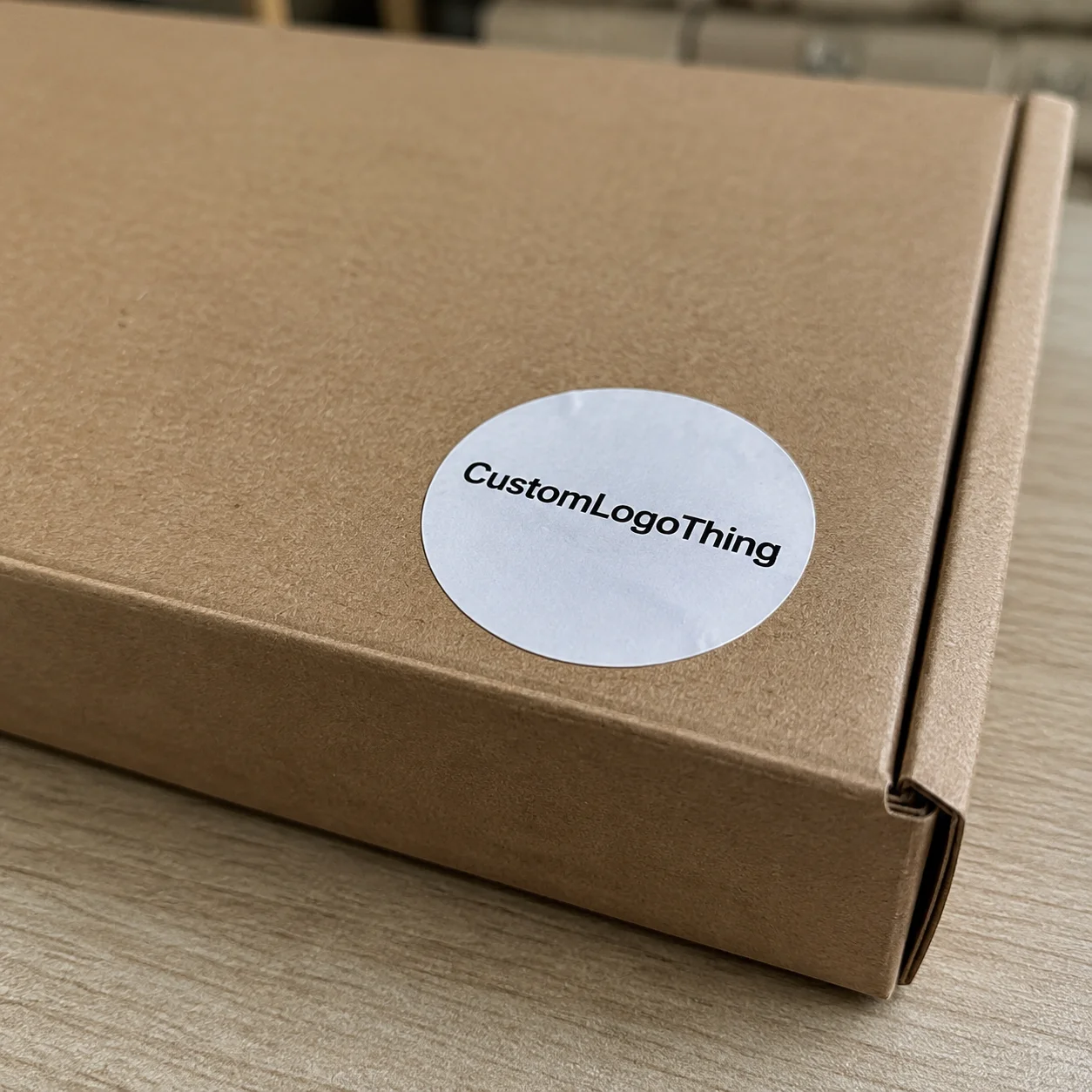
Custom Round Stickers Cheap can be a smart purchase, but only if the print, cut, and adhesive hold up in real use. Round stickers get handled more than buyers expect. They are peeled by hand, pressed onto curved surfaces, stacked in cartons, and judged at arm’s length long before anyone reads the spec sheet. A low price that produces crooked cuts, weak adhesion, or muddy color is not a bargain. It is wasted spend with a shorter invoice.
For packaging buyers, budget round stickers make the most sense on short-run branding, product seals, event handouts, mailers, and simple retail packaging. They also work well for sample packs and seasonal promotions where quantity matters more than exotic finishing. That is usually where custom round stickers cheap earns its place: straightforward artwork, repeatable sizes, and a need for acceptable print quality without overbuilding the order.
The most common mistake is choosing the lowest quote and ignoring the details that make the sticker usable. Material, finish, adhesive, and die cutting all change how the label performs after it leaves the press. A label that looks fine on a proof can fail on a cold bottle, curl on a coated carton, or look dull beside the rest of the branded packaging. Saving a little on the order does not help if production staff spend an hour relabeling finished stock.
Cheap should mean efficient, not flimsy. If the sticker touches a customer-facing package, it still needs to look clean, read clearly, and stay put.
It helps to divide sticker jobs into two categories. Decorative stickers are there for branding, sealing, or presentation, so they can sometimes use lighter stocks and simpler finishes. Functional stickers need stronger adhesion, better scuff resistance, and tighter cut consistency because they face moisture, abrasion, or repeated handling. That distinction matters more than most buyers realize.
Round sticker product details that affect price
Round stickers look simple from the outside. Underneath, several variables move the price up or down. Stock, finish, adhesive, print coverage, and packing format all matter. Paper is usually the least expensive option. Vinyl and BOPP cost more, but they tolerate moisture, handling, and the kind of shipping pressure that crushes lighter materials.
Finish changes both the look and the cost profile. Gloss increases color punch and makes logos appear brighter. Matte reduces glare and usually reads better under retail lighting, especially when the design depends on typography. Uncoated paper is often the most affordable of all, but it scuffs more easily and can absorb moisture faster than film-based options.
Adhesive choice is another quiet cost driver. Permanent adhesive is the default for most packaging labels because it gives reliable hold on cardboard, glass, and many plastics. Removable adhesive is better for temporary promotions, sample jars, and event stickers. Choose poorly and the sticker either peels too easily or tears stock when removed.
Format affects both price and labor. Kiss-cut sheets work well for hand application and small teams. Rolls are more efficient for fast labeling on bottles, jars, and cartons. Individual stickers are convenient for giveaways, but they can slow application if a crew has to place them one by one. A quote that looks lower on paper can become more expensive once labor is included.
Print method matters as well. Full-bleed artwork, heavy ink coverage, and white ink all increase complexity. White ink becomes especially relevant on clear or dark films, where the design needs an opaque base to stay readable. If the artwork is printed on white stock with simple color coverage, the job generally stays more economical than a specialty film build with multiple layers.
| Option | Best Use | Typical Cost Impact | Notes |
|---|---|---|---|
| Paper round stickers | Indoor packaging, inserts, giveaways | Lowest | Best for dry environments and shorter-use applications |
| Gloss BOPP | Bottles, jars, mailers | Medium | More moisture resistance and stronger color pop |
| Matte BOPP | Premium branded packaging | Medium to higher | Less glare and cleaner text legibility |
| Vinyl | Durable labels, longer wear | Higher | Useful where abrasion and handling are constant |
Before approving a file, check the practical setup details: exact diameter, bleed, safe zone, and resolution. A 300 dpi file at final size is the basic threshold for clean print. Thin lines, tiny type, and dense logos can still break visually if the artwork is built carelessly. That is not a manufacturing problem so much as a file-preparation problem, and it shows up quickly once the stickers are printed.
Specifications buyers should compare before ordering
Buyers comparing custom round stickers cheap should start with the specifications that actually affect use, not the wording in a quote. Size, finish, stock, adhesive, core size, and quantity drive most of the price. If one supplier comes in much lower, there is usually a reason. Sometimes it is efficient production. Sometimes it is thinner material, weaker adhesion, or a format that creates more work for the packing team.
Common round sizes fall into a few practical ranges. Small seals around 1 inch to 1.5 inches suit bags, tissue, and internal packaging closures. Mid-size labels around 2 inches to 3 inches work well for jars, candles, and mailers. Larger rounds around 4 inches are useful on shipping boxes, promotional branding, and bold Logo Placement On custom printed boxes.
Surface compatibility is one of the easiest ways to avoid waste. Glass usually accepts labels well, but condensation can still cause trouble. Coated cardboard generally works with standard adhesives, though tack still needs to be strong enough. Plastic can be more difficult because some surfaces are slick, curved, or low-energy, which means not every low-cost sticker performs the same way.
Durability should match the actual application. Indoor, dry use can often be handled with paper or lighter film. Moisture resistance matters for drinks, bath products, and cold storage. Oil resistance helps on food and cosmetic packaging. Freezer use requires the right face stock and adhesive so the sticker does not fail when temperatures swing. If the use case is unclear, ask before ordering. Guessing is a quick way to pay for two print runs.
Finish should support legibility first and style second. Gloss gives stronger saturation. Matte reduces glare and can look cleaner under store lighting. Uncoated paper feels more natural and can suit rustic package branding, but it marks faster and may absorb moisture. If the design depends on fine detail, choose the finish that protects reading clarity.
For buyers building a broader packaging program, round stickers often sit alongside Custom Labels & Tags and Custom Packaging Products. That matters because consistency across formats helps a brand look deliberate instead of pieced together from unrelated parts.
Custom round stickers cheap: pricing, MOQ, and unit cost
Quantity drives unit price down because setup costs are spread over more pieces. A 500-piece order almost always costs more per sticker than a 5,000-piece order, even if the artwork is identical. That is normal. The press still needs setup, the proof still needs review, and the job still needs finishing whether the run is small or large.
For budget planning, standard sizes and one-sided artwork usually keep the price lower. Fewer ink colors can help, though full-color digital print may still be economical for many runs. Sheet format often stays competitive for short runs. Roll format can add value if labels are being applied quickly in a packing workflow. A lower print quote is not helpful if it slows fulfillment.
MOQ deserves a plain explanation. Lower minimums are useful for testing a design, checking a new SKU, or trying a seasonal label without taking on too much inventory. Bulk pricing is where the stronger savings show up. If a label will repeat across several product packaging runs, compare the convenience of a small order against a larger run that cuts the unit cost enough to matter.
There are cost traps, and they usually show up in the add-ons. Rush fees can climb quickly when the schedule is compressed. Specialty adhesives cost more. Non-standard shapes increase cutting complexity, even when the overall sticker is still round. Multiple artwork versions add prepress work. None of those charges is mysterious, but they stack fast if the order is rushed or overcomplicated.
| Order Size | Typical Unit Cost Behavior | Best For | Buyer Takeaway |
|---|---|---|---|
| 500 pieces | Highest unit cost | Testing, samples, small launches | Useful for validation, not for the lowest total spend |
| 1,000 pieces | Noticeable cost drop | Small production runs | Often the first practical volume for repeat use |
| 2,500 pieces | Better spread of setup cost | Growing brands | Usually a good balance of price and flexibility |
| 5,000 pieces | Lower unit cost in many cases | Stable SKUs, recurring promotions | Best when the design will not change soon |
Ask for pricing at 500, 1,000, 2,500, and 5,000 units. That shows the real cost curve instead of a single number that only looks favorable at first glance. If the stickers will be applied on a packaging line or in a retail rollout, compare unit price with application speed and reprint risk. A sticker that saves one cent but slows pack-out is not savings.
Production steps, proofing, and turnaround
Production is fairly direct when the file is ready. The usual sequence is file review, digital proof approval, printing, cutting, finishing, packing, and shipping. If artwork needs fixes, the schedule pauses. If the proof needs another round, the timeline stretches. If the buyer approves a bad file, the result is usually predictable and expensive in a boring kind of way.
Most delays come from missing bleed, low-resolution artwork, and late design changes after proof approval. Bleed gives the cutter room to trim cleanly. Low-resolution images print soft or pixelated. Last-minute text changes are the classic way to turn a normal job into a rushed one. Packaging deadlines are much less forgiving than design deadlines.
Turnaround depends on the order type. Simple short runs often move faster than specialty materials, unusual finishes, or jobs with multiple versions. Shipping choice also changes the final timeline. A production job that finishes on time can still miss a launch if freight is slow or the destination takes longer than expected.
If round stickers need to support a product drop, trade show, or fulfillment deadline, artwork should be submitted early enough for proofing. That leaves room to catch file problems before the job enters production. For buyers coordinating labels with custom printed boxes or broader branded packaging, timing matters across every component, not just the sticker.
For reference, many packaging teams also look at standards and testing guidance from organizations such as the International Safe Transit Association when shipping sensitivity matters, and sustainability teams may cross-check materials against guidance from the EPA or certification bodies such as the Forest Stewardship Council. Those are not sticker-specific rules, but they are useful guardrails when labels sit inside a larger packaging system.
What makes our pricing practical, not padded
Practical pricing means the quote matches the job. Not overbuilt. Not padded with extras nobody asked for. That is the point of custom round stickers cheap from a buyer’s perspective: low unit cost, usable adhesion, and print quality that does not embarrass the brand. If the sticker is going on a box, pouch, jar, or mailer, it has to look like it belongs there.
The material should fit the use case instead of being upgraded just because it sounds better in a quote. That keeps waste down for packing teams and lowers the chance of reprints. It also makes pricing easier to understand. A clear spec sheet is more useful than a complicated menu designed to make basic decisions feel expensive.
Support matters here. File checks help catch bleed and resolution issues before production starts. Material guidance keeps the order from being over-specified. Clear quotes avoid surprises later. Those things feel minor until a launch date is involved. Then they become the difference between a smooth run and a costly scramble.
The real goal is straightforward: fewer surprises, fewer delays, and fewer stickers that end up in the trash. If the order is for product packaging, retail packaging, or a short promotional run, cheap should still mean useful. Anything else is just a bargain-shaped headache.
Next steps to get the right quote fast
If you want a quick quote, send the basics first: diameter, quantity, artwork file, finish preference, and where the stickers will be applied. That gives the supplier enough information to narrow the material and adhesive options instead of sending back a generic estimate. If you already know whether you need sheets, rolls, or individual pieces, include that too.
Ask for two or three material options if you are balancing cost against durability. A paper version may fit dry indoor use, while BOPP may be better for moisture or handling. If the design includes small text, gradients, or brand-sensitive colors, request a proof before production. That is a small step that can prevent a very expensive mistake.
For a better comparison, look at total cost, unit cost, turnaround, and shipping destination together. A quote that looks low can become less attractive once freight is added. If the team will apply labels manually, factor in application speed. If the stickers support a larger packaging system, make sure they match the rest of the visual package rather than standing apart from it.
Send the specs, compare the options, and choose the version that fits both budget and application. That is the cleanest way to buy custom round stickers cheap without gambling on quality. Cheap is useful. Cheap and workable is better.
Are custom round stickers cheap when ordered in bulk?
Yes. Bulk orders usually lower unit cost because setup and production expenses are spread across more pieces. Standard sizes and finishes are generally the most budget-friendly.
What size works best for cheap custom round stickers?
Common cost-efficient sizes are the standard small-to-medium rounds used for seals, jars, and packaging labels. Choosing a standard diameter usually avoids special layout waste.
Which material is cheapest for round stickers?
Paper is usually the lowest-cost option for indoor or short-term use. Vinyl or BOPP costs more but works better when moisture, oil, or handling is an issue.
How fast can cheap custom round stickers be produced?
Simple orders with approved artwork often move faster than specialty materials or complex finishes. Turnaround depends on proof approval, quantity, and shipping method.
What should I send for the fastest quote on custom round stickers cheap?
Send the size, quantity, material preference, finish, artwork file, and delivery location. Including whether you need sheets, rolls, or individual stickers speeds up pricing.


