Why custom stickers Brisbane brands rely on punch above their weight
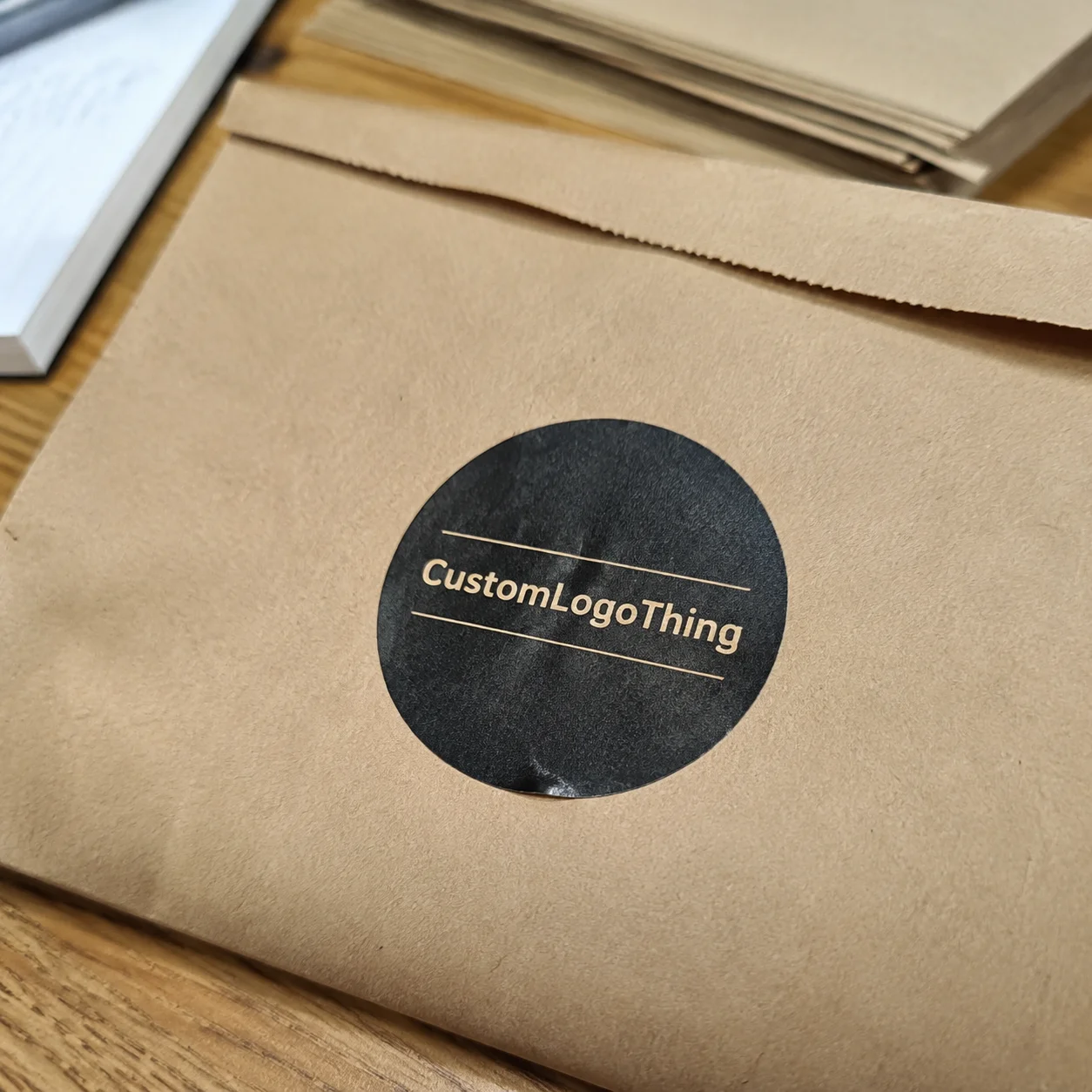
One well-placed sticker can do a lot of quiet work. On a plain mailer, it turns basic packaging into branded packaging. On a takeaway box, it makes the product feel finished rather than improvised. On a market handout, it gives customers something they are more likely to keep. That is why custom stickers brisbane keeps appearing in buying decisions for small brands, growing retailers, and event teams that need fast, visible branding without a large production footprint.
Custom stickers are adhesive printed pieces made to a specific size, shape, and use case. Brisbane buyers usually compare die-cut stickers, kiss-cut stickers, sheet labels, roll labels, and clear stickers. Each format has a practical job. Die-cuts suit giveaways and single-item branding. Kiss-cuts are easier to peel and handle in some settings. Sheets are useful for smaller runs and office application. Rolls make more sense where speed matters, especially on packing benches or in higher-volume order fulfilment.
The reason they work so well is practical, not flashy. They are easy to store, easy to apply, and adaptable across packaging, events, product launches, and inserts. A cafe can seal bags with them. A candle brand can use them on cartons and lids. A promo team can hand them out without tying up a budget in oversized print runs. For package branding, there are not many items that deliver this much visible impact for the spend.
That said, sticker quality is not just about the artwork. A design can look excellent on a screen and still fail on a chilled bottle, a powder-coated carton, or a curved plastic jar. The material, adhesive, finish, and print method have to match the surface and the conditions. That is where a lot of first-time orders go wrong.
A good sticker is a small functional product first and a design piece second. It has to survive handling, friction, moisture, and sometimes refrigeration.
If you are comparing custom stickers brisbane options for packaging or promotion, the right way to approach it is as a spec decision. Start with the surface and the environment. Then choose the material and adhesive. After that, fine-tune the look. That order saves time, money, and reprints.
How the sticker production process works
The production path is simple on paper, but each stage affects the final result. It starts with artwork submission. A supplier checks the file size, resolution, bleed, cut lines, and whether the design can be printed cleanly in the chosen format. If the file is prepared properly, proofing moves quickly. If not, the job slows down almost immediately.
Most digital sticker jobs use CMYK printing, which suits short to medium runs because setup is lighter and artwork changes are easier to manage. Larger repeat runs can suit other print methods, but for many Brisbane buyers digital production is the practical choice. It handles smaller minimums, variable designs, and faster amendments without the same setup burden.
After the file check, the supplier sends a proof. This is the stage where buyers should slow down rather than rush. The proof confirms the cut line, scale, colour expectations, and finish. Colour shift is normal: what looks bright on a backlit screen often prints a little darker or less saturated on paper, vinyl, or film. The goal is not to avoid that entirely, but to understand it before approval.
Cutting is another point that deserves care. With custom outlines, the artwork needs bleed beyond the cut line and a safe area inside it. If text sits too close to the edge, trimming can make it look cramped. Registration between print and cut matters too, especially on intricate or irregular shapes. Clean outlines are easy to admire on screen, but the blade has to follow them accurately at production speed.
Once approved, the job moves through printing, finishing, cutting, and packing. Lamination may be added when the sticker needs extra scuff resistance, water resistance, or UV protection. Then the stickers are sheeted, rolled, or packed individually depending on the order. That is usually the point where buyers realise how much the specification shapes the final product.
Small changes can still have a big effect. A one-line text update may require a fresh proof and, depending on the queue, a delay. Clean artwork files keep production moving. So do clear instructions on size, finish, and quantity. If you are ordering alongside Custom Labels & Tags or broader Custom Packaging Products, keeping the file structure consistent across products helps avoid avoidable back-and-forth.
Material, finish, and adhesive factors that change performance
This is where most sticker decisions are won or lost. Material determines how the sticker feels, bends, resists moisture, and holds colour. Finish changes readability and perceived quality. Adhesive determines whether the sticker stays where it should.
Paper stocks are usually the lowest-cost option and work well for short-life indoor use such as cartons, inserts, dry packaging, and giveaways. They print sharply and can look clean, but they are not the best choice for moisture or heavy handling. Vinyl and polypropylene film are better for durability, especially where water, oils, or abrasion are likely. Clear film suits minimal branding and transparent packaging, though the artwork has to be designed carefully so it remains legible. Specialty stocks can add texture or a premium feel, but they should be chosen for a clear reason rather than novelty.
Finish matters more than many buyers expect. Gloss gives colour depth and brightness, though it can reflect light. Matte reduces glare and helps text stay readable. Satin sits between the two, which is why it often suits packaging that needs polish without too much shine. Soft-touch adds a more tactile premium feel, especially for branded packaging or gift items. It also changes how light hits the surface, which can make dark colours look richer while slightly softening fine detail.
Adhesive choice should match the surface, not just the design style. Cardboard cartons usually accept standard permanent adhesives well. Glass is often straightforward too, depending on temperature and whether the sticker needs to be removed later. Plastic can be less predictable because surface energy varies. Chilled packaging needs adhesives that can cope with condensation. Curved containers need materials that can wrap without lifting at the edges.
For packaging that may sit in cold rooms or be handled repeatedly, water resistance and scratch resistance are not extras. They are part of the job. Outdoor use adds another layer: UV exposure can fade ink and degrade poor-quality films over time. Not every sticker needs that level of durability, but bottles, jars, and transport-facing surfaces usually do.
| Sticker type | Best use | Typical strengths | Typical trade-off |
|---|---|---|---|
| Paper | Short-life indoor packaging | Low cost, crisp print, easy ordering | Limited moisture resistance |
| Vinyl / film | Durable labels, handling, moisture | Strong wear resistance, better longevity | Higher cost than paper |
| Clear film | Minimal branding, glass, premium packs | Clean look, less visible edge | Needs careful design for legibility |
| Specialty finish | Premium presentation | Tactile appeal, distinctive appearance | Can raise price and lead time |
Ask whether the adhesive is removable or permanent. Removable adhesives suit promotions, sample packs, limited campaigns, and temporary packaging. Permanent bonds suit products that need the label to stay in place for the life of the item. That difference is small on a quote sheet, but it changes performance in the real world.
Custom stickers Brisbane pricing: what drives the quote
Sticker pricing is built from a stack of variables. Size, shape complexity, quantity, material, finish, adhesive, and any special effects all influence the quote. A simple round paper sticker costs less to produce than a custom die-cut vinyl piece with lamination. That is normal. The surprise usually comes from how quickly the extras add up.
Unit cost generally falls as volume rises because fixed setup work gets spread across more pieces. That does not mean the largest run is always the right buy. If a design changes often, or if the packaging is still being tested, a smaller run can reduce waste. For low-volume orders, buyers often pay more per unit but avoid sitting on stock that becomes outdated before it is used.
For a practical sense of the market, smaller sticker runs may land in the low cents per unit at higher volumes, while premium finishes, specialty films, and intricate shapes can move the rate upward quickly. A quote for 500 pieces is not comparable to a quote for 5,000 unless the specification is nearly identical. Many price comparisons fall apart because the buyers are not actually comparing the same product.
Check what is included in the price. Some quotes cover proofing, cutting, packing, and freight. Others only cover print. Two prices that look close can diverge once shipping and finishing are included. Hidden costs usually appear as rework charges, rush fees, or choosing a material that is not suited to the actual surface.
Here is a practical way to compare quotes for custom stickers brisbane projects:
- Confirm the exact size, shape, and finish.
- Check whether proofing and freight are included.
- Ask if the adhesive suits the intended surface.
- Compare the same quantity across suppliers.
- Look for setup charges tied to die-cut or specialty finishing.
The better comparison is total application value, not just unit price. If a slightly better sticker prevents peeling, unreadable text, or a second order two weeks later, it is usually the cheaper option overall.
Timeline, turnaround, and ordering steps
Sticker lead times are usually predictable if the artwork is ready. A typical order flow goes like this: brief, artwork prep, proof approval, production, quality check, delivery. The biggest variable is almost always the proof stage. If the file needs resizing, colour correction, or a changed cut line, the timeline stretches immediately.
Simple sticker orders can move quickly once approved. More complex jobs take longer, especially if they involve custom shapes, lamination, specialty inks, or packaging-specific requirements. A realistic production window is often several business days to around two weeks from proof approval, though that depends on the supplier, the queue, and the job specification. Rush orders are possible in many cases, but they are not always the best choice when colour accuracy or finish quality matters.
A simple process keeps the job under control:
- Define the use case: packaging, promo, event, or retail.
- Choose the right material and adhesive.
- Confirm the size and shape.
- Submit artwork with bleed and correct resolution.
- Review the proof carefully on screen.
- Approve only after checking size, spelling, and finish.
- Schedule delivery so stock arrives before launch or restock.
Timing matters more than many buyers admit. If stickers are part of a new release, a market appearance, or a packaging refresh, the order should be placed early enough to absorb revisions. For packaging buyers, sticker supply can become a bottleneck because it sits near the end of the production chain. Cartons may be ready, but without labels the whole pack is stalled.
Brisbane businesses that reorder regularly should keep a specification sheet on file with size, material, adhesive, finish, and approved artwork version. That single document can save a lot of back-and-forth on repeat jobs. It also helps when comparing a new run against existing stock so the result stays consistent.
Common mistakes buyers make with sticker orders
The most common mistake is choosing a sticker because it looks good in a mock-up. Pretty is not the same as fit for purpose. A paper sticker may look fine in a digital proof and then fail on a refrigerated container. A glossy finish may look premium and then create glare that hides important text. The surface and the use case should lead the decision.
Artwork issues come next. Low-resolution files, missing bleed, and text too close to the edge all create avoidable problems. Many buyers also forget that the printed size is the actual size. A 50 mm sticker is not a “roughly 50 mm” sticker. If the design depends on tight spacing or exact alignment with packaging, precision matters.
Quantity planning is another weak point. Ordering too little can push up the effective unit cost and leave you short during a campaign or packaging run. Ordering too much can leave you with stale stock if the design changes. The right balance depends on how stable the branding is and how often you reprint.
Then there is the adhesive issue: stickers that lift on curved packaging, leave residue where removal is required, or lose grip in cold storage. Finish can fail too. Text that looked perfectly readable in matte can become harder to read if the final material is glossy and placed under retail lighting.
Proofs also get approved too quickly. Spelling, colour balance, die-line placement, and the final size on the actual bottle or carton should all be checked before sign-off. A five-minute review can save a reprint.
Expert tips for better-looking, longer-lasting stickers
Good sticker design is usually quieter than people expect. Strong contrast matters. Clear typography matters. Simple hierarchy matters. On small formats, every extra flourish competes with legibility. If a customer has to squint to read the brand name, the sticker is trying to do too much.
Test on the real surface before you commit. A sample sticker on corrugated board behaves differently from one on coated carton, PET plastic, or glass. The same artwork can look sharper, flatter, or more premium depending on the substrate. That is why packaging teams often test labels against the actual pack rather than relying only on a flat render.
Think in systems rather than one-off items. Stickers should sit comfortably alongside cartons, inserts, mailers, and digital branding. If the colours, line weights, and tone are aligned, the whole package feels more deliberate. That is where stickers support package branding instead of sitting beside it.
Sometimes a larger format is better than a tiny seal. If you need brand recall, ingredient clarity, or QR code readability, more space helps. Mini stickers can work well for closures or gifting, but they are not always the smartest choice for retail packaging.
For repeat orders, keep a spec record with:
- Approved artwork file name
- Exact dimensions
- Material and adhesive
- Finish type
- Quantity history
That habit reduces specification drift and speeds up reorder cycles. It also keeps the designer, buyer, and production team aligned across multiple packaging jobs.
Next steps for choosing the right sticker spec
The decision sequence is straightforward, but it has to be followed in the right order. Start with application. Then choose the stock and adhesive. Then lock the size and finish. If the use case is clear, the rest gets much easier. If the use case is vague, the quote usually is too.
Before requesting pricing, gather three things: artwork, approximate quantity, and the intended surface. If you can also describe whether the sticker is for indoor use, chilled conditions, outdoor exposure, or short-term promotion, the recommendation becomes much more accurate. Comparing two or three sample specs is far more useful than comparing prices alone.
For packaging or outdoor work, ask for a proof you can inspect on-screen and, if possible, against a real carton, bottle, or mailer. That extra step catches more mistakes than most buyers expect. It is a small pause that often saves time, money, and frustration later.
That is the practical path for custom stickers brisbane buyers who want a result that looks good, holds up, and stays within budget. Choose for performance first, appearance second, and turnaround third. In that order, the odds improve quickly.
What should I know before ordering custom stickers Brisbane businesses use for packaging?
Check the packaging surface, expected wear, and whether the sticker needs to be removable or permanent. Prepare artwork at the correct size with bleed and clear text so proofing moves faster.
How do I choose the right material for Brisbane sticker orders?
Use paper for short-life indoor applications and vinyl or film for durability, moisture, or handling. Choose clear or specialty stocks only when the design benefits from the effect and readability stays strong.
What affects custom sticker pricing the most in Brisbane?
Quantity, size, shape complexity, material, finish, and adhesive type are the biggest drivers. Rush timing, extra revisions, and premium effects can also increase the final quote.
How long does the turnaround usually take for sticker printing?
The timeline depends on proof approval, print method, finishing, and delivery distance. Simple orders move faster, while die-cut or specialty jobs usually need more production time.
Can I use custom stickers on curved or refrigerated packaging?
Yes, but you need the right adhesive and material for the surface conditions. Test on the actual pack type first so you can confirm adhesion, legibility, and durability.
For buyers comparing custom stickers brisbane options, the best result usually comes from matching the sticker to the real job rather than chasing the cheapest quote. A spec that suits the surface, finish, and turnaround is the one that tends to perform best once it is in customers’ hands.

