If you are comparing options for Custom Stickers Doral FL, the first thing to sort out is function. A sticker can seal a bag, identify a product, brand a mailer, or carry a short promotional message, and each of those jobs has different requirements. In a market like Doral, where retail, food service, logistics, and event work overlap, the best sticker is usually the one that fits the surface and the pace of the operation instead of trying to do everything at once.
That practical flexibility is why stickers remain one of the easiest ways to improve packaging without rebuilding the entire package system. A small business can test a seasonal look, mark a product line, or clean up shipping presentation without ordering custom boxes in bulk. For many buyers, that lower commitment is the real appeal.
The strongest sticker programs also help with consistency. One well-planned label family can make mixed packaging feel coordinated, even when the cartons, cups, or pouches come from different suppliers. That matters when the package has to look deliberate in person, not just on a screen.
What Custom Stickers Do for Doral Brands
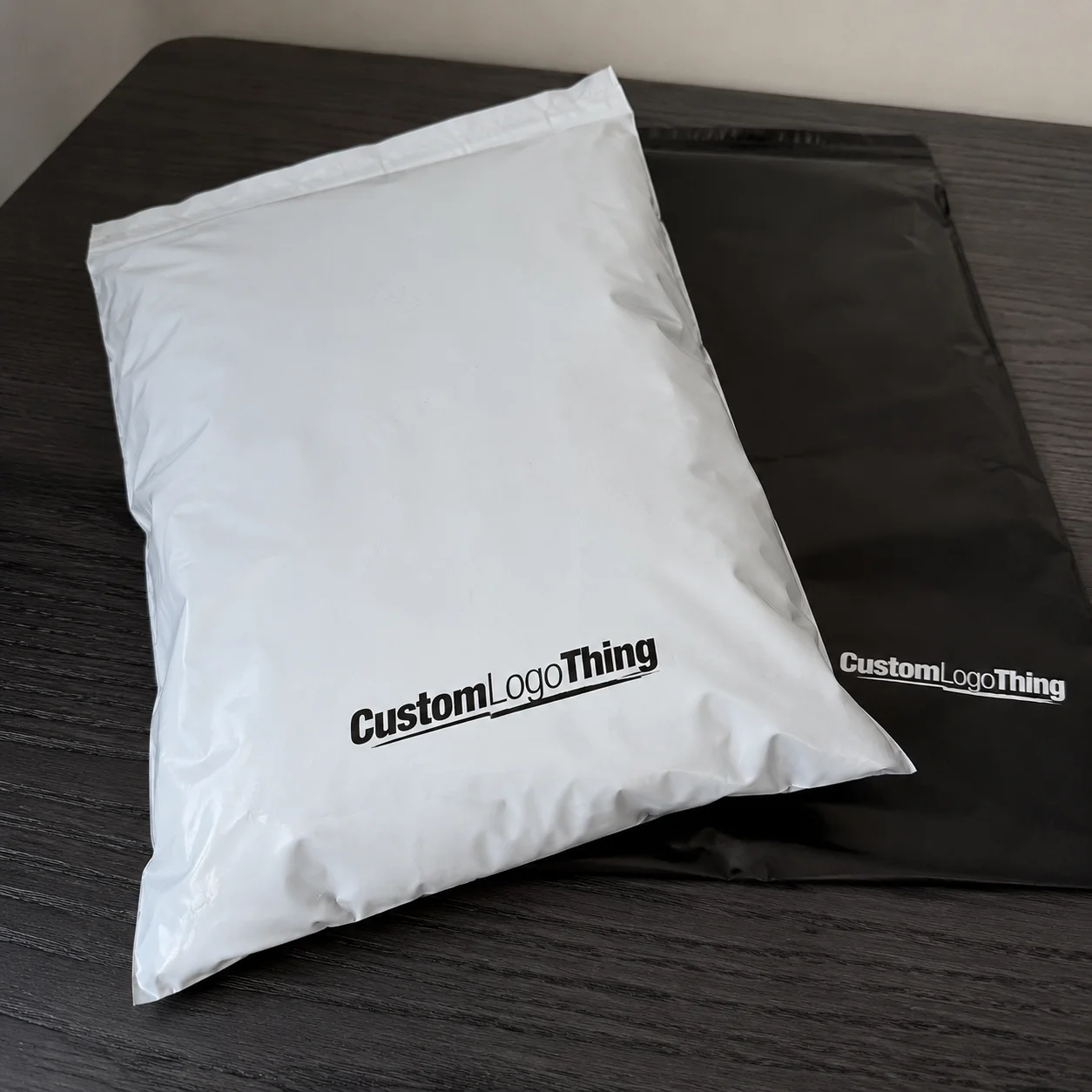
Custom stickers are printed adhesive graphics used to identify, seal, decorate, or promote a product or package. They show up on bakery boxes, retail bags, bottle labels, shipping cartons, sample packs, and event giveaways. A restaurant might use them to close a takeout bag. A distributor might use them to mark inventory. A boutique might use them to turn a plain mailer into something that feels more finished.
For buyers looking for custom stickers doral fl, the practical appeal usually comes down to speed, visibility, and reordering ease. A sticker is faster to apply than a printed carton solution, easier to change than a full packaging redesign, and less risky when a brand is still refining its look. It works especially well for short campaigns, seasonal menu changes, grand openings, trade shows, and packaging updates that need to happen without slowing the operation.
Local conditions matter more than many first-time buyers expect. Heat, humidity, refrigeration, and repeated handling can all affect how a sticker looks and how long it stays put. A label that performs well in a dry office can fail on a chilled cup or a package that sits in transit for hours. That is why material and adhesive should be chosen for the actual use, not for the sample swatch alone.
“The least expensive sticker is often the one that costs more later, because once it curls, smudges, or lifts, it has already failed its job.”
Stickers also do useful brand work in small spaces. A single seal can make a delivery feel more intentional, while a well-sized logo sticker can make a plain box look like part of a larger packaging system. For businesses trying to tighten up presentation without committing to a major packaging change, that is a smart middle ground.
How the Sticker Production Process Works
The production flow is simple on paper: artwork prep, material selection, proofing, printing, cutting, and finishing. In practice, the details in those steps decide whether the sticker just prints or actually performs on the package. A clean proof can prevent most of the problems that show up later, especially when trim, size, and color are all under pressure.
Artwork prep should answer a few questions before anyone starts quoting. What is the final size? Does the design need bleed? Is the logo built as a vector file? Will the text still read clearly at arm’s length? Those questions are not glamorous, but they are the difference between a job that runs smoothly and one that gets stalled by revision after revision.
Buyers also run into confusion around cut style. The terms are easy to mix up, but they are not interchangeable.
- Kiss-cut stickers are cut through the top layer only, leaving the backing intact so they are easy to peel and useful for sets or hand application.
- Die-cut stickers are cut to the exact shape of the artwork, which gives a tighter presentation for logos and promotional pieces.
- Sheet stickers are arranged on a larger sheet, which works well for multiple small graphics or office use.
- Roll stickers suit higher-volume application, especially in packing lines or fulfillment operations.
Finish changes both appearance and handling. Matte reduces glare and can help with readability on smaller labels. Gloss gives colors more pop and is often preferred for retail packaging that needs stronger shelf presence. Waterproof lamination or a synthetic face stock adds durability when condensation, rain, or constant handling are part of the application. If the sticker is going on food packaging, drink packaging, or shipping materials, that extra protection is usually worth the added cost.
Color control deserves attention too. Ask how proofs are handled and whether the supplier checks consistency from file to finished print. Small labels can shift visually once they are reduced to size, and a proof should catch thin borders, low-contrast copy, and layout issues before production starts. That is especially important for brands that need to keep packaging consistent across repeat orders.
Cost, Pricing, and Minimum Order Factors
Sticker pricing is shaped by size, quantity, material, cut style, and finish. A simple round label on white BOPP usually costs less than a custom die-cut vinyl sticker with a specialty laminate. Design complexity can also affect price, especially when the cut line is detailed or the artwork needs extra setup time. The quote may look straightforward until the order is compared line by line.
For custom stickers doral fl businesses, unit cost usually drops as quantity rises, but the savings are not always linear. A larger order can lower the per-piece price, yet specialty materials, tight deadlines, or elaborate shapes can bring the total back up. The smarter comparison is the full landed cost, including shipping, proofing, and any waste from application or sorting.
Minimum order quantity is where a lot of small buyers feel the most pressure. A cafe launching a new item may only need a few hundred stickers. A distributor may need thousands to support steady shipping volume. The right number depends on how quickly the stickers will be used and how long they can sit in storage without losing performance. Print too few and the unit price climbs. Print too many and the stock can age out before it gets used.
| Order Type | Typical Use | Price Behavior | Best Fit |
|---|---|---|---|
| Small run, simple shape | Events, test launches, limited promos | Higher unit cost; lower cash outlay | Businesses validating a concept |
| Mid-size run, standard material | Regular retail packaging and shipping labels | Balanced unit cost and flexibility | Most ongoing brand programs |
| Large run, specialty finish | Recurring campaigns, broad inventory needs | Lower unit cost; higher total spend | Stable artwork and repeat usage |
A useful quote comparison starts with matching the application. A paper label and a BOPP label may look similar on paper, but they will not perform the same way in humid storage or on a refrigerated container. If one quote uses a basic adhesive and another includes a moisture-resistant film, the cheaper number may not be the better value. Comparing specs side by side helps avoid buying the wrong sticker for the job.
For broader packaging context, the Packaging School and industry resources at packaging.org are useful when a label needs to fit into a larger packaging system rather than stand alone.
Choosing Materials That Hold Up in Florida
Material choice is where sticker buying becomes a practical decision instead of a design preference. Paper is usually the least expensive option and can work well for dry indoor use, short promotions, or applications that will not be handled much. Vinyl is more durable and resists abrasion better. BOPP, a polypropylene film, is a common choice for moisture resistance and shows up often in food, beverage, and retail packaging. Specialty stocks can include clear films, metallic surfaces, or textured finishes when the goal is a more distinctive presentation.
In a humid market, the environment has to be part of the spec. Heat can soften some adhesives. Moisture can cause curl or edge lift. Refrigeration can create condensation on cups, bottles, and containers. Sunlight can fade inks if the sticker sits in a bright window or on outdoor packaging. For those reasons, water-resistant or waterproof stickers are often the safer default for businesses working with chilled products, beverage service, or parcels that travel in less controlled conditions.
Adhesive choice deserves the same attention as the face stock. Permanent adhesive is best for packaging that needs to stay sealed or labeled through the life of the product. Removable adhesive makes sense for temporary promotions or surfaces that should not hold residue. Freezer-safe adhesive is a separate category and should be requested directly when stickers will touch cold storage, ice, or refrigerated inventory. Not every supplier offers every adhesive type, so it pays to ask early.
Finish affects performance as much as appearance. Matte can reduce glare and improve readability on copy-heavy labels. Gloss can increase color intensity and help a logo stand out. A laminate or protective coating can improve scuff resistance, which matters when labels pass through handling, shipping, or repeated stacking. If the sticker is part of custom printed boxes or coordinated retail packaging, the finish should fit the rest of the package instead of fighting it.
Sustainability questions are worth asking, but they need to be specific. Some paper-based materials may have certification, while film-based labels may offer better durability but less recovery value. If the sticker is part of a paper-heavy packaging program, ask whether the stock or liner carries a recognized sourcing standard. That keeps the conversation practical instead of promotional.
Lead Time and Production Steps to Expect
A realistic schedule usually begins with the quote request, then moves to artwork review, proof approval, print scheduling, production, finishing, and shipping. Simple orders can move quickly once the proof is approved. More complex jobs take longer, especially if they involve specialty cuts, laminates, or artwork changes. The proof stage is where time is either saved or lost, because that is where measurement, color, and layout problems can still be corrected.
From the buyer side, delays usually come from a few predictable places. Missing vector files slow setup. Tiny type often leads to design edits. Color matching can add another proof cycle. Rush orders can make those issues more painful because there is less room to correct them. If the stickers support a launch, event, or seasonal promotion, it is safer to build in a buffer than to depend on a last-minute turnaround.
A typical workflow looks like this:
- Request a quote and confirm the specs.
- Send print-ready artwork or request artwork cleanup.
- Review the digital proof for size, cut line, bleed, and color.
- Approve production and receive the estimated ship date.
- Print, cut, finish, and package the order.
- Inspect delivery and test the stickers on the actual surface.
The hidden variable is often decision time, not print time. A packaging team can approve a proof in an hour or spend three days debating a text change. The sooner the use case is defined, the more reliable the schedule becomes. That matters for recurring restocks, trade show shipments, and any campaign with a hard launch date.
If the sticker is part of a broader brand rollout, it helps to think ahead to matching materials such as Custom Labels & Tags. Planning the full package system early reduces rework and keeps the sticker from becoming an isolated piece that does not quite match the rest of the presentation.
Common Ordering Mistakes to Avoid
The most expensive mistakes are usually the small ones. Artwork that is too low in resolution can print soft or blurry. Text that looks readable on a monitor can disappear at final size. Thin borders can shift slightly and look uneven after cutting. Those are avoidable problems, which is why proofing matters more than many first-time buyers expect.
Another frequent issue is choosing a finish because it looks attractive in a sample but performs poorly on the actual surface. High gloss can create glare under retail lighting. Textured materials can make small copy harder to read. Clear labels can vanish on dark packaging. None of those choices are inherently wrong, but each one needs to match the use case.
Size errors are also common. If the sticker is too small, the logo loses impact and a QR code may not scan reliably. If it is too large, it can crowd the package or interfere with handling. The simplest fix is to test the design at actual size on the real box, bottle, cup, or mailer before placing the full order.
Real-world wear is another point people overlook. Will the sticker be handled repeatedly? Will it sit near condensation? Will it rub against other labels or against shipping tape? Those conditions can matter more than the print method itself. In a rough application environment, a durable material often outperforms a decorative one.
- Check vector files before quoting.
- Keep critical copy away from trim edges.
- Confirm adhesive behavior on the intended surface.
- Test readability under actual lighting.
Expert Tips for Better Sticker Results
Start with one use case. A sticker for shipping boxes should not be specified the same way as a sticker for takeaway drinks, even if the logo is identical. The surface, handling pattern, and environment should drive the size, material, and finish.
Simple design usually performs best in small-format work. Strong contrast helps. Clear hierarchy helps. One primary message is usually enough. If a sticker is trying to carry a logo, a web address, and a promotional line, one of those elements will usually suffer. For most package branding, the logo plus one supporting cue is cleaner than trying to fit in everything at once.
Testing on the actual surface is one of the most useful habits a packaging team can build. Apply a sample to the exact box, bottle, cup, or mailer it will live on. Leave it overnight. Expose it to cold, heat, or moisture if that matches the application. That kind of test reveals far more than a mockup on a desk.
It also helps to think in systems rather than single orders. A sticker program that works this season should be easy to repeat next season with the same size, adhesive, and print spec. That kind of consistency makes procurement easier and keeps branding cleaner across batches, especially for businesses managing several product lines or Custom Packaging Products.
When the sticker sits inside a larger packaging system, coordinate it with box art, insert cards, and shipping labels. Matching type, color, and spacing across those pieces creates a more polished package without requiring a full packaging redesign. The sticker stops looking like an afterthought and starts acting like part of the system.
Next Steps for Ordering Custom Stickers
Before requesting quotes, write down the essentials: surface type, size, quantity, indoor or outdoor use, moisture exposure, and whether the sticker needs to be removable, permanent, or freezer-safe. That short list saves a lot of back-and-forth. It also makes quote comparison far more accurate, because every vendor is responding to the same spec.
Send print-ready artwork if possible. Vector files are best for logos and line work. If the design runs to the edge, include bleed. If the copy is small, check it at actual size before approving production. A proof should verify not only how the sticker looks, but whether it will work once it is applied to the package.
Compare pricing, lead time, material, and adhesive on the same basis. Ask what finish is included and whether the order is intended for dry, refrigerated, or outdoor conditions. Those are the details that separate a sticker that merely prints well from one that holds up on the shelf, in transit, or at the point of sale.
For buyers searching custom stickers doral fl, the best choice is usually not the cheapest quote. It is the sticker spec that fits the surface, the environment, and the job the package has to do. If the sticker is representing your product, it should survive the conditions around it and support the sale instead of creating another problem.
What sizes work best for custom stickers in Doral FL?
Choose size based on the surface and viewing distance. Small logo stickers work well for seals and subtle branding, while larger formats fit shipping boxes, product labels, and promotional graphics. Testing the design at actual size before ordering helps avoid wasted stock.
Are waterproof stickers worth it for local businesses?
Yes, if the sticker may face condensation, refrigeration, outdoor exposure, or frequent handling. Waterproof materials and protective finishes help preserve color and adhesion in humid conditions. They are especially useful for beverage, food, and shipping applications.
How long does a custom sticker order usually take?
Timeline depends on proof approval, quantity, material availability, and finishing requirements. Simple orders move faster than complex die-cuts or specialty laminates. It is wise to leave extra time for artwork changes and seasonal demand.
What affects custom sticker pricing the most?
Size, quantity, shape complexity, material, and finish are the biggest pricing factors. Higher quantities usually lower unit cost, but specialty materials can raise the total. Rush production can also increase the final price.
How do I prepare artwork for custom stickers doral fl suppliers?
Use high-resolution vector files when possible and include bleed if the design reaches the edge. Keep important text away from trim lines and make sure colors stay readable at small sizes. Ask for a proof so you can review spacing, cutting, and clarity before printing.


