Two similar orders can land very differently. One arrives in a plain mailer with a generic label. The other uses a clean seal, a clear product label, and a small branded detail that makes the package feel intentional.
That is the practical value of custom stickers for a business. They are cheaper to test than custom printed boxes, easier to update than preprinted packaging, and useful across products, shipping, retail, and promotions. But the right choice depends on the job. Material, adhesive, finish, and format affect durability, readability, adhesion, lead time, and cost.
This guide focuses on buyer decisions: where stickers make sense, which specs affect performance, what moves pricing, and which mistakes lead to waste.
Why custom stickers for a business punch above their size
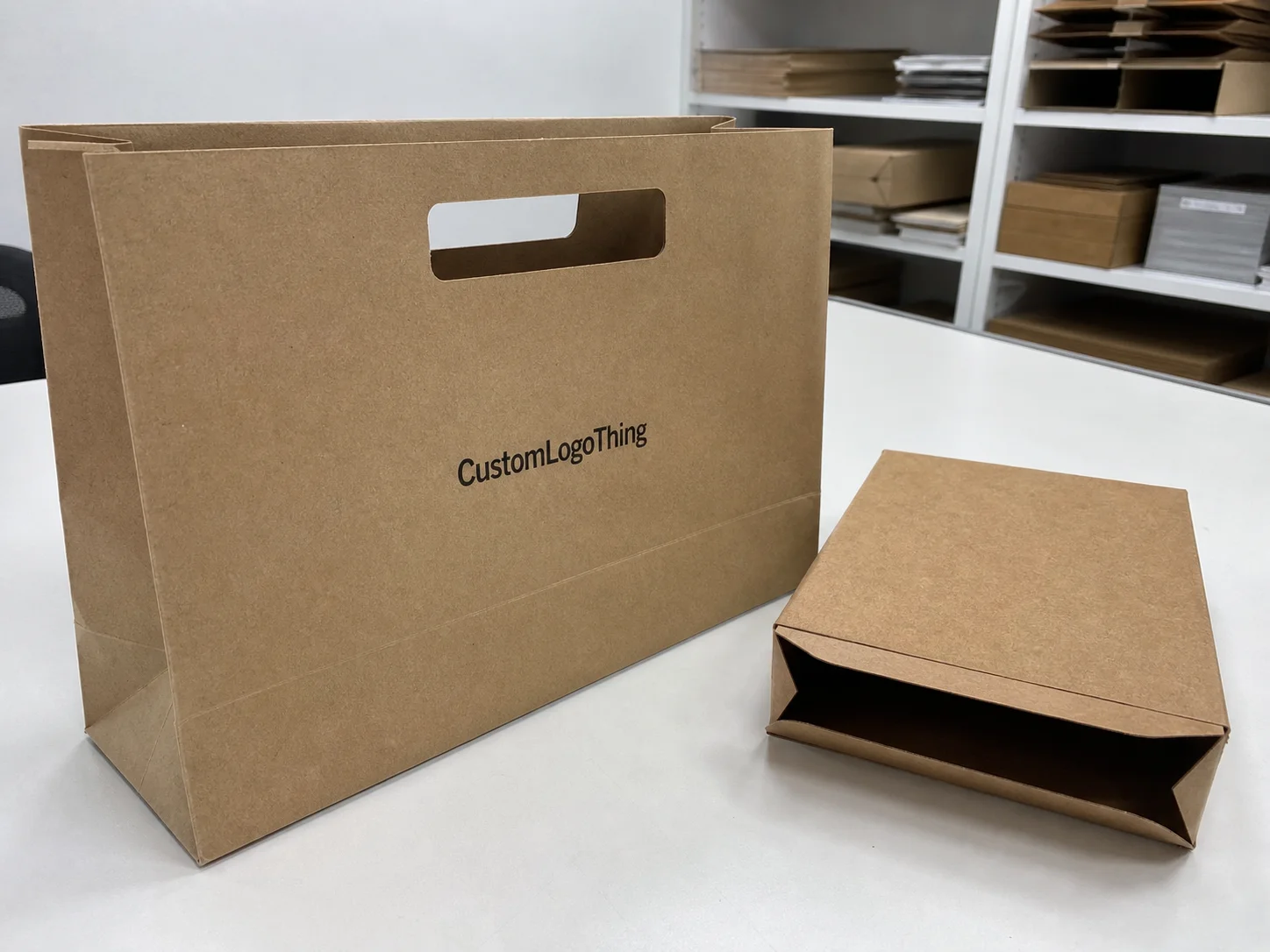
Stickers often become the first packaging upgrade because they improve presentation without locking a brand into large printed packaging runs. They also solve operational problems. If product variants change often, or compliance text needs updates, a label system is more flexible than replacing printed cartons or mailers.
Business stickers usually fall into a few categories:
- Product labels for jars, bottles, pouches, and cartons
- Logo stickers for packaging, inserts, and handouts
- Thank-you seals for e-commerce orders
- Box closure stickers for presentation and light tamper evidence
- Promo decals for events and giveaways
- QR-code stickers for reviews, instructions, or reorders
The same format can do very different jobs, which is why spec decisions matter. A paper seal may work well on a dry carton and fail on a chilled bottle. A decorative promo sticker may not need strong adhesion, while a product label that peels or scuffs becomes a packaging failure.
Rule of thumb: choose the sticker for the job first, then the look.
How branded stickers work across packaging, products, and promotions
Most stickers do one or more of five things: identify, seal, decorate, instruct, or convert attention into action. Sorting by function makes the spec easier to choose.
On retail packaging, labels need readable text, scannable codes, and enough durability for handling. On shipping boxes, closure stickers support presentation and can show whether the carton has been opened. At events, die-cut logo stickers act as low-cost giveaways that may continue to advertise the brand on laptops, notebooks, or bottles.
A sticker program usually includes these technical parts:
- Face stock: paper, film, polyester, clear stock, textured stock
- Adhesive: permanent, removable, freezer-grade, high-tack
- Liner: backing that affects peel and application
- Print method: often digital for short runs, flexographic for larger repeat orders
- Cut style: square, circle, rectangle, oval, die-cut
- Finish: matte, gloss, laminate, writable coating
- Format: rolls, sheets, or individual pieces
Digital printing usually fits short runs, multiple versions, and faster revisions. Flexographic printing can become more efficient when artwork is stable and quantities increase. Direct print on packaging may beat stickers at higher volume, but stickers remain easier to revise and safer for brands still adjusting SKUs, messaging, or packaging structure.
The best sticker programs are simple in operation: they store well, peel cleanly, apply quickly, and reorder consistently.
Materials, adhesives, shapes, and finishes that change performance
Most sticker failures start with the wrong material.
Paper stock is usually the most budget-friendly option. It works well for dry goods, carton decoration, logo seals, and many indoor uses. It also offers a tactile feel that suits some brand styles. Its weakness is durability: moisture, oil, condensation, and abrasion can cause wrinkling, edge wear, or scuffing.
BOPP film is a common packaging choice for bottles, jars, and pouches because it resists moisture better than paper. White BOPP, clear BOPP, and metallic BOPP often cover the needs of consumer product labels without moving into more expensive industrial materials.
Polyester is more common where failure is costly, such as industrial labels or rougher environments. Clear stock creates a no-label look but may require white ink and tighter registration, which adds cost. Textured papers and specialty films are mostly visual upgrades and should be chosen carefully if budget matters.
Adhesives matter as much as face stock
Permanent adhesive works for many uses, but surface and environment still matter. Recycled corrugated, textured glass, freezer storage, and low-surface-energy plastics can all behave differently. Removable adhesive is better for temporary promos. Freezer-grade adhesive is often necessary for frozen or cold-fill products. High-tack adhesive can help on rough surfaces, though it usually gives less repositioning time during application.
If stickers will be applied to corrugated cartons or kraft mailers, test on the actual substrate. Surface texture, fiber content, and dust can all affect bond strength.
Finish and shape affect function too
Matte usually improves readability and gives a restrained look. Gloss increases color pop. Lamination adds scuff and moisture protection. Writable coatings can help with date marks, batch codes, or hand-written variants.
Shape choices are usually practical:
- Circles work well for seals and logos
- Rectangles use space efficiently for text, barcodes, and product data
- Die-cut shapes increase promo appeal
- Tamper seals support closure integrity
Print clarity is another common failure point. Very small text, weak contrast, and undersized QR codes or barcodes often look fine on screen and fail in use. High contrast is safest for scanning. If stickers need to match broader Custom Packaging Products, color consistency should also be part of the spec.
Start with the surface and environment, then decide how the sticker should look.
Process and timeline: from artwork to proof to delivery
A sticker order usually moves through brief, spec selection, artwork prep, proofing, approval, printing, finishing, packing, and shipping. Delays usually come from missing inputs: no dieline, low-resolution files, unclear size, or unresolved material choices.
Digital printing is often the faster option for short runs and version changes. Flexographic printing can make sense for larger repeat orders. There is no fixed volume breakpoint because material, finish, colors, and version count all affect the economics.
Proofing usually happens in two steps:
- Digital proof to check layout, spelling, barcode placement, and cut lines
- Physical sample to check adhesion, finish, scuff resistance, and real-package appearance
If the sticker will be used in a freezer, on textured containers, or around oils or moisture, a live sample is often worth the extra step.
Production time and shipping time are separate. Standard jobs often take about 5 to 10 business days in production after proof approval. Specialty materials, custom effects, or busy seasons can stretch production to 12 to 15 business days or more. Shipping may add another 2 to 7 business days.
Reorders become much easier once the spec is documented. Keep the approved size, material, adhesive, finish, artwork version, and any application notes in one internal file.
Sticker pricing, MOQ, and unit cost: what actually moves the quote
Sticker pricing depends on a stack of small decisions. The main cost drivers are size, material, adhesive, finish, color coverage, cut complexity, quantity, and format.
Rolls are often the best fit for faster application. Sheets may suit smaller teams. Individual handouts usually cost more per piece because they need extra finishing and handling.
Minimum order quantities exist because even short runs still require setup time, material waste, finishing, and shipping effort.
| Sticker type | Typical use | Approximate short-run range | What raises cost |
|---|---|---|---|
| Paper logo sticker, 2" circle | Seals, inserts, event giveaways | $0.08–$0.22 each at 500–2,000 pcs | Die-cut shapes, specialty paper, rush service |
| White BOPP product label, 3" x 4" | Bottles, jars, pouches | $0.12–$0.35 each at 1,000–5,000 pcs | Lamination, variable versions, high-tack adhesive |
| Clear BOPP label with white ink | Premium retail packaging | $0.18–$0.45 each at 1,000–5,000 pcs | White ink layers, registration tolerance, specialty finish |
| Die-cut promo sticker, 3" single | Handouts, merch, brand recall | $0.25–$0.75 each at 250–1,000 pcs | Individual cutting, heavy laminate, complex contour |
These ranges are directional, not universal, but they are useful for planning. Unit cost usually drops as quantity rises because setup spreads across more pieces. Hidden cost often comes from rush production, multiple SKUs, clear stock with white ink, custom contours, and repeated sample revisions.
A low quote is not the same as low total cost. A sticker that peels from recycled corrugate, smears in cold storage, or slows packing because it is hard to peel can cost more in rework and labor than a better-specified label.
A practical budgeting approach is to separate test quantity from steady-state reorder quantity. Validate performance first, then compare two or three higher volume tiers to find the real cost break.
If the program may expand into broader labeling, compare related options such as Custom Labels & Tags. Brands with sustainability requirements can also ask about certified paper stocks or chain-of-custody availability through organizations like FSC. If shipments face rough distribution, transport references from groups such as ISTA can help frame testing needs.
How do you choose the right custom stickers for a business?
Choosing well usually comes down to a short, clear brief.
- Define the job. Branding, labeling, sealing, promotion, or compliance.
- Identify the surface and environment. Box, bottle, pouch, glass, metal, plastic, freezer, moisture, oil, sunlight, or abrasion.
- Set size from real use. Consider viewing distance, text content, barcode size, and package proportions.
- Choose material and adhesive by performance. Paper for many dry decorative uses; BOPP for better moisture resistance; stronger adhesives for rougher surfaces.
- Prepare artwork correctly. Use vector files when possible, include bleed and cut lines, and test codes after scaling.
- Select finish and format. Rolls for faster application, sheets for office use, singles for giveaways.
- Test in real conditions. Chill it, rub it, scan it, and leave it on the package.
- Document the approved spec. Record material, adhesive, finish, size, and artwork version.
For most businesses, the best sticker is the one that applies fast, scans reliably, survives handling, and still looks consistent with the brand.
Common sticker mistakes that waste budget or weaken your brand
Choosing stock only for appearance is one of the biggest mistakes. A textured or specialty material may look great in a mockup and fail once moisture, friction, or handling enters the picture.
Ordering too small is another common problem. Logos, warnings, ingredient text, and QR codes can all underperform if they were sized for a screen rather than a real package.
Using weak contrast and tiny type creates avoidable failures. Dark text on a light background remains the safest choice when function matters.
Skipping adhesion tests often leads to reorders. Recycled corrugate, textured glass, flexible pouches, and low-energy plastics can all surprise first-time buyers.
Overcomplicating finishes can raise cost and slow lead time without improving the customer experience. Specialty effects should support the brand, not distract from it.
Ignoring workflow also costs money. If stickers wrinkle during hand application, arrive in the wrong format, or peel poorly from the liner, fulfillment slows down.
Failing to standardize specs causes inconsistency across reorders and suppliers.
Before requesting a quote, ask: Will this sticker still perform after shipping, storage, and actual use?
Next steps: build a smarter sticker brief before you order
Better sticker results usually start with a clearer brief.
Gather these details before contacting suppliers:
- Use case: seal, product label, giveaway, instruction, compliance
- Application surface: corrugated, glass, plastic, metal, pouch film, paperboard
- Environment: dry, refrigerated, freezer, sunlight, moisture, abrasion, oil exposure
- Size: exact dimensions or a realistic range
- Artwork: vector PDF, AI, EPS, or another high-resolution file
- Quantity range: test run, monthly usage, and reorder estimate
- Preferred finish: matte, gloss, laminate, writable surface
- Application method: hand-applied, dispenser, machine-applied
- Deadline: arrival date, not just ship date
Ask for multiple quote tiers: one for testing, one for a normal production run, and one for a larger reorder. That makes cost breaks easier to judge and helps avoid overbuying too early.
If budget is tight, ask for material alternatives rather than simply asking for something cheaper. Moving from a specialty film to standard white BOPP or coated paper can preserve much of the look while reducing cost. Once the spec is approved, keep one shared internal reference so purchasing, marketing, and operations reorder the same item.
Used well, custom stickers for a business can improve packaging, support retail presentation, and bridge the gap before larger packaging investments make sense. The best results come from evaluating design, material, Cost, and Timeline together.
FAQs
What are the best custom stickers for a small business to start with?
A flexible starting point is usually a logo seal, product label, or thank-you sticker. Match the material to the environment first: paper for many dry indoor uses, film stocks such as BOPP for moisture or condensation. A modest test quantity is usually smarter than a large first run.
How much do custom business stickers usually cost?
Cost depends on size, quantity, material, finish, adhesive, and cut complexity. Short runs often fall somewhere between about $0.08 and $0.75 per piece depending on the format and spec. Larger runs usually reduce unit cost, so it helps to compare several quantity tiers.
Should I order sticker rolls, sheets, or individual handouts for my brand?
Rolls usually fit faster packing and higher-volume application. Sheets work well for small teams or mixed office use. Individual stickers are better for events, inserts, giveaways, and promotional handouts. Workflow matters as much as appearance.
How long is the turnaround for custom logo stickers for businesses?
Standard jobs often take around 5 to 10 business days in production after proof approval. Specialty materials, custom effects, or peak-season demand can stretch that to 12 to 15 business days or longer. Shipping time is separate.
What file setup do I need for branded stickers with a clean print result?
Vector artwork is usually safest for logos and text. Include bleed, safe margins, and final size specifications. For barcodes or QR codes, keep contrast strong and test scanning after scaling. Tiny text and low-contrast codes are common failure points.

