Why local sticker orders feel simpler than they look
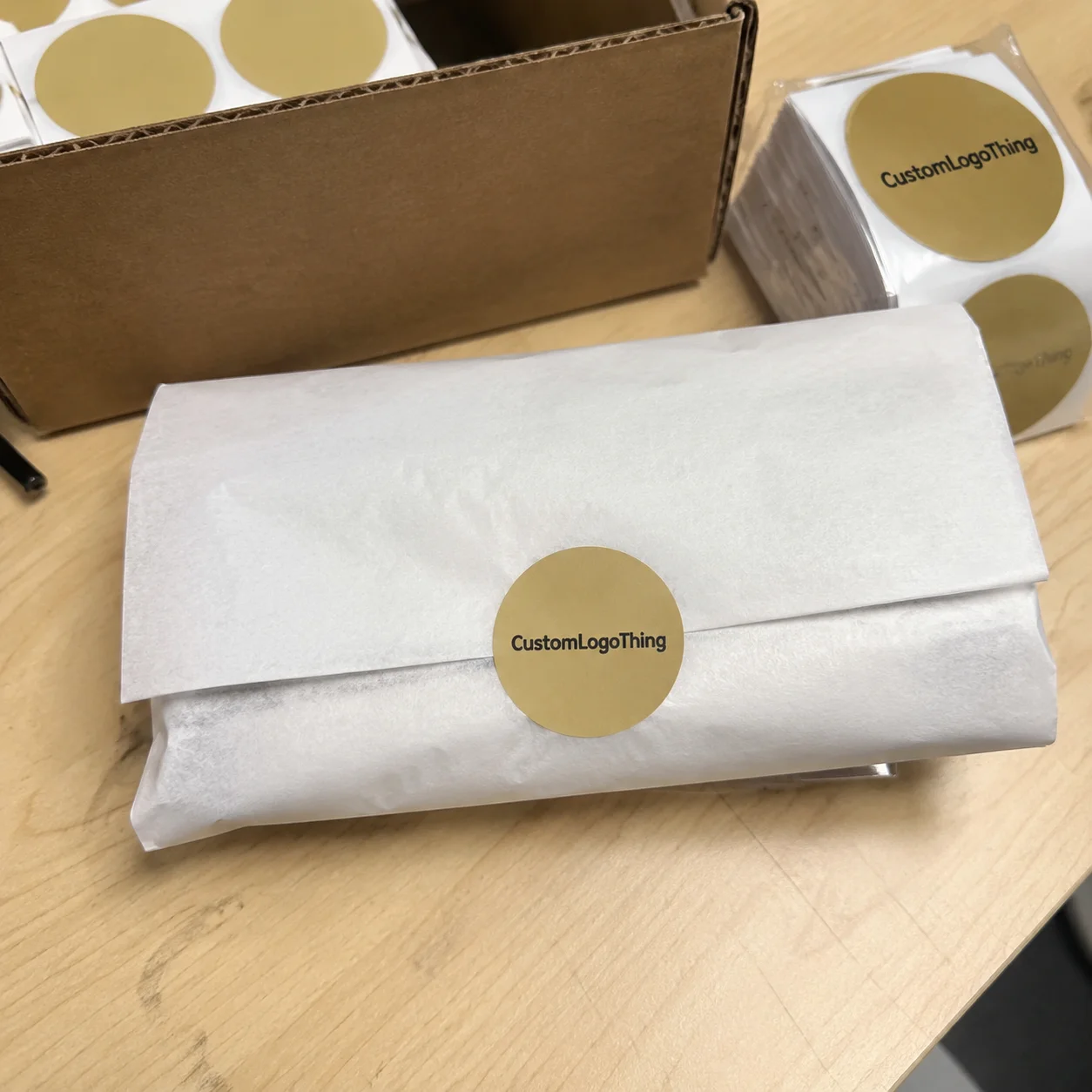
When a launch is close, or you suddenly need stickers for event handouts, carton sealing, or retail pricing, custom stickers local can sound like the easiest route. Sometimes it is. The real advantage is usually less about distance and more about tighter communication, faster proof approvals, and fewer surprises between quote and delivery.
In practice, “local” means you are working with a nearby printer or supplier that can quote, proof, produce, and sometimes let you pick up the order without waiting on freight. That matters when artwork is still moving, the brand team wants to see a proof today, and the deadline will not move just because shipping got delayed.
The term covers a lot of sticker types. Buyers use it for paper stickers, vinyl decals, clear labels, matte or gloss finishes, kiss-cut stickers, sheeted labels, and roll labels for hand or machine application. If you are sourcing for product packaging or retail packaging, that distinction matters, because the same artwork can behave very differently depending on substrate and adhesive.
Local does not automatically mean cheaper. A nearby vendor may save time and reduce shipping risk, but the strongest value often shows up in sample review, fewer miscommunications, and a quicker turnaround when the job needs a fast yes or no. For branded packaging and Custom Labels & Tags, that responsiveness can matter more than a small difference in unit price.
Before you Request a Quote, answer five questions: What are the stickers for? What size do you need? How many pieces? What material and finish make sense? And how soon do you need them? Those answers shape everything from pricing to durability.
How the local sticker production process works
A solid order usually follows a familiar path: inquiry, artwork review, proofing, print method selection, finishing, quality check, and handoff. The best local suppliers keep that process organized, because the fewer handoffs there are, the easier it is to catch issues before ink ever hits the stock.
For shorter runs or projects with variable art, digital printing is often the workhorse. It handles smaller quantities well and is forgiving when artwork changes from one version to the next. Larger, highly standardized orders may move through flexographic or offset-style workflows, especially when the design is stable and the buyer wants efficient repeat production.
Artwork review is where many delays begin. Local or not, the file still has to be right. Printers check bleed, resolution, contour cut paths, overprint settings, and color expectations. A file that looks fine on a monitor can still fail in production if the cut line is off by a fraction or the image is only 72 dpi.
Local sourcing can speed up approvals in a very practical way. Instead of trading emails for days, you may be able to review a sample in person, clarify a proof the same day, or talk through a revision before the job gets scheduled. That kind of feedback loop is especially helpful for package branding and custom printed boxes that need labels to match the rest of the system.
Finishing choices also matter. Lamination can improve scuff resistance, contour cutting can create a custom shape, and roll slitting or core selection can make life easier for machine application. A sticker is not just artwork on adhesive stock; it is a printed component that has to survive use, storage, and handling.
If you want a reference point for packaging and material thinking, the Packaging Machinery Manufacturers Institute and the International Safe Transit Association both publish useful industry context on packaging performance and transit behavior.
| Sticker option | Best use | Typical strength | Tradeoff |
|---|---|---|---|
| Paper labels | Indoor packaging, short-run branding | Low cost, easy printability | Less moisture resistance |
| Vinyl stickers | Bottles, outdoor use, handling-heavy jobs | Durability, water resistance | Higher material cost |
| Clear film | Minimal-look branding, glass, premium packaging | Cleaner visual effect | Surface prep and contrast matter more |
| Roll labels | Hand-applied or machine-applied production | Efficient application | Requires roll specs and orientation planning |
Cost, pricing, and MOQ factors that change your quote
Sticker pricing is usually driven by six things: size, shape complexity, material, finish, ink coverage, and quantity. A small square paper sticker with light coverage will almost always cost less than a die-cut vinyl piece with full bleed, lamination, and a custom shape that demands extra setup.
Unit cost typically falls as quantity rises, but the curve is not always smooth. Setup, file prep, proofing, and finishing can make a very small run feel expensive, while a larger order spreads those fixed costs across more pieces. That is why two quotes with the same unit price can still have very different total spend.
Minimum order quantities vary by material and print method more than by the phrase “local.” A nearby supplier might be able to print 250 pieces digitally, while a roll label run or specialty stock may push the minimum higher. Local sourcing helps with coordination, but it does not erase the economics of the production method.
Here is a practical way to read a quote:
- Setup or prepress covers artwork checks, file prep, and production planning.
- Material and ink reflect the stock, print coverage, and any specialty colors.
- Finishing includes cutting, laminating, sheeting, or roll conversion.
- Rush or delivery may add cost if the schedule is tight.
For many buyers, the best move is to ask for pricing at two or three quantity breaks. That reveals where the value threshold lives. Sometimes 1,000 pieces is only slightly more than 500, and sometimes the next break is where the project finally becomes efficient. A supplier should be able to show that clearly.
Packaging buyers often compare sticker spend against the broader Custom Packaging Products budget, and that makes sense. Labels, cartons, inserts, and tape all sit inside the same branded packaging system, so a small change in sticker spec can affect both cost and appearance.
Depending on the job, you may see sample pricing in the range of about $0.18 to $0.28 per unit for 5,000 pieces on straightforward digital work, with more complex or durable builds costing more. That is only a rough planning range, though; full bleed, laminate, specialty adhesive, and rush timing can move it quickly.
Turnaround and production steps: what to expect
A realistic timeline starts with artwork submission, then proof review, then scheduling, printing, finishing, quality control, and delivery or pickup. Most delays happen before the press run, not during it. If the files are clean and the proof is approved quickly, the rest tends to move in a much more predictable way.
Local orders often save transit time, but they do not eliminate production time. A simple digitally printed sticker run might move in a handful of business days after proof approval, while specialty materials, custom shapes, or roll conversion can stretch the schedule. Add lamination or slit rolls, and you are building in a few more steps that must happen in sequence.
It helps to think about the bottlenecks. Color matching can take a round of checks. New artwork may need a second proof. If the order is going on a launch box, an insert, or retail packaging that already has a narrow print window, any revision can ripple through the entire timeline.
From a planning point of view, build buffer time into launch dates, trade shows, seasonal campaigns, and replenishment orders. A two-day delay in proofing can become a missed install window if no one left room for it. This is where custom stickers local tends to shine: not because production is magical, but because communication is faster when the supplier is close enough to answer the right questions quickly.
Local is best treated as a coordination advantage. It shortens the conversation, not the laws of production.
Choosing the right material, adhesive, and finish
Material choice should follow the application, not the other way around. Paper is a smart fit for indoor labels, dry environments, and budget-sensitive runs. Vinyl brings better moisture resistance and general durability, which makes it a stronger option for bottles, jars, cleaning products, and other packaging that will be handled often.
Clear films are popular when the design should feel lighter or more premium, especially on glass or smooth plastic. They can look excellent, but they also expose the surface underneath, which means the packaging color, opacity, and artwork contrast all need to be planned together. That is part of why packaging design is never just about the sticker itself.
Adhesive selection matters just as much. Permanent adhesive is usually the default for packaging and branding. Removable adhesive makes sense for temporary promotions, short-term labeling, or situations where the sticker should peel away cleanly. On rough or textured surfaces, a stronger tack may be needed to keep the label from lifting at the edges.
Finish affects both appearance and performance:
- Matte softens reflections and can look more understated.
- Gloss adds visual pop and can help with abrasion resistance.
- Lamination improves handling durability and scuff protection.
Think about use conditions before you fall in love with a look. Refrigeration, frequent hand contact, outdoor exposure, and shipping abrasion all change what “best” means. For example, a sticker on a refrigerated bottle sees condensation; a sticker on a corrugated mailer may get rubbed by other cartons; a label for a handwash-heavy product may need a topcoat or laminate to stay readable.
If you are building a system around custom printed boxes, the sticker should complement the carton surface, not fight it. A matte box with a high-gloss label can work beautifully, but only if the contrast is deliberate.
Common ordering mistakes that slow down local projects
Most delays are preventable. The first common issue is weak artwork: low-resolution images, missing bleed, or cut lines that do not match the intended shape. If the printer has to stop and ask for a corrected file, the schedule usually slips, even if the vendor is nearby.
The second problem is adhesive mismatch. A low-tack label on a textured shipping box, for example, can fail far sooner than expected. The sticker may look fine on proof day and still peel when the carton flexes or the surface has dust, coating, or curvature.
Color expectations cause trouble too. Screen color and printed color are not automatic twins. Monitors are backlit, inks are physical, and stock color affects the result. If a brand color is critical, ask for a proof or a sample reference instead of assuming the first print will match perfectly.
Another expensive mistake is underestimating quantity. Running short and placing an emergency reorder often costs more than ordering a little extra up front, especially when rush production or expedited delivery enters the picture. For retail packaging and branded packaging, that buffer can save the entire campaign from a second round of artwork and approval.
And then there is timing. Waiting too long removes options. Finishes, special adhesives, and custom shapes may all be available, but only if there is enough time for proper production. A rushed order can still be good, but it is rarely the best version of the job.
Expert tips for getting better results from a local supplier
Send complete specs early. The strongest quote comes from a clear brief: finished size, quantity, substrate, adhesive, finish, application surface, and deadline. The more complete the request, the less likely you are to receive a number that changes later.
If the project involves a new product line or an unfamiliar surface, ask for a sample or short proof. That is especially useful when the sticker has to perform on refrigerated packaging, hand-applied labels, or a surface that has a coating, texture, or curve.
It also helps to compare at least two quantity options. A local supplier can often show where the unit cost improves enough to justify a larger run, and where extra inventory becomes the bigger risk. That tradeoff is real, especially for seasonal items or products with changing promotions.
Keep artwork organized with clean file names and version control. A lot of proofing confusion comes from one person sending “final-final2” while another person is still editing the old layout. Small process discipline saves a lot of back-and-forth.
Ask about application details too. If the stickers will be applied by hand, sheet layout may matter more than roll orientation. If a labeling machine is involved, core size, unwind direction, and label spacing become part of the job. Those details are easy to overlook and hard to correct once production has started.
For sustainability-minded buyers, ask whether the stock or liner options align with FSC sourcing or other environmental preferences. If packaging waste is part of the conversation, the Forest Stewardship Council and the U.S. Environmental Protection Agency are useful reference points for responsible material thinking and waste reduction.
Next steps for ordering custom stickers local
The decision path is straightforward once you treat stickers like a specification-driven purchase. Define the use case, choose a material and adhesive that fit the surface, confirm quantity, and request a proof with a clear deadline. That alone eliminates a surprising amount of friction.
Before you contact a supplier, gather three essentials: finished size, total quantity, and where the sticker will be applied. If you already know the print method or finishing needs, include those too. A good local printer can usually narrow the choices quickly once those basics are on the table.
Create a simple comparison sheet for price, turnaround, material, proofing support, and delivery or pickup options. That makes local quotes easier to evaluate side by side, especially when one vendor is strong on communication and another is slightly lower on price.
If your order touches product packaging, retail packaging, or a broader branded packaging system, make sure the sticker supports the whole presentation. The best orders are the ones where the label, carton, and finish all feel like they belong together.
So yes, custom stickers local can be the right move, not because it is trendy, but because it gives you more control over proofing, timing, and quality when the details matter. Prepare the artwork, confirm the specs, and ask for a quote from a nearby printer that can verify fit, finish, and schedule before production starts.
FAQ
What should I ask when buying custom stickers local?
Ask about material, adhesive, finish, quantity breaks, proofing, and turnaround before comparing quotes. Also confirm whether the supplier can support your application surface and environment, such as bottles, boxes, or refrigerated packaging.
Are local sticker printers always faster than online vendors?
Not always. Local vendors reduce shipping time, but proof approval and production scheduling still control the total timeline. A local shop is usually faster when you need quick communication, sample review, or pickup instead of freight shipping.
What affects the price of custom stickers local orders most?
Size, quantity, material, finish, cut complexity, and print method are the biggest cost drivers. Rush production, specialty laminates, and extra setup steps can raise the quote even for a nearby supplier.
Which material is best for durable local sticker orders?
Vinyl is usually the safest choice for moisture, handling, and longer wear. Add laminate if the stickers will see abrasion, frequent touching, or outdoor exposure.
How do I avoid delays with custom stickers local production?
Send print-ready artwork, approve proofs quickly, and confirm exact specs before production starts. Build in a buffer for revisions, finishing, and delivery so a small issue does not affect launch timing.