Custom stickers NYC: what they are and why they work
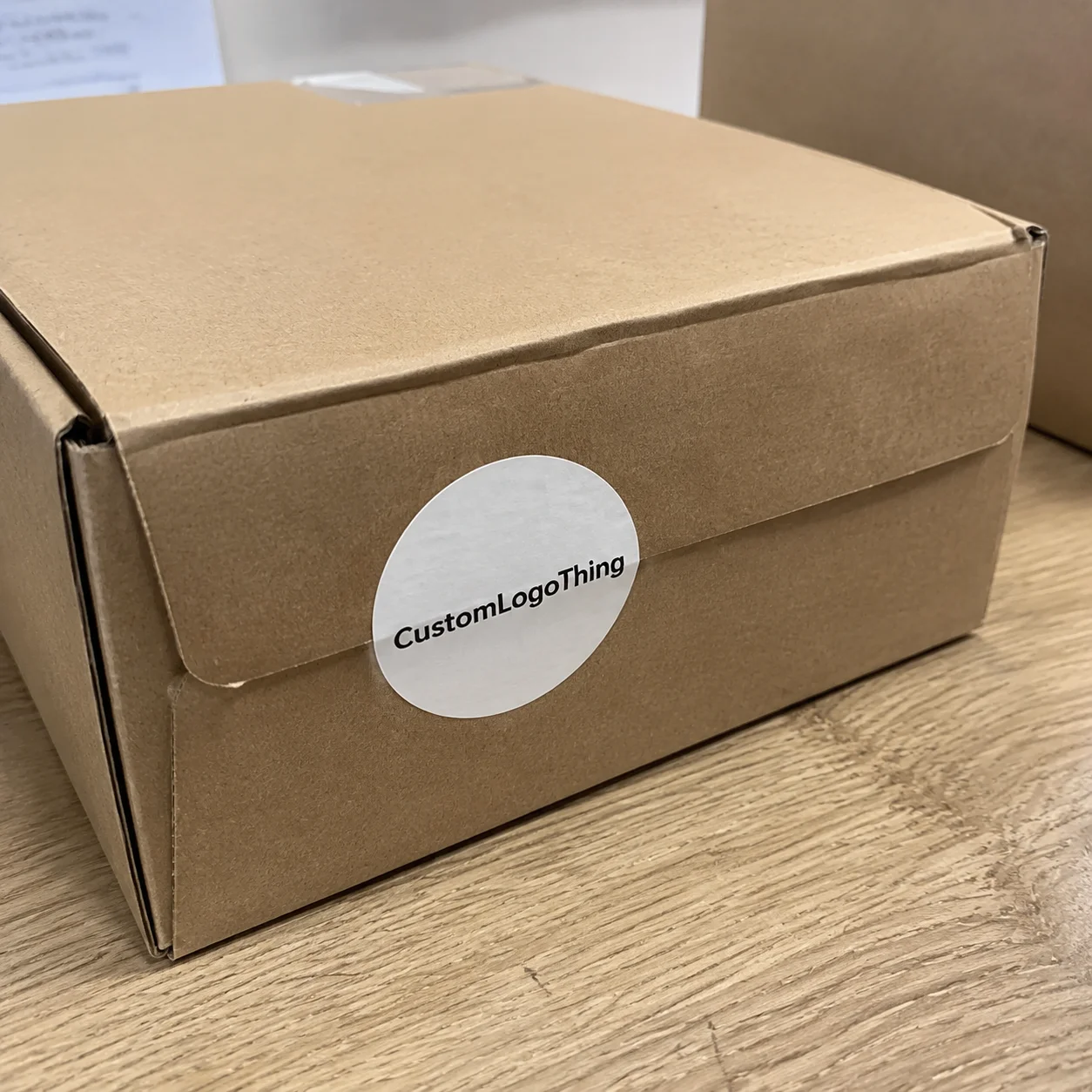
Sticker orders in New York usually start with a practical need: a brand wants a fast way to finish packaging, seal takeaway items, or add a consistent mark to handouts and retail bags. That is the real value of custom stickers nyc; it is a production choice that affects presentation, speed, and budget.
Stickers stay useful because one small piece can work across packaging, shipping, inserts, windows, laptops, and event giveaways. For cafés, startups, and retail teams, that versatility often creates more visible impressions per dollar than larger printed pieces.
The main formats are worth separating early. Die-cut stickers follow the artwork outline and usually look more polished. Kiss-cut stickers stay on a backing sheet, which helps with handling and distribution. Vinyl is the standard choice when durability matters. Paper is usually the lower-cost option for dry indoor use. Clear stock works well when the design should blend with glass or transparent packaging. Waterproof and removable builds solve specific use cases, but they are not interchangeable.
For buyers comparing vendors, the main question is not whether to print stickers, but which construction fits the surface, timeline, and budget without paying for features that will not be used. A short-run label for a pop-up is not the same job as a refrigerated product label or a window decal exposed to weather.
How the printing and production steps work
Sticker production follows a basic sequence: artwork submission, proofing, printing, cutting, finishing, and delivery. If the file is ready, the job moves quickly. If the file is missing a dieline, has weak resolution, or needs shape cleanup, even a simple order can slow down.
Digital printing is the most common method for short and medium runs because it handles full color without the setup burden of older processes. That matters for buyers using gradients, small type, or multiple logo colors, and it also helps when the quantity is modest.
File prep matters more than many buyers expect. A proper sticker file usually includes a vector cut line, bleed around the edge, and a safe area so text does not sit too close to the trim. If the piece is round, the circle should be clean and mathematically consistent. If it is a custom shape, the cut path should show exactly where the blade should go.
Proofing before print
A proof is the point where the buyer can still catch expensive mistakes. Check spelling, size, cut line placement, finish, and quantity. If the order uses a white, clear, or custom-printed backing sheet, confirm that detail before approval. Review the design at final size rather than zoomed in on a screen, because text that looks fine at 200% can disappear once printed.
Production teams may also use shipping and material benchmarks to judge whether a sticker is suitable for the intended use. Standards such as the ISTA test methods are relevant when labels need to survive transit, vibration, or handling. The EPA is a relevant source when buyers are making environmental claims or comparing material types. Not every order needs formal testing, but a good vendor should still know how a material behaves under moisture, abrasion, and temperature changes.
Cost, pricing, MOQ, and quote factors
Sticker pricing becomes easier to evaluate when the cost drivers are separated. Size, quantity, material, finish, cut style, color complexity, and turnaround speed all affect the quote. A one-inch paper circle for an indoor insert sits in a very different cost band from a waterproof die-cut vinyl label with laminate and a rush deadline.
Low quantities usually carry a higher unit price because setup, proofing, and cutting time are spread across fewer pieces. A 250-piece order can look expensive per sticker, while a 5,000-piece run lowers unit price but raises total spend. That tradeoff matters when a team is budgeting for packaging rather than comparing sticker prices in isolation.
Minimum order quantity, or MOQ, also shapes the decision. Some shops support very small runs for samples, internal testing, or one-night events. Others focus on larger batches because that keeps the print and finishing workflow efficient. Small MOQs are useful when the design is still being tested. Larger quantities make more sense when the sticker is going on regular retail packaging or something that will be reordered often.
| Sticker option | Typical use case | Common price behavior | Notes |
|---|---|---|---|
| Paper kiss-cut | Indoor packaging, inserts, giveaways | Lowest entry cost | Best for dry environments and short-term use |
| Vinyl die-cut | Product labels, bottles, laptops, windows | Moderate | Good balance of durability and presentation |
| Waterproof laminated | Drinks, cold storage, outdoor exposure | Higher | Worth it when moisture or abrasion is likely |
| Clear specialty | Minimalist branding, glass, premium packaging | Higher | Looks clean, but contrast and opacity need attention |
Hidden costs usually come from urgency, file cleanup, shape complexity, and finish upgrades. Rush work can raise the price quickly, especially if a job needs same-week proofing and production. Multiple proof revisions also add time. Protective lamination can be worth the extra cost, but buyers should compare quotes only when size, stock, quantity, finish, and timeline are the same.
Practical budgeting tip: ask what is excluded before comparing numbers. A low price that does not account for shipping, setup corrections, or reprints can cost more than a cleaner, slightly higher quote.
Choosing materials, finishes, and adhesives
Material choice is where sticker jobs usually succeed or fail. Paper is the straightforward option for dry indoor use, inserts, and short-term packaging. Vinyl is the safer choice when moisture, friction, or repeated handling are part of the job.
Waterproof and weather-resistant builds matter for drinks, refrigerated products, delivery bags, and outdoor placement. A paper label on a cold bottle can wrinkle quickly. A vinyl label with the right adhesive and topcoat holds up much better. If condensation, ice, or frequent handling is part of the use case, the substrate and finish are main performance factors, not minor details.
Finishes affect both appearance and readability. Gloss makes colors look brighter and gives the piece more punch. Matte cuts glare and usually feels calmer or more refined. Soft-touch adds a velvety surface and is more common in premium branding than in everyday labels. Clear stock can look elegant on glass and transparent packaging, but the artwork needs enough contrast to stay legible from a distance.
Adhesive choice matters just as much as print stock. Permanent adhesives are used when the sticker should stay put. Removable adhesives are better for windows, short-term promotions, and surfaces where clean removal matters. Freezer-safe adhesives are built for cold-chain applications and should not be treated as interchangeable with standard label stock. If the sticker is going onto textured cardboard, coated cartons, or curved bottles, the adhesive has to match the surface as well as the environment.
For buyers coordinating Custom Labels & Tags or other Custom Packaging Products, the sticker spec should fit the rest of the brand system. That does not mean every component has to look identical. It does mean the finish, color behavior, and durability should support the same product story across boxes, bags, labels, and inserts.
“The right sticker is the one that matches the job, not the one with the most features.”
That idea saves money more often than flashy selling points do. A simple café seal does not need freezer-safe laminate. A bottle label that lives in a cooler probably does.
Turnaround, lead time, and local ordering timeline
Most orders follow the same basic clock: concept, file prep, proofing, print queue, finishing, and delivery. Standard jobs with ready artwork move quickly. Jobs that need shape adjustments, specialty finishes, or repeated proofing take longer.
As a practical planning range, a simple sticker order often moves from proof approval to shipment in about 5 to 10 business days. More complex jobs can take 12 to 15 business days or more, especially when the shape is unusual, the finish is special, or the proof cycle stretches out. That is not a promise, because every vendor’s queue is different, but it is a realistic planning window for many buyers.
What speeds a job up? Ready-to-print artwork, standard sizing, simple cut lines, and flexible delivery dates. What slows it down? Color matching requests, transparent stock, layered effects, unusual contours, and repeated proof changes. The more variables in the job, the more coordination it requires.
Local ordering can help when timing is tight. NYC buyers often need pickup, quick reorder options, or a second run after a test launch performs better than expected. Being close to production does not remove proofing, but it can shorten transit and reduce the risk of last-minute shipping issues. That matters for pop-ups, trade show booths, seasonal packaging, and retail events where the sticker is part of the launch timeline.
Rule of thumb: if the sticker supports an event or launch, order it before the rest of the campaign depends on it. A print delay can ripple into packing, staff prep, and merchandising.
Common ordering mistakes that inflate reprints
Reprints cost more than the first run because they waste time in two directions: production and correction. The most common issue is file quality. Low-resolution images may look fine on screen but print soft or pixelated. Missing dielines can cause the cutter to trim in the wrong place. No bleed can leave an unprinted edge after cutting.
Another frequent mistake is choosing the wrong stock for the environment. A paper sticker on a chilled beverage will fail faster than most buyers expect. A removable adhesive on a label that needs to survive shipping can curl or lift. A gloss finish on a product that gets handled constantly may show fingerprints and scuffs. The spec sheet can look fine while the real-world performance is wrong.
Color mismatch is also a common source of disappointment. Screens emit light; printed stickers reflect it, so colors never behave exactly the same way. Transparent stock can darken artwork. Coated vinyl can make saturated colors look stronger than expected. Buyers who need brand accuracy should ask how proofs are handled and whether the artwork has been built in the right color space before approval.
Quantity mistakes create a different kind of waste. A buyer orders too few pieces, runs through them in the first weekend, and then needs a rushed reorder. The second run often costs more because the timing is tighter and freight is less efficient. A slightly larger first order is often cheaper than two emergency reprints.
- Check resolution, bleed, and cut lines before approving the proof.
- Match adhesive and finish to the actual surface and environment.
- Confirm whether the sticker needs to be waterproof, removable, or permanent.
- Estimate quantity with a buffer for spoilage, giveaways, and growth.
- Review the proof at final size, not just on screen.
Those checks sound simple because they are simple. They are also the ones that catch most avoidable mistakes before they turn into reprints.
Expert tips for better sticker results and next steps
Start with the use case, not the material. Is the sticker a packaging seal, a giveaway, a retail branding element, or a durable product label? That answer should control the rest of the specification. If the piece has to survive moisture or abrasion, durability comes first. If it is a low-cost promotion for a short event, speed and quantity matter more than premium construction.
When a sticker has to survive rough handling, ask for a sample finish or stock swatch. That small step can prevent an expensive mismatch later. A swatch shows whether matte feels too flat, whether clear stock has enough contrast, and whether the adhesive behaves properly on the intended surface. For branded packaging, those details affect the first impression more than people expect.
Artwork quality still matters even when the print method is doing most of the work. Vector shapes hold up better than raster files. Typography should stay readable at the final size, especially for small labels where fine text can disappear. High-contrast designs generally print more reliably than pale type on transparent or metallic stock. If the sticker is going onto a busy box design, simplify the art rather than crowding the surface.
Vendor selection should be based on total value, not just the lowest quote. A slightly higher price may include better proof support, faster response time, cleaner cutting, and more consistent repeat orders. That matters when the sticker is part of recurring packaging, because consistency becomes part of the brand experience.
Smart ordering sequence: define the use case, lock the size, choose the stock, confirm the adhesive, approve the proof, and then place the order. That sequence reduces surprises and makes quote requests much clearer. It also makes it easier to Compare Custom Stickers nyc vendors on the same exact job rather than on broad estimates.
When you gather quotes for custom stickers nyc, keep the spec sheet tight: size, quantity, finish, adhesive, color count, and delivery timing. Compare those quotes against the same real-world use case. That is the simplest way to avoid paying for features you do not need and to make sure the final sticker performs where it matters most.
FAQs
What should I know before ordering custom stickers NYC for packaging?
Decide where the sticker will live: box, bottle, bag, window, or mailer. Match the material and adhesive to moisture, handling, and surface texture. Send print-ready artwork with bleed and a clear cut line so production does not stall.
How much do custom stickers NYC orders usually cost?
Price depends on size, quantity, material, finish, and turnaround speed. Unit cost usually falls as quantity increases, but premium finishes raise total spend. Ask for quotes that list the same specs so the comparison is accurate.
What is the typical turnaround for custom stickers NYC buyers?
Simple orders move faster when artwork is ready and the size is standard. Proofing, special finishes, and complex shapes add time to production. Plan early if the stickers support a launch, event, or seasonal promotion.
Which material is best for durable custom stickers NYC uses?
Vinyl is usually better for moisture, handling, and outdoor exposure. Paper works well for dry indoor packaging and lower-cost campaigns. Choose laminate or waterproof construction when the sticker must last longer.
How do I avoid reprints when ordering custom stickers NYC?
Check bleed, resolution, and cut lines before approving the proof. Confirm the adhesive and finish match the actual surface and environment. Order a sample or small run first if the use case is uncertain.

