A plain kraft box, clear cup, or candle jar can look unfinished until the right label ties the presentation together. For many local brands, custom stickers Orlando companies order are not just decorative. They let businesses use standard packaging, launch faster, and update SKUs without committing to large runs of preprinted cartons, sleeves, or containers.
That flexibility matters for boutiques, takeout shops, candle makers, food brands, and event sellers. One container can support multiple scents, flavors, or seasonal releases by changing only the label. The key is to spec the sticker for the actual job. A giveaway decal, a box seal, a bottle label, and a window graphic all require different materials, adhesives, and finishing.
Most buying mistakes happen because too much attention goes to artwork and not enough to the surface, moisture exposure, curvature, finish, or application method. A sticker should fit the package, stay down through handling, and match the pace of packing. Those details matter more than a screen mockup.
Why custom stickers solve more than a branding problem
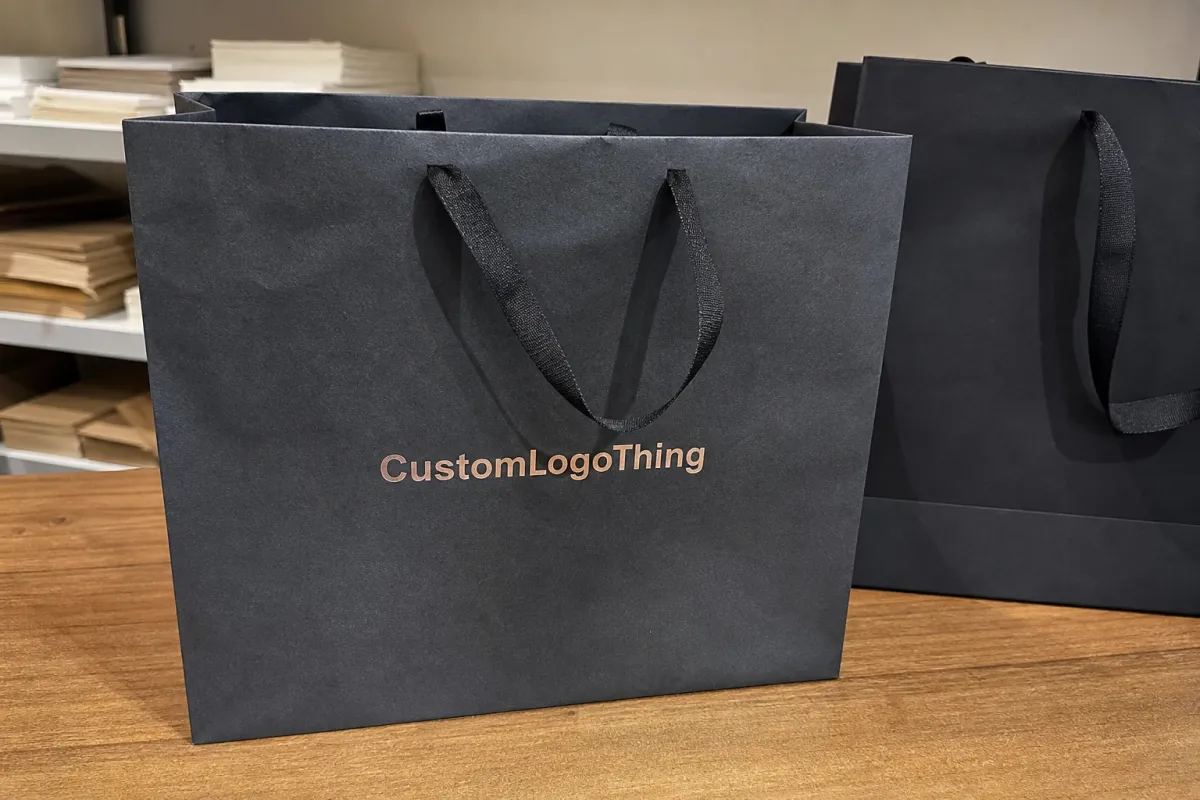
Stickers work because they solve a packaging problem without forcing a full packaging redesign. If a brand is not ready to buy printed cartons by the thousands, a label can create a finished retail look on a stock box, pouch, or jar. That keeps structural packaging separate from branding, which is useful for test launches, seasonal drops, and small-batch production.
This approach also reduces inventory risk. Generic packaging is easier to reorder and reuse across products, while stickers handle flavor names, product details, promotions, and batch changes. Many growing brands are better off delaying fully printed Custom Packaging Products until sales are stable enough to support long runs.
Stickers also help keep branding consistent across mailers, tissue seals, jars, and event handouts. But the construction has to match the use. A low-cost paper seal may work perfectly on a dry box and fail quickly on a cold drink cup or lightly oily lid.
Materials, adhesives, and finishes that hold up in real use
Material choice affects print quality, durability, and cost. Paper is usually the most economical option and works well for dry boxes, shopping bags, folded cartons, and short-life retail packaging. It prints cleanly, especially with matte branding, but it scuffs more easily and does not handle moisture well.
White vinyl is tougher and more flexible, making it a safer pick for bottles, mailers, handouts, and surfaces that may see dampness or abrasion. Clear vinyl creates a no-label look on smooth plastic or glass, but artwork needs strong contrast or the design can disappear into the package color.
BOPP film is a common choice for jars, bottles, and food-adjacent packaging. It handles water better than paper and performs well on smooth, clean containers. In many packaging applications, BOPP is preferred over thicker vinyl because it is thin, durable, and efficient on rolls.
Specialty stocks such as holographic film, metallic materials, or textured papers are mostly visual upgrades. They can work well for limited releases or event pieces, but they usually cost more and can reduce readability if the artwork depends on subtle contrast.
Adhesive is just as important as face stock. Permanent adhesive is standard for labels that must stay put through shipping and shelf handling. Removable adhesive fits temporary promotions and some window graphics, but performance varies by surface. A removable adhesive that releases cleanly from glass may not behave the same on painted or textured materials.
Finish affects both appearance and performance. Gloss makes colors pop. Matte cuts glare and often improves readability on small text. Gloss or matte lamination adds scratch resistance for labels that will be rubbed, stacked, or shipped. Soft-touch laminate can feel premium, but it usually makes more sense for upscale retail packaging than for utility labels.
Format matters for labor. Kiss-cut sheets are practical for small runs or mixed designs. Individually die-cut stickers work well for inserts, giveaways, and merch-style handouts. Rolls are usually the best choice for faster application and more consistent placement. If you already use Custom Labels & Tags in your packaging system, matching format to your packing process can save time.
What actually drives sticker pricing
Sticker pricing usually comes down to five variables: size, quantity, material, finish, and format. After that, shape complexity, ink coverage, and cutting setup can affect the quote. In general, simple paper stickers in moderate quantities cost less than waterproof films with lamination and individual die cutting.
Quantity changes the math quickly. Short digital runs are useful for testing, events, and seasonal campaigns, but the unit cost is higher because setup and finishing are spread across fewer pieces. At repeat volumes, especially on roll labels, unit costs often drop sharply. Still, overbuying is risky if artwork, ingredients, or SKUs change often.
| Sticker Type | Typical Use | Estimated Quantity | Typical Unit Range |
|---|---|---|---|
| 2" round paper, sheeted | Box seals, thank-you stickers | 500 | $0.12-$0.35 |
| 3" die-cut vinyl | Giveaways, laptops, event handouts | 500 | $0.35-$0.80 |
| 3" x 2" BOPP roll label | Jars, bottles, pouches | 2,500 | $0.06-$0.18 |
| Clear window decal | Storefront promotions | 100 | $1.20-$3.50 |
Format creates hidden cost outside the printed-piece price. Rolls are often faster and cheaper to apply by hand and are better if an applicator is involved. Sheets can be practical for smaller runs or multiple SKUs. Individually cut pieces require more finishing and packing time, which pushes pricing up even when the printed area is similar.
The right comparison is total use cost, not just the lowest unit price. A cheap label is expensive if it peels on curved bottles, scuffs in transit, or slows packing because the format is awkward. Waste shows up as relabeling labor, emergency reorders, and damaged presentation.
Production timeline: from proof to delivery
Most sticker orders move through artwork review, size confirmation, proofing, material selection, print setup, finishing, cutting, packing, and delivery or pickup. If the art is ready and the spec is simple, short digital runs often finish in about 3 to 7 business days after proof approval. Larger orders, specialty materials, or multi-step finishing can run 8 to 15 business days or longer.
Delays are usually avoidable. Low-resolution logos, unclear final size, missing bleed, undefined cut lines, and late artwork edits are common causes. A simple order can still lose days if no one confirms whether the label should be 2 inches wide or 3 inches tall before approval.
Special finishes add time because they add steps. Lamination is a step. Complex die cutting is a step. Large roll orders may run on different equipment than short digital batches, so scheduling can change even when the artwork stays the same.
For trade shows, menu changes, seasonal packaging, or product launches, it is safer to start quoting and proofing at least two to three weeks before the labels are needed, and earlier for multiple SKUs or specialty finishes.
Practical callout: If the sticker is required to ship product, seal packaging, or identify inventory, treat it like a production component, not an optional extra.
That approach leaves time to review the proof at actual size, test adhesion on the real surface, and check fit within the packaging system. For orders that must hold up in transit, it also helps to compare expectations against handling and abrasion guidance such as ISTA principles.
Choosing the right format for retail, food, events, and shipping
The fastest decision path starts with one question: where is the sticker going? Then ask how long it needs to last, what the surface is made of, and whether it will be applied one at a time or in batches.
Retail packaging
Retail brands usually use stickers as brand seals, information labels, promotional callouts, or short-run graphics. Matte paper works well on tissue, folded cartons, and rigid boxes. BOPP or vinyl is safer for jars, lotions, and products handled repeatedly. If the design includes a barcode, ingredients, or SKU details, leave enough room for readability. Tiny reverse text and thin scripts often fail at small sizes.
Food and beverage use
Food-adjacent packaging needs more caution. Refrigeration, condensation, light oil contact, and curved containers can change performance quickly. A dry bakery box may be fine with paper. A cold bottle, deli container, or sauce jar usually benefits from film material and a stronger adhesive. Curvature matters too: a stiff label on a tight-radius container can wrinkle or lift at the edges.
Events and handouts
Event stickers need visual impact first and durability second unless they are being sold as merch. Die-cut vinyl is a common choice because it feels substantial and holds up on bottles, bags, and laptops. Holographic finishes can attract attention, but strong contrast and a clear silhouette usually outperform intricate art on a crowded table.
Shipping and mailers
For mailers and shipping kits, the sticker may act as a closure, a branding touchpoint, or both. Corrugated and kraft surfaces are less forgiving than smooth coated stock, so adhesive choice matters. Rolls are usually best if staff are sealing orders quickly. Matte paper can work in dry fulfillment environments, but laminated film tends to hold up better through abrasion and humidity.
Before requesting pricing, gather the details that affect production most: quantity in two or three tiers, exact size and shape, surface type, expected environment, finish preference, deadline, and artwork status. That makes quote comparisons more useful and gives the printer enough information to recommend a practical balance of cost, appearance, and durability.
Common ordering mistakes that cause peeling, waste, or reprints
The most common mistake is choosing stock by appearance alone. A good-looking unlaminated paper label can be perfect on a dry gift box and completely wrong for a cold bottle, bathroom product, or textured mailer. If the sticker has a functional job, function has to lead the decision.
Artwork mistakes are next. Tiny text, delicate outlines, and low-contrast colors often look fine on screen and fail in print. Clear labels are especially unforgiving because the background color shows through and changes how the design reads. Proofs should be reviewed at actual size whenever possible.
Sizing errors also create waste. A shape that looks strong in a mockup may bridge a seam, wrinkle over a shoulder, or look undersized once applied. Measuring the real application area matters more than estimating, especially on curved packaging.
Proofing shortcuts lead to reprints. Bleed, safe area, cut line placement, and realistic color expectations all matter. Brands that need consistent repeat color across a larger packaging system should confirm how that target will be handled on future orders.
Quantity planning matters too. Under-ordering can trigger expensive rush repeats. Over-ordering can leave obsolete labels after a formula, ingredient, or packaging change. If sustainability is a priority, paper-based options should be discussed with reference to standards such as FSC.
How to place a smarter custom stickers Orlando order
If the application is new, sample first. That matters most for bottles, textured mailers, freezer-adjacent items, storefront windows, and anything exposed to moisture or temperature swings. A small test run can reveal edge lift, haze, readability issues, or handling wear before the order gets expensive.
Once the sticker works, write down the spec. Keep the approved size, material, adhesive type, finish, cut format, and standard reorder quantity in one place so future purchasing is faster and more consistent.
Ask for a quote based on the use case rather than a generic menu price. Share the surface, storage conditions, handling expectations, and whether the sticker is decorative, informational, or structural. That gives the supplier enough context to recommend the right construction instead of defaulting to the cheapest stock.
- Measure the exact application area on the real package or surface.
- List quantity tiers for both testing and repeat orders.
- Note exposure conditions such as moisture, refrigeration, sunlight, or abrasion.
- Prepare vector artwork, or at minimum confirm final logo and text hierarchy.
- Specify whether you need rolls, sheets, or individually cut pieces.
- Request a proof and review it at actual size before approval.
That checklist makes supplier comparisons easier because it shifts the decision toward fit, durability, labor, and reorder reliability rather than just the headline price.
What should you know before ordering custom stickers Orlando businesses use?
Start with the use case, not the artwork. The strongest orders align four variables: surface, environment, application speed, and lifespan. If the sticker goes on dry boxes, paper may be enough. If it goes on bottles, jars, mailers, or outdoor surfaces, vinyl or BOPP usually makes more sense. If staff will apply hundreds in a shift, rolls often save labor. If the piece must remove cleanly, adhesive choice matters as much as the printed face.
Before placing the order, confirm the exact size, finished shape, material, adhesive type, and delivery format. Then review a proof at actual size. That process prevents most of the failures buyers complain about later: peeling edges, unreadable text, poor fit on curved containers, and paying for features the application never needed.
FAQ
How do I choose the best custom stickers in Orlando for packaging?
Start with the package surface, because cardboard, glass, plastic, coated mailers, and flexible pouches do not behave the same. Then match the sticker to handling conditions such as moisture, refrigeration, sunlight, or rubbing during shipping. Rolls are usually best for faster application, while paper, BOPP, or vinyl should be chosen based on whether the label is mainly decorative or needs stronger durability.
What affects the price of custom sticker printing in Orlando the most?
Size and quantity usually have the biggest effect on unit cost. Material upgrades such as waterproof films, specialty finishes, lamination, and Custom Die Cuts raise the price, and format matters too because individually cut stickers, sheets, and rolls carry different finishing and packing costs. A clear use case almost always produces a more accurate quote than artwork alone.
How fast can I get custom logo stickers Orlando businesses use for events or launches?
Turnaround depends on artwork readiness, proof approval time, material choice, finishing steps, and shipping method. Simple digital short runs often move faster than high-volume or specialty-finish orders. For launch-driven work, leave time for proof review and at least a basic adhesion test on the actual surface.
Are vinyl stickers better than paper stickers for Orlando heat and humidity?
Vinyl is generally the stronger choice when moisture resistance, outdoor exposure, or heavy handling matters. Paper works well for dry indoor packaging, short-term promotions, and cost-sensitive uses where the sticker is unlikely to face dampness or abrasion. Adhesive selection matters just as much as face stock in warm or humid conditions.
What files should I prepare before ordering custom stickers near Orlando?
Provide vector artwork when possible so edges stay crisp and scaling stays reliable. Include final size, cut shape, bleed, brand colors, and finish notes such as matte, gloss, clear, or laminated. It also helps to share the intended surface and use environment so the proof and pricing reflect the actual application rather than a generic print assumption.


