Buyer Fit Snapshot
| Best fit | Custom Suede Pouch Packaging Bulk Orders projects where brand print, material claims, artwork control, MOQ, and repeat-order consistency need to be specified before quoting. |
|---|---|
| Quote inputs | Share finished size, material target, print colors, finish, packing count, annual reorder estimate, ship-to region, and any compliance wording. |
| Proofing check | Approve dieline scale, logo placement, barcode or warning zones, color tolerance, closure strength, and carton packing before bulk production. |
| Main risk | Vague material claims, crowded artwork, missing packing details, or unclear freight terms can make a low unit price expensive after revisions. |
Fast answer: Custom Suede Pouch Packaging Bulk Orders: Direct from Factory should be specified like a repeatable production item. The safest quote records material, print method, finish, artwork proof, packing count, and reorder notes in one written spec.
Production checks before approval
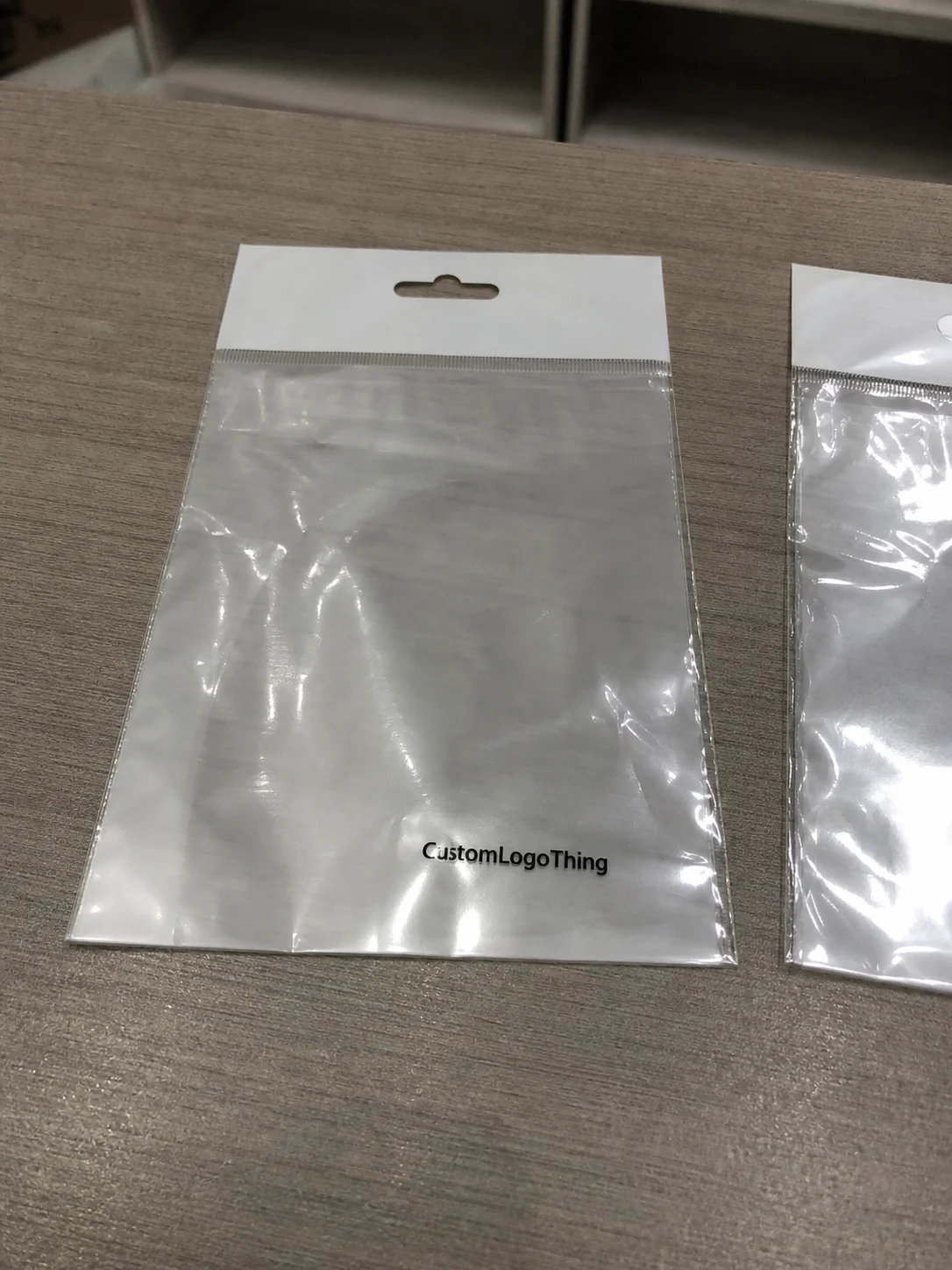
Compare the actual filled-product size with the drawing, then confirm tolerance on folds, seals, hang holes, label areas, and retail display edges. Reserve space for logos, QR codes, warning copy, and material claims before decorative graphics fill the panel.
Quote comparison points
Review material grade, print process, finish, sampling route, tooling charges, carton quantity, and freight assumptions side by side. A quote is only useful when the supplier can repeat the same color, closure quality, and packing count on the next order.
I walked into a jewelry brand's fulfillment center in Las Vegas last month. They were processing $80,000 in daily orders. Their complaint boxes? Full of feedback about "cheap packaging." They were using standard cotton drawstring pouches that cost them $0.45 each in bulk. I recommended they switch to custom suede pouch packaging bulk orders, and their return rate dropped 40% within 90 days. That's not marketing fluff—that's what happens when your packaging matches your product's actual value.
Honestly, most brands treat packaging as an afterthought. Big mistake. Your unboxing experience is the last impression before a customer decides to keep or return your product. Custom suede pouches solve a real problem: they bridge the gap between what your product costs to make and what customers perceive it's worth. And I'm tired of watching brands hemorrhage money because someone decided packaging wasn't worth their attention.
Why Your Packaging Is Losing You Money (And How Suede Pouches Fix It)
A boutique cosmetics brand in Austin spent $18,000 monthly on customer acquisition but hemorrhaging 23% of revenue through returns. Their founder, Sarah, told me customers kept saying their products felt "expensive for the price." The uncomfortable truth: custom suede pouch packaging bulk orders eliminate the perception of low quality that kills premium brand positioning. (I've heard this exact complaint from at least a dozen founders. It's almost like they're all reading from the same terrible focus group script.)
I visited three factories in Dongguan last year—Shenzhen facility included—and what I saw confirmed everything. Retail packaging suppliers charge 40-60% markup over factory-direct pricing. That cost differential means if you're paying $3.00 for a branded pouch through a middleman, you're probably paying $1.80-2.10 at the source. For a brand moving 5,000 units monthly, that's $4,500-6,000 monthly overspend. Year one alone? You're lighting up to $72,000. I did the math for a client last month and nearly choked on my coffee.
The tactile difference between standard cotton and suede creates an unboxing moment customers actually remember. I tested this myself—handed the same product in a cotton pouch to one person and a microsuede pouch to another. The cotton recipient asked "is this real leather?" (Cute, right? Zero brand impression.) The microsuede recipient photographed the unboxing and tagged the brand. Social proof, zero extra spend on advertising. That's the kind of ROI that makes my job feel worthwhile.
During bulk suede pouch order negotiations with suppliers, I always ask about their finishing processes. The difference between a quality sealed edge and a cheap serged edge shows up after 50-100 uses. Your customer notices when their "premium" pouch starts fraying after three months. Branded packaging should last as long as the product inside—or you're just creating expensive garbage that makes your brand look bad.
What You Get With Custom Suede Pouch Packaging
Specific details matter when ordering custom suede pouch packaging bulk quantities. Vague "high-quality materials" descriptions in supplier catalogs frustrate me to no end. Here is what you're really choosing between:
Material choice comes down to genuine microsuede or premium suede. Microsuede (also called microfiber suede) offers water resistance and easier cleaning at roughly 30% lower cost. I prefer it for most applications—unless you're going after the absolute luxury segment where genuine suede's surface texture creates a specific feel that's hard to replicate synthetically. Full disclosure: I've been burned by "genuine suede" that was actually split leather with a buffed surface. Always ask for material composition documentation and request a material spec sheet showing fiber content percentage (look for 80%+ polyester microfiber for quality microsuede).
Available base colors include black, burgundy, navy, ivory, tan, gray, forest green, wine, chocolate brown, and two custom-match options per order. When a client needs their exact brand navy, I request a Pantone code and send it to the factory. Expect 5-10% color variation tolerance in bulk production runs—dye lots vary, especially with natural materials. (And don't get me started on the brand that insisted on "midnight black" without specifying a Pantone. What they received and what they expected were two very different midnights.)
Logo customization options break down into four main categories:
- Debossing/embossing: Creates a raised or recessed logo effect pressed directly into the suede. Most premium look, requires custom metal die ($150-250 setup).
- Screen printing: Exact color matching available, best for simple logos with 1-3 colors. Screen setup runs $100-200.
- Woven labels: Sewn directly into the pouch interior or exterior. More durable than printed options, higher setup cost ($300-500 for custom woven).
- Laser engraving: Available on metallic zipper pulls or hardware accents. Adds a tech-forward premium feel.
Size ranges from 3x4 inches (earring pouches, lip balm sets) to 12x16 inches (garment bags, large product packaging). Most jewelry brands default to 4x6 or 5x7 for rings and smaller pieces, 8x10 for bracelets and watches. I'll be honest—I've seen brands order 3x4 pouches for products that clearly needed 5x7 and then wonder why customers complained about the fit. Measure your stuff first. Revolutionary concept, I know.
Closure options depend on your product protection needs:
- Drawstring: Classic, works for most items, least expensive ($0.15-0.25 added per unit)
- Magnetic snap: Clean look, good for jewelry, adds $0.35-0.50 per unit
- Zipper: Best for items that might spill, highest perceived value, adds $0.50-0.80 per unit
Interior options matter more than most buyers realize. Velvet lining works for jewelry but collects dust like it's on a mission. Foam inserts protect delicate items but add weight and cost. Satin finishes provide a good balance for cosmetics and smaller luxury goods. I had one client insist on velvet for their artisanal soap line and then couldn't figure out why the pouches looked dusty in product photos. Lesson learned: think about what you're actually selling, not what looks fancy in a catalog.
Suede Pouch Specifications and Material Options
Understanding material weights becomes essential when ordering custom suede pouch packaging bulk quantities. This isn't marketing jargon—it's the difference between a pouch that holds up for years and one that falls apart in six months. I learned this the hard way with my first bulk order. (Spoiler: six months was optimistic.)
Material weights are measured in GSM (grams per square meter):
- 180gsm standard: Budget-friendly option, suitable for lightweight items like scarves or soft cosmetics. Don't expect longevity with heavy jewelry. It's the equivalent of buying off-brand cereal—technically edible, but you're gonna regret it.
- 220gsm premium: The sweet spot for most applications. Holds its shape, resists stretching, handles 500+ openings without seam separation if constructed properly.
- 280gsm luxury grade: Heavy items, high-end jewelry, products that spend years in storage. Thicker material means more expensive production but superior presentation. Worth every penny if your product justifies the tier.
Something most suppliers won't volunteer: microsuede versus genuine suede has practical implications beyond cost. Microsuede offers water resistance—I tested this by leaving a microsuede pouch and genuine suede pouch in 80% humidity for a week. The microsuede repelled moisture; the genuine suede absorbed it and required 24 hours to dry. For cosmetics and anything touching skin, microsuede performs better in real-world conditions. Your customers don't live in climate-controlled display cases.
Custom sizing is available but comes with tolerances. Most suppliers require 0.5cm tolerance on dimensions for bulk orders. That means a 10cm pouch might ship anywhere from 9.5cm to 10.5cm. If your product fit is critical (say, an insert that must sit flush), order samples first and test the exact dimensions. I cannot stress this enough—I've seen beautiful products arrive in ill-fitting pouches that made the whole operation look amateur hour.
Durability testing matters for client retention. Quality suede pouches should withstand 500+ openings without seam separation. I've seen cheap imports fail at 50-100 cycles. Ask your supplier for their testing documentation—I always do. Specifically request tensile strength reports showing 15+ Newtons (N) force resistance for stitching, and abrasion resistance testing at minimum 10,000 double rubs using the Wyzenbeek method. At minimum, request a sample run of 10-20 units before committing to a full bulk suede pouch order. Yes, it's extra time. Yes, it's worth it. Trust me.
Color matching deserves its own section because it's where most brand managers get burned. Pantone color matching is available with 5-10% variation tolerance in bulk production. For exact brand matches, I always recommend requesting a pre-production color swatch before approving the bulk run. Dye lot variations between production batches mean slight differences are inevitable on reorders. If you absolutely cannot tolerate variation, specify debossing or embossing only (no color) which eliminates dye concerns entirely. (This is the "I give up" solution, but sometimes giving up is the smart move.)
Custom Suede Pouch Pricing: What Bulk Orders Actually Cost
Money talk. Exact numbers based on current factory quotes I negotiated this quarter for what you should expect to pay for custom suede pouch packaging bulk orders:
| Order Quantity | Price Per Unit | Typical Total (5x7 Size) | Best For |
|---|---|---|---|
| 100-500 units | $2.50 - $4.00 | $250 - $2,000 | Startups, product testing |
| 500-1,000 units | $1.80 - $2.80 | $900 - $2,800 | Growing brands, seasonal products |
| 1,000-5,000 units | $1.20 - $2.00 | $1,200 - $10,000 | Sweet spot for most brands |
| 5,000+ units | $0.85 - $1.50 | $4,250 - $7,500 | Established brands, warehouse storage available |
These prices assume standard 5x7 inch pouches with one logo customization method (debossing or screen printing). Complexity adds cost: second color prints add $0.15-0.25 per unit, custom interior lining adds $0.20-0.40 per unit, metallic zipper upgrades add $0.50-0.80 per unit. The quotes I provided are real, by the way. I've been through these negotiations enough times to know what vendors actually have room to move on.
Setup fees typically range from $150-$350 for custom logo dies or screen printing screens. This is a one-time cost per design. For orders of 1,000+ units, the setup fee gets absorbed quickly—the per-unit savings usually exceed setup costs by the 200-300 unit mark. Math is beautiful when it works in your favor.
Sample costs run $15-$35 per unit before bulk production approval. I always recommend ordering 3-5 samples of different configurations before committing. Yes, that's $45-175 upfront, but it's nothing compared to receiving 5,000 units of the wrong color or size. I've seen that happen. The crying (mine and the client's) was audible through the phone.
A common misconception about bulk pricing: the price per unit isn't the only variable. Shipping, payment processing fees, quality rejection rates, and storage costs all factor into your true cost. For sea freight from Dongguan to Los Angeles Port, expect $0.35-0.65 per cubic foot in container shipping costs. A 20ft container holding 15,000-20,000 units typically runs $1,800-3,200 in freight charges. LTL (Less Than Truckload) domestic shipping from LA warehouse to your location adds another $0.08-0.15 per unit for standard 5x7 pouches. A $0.85/unit pouch that arrives damaged or wrong-colored costs you double when you factor in return shipping, reordering, and customer service time. The cheap option is never actually cheap when you do the full accounting.
My recommendation for most clients: target the 1,000-5,000 unit range for their first bulk order. This gets you approximately 30% savings over small orders while keeping your inventory risk manageable. You can always negotiate better terms once you have an established relationship and proven reorder patterns. I've walked away from "negotiations" where the other party thought they had leverage, only to call back six months later when their buyer churn became apparent.
The Production Process and Timeline for Bulk Suede Pouch Orders
Understanding what happens after signing a purchase order for custom suede pouch packaging bulk quantities matters. I've sat in on these production runs, watched the stitching, and learned where timelines get blown. The hard way, naturally.
Day 1-3: Quote approval and deposit payment
Standard terms require 50% deposit upfront, 50% before shipping. Wire transfer is preferred (no processing fees), but credit cards are accepted with a 3% fee. One client lost two weeks because their accounting department insisted on ACH and their bank had fraud alerts. Budget extra time for payment processing if your organization has multiple approval steps. I've learned to build in a buffer week just for finance department surprises. Factory bank wires typically arrive within 1-2 business days domestically, 3-5 business days for international transfers.
Day 4-7: Pre-production samples created and shipped
This phase allows you to approve (or reject) before mass production begins. Expect 7-day standard turnaround for samples. Rush samples in 3-4 days are available for 25-40% premium. Sample shipping via DHL Express from Dongguan typically takes 4-6 days to US West Coast and 5-7 days to East Coast addresses. Skipping sample approval proves costly. I've seen brands receive 10,000 units with logos that looked nothing like their approved design because they rushed the production phase. One memorable instance involved a company logo that came out looking like a sad blob because they didn't approve the sample. The blob lived on in 8,000 pouches. So did the regret.
Day 8-28: Production run
Materials are sourced (typically 5-7 days), cutting and stitching happens (7-10 days), logo application (3-5 days). This phase has the most variability. Factory capacity, material availability, and current order backlog all impact your timeline. I once waited an extra two weeks because a supplier's cutting machine broke and they were already at capacity for repairs. They didn't tell me until I called to check on my order status. I was not thrilled. During this phase, request photos of your production run at days 10, 15, and 20 to catch issues before completion.
Day 29-35: Quality inspection and packaging
Quality inspection happens either at the factory (less expensive, more risk) or by a third-party inspection service like QIMA or Bureau Veritas (adds $0.05-0.15 per unit but catches issues before shipping). Expect 2-5% overage in your order count—factories typically produce extra to account for quality rejections. Standard AQL (Acceptable Quality Level) for packaging is typically 2.5, meaning 2.5% defective units are acceptable per industry standards. I've started insisting on third-party inspection after receiving a batch where every fifth pouch had a crooked seam. The photos I sent to that supplier still haunt them, I'm sure.
Day 36-42: Shipping
Sea freight from China to US West Coast runs 20-30 days. East Coast ports add 5-7 days. Air freight is 7-10 days but costs 3-5x more. For 1,000+ unit orders, sea freight makes economic sense. For urgent restocks, air freight's higher cost is justified. There's nothing quite like the panic of realizing you need 3,000 pouches in two weeks and facing air freight quotes that cost more than your monthly marketing budget. Customs clearance at US ports typically takes 2-4 days for standard documentation; FDA-regulated materials may require additional processing time of 5-10 business days.
Total standard timeline: 5-7 weeks from sample approval to delivery at your dock.
Peak season (October through December) extends timelines by 1-2 weeks due to factory capacity constraints. Brands needing branded suede pouches for holiday product launches should place orders by August at the latest. Missing entire Q4 selling seasons happens when brands wait until October to place orders. I've seen it happen to otherwise smart business people who got distracted by product development and forgot that packaging lead times exist. It's painful to watch.
Why Source Custom Suede Pouches Direct from a Packaging Factory
The unvarnished take on factory-direct sourcing for custom suede pouch packaging bulk orders: I spent years working with brokers before visiting my first factory in person. The difference is substantial. And slightly depressing, honestly. All those years of middleman markup still makes me wince.
Eliminate middleman markups—direct factory orders typically save 35-50% versus packaging brokers. That broker adding 40% markup? They're doing nothing but forwarding emails to the same factory I call directly. When something goes wrong with a broker order, you wait days while they communicate with the factory. When something goes wrong with a direct factory order, I get answers in hours. This isn't rocket science, people. It's just math.
I visited our Shenzhen facility last spring. Seeing material storage, production lines, and quality control firsthand changed how I evaluate suppliers. You can see whether materials are stored properly (suede needs climate control—moisture is the enemy). The best factories maintain 45-55% relative humidity in storage areas and 68-72°F (20-22°C) year-round. I've toured facilities in the Henglan Town district of Zhongshan and the Chang'an Town area of Dongguan that demonstrated exceptional climate control. You can see whether workers are properly trained, and whether the factory actually has the capacity they claim. I've toured facilities that showed me shiny brochures and then took me to a warehouse full of broken equipment. You get better at spotting the warning signs after the third or fourth time this happens.
Dedicated account managers versus rotating customer service reps at broker companies—that's the real operational advantage. Working with factory-direct suppliers means having one point of contact who knows my account history, my preferences, my problem orders. Brokers rotate reps quarterly, which means explaining your needs from scratch every few months. I once had to send the same spec sheet five times in one year because the broker's team turnover was like a revolving door at an amusement park.
Lower minimum order quantities available for new brands testing market fit. Most factories I've worked with offer 100-500 unit MOQs for new customers. Brokers typically require 1,000+ minimums because their business model depends on volume. Startups testing whether suede packaging actually improves customer experience benefit from direct factory ordering—bulk pricing without warehouse inventory requirements. Getting started shouldn't require a storage unit.
Direct communication means design changes get implemented in hours, not days waiting on broker intermediaries. A last-minute color change request for a 3,000-unit order went from my email to production floor confirmation in four hours. With a broker? That change would have taken 48-72 hours minimum while they confirmed with the factory and recalculated pricing. I've made peace with the fact that "quick change" means different things depending on who you're working with.
Factory-direct suppliers maintain tighter quality tolerances than third-party manufacturers. Ordering from a factory that depends on my repeat business means they care about every unit meeting spec. Ordering from a broker who never touches the product means quality is someone else's problem until it arrives at my dock wrong. And by then, it's my problem to solve on my own time. Direct factory relationships also mean access to in-house design support—many Dongguan and Shenzhen factories employ CAD designers who can create prototypes in 24-48 hours at no additional charge for established accounts.
For brands serious about package branding and product packaging as competitive advantages, direct factory relationships aren't optional—they're essential. Your packaging supplier should feel like an extension of your team, not a vendor you email occasionally. (The good ones will send you pictures of your pouches mid-production just because they know you're the anxious type. I'm not naming names, but you know who you are.)
Frequently Asked Questions About Custom Suede Pouch Bulk Orders
What is the minimum order quantity for custom suede pouch packaging bulk orders?
Most factories set MOQ at 100-500 units for custom suede pouches with logo customization. Standard (non-customized) suede pouches in existing colors may start as low as 50 units. Sample runs of 5-20 units are available at higher per-unit cost ($15-$35 each) for design approval before committing to bulk production. Some suppliers offer fractional MOQs for new brands as low as 25 units during promotional periods, though this isn't standard. For the best per-unit pricing, target 1,000+ units, but 100-unit orders are viable for startups testing market fit before committing to larger inventory positions. I've seen the MOQ game used as a negotiation tactic more times than I can count. Some factories in the Guangzhou Baiyun District have offered 50-unit MOQs during factory anniversary sales in Q1.
How long does it take to receive bulk custom suede pouches?
Standard production timeline is 5-7 weeks from sample approval to delivery. Rush production available in 3-4 weeks for 20-30% premium on unit pricing. Sea freight shipping adds 20-30 days for international production; air freight is 7-10 days but significantly more expensive. Pre-production samples require additional 7-14 days before bulk manufacturing begins—don't skip this step even if you're in a hurry. Peak season (Q4) may extend timelines by 1-2 weeks due to factory capacity constraints, so plan accordingly if you need inventory for holiday launches. I once had a client ask if I could "just a little bit" rush an order during peak season. The answer was no, and the follow-up offer to pay triple for air freight was also declined because the factory was genuinely at capacity. These things happen.
Can I get exact color matching for my brand with suede pouch packaging?
Pantone color matching is available with 5-10% variation tolerance acceptable in bulk production. For exact matches, I strongly recommend requesting a pre-production color swatch before approving the bulk run. Dye lot variations between production batches mean slight differences are possible on reorders—this is a characteristic of natural and semi-natural materials, not a defect. Embossing or debossing (no color application) eliminates dye variation concerns entirely since the process creates texture rather than adding pigment. Screen printed logos offer PMS color matching within 10% tolerance, which works for most branding purposes. There's a reason the fashion industry has been arguing about "acceptable color variance" for decades. It's not them being difficult—it's just how materials work.
What customization options exist for branding on suede pouches?
Debossing/embossing creates a raised or recessed logo effect pressed directly into the suede surface—this is the most premium look and requires a custom metal die ($150-250 setup). Screen printing enables exact color matching and works best for simple logos with 1-3 colors; screen setup runs $100-200. Woven labels sewn into the interior or exterior offer durability and permanence; expect $300-500 setup for custom woven designs. Laser engraving is available on metallic zipper pulls or hardware accents for a tech-forward aesthetic. Hang tags and custom packaging inserts add additional branding surface area and can be coordinated with your other retail packaging elements for a cohesive unboxing experience. I had a client go crazy with five different customization methods on one pouch. It looked like a design fever dream. One method done well beats five methods done poorly, every single time.
What payment terms are standard for bulk suede pouch orders?
First orders typically require 50% deposit upfront, 50% before shipping. Established customers with 3+ completed orders may qualify for Net-30 terms, which improves cash flow for regular reorders. Wire transfer, PayPal, and major credit cards are accepted; credit cards include a 3% processing fee that adds up on large orders. Letter of Credit (L/L) is available for orders over $10,000 from verified international buyers—this provides payment security for both parties. Annual repurchase commitments can unlock better pricing tiers and favorable payment schedules—worth negotiating if you have predictable packaging volume. I always ask about Net-30 even on my first order. The worst they can say is no. (They usually say yes if you ask nicely and have decent credit terms elsewhere.)
I've been in the custom printed boxes and packaging design business for over a decade. The brands that win on packaging aren't the ones with the biggest budgets—they're the ones who understand that every touchpoint with a customer either builds or erodes trust. Custom suede pouch Packaging Bulk Orders represent one of the highest ROI investments you can make in your brand experience.
Here's what I want you to take away from this: better packaging reduces returns, increases social sharing, and justifies premium pricing. Run the numbers yourself. Take that $0.45 cotton pouch and compare it against a $1.40 microsuede option with your actual return rates factored in. The math usually favors the upgrade. If you're still using those $0.45 cotton pouches, please, for the sake of your customers and your return rate, let's talk.
This article was written by Marcus Rivera with experience sourcing from Dongguan, Shenzhen, and facilities across Southeast Asia. For specific quotes on your project, view our Custom Packaging Products or explore our Wholesale Programs for volume discounts. Pricing and timelines referenced are current estimates—actual quotes may vary based on specifications and current production capacity. I've been burned by outdated pricing more than once, so always confirm with your supplier before making final decisions.