Buyer Fit Snapshot
| Best fit | custom tuck boxes with window options reviewed for packaging buyers comparing material specs, print proof, MOQ, unit cost, freight, and repeat-order risk where brand print, material, artwork control, and repeat-order consistency matter. |
|---|---|
| Quote inputs | Share finished size, material target, print colors, finish, packing count, annual reorder estimate, and delivery region. |
| Proofing check | Approve dieline scale, logo placement, barcode or warning zones, color tolerance, and any recyclable or compostable wording before bulk production. |
| Main risk | Vague material claims, crowded artwork, or missing packing details can create delays even when the unit price looks attractive. |
Fast answer: Custom Tuck Boxes with Window Options Reviewed: Dieline, Finish, Proof, and Buyer Review should be specified like a repeatable production item. The safest quote includes material, print method, finish, artwork proof, carton packing, and reorder notes in one written spec.
What to confirm before approving the packaging proof
Check the product dimensions against the actual filled item, not only the sales mockup. Ask for tolerance on folds, seals, hang holes, label areas, and retail display edges. If the package carries a logo, QR code, warning copy, or legal claim, reserve that space before decorative graphics fill the panel.
How to compare quotes without losing quality
Compare board or film grade, print process, finish, sampling route, tooling charges, carton quantity, and freight assumptions side by side. A lower quote is only useful if the supplier can repeat the same color, closure quality, and packing count on the next order.
Quick Answer: Are Custom Tuck Top Boxes with Window Worth It?
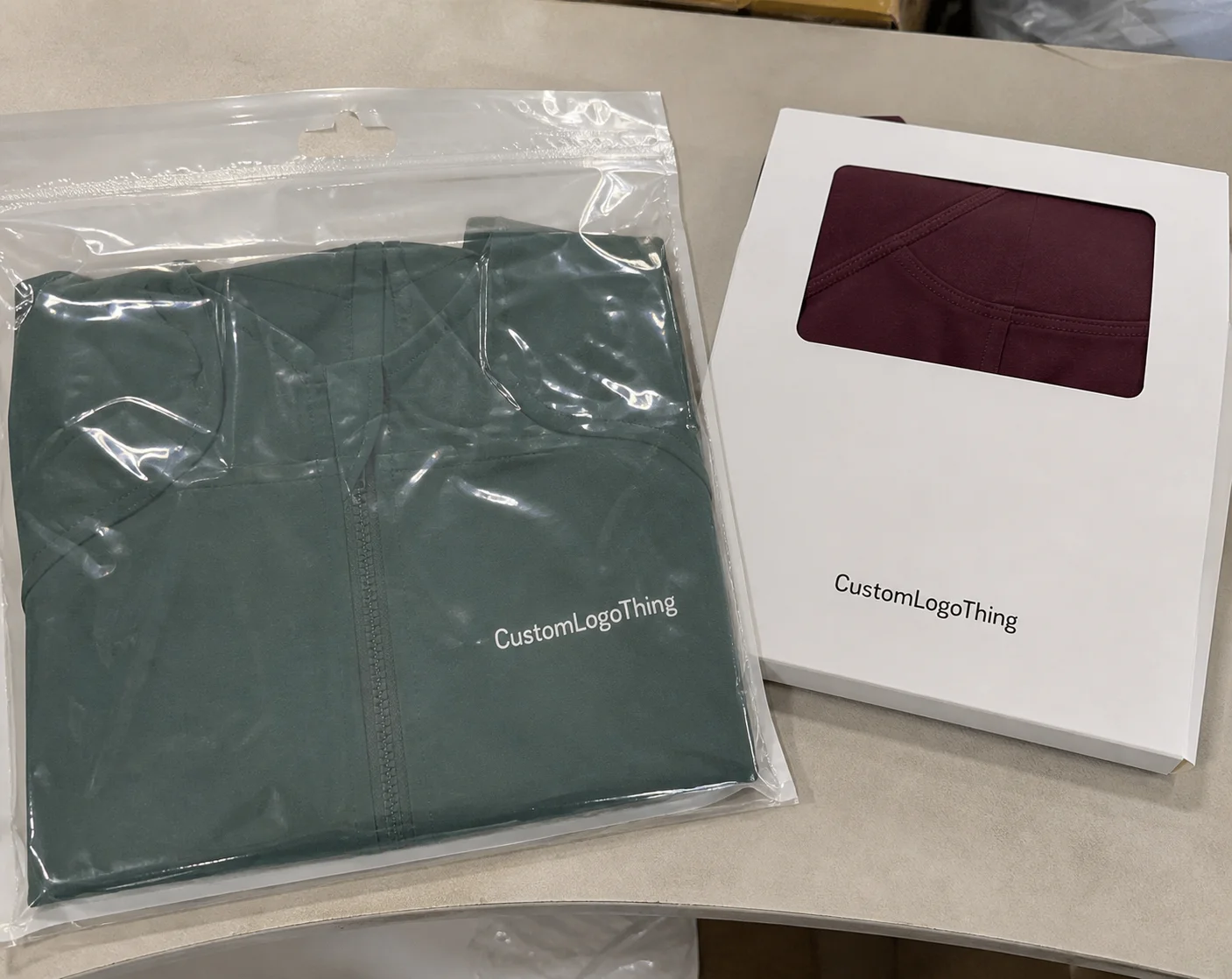
The first time I watched a line of custom tuck top Boxes with Window come off a folder-gluer in a plant outside Chicago, one detail jumped out at me before the operators even finished stacking the cartons: shoppers trust what they can see. A clean die-cut window, even a 2-inch by 3-inch opening on a 350gsm C1S artboard carton, changes the feel of the package. The product stops looking like a mystery and starts looking chosen on purpose. That trust shows up fast on retail shelves, and I’ve seen it improve sell-through on bakery counters in Milwaukee, candle displays in Nashville, and cosmetics endcaps in Dallas more than a louder print job ever could.
So, are custom tuck top Boxes with Window worth it? In my experience, yes, when visibility helps the sale. They fit bakery items, candles, cosmetics, apparel accessories, small gift sets, soaps, and any product that benefits from the customer seeing color, texture, size, or finish before opening the box. If you sell macarons in a humid café in Portland, a matte candle in a gift shop in Austin, or a compact skincare set in a boutique in Atlanta, custom tuck top boxes with window can do some of the selling for you. A run of 5,000 cartons in that format can often be produced at roughly $0.15 per unit for a simple uncoated build, while a more decorated version may land closer to $0.42 per unit depending on finish and film.
The tradeoff is real. A window adds a die-cut step, often a film application step, and more scrutiny around board strength, glue lines, and how the package behaves in shipping. If the carton is too thin, the window can make the front panel feel weak. If the product is heavy, the structure has to be designed with the load in mind. I’ve had buyers assume a window is just an aesthetic add-on, then discover their folding carton needed a 16pt or 18pt board, tighter dimensions, or a different tuck style to survive fulfillment from a warehouse in Louisville to stores in Philadelphia.
Here’s the fast verdict: custom tuck top boxes with window are usually the best choice when retail visibility matters, when the product is attractive on its own, and when the box is part of the merchandising strategy rather than just a shipping shell. If the item needs complete light protection, heavy abuse resistance, or tamper resistance, there may be a better format. By the time you finish this article, you’ll know which box styles work best, what materials make sense, how pricing is built, and how to Choose the Right structure for your product instead of guessing from a website photo. For many brands, the difference between a shelf-ready box and a generic carton is only a few cents per unit, but those cents can change conversion rates in stores from Los Angeles to New York.
Top Custom Tuck Top Boxes with Window Options Compared
Three tuck styles show up again and again in packaging plants and contract packing rooms: reverse tuck, straight tuck, and auto-lock tuck. Each one can work well for custom tuck top boxes with window, but they behave differently once you start adding die-cuts, inserts, or heavier products. A reverse tuck is economical and common, a straight tuck gives a cleaner front-panel presentation, and an auto-lock tuck brings more bottom strength when the carton holds extra weight. In a facility in Charlotte, I’ve seen the same product packaged three ways and the straight tuck version won on shelf clarity even when it cost $0.02 more per unit.
On the line, reverse tuck boxes are usually the easiest to run quickly because the folds are familiar and the machine operators know their quirks. Straight tuck boxes are often favored for premium retail packaging because the front panel can look tidier when the window is centered and the graphics are built to frame it. Auto-lock tuck boxes are the practical pick when the product is heavier, such as small candle jars or boxed cosmetics with glass components, because the bottom holds shape better under load. For custom tuck top boxes with window, the tuck style matters just as much as the window itself, especially when cartons are packed by hand in facilities in Phoenix or Memphis.
Material choice is where a lot of buyers get tripped up. I’ve seen beautiful artwork printed on the wrong stock, and once the box is sitting under fluorescent store lights or riding in a delivery van for six hours, the flaw becomes obvious. A 350gsm C1S artboard can look polished on a cosmetics shelf in Seattle, while a 24pt kraft board may be the better choice for a soap brand in Burlington that wants a natural finish and better crush resistance.
- SBS paperboard gives the crispest print, the cleanest fold, and the most premium retail appearance for custom tuck top boxes with window. A common spec is 18pt SBS or 350gsm C1S artboard for small to mid-sized cartons.
- Kraft paperboard supports natural, earthy branding and tends to suit soap, tea, bakery, and eco-forward product packaging, especially in 16pt to 18pt ranges.
- E-flute corrugated adds cushioning and better compression resistance, which is useful for shipping or heavier items and often measures around 1.5mm thick.
- Rigid board-laminated builds are best when the box is meant to feel like a presentation package rather than a simple folding carton, often using 800gsm to 1200gsm board.
The window itself can be handled a few different ways. Clear PET film is common because it offers decent clarity and good dimensional stability. PVC has been used for years, though many brands have moved away from it for environmental or compliance reasons. PLA may be available through some suppliers for brands wanting a compostable option, but availability, shelf performance, and cost vary a lot. Sometimes the best answer is no film at all, just a die-cut opening, especially for short shelf-life bakery items or minimal packaging where the customer is meant to touch, smell, or inspect the product quickly. On a 10,000-piece run from a plant in Shenzhen or Dongguan, PET film often adds only a small amount per unit, but the exact cost can shift by several cents depending on gauge and glue method.
| Box Style | Best For | Strength | Print Quality | Assembly Speed |
|---|---|---|---|---|
| Reverse tuck | Bakery, soaps, lightweight retail goods | Medium | Very good on SBS | Fast |
| Straight tuck | Cosmetics, gifts, candles, premium retail packaging | Medium | Excellent | Fast to moderate |
| Auto-lock tuck | Heavier items, shipping support, boxed sets | High | Very good | Moderate |
| E-flute fold carton | Protective retail packaging, subscription gifts | High | Good | Moderate |
| Rigid board box with window | Luxury gifts, premium kits, presentation packaging | Very high | Excellent | Slower |
For a bakery, I’d usually lean toward SBS with a moisture-conscious coating or a kraft build if the brand wants a rustic feel. For cosmetics, I almost always prefer SBS because the print detail matters and the window can be positioned to show the jar, tube, or palette without clutter. For apparel accessories and small retail gifts, custom tuck top boxes with window in straight tuck form often hit the best balance of presentation and cost. If you are packaging subscription gifts or fragile sets, E-flute can save headaches during transit, particularly for routes that run through Chicago, Indianapolis, and Columbus in the same week.
Detailed Reviews of the Best Custom Tuck Top Boxes with Window
For retail shelves, the strongest all-around choice is usually a straight tuck style in SBS paperboard with a properly sized window. I like this combination because it prints sharply, stacks cleanly, and presents the product with a controlled amount of visibility. If the window is too large, the panel can lose stiffness and the carton starts to bow. If the window is too small, you lose the main reason for using custom tuck top boxes with window in the first place. The sweet spot depends on product shape, but I’ve often seen a window covering 30% to 45% of the front panel perform well without making the carton feel flimsy. On a 4-inch by 6-inch face, that usually means a window around 1.5 to 2.5 square inches, depending on the design.
One client in a Midwest specialty food plant was packing individually wrapped caramel pieces, and the first prototype had a huge front window. It looked impressive in the mockup room, but on the floor the carton flexed during loading and the window film puckered near the fold lines. We reduced the opening, thickened the board from a lighter caliper to a sturdier 18pt SBS, and the package suddenly felt finished instead of experimental. That kind of correction happens all the time with custom tuck top boxes with window; the mockup is only the beginning. In that case, the change added about $0.03 per unit on a 7,500-piece order, which was still cheaper than the return rate from damaged cartons.
For food-safe and bakery use, I pay close attention to moisture, grease, and display time. Grease resistance matters if the product sits inside the carton with buttery edges or oily toppings. Humidity matters if the boxes are going into a refrigerated case or a warm café environment where condensation can make lightweight board curl. Laminated or coated boards hold up better, but coatings can also change the feel of the package and influence recyclability depending on local recovery systems. If the bakery product is short shelf life and likely to move same-day, no-film die-cut windows can work beautifully, though I would never recommend that for products needing a long display life under dusty conditions. In Miami or Houston, I’d usually ask for a moisture-resistant aqueous coating before approving the run.
Premium gifts and cosmetics are where custom tuck top boxes with window really earn their keep, especially when the decoration is done well. Soft-touch coating gives the box a velvet-like hand feel, foil stamping adds sparkle, and embossing can raise a logo or motif above the surface in a way that feels deliberate, not loud. The window then becomes a frame, not a hole. That is the key difference. I’ve seen beauty brands use a narrow oval or arched window to reveal a lipstick, sponge, or compact while keeping enough printed surface for brand storytelling and ingredient messaging. Done right, it creates a luxury unboxing moment without forcing you into a rigid box budget. A 12,000-piece beauty run from a manufacturer in Guangdong can often be scheduled in 12-15 business days from proof approval if the art is final and the film size is standard.
“We thought the window was only for show, but it ended up making the product feel more expensive before the shopper ever touched it.” — buyer at a regional candle brand I worked with on a run of 12,000 cartons in Pennsylvania
There are a few honest drawbacks to say out loud. Die-cut tolerances need to be tight or the window can appear off-center. Glue-line consistency matters because a misapplied film patch can bubble or wrinkle. Assembly labor matters too, especially on hand-packed jobs where workers may need to orient each product to face the window correctly. With custom tuck top boxes with window, the better the visual presentation, the more the production process has to respect alignment, board memory, and finish consistency. If the carton is traveling from a plant in Los Angeles to a fulfillment center in Denver, even a 1.5 mm shift in the die can become visible.
If you want the cleanest retail shelf impact, I would rank the common options like this: straight tuck SBS for general retail, auto-lock tuck SBS for heavier items, kraft straight tuck for natural branding, and E-flute for protective value. Rigid presentation styles are beautiful, but they belong in higher-ticket categories where the customer expects packaging to be part of the gift itself. For many brands, a well-made folding carton is the smarter spend. On a 5,000-piece order, the difference between an SBS straight tuck and a rigid presentation box can easily be more than $1.00 per unit before freight.
Price Comparison: What Custom Tuck Top Boxes with Window Actually Cost
The price of custom tuck top boxes with window is shaped by more variables than buyers usually expect. Size is the first driver because more board means more raw material and more press sheet usage. Board caliper is next, since 14pt SBS is not priced like 18pt SBS, and E-flute behaves differently again. Then you add print coverage, the complexity of the die-cut, the size of the window, whether a clear film is applied, and any coating or special finish such as spot UV, foil, or soft-touch. Quantity matters just as much, because setup costs get spread out across the run. A 1,000-piece order in Toronto or Vancouver will almost always cost more per unit than a 10,000-piece order leaving the same plant in Ningbo or Guangzhou.
Small runs tend to cost more per unit because you are paying for setup whether you make 500 cartons or 50,000. I’ve sat in quoting meetings where a buyer wanted a tiny first run, then wondered why the per-unit price looked high. The answer is simple: plate prep, die creation, press make-ready, and finishing labor do not shrink just because the order is small. Once the quantities rise, the unit price falls because those fixed costs spread out. That is especially true for custom tuck top boxes with window, where the die-cut and window application add another layer of labor or machine time. A 500-piece pilot might land around $0.68 per unit, while 5,000 pieces can drop to roughly $0.22 to $0.35 per unit depending on specification.
Here is a practical price range I’d use as a planning guide, assuming standard dimensions and typical retail print standards. These are not universal quotes, because every supplier’s plant, country of origin, and finish equipment changes the math, but they are useful for budgeting. I’ve seen similar cartons produced in Southern California, Ohio, and Guangdong with very different freight and labor profiles.
| Build | Typical Use | Approx. Unit Cost at Mid-Range Qty | Notes |
|---|---|---|---|
| Unprinted kraft with die-cut window | Soap, bakery, natural goods | $0.18 to $0.38 | Lowest decoration cost, strong earthy look |
| Full-color SBS with window film | Cosmetics, gifts, retail accessories | $0.32 to $0.68 | Good balance of presentation and cost |
| Premium coated carton with foil or spot UV | High-end retail, candles, beauty kits | $0.65 to $1.25 | Higher finishing cost, stronger shelf impact |
| Rigid board box with window | Luxury gift packaging | $1.80 to $4.50 | Excellent feel, slower assembly, higher freight |
These numbers can move up or down based on the order size. A run of 1,000 custom tuck top boxes with window can cost noticeably more per unit than a 10,000-piece run, especially if the job includes custom inserts or a specialty film. In one supplier negotiation I handled for a beauty client in New Jersey, the film choice alone changed the quote by enough to impact the entire margin plan. That is why packaging design should be discussed together with unit economics, not after the box artwork is already final. A simple PET window patch may add $0.01 to $0.04 per carton, while a specialty compostable film can cost more.
There are hidden costs too, and buyers often miss them during the first quote. Artwork revisions can add prepress time. Inserts and kitting can add labor. Freight may be higher for rigid cartons because of bulk and weight. Food and cosmetics can introduce compliance or material requirements that narrow the approved substrate list. If you need an FSC-certified board, that can be a selling point and a sourcing requirement, but it should be discussed early so the quote reflects the right stock. For standards and responsible sourcing references, I often point clients to FSC and, on sustainability and materials recovery topics, EPA recycling guidance. If you are sourcing from a factory in Vietnam or mainland China, ask whether they can provide board specs, coating data, and window film documentation before approving production.
Honestly, I think the smartest buyers focus less on the lowest quote and more on total package value. A box that costs four cents less but sells fewer units or damages more products is not really cheaper. With custom tuck top boxes with window, the savings should come from the right structure, the right finish level, and the right production quantity, not from stripping out the details that make the carton do its job. A more efficient die line, a standard board spec, and a planned 5,000-piece or 10,000-piece run can save more than chasing the cheapest possible supplier in a single spreadsheet.
How to Choose the Right Custom Tuck Top Boxes with Window
Start with the product, not the box. That sounds obvious, but I’ve watched plenty of brands choose packaging first and then try to fit the item into it later. Measure the product’s width, depth, and height, but also note its weight, fragility, and surface finish. A soft candle jar, a glass cosmetic bottle, and a folded scarf all need different support. For custom tuck top boxes with window, the window should showcase the product without turning the front panel into a weak spot. A 6-ounce candle in a 16pt carton needs a different approach than a 1.2-ounce lip balm in a 350gsm C1S artboard box.
If the product is light and stable, a standard folding carton may be enough. If it has any chance of pushing outward on the panel, choose a stronger board or an insert. I’ve seen soap brands use a paperboard cradle that keeps the bar centered behind the window and stops it from shifting during transport. That small insert can prevent scuffing and improve the shelf look by keeping the product square to the opening. The same principle applies to candles and cosmetics, where orientation matters as much as visibility. A product that sits 3 mm too low can make the whole package look off once it reaches a shelf in a store in Minneapolis or San Diego.
Window size is a design decision, not just a visual one. A larger opening creates more product exposure, but it also removes fiber from the front panel, which can reduce rigidity. The stress points are usually the corners of the die-cut area and the fold near the tuck flap. If your brand wants a dramatic window, the board grade and box style need to support it. If you want a more refined, understated look, a smaller window can still signal quality while protecting more of the panel. On a 5-inch tall carton, a 1.25-inch window may be enough for a minimalist brand, while a 2.5-inch opening may suit a gift set that needs more visual drama.
Branding choices matter too. Minimalist print works well for organic foods, soaps, and some apparel accessories because the window becomes the focal point and the package branding stays clean. Full-bleed graphics can make the box pop on shelves, especially in a crowded retail aisle. Spot UV can highlight logos or pattern work on custom tuck top boxes with window, while foil often works best when you want a giftable or holiday feel. Matte finish tends to feel softer and more artisanal, while gloss can make colors punch harder under bright store lighting. In a Portland boutique, a matte kraft carton may feel right; in a Las Vegas gift shop, gloss and foil can better match the lighting and impulse-buy environment.
Here’s a practical checklist I use when a buyer is comparing sample boxes:
- Confirm the internal fit with the actual product, not a paper mockup alone.
- Check whether the window lines up with the product face and label.
- Open and close the tuck flap at least 10 times to see how the board holds memory.
- Ask for the dieline before final artwork so the layout matches the structure.
- Review whether the box can be packed by hand or needs machine insertion.
- Test the sample in your fulfillment environment, including bins, totes, and cartons.
One of the most common mistakes I see in packaging design is ignoring how the box will move through the rest of the operation. If the carton is beautiful but slows pack-out by 15 seconds per unit, the labor cost can erase the merchandising gain. That’s especially true with custom tuck top boxes with window, because orientation and window alignment can make hand-packing more fiddly than a plain carton. Good product packaging should look good and run well. On a 2,500-unit batch in a Chicago fulfillment center, those 15 seconds can turn into more than 10 extra labor hours.
For buyers building a broader packaging program, I always suggest reviewing the rest of your Custom Packaging Products alongside the window carton, because consistent package branding is easier when the materials, print finishes, and structures are planned as one system rather than as isolated SKUs. A coordinated set of tuck cartons, inserts, and shipper boxes can reduce production confusion and keep the brand image consistent across stores in Atlanta, Denver, and Tampa.
Process and Timeline: From Dieline to Delivery
The production flow for custom tuck top boxes with window usually starts with a quote, then moves into dieline approval, artwork proofing, material selection, printing, die-cutting, window application, folding, quality control, and shipment. That is the clean version. On the factory floor, the real world is messier. Proof approvals stall because a logo shifts 2 mm. Window film sourcing changes because a preferred sheet isn’t available in the required gauge. A coating gets revised late, and suddenly the line schedule needs to be adjusted. In a plant near Shanghai, I once watched a 48-hour delay start with a single typo in the nutrition panel.
I remember one run at a contract packer where the customer approved the art on Tuesday but then asked for a wider window after the first sample was cut. That meant a new die and a new proof, which pushed the line back several days. Nobody was trying to be difficult; they simply underestimated how much one structural change affects the entire run. With custom tuck top boxes with window, the window is part of the structure, not a decoration added at the end. A 5 mm change can ripple into film size, glue position, and final packing orientation.
For a simple job with standard sizing, clear print files, and common materials, the timeline can be fairly reasonable. Once you introduce foil, soft-touch coating, custom inserts, or a specialty film, the schedule stretches. A realistic planning range might be 10 to 15 business days after proof approval for straightforward folding cartons, and 15 to 25 business days for more decorated or structurally complex orders. Rigid boxes and multi-component kits take longer because hand assembly and material sourcing add time. If the order is overseas or includes special certifications, build in extra buffer. For example, a straightforward 5,000-piece order from a supplier in Dongguan might ship in 12-15 business days from proof approval, while a complex rigid box run from a plant in Los Angeles can take 20 business days or more.
What should buyers prepare upfront? Final dimensions, product weight, the type of closure needed, print-ready artwork, any required certifications, and a target ship date. If the box is for food, cosmetic, or wellness products, material compliance details should be shared early. If you know you need FSC paperboard, state it at the quoting stage. If you need a particular insert or a specific window shape, put that in writing before the first proof. That kind of clarity saves real money and avoids redraw cycles. It also helps the manufacturer in places like Shenzhen, Toronto, or Dallas quote accurately the first time.
There is also a quality-control step that gets overlooked. I always ask whether the plant checks window alignment, film adhesion, glue integrity, and board warp after finishing. A pretty sample means little if the production lot develops curl or if the window film scuffs during pack-out. Strong packaging design should pass the eye test and the handling test. A carton with a 0.5 mm misalignment on the window may still be usable, but once you stack 10,000 units in corrugated shippers, that tiny mismatch becomes hard to ignore.
For projects that need shipping validation, I like to think in standards, not opinions. If a box is headed into distribution channels that will punish it, testing against ISTA procedures can reveal whether the structure needs reinforcement. That’s how you move from guesswork to a smarter product packaging decision. It is also a useful checkpoint for brands shipping from the Midwest to the West Coast, where vibration, stacking pressure, and temperature swings can affect carton performance.
Our Recommendation: Which Custom Tuck Top Boxes with Window Win?
If I had to pick the most practical overall option, I’d choose straight tuck custom tuck top boxes with window in SBS paperboard for most retail and beauty uses. That build gives you crisp print, good shelf presence, and manageable manufacturing complexity. It is the best balance of cost and presentation for a lot of commercial buyers, especially brands that want their custom printed boxes to look polished without drifting into rigid-packaging pricing. A 350gsm C1S artboard or 18pt SBS straight tuck carton is often the most efficient place to start for a 5,000-piece launch.
For bakery brands, I’d lean toward SBS or kraft depending on the story you want to tell. SBS is stronger for high-detail graphics and cleaner branding. Kraft is better if the package is supposed to communicate handmade, organic, or small-batch character. For candles, a slightly heavier SBS or an auto-lock tuck is often the safer choice because jars and tins add weight. For cosmetics, I usually favor SBS with a refined finish such as matte, soft-touch, or spot UV. For gifts, especially short-run seasonal sets, a window with foil accents can elevate the perceived value quickly. A holiday set packed in New Jersey or Illinois can justify the added finish if the retail price supports it.
If your priority is sustainability, kraft is the obvious starting point, though the final call should still consider print needs and stiffness. If your priority is print richness, SBS wins. If your priority is protection, E-flute is the smarter route. If your priority is premium feel, rigid board can be worth it, but only when the selling price supports the extra packaging spend. That is the honest tradeoff I give clients in supplier meetings, and it has saved more than one launch from overspending on package branding that looked nice but hurt margin. For many lines, the right choice is not the fanciest structure but the one that keeps the unit cost under control at 5,000 or 10,000 pieces.
There are times when custom tuck top boxes with window are not the right choice. Products that need full light protection, like some sensitive skincare or light-reactive goods, may do better in a closed carton. Heavy items that get abused in transit may need corrugated protection. Items that must show tamper evidence may need seals, shrink bands, or a different packaging format. The window is powerful, but it is not universal. If the product is going into a warehouse in Phoenix or a distribution center in Atlanta with rough handling, the structure should be chosen for protection first and visibility second.
For most commercial buyers, though, the strongest overall option remains a well-sized straight tuck or auto-lock tuck carton in SBS, with a carefully placed clear window and a finish that matches the brand’s personality. That combination usually gives the best mix of merchandising impact, manufacturing efficiency, and retail packaging credibility. In practical terms, it is the option I would recommend to a startup ordering 2,000 pieces and to a larger brand placing a 25,000-piece repeat run from a plant in Guangdong or Ohio.
Next Steps: How to Test and Order the Right Box
Before you place a full order for custom tuck top boxes with window, request samples and test them the way your customers and your team will actually use them. Put the real product inside, close the carton, set it on a shelf, and look at it under warm light and cool light. Check the window clarity from arm’s length and from several feet away. Open and re-close the tuck flap more than once to see whether the structure relaxes or starts to crease. That kind of testing catches problems that mockup photos never show. A sample that looks perfect in a studio in Los Angeles may behave differently in a refrigerated case in Boston.
If the product is new or the retail strategy is still evolving, a short pilot run is usually the smartest move. I’ve seen brands commit to a large order based on a single digital render, only to discover that the window needed to be 8 mm higher, the board needed a different caliper, or the finish looked too glossy for the brand identity. A small pilot gives you room to learn before you lock in volume. A 500- or 1,000-piece test run is often enough to confirm fit, shelf appeal, and pack-out speed before a 10,000-piece order goes forward.
Before production, confirm every detail: dimensions, coating, film type, insert needs, artwork version, and certification requirements. Ask for a dieline and check it against your layout, not just your logo placement. If you are using custom tuck top boxes with window for fulfillment, test how they fit in corrugated shipper cartons and whether they survive your pack-out method. That extra half hour can save a lot of frustration later. It can also prevent expensive reprints when a carton that should have held a 3.5-inch product only fits 3.4 inches once the coating is added.
My final advice is simple: measure the product, collect the packaging specs, and request a custom dieline early. Once you have that, you can make a much better decision on custom tuck top boxes with window without relying on guesswork or pretty samples that never had to survive the real work of retail and shipping. If you are comparing plants in China, the U.S., or Canada, ask for exact material specs, a lead time in business days, and a sample photo of the finished structure before sending the final approval.
Frequently Asked Questions
What are custom tuck top boxes with window best used for?
They are ideal for products that benefit from visibility, such as baked goods, cosmetics, candles, gifts, soaps, and small retail items. The window helps shoppers verify color, shape, and quality without opening the package, which can improve shelf appeal and trust. In stores from Atlanta to Denver, that visibility can be the difference between a quick pick-up and a pass-by.
Are custom tuck top boxes with window strong enough for shipping?
Yes, if the board thickness and box style match the product weight and transit conditions. For heavier or fragile items, choose a stronger board, tighter product fit, and possibly an insert or corrugated build. A 18pt SBS carton or E-flute option is often a safer choice than a thin light-duty board when shipping across multiple zones.
What material is best for custom tuck top boxes with window?
SBS paperboard is best for sharp print and premium retail appearance, while kraft works well for natural or eco-focused branding. E-flute corrugated is a stronger option when protection matters more than ultra-crisp folding and printing. For many retail cartons, 350gsm C1S artboard gives a solid balance of print quality and fold performance.
How much do custom tuck top boxes with window usually cost?
Pricing depends on size, material, print coverage, finish, window film, and quantity ordered. Smaller runs cost more per box because setup and die-cutting expenses are spread across fewer units. As a budgeting reference, a 5,000-piece run may fall near $0.15 to $0.42 per unit for a standard folding carton, while premium decorated builds cost more.
How long does it take to produce custom tuck top boxes with window?
Timeline depends on artwork approval, material availability, print complexity, and finishing details like coating or inserts. Simple jobs move faster, while premium decorated runs with special windows or coatings take longer. A typical schedule is 12-15 business days from proof approval for straightforward cartons, and 15-25 business days for more complex builds.