Two bottles can sit side by side and sell very differently. The formula may be the same, the fill weight may be the same, and the retail price may be close, yet the label can still decide which one gets picked up first. A clean spec, the right stock, and the right finish make a bigger difference than many teams expect, especially once products move through cold storage, condensation, abrasion, or fast application lines.
That is why buying labels is never just a design exercise. It is a packaging decision with direct consequences for line efficiency, shelf presence, and rework cost. A label that looks good in a mockup but peels on a chilled bottle or smears under handling creates expense in places that do not show up on the first quote. Buyers who understand that early tend to avoid the most common and expensive surprises.
Why customized product labels can change shelf performance
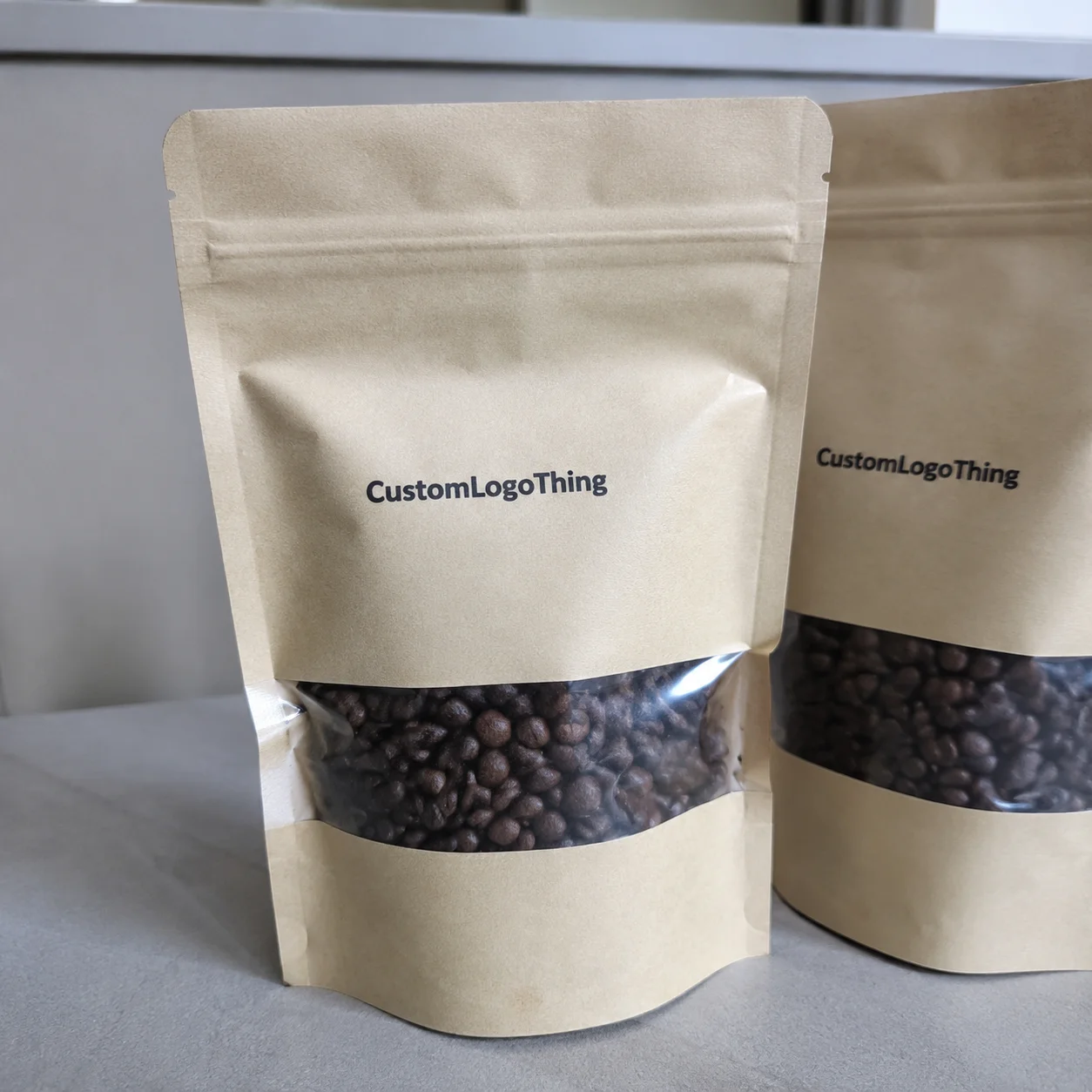
Customized product labels are built around a specific product, container, and use environment rather than pulled from a generic stock layout. Size, shape, material, adhesive, print method, and finish are selected to fit the package and the conditions it will face. That approach improves consistency on the line and makes the final pack easier to trust in real use.
The practical effect is easy to see. A matte paper label on a dry jar may perform well and keep costs down. Put the same visual style on a refrigerated beverage bottle with condensation and the result changes quickly. Edges can lift, the surface can scuff, and the label can start to look older than the product inside.
Packaging teams usually care about four outcomes: visibility, compliance, durability, and repeatability. Visibility comes from typography, color control, and finish choices that suit the category. Compliance depends on enough space for ingredients, warnings, barcodes, and regulatory copy. Durability comes from the right substrate and adhesive. Repeatability comes from a locked spec that can be reordered without reinventing the job each time.
Production speed matters too. A label that applies cleanly on a semi-automatic line is not the same as a label that looks attractive in a digital proof. Die shape, liner choice, adhesive tack, and roll orientation all affect throughput. On larger runs, even a few extra seconds per case or bottle becomes real money.
Good label specs do more than decorate a pack. They reduce friction from print file to finished product, and that usually saves time somewhere else in the process.
If labels are part of a wider packaging program, it helps to think beyond the sticker itself. Bottle shape, carton finish, shipping conditions, and retail display all interact with the label decision. For teams sourcing multiple packaging elements, reviewing Custom Packaging Products can help keep the label spec aligned with the rest of the pack.
For a broader industry view on materials and packaging systems, the Packaging Machinery Manufacturers Institute is a useful reference point for how packaging performance and production flow connect.
How the label production process works
Most label jobs follow a familiar path, but the quality of the brief determines how smooth that path feels. The process usually starts with dimensions, container photos, artwork, quantity, and the environment the label will face. From there, the supplier confirms the dieline, reviews substrate and adhesive options, and matches the print method to the run.
Digital printing is often the most practical choice for short runs, multiple SKUs, and artwork that changes often. Flexographic printing usually fits larger volumes, where plate setup is spread across more units and unit cost becomes the bigger concern. Offset can be strong for image fidelity and fine detail, though it is less common for some label formats than digital or flexo. None of these methods is automatically best; the right choice depends on quantity, artwork complexity, and how many versions are in the order.
Approval checkpoints matter more than many buyers realize. A solid artwork review catches missing bleeds, thin lines, barcode issues, and font problems before the press starts running. Substrate confirmation matters because a proof on coated paper can hide how a film or textured stock will really look. For launches, regulated items, or high-value packaging, press proofs or production samples are usually worth the added time.
Most suppliers ask for print-ready files in PDF, AI, or EPS format, along with the dieline if one already exists. Good vendors will also want Pantone references, barcode specs, and any compliance copy that must be included. If the product sees unusual conditions, send photos of the actual container. Better still, send the container itself when that is practical.
The handoff between design, prepress, and production is where many schedules slip. Some suppliers quote quickly but move slowly once corrections begin. Others are excellent at production yet need cleaner files to keep the job on track. Asking where those handoffs happen reveals more than a polished sales deck ever will.
Material, adhesive, and finish choices that shape performance
Material selection is where label performance is usually won or lost. Paper remains a sensible choice for many dry products, especially where budget matters and the container will not face much moisture. BOPP, a polypropylene film, is a common step up when a label needs water resistance, scuff resistance, and a cleaner appearance over time. Vinyl is useful in harsher conditions or applications with more demanding exposure. Specialty stocks can include textured papers, metallized films, and clear or ultra-clear facestocks for premium effects.
Adhesive choice is just as important. Permanent adhesive is the default for most consumer packaging because, once applied, it should stay put. Removable adhesive fits temporary promotions, refillable containers, and situations where clean removal matters. Freezer-grade adhesive is designed for cold application and cold storage. High-tack adhesive can help on curved or textured surfaces, but stronger is not always better, so testing matters.
Finish changes more than appearance. Matte can soften the look and improve readability. Gloss makes color appear brighter and tends to stand out under retail lighting. Soft-touch can support a premium feel, though it may not fit every category or handling environment. Foil and spot UV add emphasis, but they also increase cost and can interfere with barcode readability if they are placed carelessly.
The environment should drive the decision. Refrigerated products need different adhesive behavior than room-temperature goods. Oil exposure can weaken edge hold. Curved containers can cause corner lift if the stock is too stiff. Outdoor use introduces UV, moisture, and abrasion. A label that performs on a flat carton may fail on a squeezable bottle or a frosted jar.
| Label option | Best for | Typical strength | Trade-off |
|---|---|---|---|
| Paper stock | Dry goods, short shelf life, cost-sensitive runs | Good print quality, lower material cost | Lower moisture resistance |
| BOPP film | Beverages, personal care, chilled products | Water-resistant, scuff-resistant | Slightly higher cost than paper |
| Vinyl | Outdoor, industrial, tougher handling | Strong durability and flexibility | Can cost more and feel less premium in some categories |
| Specialty stock | Premium, gift, or visual-impact packaging | Distinct look and tactile value | Higher price and longer approval cycles |
Buyers who care about sustainability often ask for FSC-certified paper or recycled content. That can be the right choice, but only if the stock still performs in the actual use case. A greener material that fails in cold storage or on a curved container is a poor trade. If sustainability claims are part of the packaging story, verify them with current documentation rather than relying on sales language alone. The FSC site is a solid starting point for certification basics and chain-of-custody guidance.
Cost, pricing, and MOQ: what actually changes the quote
Label pricing is driven by more than quantity. Size, shape complexity, print coverage, color count, material, finish, and the number of SKUs all affect the quote. A simple round paper label printed in one or two colors is a very different job from a multi-version, full-bleed, foil-accented set with specialty adhesive.
MOQ, or minimum order quantity, usually reflects setup economics. Digital runs can support lower minimums because setup is lighter. Flexographic and offset work often need larger quantities to spread plate, press, and make-ready costs. That does not automatically make one method cheaper overall. A lower MOQ with a higher unit price can still be the smarter decision for a new product or a seasonal item with uncertain demand.
For planning, many buyers see simple higher-volume labels in the range of $0.03 to $0.12 per unit. Lower-volume or highly finished jobs often land around $0.15 to $0.40 or more per unit. Exact pricing depends on coverage, film versus paper, finishing steps, and whether the order includes multiple versions. A quote that looks high on the front end may still be cheaper than a job that needs reprints or rejects.
There are also hidden costs. Artwork changes after proofing can add prepress time. Rush orders can trigger fees. Specialty die cuts may require tooling. Multiple proof rounds slow the schedule and increase total spend. A line-item quote usually tells the real story better than a single lump sum.
Unit cost can often be reduced without harming quality by standardizing label sizes across product lines, limiting the number of finishes, and avoiding unnecessary shape changes. A custom shape can look distinctive, but if it adds a die, slows application, or raises waste, the visual benefit may not justify the cost.
Timeline, turnaround, and production steps for a smooth order
Lead time for customized product labels usually breaks into five stages: quoting, prepress, proof approval, production, and delivery. Simple digital jobs can move quickly once artwork is approved. More complex orders, especially those with specialty materials or extra finishing, need more breathing room.
The slowest part is usually not the press. It is the back-and-forth before production begins. Late artwork, missing dimensions, unconfirmed container measurements, and revision loops are where schedules slide. A supplier cannot responsibly lock production if the barcode is still unverified or the dieline is still changing.
A practical planning rule is to allow at least two to three weeks from final artwork to delivery for straightforward runs, with extra time for testing or multiple approvals. Seasonal programs, compliance updates, and launches with strict retail windows need even more buffer. If the date matters, say so early so the supplier can judge whether a standard queue is realistic or whether a rush path is possible.
Rush orders can be worth the premium when the label is tied to a launch, retail placement, event, or deadline. They are less useful when the schedule is flexible and the pressure is mostly internal. A rushed job with untested materials is still a rushed job, and that rarely saves money in the end.
From an operations standpoint, label lead time should be treated as part of the packaging schedule, not the last step. Teams that build that assumption into planning avoid a lot of avoidable fire drills.
Step-by-step checklist for ordering customized product labels
If you want quotes that can be compared fairly, send the same information to every supplier. Start with the product conditions: dry, chilled, frozen, oily, handled often, or stored outdoors. Then describe the container type, because glass, PET, metal, and paperboard all respond differently under label pressure.
- Confirm label dimensions, container photos, and application method.
- Share quantity, number of SKUs, and whether each version differs only by text.
- Send final artwork files, barcode specs, and compliance text.
- State finish preferences, such as matte, gloss, foil, or spot UV.
- Ask for proof options and sample availability before approving a run.
- Set the delivery target and confirm whether the date includes transit time.
- Save the approved spec for future reorders.
Requesting samples is not a luxury. It is part of quality control. A label that looks fine on screen may fail on a curved bottle, a cold jar, or a textured carton. Testing on the actual container shows whether the adhesive grabs correctly, whether the edges lift, and whether the print stays legible after handling.
Think beyond launch day too. Where will the labels be stored? At what temperature? Will the product be reordered in six months, or does the artwork change every quarter? A clean reorder system keeps future production consistent and avoids “close enough” substitutions that slowly weaken brand standards.
For buyers coordinating labels with other printed components, it can help to source from a broader packaging partner such as Custom Labels & Tags so color, finish, and stock decisions stay aligned across the line.
Common label mistakes that create waste or delays
The most expensive label mistake is often the simplest one: choosing the wrong adhesive. A cold-chain product with a standard permanent adhesive may pass a short bench test and still fail after storage. A curved container with a stiff facestock may look fine in proofs and then lift at the seam. Packaging is physical, so testing matters.
Artwork errors come next. Missing bleed, tiny text, low-resolution images, and barcodes without enough quiet space lead to avoidable revisions. If the label also carries legal or regulatory text, those mistakes can turn into compliance risk rather than just design friction.
Finish misuse causes trouble as well. A strong gloss or heavy foil treatment can look striking and still reduce scan reliability or readability. If a barcode must be scanned at retail or in warehousing, that area should stay simple, high-contrast, and free of decorative interference. Design should support function, not compete with it.
Skipping sample testing is another common problem. Buyers sometimes approve from a PDF and only discover issues after the first applied run. That is how peeling, smudging, and placement drift show up too late. A small test on the real container can prevent a much larger correction later.
Most label failures are not mysterious. They usually come from a mismatch between the label spec and the conditions the pack actually faces.
Expert tips before you request quotes
Build one spec sheet before asking for pricing. Include dimensions, container type, quantity, substrate, adhesive, finish, artwork file format, compliance needs, and target delivery date. That single document makes it much easier to compare quotes on equal terms and identify where a supplier may be underquoting setup or hiding finishing costs.
Ask for the cost split. Setup, material, finishing, and freight should not be vague. If a supplier cannot explain the structure, it becomes hard to compare options or forecast reorders with confidence. Clear pricing helps procurement avoid surprises and gives product teams a better way to judge trade-offs.
Test the label on the actual container, not on a desk. That sounds basic, but many issues only appear when the surface is curved, cold, textured, or lightly oily. The real-world test is the one that matters.
Keep the approved master version on file. A locked spec reduces version drift, simplifies reordering, and protects brand consistency. If the pack changes later, that approved file becomes the anchor for the next round of production.
When customized product labels are bought with a clear spec, realistic timeline, and proper testing, the process becomes far less risky. The label stops being an afterthought and starts doing what good packaging should do: support the product, protect the brand, and hold up in the conditions that matter.
What are customized product labels used for?
They identify and brand products while also carrying practical information like ingredients, warnings, barcodes, or instructions. They can also help products stand out on shelf and can be tailored to the container, environment, and application method.
How do I choose the right material for customized product labels?
Match the stock to the conditions the product will face, such as moisture, refrigeration, abrasion, or outdoor exposure. Paper works for many dry applications, while films like BOPP or vinyl are better for durability and moisture resistance.
What affects the price of customized product labels most?
Quantity, size, shape, material, and finish usually drive the biggest changes in cost. Complex artwork, multiple versions, specialty adhesives, and rush production can also raise the quote.
How long does it take to produce customized product labels?
Lead time depends on proofing speed, production method, finishing, and shipping distance. Simple digital runs can move quickly, while larger or highly finished jobs usually need more time.
What should I send when requesting a quote for customized product labels?
Provide dimensions, quantity, substrate or container type, artwork files, finish preferences, and any compliance or barcode requirements. Including your target launch date helps the supplier recommend the right production path and timeline.

