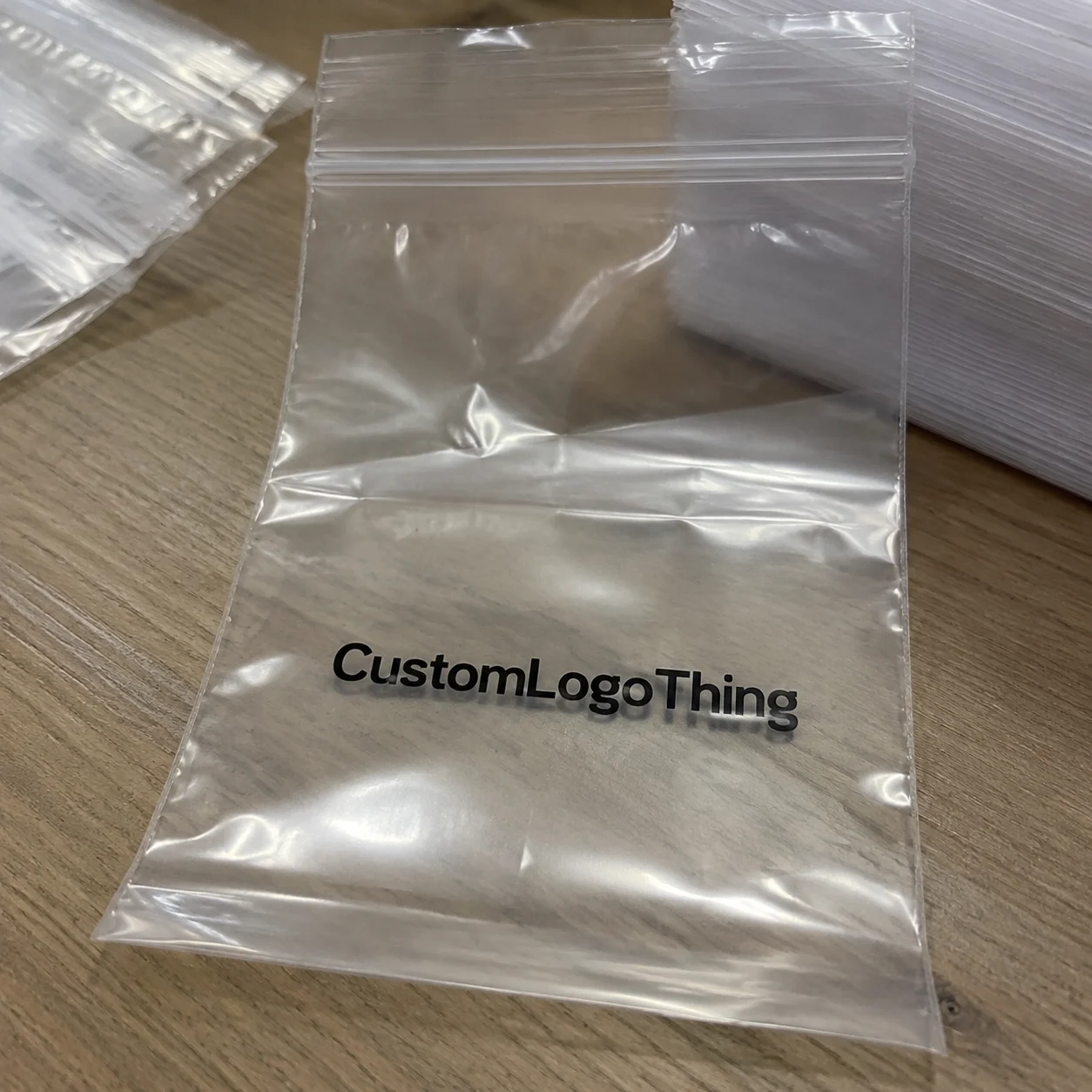
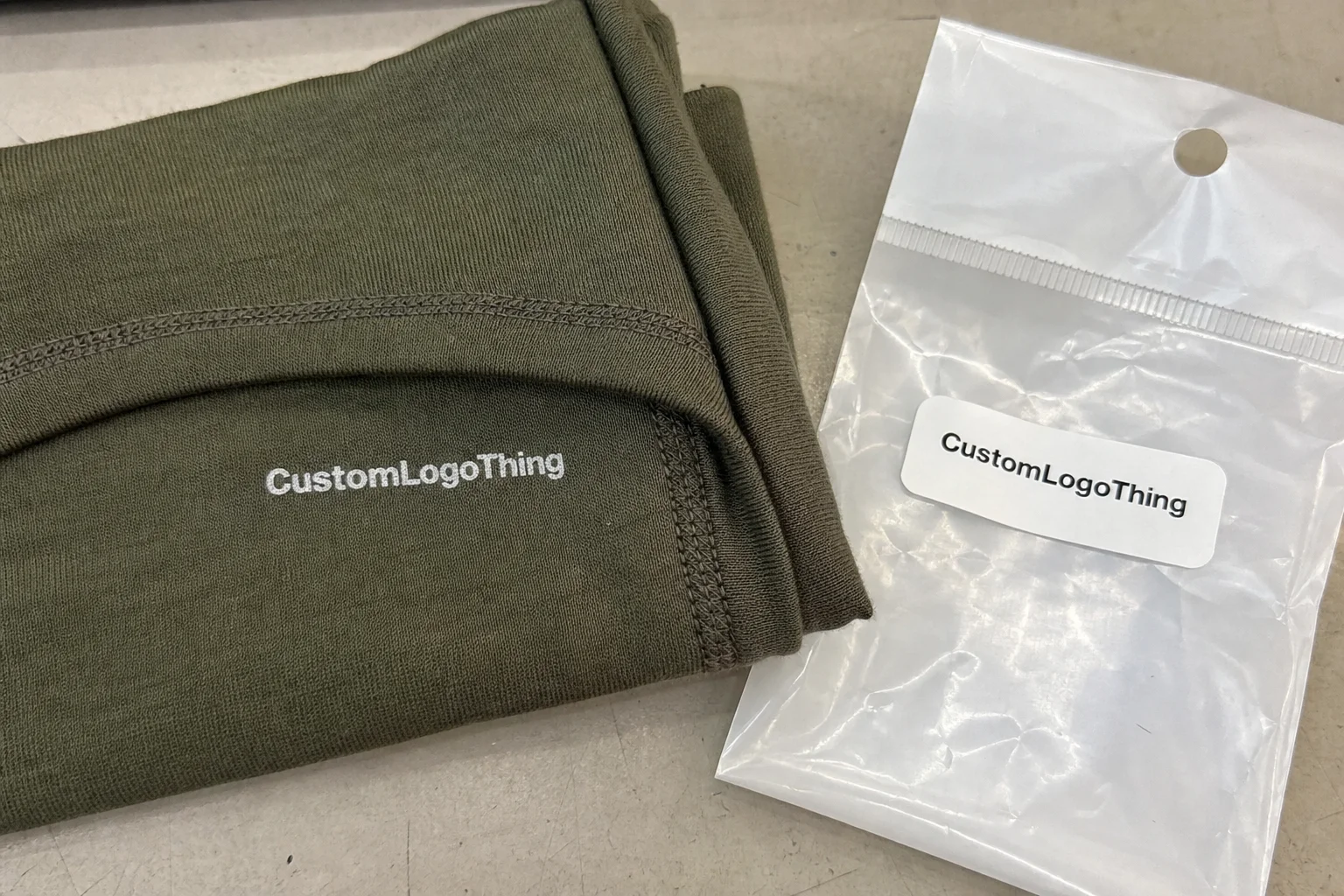
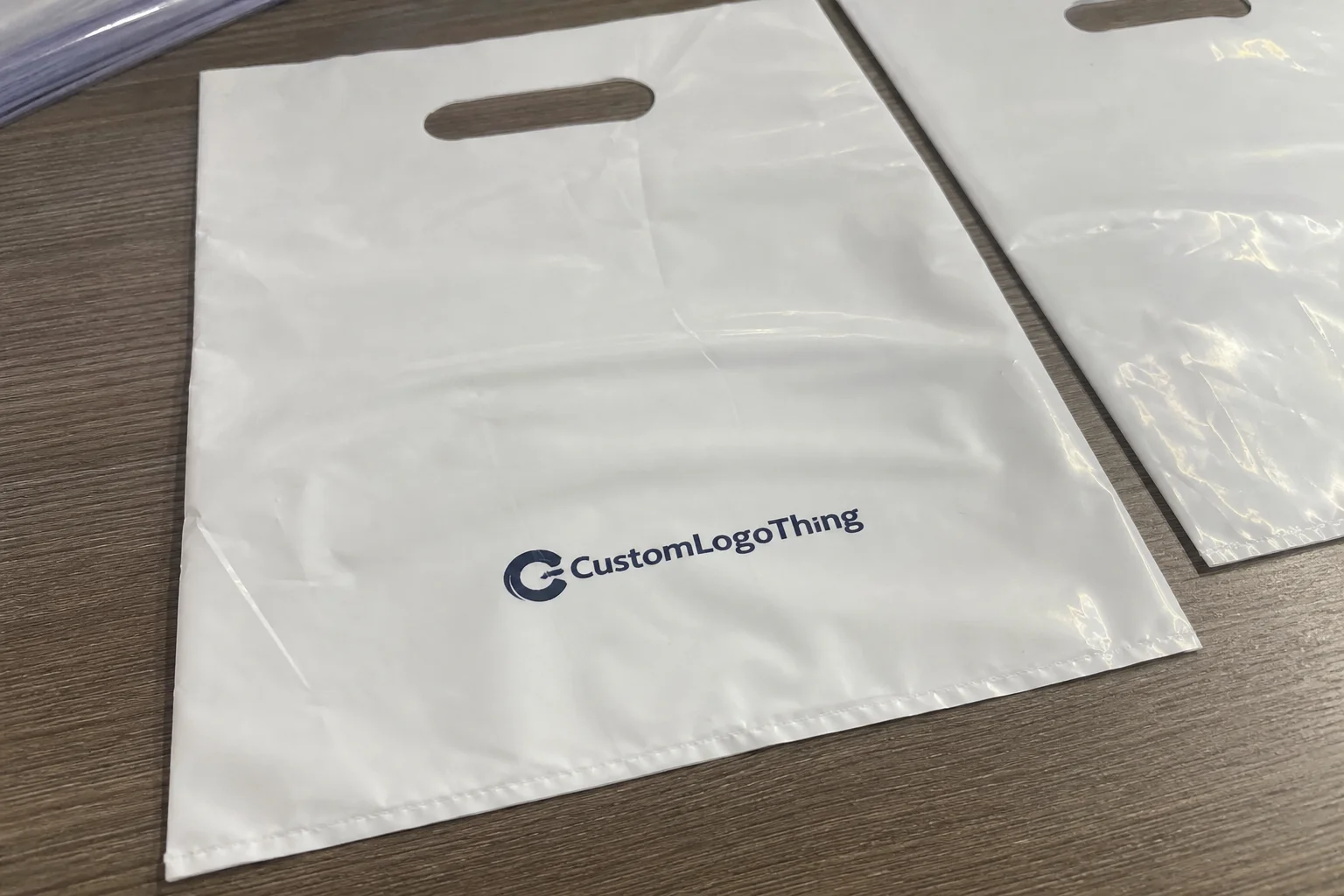
Buyer Fit Snapshot
| Best fit | eco friendly apparel packaging ideas work for packaging buyers comparing material specs, print proof, MOQ, unit cost, freight, and repeat-order risk where brand print, material, artwork control, and repeat-order consistency matter. |
|---|---|
| Quote inputs | Share finished size, material target, print colors, finish, packing count, annual reorder estimate, and delivery region. |
| Proofing check | Approve dieline scale, logo placement, barcode or warning zones, color tolerance, and any recyclable or compostable wording before bulk production. |
| Main risk | Vague material claims, crowded artwork, or missing packing details can create delays even when the unit price looks attractive. |
Fast answer: Eco Friendly Apparel Packaging Ideas Work: Claims, Protection, MOQ, and Cost should be specified like a repeatable production item. The safest quote includes material, print method, finish, artwork proof, carton packing, and reorder notes in one written spec.
What to confirm before approving the packaging proof
Check the product dimensions against the actual filled item, not only the sales mockup. Ask for tolerance on folds, seals, hang holes, label areas, and retail display edges. If the package carries a logo, QR code, warning copy, or legal claim, reserve that space before decorative graphics fill the panel.
How to compare quotes without losing quality
Compare board or film grade, print process, finish, sampling route, tooling charges, carton quantity, and freight assumptions side by side. A lower quote is only useful if the supplier can repeat the same color, closure quality, and packing count on the next order.
Eco Friendly Apparel Packaging Ideas sound simple until the first real production run hits the packing table. I remember standing beside a fulfillment team in Manchester, England, watching them test a “green” mailer they had spent nearly a month sourcing. The outer looked fine. The unboxing looked polished. Then someone noticed the box was oversized, the insert had a laminate layer, and the whole pack-out still created a small mountain of waste. The room went quiet for a second, which in operations is never a good sign. A package can look responsible and still carry a heavy footprint if it uses virgin plastic, excess ink, or far more material than the garment actually needs. That is why eco friendly apparel packaging ideas have to be judged as a system, not as a single material swap.
That distinction matters quite a lot. Brands that get packaging right usually ask a harder question than “What looks sustainable?” They ask, “What reduces material use, protects the garment, and makes disposal obvious for the customer?” That mindset is where eco friendly apparel packaging ideas start to pay off in lower shipping costs, fewer damages, and packaging that supports the brand instead of just posing for a mockup. For a brand shipping 8,000 orders a month from a warehouse in Dallas, Texas, a 0.03-ounce reduction per parcel can add up to hundreds of pounds over a year. Not flashy. Very real.
What Eco Friendly Apparel Packaging Ideas Really Mean
Green-looking packaging is not the same thing as genuinely sustainable packaging. I’ve seen kraft mailers with glossy laminate, compostable bags that customers could not place in any local waste stream, and retail packaging with beautiful print coverage that used more ink than the product needed. Eco friendly apparel packaging ideas should do three things at minimum: reduce material use, improve recyclability or compostability, and protect apparel in transit without overbuilding the pack. A 100 gsm kraft mailer can be more responsible than a heavy, coated premium sleeve if the sleeve adds no functional value.
I once sat in a supplier meeting with a mid-size DTC brand in Los Angeles, California, and the team proudly showed me a “fully eco” setup. It looked clean. It photographed well. Then we weighed it. The outer carton was 18% larger than the garment needed, the tissue paper added 12 grams per order, and the sticker stock used a film face that made recycling harder. The lesson was blunt: packaging design has to be measured, not admired. I wish this were the rare exception. It isn’t.
That is why eco friendly apparel packaging ideas are really about packaging systems. A packaging system includes the mailer or box, tissue, inserts, labels, closures, and sometimes the return mechanism. If one part is lightweight but another part defeats recovery, the overall result is weaker than it first appears. A 350 gsm C1S artboard insert with a glossy UV finish can look premium in a sample kit, yet still be the wrong choice if the downstream recycling stream rejects it.
There is also a logistics side that gets ignored. Apparel brands shipping 5,000 tees a month can tolerate a different solution than a premium knitwear label shipping 300 sweaters with a 14% return rate. The most effective eco friendly apparel packaging ideas depend on product weight, travel distance, climate, and customer expectations. A beachwear brand in Miami, Florida does not need the same moisture profile as a luxury outerwear line shipping from Salt Lake City, Utah. A hoodie shipped from a 90°F summer warehouse and a hoodie shipped in January from Toronto, Ontario will not face the same condensation risk either.
Honestly, many brands discover their packaging problem only after complaints start arriving. A customer says the parcel came crushed. Another says the mailer ripped on the porch. A third writes that the box felt “wasteful.” That is usually the moment packaging becomes a business issue instead of an aesthetic one. If that sounds familiar, the right eco friendly apparel packaging ideas can fix more than the unboxing; they can improve the entire fulfillment chain. Even a 2% reduction in damage claims can mean dozens of avoided reships per month for a brand moving 3,000 orders through New Jersey.
“Sustainable packaging is not a color choice. It’s a materials, logistics, and end-of-life decision.” — what I tell clients after the first packaging review
If you want to go deeper on material sourcing and packaging standards, I recommend checking authority sources like the Flexible Packaging Association and the EPA. They will not tell you which mailer to buy, but they will help you separate claims from facts. Their guidance is especially useful when a supplier quotes a “recycled” film without disclosing whether it contains 30% PCR, 50% PCR, or only pre-consumer scrap.
Eco friendly apparel packaging ideas can be simple. Simple is not the same as shallow. The brands that win usually build a practical packaging system, then trim it until it is just strong enough and just recognizable enough. That balance is where the savings and the sustainability live, whether the package is produced in Shenzhen, China; Ahmedabad, India; or Ho Chi Minh City, Vietnam.
How Eco Friendly Apparel Packaging Ideas Work in the Real World
When I walk a packing floor, I look at the whole chain: primary packaging, secondary packaging, shipping mailers, inserts, labels, and closures. Every component affects eco friendly apparel packaging ideas in a different way. The shirt bag inside the box matters. The box size matters. The label stock matters. Even the adhesive strength matters if it causes damage during returns or relabeling. A 2-inch x 4-inch thermal label may be fine on plain corrugate, but a coated paper surface often needs a different adhesive formula or a 72-hour cure time to avoid lift.
For a lightweight tee, a recycled-content paper mailer may be enough. For a chunky knit sweater, you may need a stronger corrugated carton, especially if the shipment travels through multiple hubs. Premium outerwear sometimes needs a moisture barrier or a more durable outer layer. That does not automatically mean plastic is the answer. It means the packaging must match the product, not the mood board. A 60 gsm recycled tissue sheet wrapped around a blazer may be elegant, but it will not stop a snow-splashed parcel from arriving damp in Minneapolis.
Lifecycle thinking is where eco friendly apparel packaging ideas become real. You source the material. It gets converted into a finished pack. It ships from the converter to your warehouse. Your team stores it. A picker uses it. A customer opens it. Then the pack is disposed of, recycled, composted, or tossed. If the packaging saves 20 grams but arrives damaged 4% of the time, the savings can disappear fast because replacements, returns, and extra freight all carry their own footprint. A single replacement order can wipe out the paper savings from 25 or 30 perfectly packed tees.
I remember a negotiation with a supplier in Busan, South Korea, who offered a recycled poly mailer at a very good unit price, about $0.18 per unit for 5,000 pieces. The catch was the minimum order quantity and the lead time: 18 business days for production, plus sea freight that stretched the timeline further. The brand wanted an immediate launch. The math looked good on paper, but the rollout window did not. That is the kind of detail that separates interesting eco friendly apparel packaging ideas from usable ones. A sample approved on Tuesday does not help if the first 20-foot container lands six weeks after the campaign goes live.
Right-sizing is one of the easiest wins. If a box is 15% smaller in each dimension, the volume drop is much larger than most people expect. That can reduce void fill, improve cube efficiency, and lower dimensional weight charges. I’ve seen one client in Chicago save nearly 11% on outbound shipping after switching from two box sizes to one tailored mailer and one backup carton. The packaging looked calmer too. Less puffery, more intent. A size change from 12 x 9 x 4 inches to 10 x 8 x 3 inches can have more practical value than a dozen words of sustainability copy.
Compare a standard virgin plastic poly mailer with a paper-based or recycled-content alternative and the trade-offs show up quickly. Plastic mailers often offer stronger moisture resistance and puncture tolerance. Paper-based mailers usually communicate sustainability more clearly and can be easier to sort in some recycling systems, but they may need better sizing discipline and may not love heavy rain. Recycled-content poly mailers split the difference, though local recyclability varies. This is why eco friendly apparel packaging ideas cannot be chosen by appearance alone. A 50-micron recycled poly structure may outperform a 90 gsm paper mailer for gym apparel shipped through wet climates, even if the paper mailer wins the first impression.
The best package is the one that uses the least material while still surviving the most likely shipping abuse. ISTA testing helps here, especially if you are running retail packaging or custom printed boxes across multiple carriers. You can review standards and testing resources at ISTA. For a run of 1,000 units, even a simple drop sequence from 30 inches can reveal if the corner crush threshold is too low before the full production order goes to a converter in Dongguan, China.
One more thing people miss. Warehouses are not infinite. A “sustainable” solution that arrives flat but needs delicate handling can slow packing speeds. A pack that looks ideal on a spec sheet but jams a label applicator is not ideal. Eco friendly apparel packaging ideas have to work in the aisle, not just in the presentation deck. If the assembly takes 14 seconds instead of 9 seconds per order, that difference becomes visible by the end of a 1,500-order shift in Rotterdam, Netherlands or Reading, Pennsylvania.
Key Factors to Compare Before Choosing Eco Friendly Apparel Packaging Ideas
Start with materials. Recycled paper, FSC-certified paper, kraft mailers, recycled poly mailers, compostable films, and reusable fabric bags all have different strengths. FSC certification does not magically make a package perfect, but it does help verify responsible fiber sourcing. For brands building package branding around environmental claims, that traceability matters. If you want more information on chain-of-custody and responsible sourcing, the FSC is a solid reference point. A paper mailer made with 80% post-consumer fiber and a water-based adhesive is not the same as one made with virgin kraft and a hidden plastic coating.
Print and finish decisions matter just as much. Water-based inks, minimal color coverage, and simple typography usually align better with eco friendly apparel packaging ideas than high-coverage graphics, foil, or heavy lamination. A matte finish can still look premium without introducing extra layers. Some of the best-branded packaging I’ve seen used only two ink colors and a thoughtful paper texture. Quiet confidence beats clutter. Every time. A 1-color flexographic print on 70 gsm kraft can do more brand work than a full-bleed nine-color carton if the design is disciplined.
Cost deserves its own section because brands still get nervous when sustainability enters the conversation. In practice, unit price is only one slice of the total picture. A bag that costs $0.07 less but adds 6 grams to every shipment may cost more after freight. A box that reduces damage from 2.1% to 0.8% can pay for itself very quickly. Hidden savings also show up in packing labor when the format is simpler and faster to close. For example, a mailer priced at $0.15 per unit for 5,000 pieces can still be the more expensive choice if it forces an extra insert and two extra seconds of labor per order.
Here’s a comparison I use with clients when they are evaluating eco friendly apparel packaging ideas for clothing shipments:
| Option | Typical Unit Cost | Strengths | Trade-offs |
|---|---|---|---|
| FSC kraft mailer | $0.22–$0.38 | Clear paper story, printable surface, widely understood end-of-life | Can be weaker in wet conditions |
| Recycled poly mailer | $0.14–$0.30 | Lightweight, durable, low shipping weight | Recyclability depends on local drop-off systems |
| Corrugated box with minimal print | $0.35–$0.85 | Protection for heavier garments, strong unboxing structure | Higher cube and freight cost if oversized |
| Reusable fabric pouch | $0.60–$1.80 | Strong premium feel, keepsake value, reusable | Usually higher cost and more complex fulfillment |
Compliance can create surprises too. A package that says “recyclable” needs that claim backed up by the material composition and, ideally, clear instructions. Vague green claims create trust risk. I’ve sat in meetings where marketing wanted the word “eco” on everything and operations had no proof point to support it. That is not a good place to be. The packaging may look polished, but the claim can become a liability if it is not documented. A claim that holds up in Portland, Oregon may still need country-specific wording if the same line ships into Germany or France.
Warehouse compatibility matters more than most founders expect. If your packing line already uses a label printer, tape gun, and a certain carton footprint, forcing a new format into the process can slow everything down. Eco friendly apparel packaging ideas should fit your existing storage space, carton flow, and staff training time. If a new mailer requires three extra hand motions, you will feel it at 1,000 orders a day. Probably sooner, actually. A warehouse in Milton Keynes, England, will notice a packaging change just as quickly as one in Columbus, Ohio.
For fashion and apparel brands, the product itself changes the equation. A compact T-shirt shipment is easy to optimize. A heavyweight hoodie, a structured coat, or a fragile embellished item needs more protection. That is why product packaging strategy should not be copied from another brand’s Instagram post. What works for luxury retail packaging may not work for a subscription basics company with thin margins and high volume. A 300 gsm SBS carton for one label may be excessive, while a 32 ECT corrugated mailer might be the right balance for another.
One client with a seasonal swimwear line wanted all-paper packaging. Beautiful idea. But they shipped into humid markets and had a 3.8% complaint rate around dampness in monsoon season. We adjusted the system, not the philosophy: recycled-content outer mailers, a moisture-aware interior wrap, and a tighter size range. That solved the issue without abandoning the sustainability goal. Which, frankly, was the whole point. The brand kept the paper-first story while reducing damage claims in Singapore and Kuala Lumpur.
Eco Friendly Apparel Packaging Ideas: Step-by-Step Selection Process
Step 1: Audit the current pack
List every component first. I mean every component. Outer mailer, tissue, hangtag, insert card, barcode label, thank-you note, return seal, and any void fill. Then ask one blunt question for each: can it be removed, resized, or replaced? This is where many eco friendly apparel packaging ideas begin to save money because brands discover they were paying for decoration that did not move the business forward. A 350 gsm C1S artboard thank-you card with matte lamination may look polished, but if it has no measurable retention value, it is just weight and cost.
During one warehouse walk in Edison, New Jersey, I watched a packer add tissue, a sticker, a folded card, a plastic bag, and a separate return note to a basic cotton tee order. The order was worth $32. The packaging stack felt like it belonged to a $300 luxury purchase. We removed two components and cut packing time by 19 seconds per order. That sounds small until you multiply it by 20,000 orders. Then it stops sounding small very quickly. At that volume, 19 seconds equals roughly 105 labor hours, which is enough to change a weekly shift schedule.
Step 2: Match the package to the product and route
Eco friendly apparel packaging ideas work best when they match the item category, the shipping distance, and the return rate. A local urban delivery has different needs than a coast-to-coast parcel. A premium blazer has different needs than a graphic tee. If your return rate is 7% or higher, think about reclosability and secondary use. If most of your orders are one lightweight item, a large box is probably unnecessary. A shipment from Atlanta, Georgia to Orlando, Florida faces a different damage profile than a shipment from Warsaw, Poland to Madrid, Spain.
Step 3: Request samples and test them hard
Do not approve packaging from photos alone. Ask for samples with actual print coverage, actual closure style, and actual thickness. Test for strength, moisture protection, print quality, and unboxing feel. I like to run a quick shop-floor test: drop, shake, compress, and store in a warm room for 48 hours. It is not laboratory-grade, but it catches obvious failures before they become customer complaints. A sample that survives a 3-foot drop but curls after six hours in a 38°C loading dock is telling you something useful.
If you want a more structured approach, ask your supplier for ASTM or ISTA-related test references and material specs, including basis weight, caliper, or film gauge. A kraft mailer described only as “premium” tells me almost nothing. I want numbers. A 100 gsm kraft outer with a 120 gsm liner is a different conversation from a 70 gsm uncoated sheet with a thin adhesive strip. I also want manufacturing details: for example, paper converting in Guangdong, China or corrugate production in Monterrey, Mexico can affect lead time, freight cost, and available print finishing options.
Step 4: Map the timeline realistically
Custom packaging projects rarely move in one straight line. You usually have sourcing, sampling, artwork approval, revisions, production, and freight. A stock swap can take a few weeks if the item is already available. A custom program can stretch longer because approval rounds multiply fast. For many apparel projects, I tell clients to budget 12 to 15 business days from proof approval for domestic production, then add freight and receiving time. Offshore sourcing can add several weeks more. A converter in Ohio may ship in 2 days, while a custom run in Vietnam can need 4 to 6 weeks door-to-door depending on port congestion.
That timeline often surprises first-time founders. They assume the printed box is the easy part. It usually isn’t. Artwork files need bleed, dielines need checking, and claims need legal review. The fastest projects are the ones where the brand already knows its exact size range, logo usage, and pack-out rules. If you submit artwork on Monday and revise the dieline on Thursday, the clock resets more often than people expect.
Step 5: Pilot before scaling
Run a small order first. Measure damage rate, packing speed, customer response, and total landed cost. A pilot of 500 to 2,000 units can reveal problems that a render will never show. Ask the warehouse team what slows them down. Ask customer service what customers say. Then compare the pilot data to your baseline. A 1,000-unit pilot in Leeds, England may show that a mailer is excellent on paper but awkward with your current label printer setup.
Here’s a simple decision matrix I often build with clients evaluating eco friendly apparel packaging ideas:
| Factor | Paper Mailer | Recycled Poly Mailer | Corrugated Box |
|---|---|---|---|
| Recyclability clarity | High | Medium | High |
| Moisture resistance | Medium | High | Medium to high |
| Shipping efficiency | High | High | Medium |
| Premium unboxing | Medium | Medium | High |
| Typical fit for apparel | Tees, light tops | Tees, activewear | Sweaters, jackets |
For brands sourcing custom printed boxes or other branded packaging components, that pilot phase is where you protect your budget. It is much cheaper to reject a weak solution after 500 units than after 50,000. I’ve seen that mistake once, and the freight bill alone was painful. My memory of that invoice still makes me wince a little. The culprit was a 14% oversize carton produced in Shenzhen, and the dimensional charges piled up for months.
Common Mistakes Brands Make With Eco Friendly Apparel Packaging Ideas
The biggest mistake is choosing the most sustainable-looking material without checking whether customers can actually recycle or compost it locally. A compostable film means very little if the customer’s city sends it to landfill anyway. That is not the package’s fault, but it does mean the communication around eco friendly apparel packaging ideas has to be honest and specific. A buyer in Austin, Texas may have access to a different waste stream than a buyer in Brisbane, Australia.
Another common problem is overpackaging. Brands add tissue, stickers, inserts, oversized boxes, and multiple layers of wrap because they want the unboxing to feel elevated. Then the sustainability story gets buried under extra material. There’s a better way. A clean exterior, one strong message, and a single well-chosen tactile element often outperform a cluttered presentation. Less noise. More intent. A 60 gsm tissue sheet and a 1-inch branded paper seal can say more than three separate inserts and a satin ribbon.
Cost assumptions can also backfire. People hear “eco” and assume expensive. Sometimes that happens, especially with low volumes, custom tooling, or specialty coatings. But I’ve also seen eco friendly apparel packaging ideas lower total cost because they simplified the pack-out and reduced shipping weight. One brand I advised cut tape use, reduced carton sizes, and dropped a redundant insert. Material cost barely changed. Labor and freight improved enough to make the project net positive. The box moved from 1.8 ounces to 1.3 ounces, and that difference mattered across 40,000 orders.
Vague claims are another trap. If your packaging says “100% eco friendly” without explaining what that means, customers notice. So do regulators. Better to say the package is made from FSC-certified paper, recycled content, or responsibly sourced fiber and explain disposal instructions clearly. Packaging credibility depends on specifics. The same applies to product packaging and retail packaging alike. A claim like “made with 30% PCR” is measurable; “planet-friendly” is not.
Skipping tests is the last big one. A pack may look fantastic on a mockup and still tear, arrive damp, or slow fulfillment. I’ve opened samples that felt beautiful in hand and failed after a basic compression test. That is exactly why eco friendly apparel packaging ideas need trial runs under real conditions. If your warehouse gets humid in July, test in July. If your parcels ride cross-country, test with cross-country abuse. A sample that survives in a showroom in Milan may not survive a wet dock in Glasgow.
One factory-floor memory sticks with me. A team in Phoenix insisted their new paper mailer would be fine because the sample survived a tabletop drop. Then we put the actual packed order into a loading dock stack for six hours. The top layer curled. The adhesive edge softened. The solution was not to abandon paper. It was to adjust the caliper, adhesive strip, and storage conditions. That is the kind of practical tuning that turns a nice idea into a working program. A small change from a 90 gsm sheet to a 120 gsm construction would have prevented most of the issue.
Expert Tips for Smarter Eco Friendly Apparel Packaging Ideas
Design for flat-pack efficiency first. If a mailer or box nests well, stores well, and builds quickly, you save space on the warehouse floor and reduce handling. That matters more than most marketing teams realize. I’ve seen 2,000 square feet of packing area become a bottleneck because the packaging came in awkward, bulky stacks. Good packaging design respects the floor plan. In a warehouse in Tilburg, Netherlands, even a 10% reduction in pallet footprint can free up enough aisle room to prevent picking delays during peak season.
Whenever possible, use one-material systems. Mixed-material packs are harder to recycle and harder for customers to understand. A paper mailer with a paper label, or a corrugated carton with simple paper-based inserts, usually communicates better than a beautiful but complicated hybrid. Eco friendly apparel packaging ideas become easier to explain when the end-of-life story is straightforward. A mono-material sleeve with a water-based printed logo and a tear strip can be more honest than a laminated showcase box.
Treat packaging as a customer experience tool, not only a shipping container. Simple graphics. Clear logo placement. One intentional message. Tactile paper stock. These choices build package branding without requiring heavy ink coverage or laminations. In my experience, smart branding often looks more confident when it does less. A 300 gsm uncoated cover with blind debossing in one corner can feel more considered than a full-color box trying too hard.
Seasonal planning helps too. Moisture-resistant solutions can be worth it for humid climates, rainy shipping lanes, or spring launches. Lighter mailers may be enough for dry markets or low-risk routes. I have had brands use one packaging spec in the winter and another in the summer. That sounds fussy, but it often saves money and reduces claims. And no, nobody enjoys a soggy box surprise. A retailer shipping from Seattle, Washington in November has different needs than one shipping from Phoenix, Arizona in April.
Supplier conversations should be more demanding than polite. Ask for certification proof, material specs, real lead-time ranges, and test data instead of broad sustainability claims. If a supplier cannot tell you the basis weight, film gauge, or conversion method, keep asking. The Best Eco Friendly apparel packaging ideas are backed by documentation, not adjectives. A reliable converter should be able to state whether production is in Hai Phong, Vietnam or Foshan, China, plus the expected turnaround from proof approval and the MOQ, such as 3,000 or 5,000 units.
For companies selling through retail channels as well as direct-to-consumer, keep an eye on how the package looks on shelf and in transit. Retail packaging often needs stronger visual hierarchy, while DTC packaging needs more shipping resilience. Those are not the same job. If you sell both ways, you may need two versions of the same system rather than forcing one compromise to do everything. A shelf-ready carton in Paris, France may need more display impact than the same SKU packed for home delivery in Dublin, Ireland.
Cost still matters. A $0.28 mailer that saves 10 seconds per pack and reduces damages can outperform a $0.20 mailer that creates friction. Numbers beat assumptions. That is one reason I encourage clients to look at total landed cost, not just purchase price. The spreadsheet has a nasty habit of telling the truth. If labor is $18 per hour and the new pack-out saves 8 seconds, the math gets persuasive fast across 25,000 orders.
What to Do Next With Eco Friendly Apparel Packaging Ideas
If you are serious about eco friendly apparel packaging ideas, start with an audit. List every component, every material, and every step in the pack-out. Then choose two or three viable directions rather than chasing ten. Request physical samples from suppliers and compare them side by side on strength, appearance, and disposal clarity. Ask for exact specs like 100 gsm kraft, 14-micron film gauge, or 32 ECT corrugate so you can compare apples to apples.
Next, build a simple decision matrix. Compare cost, durability, recyclability, branding, and fulfillment speed. Give each category a score from 1 to 5. You will usually see one or two options rise quickly once the numbers are visible. That process works better than a mood board because it forces the team to confront trade-offs. A box made in Cardiff, Wales at $0.42 per unit may beat a $0.31 imported option if the domestic piece arrives in 12 business days and reduces damage enough to pay for itself.
Then test with real orders. Track damage rate, packing time, customer feedback, and total landed cost. Even a small pilot can tell you whether the packaging truly improves your operation. I’ve seen brands save months by discovering a weak adhesive early. I’ve also seen brands avoid expensive returns because they caught moisture issues before launch. A 500-unit pilot shipped from a warehouse in Atlanta can tell you more than five polished mockups ever will.
Finally, roll out in phases. Do not switch every SKU at once unless your team is very confident and the packaging is already proven. A phased approach keeps operations stable and gives you room to adjust. That is usually the difference between a smart transition and a painful one. Start with one category, such as lightweight tees or accessories, then expand after 30 days of clean results.
Eco friendly apparel packaging ideas work best when they balance sustainability, cost, and the realities of shipping apparel at scale. That is the part people miss. The goal is not packaging that merely looks responsible. The goal is packaging that performs responsibly, protects the product, and supports the brand every time a customer opens the parcel. A pack built in Suzhou, China or León, Mexico should still survive the same customer scrutiny in London or Melbourne.
If you need help specifying custom printed boxes, mailers, inserts, or other branded packaging, explore Custom Packaging Products. The right structure and material choice can make eco friendly apparel packaging ideas feel less like a compromise and more like a cleaner way to run the business. A sample round usually takes 5 to 7 business days, and a custom production run often lands in 12 to 15 business days after proof approval, depending on the converter and the destination port.
FAQs
What are the best eco friendly apparel packaging ideas for small brands?
For small brands, start with recycled-content mailers, right-sized boxes, and minimal inserts. That keeps unit cost manageable while still improving sustainability. One-material packaging is usually the easiest to handle because customers can dispose of it more clearly, and testing samples before bulk ordering helps avoid expensive mistakes. A 5,000-piece run from a converter in Ohio or North Carolina can often be enough to support a 2- to 3-month launch test without tying up too much cash.
Are eco friendly apparel packaging ideas more expensive than standard packaging?
Not always. Simple recycled paper options can be competitive, especially when they reduce size and shipping weight. Costs can rise when you add custom printing, specialty coatings, or very low minimum orders. The right comparison is total landed cost, which includes shipping, damage reduction, and packing labor, not just the price per unit. A box that costs $0.26 instead of $0.20 may still win if it cuts damage claims by 1.5% and arrives in 12 business days from proof approval.
How long does it take to switch to eco friendly apparel packaging ideas?
Simple swaps may take only a few weeks if you choose stock, unprinted materials. Custom projects usually take longer because sampling, artwork approval, and production add steps. If you are changing structure or print, plan for pilot testing before a full rollout so you can catch issues early. Domestic production often takes 12 to 15 business days after proof approval, while offshore manufacturing in places like Shenzhen or Ho Chi Minh City can add several more weeks once freight is included.
Which eco friendly apparel packaging ideas work best for shipping clothing?
Paper mailers, recycled poly mailers, corrugated boxes, and reusable pouches are common choices. The best option depends on the garment type, the protection needed, and how customers will dispose of the packaging. Lightweight clothing often needs less material than heavier or higher-value apparel, so the answer changes by SKU. A 180 gsm recycled paper mailer may work for a single tee, while a 32 ECT corrugated carton is more suitable for a two-piece knit set shipping from a warehouse in New Jersey.
How can I tell if eco friendly apparel packaging ideas are truly sustainable?
Check certifications, material composition, and end-of-life instructions. Look for reduced material use, responsibly sourced inputs, and a lower shipping footprint. Be cautious with vague claims that do not explain what makes the package better. If the supplier cannot document the material or the claim, keep asking questions. A legitimate supplier should be able to state whether the material is 50% PCR, FSC-certified, or water-based printed, and should provide that detail in writing before production starts.