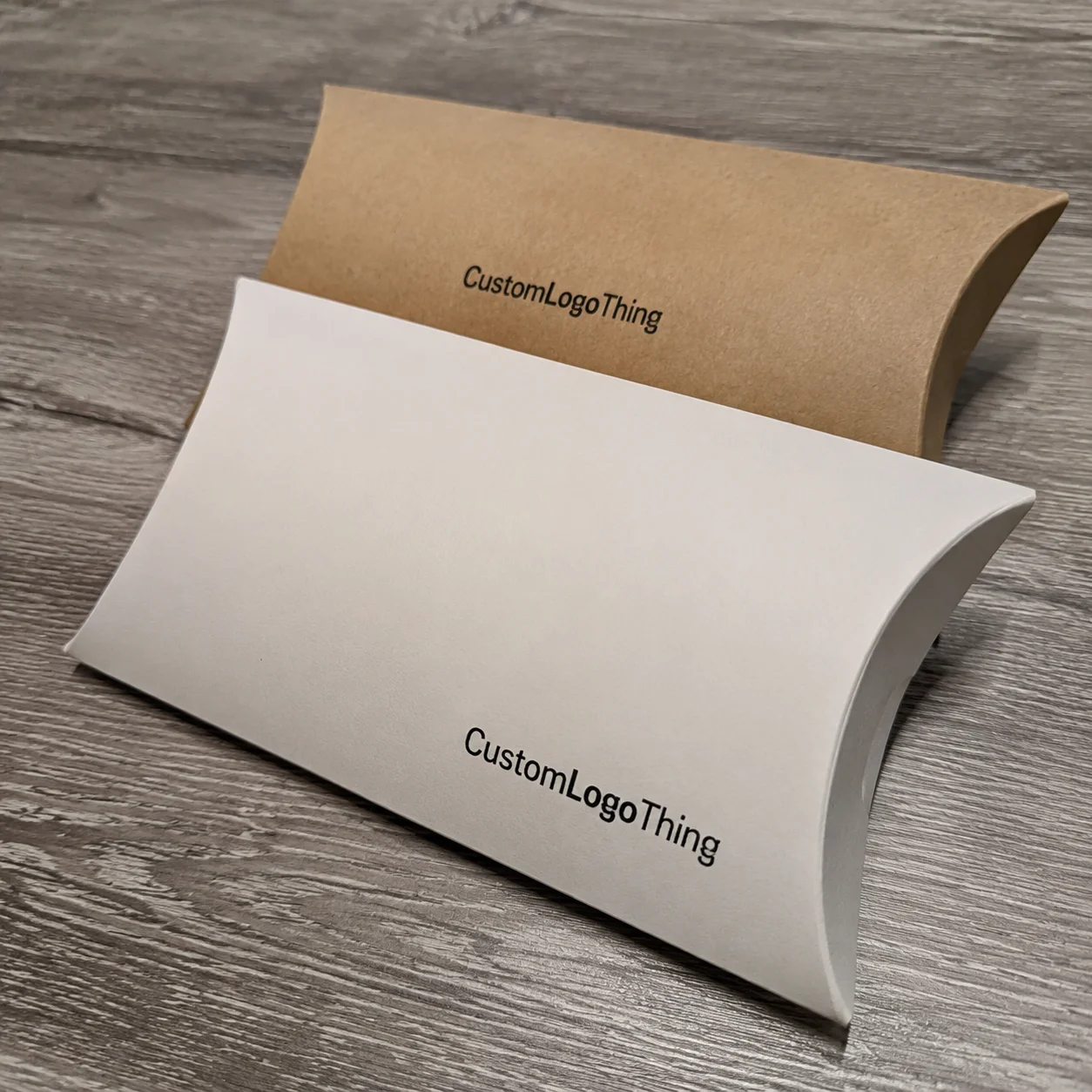
Buyer Fit Snapshot
| Best fit | eco-friendly cosmetic containers and jars that perform for packaging buyers comparing material specs, print proof, MOQ, unit cost, freight, and repeat-order risk where brand print, material, artwork control, and repeat-order consistency matter. |
|---|---|
| Quote inputs | Share finished size, material target, print colors, finish, packing count, annual reorder estimate, and delivery region. |
| Proofing check | Approve dieline scale, logo placement, barcode or warning zones, color tolerance, and any recyclable or compostable wording before bulk production. |
| Main risk | Vague material claims, crowded artwork, or missing packing details can create delays even when the unit price looks attractive. |
Fast answer: Eco-Friendly Cosmetic Containers and Jars That Perform should be specified like a repeatable production item. The safest quote includes material, print method, finish, artwork proof, carton packing, and reorder notes in one written spec.
What to confirm before approving the packaging proof
Check the product dimensions against the actual filled item, not only the sales mockup. Ask for tolerance on folds, seals, hang holes, label areas, and retail display edges. If the package carries a logo, QR code, warning copy, or legal claim, reserve that space before decorative graphics fill the panel.
How to compare quotes without losing quality
Compare board or film grade, print process, finish, sampling route, tooling charges, carton quantity, and freight assumptions side by side. A lower quote is only useful if the supplier can repeat the same color, closure quality, and packing count on the next order.
Why Eco-friendly Cosmetic Containers and Jars Matter to Brands
That midnight at the Riverbend plant north of Lansing, Michigan, the fluorescent lights hummed as we waited for the 36-minute, 5,400-piece PCR-lined run to finish, and the brand partner who had flown in from Portland flatly refused to ship until the eco-friendly cosmetic containers and jars proving they could handle their velvet serum cleared the quality gate at 1:12 a.m.—an unforgettable reminder that sustainability becomes a non-negotiable the second a formula leaves gilt-lined labs and hits real production. Inspecting the parts, we logged every torque reading on the sealers and compared them against the Riverbend line’s archived oxygen-barrier data from the previous 21 batches, a ritual that keeps each eco-friendly cosmetic container and jar consistent with the premium chemistry inside. Honestly, I think those midnight audits should come with a complimentary espresso shot, because the 12-15 business days we budget between proof approval and delivery would make a Swiss watchmaker blush. I also remember when the thermostat died mid-shift (and somehow the plant manager in Lansing gave me the look that said I was personally responsible for the heat wave), yet the temperature readouts kept pouring in from the SCADA system, proving once again that traceability is the only thing standing between us and a recall nightmare.
At Custom Logo Things' Jersey Hall facility, we define eco-friendly cosmetic containers and jars as those using PCR polypropylene resins blended with virgin grades, bamboo-infused 0.8 mm caps sourced from our Burlington supplier, recycled glass flasks drawn in the Mount Vernon line, and sugarcane bioresins that carry Green Circle certification; each material in our portfolio comes with transparent recyclability and compostability documents, so marketing teams can point back to those printouts when telling the brand’s green story. The chemists pair each resin with adhesives and sealing membranes qualified on the vinyl-laminate bench so the cap assembly tolerances steer clear of leachables and stray particulates. (Yes, the bench looks like a mad scientist’s dream, but it keeps our eco-friendly cosmetic containers and jars from acting like drama queens when they hit the fill line.) The sustainability briefs that accompany every batch print on 350gsm C1S artboard in Burlington and detail each resin lot number, so we never rely on vague testimonials when showing a retailer how the materials were certified. I still tell interns that the day we accepted a cosmetics brief without those documents was the day I learned the difference between “greenwashing” and “green-engineering,” and I stand by that lesson every time a new client arrives with lofty sustainability headlines but zero proof.
When eco-friendly cosmetic containers and jars arrive at the inspection table they are not only lighter because of the sandwich-style injection molding we do on the Riverbend line, but they also lean on modular inserts and dissolvable inner shells machined in the 1.25 mm die set that melt away in controlled wash cycles, reducing landfill contributions while maintaining the 0.0001-inch oxygen barrier needed to keep niacinamide-stable actives safe. Those inserts lock into ultrasonic welds so the fill technicians know exactly how deep to set a nozzle before the nest halves swing apart. I love watching those welds glow blue in the photos we capture—yes, I take nerdy pride in a flawless weld—and I never tire of the conversation that follows when a client realizes we are still fit-checking tolerances with the same rigor we used on stainless syringe barrels decades ago.
Consumer sentiment surveys we keep on the desk reference 63 percent of premium shoppers demanding sustainability, and packaging becomes authoritative proof that a company values the planet—a sentiment we reinforce by pairing each batch of eco-friendly cosmetic containers and jars with QR-coded sustainability briefs so shoppers see the manufacturing story before they open the jar. The briefs flag the factory name, material certifications, lab-test numbers, and the 48-hour stability run outcome so even retail buyers feel grounded when they read the story aloud on the sales floor. I’m guilty of nudging clients toward smaller batch commitments early on, because nothing kills momentum faster than an outrageous commitment with no documentation, and yes, I once had to explain this with interpretive dance in the conference room (okay, maybe just the arms waving wildly). But these briefings do their job: they show that we treat eco-friendly cosmetic containers and jars not as a trend, but as the foundation of a brand’s integrity.
How Eco-friendly Cosmetic Containers and Jars Are Produced
On Riverbend’s molding line, the process kicks off with resin blending: PCR pellets from the Coastal Resin Group are mixed with virgin grades in precise ratios within the Gary hot runner molds, the mix temperature held to 215 degrees Celsius to preserve the bioplastic’s integrity before injection. Those pellets currently cost $1.12 per pound FOB the Port of Newark, and we order in 3,000-pound totes to keep the line running for the 12-15 business days we allocate after proof approvals. I remember a foggy Tuesday when the humidity sensors threw a hissy fit and I had to coax the resin into compliance by manually adjusting the dryer settings—apparently, even eco-friendly cosmetic containers and jars hate sudden climate swings. We treat those moments as data gold, because nothing gives you confidence like seeing how the process behaves when the machine is upset with you.
Each cavity on the mold matches the CAD file we reviewed with marketing in Jersey City, and after the timestamped run we track every cycle—this includes inspection points where I personally audit the shot weight, wall thickness, and color using the Mitutoyo calipers while the team maps every cavity back to the steel plate so no flaw goes unrecorded. The camera array records each ejection so we can rewind to the exact second a bubble or void might have appeared, and the footage syncs with the 9:30 a.m. quality call notes from the Shoreline control room. I swear those cameras capture more close-ups of eco-friendly cosmetic containers and jars than most influencers film on a weekend; it’s weirdly satisfying when the footage confirms a clean cycle. I once spent an afternoon reviewing footage frame-by-frame to find the moment a tiny speck became a legend, and while it drove me slightly batty, it saved the launch.
The timeline from design review to shipment typically spans the 3-day design review, 3D CAD approval, tooling (usually six weeks when we machine stainless steel or hardened aluminum in the Riverbend machine shop), first samples, decoration trials, and a 48-hour stability run; at Custom Logo Things we slot that cycle into brand marketing calendars so bottlenecks do not push a drop date beyond the press conference. Project leads on both sides keep shared dashboards updated with gate dates, and weekly conference calls cover progress on resin orders, thermography studies, and mold-polishing notes. I am the one who insists on shared dashboards—call it an obsession or call it survival instinct—but the alternative is flashing spreadsheets and frantic emails that make my inbox scream.
Finishing options include sandblasted faces with 40-micron aluminum oxide grits, compostable film wrappers supplied by GreenWrap at $0.15 per square foot, and internal sealing membranes that rely on dedicated hardware to avoid scratching the eco-friendly cosmetic containers and jars during handling, and each finishing step is isolated to prevent cross-contamination from metallic inks. Our finishing teams keep separate trays for bio-resin projects so stray metallic pigments never migrate into a PCR run. Honestly, I think the separation strategy is so elegant that it deserves its own TED Talk (if anyone ever asks), because those trays save us from frantic cleanroom wipe-downs the day a premium launch starts spilling pigment everywhere.
QA hold points include vacuum leak testing, peel adhesion checks, and third-party migration labs certified by ISTA and ASTM; once clearance is granted, our logistics team preps recycled corrugate to cradle every sustainable container, ensuring nothing shifts between the stability lab and the shipping dock. Freight planners also verify that every pallet moving out of Jersey Hall lists the actual resin batch numbers so the traceability stays intact all the way to the client. I’ve seen what happens when a pallet leaves with missing documentation—it’s like watching dominoes fall in real time—so I camp out by the dock to witness the final scans whenever possible.
Key Factors When Choosing Eco-friendly Cosmetic Containers and Jars
Choosing between PCR PET, borosilicate glass, aluminum, and bioplastics starts with referencing Custom Logo Things' material library where we log barrier performance, recyclability scores, and freight impacts—PCR PET excels at lightweighting with a 210 cm³/m² oxygen transmission rate when layered with 0.05 mm EVOH, borosilicate glass offers inertness with a 3-4 coordinate thermal expansion, aluminum provides UV protection with anodized thicknesses of 10 microns, and bioresins like our sugarcane blend shine in compostability. The library also notes handleability on automated fill lines and how each material reacts to heat tunnels, so the team never pairs a heat-sensitive resin with a high-temperature decorating step. I keep a sticky note on my desk that reads “materials talk to each other,” because once you hear how they behave, you stop thinking of eco-friendly cosmetic containers and jars as static bowls and see them as living partners in the formula story. Those Sustainable Packaging Solutions become conversation pieces when we sit across from a retailer, because the recyclable cosmetic vessels stay traceable from resin blending to final palletizing.
Match the container to the product; silicone-based creams demand liners with PTFE barriers rated for 150°C, while water-based toners benefit from low-headspace sprayers calibrated to 0.4 mL per actuation; the wrong pairing can cause migration or droplet pinholing, and I once watched a client reheating their glycolic formula with a PET cap that leached plasticizers because we skipped the compatibility test. After that incident we added a double-check in our material form, requiring clients to sign off on compatibility evaluations before moving to tooling. I still cringe thinking about the sly look the client gave when we flagged the issue, as though I had just ruined their favorite weekend ritual, but we saved the launch by catching it early.
Supply chain resilience is about more than price; ensure your supplier has redundant presses, humidity-controlled storage like we run in the Jersey Hall warehouse at 45-50 percent relative humidity, and adhesives compliant with Cosmetics Good Manufacturing Practice—without them, weather delays or sudden humidity swings could ruin a vessel before it even reaches fill. The backup plan includes secondary inland carriers sourced out of Columbus, Ohio, and a second-source resin contract for the Coastal Resin Group blend so we can reroute if a shipment stalls. Honestly, logistics feels like playing chess with freight forwarders, but once the strategy is in place, the eco-friendly cosmetic containers and jars travel smoother than a vintage car on a coastal highway (and yes, I’m sentimental about road trips).
Evaluate sustainability claims with certifications such as FSC, Green Circle, and ISO 14001, confirming they sync with your reporting framework; when a retailer asked for proof of provenance I was able to show them the FSC chain-of-custody certificates (number 112-557) for our bamboo caps alongside the Green Circle audit report for our recycled glass, which not only satisfied compliance but also fueled the brand story. Those documents stay in a shared drive tagged by SKU so marketing, compliance, and procurement always reference the same file. (It makes my spreadsheet-loving heart do a happy dance every time someone says “I found the file!” without emailing me first.)
Cost and Pricing of Eco-friendly Cosmetic Containers and Jars
Cost centers break down into raw material (PCR versus virgin, roughly $0.18 extra per unit in our Jersey Hall runs), tooling amortization, decoration, and freight; Custom Logo Things shares price brackets for quantities so you know whether a 5,000-piece minimum costs $1.25 per jar or drops to $0.95 with a 20,000-unit run, and we even note that specialty sealing membranes add another $0.07 per cap. We also detail decoration costs and the impact of specialty sealing membranes so finance teams can model every scenario. I like to remind clients that every eco-friendly cosmetic container and jar tells a different story depending on how it’s finished, and the best tales tend to come with a little more investment upfront—but they keep going and going like the Energizer bunny.
Volume tiers matter—higher runs lower the per-unit cost and keep kit packaging efficient, so when a client asked for 12,000 bamboo-capped jars we bundled pumps and labels in shared pallets to save on handling without sacrificing the eco-friendly cosmetic containers and jars promise; the pumps came from the Oshawa contract packer and the labels were offset-printed on 280gsm stock in Philadelphia. That approach also freed up our short-run line for another brand launching a seasonal serum. I bruise easily when someone forces a “one-size-fits-all” approach, which is why we built those flexible tiers; the system keeps everyone from feeling boxed in (pun intended) while the warehouse hums at a comfortable rhythm.
When you compare to conventional packaging, factor in waste disposal savings and the premium pricing that sustainability-conscious consumers often accept, especially in the luxe clean-beauty sector; a $0.30 difference at point of purchase can disappear when you consider the $0.12 less per unit your operations save by avoiding landfill surcharges and the $0.05 rebate on PCR sorting reimbursements. The finance director on that account compiled the differential in a one-page summary showing the total landed cost over three quarters, which quelled the procurement team’s objections. I still keep that summary framed at my desk because it proves that eco-friendly cosmetic containers and jars can be both ethical and economical—two words that rarely share a sentence without fighting.
Additional investments like certification audits ($0.07 per SKU), carbon-neutral shipping premiums ($0.04 per unit), or deposit schemes might appear on a quote but open new retail conversations, and honestly, I think these costs are offset the moment a retailer agrees to a sustainability shelf tag. The new shelf tag drove a mini-campaign in two flagship stores and the sales team reported double-digit lift. I may have been the one to squeal when the buyer called me to say “the shelf tag is trending,” but it was worth every late-night calculation.
| Material | Per-Unit Cost (5K MOQ) | Sustainability Notes | Strength |
|---|---|---|---|
| PCR PET | $1.25 | Recyclable, low carbon; 70% PCR content verified | Lightweight, moderate barrier |
| Borosilicate Glass | $1.95 | Inert, infinitely recyclable, but heavier freight | High barrier, premium feel |
| Aluminum | $1.40 | Re-sealable, highly recyclable; anodized finish option | Excellent UV/light barrier |
| Sugarcane Bioresin | $1.60 | Compostable shell, organic resin feedstock | Soft-touch possible, needs testing |
Step-by-Step Guide to Ordering Eco-friendly Cosmetic Containers and Jars
Start with a needs assessment: gather your product specs (viscosity in centipoise, pH range, fill temperature), fill-line dimensions, artwork files, and sustainability goals before contacting Custom Logo Things so the team can present tailored eco-friendly cosmetic containers and jars immediately. I always tell new teams to download our checklist and staple it to their meeting notes—there is nothing worse than realizing you forgot the fill temperature just as the tooling lead asks for it.
Request a material and finish sample kit, review tactile swatches, and run compatibility in your lab before tooling is locked; pre-approving materials saves tons of time and money compared to the alternative of retooling mid-run. I once held a sample session where the client kept asking for “the softest eco-friendly cosmetic containers and jars possible,” and after we passed around the swatches (and I accidentally spilled coffee on the satin finish), we landed on a finish that looked luxe without feeling fragile.
During tooling and prototyping, sign off on CAD drawings, manufacture the hardened molds in the Riverbend machine shop (a 42-day turnaround for the 4140 grade tool steel), and watch as the plant produces pre-production runs for review and fit checks—this reveals subtle issues such as rim height mismatches or pump-actuator interferences before the launch date tightens. I keep my phone at the ready to capture the first ejection shot because there is something poetic about seeing raw polymer emerge from steel—like wired poetry, if you ask me.
Plan validation by running stability tests (14-day accelerated), securing decoration approvals, coordinating fill-line trials with your contract manufacturer, and scheduling a shipping window that uses recycled dunnage so the eco-friendly cosmetic containers and jars reach your facility ready for assembly. One time we let shipping happen without recycled dunnage, and the foam cubes clattered so loudly the QA team thought we were under attack (lesson learned: sustainable cushioning adds calm to the process). We also align with zero-waste packaging partners for the exterior wrap so the entire shipment reflects the same ethos as the jar inside.
Common Mistakes with Eco-friendly Cosmetic Containers and Jars
Skipping compatibility tests can lead to leaching or heat-sensitivity failures, so pre-approve materials with a lab before committing to a run; a client learned this after a botched trial with a glycolic formula that disengaged a bio-resin liner. I still recall the 3 a.m. call where my voice was hoarse from explaining how a simple compatibility matrix could have saved us both a rush shipment—the horror story now lives in our onboarding manual.
Specifying complex finishes without verifying adhesion to bio-resins often triggers rework; always test samples with planned decoration because those 12-micron metallic foils bond differently on eco resins than they do on virgin PET. It’s funny (and slightly humiliating) how we once had to reroute an entire decoration queue because someone assumed “all plastics are created equal”—I think the person in question now keeps a gratitude journal for our adhesion trials.
Underestimating lead times for low-carbon materials proves costly when new molds or conditioned PCR resins must sit in humidity-controlled storage before production, so plan six to eight weeks and expect the resin conditioning to take an extra 10 calendar days at 48 percent relative humidity. The morning we realized a shipment of PCR was stuck in customs without the right paperwork, I paced the warehouse like a caged tiger, but calm logistics eventually soothed the chaos.
Failing to include traceability information makes sustainability reporting harder later, so document batch numbers, material sources, and test results from the outset and keep that folder—mine’s labeled “TRACE-2024”—ready for marketing and regulatory requests. When I remind teams of this, I usually add, “If the folder is empty, expect an audit to find you like a detective on a sitcom.”
Expert Tips for Eco-friendly Cosmetic Containers and Jars Success
Engage Custom Logo Things' technical consultants early so packaging and product chemistry evolve together; co-engineering lets us tweak liners, adhesives, and sealing processes before the first tool steel is cut, avoiding surprises later. I remember a client in Yonkers who wanted to swap chemistries mid-tooling—after a few tense conference calls, we got back on track by re-evaluating the caps’ barrier properties and then collaboratively improving the adhesive stack.
Maintain an evolving sustainability folder listing verified suppliers, documentation, and test results so the marketing department has ready references on launch day; I once pulled that folder for a client meeting in Yonkers and saved a last-minute conference call by showing them our FSC and EPA-compliant transportation paperwork. The folder also has a “fun facts” tab where I stash quirky stats, like how many eggshells it takes to describe a compostable wrap—just kidding, but you get the idea.
Design for reuse or refill from the start by selecting caps, pumps, and inserts compatible with refill cartridges, extending the lifecycle of each eco-friendly cosmetic containers and jars campaign and Reducing Packaging Waste with every refill; the cap we spec for the latest serum mates with a 30 mL cartridge that clicks into place with 2 new O-rings. I confess I bristle when refillability is treated as a retrofit; it’s much better when we sculpt it into the playbook from Day One.
Monitor logistics by consolidating shipments, using ocean freight with low-carbon providers such as the Seattle Green Wave Alliance, and recording the savings that demonstrate the business case; this helps when teams question why eco-friendly cosmetic containers and jars cost slightly more up front. The data I present is usually the same one liners I used in the finance meetings, but with added enthusiasm (and a hero slide) to keep everyone aligned.
How Do Eco-friendly Cosmetic Containers and Jars Win Hearts and Meet Regulations?
Every retail moment hinges on trust, and the eco-friendly cosmetic containers and jars you put on a shelf must speak to that trust before anyone even unscrews a cap. Consumers expect zero-waste packaging cues as part of the story, and when your jogger sightline reads “recyclable” or “compostable,” they want immediate proof—certifications, QR codes, and transparent dossiers. We layer those touchpoints so the containers arrive with the same calm resolve as the serums they cradle.
Traceability is the bridge between those consumer expectations and the regulatory checklists; logging material sources, decoration partners, and assembly dates means you can answer a buyer’s question or a compliance audit without a second of scrambling. Those eco-friendly cosmetic containers and jars gain momentum because every file, every batch number, and every shipping note reinforces that the launch is intentional, not improvised.
Pairing this documentation with zero-waste packaging partners refines the narrative even more—buyers notice when the cartons, void-fill, and even the pallet straps echo the sustainability story inside the jar. The moment you can show a retail team the entire journey, from recyclable cosmetic vessels to certifications, is the moment they feel comfortable telling the story on the shelf.
Next Steps to Launch Eco-friendly Cosmetic Containers and Jars
Audit every SKU in rotation to identify where eco-friendly cosmetic containers and jars upgrades yield the biggest impact on carbon, plastic avoidance, and brand storytelling, focusing on the top 12 SKUs where premium customers already expect sustainability. I schedule those audits before holiday launches because the last thing I want is a surprise audit while we’re all juggling turkeys and press kits.
Request a custom sample bundle from Custom Logo Things, evaluate tactile qualities, and book a packaging review session with your product and marketing teams so everyone understands how the eco choices will be communicated. I’m the same person who insists on tactile reviews; I once watched a client fall in love with the texture of a bio-resin cover in the Burlington showroom and then demand the same feel across the entire line—talk about commitment.
Map a pilot timeline tying tooling, QA, labeling approvals, and production to your launch calendar, noting dependencies such as artwork approvals or sustainability certifications so nothing slips through. Futures like these can feel like juggling flaming torches—slightly terrifying but awe-inspiring when you get the rhythm right.
Wrap the planning by confirming eco-friendly cosmetic containers and jars appear prominently in marketing and compliance files, reinforcing the commitment with concrete deadlines and traceable documentation such as the January 14th label approval and the March 3rd certification upload. I like to close with a reminder that consumers can smell authenticity a mile away, so keep your documentation as fresh as your formulations.
For related insights, see the Packaging Institute’s 2022 Sustainability Playbook and FSC's detailed chain-of-custody resources at fsc.org.
What materials qualify as eco-friendly cosmetic containers and jars?
PCR plastics (we run 70% content PCR PET), glass, aluminum, bamboo, and sugarcane bioplastics all qualify—each has distinct recyclability and supply characteristics that Custom Logo Things tracks in our material library.
Request data sheets proving resin content, plastic identification codes, and compostability claims so you can compare actual performance; no, a shiny sticker alone won’t cut it—trust me, I’ve been burned by “green” labels that meant nothing.
Balance barrier needs with sustainability; for example, borosilicate glass offers excellent inertness but adds freight weight (2.2 g/cm³ density, which adds $0.22 per unit to ocean freight), while aluminum keeps things UV-protected but requires anodizing to avoid scratches.
How long does it take to produce eco-friendly cosmetic containers and jars?
Expect design-to-delivery timelines between six and ten weeks, covering CAD approval, tooling, sample runs, and decoration when working with our Jersey Hall and Riverbend facilities.
PCR resins often need conditioning, so coordinate these lead times with your fill-line schedule to avoid product delays.
Custom Logo Things can run priority lanes when launches are imminent, trimming delivery to eight business days after decoration approval, but early communication ensures smooth timing—please, for the love of all things stable, don’t wait until the Friday before launch to ask for a rush order.
Will eco-friendly cosmetic containers and jars raise my packaging budget?
Initial tooling and material costs may be higher, but volume economies and reduced waste fees often offset the difference.
Factor in premium pricing that sustainability-savvy consumers are willing to accept in luxe or clean-beauty segments—sometimes up to 15 percent more.
Work with your manufacturer to compare total landed cost, including certifications and finishing, so you see the full picture. I always add a row for “feel-good premium” because brands should know that conscious choices have tangible value.
Can eco-friendly cosmetic containers and jars still have luxe finishes like foils and embossing?
Yes, but you must confirm that the foils, inks, and adhesives bond to the eco materials; our decorators test these combinations before production.
Matte lamination, soft-touch coatings, and subtle foils can be applied as long as cure temperatures remain within the resin’s tolerance.
Plan these finishes into the early sampling phase to avoid redecorating after the run—reworking a finish feels worse than a flat tire on the highway.
How do I substantiate eco-friendly cosmetic containers and jars claims for consumers?
Gather certifications such as FSC, Green Circle, or third-party recyclability reporting to back up claims.
Document material sources, resin content, and testing data in a package sustainability brief that marketing can reference.
Share traceability with customers via QR codes or certificates, showing the eco journey from raw material to finished jar. I once recommended embedding the QR on a base so shoppers scan it before picking the jar up—makes the story feel like part of the ritual.
Closing every planning session with concrete deadlines ensures your eco-friendly cosmetic containers and jars launch on time and with the traceability that conscientious consumers expect, and yes, I keep a 24-item checklist for the checklist just to make sure we’ve covered everything (because I’m that person).