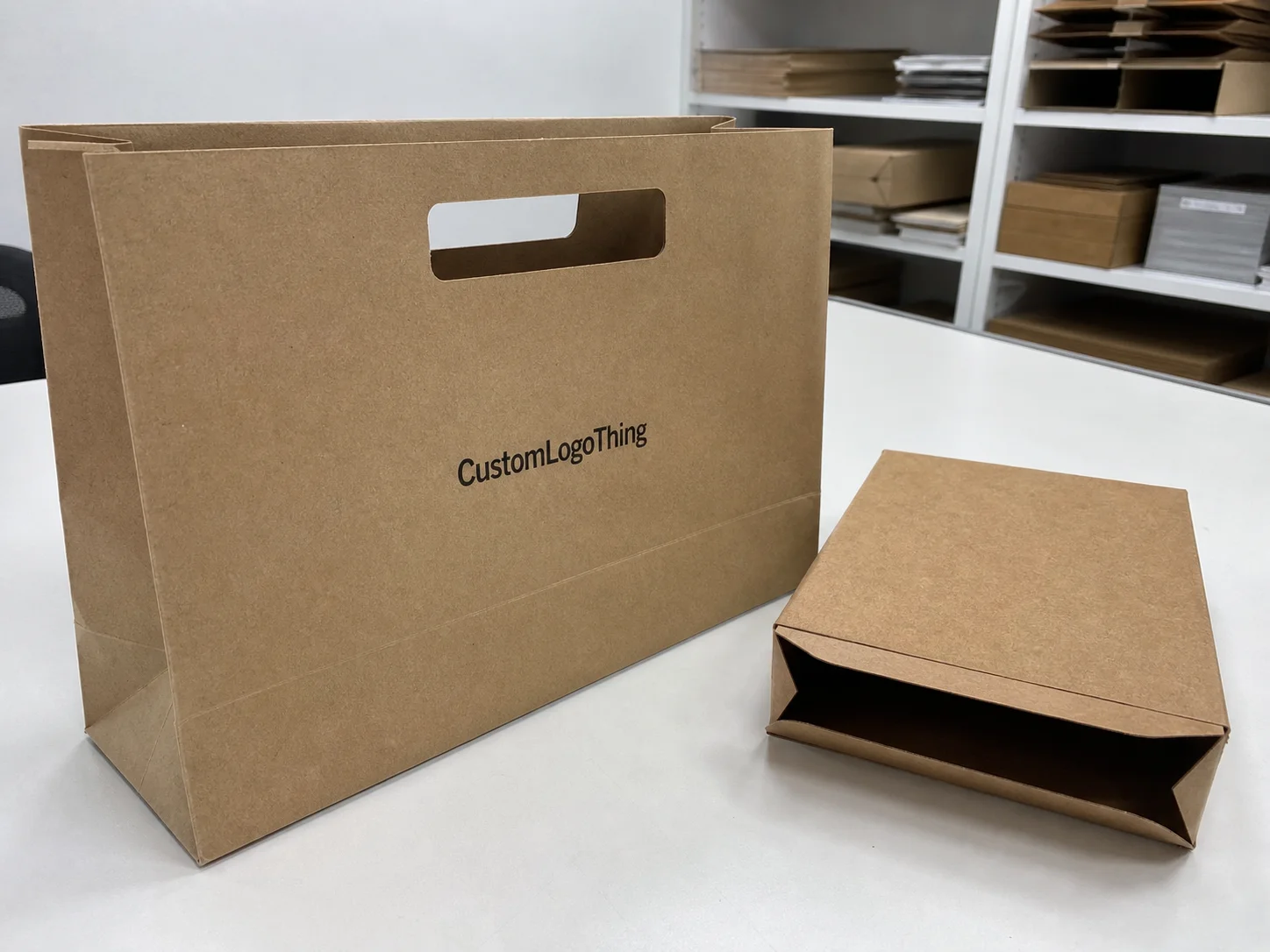
Buyer Fit Snapshot
| Best fit | Eco-Friendly Lip Balm Containers Bulk projects where brand print, material claims, artwork control, MOQ, and repeat-order consistency need to be specified before quoting. |
|---|---|
| Quote inputs | Share finished size, material target, print colors, finish, packing count, annual reorder estimate, ship-to region, and any compliance wording. |
| Proofing check | Approve dieline scale, logo placement, barcode or warning zones, color tolerance, closure strength, and carton packing before bulk production. |
| Main risk | Vague material claims, crowded artwork, missing packing details, or unclear freight terms can make a low unit price expensive after revisions. |
Fast answer: Eco-Friendly Lip Balm Containers Bulk: Pricing, Specs, MOQ should be specified like a repeatable production item. The safest quote records material, print method, finish, artwork proof, packing count, and reorder notes in one written spec.
Production checks before approval
Compare the actual filled-product size with the drawing, then confirm tolerance on folds, seals, hang holes, label areas, and retail display edges. Reserve space for logos, QR codes, warning copy, and material claims before decorative graphics fill the panel.
Quote comparison points
Review material grade, print process, finish, sampling route, tooling charges, carton quantity, and freight assumptions side by side. A quote is only useful when the supplier can repeat the same color, closure quality, and packing count on the next order.
If you are shopping for eco-friendly lip balm containers bulk, the first thing I’ll tell you is this: the cheapest option on paper is not always the cheapest order in real life. I learned that the hard way standing on a line in Dongguan, watching a batch of glossy plastic tubes arrive with scuffed caps, a 6% reject rate, and one very irritated client asking why “budget packaging” suddenly cost them another $1,240 in replacements and freight. I remember thinking that the tubes looked fine from ten feet away, which is exactly the kind of sentence that gets a buyer in trouble later. eco-friendly lip balm containers bulk is usually about reducing waste, improving shelf appeal, and avoiding those annoying little losses that eat margin one carton at a time.
Brands switch for practical reasons. Retail buyers want cleaner messaging. DTC brands want packaging that matches their ingredients story. And some buyers simply want something that does not look like the same white plastic tube every other startup ordered from the same supplier. Fair enough. Honestly, I think packaging gets underestimated all the time. I’ve seen eco-friendly lip balm containers bulk win listings because the packaging told a better story in 3 seconds, which is about all the shelf time you get anyway, especially in a crowded Seoul pop-up or a pharmacy aisle in Chicago where shoppers decide in under 5 seconds.
Here’s the honest version: not every “eco” container is actually better for every brand. Compostable, recyclable, PCR, bamboo, aluminum, kraft paper, and fiber-based structures are not interchangeable. A paper-based tube can look great, but if your balm is oily and your warehouse runs hot, that same tube can turn into a regret with a barcode. The right choice depends on your formula, your price point, and how much risk you can tolerate. And yes, I’ve had the “eco” discussion go sideways because someone wanted paper packaging that could survive summer freight, a glossy print finish, and a price lower than a commodity plastic tube from Shenzhen (I wish I were joking).
At Custom Logo Things, I’ve spent enough time with packaging buyers to know the real question is not “What sounds green?” It is “What ships well, prints clean, and does not blow up my margin?” That is the lens I use for eco-friendly lip balm containers bulk, whether the order is headed to a Miami distributor or a London private-label launch.
Eco-Friendly Lip Balm Containers Bulk: Why Brands Switch
The move to eco-friendly lip balm containers bulk usually starts with one of three pressures: retailer requirements, brand positioning, or packaging compliance. I’ve sat in meetings where a buyer said they needed a more sustainable option because a chain retailer in Toronto had updated packaging guidelines and would not approve the old PS tube. I’ve also had founders say they simply could not keep telling a “clean beauty” story while shipping products in plastic that looked like it came from a 1998 trade show booth in Las Vegas. That line still makes me laugh a little, because the booth probably had a fog machine and a bowl of mints.
There’s also a hidden benefit that gets ignored by people who only chase unit cost: damage reduction. I once visited a run in Dongguan where we swapped a brittle, low-grade cap for a slightly better PCR cap that cost $0.018 more per unit. Not exciting. But return rates dropped enough that the client saved about $3,600 across the order because fewer units cracked in transit. That is the kind of math most people miss when they only compare price sheets for eco-friendly lip balm containers bulk, especially when the freight route passes through humid ports like Long Beach or Felixstowe.
Better shelf storytelling matters too. A recyclable kraft tube, an aluminum twist-up, or a bamboo-accented jar makes your product easier to explain in a few words. Retail staff likes that. Customers like that. So does your ad copy. I’ve seen brands use a simple “made with recycled content” line and get more engagement than they did with a full paragraph of ingredient claims, particularly when the packaging landed in natural chains in Portland or wellness shops in Melbourne. Packaging does a lot of the heavy lifting, which is both convenient and mildly unfair if you spent three months perfecting the formula.
Now, let’s separate real sustainability from marketing glitter. A “compostable” label is not the same as truly compostable in a home or industrial setting. A recyclable package only matters if the local recycling stream actually accepts it. PCR means post-consumer recycled content, not magical guilt removal. Bamboo can look premium, but if the inner structure is still plastic and the outer shell is mostly decorative, you need to be honest about what the buyer is actually receiving. That honesty matters for eco-friendly lip balm containers bulk because greenwashing gets expensive when a retailer in Berlin or a distributor in Houston asks for documentation.
In practice, I sort buyers into four use cases:
- Luxury brands: usually want aluminum, bamboo-style components, or paper-based premium shells with strong decoration.
- Indie DTC brands: often want a balance of price and story, so PCR plastic or kraft paper structures make sense.
- Promotional runs: need lower MOQs, faster timelines, and simple logo printing.
- Private label retail: usually wants consistent dimensions, dependable filling compatibility, and repeatable supply.
If you are unsure where you fit, start with the formula and the channel. A balm sold at a natural grocery chain in Vancouver has different packaging needs than a branded gift set for a skincare subscription box in Austin. That sounds obvious. Yet I still get spec sheets that say “eco, premium, affordable” and nothing else. Helpful. Not.
Eco-Friendly Lip Balm Containers Bulk: Product Types and Materials
eco-friendly lip balm containers bulk comes in more formats than most buyers realize. The common options are tubes, jars, twist-up tubes, tins, and refillable systems. Each one has a different cost profile, filling method, and shelf behavior. If you want simple use and broad retail acceptance, a twist-up tube is still the workhorse. If you want a more premium presentation, a tin or aluminum container can feel much stronger in hand. I’ve had clients hold an aluminum tin and immediately say, “Okay, yes, this feels like we meant it.” Hard to argue with that kind of reaction, especially when the tin came off a line in Ningbo with a brushed finish and a 0.3mm wall gauge.
Here’s the breakdown I usually give after a supplier call that drags past lunch, usually around 1:40 p.m. in Shenzhen or 11:40 p.m. for a buyer in New York.
- Kraft paper tubes: good for a natural brand story, light-weight shipping, and lower plastic usage.
- Recycled cardboard: similar to kraft, but often smoother for print and sleeve applications.
- PCR plastic: practical for moisture resistance, impact resistance, and standard filling lines.
- Aluminum: premium feel, strong recyclability story, and good durability.
- Bamboo accents: excellent for premium branding, though usually paired with another structural material.
- Biodegradable blends: workable for specific use cases, but they need careful testing and honest claims.
Material strengths are not equal. Paper-based packaging can look beautiful, but lip balm formulas often contain oils and waxes that are not kind to unlined fiber. PCR plastic gives you better moisture resistance and fewer surprises during shipping. Aluminum handles heat better than most paper-forward structures, which is useful if your goods sit in warm warehouses in Phoenix or cross tropical lanes through Singapore. Bamboo feels premium, but it often changes the price more than the performance. In my experience, “premium” can be a polite word for “this will cost more than you wanted and you’ll still have to explain the structure to three departments.”
Decoration methods matter just as much as base material. On kraft or cardboard, I usually recommend straightforward CMYK print, embossing, or a paper label. On aluminum, direct print, laser marking, and matte coating work well. On PCR plastic, labels, spot UV, and clean one- or two-color print are more reliable than heavy decoration. Foil can look sharp, but on a small tube it can push your cost up by $0.03 to $0.09 per unit depending on setup and coverage. That is not huge on 1,000 pieces. It adds up fast on eco-friendly lip balm containers bulk orders of 20,000 units, especially if the cartons are shipping from Guangdong to Rotterdam.
One thing most people get wrong: they ask for the material before they ask what the material must survive. That is backward. I’ve seen a buyer insist on a paper tube for a summer promo order, then call after the first sample because the balm base softened and left staining on the inner wall. If the product will be shipped in 90°F trucks, you need a structure that can tolerate that reality. Otherwise, you end up with packaging that looks lovely in a deck and awful in a warehouse in Dallas.
Below is the kind of comparison I wish more procurement teams used before they spend three weeks arguing about the word “eco.”
| Material | Best For | Typical Strength | Typical Price Impact |
|---|---|---|---|
| Kraft paper | Natural brands, gift sets | Good branding, lower plastic use | Low to moderate |
| PCR plastic | Retail, travel, daily use | Best moisture resistance | Moderate |
| Aluminum | Premium, refillable, long shelf life | Strong durability | Moderate to high |
| Bamboo composite | Luxury positioning | Strong visual appeal | High |
| Biodegradable blend | Specific sustainability claims | Depends on formula and testing | Moderate to high |
I had a sourcing call with a brand manager in Chicago who wanted “the most eco option” but also needed a 12-15 business day production window and a shelf-ready finish for a chain in Seattle. That combination narrowed the field fast. In the end, we landed on PCR plastic with a paper sleeve. Not the fanciest answer. The correct answer. eco-friendly lip balm containers bulk works best when material choice follows the product, not the mood board.
Specifications for Eco-Friendly Lip Balm Containers Bulk
If you want clean quotes for eco-friendly lip balm containers bulk, send the spec sheet first. Not a vague “need something sustainable.” Give the supplier actual numbers. Diameter. Fill volume. Closure style. Finish. Print area. If you skip those details, you will get a quote that looks cheap and then turns into a mess once tooling, decoration, and freight show up. I’ve watched that exact movie more than once, and it is never a fun sequel.
The core specification fields I ask for are:
- Diameter: usually 16mm, 18mm, 19mm, or custom sizing
- Fill volume: 4g, 5g, 7g, 10g, or a custom weight
- Wall thickness: affects durability and overall feel
- Closure style: twist-up, snap-on cap, screw cap, or refill insert
- Finish: matte, gloss, soft-touch, natural fiber, brushed metal
- Print area: one panel, full wrap, logo-only, or label space
Standard lip balm sizes matter more than people think. A 4g tube is common for promotional programs and lower retail price points. A 5g size is a safe middle ground for most brands. A 10g format creates a more premium feel, but it also changes packaging proportions and shipping math. If you use an existing filling machine in Guangzhou, the inner dimensions must match the line spec. I’ve seen a production team lose half a day because the tube neck was 1.2mm off from the fill head tolerance. That tiny gap became a very expensive learning experience, and one very long afternoon for the line manager who had to explain it.
Performance specs should not be an afterthought. For eco-friendly lip balm containers bulk, I always look for leak resistance, odor transfer resistance, scuff resistance, and temperature tolerance. If your balm formula has strong essential oils, test for odor migration. If your packages will move through distribution centers, check the abrasion resistance on printed surfaces. If summer shipping is a factor, ask how the container behaves at 40°C and above. Some suppliers will give you real data. Others will hand you optimism in PDF form, which is less useful than it sounds.
Compliance also matters. Lip balm is a cosmetic product, so your packaging should use cosmetic-safe inks and finishes. If any part of the structure contacts product, ask about food-contact or cosmetic-contact assumptions and get the supplier to confirm in writing. For sourcing standards, I also like to check whether the supplier can align with FSC for paper components and whether shipping test requirements are documented against common transit expectations. For transport validation, the ISTA testing framework is useful, and for material or label claims, the EPA Sustainable Materials Management resources are worth keeping on hand.
Customization options are where the budget starts to move. You can add colors, die-cut windows, inserts, tamper evidence, sleeves, and special finishes. The first time I toured a factory in Suzhou doing custom lip balm tubes with a paper sleeve and embossed logo, the buyer was thrilled until the operator explained that the sleeve added a second assembly step and slowed output by 18%. That is normal. More custom features usually mean more labor, more inspection, and more ways for your eco-friendly lip balm containers bulk order to become more expensive. That is not a complaint so much as a factory truth that keeps showing up whether we invite it or not.
What to confirm before you approve samples
Check the fit with your balm formula. Confirm the twist mechanism feels tight, not loose. Look at the print under natural light, not just under factory LEDs. Make sure the cap survives a few dozen open-close cycles without wobbling. I like to test 10 sample units, not one. One sample proves almost nothing. One perfect sample can even be misleading, which is annoying but very real.
If you want a quick checklist for sample approval, use this:
- Measure the diameter with calipers.
- Weigh the empty container and the filled unit.
- Confirm the cap lock strength.
- Rub the printed area with a dry cloth for scuff testing.
- Store one sample in a warm area for 48 hours and inspect for odor or deformation.
Those five checks catch a lot of problems before production. That saves money. It also saves your sanity. And frankly, anything that saves your sanity during packaging approval is doing the lord’s work.
What should you check before ordering eco-friendly lip balm containers bulk?
Before you place an order for eco-friendly lip balm containers bulk, check the material, fill size, closure fit, print method, and temperature performance. Those five points usually reveal whether the container is right for your formula and your distribution lane. I also recommend confirming artwork readiness, packing requirements, and the supplier’s sample policy so you do not end up approving a container that looks good on screen but fails in a warm warehouse or during long-distance freight.
Pricing and MOQ for Eco-Friendly Lip Balm Containers Bulk
Let’s talk numbers, because that is why people search for eco-friendly lip balm containers bulk in the first place. Pricing depends on material choice, order quantity, print complexity, tooling, and shipping method. Anyone who gives you one flat price without asking those questions is either guessing or hoping you will not ask follow-up questions. Both are bad signs. I’ve been on enough quote calls to know that the “simple answer” is usually the one that costs you later.
For basic stock-style eco containers with simple labeling, I’ve seen prices start around $0.12 to $0.28 per unit at 5,000 pieces, depending on material and finish. Add custom print, and that can move to $0.22 to $0.45 per unit. For bamboo-accented or aluminum premium formats, $0.35 to $0.85 per unit is not unusual, and highly decorated custom systems can go higher. Shipping can add another $0.03 to $0.18 per unit depending on carton size and route, whether the freight leaves from Shenzhen Bay or Ningbo port, and whether you are moving by sea or air.
MOQ shifts by container type. A standard PCR tube with basic print may start at 3,000 to 5,000 units. A custom molded bamboo component can push MOQ to 8,000 or 10,000 units. Specialty paper-based systems sometimes need 5,000 units for decent pricing because setup costs need to be spread out. Low MOQ is possible in some cases, but the unit price usually reflects the fact that the factory is not getting the same efficiency. That is just math, not a moral judgment.
Here’s the simple cost framework I use with buyers who need a straight answer.
| Order Type | Typical MOQ | Unit Price Range | Best Fit |
|---|---|---|---|
| Stock eco tube with label | 1,000-3,000 | $0.18-$0.35 | Sampling, launch tests |
| PCR plastic with one-color print | 3,000-5,000 | $0.22-$0.42 | Indie retail, DTC |
| Kraft paper tube with sleeve | 5,000-8,000 | $0.25-$0.48 | Natural brands, gifting |
| Aluminum premium format | 5,000-10,000 | $0.35-$0.85 | Premium lines, refillable systems |
| Bamboo-accent custom unit | 8,000+ | $0.50-$1.20 | Luxury, brand-building launches |
Now for the hidden costs, because this is where budgets get stabbed quietly. You may see setup charges of $45 to $180 per print color, depending on the method. Artwork prep can run $25 to $120 if the supplier needs layout correction. New molds or tooling can land anywhere from $250 to $1,500 for custom components. Freight is its own beast, especially if you are moving a bulky but low-weight product out of Guangdong or Zhejiang. And yes, a “cheap” container order can stop being cheap once you add cartons, dunnage, and customs paperwork.
I had a client once insist on five spot colors for a simple lip balm tube. Five. We cut that to two colors and a clear label panel, and the order came down by roughly $0.06 per unit. On 12,000 units, that was $720 saved just by removing decorative ego. No one needs that many colors on a 19mm tube. Well, almost no one. I say that with love, but also with a little bit of factory-seasoned fatigue.
The smartest way to lower unit cost is boring, which is why it works. Standardize sizes. Use fewer colors. Keep the closure common across product lines. Buy one container platform and vary the sleeve or label by scent. That approach works especially well for eco-friendly lip balm containers bulk because it reduces tooling and simplifies reorders. If you need broader purchasing support, our Wholesale Programs are built for brands that want repeatable pricing, not one-off guesswork.
One more thing: ask for pricing at three quantities, not one. For example, 3,000 units, 5,000 units, and 10,000 units. Sometimes the jump from 5,000 to 10,000 cuts the unit price enough to justify larger inventory. Other times it does not. You only know once the supplier shows the tiers. Otherwise you are basically staring at one number and hoping it has a personality.
Process and Timeline for Eco-Friendly Lip Balm Containers Bulk Orders
The process for eco-friendly lip balm containers bulk is straightforward if both sides communicate like adults. Start with your brief. Then quote. Then sample. Then artwork proof. Then production. Then QC. Then shipping. The issue is usually not the process. It is the delays caused by silence, unclear specs, or someone deciding the logo should be “just a little bigger” after approval. I swear that phrase has delayed more launches than weather and freight combined.
For stock items, I’ve seen timelines of 7 to 12 business days from payment to dispatch if the inventory is already in place and the artwork is simple. For custom printed orders, 12 to 20 business days is more realistic after proof approval. If tooling is involved, add another 10 to 20 business days depending on complexity. Freight time varies by lane, but a mainland China to U.S. west coast shipment can take about 18 to 28 days by sea, or much less by air if the budget allows it. That budget usually does not allow it, because reality has a way of ruining good intentions.
What slows projects down? Three things. Artwork revisions. Color matching. Material substitutions. I once watched a buyer approve a matte kraft finish, then change to a gloss-coated paper variant because the first sample “felt too organic.” That one sentence added six days, two revised proofs, and one annoyed production manager. If you want your order to move, keep the spec stable after sample approval. I know that sounds boring. Boring is often how things get shipped on time.
Factory-side quality control should not be vague. I expect a pre-production sample approval, in-line inspection during the run, and a final carton audit before shipping. For eco-friendly lip balm containers bulk, I also want random checks on cap fit, print alignment, and surface defects. If the supplier can share photos or short videos from the line, even better. I am much happier seeing a real carton audit than hearing “everything looks good.” Good to whom? The answer matters more than people think.
Communication cadence matters too. The buyer should know when to approve artwork, when to confirm packing details, and when payment is due. If a supplier waits three days to ask for a font correction, the whole project slips. If you are managing a launch date, that delay has a cost. Usually a very real cost with a very real invoice. Not glamorous, but there it is.
Client note from a launch meeting: “We thought the container was the small part. Turns out it was the part everyone noticed first.” That line came from a skincare founder in Brooklyn after we changed from a plain plastic tube to PCR plastic with a paper wrap. Sales improved because the package finally matched the brand story, and the first production lot shipped out of a factory in Zhongshan with fewer cartoning issues than the original run.
I do not promise every project will hit the same timeline. It depends on order volume, decoration complexity, and how disciplined the approvals are. But a buyer who sends clean files, confirms dimensions, and answers quickly can shave days off the schedule. That is especially true for eco-friendly lip balm containers bulk orders where the packaging platform is standard and the brand only needs logo customization.
Why Choose Us for Eco-Friendly Lip Balm Containers Bulk
Custom Logo Things works with packaging buyers who need practical answers, not just pretty mockups. I’ve been on the supplier side long enough to know that generic packaging sellers often talk about “eco options” like they are all the same. They are not. We help compare materials, printing methods, and MOQs based on real use, not wishful thinking. That matters when you are sourcing eco-friendly lip balm containers bulk and need something that fits your formula, your brand, and your budget.
We also keep an eye on the ugly parts of sourcing that nobody puts on Instagram. Sample quality. Spec drift. Lead-time surprises. If a supplier says the bamboo component is beautiful but the fit tolerance is loose, I’ll say it. If the paper tube looks good but the price jumps because of full-wrap foil, I’ll say that too. Honest comparisons save money. Sugarcoating does not, and I have no patience for packaging poetry that cannot survive production, whether the factory is in Dongguan, Suzhou, or Xiamen.
From my own packaging work, I’ve learned that good sourcing comes from good supplier relationships. I’ve stood in Shanghai conference rooms where a factory manager tried to add a tooling fee after quoting a “standard” tube. I pushed back, showed him the previous drawing, and got the fee removed because the component was already in their library. That kind of negotiation is why direct sourcing often beats middleman sourcing. You get fewer layers, faster answers, and a clearer price structure for eco-friendly lip balm containers bulk.
We also support sample checks and spec review before production starts. That sounds basic. It is not always done. A lot of packaging waste happens because someone approved a sample they barely inspected. I would rather spend 20 minutes on a dimension check than replace 2,000 units later. Sensible, right? Honestly, the number of avoidable headaches in packaging could probably fund a small coffee shop in Austin.
If you are comparing vendors, ask them three questions:
- Can you show me exact specs and material options?
- What changes the price fastest: material, print, or tooling?
- Can I see a sample before production starts?
The answers will tell you a lot. Fast. For brands buying eco-friendly lip balm containers bulk, clarity beats charisma every time.
Next Steps for Ordering Eco-Friendly Lip Balm Containers Bulk
If you want a quote that means something, send the right inputs. For eco-friendly lip balm containers bulk, prepare your target quantity, preferred material, balm size, artwork files, delivery city, and whether you need stock items or a custom build. That is the minimum. If you have a target retail price or a sustainability claim you need to support, include that too. It helps narrow the options before anyone wastes time quoting the wrong thing.
The fastest quote request looks like this: “Need 5,000 units of 5g eco-friendly lip balm containers bulk, preferably PCR plastic or kraft paper, one-color logo print, matte finish, delivery to Los Angeles, artwork ready in AI format.” That is a good brief. A better one includes whether you need packaging only or packaging plus assembly support. I can work with a clean 6-line brief all day long. I cannot work miracles on “we need something cool.” Cool is not a specification.
Request samples before production. Every time. Check fit. Check print. Check closure strength. If the container is going to sit in a hot warehouse, test it in warm conditions first. If your balm contains fragrance oils, make sure there is no odd odor transfer. Those checks are cheap compared with fixing a bad run after cartons are already booked on a vessel. I’ve seen teams skip one $40 sample test and spend hundreds fixing the result. That math is deeply annoying.
If you are unsure how to choose, use this order:
- Pick the material based on formula and brand story.
- Choose the container format that fits your filling line.
- Decide on decoration based on budget and shelf impact.
- Confirm MOQ and unit price at three quantity tiers.
- Lock the timeline only after sample approval.
That path keeps the decision honest. It also keeps you from overpaying for a fancy finish you do not need.
I’ve seen too many brands stall because they try to decide everything at once. Do not do that. Pick the non-negotiables first. Then compare options. Then place the order that actually fits your launch schedule. If you want help comparing eco-friendly lip balm containers bulk options, Custom Logo Things can walk you through the material tradeoffs, the pricing tiers, and the sampling process without pretending every supplier quote is equally good. It is not.
So send the specs. Ask for samples. Compare the real numbers. That is how you buy eco-friendly lip balm containers bulk without getting trapped in pretty language and weak packaging.
FAQs
What is the minimum order for eco-friendly lip balm containers bulk?
MOQ depends on material and customization level. Stock eco containers often start lower than fully custom printed runs, sometimes around 1,000 to 3,000 units. Simple labels or standard finishes usually allow a smaller entry order than molded or specialty-printed packaging. Ask for the MOQ by material type first, then compare unit cost at higher quantities, especially if your order is shipping to a warehouse in Texas or a fulfillment center in the Netherlands.
Are eco-friendly lip balm containers bulk safe for hot climates?
Some materials handle heat better than others. Aluminum and certain PCR plastics usually perform better than paper-only formats in warm conditions. Always confirm temperature tolerance with the supplier before ordering. If your product will ship or sit in hot warehouses in places like Dubai, Arizona, or inland Queensland, request sample testing before production and ask for a 40°C hold test.
Can I customize eco-friendly lip balm containers bulk with my logo?
Yes. Common options include direct print, labels, embossing, foil accents, and custom sleeves. Material choice affects print quality and finish consistency, so share your logo files early. That lets the supplier confirm print feasibility and avoid surprises later, whether you are using a 1-color mark on PCR plastic or a full-wrap label on a kraft tube.
Which material is best for eco-friendly lip balm containers bulk?
The best material depends on your formula, price point, and brand positioning. PCR plastic is often the most practical for moisture resistance. Paper-based options work well for branding and lower waste messaging. If you want a premium feel, aluminum or bamboo-style components can be stronger brand signals, especially for retail launches in New York, London, or Sydney.
How long does production take for eco-friendly lip balm containers bulk?
Stock items move faster than fully customized packaging. Custom printing, tooling, and sample approval add time to the schedule. Confirm the timeline after artwork review and sample approval so there are no surprises. For custom orders, 12 to 20 business days is a more realistic planning range than wishful thinking, and some factories in Guangdong can ship stocked formats in as little as 7 to 12 business days after payment.
Related packaging resources
Use these related guides to compare specs, costs, quality checks, and buyer decisions before making the final call.