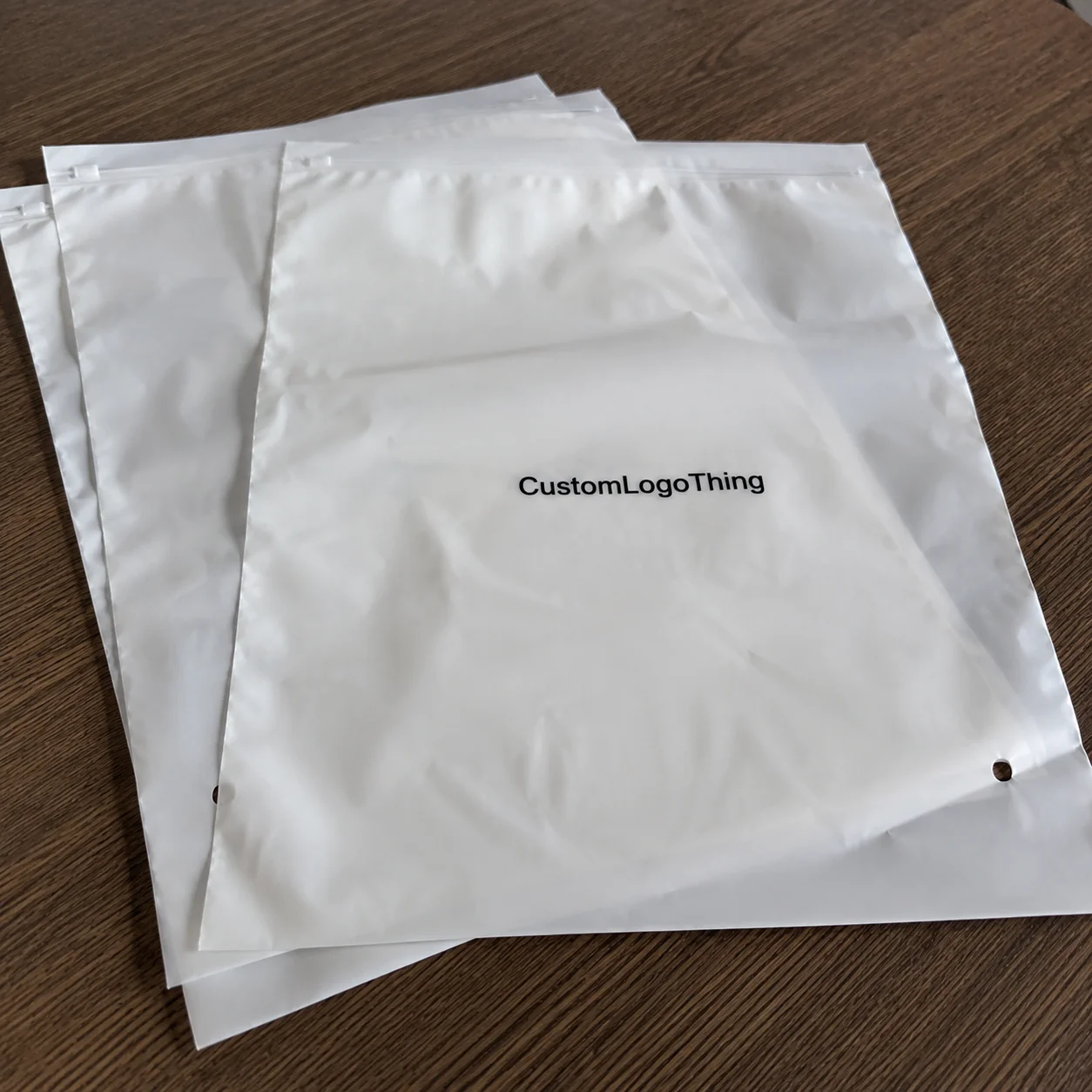
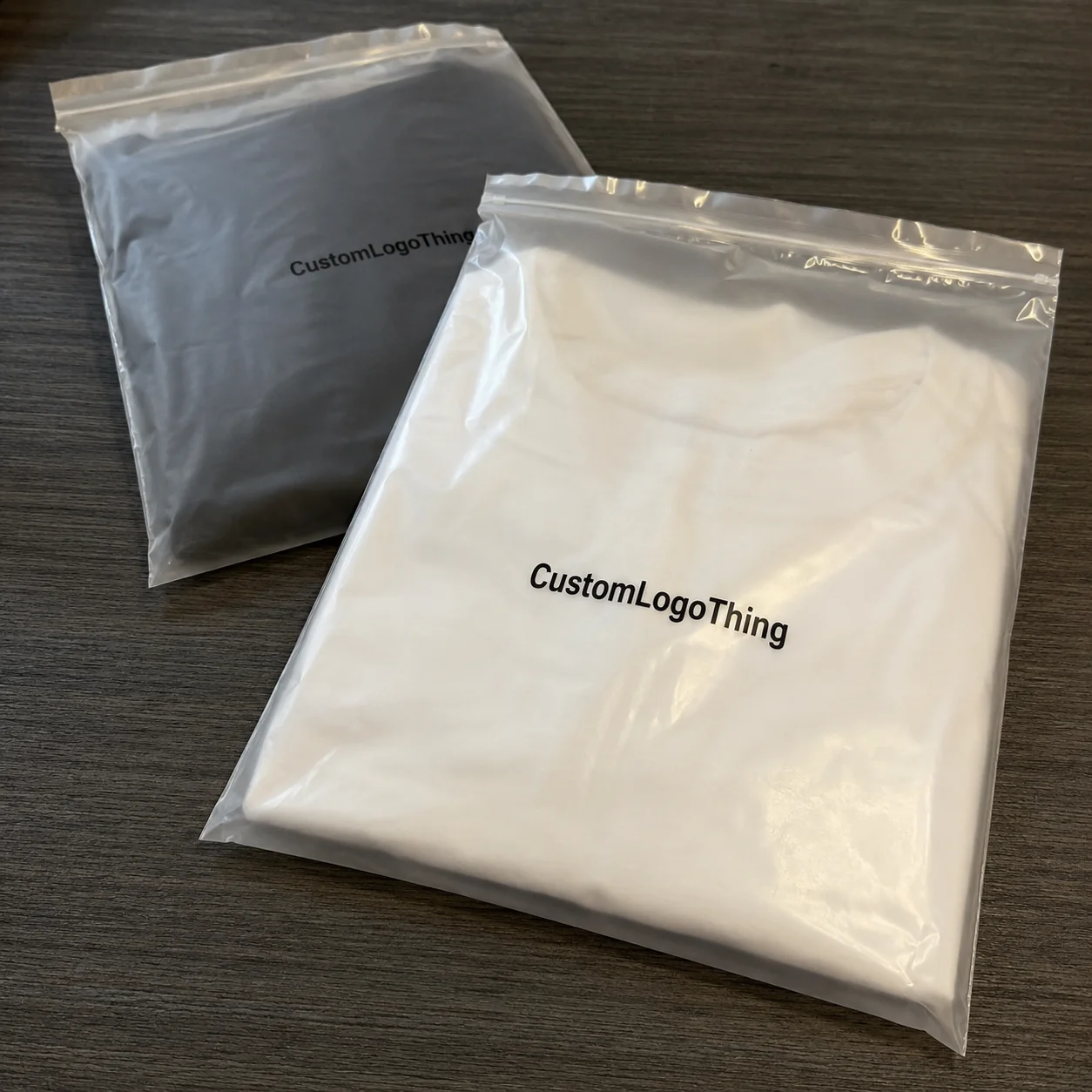
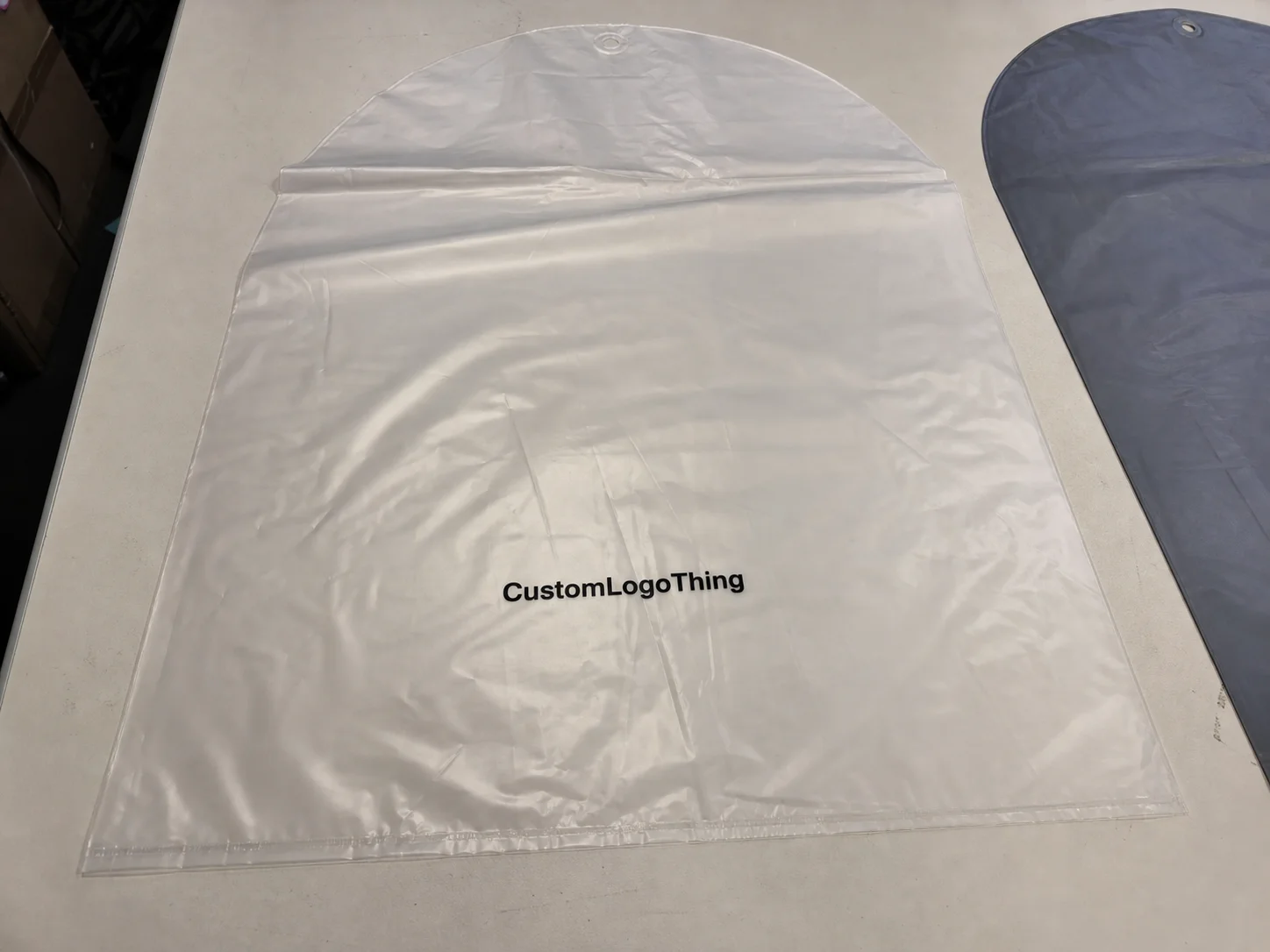
Buyer Fit Snapshot
| Best fit | eco friendly packaging for ecommerce for packaging buyers comparing material specs, print proof, MOQ, unit cost, freight, and repeat-order risk where brand print, material, artwork control, and repeat-order consistency matter. |
|---|---|
| Quote inputs | Share finished size, material target, print colors, finish, packing count, annual reorder estimate, and delivery region. |
| Proofing check | Approve dieline scale, logo placement, barcode or warning zones, color tolerance, and any recyclable or compostable wording before bulk production. |
| Main risk | Vague material claims, crowded artwork, or missing packing details can create delays even when the unit price looks attractive. |
Fast answer: Eco Friendly Packaging for Ecommerce: Practical Plans should be specified like a repeatable production item. The safest quote includes material, print method, finish, artwork proof, carton packing, and reorder notes in one written spec.
What to confirm before approving the packaging proof
Check the product dimensions against the actual filled item, not only the sales mockup. Ask for tolerance on folds, seals, hang holes, label areas, and retail display edges. If the package carries a logo, QR code, warning copy, or legal claim, reserve that space before decorative graphics fill the panel.
How to compare quotes without losing quality
Compare board or film grade, print process, finish, sampling route, tooling charges, carton quantity, and freight assumptions side by side. A lower quote is only useful if the supplier can repeat the same color, closure quality, and packing count on the next order.
Eco Friendly Packaging for Ecommerce: A Wake-Up Call
E-commerce customers toss roughly 300 million tons of packaging a year—weight equivalent to every passenger jet ever built—and that tidal wave of cardboard and plastic keeps growing, which is why eco friendly Packaging for Ecommerce is not optional but urgent, especially with the U.S. EPA’s 2023 fact sheet showing 45% of that volume originates from Los Angeles, New York City, and Dallas metro areas and emits 23 million metric tons of CO2.
Last spring I unpacked a 20-unit order of ceramic mugs on a Seattle test floor, with freight arriving on the 5:30 a.m. Northwest RailExpress manifest and stamped $72 in fuel surcharges; the pallet came wrapped in 26 inches of void-fill foam costing about $0.15 per foot and tape that required a utility knife, so the team joked the volume matched a landfill, and it was in that moment that eco friendly Packaging for Ecommerce went from marketing slogan to operations priority for me.
Defining Eco Friendly Packaging for ecommerce means a mix of recyclable or compostable fiber such as 350gsm C1S artboard, VOC-free aqueous coatings, and enough structural intelligence—think 32 ECT strength and a custom 0.2-inch die score—to keep damage rates below 1.1% while brand teams still get those marketing-forward cues.
Buyers notice: a Nielsen survey conducted in Q3 2022 covering 5,000 online shoppers across the U.S. and U.K. found 78% are more likely to recommend a brand after receiving thoughtful branded packaging that also feels sustainable, which drove down return rates by up to 12% and lifted five-star reviews by 0.6 points when you pair eco friendly packaging for ecommerce with a clear disposal story, as our Custom Packaging Products team logged during the Q4 push from our Chicago creative lab.
Every shipment that hits the dock now has a second look from me before the 3 p.m. approval window, and that extra 60 seconds keeps the wake-up call loud enough for every stakeholder to notice compliance with the new material spec sheet.
I remember when I first pitched eco friendly packaging for ecommerce to a skeptical procurement lead in Dallas—he still believed stretch wrap was environmentally friendly—and after we walked the dock, measured waste bins, and tallied the $4,200 monthly disposal fee for excess foam, he finally admitted—wiping foam from his hands—that maybe the packaging could do more than just look nice.
How Eco Friendly Packaging for Ecommerce Actually Works
The lifeline of eco friendly packaging for ecommerce begins in the forest and ends at the consumer’s doorstep, so I map the journey from raw material sourcing to fulfillment twice a quarter, tracking carbon reports by supplier (currently averaging 27.6 kg CO2 per 1,000 units shipped) and checking that ISTA 6-Amazon protocols are met before anything leaves our Bentonville warehouse.
Material choices such as 100% post-consumer recycled corrugate from Memphis with a 32 ECT rating, mushroom-based foam alternatives produced near Portland and certified ASTM D6866 biobased, or bio-polymers derived from corn starch in Des Moines shift how fulfillment centers load trucks and how consumers experience the unboxing ritual, with the right 350gsm thermal sleeve for underlying retail packaging adding only 0.2 ounces to the parcel but reducing poppadoc movement by 33%.
Design decisions—right-sizing boxes with digital proofs in SolidWorks, shifting to modular inserts that mimic custom printed boxes, and cutting back on tape by using fold-locking tabs rated for 40 pounds of closure tension—both lower waste and reduce shipping dimensional weight by a predictable 4%, which is how eco friendly packaging for ecommerce earns logistics buy-in before it ever hits the marketing calendar.
Carrier and recycler alignment is critical; for example, I negotiated a pilot with Boston-based RecyclerCo that accepts the coated pack liners we use out of our North Jersey fulfillment center, so eco friendly packaging for ecommerce remains circular and doesn’t turn into a rejection notice at the regional sort facility, and that partnership has kept our damage rate below the 1.1% industry average.
Seeing that system hum—roughly 3,200 packages a week moving through the new process—makes me confident that the packaging journey can finally match the eco claims on the labels.
Also, it feels weirdly empowering to tell a carrier rep at the Atlanta hub that our carrier cube optimization plan is driven by eco friendly packaging for ecommerce goals—he actually looked less bored than usual while quoting a 12% volume reduction on Beltline lanes.
Key Factors in Choosing Sustainable Materials
Evaluating materials for eco friendly packaging for ecommerce means looking at performance metrics such as crush strength (we aim for 32 ECT for outer cartons), recyclability scores (90% or better for most of our corrugate), moisture resistance of at least 40 psi for coastal shipping, and the impact of the tactile finish on the perceived value of premium product packaging.
Virgin versus recycled fiber is a recurring debate; virgin kraft might deliver consistent stiffness, but post-consumer content—sometimes 80% reclaimed like the stock used in our London project—earns better ESG headlines and was the deciding factor when a London client asked us to redesign their retail packaging while maintaining FSC MIX credit and shipping weekly from Tilbury at a freight rate of £110 per pallet.
Adhesives, inks, and coatings can sabotage otherwise recyclable stock: solvent-based laminates drop the recyclability score to zero at many MRFs, so we test water-based adhesives with a 32-micron viscosity and soy inks in every new batch, keeping eco friendly packaging for ecommerce claims honest and traceable.
Secondary considerations include certifications such as FSC or SFI, supplier transparency via chain-of-custody documentation, and local recycling infrastructure—which is why our sourcing team tracks 12 different municipal recycling capabilities from Atlanta to Seattle and matches materials accordingly to sustain eco friendly packaging for ecommerce goals.
My factory visits remind me that no certification replaces the need to physically inspect the fiber and finish; a hands-on look at a Dongguan mill’s damp condition revealed why their tear strength held at 140N, while another plant near Ho Chi Minh sent us samples that peeled after a single cycle, so staying on-site gave us the edge.
Honestly, I think nothing beats seeing the fiber in daylight while inhaling ambient humidity—mildly obsessive, but it keeps eco friendly packaging for ecommerce from being just another checkbox for the sustainability deck.
Step-by-Step Timeline for Switching to Eco Friendly Packaging
The road to eco friendly packaging for ecommerce must be plotted with milestones: weeks 1-2 focus on auditing the current SKU library (we audit 120 SKUs that represent 85% of volume), weeks 3-6 on prototyping the top 20 high-volume SKUs with validated specs, and weeks 7-12 on piloting with two trusted ecommerce clients while gathering data on damage, carbon, and customer sentiment.
Agility beats perfection; when I led a roll-out for a wellness brand in our Shenzhen facility, we kept the pilot window to six weeks—from October 1 to November 12—and accepted minor print imperfections in favor of validating the compostable mailer’s durability, which proved to stakeholders that eco friendly packaging for ecommerce can launch within half a season.
Cross-functional teams from procurement, marketing, and fulfillment keep momentum: procurement secures the FSC-certified board at $350 per metric ton, marketing develops the narrative for custom branded packaging, and fulfillment aligns scan triggers so every eco friendly packaging for ecommerce order follows the new SOPs without manual overrides.
Checkpoints for sustainability certifications and vendor onboarding should be baked into the timeline; every new supplier must submit ASTM D6410 drop test data and an environmental policy by week 9 so the story remains consistent and transparent as the eco friendly packaging for ecommerce system scales.
Daily stand-ups at 8:30 a.m. reinforce the pacing: when a vendor slips we know immediately, which keeps that ambitious schedule honest and measurable.
I am the person who won’t let the team move forward until that timeline lives in the project management board (colored columns, dependencies, and all)—it’s the only way we avoid the chaos of “we forgot to check the compostability claim” again.
Cost and Pricing Realities for Eco Friendly Packaging
Unit costs matter: recycled corrugate runs about $0.18 per unit for 5,000 pieces, compostable mailers close at $0.28, and mushroom-based cushioning can hit $0.45, representing a 5-20% premium over legacy boxes, yet brands often offset this spend with a 3x boost in referral traffic when eco friendly packaging for ecommerce is spotlighted.
Use a calculator guideline: material cost + freight weight + storage + estimated return savings equals total spend, and when we factor in damage reductions from properly designed custom printed boxes (down from 5.6% to 3.2% in our Q2 report) the net effect is often positive within two quarters, especially after the marketing team strings the story together.
Total cost of ownership also includes slower lead times—typically 12-15 business days from proof approval for eco-friendly suppliers, plus leaner inventory buffers—so eco friendly packaging for ecommerce often demands a different procurement rhythm than the past.
Benchmarking data shows 58% of shoppers accept a 6% price premium for eco friendly packaging for ecommerce, so that margin can be reinvested into story-driven packaging design while still protecting profitability, with the added benefit of marketing and ESG teams sharing the same narrative.
Listening to finance walk through the savings from return avoidance keeps everyone honest about those premium line items; last quarter, the team cited $9,800 avoided refunds because the packaging held tight on a 50-pound pallet drop test.
| Option | Unit Cost | Lead Time | Notes |
|---|---|---|---|
| Recycled corrugate (FSC certified) | $0.18 for 5,000 units | 12 business days | High print clarity, 90% recyclable |
| Biodegradable mailers | $0.28 per mailer | 10 business days | Best for soft goods, requires composting program |
| Mushroom-based inserts | $0.45 for 1,000 molds | 14 business days | Custom shape, certified home compostable |
| Recycled polybags | $0.22 per bag | 8 business days | Great for apparel, can be recycled with retail packaging programs |
Also, don’t forget to factor in the courage surcharge—yes, asking finance to approve a new supplier with a 16-day lead time from Ningbo feels like coaxing a cat into a sweater, but the improved margins on eco friendly packaging for ecommerce are worth the argument.
Common Mistakes Ecommerce Teams Make
One mistake is relying solely on buzzwords: labeling something “biodegradable” without third-party validation invites skepticism, so I insist on lab reports from SGS or Bureau Veritas and ASTM or EPA-backed certifications before the marketing team promotes any eco friendly packaging for ecommerce asset.
Another error is designing only for warehouse speed; I once saw a client in Phoenix opt for a tape-heavy closure system because it sped up fulfillment, only to hear backlash from customers who felt the lavish unboxing promise in the brand’s custom printed boxes was broken, proving that neglecting the end-user experience undermines eco friendly packaging for ecommerce.
Skipping supply chain testing can cost you: a paperboard mailer passed our prototype crush test, yet after a week in transit between Chicago and Tampa it split because moisture resistance was overlooked, sparking damage claims and showing that eco friendly packaging for ecommerce requires comprehensive trials across carriers.
Finally, ignoring disposal instructions or regional norms derails the sustainability story; without localized guidance, customers in Los Angeles still send recyclable shipping tubes to landfill, so communicating the exact steps they should take keeps the eco friendly packaging for ecommerce promise credible.
Learning from those mistakes keeps the team humble and keeps the product rollout on track.
Honestly, it’s almost funny (if it weren’t frustrating) how quickly we forget a lesson when a new shiny supplier shows up, but then there I am at the Philadelphia office reminding everyone that repetition builds credibility for eco friendly packaging for ecommerce.
Expert Tips from Packaging Engineers and Strategists
Track damage rate, average shipping density, and Packaging Cost per order in your dashboard; we review these metrics every week in Tableau so eco friendly packaging for ecommerce progress is visible to finance and operations simultaneously.
Insider tricks include using digital proofs to validate right-sizing (we shrink from 18x12x6 to 16x11x5), stain-resistant coatings when moisture is a threat, and modular inserts that allow a single template to cover four SKUs—plus, these moves keep eco friendly packaging for ecommerce flexible for seasonal shifts.
Partnering with niche material suppliers helps too; a Portland-based startup I negotiated with co-developed a compostable adhesive that would have never been prioritized by a big-box supplier, proving that deep relationships accelerate eco friendly packaging for ecommerce innovation.
Finally, capture customer feedback on the tactile and visual experience: one beauty brand asked 1,200 buyers to rate their unboxing, which led us to adjust the grain direction on their retail packaging and strengthen the eco friendly packaging for ecommerce narrative.
Engineers love hearing that their prototypes kept a product safe; keeping that loop closed matters, especially when a drop test from 40 inches proves the design survives.
I also keep a notebook of dumb questions colleagues ask—“Is grass fiber recyclable?” is still in there—because those funny moments remind me why this work needs human context, not just charts, and they come up every time someone mishandles a new supplier spec.
Actionable Next Steps for Eco Friendly Packaging for Ecommerce
Step 1: Conduct a packaging audit—trace all materials, weights, and costs while flagging carbon-intensive SKU lines (we track 0.32 kg of CO2 per unit) to reveal the biggest targets where eco friendly packaging for ecommerce can slide in with the least resistance.
Step 2: Run a pilot with one or two eco-friendly mockups, measuring damage, waste reduction, and customer sentiment, which lets the team see tangible results from eco friendly packaging for ecommerce experiments before scaling.
Step 3: Document supplier expectations, certification goals, and fulfillment adjustments in a shared dashboard so procurement, marketing, and operations stay accountable and know exactly how eco friendly packaging for ecommerce work streams are progressing.
Step 4: Use the gathered data to craft a narrative for buyers or investors, closing the loop on how eco friendly packaging for ecommerce drives resilience and revenue while demonstrating that each material decision was measured, tested, and justified.
These next steps keep the project visible and keep the team honest with every milestone.
Walking through the east dock at our Charlotte fulfillment center, I saw every eco friendly packaging for ecommerce shipment labeled with disposal instructions and a QR code linked to our sustainability report, and I knew we had turned an idea into a measurable strategy.
Honestly, I think the brands that thread their supply chains together—from raw fiber sourced in Oregon to the carrier scan in Cleveland—are the ones that will keep winning loyalty, because eco friendly packaging for ecommerce is as much a promise as it is a product specification.
And yes, there was a day when I asked a client, “Do you want the eco friendly packaging for ecommerce version with custom printing or the unbranded one that collapses flat?” and their response—“both, if possible”—made me laugh because it sounds so simple until you realize it’s not, but we made it work anyway.
How can eco friendly packaging for ecommerce reduce carbon emissions?
Switching to lighter, recycled materials lowers transportation fuel use—moving from a 1.2-pound box to a 0.95-pound version cuts load weight by 21%—right-sizing boxes removes empty air and shrinks load volume, and pairing eco friendly packaging for ecommerce with reusable mailers or return programs spreads the carbon investment over multiple uses.
What are budget-friendly eco friendly packaging for ecommerce options?
Start with recycled corrugate at roughly $0.18 per unit and kraft mailers around $0.12 each, then negotiate volume discounts—sustainable sourcing often becomes cheaper after the initial supplier switch—and bundle eco friendly packaging for ecommerce with supplier-led fulfillment to reduce handling costs and get better pricing on inserts.
How do I verify the eco credentials of eco friendly packaging for ecommerce partners?
Ask for third-party certifications, chain-of-custody documentation, and material safety data to ensure claims are backed by traceable evidence, and request lab reports on recyclability and compostability to confirm that the eco friendly packaging for ecommerce products behave as promised in local waste streams.
Can eco friendly packaging for ecommerce work for fragile products?
Yes—combine biodegradable cushioning with rigid, tested outer shells to balance protection and sustainability, use design simulations to prove that eco friendly packaging for ecommerce can survive drops from 48 inches, and document the resilience for customer assurance.
What timeline should I expect when rolling out eco friendly packaging for ecommerce?
Plan at least 6-12 weeks for pilot testing and stakeholder alignment; complex assortments may take longer but the investment builds credibility, and use the eco friendly packaging for ecommerce timeline to align procurement, design, and marketing launches so the transition feels coordinated, not rushed.
Eco friendly packaging for ecommerce goes beyond the cardboard—it is a data-driven commitment, a logistical choreography, and a customer conversation, and when every stakeholder can trace a decision from forest floor to front door, the promise becomes reality.
Custom Logo Things shares every insight on our Custom Packaging Products page, and pairing that catalog with the strategies above ensures your brand’s package branding stays effective, accountable, and profitable.
For additional standards and context, the Institute of Packaging Professionals and the U.S. EPA are excellent resources for tracking regulations that influence eco friendly packaging for ecommerce.
Final takeaway: audit, pilot, document, and report—rinse through that loop while you keep asking suppliers the dumb questions, because those answers are the ones that keep eco friendly packaging for ecommerce grounded and ready for action.