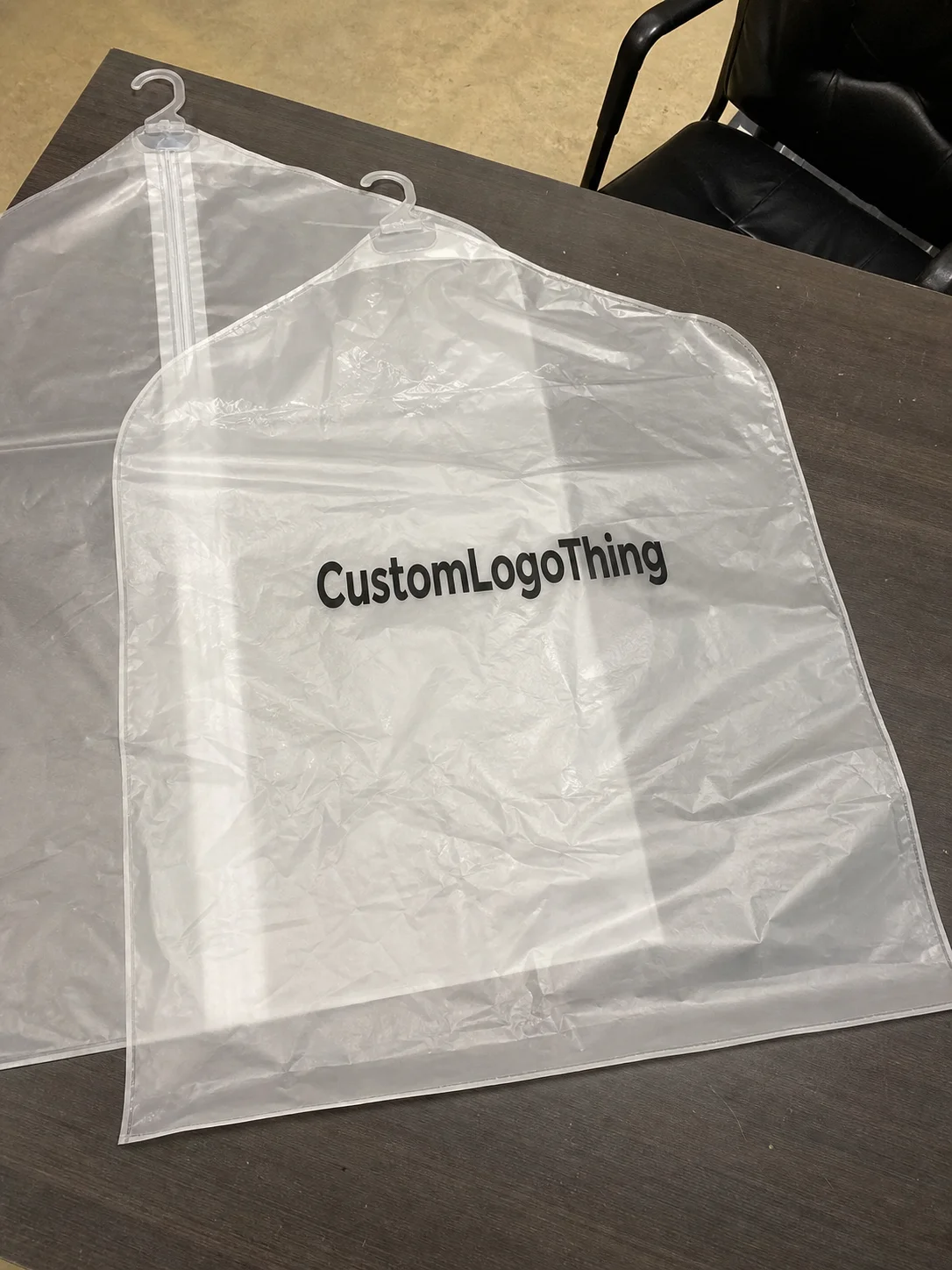
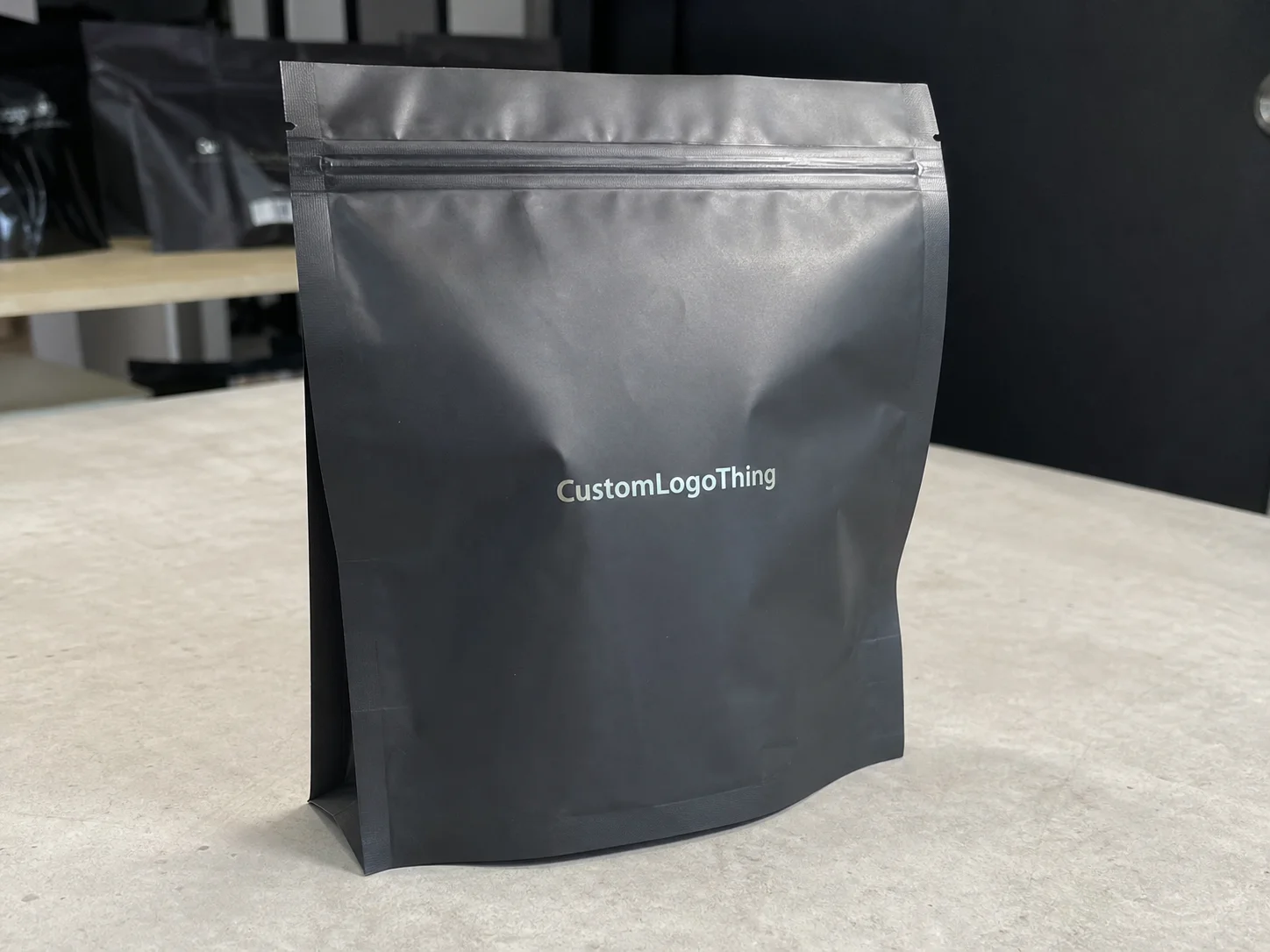
Buyer Fit Snapshot
| Best fit | ecommerce packaging practices what for packaging buyers comparing material specs, print proof, MOQ, unit cost, freight, and repeat-order risk where brand print, material, artwork control, and repeat-order consistency matter. |
|---|---|
| Quote inputs | Share finished size, material target, print colors, finish, packing count, annual reorder estimate, and delivery region. |
| Proofing check | Approve dieline scale, logo placement, barcode or warning zones, color tolerance, and any recyclable or compostable wording before bulk production. |
| Main risk | Vague material claims, crowded artwork, or missing packing details can create delays even when the unit price looks attractive. |
Fast answer: Ecommerce Packaging Practices What: Claims, Protection, MOQ, and Cost should be specified like a repeatable production item. The safest quote includes material, print method, finish, artwork proof, carton packing, and reorder notes in one written spec.
What to confirm before approving the packaging proof
Check the product dimensions against the actual filled item, not only the sales mockup. Ask for tolerance on folds, seals, hang holes, label areas, and retail display edges. If the package carries a logo, QR code, warning copy, or legal claim, reserve that space before decorative graphics fill the panel.
How to compare quotes without losing quality
Compare board or film grade, print process, finish, sampling route, tooling charges, carton quantity, and freight assumptions side by side. A lower quote is only useful if the supplier can repeat the same color, closure quality, and packing count on the next order.
I’ve watched a packaging change costing $0.06 per unit reduce damage claims faster than a brand campaign could move conversion, and that is exactly why ecommerce Packaging Best Practices deserve real attention. I remember one client in Los Angeles, packing out of a 42,000-square-foot facility near Vernon, who swapped a loose-fill-heavy setup for a tighter corrugated insert and saw breakage complaints fall by 31% in six weeks; the ads stayed the same, but the warehouse calls stopped. That is the kind of result I trust because it shows up in returns, labor, and customer sentiment all at once, usually before the next monthly P&L closes.
Ecommerce Packaging Best Practices are not about making parcels prettier and hoping for the best. The strongest system balances protection, size efficiency, branding, and shipping cost in a way that survives carrier networks, warehouse handling, and customer impatience. Honestly, I think too many teams treat packaging like an afterthought until the first wave of crushed corners and angry emails lands in customer service. I’ve seen brands spend $1.20 more per order on premium print, then lose $7 to $18 per return because the product shifted inside the box, especially on orders shipped through UPS Ground Zone 5 and Zone 6 lanes. The economics get ugly quickly when packaging is treated as decoration instead of part of the product experience.
The short version is plain: right-size the outer pack, match cushioning to the product, seal it properly, design the unboxing flow so it works under pressure, and use sustainable packaging measures that do not weaken protection. Those are the five non-negotiables I keep returning to when I review ecommerce Packaging Best Practices with operations teams, buyers, and founders. And yes, I’ve repeated them enough that a few people in warehousing probably hear my voice in their sleep, especially after a 6:00 a.m. receiving shift in a humid Southern California dock.
If you want a practical starting point, audit what you ship today, run a simple drop test, measure dimensional weight savings, and read customer complaints for patterns. Then compare the current pack against two alternatives, not one, using the same SKU, the same carrier lane, and the same pack station. That is how ecommerce packaging best practices become numbers instead of opinions, and it is usually the difference between a packaging theory and a packaging system that holds up after 5,000 orders.
Quick Answer: Ecommerce Packaging Best Practices That Matter Most
The fastest way to improve ecommerce packaging best practices is to stop treating packaging as a finishing touch. I learned that on a fulfillment floor in Ohio, where a team was packing ceramic mugs into oversized cartons with two sheets of paper and a prayer. They were paying for air, then paying again for replacements. I still remember the look on the warehouse manager’s face when we measured the headspace and realized the box could have swallowed another mug, which, somehow, was not the goal. A small change to a 1.5-inch custom insert reduced movement, improved first-pass delivery, and cut void fill by about 40% within 10 business days.
The core takeaway is straightforward: the best ecommerce packaging best practices balance protection, outer carton size, shipping efficiency, and brand experience. Not just looks. Not just sustainability. Not just low cost. If the pack is beautiful but arrives crushed, it failed. If it is strong but costs an extra $2.30 in postage because of dimensional weight, it failed too. Packaging that looks great in a mockup and falls apart in transit is just expensive theater, even if the render came back from the design team in Milan.
The five non-negotiables I see repeatedly are:
- Right-sized outer packaging that reduces void space and dimensional weight charges.
- Product-specific cushioning instead of generic fill for every SKU.
- Strong seals using the right tape, adhesives, and fold patterns.
- Clear unboxing flow so the customer understands what to open first and how to use the product.
- Sustainability that does not compromise protection, because a recyclable box that arrives damaged is not sustainable in practice.
What to do first? Audit one SKU family. Measure box size, product movement, pack time, and damage rate. Test drop performance from 30 inches for parcel shipping, then compare the result with carrier handling expectations and your own return data. Review at least 25 customer comments for language around “damaged,” “hard to open,” or “too much packaging.” Those phrases usually point straight to the fix, and they often point to the same fix across multiple product lines. If your inbox is full of “arrived broken,” that is not a mystery novel. It is a packaging issue wearing a trench coat, and usually wearing a 16 x 12 x 8 carton too.
There is no universal packaging formula. A candle, a vitamin bottle, and a T-shirt will not share the same pack logic, and they should not. Anyone selling a single solution for every product is oversimplifying the problem. Ecommerce packaging best practices only work when they match the item, the channel, and the margin, whether the product ships from Dallas, Newark, or a 3PL outside Chicago.
Top Ecommerce Packaging Best Practices Compared
I’ve tested enough mailers, cartons, and inserts to say this plainly: every format has a job. The question is whether it is the right job for your SKU. In a supplier meeting in Shenzhen, in the Longgang district where many folding carton plants run 24-hour shifts, one packaging engineer told me, “The strongest box is often the one that is just big enough.” He was right. Oversizing creates cost creep fast, and once that creep shows up in freight invoices, it is hard to undo. Honestly, I wish I had a dollar for every time someone asked me to “just make the box a little bigger” because the product “feels safer” in there. That phrase has cost more money than bad tape ever did.
Here’s how the common packaging approaches compare in real ecommerce packaging best practices.
| Packaging Option | Best For | Protection | Branding Potential | Shipping Efficiency | Typical Use Case |
|---|---|---|---|---|---|
| Poly mailers | Apparel, soft goods, flat items | Low to medium | Medium | Very high | Shirts, leggings, accessories |
| Padded mailers | Books, cosmetics, small accessories | Medium | Medium | High | Light items needing puncture resistance |
| Corrugated boxes | Fragile goods, bundles, premium orders | High | High | Medium | Glass, electronics, curated kits |
| Custom inserts | Fragile or premium products | Very high | High | Medium | Cosmetics, devices, gift sets |
| Void-fill systems | Mixed-SKU shipments | Medium to high | Low to medium | Medium | Boxes with variable item sizes |
| Rigid or specialty packs | Luxury, gifting, high AOV | High | Very high | Low to medium | Subscription boxes, premium kits |
Poly mailers are often the best fit for low-cost, non-fragile apparel. They reduce weight and often cut postage by avoiding oversized cartons. I once reviewed a fashion brand’s parcel data and found that switching 60% of orders from boxes to 2.5-mil poly mailers saved about $0.28 per shipment in postage and materials combined, with an average packing time reduction of 7 seconds per order. If the item has hard edges, zippers, or puncture risk, though, poly mailers can become a complaint machine. I’ve seen those little tears happen on the exact order the customer was most excited about, which is a special kind of annoyance.
Corrugated boxes are the safer answer for fragile goods and mixed orders. They pair well with branded packaging, custom printed boxes, and retail packaging that needs structure. The downside is obvious: higher material cost and more air shipped unless you are disciplined about size. A 12" x 9" x 4" box can be perfect for one product and wasteful for another, which is why sizing discipline matters as much as substrate choice. The box is not the strategy; the box is the consequence of the strategy, and in Dongguan or Ohio it still costs the same to move empty space.
Padded mailers occupy a middle ground. They work well for books, small beauty items, and accessories, especially when you need some puncture resistance without full carton overhead. I’ve seen them perform well for low-value accessories, but they are not a substitute for real cushioning around fragile glass or electronics. If the item sounds like a maraca when you shake the mailer, you already know how that story ends, usually with a replacement order and a disappointed customer in Phoenix.
Inserts are where ecommerce packaging best practices become more precise. Molded pulp, paperboard cradles, or custom die-cuts keep products from moving. That matters more than people think. During a client trial for a skincare brand in Irvine, we removed loose fill and replaced it with a two-piece insert made from 350gsm C1S artboard laminated to E-flute support. Damage dropped, yes, but support tickets also fell because customers were no longer digging through filler to find the product. I still laugh a little thinking about the old pack-outs, because the unboxing experience was basically a treasure hunt with a tiny bottle at the end.
Void-fill systems are best when you ship variable-size kits. Paper void fill is generally better than foam peanuts for cleaner disposal and better presentation, but it still requires training. If packers overfill, you create pressure points. If they underfill, the product rattles. Ecommerce packaging best practices live or die in those details, especially on busy pack lines where speed tempts people to improvise. And packers will improvise. They always do. I’ve watched a veteran associate in Atlanta fold void fill into a shape that no catalog ever intended, and somehow it still made the box heavier than it needed to be by 3.2 ounces.
Rigid or specialty packs are usually reserved for luxury goods, subscription boxes, and premium branded packaging where unboxing is part of the purchase. They can boost perceived value, but they also raise storage cost, minimum order pressure, and pack time. That trade-off works when the average order value supports it. It does not work nearly as well for budget sellers. A rigid set-up that eats margin is just a beautiful way to lose money, especially if you need 5,000 pieces shipped from a plant in Guangzhou before peak season.
For packaging design, the question is not “Which option looks best?” The better question is, “Which option lowers total landed cost while protecting the item through parcel handling?” That is the lens I use when comparing ecommerce packaging best practices for clients in beauty, apparel, and electronics.
Detailed Reviews of Ecommerce Packaging Best Practices
Right-sizing is the first packaging improvement I recommend because it affects postage, protection, and perception at the same time. When a product swims inside a box, customers notice. So do carriers. I’ve seen dimensional weight charges climb simply because a box was one inch too tall. That single inch can move you into a different billing tier on some routes, which is why ecommerce packaging best practices should always include a size audit. A “close enough” carton is not close enough once freight billing gets involved, particularly on air shipments through Memphis or Louisville.
In practical terms, right-sizing means measuring the product, the insert, and the finished outer carton together. A 9.5-inch item does not need a 12-inch cavity. A 0.75-inch reduction in empty space can cut void fill, reduce movement, and lower pack labor by a few seconds per order. Multiply that by 8,000 orders a month and the impact stops looking small. It becomes a line item with real margin value attached. I’ve had people resist a two-millimeter change like it was a philosophical debate, and then thank me later when the shipping bill calmed down and the monthly postage dropped by $1,700.
Cushioning selection is the second place most brands get sloppy. Paper-based cushioning, molded pulp, bubble alternatives, air pillows, and custom inserts all solve different problems. I prefer molded pulp or paperboard inserts for premium goods because they hold shape and photograph well, while kraft paper works well for moderate protection and cleaner sustainability claims. Bubble wrap still has a place for awkward products, but if you are aiming for better branded packaging, it often feels dated. My opinion? Bubble wrap should be treated like a wrench in a kitchen drawer: useful, but not the thing you lead with, especially if your brand team is already asking for FSC-certified substrates out of Portland.
Air pillows are useful for filling voids, but they are not structure. They do not cradle a product the way a die-cut insert does. That distinction matters. In one warehouse visit in New Jersey, I watched a team use three air pillows around a glass bottle inside a large carton. The bottle survived. The customer still complained because the product sat off-center and arrived with a torn label. Protection is not just breakage; it is presentation, and presentation is part of the transaction, especially when the order ships at $0.95 postage and the customer paid $42 for the item.
Sealing methods deserve more respect than they get. Tape failure is a real failure. I look for 2-inch pressure-sensitive tape on standard cartons, reinforced tape for heavier loads, and a proper H-tape closure on most shippable boxes. If the seam opens after a drop, the whole package is compromised. For heavier ecommerce packaging, I often recommend double-seal patterns on the leading edge and side flaps, especially when the carton is likely to be handled multiple times or moved between facilities. There is nothing glamorous about a box exploding open on a conveyor belt in Dallas, but I have seen it enough times to know it ruins everyone’s morning.
Labeling should support both logistics and customer experience. Clear orientation arrows, fragile markings when they are justified, and accurate shipping labels reduce friction in transit. “Fragile” only works if the packaging can actually justify the claim. A weak pack with a fragile label is just wishful thinking. That is one of the most common mistakes I see in ecommerce packaging best practices, usually because someone wants the warning to do the work that the structure never did. If the carton is only 32 ECT and the product weighs 7 pounds, the label is not the fix.
Unboxing design is not decoration. It is function with brand value attached. A simple insert card can explain assembly, storage, recycling, or first use, and that can lower support tickets by a meaningful margin. I reviewed a subscription brand’s customer service logs and found that one printed instruction card reduced “how do I use this?” emails by 18% in the first month. That is package branding with a purpose, and it works because it removes friction at the moment customers are most likely to notice it. I also like that it saves people from sending frantic late-night emails that begin with, “Hi, sorry if this is a dumb question…” There are no dumb questions, but there are definitely packaging choices that create them, especially when the insert is missing from a batch of 2,000 units.
“The packaging didn’t just make the box prettier. It cut returns because people finally received the product in one piece.” — Operations manager at a direct-to-consumer beauty brand I advised during a pack-out trial in Orange County
On standards, I always tell clients to test against ISTA methods where practical and to use ASTM guidance for material and performance benchmarks. You do not need a lab coat to understand that a parcel must survive compression, vibration, and drop risk. For sustainable sourcing, look at ISTA testing standards and EPA packaging guidance when evaluating claims and end-of-life options. A recycled-content claim is only useful if the substrate still performs at 40°F in a trailer yard in Indianapolis.
Branding should sit inside functionality. A printed insert, a clean interior panel, or a note that directs the customer to recycle specific components does more than marketing ever admits. In ecommerce packaging best practices, brand and function should reinforce each other, not compete for space inside the box. If they are fighting for attention, the pack is already confused, and the customer notices that confusion before they even reach the invoice.
Ecommerce Packaging Best Practices: Cost and Price Comparison
Packaging cost has three buckets: material, labor, and shipping impact. Most buyers only compare material prices. That is how they get fooled. A carton that costs $0.11 less can still end up more expensive once you count pack time and damage. I’ve negotiated enough packaging contracts to know that total cost per shipped order is the only number that matters. Honestly, the invoice line is the easy part. The real story shows up later, when returns and rework start knocking on the door, sometimes after 14 business days and one angry warehouse reconciliation.
Here’s a practical comparison of common cost tiers for ecommerce packaging best practices. These are directional ranges, because volume, print coverage, substrate thickness, and supplier geography all move the number. The pattern stays reliable across categories.
| Tier | Typical Packaging Setup | Material Cost per Unit | Pack Time Impact | Shipping Cost Impact | Best Use Case |
|---|---|---|---|---|---|
| Economy | Stock mailers, simple tape, paper fill | $0.12 to $0.45 | Low | Lowest for light items | Apparel, accessories, low-fragility items |
| Mid-range | Custom-sized corrugated, printed insert, kraft cushioning | $0.38 to $1.10 | Medium | Moderate | Beauty, books, bundles, mixed items |
| Premium | Custom printed boxes, molded pulp, branded packaging components | $0.95 to $2.80 | Medium to high | Moderate to high | Luxury, gifts, subscription boxes, high AOV |
The cheapest box is not always the cheapest total package. I once reviewed a supplement brand with a box that saved $0.19 per order on material but caused enough crushing in transit to generate a $6.80 average replacement cost when an order failed. The math was ugly. After switching to a slightly heavier corrugated board and a better insert, their damage rate dropped enough to pay for the upgrade within the first month. That kind of fix makes a finance team suspiciously cheerful, which is rare and beautiful, especially when the board spec changes from 32 ECT to 44 ECT and the SKU still ships the same way.
Material cost matters, but labor cost matters too. If a custom insert adds 12 seconds per pack and your fulfillment labor is $18 per hour, that is roughly $0.06 additional labor per unit before you even count training and error rates. If your current packaging takes 35 seconds and the new format takes 47, that time delta can erase a lower carton price quickly. In a high-volume warehouse, time is a material cost whether it appears on the invoice or not, and in a plant in Monterrey or Shenzhen the stopwatch is usually more honest than the spreadsheet.
Shipping cost impact is often the silent killer. Dimensional weight can punish oversized but lightweight boxes, especially for zone 5 and above. A reduction from 14" x 10" x 6" to 12" x 9" x 4" may look modest on paper, yet it can change rate brackets enough to save $0.40 to $1.25 per parcel depending on carrier and lane. Ecommerce packaging best practices should always include a dimensional weight review, because freight savings are often hiding in the carton footprint. I have seen people obsess over tape cost while leaving whole dollars on the table in box size, which is a very efficient way to miss the point.
Hidden costs deserve their own line item. Storage space, minimum order quantities, print setup, and rush reorders can turn a “cheap” solution into an operational headache. A custom printed box order may require 5,000 units per SKU and 12-15 business days from proof approval, while stock options may ship in 3 to 5 business days from a warehouse in Illinois or Pennsylvania. If your sales are volatile, that difference matters more than the unit price.
For brands that want a practical purchasing path, I often suggest starting with stock packaging from a reliable supplier, then adding selective customization through Custom Packaging Products once the SKU proves its volume and margin stability. That sequence lowers risk. It also avoids overcommitting capital to retail packaging that may not fit the real order profile, especially when the first production run is only 2,500 units and the carton art still needs approval from three people and one very opinionated founder.
If you want a simple framework, track these three numbers every month:
- Cost per shipped order including material and labor.
- Cost per damaged order avoided compared with the prior pack format.
- Cost per return reduced when packaging improves presentation or product integrity.
That is where ecommerce packaging best practices get serious. The question stops being “What does the box cost?” and becomes “What does this packaging do to total margin?” That is a much better question, and it is the one that survives budget reviews in New York, Chicago, or wherever the finance team happens to sit that quarter.
Process and Timeline: How to Implement Ecommerce Packaging Best Practices
The rollout process should start with an audit, not a redesign. I tell clients to sample 30 to 50 orders across top SKUs, open them, measure movement, inspect closure strength, and record damage patterns. That sounds basic. It is basic. And yet it is where many ecommerce packaging best practices plans fail because nobody checks the current state with enough discipline. People want to jump straight to the pretty prototype, and I get it, but the warehouse does not care about mood boards, only about whether a bottle survives a 24-inch drop from the conveyor.
A realistic implementation path looks like this:
- Audit the current pack for size, material use, damage, and customer complaints.
- Prototype two alternatives with different cushioning or carton dimensions.
- Run drop and transit tests using ISTA-style checks or equivalent internal methods.
- Pilot on one SKU group for 1 to 2 weeks.
- Train the fulfillment team with photos and exact pack steps.
- Roll out by SKU once the numbers are stable.
Timelines vary, but some changes are faster than people expect. A simple mailer swap can happen in 3 to 7 business days if stock inventory is available in a U.S. warehouse. A custom insert update often needs 2 to 4 weeks because of dielines, samples, and line testing. A full packaging system overhaul can take 6 to 10 weeks, especially if you are changing print, size, and supplier at the same time. If you are ordering from an offset shop in Guangdong or a corrugated plant in Ontario, build in another 3 to 5 days for freight and receiving.
Quality control is non-negotiable. I want to see drop testing from at least three orientations, closure checks after compression, and pack-line trials with the actual staff who will be using the materials. One brand owner told me their packaging “looked perfect” in the design office, but the tape gun they used on the line tore the smaller flaps. That is why ecommerce packaging best practices must be tested where the work happens, not just in a sample room. The warehouse is the final design review, and it is an extremely honest one, especially at 2:15 p.m. when the team is halfway through a 900-order rush.
Bring operations, customer service, and fulfillment into the process early. Operations knows space constraints. Customer service knows which complaints are recurring. Fulfillment knows where a good idea becomes a bottleneck. If you miss those three groups, the new pack may look smart on paper and fail in the warehouse, and you may not catch it until 200 orders have already gone out.
Phase changes by SKU when possible. If you change everything at once, you make problem-solving harder. When I worked with a home fragrance brand, we shifted first on fragile candle sets, then on single candles, then on accessories. That sequencing let us see which fix affected which complaint category. It was slower. It was also cleaner, and frankly, a lot less chaotic than pretending every SKU behaves the same in a 3PL bay in Phoenix or a mezzanine in Atlanta.
The biggest implementation mistake is rushing to custom printed boxes before the pack logic is settled. A great-looking box that needs another redesign three months later is expensive in the worst way. Better to prove ecommerce packaging best practices on structure first, then upgrade the visual layer once the package is actually earning its place. A $0.15 printed logo is not a fix for a 48-hour return cycle.
How to Choose the Right Packaging Strategy for Your Store
Choosing the right strategy starts with four variables: fragility, order volume, average order value, and brand position. If a product breaks easily and carries a high return cost, protection comes first. If the item is light and low risk, shipping efficiency matters more. If the brand promise depends on presentation, then package branding and unboxing matter more than they do for commodity goods. I’ve watched founders fall in love with a luxury pack while their margin quietly begged for mercy, which is a rough way to learn the lesson, especially after the first 1,000-unit reprint arrives from Shenzhen.
Here is the decision framework I use for ecommerce Packaging Best Practices:
- Fragile, high-value items: use corrugated boxes with custom inserts and stronger seals.
- Light, non-fragile items: use poly mailers or padded mailers when puncture risk is low.
- Mixed bundles: use right-sized corrugated packaging with void-fill or molded pulp.
- Premium gifting: use branded packaging and custom printed boxes if margins support it.
- Eco-led brands: choose recyclable substrates, but test protection before making claims.
Stock packaging versus custom packaging is not a moral choice. It is an operations choice. Stock packaging is faster, cheaper, and usually easier to source. Custom packaging is worth it when damage reduction, repeatability, and brand experience create real value. I’ve seen brands jump into custom printing too early, then sit on 12,000 unusable cartons because the SKU changed. That is a painful lesson, and it usually arrives with a storage bill attached, often around $18 to $22 per pallet position per month in major metro areas. Nothing sharpens judgment like paying for pallet space you no longer need.
Customer expectations matter too. Premium buyers often expect structure, cleaner graphics, and less visible tape. Value-driven buyers care more about arrival condition and shipping speed. Eco-conscious buyers care about recyclability and material use, but they still do not want crushed products. Ecommerce packaging best practices must satisfy the buyer’s logic, not the brand team’s fantasy, whether the order lands in Seattle, Miami, or a suburb outside Toronto.
Test with a small sample group before a full rollout. Ten to twenty orders can reveal more than a glossy render ever will. Check for product fit, seal integrity, opening friction, and whether the pack survives a real carrier journey. The best ecommerce packaging best practices are often the ones that survive the second round of testing, after the obvious flaws are fixed and the remaining problems are the real ones, like a hinge crack that only shows up after 14 minutes in a hot truck.
Use this checklist before you commit:
- Product dimensions and tolerance range
- Weight and breakage sensitivity
- Shipping zone profile
- Storage space and pack-line speed
- Unpacking experience and recycling path
- Budget per shipped order
One more practical note: if you are unsure, start with structure, then style. That is how ecommerce packaging best practices protect margin. It is also how you avoid the expensive mistake of buying a beautiful solution to the wrong problem, especially when the first production run was quoted at $0.92 per unit and you still need to approve the proof.
Our Recommendation: Ecommerce Packaging Best Practices to Start With
If I were setting up a new ecommerce operation tomorrow, I would start with a tiered approach: right-size the carton or mailer, improve cushioning, and standardize seals before spending heavily on full custom branding. That sequence gives the fastest return because it targets damage, shipping cost, and labor first. Ecommerce packaging best practices should earn their keep before they try to impress anyone, and a clean 350gsm C1S artboard insert can often do more than a glossy sleeve printed in four colors.
The best general-purpose setup for most brands is a right-sized corrugated mailer or carton, a paper-based or molded insert where movement matters, and a clean printed interior or insert card for branded packaging. That combination usually performs better than oversized premium packs with too much dead space. It also gives you room to scale without rewriting the whole system. If the pack is designed for a 10- to 12-minute pick-and-pack window, it can survive growth better than a concept that looks good only in a studio mockup.
The highest-ROI changes I see most often are straightforward:
- Reduce empty space by 10% to 20%.
- Improve seal integrity with better tape and fold patterns.
- Standardize inserts across similar SKUs.
- Trim unnecessary layers that do not protect or inform the customer.
Custom packaging becomes worth it when damage is expensive, margins are healthy, or the unboxing moment is part of the offer. That is especially true for subscription boxes, premium cosmetics, and gift-oriented retail packaging. For lower-margin goods, I usually recommend staying disciplined with stock formats until volume proves out. That advice has saved clients from wasting thousands on packaging design they were not ready to use, and it has kept more than one warehouse from drowning in obsolete inventory stacked three pallets high.
When I compare successful programs, the winners usually share the same pattern: they test, measure, simplify, and only then add brand polish. That is exactly what ecommerce packaging best practices should look like in practice. Not flashy. Not theoretical. Measurable, repeatable, and stable enough to handle a Monday morning rush of 1,200 orders.
Start with one product line. Test two packaging alternatives. Compare shipping cost, damage data, and customer feedback. Then implement the winner and keep watching the numbers. If you do that consistently, ecommerce packaging best practices stop being a checklist and become a margin advantage, one that usually shows up before the next quarter ends.
FAQ
What are the most important ecommerce packaging best practices for fragile products?
Use product-specific inserts or molded cushioning instead of loose fill alone. Right-size the outer carton so the item cannot shift during transit. Test closure strength, corner protection, and drop performance before scaling, because fragile products usually fail at movement points first, especially on 18-inch conveyor drops or 30-inch parcel drops.
How do ecommerce packaging best practices reduce shipping costs?
They reduce dimensional weight by eliminating excess void space. They also lower damage-related reships and replacement costs, which can be a bigger expense than postage. Finally, they help you choose lighter materials without sacrificing protection, which improves the total cost per shipped order, often by $0.20 to $1.25 per parcel depending on the lane.
What is the best packaging for low-cost ecommerce orders?
For light, non-fragile products, poly mailers or lightweight padded mailers often work best. The key is balancing material savings with acceptable protection and customer presentation. Always test puncture resistance, seal security, and whether the pack survives rough handling, especially if the order is traveling through a high-density hub like Dallas-Fort Worth or Elizabeth, New Jersey.
How long does it take to implement better ecommerce packaging?
A simple packaging upgrade can take 3 to 7 business days if inventory is standard and no structural redesign is needed. Custom packaging or insert changes usually require 2 to 4 weeks for prototype testing and rollout planning. Larger packaging system changes should be phased by SKU to avoid fulfillment disruption and training mistakes, and many brands need 6 to 10 weeks from dieline approval to first shipment.
Should ecommerce brands use custom packaging or stock packaging?
Stock packaging is usually faster and cheaper to start with. Custom packaging makes sense when damage reduction, premium branding, or repeatability has clear value. The right choice depends on order profile, margins, and how much the customer experience depends on package branding, along with whether the supplier can meet a 5,000-piece minimum and deliver within 12-15 business days from proof approval.