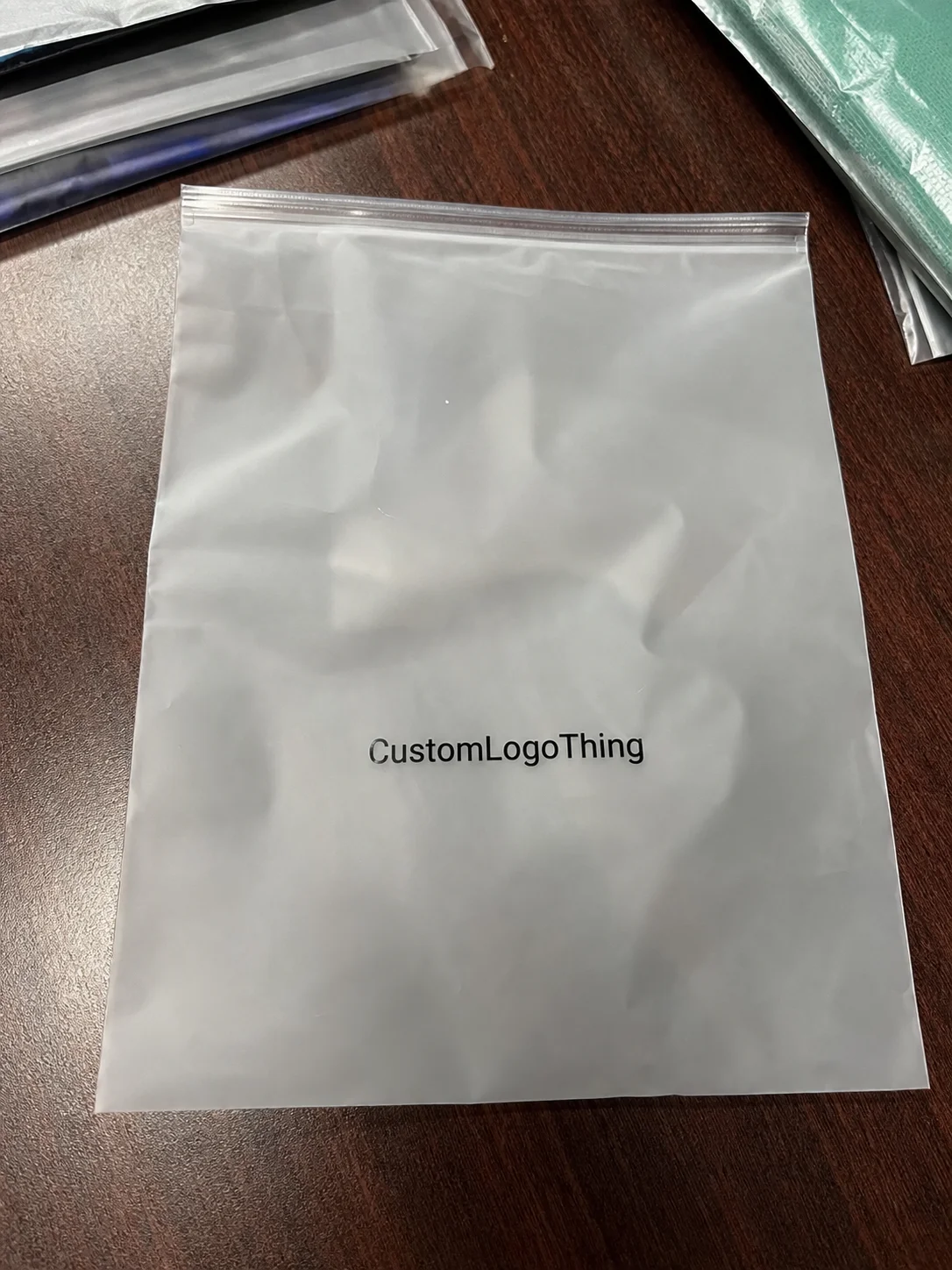
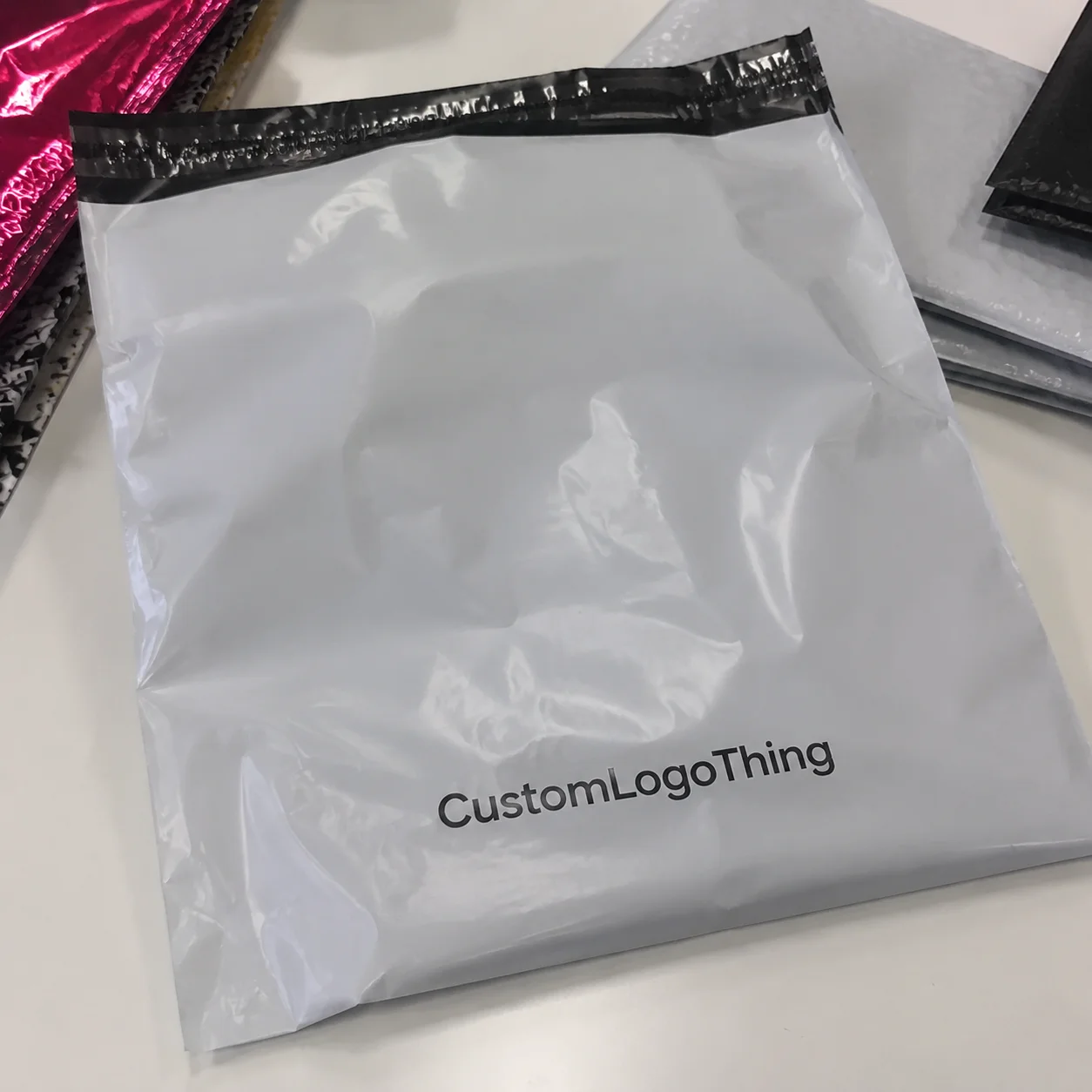
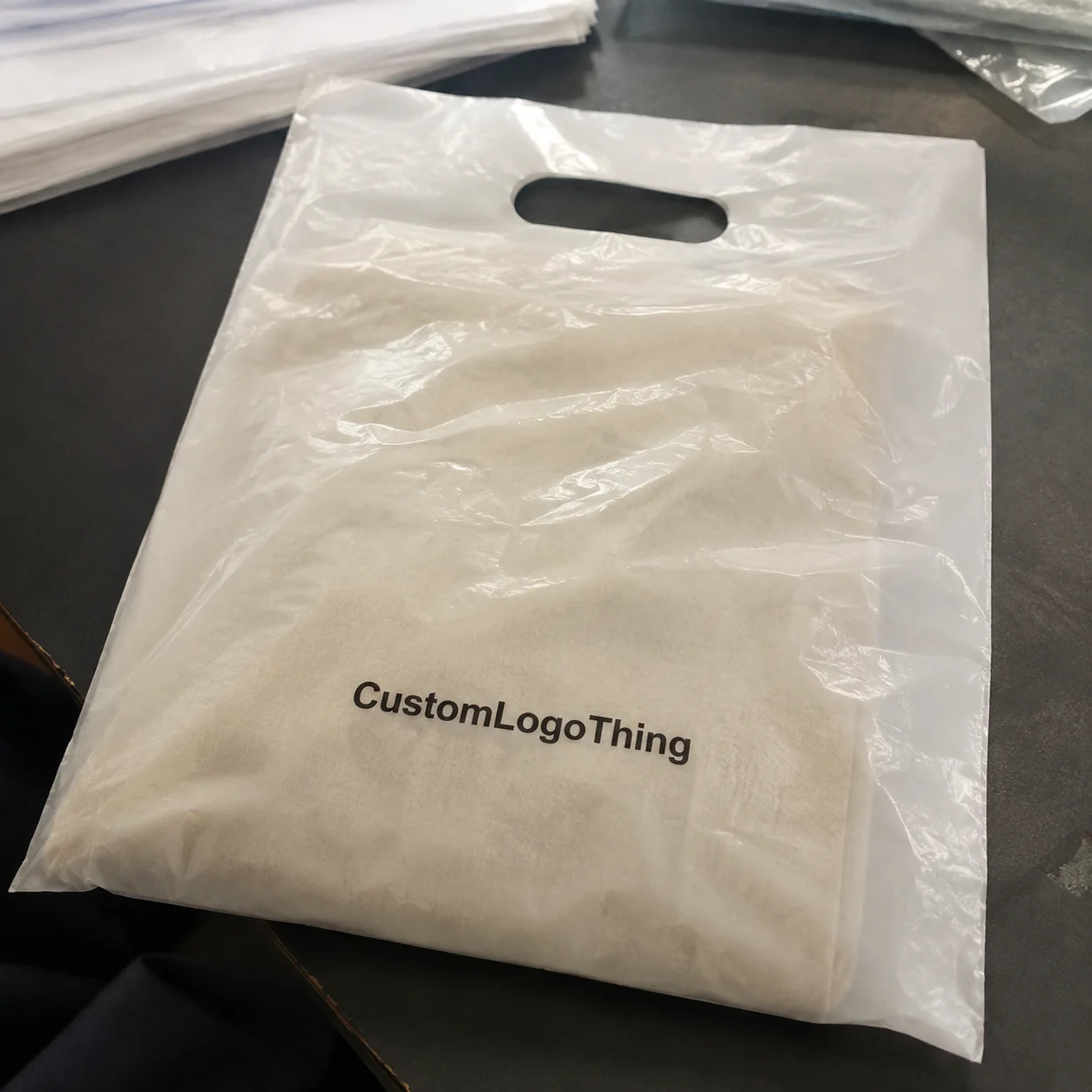
Buyer Fit Snapshot
| Best fit | Ecommerce Packaging Design for Better Unboxing projects where brand print, material claims, artwork control, MOQ, and repeat-order consistency need to be specified before quoting. |
|---|---|
| Quote inputs | Share finished size, material target, print colors, finish, packing count, annual reorder estimate, ship-to region, and any compliance wording. |
| Proofing check | Approve dieline scale, logo placement, barcode or warning zones, color tolerance, closure strength, and carton packing before bulk production. |
| Main risk | Vague material claims, crowded artwork, missing packing details, or unclear freight terms can make a low unit price expensive after revisions. |
Fast answer: Ecommerce Packaging Design for Better Unboxing: Board, Finish, Dieline, and Unit Cost should be specified like a repeatable production item. The safest quote records material, print method, finish, artwork proof, packing count, and reorder notes in one written spec.
Production checks before approval
Compare the actual filled-product size with the drawing, then confirm tolerance on folds, seals, hang holes, label areas, and retail display edges. Reserve space for logos, QR codes, warning copy, and material claims before decorative graphics fill the panel.
Quote comparison points
Review material grade, print process, finish, sampling route, tooling charges, carton quantity, and freight assumptions side by side. A quote is only useful when the supplier can repeat the same color, closure quality, and packing count on the next order.
Ecommerce Packaging Design Tips matter more than many brands expect, because the box, mailer, insert, and outer shipper are often the first physical proof that a company keeps its promises. I remember standing on corrugated lines in Ohio where a package had less than 10 seconds to convince a buyer that the brand felt premium, careful, and worth remembering, and I’ve also watched a polished mailer fail because the board caliper was 0.3 mm too light. That sort of mismatch is the reason packaging directors keep caliper charts taped near the packing tables. The real work behind ecommerce packaging design tips is not just graphics; it is structure, fit, freight, and the customer’s first touchpoint.
Custom Logo Things works with brands that need branded packaging, product packaging, and custom printed boxes that hold up from warehouse to doorstep, and the difference between a forgettable package and a memorable one usually comes down to a few practical decisions made early in the process. A well-built pack might use 350gsm C1S artboard for a folding carton, E-flute corrugated for a lightweight shipper, or 2.0 mm greyboard for a rigid box, depending on the product and the margin target. The best packaging design is the one nobody notices for the wrong reasons; it opens cleanly, protects the product, looks intentional, and stays inside budget. That balance is what these ecommerce packaging design tips are really about.
Ecommerce Packaging Design Tips: Why First Impressions Matter
The first impression starts before the customer sees the product. It starts when the parcel lands on a porch in Atlanta, when the mailer slides across a reception counter in London, or when a subscription box arrives with a shipping label on one panel and a clean brand reveal on another. I’ve seen customers open a package and decide in one glance whether the brand felt “expensive” or “generic,” and that judgment often happens in under 10 seconds. For that reason, ecommerce packaging design tips should begin with perception, not decoration.
Ecommerce packaging design is the mix of structure, materials, graphics, inserts, and shipping protection that shapes the customer’s first physical brand experience. It includes the outer shipper, the inner pack, the print layout, the closure style, and even the way a product settles into place after opening. A rigid lid-and-base box with a satin insert sends a different message than a plain kraft mailer with a folded tissue wrap, and both can be correct if they match the product, the shipping method, and the budget.
Packaging now has to do more than move a product from point A to point B. It also protects against damage, supports marketing, reduces returns, and encourages social sharing through unboxing moments. I remember a cosmetics client in New Jersey who tracked return reasons for six weeks and found that 14% of complaints were tied to transit damage, while nearly every positive review mentioned the box design or insert card. That is not a coincidence; it is the practical side of package branding, and it shows up in the refund spreadsheet by Friday afternoon.
One detail people miss is how quickly a design can fail once production starts. A beautifully printed mailer can still collapse if the glue lines are inconsistent, the board strength is too low, or the dimensions are off by even 3 mm. I once visited a folding carton line in Guangzhou where the print was immaculate, but the tuck flap scored too tightly and cracked after two folding cycles. The customer only saw a clean design, but the warehouse saw rework, waste, and a stack of rejects. Good ecommerce packaging design tips always respect the factory floor.
“If the pack looks beautiful but ships badly, it’s not premium — it’s expensive damage waiting to happen.”
That is why the rest of this piece stays grounded in branding, engineering, and cost control. Those three things have to work together, or the package ends up fighting itself. Good ecommerce packaging design tips should help you sell more, ship safer, and waste less, whether your run is 1,000 units or 50,000.
How Ecommerce Packaging Design Works From Concept to Carton
Most strong packaging design projects follow a path that sounds simple but gets technical fast. It begins with measurements, shipping requirements, and customer experience goals, then moves into dielines, structural prototypes, print setup, sampling, and production. I’ve sat through enough packaging reviews to know the order matters, because if you skip the structure discussion and go straight to artwork, you often end up redoing both. And yes, I have watched people fall in love with a color palette before anyone checked whether the box would actually close.
The first step is always the product itself. Measure length, width, height, weight, and any weak points, then think about how the item behaves in transit. Is it fragile glass, a softgood that compresses, or a set with multiple components that can rattle across a 600-mile parcel network? Those answers determine whether you need a mailer box, a custom insert, a folding carton, or a larger corrugated shipper with void fill.
From there, packaging teams distinguish between three layers. Primary packaging is the package in direct contact with the product, like a printed sachet, bottle label, or retail pouch. Secondary packaging holds or presents the product, such as a folding carton or sleeve. Shipping packaging is the outer protection that keeps everything intact through parcel networks, pallet movement, and warehouse handling. Ecommerce brands often need all three layers to work together, especially for fragile, luxury, or subscription products shipped from hubs in Los Angeles, Chicago, or Dallas.
On the manufacturing side, the process may involve corrugated die-cutting, folding carton scoring, litho-lamination, flexographic printing, and digital proofing. Corrugated mailers usually start with flute selection, then dielines are cut, scored, glued, and sometimes printed flexo or litho-laminated for richer graphics. Folding cartons need careful score depth and grain direction, while rigid boxes rely on wrapped board, corner wraps, and precise board cut sizing. These are the details that make ecommerce packaging design tips practical instead of theoretical, especially when the supplier is in Dongguan, Ho Chi Minh City, or a converter in eastern Pennsylvania.
Structure and graphics should be developed together. A package can be visually elegant and still fail if it doesn’t stack well on a pallet, ship flat where it should, or assemble cleanly on the packing line. In one supplier meeting in Shenzhen, I watched a client fall in love with a high-luxury lid style, then realize it added 22 seconds to pack-out and required a second operator for the insert. That kind of change can erase margin fast. I’ve got to be honest: the art director was thrilled, the finance person looked like they had swallowed a lemon.
Here is a simple timeline that reflects how many projects move when approvals stay on schedule:
- Brief and specs — 2 to 4 business days for measurements, goals, and materials.
- Prototype — 5 to 10 business days for the first structural sample, often from a factory in Shenzhen, Dongguan, or Vietnam.
- Revisions — 2 to 7 business days depending on structural changes.
- Pre-production sample — 7 to 12 business days after art and structure are locked.
- Final run — 12 to 20 business days for many custom printed boxes, depending on volume and finishing; a simple 5,000-unit corrugated mailer run may be faster than a 3,000-unit rigid box with foil.
- Fulfillment-ready delivery — freight timing varies, but plan for 3 to 8 additional days domestically, or 18 to 28 days for ocean freight from southern China to the U.S. West Coast.
For standards-minded teams, it helps to compare samples against recognized testing references. ISTA shipping test protocols and ASTM material checks can help verify whether the pack survives the trip as expected. For sustainability targets, FSC sourcing and recyclable construction matter too; you can learn more through ISTA and FSC. The best ecommerce packaging design tips respect both the brand story and the data behind the packaging, because a gorgeous mockup that fails a drop test still counts as a failure.
Key Factors in Ecommerce Packaging Design Tips: Materials, Size, and Brand Fit
Material choice is where a lot of packaging budgets are won or lost. For shipping strength, corrugated cardboard is still the workhorse, especially when you need E-flute, B-flute, or a double-wall option for heavier items. For premium presentation, rigid board gives you that dense, deliberate feel that clients often want for gifts, beauty sets, and high-value electronics. Kraft paper works beautifully when the brand leans natural, earthy, or minimal, while paperboard can be a smart choice for lightweight retail packaging that still needs a clean printed surface, such as 350gsm C1S artboard for a product carton or 400gsm SBS for a heavier feel.
Size matters just as much as material. Oversized boxes create too much void space, which increases filler use, freight cost, and movement inside the package. Tight tolerances, by contrast, help stabilize the product and give customers a more deliberate first impression. I’ve watched warehouse teams shave 8% off outbound carton volume simply by trimming two dimensions by 6 mm each and adjusting the insert geometry. That kind of practical improvement shows why ecommerce packaging design tips should always start with fit.
Brand fit is the part customers feel even if they cannot name it. Color consistency, logo placement, typography, and finish selection all shape perceived value. A matte black mailer with a restrained silver logo feels very different from a high-gloss full-bleed box with loud graphics. Soft-touch lamination can create a velvet-like hand feel, while foil stamping, embossing, and spot UV can lift the perceived price point — but only if they support the product story instead of crowding it. A beauty kit in Seoul or a sneaker launch in Brooklyn can tolerate bolder graphics than a heritage tea brand in Portland, Oregon.
Sustainability matters too, and not just as a marketing line. Mono-material construction improves recyclability in many cases, soy-based inks reduce petroleum content, and right-sizing reduces corrugated consumption and filler waste. “Eco-friendly” is not a magic stamp; it depends on the material stream, local recycling rules, and whether your design actually reduces waste or just moves it around. Still, brands that build sustainability into their ecommerce packaging design tips usually end up with smarter packs and fewer complaints, especially when they source FSC-certified board from mills in Canada, Finland, or China.
Costs are shaped by real variables, not vague estimates. Material grade, print method, ink coverage, coating, inserts, and order volume all affect unit price, tooling, and setup costs. A plain kraft mailer at 5,000 units may land near $0.15 to $0.38 per unit for a standard size, while a rigid setup box with foil and a custom insert can climb far higher, sometimes $2.20 to $6.00 or more per unit. Those numbers shift with volume and specification, but they show why ecommerce packaging design tips must account for the whole bill, not only the box price.
| Packaging Option | Typical Use | Approx. Unit Cost | Strength | Brand Impact |
|---|---|---|---|---|
| Kraft corrugated mailer | Subscriptions, apparel, lightweight accessories | $0.15–$0.55 | Good | Natural, clean, practical |
| Printed folding carton | Cosmetics, supplements, retail crossover items | $0.35–$1.10 | Moderate | Strong shelf and unboxing presence |
| Rigid setup box | Luxury gifts, electronics, premium kits | $2.20–$6.00+ | Very strong | High-end tactile experience |
| Custom corrugated shipper with insert | Fragile ecommerce orders, multi-item bundles | $0.75–$2.40 | Strong | Reliable, balanced, scalable |
If you are comparing options, ask for the same product packed three ways and price them at 1,000, 5,000, and 10,000 units. That gives you a real picture of how tooling, print setup, and freight affect landed cost. For brands shopping among Custom Packaging Products, that kind of side-by-side review is usually the fastest way to separate what looks good from what actually works. I wish more teams did this before they committed to 20,000 boxes they secretly hated.
Step-by-Step Ecommerce Packaging Design Tips for Building a Better Box
Good packaging does not happen by accident; it gets built in layers. The brands that do it well usually have a simple process, clear specs, and enough discipline to test before they scale. I’ve seen teams save weeks just by following a basic sequence instead of bouncing between artwork, sourcing, and shipping concerns all at once. Packaging chaos is real, and it somehow always arrives right before launch in Newark, Manchester, or Melbourne.
Step 1: Audit the product first
Measure the item carefully, then document weight, fragility, and special storage concerns. Moisture sensitivity, sharp corners, surface abrasion, and temperature exposure all matter. A 500 mL bottle of liquid soap and a machined metal component may both be small, but they need totally different packaging design decisions, from liner thickness to insert cutouts and closure style.
Step 2: Define the unboxing goal
Ask what the package needs to accomplish. Is the goal premium gifting, efficient subscription fulfillment, retail crossover, or minimum-cost shipping protection? Once you know that, you can decide how much structure, print coverage, and finishing are worth paying for. This is one of the most underrated ecommerce packaging design tips because it keeps the project focused and stops the team from specifying foil, embossing, and soft-touch when a kraft mailer would do the job for $0.24 per unit.
Step 3: Pick the structural format
Mailers, tuck-end cartons, sleeves, rigid setup boxes, and custom insert systems each solve different problems. A mailer box works well for a direct-to-consumer shipment that needs a clean reveal and solid protection. A tuck-end carton may be right for shelf-ready retail packaging. A rigid box may make sense for a holiday gift set or a prestige brand launch where the tactile feel matters just as much as the print. A 250 x 180 x 90 mm mailer will behave differently than a 120 x 120 x 40 mm insert box, so format drives the whole design conversation.
Step 4: Prototype and test the fit
Create a dieline prototype before you place a full order. Check closure strength, stacking behavior, product movement, and ease of packing on the line. I once watched a subscription box fail because the insert held the jar perfectly in a lab sample, but the actual warehouse team could not insert it fast enough without damaging the label. That is why real-world testing matters more than a pretty render, and why a prototype from a supplier in Yiwu or Illinois is worth the extra 5 to 10 business days.
Step 5: Review printing and decoration options
Confirm the ink system, finish, and color targets before production starts. If you are printing on darker boards, verify ink coverage and opacity. If you are using foil, embossing, or soft-touch coating, make sure the design still reads clearly after handling. A good rule I have learned on the floor: decoration should support handling, not become something fragile all by itself. For a 5,000-unit run, a simple two-color print can outperform a busy six-color layout if the message is clearer and the setup is cheaper.
Step 6: Align with fulfillment operations
The best packaging design on paper can become a bottleneck in the warehouse. Check whether the box ships flat, opens fast, and closes with one motion or three. A pack that saves even 4 seconds per order can create meaningful labor savings at scale. Multiply that by 25,000 monthly orders and you start seeing why ecommerce packaging design tips belong in operations meetings, not just creative reviews. In a facility running two shifts outside Chicago, that can mean the difference between overtime and staying inside budget.
My own favorite projects are the ones where the brand team, the fulfillment manager, and the supplier sit in the same conversation. I remember a plant in Pennsylvania where we solved a recurring seal problem by changing the flap depth just 6 mm and switching to a different adhesive pattern. No one on the marketing side cared about the glue formula, but the warehouse team cared a lot when the rework bin went from half full to nearly empty. That is a small thing, but small things are often where profit goes to hide, usually in plain sight next to the pallet wrap.
For Brands That Sell on multiple channels, the package may need a retail look and an ecommerce body. That means strong graphics on the visible panels, a secure closure, and a structure that still nests well in master cartons. These ecommerce packaging design tips are what make a pack useful in the real world rather than just photogenic on a screen in a design presentation.
Common Ecommerce Packaging Mistakes That Hurt Performance and Profit
One of the biggest mistakes I see is designing for the camera but not for the carrier. A box can look stunning in a product photo and still collapse in transit after a 40-inch drop or a bad corner crush in a parcel hub. That kind of failure shows up as returns, replacement shipments, and bad reviews that mention “cheap packaging” by name. Nothing makes a brand owner move faster than reading, “Loved the product, hated the box,” in public on a Tuesday morning.
Excess empty space is another frequent problem. If the product slides around, the retailer ends up paying for more filler, more dimensional weight, and more damage risk. Weak corners and poor closure design also create headaches, especially on lighter board grades where the lid or flap loses shape after repeated handling. I have seen a simple die-cut mailer outperform a more expensive structure because it had better compression resistance and a cleaner fold line, even when both were quoted within $0.12 of each other at 10,000 units.
Overprinting can hurt too. Too many finishes, too many inks, and too many decorative elements often push the budget up without improving the customer experience. A brand may spend extra on metallic foil around the perimeter, then bury the logo in a cluttered layout that no one notices. That is not premium; that is wasted spend. Good ecommerce packaging design tips keep the message sharp and the decoration intentional, with enough restraint to let the product carry some of the weight.
Brand mismatch is another quiet killer. A luxury-style exterior paired with flimsy materials or a generic interior creates a disconnect the customer feels immediately. I have seen expensive-looking printed lids open to reveal plain, loose product trays that made the whole experience feel compromised. If the outside says “premium” and the inside says “budget,” people remember the gap more than the graphics, and they tend to write about it in reviews from Toronto to Tampa.
Timeline mistakes are just as costly. Skipping samples, approving artwork before the structure is finalized, or changing specifications after tooling starts can lead to delays and reprints. One client I worked with moved straight to production after a PDF approval, only to discover the insert pocket was 4 mm too shallow for the actual jar. They lost almost two weeks and paid for a second run. That is the kind of lesson that sticks, mostly because someone has to explain the delay to finance with a straight face.
Here are the mistakes I tell clients to watch for first:
- Designing without real product dimensions — even a 2 mm error can change fit and closure performance.
- Choosing finishes before structure — graphics should support the box, not fight it.
- Ignoring fulfillment speed — extra folding steps cost labor every single day.
- Specifying board too light — the package may look fine and still fail compression tests.
- Ordering too late — sampling, freight, and approvals need buffer time, especially for a Q4 launch.
Packaging mistakes rarely look dramatic at first. They usually show up as small annoyances, then turn into expensive problems once order volume rises. That is why the smartest ecommerce packaging design tips focus on repeatability, not novelty alone.
Expert Ecommerce Packaging Design Tips From the Factory Floor
I have spent enough time around corrugated converters, carton plants, and contract packing lines to know that the best decisions are usually the simplest ones. A box that packs quickly, folds cleanly, and resists compression is worth more than a showpiece that needs handholding at every stage. In my experience, the factory floor always exposes whether a design was practical or merely attractive. The press does not care about your mood board. The glue line definitely does not care.
Start by designing around assembly speed. If a pack takes 6 seconds instead of 11 seconds to fill and close, that difference becomes huge over thousands of units. On a line running 8,000 orders a week, you are talking about real labor hours. That is why ecommerce packaging design tips should always include a conversation with the warehouse team before art is finalized, not after 12,000 labels have been printed.
Use print area strategically. On mailers and ship-ready cartons, the first visible panel should carry the strongest brand cue, whether that is a logo, a short message, or a color block that customers recognize instantly. You do not need every surface shouting for attention. Sometimes one crisp reveal panel, one insert card, and one clean inside print are enough to create a memorable package branding moment that feels deliberate in Brooklyn or Birmingham.
Balance premium finishes with durability. A soft-touch coating feels rich, but it should also survive scuffing in transit. Foil looks sharp, but too much of it can crack on heavy folds if the board and score are not right. Gloss lamination can help with moisture resistance, though it may show fingerprints more easily. The finish should serve the use case, not just the mood board, especially if the carton is handled three times before it reaches the customer.
Production checks matter more than most people expect. Verify ink coverage on darker boards, test glue compatibility, and confirm board caliper before approving the run. I have seen adhesive react poorly to a coating and cause flap lift on a carton line, and I have also watched color drift between proof and press because the substrate absorbed more ink than expected. Those are preventable problems if someone checks the right details early, ideally before the factory in Dongguan starts a 15,000-unit print run.
Here is a practical comparison I use when advising brands on retail packaging and ecommerce packs:
| Decision Area | Low-Cost Choice | Higher-Impact Choice | Best Use Case |
|---|---|---|---|
| Print method | Single-color flexo | Digital or litho print | Low runs vs. premium visual detail |
| Finish | Uncoated kraft | Soft-touch or foil accents | Natural brands vs. luxury presentation |
| Insert system | Simple paperboard fold | Custom die-cut insert | Light protection vs. precise product fit |
| Structure | Standard mailer | Custom corrugated with double walls | Lightweight orders vs. fragile shipments |
One more factory-floor truth: build in time for prototype adjustments and freight planning. A “done” sample is not always actually done if the pallet pattern changes, the board grade shifts, or the final ink density comes back darker than expected. I would rather have a client spend an extra week on the front end than rush a full run and discover the problem in fulfillment, especially when ocean freight from Ningbo or Ho Chi Minh City is already on the calendar.
For brands considering sustainable sourcing, a quick scan of materials and certifications can help. The EPA has useful guidance on recycling and waste reduction at EPA recycling resources. That matters because the best ecommerce packaging design tips do not just reduce cost; they also reduce waste when the design is done thoughtfully and the board stream is clear.
Next Steps for Ecommerce Packaging Design Tips That Actually Work
If you want ecommerce Packaging Design Tips That hold up in the real world, start with a checklist, not a mood board. Write down product dimensions, shipping method, brand colors, sustainability goals, expected monthly order volume, and any fulfillment constraints. Those details give your packaging supplier something concrete to engineer around, and they keep the conversation grounded in realities like freight class, board thickness, and line speed. A supplier in Los Angeles will quote differently than a converter in Shandong, and that difference starts with the spec sheet.
Request two or three structural options from a packaging manufacturer so you can compare cost, protection, and unboxing impact side by side. I like to see the “good,” the “better,” and the “best” version laid out with honest pricing, because that usually exposes the smartest compromise. A box that costs $0.22 more per unit might save you more than that in avoided damages and fewer replacement shipments, especially if your current return rate is running at 3.5%.
Always order a prototype or sampling round before launch, then test it under real fulfillment conditions and short-drop handling. Put product inside the actual insert, tape the real closure, and run the sample through the same workflow your warehouse team uses every day. A sample only counts if it survives the process that your customers will actually experience, whether that happens in a fulfillment center in Ohio or a third-party warehouse outside Amsterdam.
Pricing should be reviewed at multiple quantities, and it should include inserts, printing, and freight so your budget reflects true landed cost. A box that looks inexpensive before shipping may not stay inexpensive once pallets, cartons, and transport are added. This is one of those ecommerce packaging Design Tips That sounds obvious until a launch budget gets blown by a freight line item nobody reviewed closely enough, often because the team only looked at the factory quote and not the destination port.
Use the final packaging decisions to build a repeatable process for future launches. Save the structure drawings, approved artwork, sample photos, and supplier notes in one place so the next product line starts faster. I have seen brands reduce launch friction just by keeping good records on board grades, glue specs, and print approvals. That kind of organization sounds boring, but it saves real money, and it avoids the “where is the final dieline?” scavenger hunt that burns half a Monday.
If you are building out a full packaging program, the smartest move is often to keep one base structure and vary the graphics or insert as needed. That way your custom printed boxes stay efficient while still feeling fresh across campaigns. It is a practical approach, and in my experience practical packaging tends to win over time, especially when you are producing 12,000 to 30,000 units per quarter.
Custom Logo Things helps brands turn ecommerce packaging design tips into packages That Ship Well, look intentional, and support growth without unnecessary waste. If you remember only one thing, remember this: the best package is not the fanciest one on a desk, it is the one that survives a carrier network, fits the product right, and makes the customer want to open the next order too. Start with fit, test the structure, and choose finishes only after the pack proves it can do the job. That is the takeaway worth acting on.
FAQ
What are the most important ecommerce packaging design tips for small brands?
Start with protection and fit before adding visual extras. Choose one strong brand moment, such as a printed mailer or insert card, instead of overspending on every surface. Right-size packaging to control shipping cost and reduce filler, because a snug 10 x 8 x 4 box usually performs better than an oversized carton stuffed with void fill. For a small run of 1,000 units, that difference can save both cash and storage space in a 200-square-foot stockroom.
How do I choose the right material for ecommerce packaging design?
Match the material to the product weight, fragility, and presentation level. Use corrugated board for shipping strength, paperboard for lightweight retail-style packs, and rigid board for premium unboxing. Ask for samples so you can compare caliper, stiffness, and print quality, because a 350gsm board can feel very different from a 400gsm board once it is scored and folded. A supplier in Guangdong may also offer different coatings than one based in North Carolina, so compare the spec sheet, not just the sample photo.
How much do custom ecommerce packaging designs usually cost?
Pricing depends on size, material, print method, finishes, inserts, and order volume. Simple kraft mailers cost less than fully printed rigid boxes with specialty coatings or foils. Request quotes at multiple quantities to find the best balance between unit price and total investment, and make sure the quote includes tooling and freight, not just the box itself. For example, a 5,000-piece mailer program might land at $0.15 to $0.38 per unit, while a rigid kit at 2,000 units can run several dollars each depending on the finish stack.
What is a realistic timeline for custom ecommerce packaging design?
Basic concepts and dielines may move quickly, but sampling, revisions, and production approvals take time. Expect extra time if you need custom inserts, specialty printing, or structural testing. Build in a buffer so freight, warehouse prep, and launch dates stay on track; a 12- to 15-business-day production window can stretch if artwork changes late. If the shipment is coming from Shenzhen to Los Angeles by ocean freight, add about 18 to 28 days, plus customs clearance.
How can ecommerce packaging design reduce returns and damage?
Use snug dimensions, protective inserts, and stronger closure points. Test the pack in shipping conditions before full production. Avoid purely decorative choices that weaken the box structure or leave product movement unchecked, because even a 5 mm gap can let a fragile item shift enough to crack, scuff, or leak in transit. A well-fitted 350gsm C1S carton with a die-cut insert usually beats a bigger, prettier box that rattles on the way to the customer.