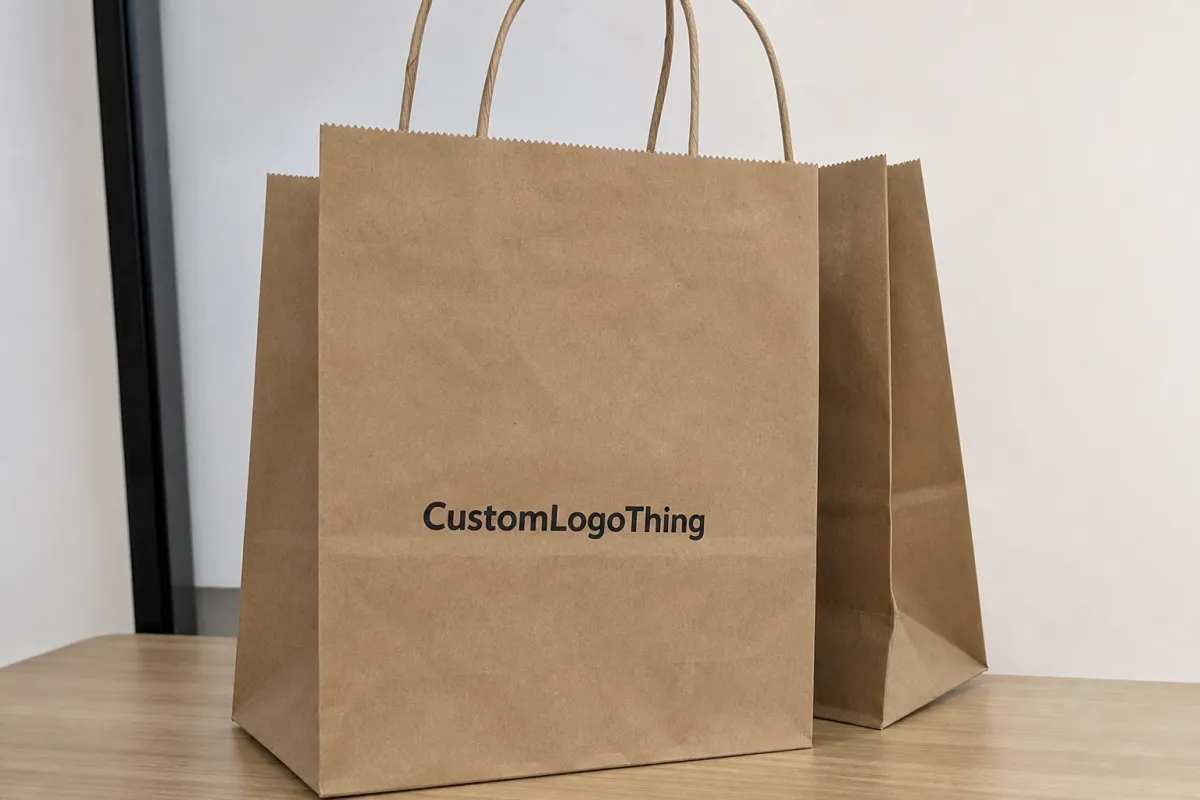
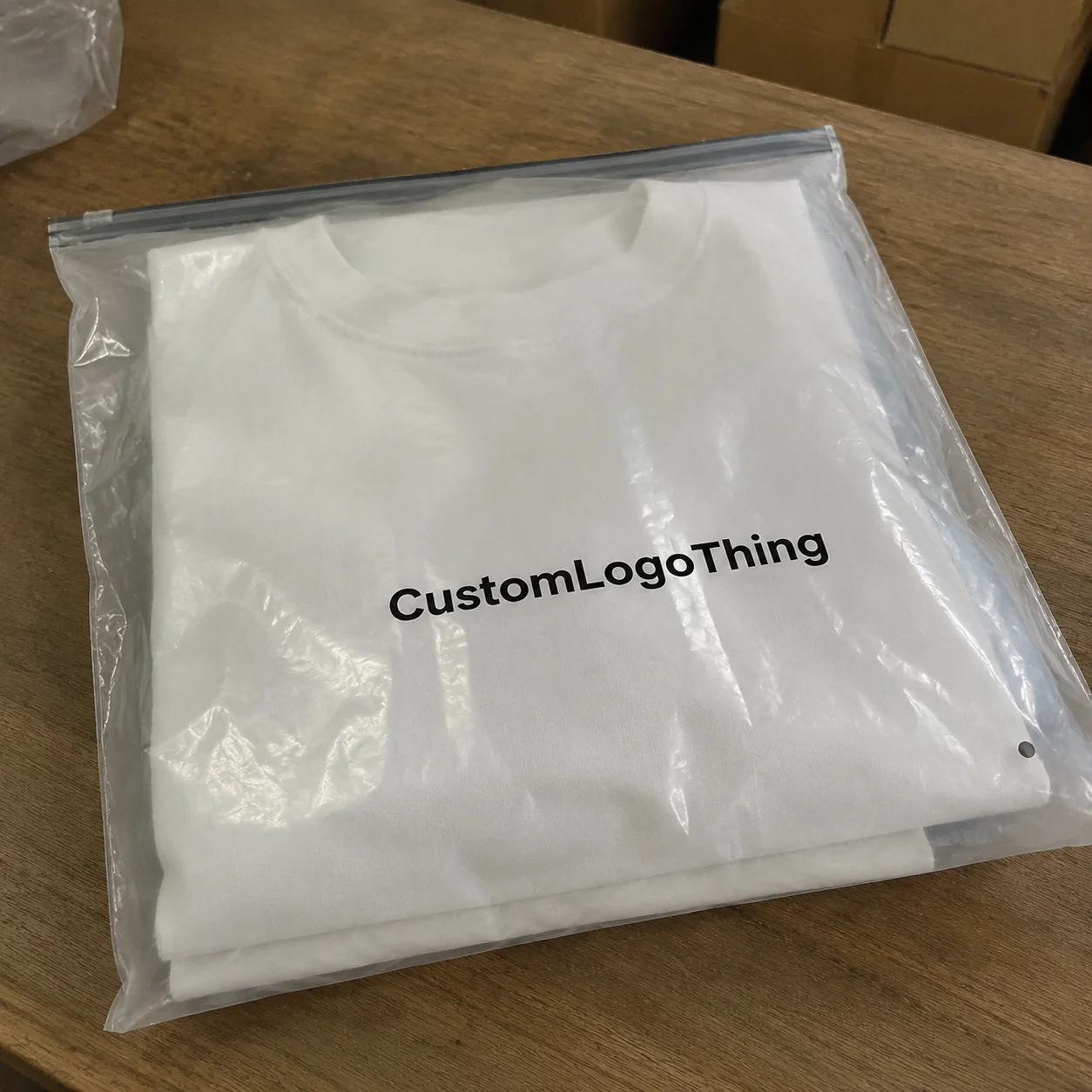
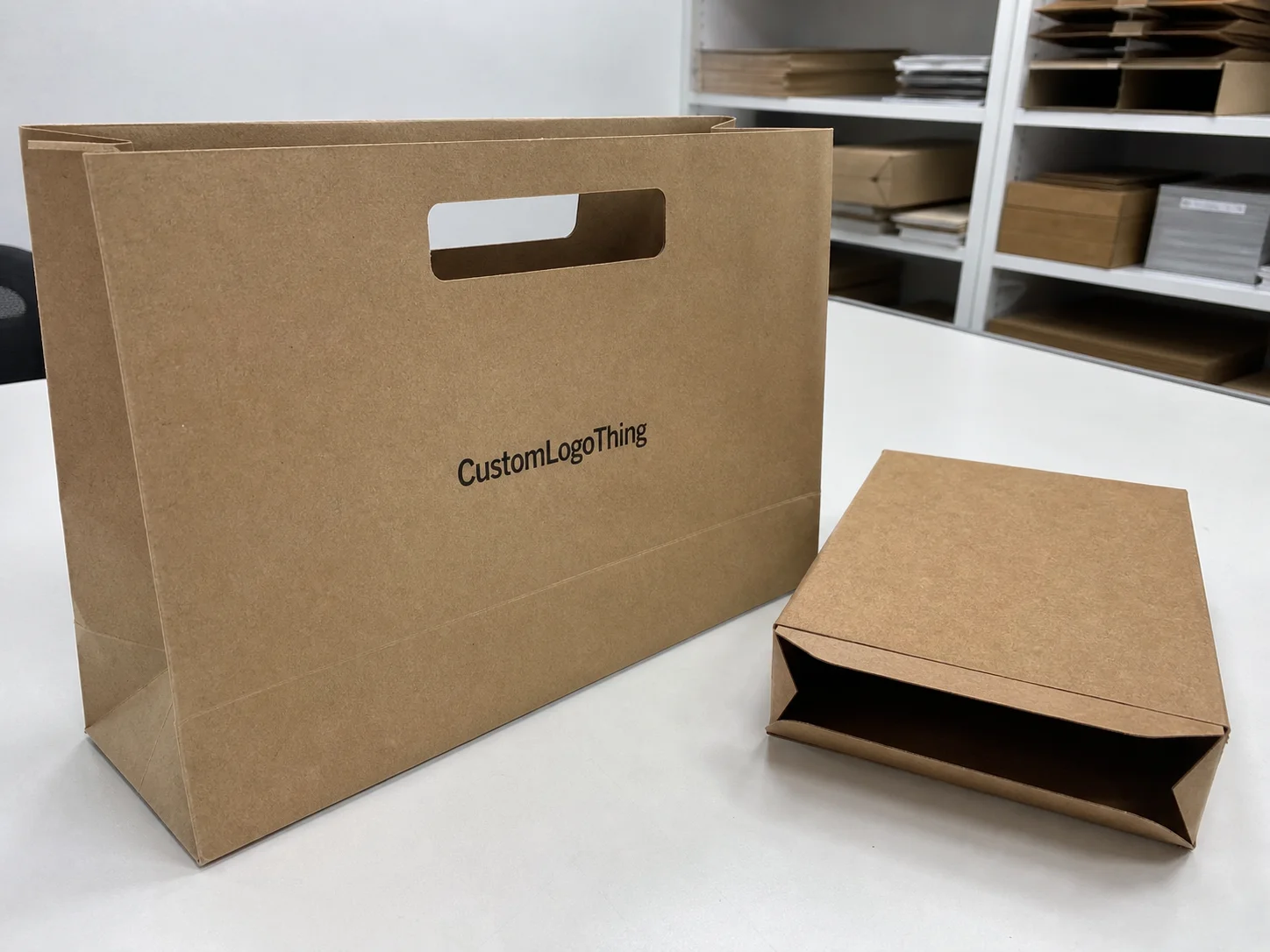
Buyer Fit Snapshot
| Best fit | to bold typography packaging for packaging buyers comparing material specs, print proof, MOQ, unit cost, freight, and repeat-order risk where brand print, material, artwork control, and repeat-order consistency matter. |
|---|---|
| Quote inputs | Share finished size, material target, print colors, finish, packing count, annual reorder estimate, and delivery region. |
| Proofing check | Approve dieline scale, logo placement, barcode or warning zones, color tolerance, and any recyclable or compostable wording before bulk production. |
| Main risk | Vague material claims, crowded artwork, or missing packing details can create delays even when the unit price looks attractive. |
Fast answer: To Bold Typography Packaging: Material, Print, MOQ, and Cost should be specified like a repeatable production item. The safest quote includes material, print method, finish, artwork proof, carton packing, and reorder notes in one written spec.
What to confirm before approving the packaging proof
Check the product dimensions against the actual filled item, not only the sales mockup. Ask for tolerance on folds, seals, hang holes, label areas, and retail display edges. If the package carries a logo, QR code, warning copy, or legal claim, reserve that space before decorative graphics fill the panel.
How to compare quotes without losing quality
Compare board or film grade, print process, finish, sampling route, tooling charges, carton quantity, and freight assumptions side by side. A lower quote is only useful if the supplier can repeat the same color, closure quality, and packing count on the next order.
If you want a guide to bold typography packaging that matches what actually happens on the factory floor, you’re in the right place. I once watched a skincare client in Dongguan ditch a full-page illustration and replace it with one oversized product name in 180pt type on a 350gsm C1S artboard sample. The plain version outsold the fancy one by 17% in the first two weeks at a boutique chain in Seoul. Shelf wins are strange like that. Also, cheaper-looking often sells better. Designers hate hearing it. Factories don’t care. I’ve lost count of how many times I had to say, “Yes, the plain box is the winner,” while someone stared at me like I’d just insulted their dog.
This guide to bold typography packaging is for brands that want packaging to do more than sit there and look “nice.” Type-first packs can stop shoppers in three seconds, support package branding, and stay readable on a phone screen that’s showing a tiny thumbnail next to eleven competitors. I’ve spent enough time in Shenzhen, Dongguan, and Ningbo to know one thing: the box that looks best in a presentation deck is not always the box that prints cleanly at 10,000 units. Different problem. Different fix. And yes, the factory will absolutely tell you the screen looks lovely while the actual carton is doing something weird at the corners. Very helpful. Love that for us.
We’ll cover what bold typography means, why it works, what it costs, how the print process behaves, and where brands mess it up. I’ll also give you the kind of notes I usually give clients after a press check in Guangdong: the specific ones that save them from paying for a second run. Because nothing humbles a budget faster than reprinting 10,000 boxes because the headline was too delicate for the stock you picked after a two-minute mood board meeting. At $0.15 per unit for 5,000 pieces, that second run stops being “a mistake” and starts being a line item nobody wants to explain.
What Bold Typography Packaging Really Means
Bold typography packaging is exactly what it sounds like: packaging where the type carries the design. Big product names. Strong contrast. Clear hierarchy. Very little visual clutter. That does not mean shouting in all caps and calling it strategy. It means making the text do the heavy lifting, which is how a lot of strong branded packaging gets attention without drowning in decoration. Honest opinion? A lot of brands hide behind “visual storytelling” because they’re scared the copy itself isn’t strong enough. Type-first design forces the issue, especially on a 60mm-wide cosmetic carton or a 100mm-tall candle sleeve.
I remember standing on a carton line in our Shenzhen facility with a cosmetics client who had spent $8,400 on illustration revisions. Nice work, honestly. Beautiful art. But when we mocked up the same carton with a 92pt serif product name on 400gsm SBS board, the team stopped arguing. The bold type pack looked cleaner from 10 feet away, and it read faster from 3 feet away. On shelf in a Singapore pharmacy aisle, that matters more than a pretty gradient no one can decode under fluorescent lights. Those lights are rude, by the way. They flatten everything and make “premium” look like “maybe expired.”
So what is a guide to bold typography packaging really about? It’s about oversized type, controlled spacing, deliberate weight choices, and enough contrast that the customer knows what they’re looking at in a second or less. The best versions feel confident. The worst versions feel like someone ran out of design ideas and made the font bigger. Those are not the same thing, even though a shocking number of brand decks pretend they are. One looks like a brand with a point of view. The other looks like a panic attack in 12pt.
“Bold doesn’t mean loud. Bold means certain.” That’s what I told a supplement founder in Shanghai who wanted five fonts, two metallic inks, and a marble texture on a single folding carton. We cut it down to one strong type family and the packaging looked like it had money. Also, it stopped looking like three departments had fought in a hallway and left their opinions on the box.
For the rest of this guide to bold typography packaging, keep one thing in mind: type-first packaging works because it reduces confusion. When a shopper understands the brand name, product name, and benefit almost instantly, the pack is doing its job. That’s true for custom printed boxes, rigid cartons, tubes, sleeves, and even some flexible packs. Good packaging design is not a talent show. It’s a communication job. A very expensive communication job, if you ignore the details and choose a finish before the message.
Why Bold Typography Works on Shelf and Online
People scan packaging fast. Very fast. In retail packaging, you often get a glance, a half-second, and maybe one more if the shopper is already interested. A bold type system helps because the eye grabs large shapes before it reads details. That’s why a guide to bold typography packaging keeps circling back to hierarchy. The biggest word usually wins. Sometimes the biggest word is also the only word the shopper notices, which is a nice little reminder that subtlety has limits when the aisle is 1.2 meters wide and the shopper is moving at speed.
There’s a psychological piece too. Bold type signals confidence. Clean typography often signals premium positioning. Minimal clutter suggests the brand knows exactly what it is. I’ve seen this play out with candles in Brooklyn and Melbourne, where a simple wordmark on uncoated board felt more expensive than a wax-drip illustration with three taglines. The candle didn’t smell richer. The packaging just said less, and that made it feel better. People like certainty. Shocking, I know.
For e-commerce, this matters even more. On a phone screen, a tiny logo and a delicate script font vanish immediately. The same pack that looks elegant in a showroom can become unreadable on a 1.5-inch thumbnail. The guide to bold typography packaging is really a guide to readability at two scales: arm’s length and pixel size. If it fails at either one, the pretty mockup is basically decorative wallpaper, and no one buys wallpaper on purpose.
Here’s how it tends to perform by category, based on projects I’ve seen in Shenzhen, Guangzhou, and Ho Chi Minh City:
- Cosmetics: Bold type helps premium skincare look clinical, clean, or editorial. Very useful if you want trust without visual noise, especially on 350gsm to 400gsm cartons.
- Food: Clear product names help shoppers understand flavor, ingredient focus, or dietary position fast, whether the pack is on a supermarket shelf in Bangkok or on Amazon.
- Supplements: Type-first layouts make it easier to communicate dosage, function, and compliance copy without chaos, which matters when FDA or local labeling requirements take up half the panel.
- Candles: Strong typography can feel boutique, modern, or luxury depending on the stock and finish, especially on 300gsm textured board with matte lamination.
- Apparel: Boxes, sleeves, and mailers with bold type can strengthen package branding and make unboxing feel deliberate, even on simple mailers produced in Dongguan at 5,000-piece runs.
I’ve sat in client meetings where the marketer wanted “more personality,” the founder wanted “more premium,” and the sales team wanted “more readable.” Funny thing is, a strong typographic system often solves all three. That’s why this guide to bold typography packaging isn’t about style for style’s sake. It’s about commercial clarity. Which, frankly, is a lot more useful than another round of “Can we make it pop?” That sentence has cost brands real money, usually around the point where a rushed reprint lands at $0.22 per unit instead of the planned $0.14.
Key Design Factors in Bold Typography Packaging
A proper guide to bold typography packaging needs to get into the design mechanics, because this is where most teams either win or create an expensive mess. The first decision is the font system. Sans serif fonts often work well because they stay clean at small sizes. Strong serif fonts can feel editorial or luxury. Condensed type can save space, but if you overdo it, the pack starts looking tense. Extended type can feel premium, but it needs room to breathe, especially on a 75mm-wide sleeve or a tuck-end carton with only one front panel.
My rule after dozens of packaging design reviews in Shenzhen and Dongguan: limit the number of font styles. One family with two or three weights is usually enough. If a brand insists on adding a decorative script, a condensed sans, and a slab serif on the same carton, I already know where the redesign meeting is headed. The box will look busy, and the printer will ask who approved it. That part is never my favorite moment, mainly because everyone suddenly discovers how to read a proof after approving the wrong thing. Convenient timing, every time.
Hierarchy is next. In a strong guide to bold typography packaging, the product name should be the hero. Supporting copy comes second. Legal and regulatory copy comes last. That order is not negotiable if you care about clarity. I’ve seen supplement brands in California bury the product name under ingredient claims, and the customer still didn’t know what was inside. Great way to spend $12,000 on design and achieve nothing. Stunning little waste of money, really, especially when the package then prints on a 350gsm C1S artboard and still reads like a legal memo.
Color and contrast do a lot of the work too. Black on white is classic for a reason. White on color can be elegant, especially on deeper navy, forest green, or charcoal. Foil accents can add a premium note, but I’d use them as a supporting element, not a rescue mission. If the typography is weak, gold foil won’t fix it. It will just make a weak layout more expensive. At $0.09 to $0.18 per unit for foil stamping on 5,000 pieces in Guangdong, you are literally paying extra to decorate confusion. Somehow people still act surprised when the shiny thing doesn’t magically solve the problem.
Materials and finishes change legibility in sneaky ways. Soft-touch lamination feels great, but dark type on soft-touch black can lose edge definition if the ink density isn’t controlled. Uncoated stock gives a warmer, more tactile feel, though fine lines may blur a little more than they would on coated paperboard. Gloss can sharpen contrast, but too much glare can fight the design under store lighting. Embossing and debossing look beautiful, yet they can distort thin letterforms if the die is not well-made. I’ve had one emboss on a rigid box in Dongguan add three extra days to approval because the “B” looked more like a question mark.
Here’s a practical comparison I use when clients are choosing production paths for custom printed boxes and other product packaging:
| Option | Best For | Typical Unit Cost Range | Notes |
|---|---|---|---|
| Digital print on standard folding carton | Small runs, prototypes, fast launches | $0.45–$1.20/unit at 500–2,000 pcs | Good for testing bold typography packaging before scaling |
| Offset print with standard coating | Mid-to-high volumes, sharper color consistency | $0.18–$0.55/unit at 5,000+ pcs | Better economics once artwork is locked |
| Offset with foil or embossing | Premium retail packaging and luxury positioning | $0.38–$1.10/unit depending on complexity | Finishes add setup cost and longer lead times |
| Rigid box with specialty wrap | High-end gifting, cosmetics, tech accessories | $1.80–$6.50/unit depending on structure | Excellent for strong typography and package branding |
Those numbers are broad on purpose. A 350gsm C1S carton with matte aqueous coating will not cost the same as a rigid setup with foil stamping and a magnetic closure. Of course it won’t. The factory isn’t a charity. In Foshan, a standard folding carton run can quote at $0.16 per unit for 10,000 pieces, while the same artwork on a rigid box in Shenzhen can jump to $2.40 or more depending on the wrap and insert. The guide to bold typography packaging has to be honest about that. I’d rather have one awkward budget conversation up front than three angry ones after samples are already in transit.
One more thing: spacing matters more than people think. Bold typography needs room. If you cram letters together, the design starts to feel panicked. Give the headline breathing space, and the whole pack looks more deliberate. I learned that during a coffee carton project in Guangzhou where the art director wanted the product name to “feel energetic.” We increased tracking by 12 points and suddenly it felt premium instead of loud. Same font. Better discipline. Wild concept.
How the Bold Typography Packaging Process Works
The process starts before anyone opens Illustrator. A good guide to bold typography packaging begins with the brief. What category is the product in? Who is buying it? Where will it be sold? A $28 candle on a boutique shelf in Los Angeles needs a different visual rhythm than a $9 supplement bottle in a warehouse club in Texas. If the brief is fuzzy, the design will wander. That’s how you end up with three rounds of revisions and a client saying, “Can we make it more expensive-looking?” which is not actually a specification. It’s a wish wearing a blazer.
After the brief, my team usually builds concept mockups and type studies. We test three things early: font weight, line breaks, and contrast. You’d be surprised how often a pack fails because the product name wraps awkwardly over two lines. That’s not a creative issue. That’s a hierarchy issue. The best guide to bold typography packaging will tell you to solve this before anyone starts choosing foil colors. Ask me how many times I’ve watched a “small spacing fix” turn into a full redesign. Too many. Way too many. Usually because someone approved a layout at 1:1 scale on a laptop and forgot the carton would be 140mm wide in real life.
Then comes the dieline. This is where people get caught by “it looked fine on screen.” Screen design is forgiving. Production is not. Bleed must be correct. Safe zones matter. Font outlines need to be handled properly. If the printer needs outlined text and you send live fonts with a weird licensing restriction, congratulations, you just bought yourself a delay. And a very annoying email chain where everybody insists they “thought someone else had the final file.” I’ve seen that delay add five business days in Dongguan and another two days on top once the factory had to re-open the prepress ticket.
Physical proofing is the part I trust most. I’ve watched teams approve a layout on a monitor, then reject the same design when it arrived as a prototype. Good. That’s the point. Screens lie about scale, and they lie about finish. A matte black box with white type can look crisp online and dull in real light if the ink spread is off by even a fraction. That’s why a serious guide to bold typography packaging always includes sampling, ideally on the final board grade and not a random substitute the supplier had lying around in the warehouse.
Typical timeline expectations look something like this:
- Concept and layout: 3–7 business days
- Revisions and final artwork: 2–5 business days, depending on feedback speed
- Prototype/sample production: 5–10 business days
- Mass production: typically 12–15 business days from proof approval for standard cartons, and 18–20 business days for higher-volume runs
- Premium finishing or rigid box production: 18–35 business days, sometimes longer if tooling is new or if the factory in Guangdong is waiting on specialty paper from Shanghai
None of that is fixed. Stock availability changes. Factory queues change. Weather changes shipping. I’ve had a 14-day carton order sit for 6 extra days because the specific paperboard grade was backordered in the region around Guangzhou. That is not a design problem. It is a supply chain problem, and yes, it still becomes your problem. I’m saying this so you can plan like an adult instead of acting shocked when a port delay shows up uninvited. If you’re shipping into the U.S., a 3- to 5-day customs delay can make a “quick launch” feel very not quick.
If you need a production path that includes broader format options, I usually point clients toward our Custom Packaging Products page before we lock dimensions. It saves a lot of back-and-forth when the pack needs to work across product lines, especially if you’re comparing a tuck-end carton, sleeve, and Rigid Gift Box at the same time.
For compliance-heavy categories, I also recommend checking standards groups directly. ISTA is useful for transport testing, and FSC matters if you need certified paperboard. If you’re shipping or evaluating coatings and waste impact, the EPA has useful material guidance at epa.gov. No mystery. Just practical reference points and fewer surprises during sampling.
Step-by-Step Guide to Designing Bold Typography Packaging
If you want a usable guide to bold typography packaging, start with the shelf job. What does the pack need to do in the first three seconds? Signal premium? Simplify a crowded shelf? Make the category easy to read? Different jobs lead to different typography decisions. A supplement carton that needs clinical trust will not use the same tone as a limited-edition apparel mailer. And if someone says, “Can it do all of that?” the honest answer is usually no. Packaging has limits. So do deadlines. I’ve seen launch calendars in Shanghai collapse because one carton was trying to be three different brands at once.
Step 1: Define the shelf job
Ask one blunt question: what should the shopper understand immediately? If the answer is “everything,” you’re already in trouble. A box has limited space. Pick the one thing that must be seen first. That might be the brand name, product name, or a single functional claim. The best guide to bold typography packaging tells you to choose before you decorate, not after the designer has already built three mood boards and a 24-slide deck.
Step 2: Pick one primary message
One headline. One promise. That’s enough. I once worked with a tea brand in Hangzhou that wanted six benefits on the front panel. After a long argument, we cut it to one claim and a clean ingredient line. Sales improved because the pack became readable instead of educational. A box is not a brochure. Nobody in the aisle wants homework, especially not when the shelf tag says $7.99 and the person is holding a basket with six other items.
Step 3: Choose a font system that fits the voice
Sans serif can feel modern, direct, and clean. Serif can feel editorial, heritage-driven, or upscale. Condensed fonts save space, but they need generous spacing to stay legible. Whatever you choose, test it at actual size. A font that looks elegant in a 4000px mockup may become a cramped mess at 65mm wide. I’ve seen it happen more than once in Ningbo, and it always looks less charming in the flesh. The printer is not going to rescue a bad font choice with a miracle on the press line.
Step 4: Build contrast before adding decoration
Start with size, weight, color, and alignment. Then decide whether you need foil, embossing, or a pattern. People reverse that order all the time. They pick a finish first and then try to make the typography work around it. That’s backwards. The type should lead the design, not beg for room around a shiny distraction. If the letters can’t read clearly on a matte proof in a Shenzhen sample room, they won’t suddenly become smarter because you added gold.
Step 5: Test the pack at real size
Print it. Hold it. Put it on a shelf. Look at it from arm’s length and on a phone screen. Then show it to someone who hasn’t seen the concept. If they can’t tell what the product is in five seconds, adjust the hierarchy. This is one of the simplest checks in the entire guide to bold typography packaging, and it saves a shocking amount of money. A one-hour test can prevent a $3,500 reproof cycle and a lot of miserable emails.
Step 6: Review proof, mockup, and shipping carton
Do not stop at the front panel. Check the side panel, top flap, and secondary shipping carton too. I once had a client approve a beautiful carton only to discover the shipping case had the brand name set in a tiny gray font on kraft. The retail box was strong. The master carton looked like it had given up. Package branding doesn’t end at the shelf-facing side. It’s all part of the same story, whether the warehouse staff in Dongguan reads it or not.
At this stage, I also compare prepress files with the factory spec sheet. Bleed, resolution, ink coverage, and coating compatibility all matter. If the design is using 100% black over a soft-touch coating, I want to know whether the printer expects rich black or a single-layer K build. Those details are not glamorous, but they are the difference between a clean run and a headache. I once saw a black-on-black layout lose enough contrast to turn a luxury supplement pack into a very expensive shadow.
For teams balancing design and logistics, the guide to bold typography packaging usually works best when someone in operations is in the room early. Not because operations is fun. Because operations knows what fails on line one. Design can be brilliant and still be impossible to produce, which is a special kind of expensive nonsense I try very hard to avoid. A clear design that can run at 8,000 pieces per day in Foshan will beat a gorgeous one that stalls at 2,000 because the board choice was too fussy.
Common Mistakes Brands Make With Bold Typography Packaging
The biggest mistake is using too many font styles. Every extra font adds confusion. I’ve reviewed cartons with four font families, three line weights, and a script that looked like it escaped from a wedding invitation in Miami. The pack did not feel sophisticated. It felt indecisive. If the product name is in one typeface and the claim is in another and the subcopy is fighting for attention, the shopper notices the argument before the brand.
Second mistake: bold but unreadable. This happens a lot on small packs and textured stock. A beautiful typeface can get mushy if the board absorbs too much ink or the letter spacing is too tight. The designer thinks it looks editorial. The shopper thinks it looks like a typo. The printer gets blamed, as usual. Funny how the press room always becomes the villain, even when the file was doing its own little crime. I’ve seen this on 300gsm uncoated stock and on 350gsm C1S board, and the fix was usually simpler tracking and a slightly heavier weight.
Third mistake: finishes that fight the typography. A busy laminate, a low-contrast color combo, or a metallic effect across fine text can undermine everything. If your goal is clarity, don’t make the surface harder to read. Fancy does not automatically mean effective. That one still surprises people. I’ve seen teams spend an extra $0.12 per unit on finishes just to make the pack less legible. Truly bold strategy. Very expensive confusion.
Fourth mistake: stuffing compliance copy into the hero zone. Regulatory text, ingredient statements, warnings, and barcode placement all matter. But they should not crowd the front panel unless the category demands it. In a supplement project out of Irvine, I once had to move a feature list to the side panel because the front had turned into a legal memo. The product name deserved better, and the shelf read improved immediately once the clutter moved off the main panel.
Fifth mistake: no prototype testing. This is the one that really burns money. Skipping the sample round can turn a $0.42/unit pack into a $0.78/unit mistake because the type size was wrong and the line breaks had to be reworked. A solid guide to bold typography packaging will always tell you to test before full production. Not after. After is expensive. After is the part where I start asking why everyone suddenly became brave with a 20,000-piece order from a factory in Dongguan.
Sixth mistake: spending on premium effects when the design needs clarity more than sparkle. Foil stamping costs money. Embossing costs money. Specialty stock costs money. If the main issue is that customers can’t read the pack, adding more finish is not a fix. It’s decoration on top of confusion. A crisp black type system on a clean 400gsm board will often outperform a crowded luxury treatment at twice the price. I’ve watched that happen more than once.
If you want a quick gut check, ask these questions before approving the final art:
- Can someone identify the product in 3 seconds?
- Does the main type still read at thumbnail size?
- Is the hierarchy obvious without explanation?
- Does the finish help or distract?
- Would this still work on a different stock or under harsher lighting?
Those five questions are boring. They also save launches. That’s packaging for you. The boring parts are usually the expensive parts.
Expert Tips for Better Bold Typography Packaging
Use whitespace like a tool. Not dead space. Tool. In strong guide to bold typography packaging work, whitespace gives the type room to breathe and helps the eye understand where to land first. I’ve seen brands cut the clutter by 30% and instantly look more expensive. Not because they added something. Because they removed the wrong things. I wish more founders believed that before asking for “just one more element” after the final proof has already been sent to the factory in Guangzhou.
Pick one hero element and commit to it. The hero might be the brand name, the product name, or one sharp claim. If everything competes for attention, nothing wins. That’s true in packaging design, and it’s true in a sales pitch, which is probably why so many packs feel like someone talking over themselves. I’d rather see one 120pt headline and a clean subline than a front panel with six competing messages and a tiny barcode pressed into the corner like an afterthought.
Match the typography to the material. Heavy type often feels at home on rigid boxes, where the structure supports a confident layout. Cleaner spacing usually performs better on flexible packs and lighter cartons. A dense black headline on a soft, tactile stock can look luxurious. The same layout on a glossy bag may feel blunt. Material changes the mood. So does the coating, so does the board thickness, and apparently so does the humidity if the factory floor in Dongguan is being difficult that week. Paperboard at 350gsm behaves very differently from a 250gsm mailer, and the type treatment should respect that.
Ask for press-ready samples and check them under retail lighting. I’ve stood under ugly store LEDs with clients in Shanghai, and those lights expose everything. They show whether the contrast is real, whether the ink is too thin, and whether the finish is doing you favors or making the lettering float awkwardly. If the pack only looks good in a studio at 5,000K lighting, it’s not finished. It’s just photographed well.
Work backward from production. If the factory can’t hold a 6pt footer clearly on the chosen stock, don’t design it that way and hope for a miracle. Miracles are not a print specification. The smarter version of a guide to bold typography packaging is one that starts with the machine, the board, and the coating, then builds the design around those facts. I’d rather tell a brand “Use 8pt instead of 6pt” than watch them pay for 20,000 unreadable cartons.
I’ll give you one final factory-floor story. A snack brand in Shenzhen came to me with a bright illustration system and a bold desire to “stand out.” We ran the numbers, mocked up three versions, and the simplest typographic front sold the best in a small retailer test. The winning version used a 4-color print job, a 320gsm board, and zero foil. Total unit cost came in at $0.27 on 10,000 pieces. The illustrated version would have pushed the pack to $0.41. Same product. Same shelf. Different result. That’s why a practical guide to bold typography packaging matters more than a pretty mood board.
If you’re building a launch kit, start with a clean front panel, verify the dieline, and choose materials that make the type sharper rather than prettier for no reason. That’s how you get Packaging That Sells instead of just occupying space. A strong typographic box in Dongguan, printed on the right board and approved in one sample round, will usually beat a gorgeous concept that takes four rounds and misses the ship date by a week.
FAQ
What is the best font style for bold typography packaging?
Usually a highly legible sans serif or a strong serif with clean letterforms. The best choice depends on the brand voice, but the font has to stay readable at shelf distance and thumbnail size. Decorative fonts can work, but only if the category can support them without hurting clarity. For a 70mm-wide carton, I usually test at least three weights before approving the final direction.
How much does bold typography packaging usually cost?
Simple digitally printed cartons can be affordable for small runs, often in the $0.45–$1.20 range per unit at lower quantities. For offset runs at 5,000 pieces or more, I’ve seen standard folding cartons land around $0.15 to $0.22 per unit in Guangdong depending on board and coating. Costs rise with foil, embossing, specialty coatings, and custom structures. As quantity increases, the unit price usually drops, which is why low-volume samples cost more per box.
How long does bold typography packaging take to produce?
A simple project can move quickly if the dieline and artwork are ready, with concept, proofing, and production sometimes fitting inside a few weeks. For standard cartons, production is typically 12-15 business days from proof approval once the factory in Dongguan has the board in stock. Custom finishing, prototype rounds, and material delays add time. New tooling or special coatings usually extend the schedule to 18-35 business days.
Does bold typography packaging work for luxury brands?
Yes, when it uses restraint, strong spacing, and premium materials. Luxury often comes from confidence and simplicity, not visual noise. A bold wordmark on a refined stock like 400gsm C1S or a rigid setup wrapped in textured paper can look more premium than a crowded illustration, especially if the finish is handled well and the hierarchy is clean.
How do I know if my bold typography packaging is readable?
Print a mockup at actual size and view it from arm’s length. Then check it on a phone screen to see how it performs as a thumbnail. If the product name disappears or the hierarchy feels crowded, the design needs adjustment before production. I also recommend checking it under retail LEDs in a store in Shenzhen, Singapore, or Los Angeles, because lighting changes everything.
If you want packaging that reads fast, looks intentional, and holds up in production, a smart guide to bold typography packaging is the place to start. The real trick is not making type loud. It’s making it clear enough that the customer gets the message before their attention moves on. Start with the shelf job, simplify the front panel, test at real size, and make the material work for the type instead of against it. That’s the part that sells, whether the box is printed in Guangzhou at $0.18 per unit or finished as a rigid gift set at $3.20 per unit in Dongguan.