Buyer Fit Snapshot
| Best fit | To Kraft Poly Mailers for Shipping projects where brand print, material claims, artwork control, MOQ, and repeat-order consistency need to be specified before quoting. |
|---|---|
| Quote inputs | Share finished size, material target, print colors, finish, packing count, annual reorder estimate, ship-to region, and any compliance wording. |
| Proofing check | Approve dieline scale, logo placement, barcode or warning zones, color tolerance, closure strength, and carton packing before bulk production. |
| Main risk | Vague material claims, crowded artwork, missing packing details, or unclear freight terms can make a low unit price expensive after revisions. |
Fast answer: To Kraft Poly Mailers for Shipping: Film, Print, MOQ, and Carton Packing should be specified like a repeatable production item. The safest quote records material, print method, finish, artwork proof, packing count, and reorder notes in one written spec.
Production checks before approval
Compare the actual filled-product size with the drawing, then confirm tolerance on folds, seals, hang holes, label areas, and retail display edges. Reserve space for logos, QR codes, warning copy, and material claims before decorative graphics fill the panel.
Quote comparison points
Review material grade, print process, finish, sampling route, tooling charges, carton quantity, and freight assumptions side by side. A quote is only useful when the supplier can repeat the same color, closure quality, and packing count on the next order.
Guide to Kraft Poly Mailers for Shipping: What They Are and Why They Surprised Me
The first time I saw a guide to kraft Poly Mailers for Shipping become a serious buying conversation, it was on a noisy packing floor outside Shenzhen in Guangdong Province. A clothing brand had been fighting the same problem for months. They wanted the warm, natural look of kraft paper, but they also needed something that could hold up when cartons sat in damp cross-dock staging for 6 to 10 hours, often at 78% to 86% humidity. Kraft poly mailers started making sense right there, and honestly, I understood the appeal the moment I held one in my hand.
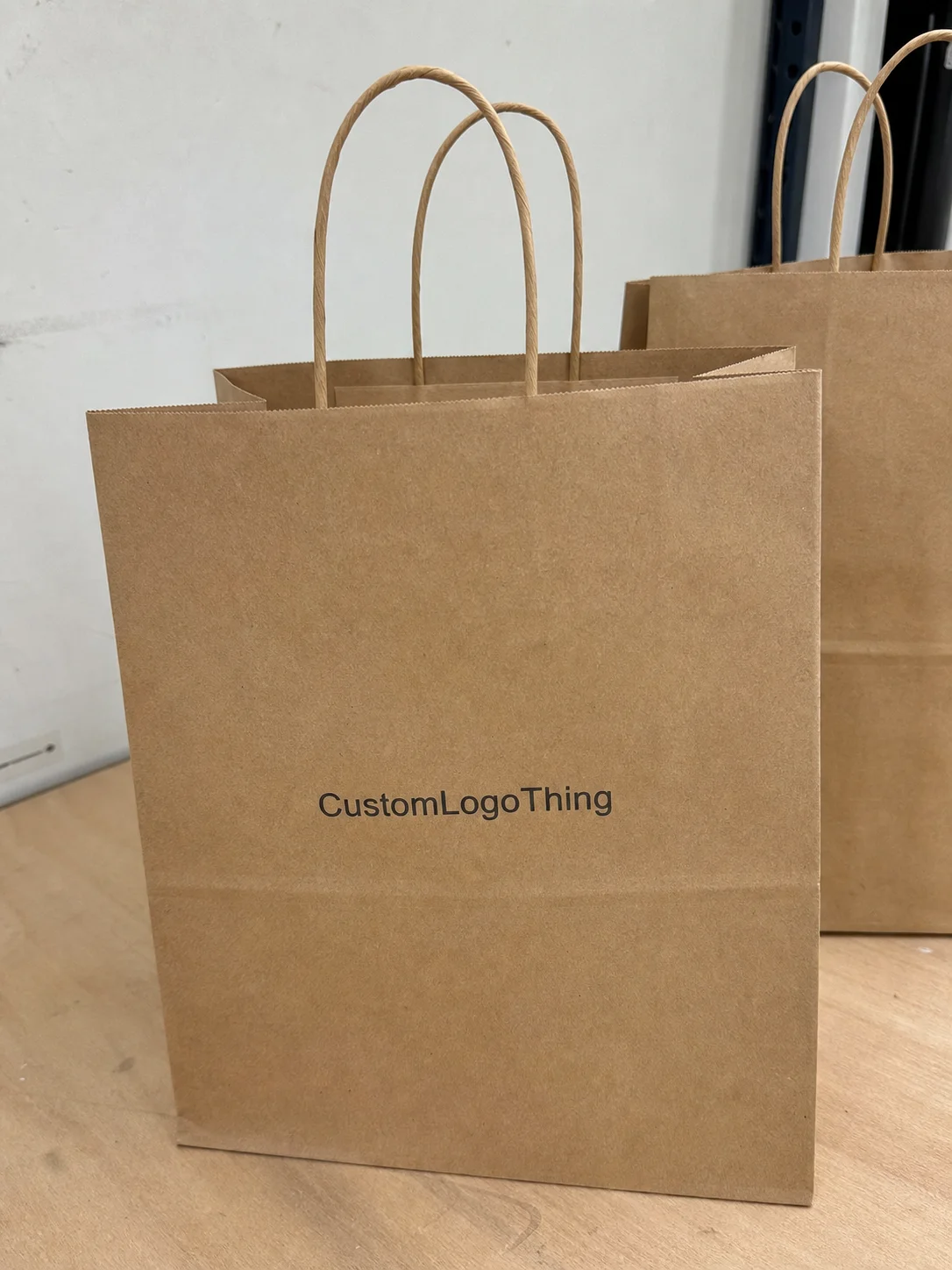
A kraft poly mailer is a hybrid shipping mailer with a kraft-paper exterior and a polyethylene interior layer. In the factory spec sheets I reviewed in Dongguan and Ningbo, the outer paper was often listed as 60gsm to 90gsm kraft, while the inner layer was typically a 25-micron to 40-micron PE film. The outside gives you that clean, earthy look customers associate with thoughtful branding, while the inner film helps with moisture resistance, tear reduction, and overall package protection. In plain English, it behaves like one of those shipping materials that looks simple on the shelf, then quietly saves you from headaches in transit packaging.
Visually, these mailers feel more premium than plain white poly, and they usually look more intentional than a generic paper envelope. Functionally, they’re lighter than cartons, faster to pack than boxes, and often better than plain paper mailers in humid warehouses, rainy routes, or busy ecommerce shipping operations where bags and parcels are stacked, tossed, scanned, and slid down conveyors all day long. That combination is why so many brands use the guide to kraft poly mailers for shipping as a reference point when they want presentation without giving up durability.
Where do they fit best? I’ve seen them work beautifully for folded apparel, scarves, lightweight accessories, printed catalogs, and non-fragile items that don’t need rigid box walls. A common stock size is 10 x 13 inches for tees, while 14 x 17 inches often works better for hoodies or multiple folded items. They’re especially good when the unboxing moment matters, but the shipment still needs to move through order fulfillment at speed. If you’re shipping soft goods, branded merchandise, or flat printed materials, the guide to kraft poly mailers for shipping is probably more relevant than a box-first strategy.
Here’s what most people get wrong: they assume “kraft” automatically means paper-only and “poly” automatically means cheap plastic. That’s not how this category should be judged. The right version can give you cleaner branding, a more polished first impression, and a better moisture barrier than many people expect. In this guide to kraft poly mailers for shipping, I’m going to show you how the material works, what to compare Before You Buy, and where the expensive mistakes usually hide.
“We switched from plain paper mailers to kraft poly after two rainy weeks in Atlanta, and the return rate on damp packaging complaints dropped almost immediately.” That was a buyer I met at a fulfillment site in Georgia, and I still remember the relief on her face when the warehouse manager stopped worrying about soggy edges. Their first custom run cost $0.19 per unit for 5,000 pieces, and that tiny premium beat a pile of refund tickets.
How Kraft Poly Mailers Work in Real Shipping Conditions
The construction is straightforward, but the performance details matter. In a typical guide to kraft poly mailers for shipping, you’ll find an outer kraft surface, an inner polyethylene layer, and a peel-and-seal adhesive strip. The kraft face is what people see and touch; it takes print well, gives you that natural texture, and provides a decent writing surface for labels, stamps, or batch markings. The inner poly layer is doing the quiet work: resisting moisture, reducing fiber tear, and helping the mailer survive friction during transport.
On a conveyor line, a kraft poly mailer behaves differently from a plain paper envelope. The poly layer gives it a little more glide, a little more flexibility, and less chance of splitting at the fold lines when the parcel gets compressed under a heavier carton. I’ve watched these run through sortation centers in Shenzhen, Suzhou, and Los Angeles where parcels were being slammed into chutes, and the difference between a reinforced inner film and an ordinary paper sleeve was obvious by the end of the shift. That’s one of the reasons the guide to kraft poly mailers for shipping often recommends them for moderate-handling environments.
The seal matters too. Most versions use a pressure-sensitive peel-and-seal adhesive, which is fast for packers and reliable if the flap is closed against a clean, dry surface. A standard adhesive strip is usually 12 to 18mm wide, and some suppliers offer dual-seal options for returns or re-shipments, which can be handy for apparel brands that want the customer to reuse the same mailer. In a warehouse I visited near Los Angeles, one supervisor told me that the dual-seal model reduced “back and forth” packing mistakes because the second adhesive line was visible and easy to train against. That’s the sort of practical detail a good guide to kraft poly mailers for shipping should surface.
Compared with plain kraft mailers, kraft poly versions are usually better in damp conditions and during high-handling transit. Compared with bubble mailers, they don’t offer the same cushioning, so they’re not the right answer for fragile items or anything with hard edges that need impact absorption. Compared with standard poly mailers, they often look more upscale and align better with brands that want a softer, more organic visual identity. The right choice depends on the item, the route, and the customer promise, and that’s exactly why a careful guide to kraft poly mailers for shipping matters.
Printing is another practical factor. Most kraft surfaces take flexographic printing well, and one-color branding is common because it keeps setup manageable and the result clean. Simple black logos, small return marks, and basic handling icons usually print crisply without muddying the texture. Heavy ink coverage, on the other hand, can make the surface look busy and may add cost. If your artwork is too complex, a better path may be to pair the mailer with branded labels or choose a different structure from Custom Packaging Products or Custom Poly Mailers.
For technical reassurance, I like to point buyers toward standards and testing language rather than marketing claims. Organizations such as ISTA and ASTM publish methods that help you think more clearly about package performance, even if you are not certifying every SKU. That mindset is useful in any guide to kraft poly mailers for shipping because it keeps the conversation grounded in real shipping conditions, not just sample-room impressions.
Key Factors to Compare Before You Buy Kraft Poly Mailers
If you’re evaluating options, size is the first place to get disciplined. A good guide to kraft poly mailers for shipping should start with the actual flat dimensions of your product, then add allowance for fold thickness and insertion ease. A mailer that is too large lets the item slide around, which causes wrinkling, corner crush, and a sloppier presentation. A mailer that is too tight forces the seam, stresses the adhesive, and can make packers waste time re-folding garments just to make them fit. I’ve seen both mistakes happen in the same week at the same facility in New Jersey, which tells you size discipline is not optional.
Thickness and strength come next. Suppliers may describe film gauge, microns, or general durability, and you should ask for plain-language clarification if the numbers are not clear. For a folded T-shirt, a lighter construction may be enough. For heavier hoodies, denim, or multi-item bundles, you need more tear resistance and a better seam. A common spec is 70gsm kraft with a 30-micron PE liner, while heavier styles may move to 90gsm kraft and a 40-micron liner. This is one of those places where the guide to kraft poly mailers for shipping can save real money, because buying the thickest mailer for every product is usually overkill, while buying the lightest one for everything creates returns, replacements, and customer complaints.
Now let’s talk about pricing, because this is where people sometimes get tunnel vision. The unit price might be $0.15 per unit for 5,000 pieces for a simple stock size, but that number can move quickly with larger dimensions, heavier construction, custom printing, and lower order volumes. A custom-printed version could land higher, especially if you want multiple ink colors or a special finish. In one quote I reviewed from an Yiwu supplier, a 10 x 13 inch mailer with one-color print came in at $0.21 per unit for 10,000 pieces, while the same style unprinted was $0.16. The true landed cost also includes freight, duty if applicable, setup charges, and the labor time saved or lost at the packing station. A smart guide to kraft poly mailers for shipping should always compare the full picture, not just the per-piece quote.
Here’s a simple comparison table I use when buyers are choosing between common transit packaging options:
| Option | Typical Use | Protection Level | Approx. Unit Cost | Best Fit |
|---|---|---|---|---|
| Kraft poly mailer | Apparel, soft goods, print pieces | Moderate moisture and scuff resistance | $0.15–$0.40 | Branded ecommerce shipping |
| Plain kraft mailer | Dry routes, lighter items | Low to moderate | $0.12–$0.28 | Lower-cost shipping materials |
| Bubble mailer | Small fragile or semi-fragile goods | Moderate impact cushioning | $0.16–$0.55 | Items needing padding |
| Poly mailer | High-volume soft goods | Moderate tear and moisture resistance | $0.10–$0.25 | Low-cost, high-speed packing |
Minimum order quantities matter more than buyers expect. A lower unit price at 20,000 pieces is not helpful if your warehouse only moves 3,000 units in a month and the design might change by next quarter. Lead times matter too. I like to ask for a realistic production window, such as 12 to 15 business days from proof approval, plus 5 to 8 days of ocean or air transit to the facility, depending on whether the shipment is going to California or the UK. If you need artwork corrections, add more room. One client meeting I remember ended with a simple rule: if the launch date matters, start the sourcing process earlier than your team thinks it needs to. That advice has saved more than one guide to kraft poly mailers for shipping project from last-minute panic.
Branding quality deserves its own look. The kraft surface is attractive because it feels natural, but it can also show registration issues, ink wash, or dull print if the supplier’s process is weak. Ask for samples with the exact logo size you plan to use. Adhesive reliability is another test point: the flap should close without lifting at the corners, and the bond should hold after a few minutes of pressure. Carrier requirements are worth checking too, especially if you’re shipping internationally or through parcel networks with specific label placement or bagging rules. A careful guide to kraft poly mailers for shipping should never treat these as afterthoughts.
Sustainability claims need a careful eye. Some mailers include recycled content, some have FSC-linked paper components, and some are simply marketed as “eco-friendly” without enough detail to support the claim. If your brand cares about source transparency, ask for chain-of-custody details where relevant, and avoid making blanket assumptions based on appearance alone. The FSC site is a useful reference if you want to understand responsible forest sourcing better. In my experience, trust is earned by documentation, not adjectives, and that principle belongs in every honest guide to kraft poly mailers for shipping.
Step-by-Step Guide to Choosing and Using Kraft Poly Mailers for Shipping
Step 1: Measure the product flat, not just in its retail form. If you’re shipping a folded sweatshirt, record the folded width, height, and thickness after your standard folding method. That matters because a hoodie packed at 13 x 10 x 2 inches behaves very differently from a T-shirt packed at 11 x 8 x 0.5 inches. A good guide to kraft poly mailers for shipping starts with actual product behavior, not shelf guesses.
Step 2: Match the mailer style to the shipment type. Single-item apparel is usually a straightforward fit. Printed booklets, catalogs, or folded brochures may need a tighter mailer to prevent edge curl. Soft accessories such as scarves or beanies are usually easy. Multiple-item bundles, on the other hand, need more allowance so the seam does not strain. I’ve watched a pack line in a Midwestern fulfillment center in Ohio switch from four mailer sizes down to two, and the labor savings were immediate because people stopped debating which bag to grab. That kind of simplification is one of the practical wins of a good guide to kraft poly mailers for shipping.
Step 3: Run a closure test before you buy in volume. Pack a sample run of 10 to 20 pieces, seal each one, and check for corner lift, weak adhesive zones, and stress marks near the seam. Then let them sit for a few hours and inspect them again. If the adhesive fails in a warm packing room, it may fail worse in a delivery truck. I’ve seen suppliers promise “strong seal” and still deliver a flap that needed hand pressure at three separate spots. A practical guide to kraft poly mailers for shipping will always tell you to test, not assume.
Step 4: Plan branding placement with the packer in mind. Your logo should still be visible after folding, and your return information should sit where a carrier label will not cover it. If you want barcodes or QR codes, keep them in a consistent location and make sure the print contrast is high enough to scan. One brand I worked with moved its social icon too close to the seal line and had to scrap an entire proof round because the closure folded the print awkwardly. That sort of waste is avoidable if you treat a guide to kraft poly mailers for shipping as a production tool, not just a shopping list.
Step 5: Run the mailer through your real fulfillment workflow. Don’t stop at the packing table. Send sample units through the normal order fulfillment path: pick, pack, label, cart, dock, carrier handoff, and if possible, a controlled return test. That’s where you learn how the mailer behaves with dust, heat, humidity, and handling. For ecommerce shipping, the question is not “Does it look good on the counter?” It is “Does it survive the route with the product still presentable?” A credible guide to kraft poly mailers for shipping has to answer that.
Step 6: Write a short SOP for the team. One page is often enough. Include the correct size for each SKU group, how far the flap should be pressed, where the label goes, and what to do if a package is overfilled or the adhesive edge is dirty. The best factories I’ve seen in this space don’t rely on memory; they rely on simple, repeated instructions posted near the pack station. That’s how you reduce waste, keep shipping materials under control, and make the guide to kraft poly mailers for shipping usable for new staff as well as veterans.
For brands with broader packaging needs, it can help to compare mailers against boxes rather than treating them as rivals. Some products belong in a mailer, while others deserve the added rigidity of Custom Shipping Boxes. The best decision often comes from balancing dimensional weight, package protection, and the real handling risk of the item. A great guide to kraft poly mailers for shipping should make that tradeoff visible, not hide it.
Kraft Poly Mailers for Shipping: Common Mistakes That Cost Money
The first costly mistake is choosing a mailer that is too large. A loose fit invites movement, and movement creates wrinkles, corner dents, and a more tired-looking package when it arrives. It also makes the item harder to stack neatly, which slows order fulfillment. I’ve seen a warehouse save a few cents per unit by ordering oversized mailers, then lose that savings to higher damage claims and slower pack times. That is exactly the sort of error a practical guide to kraft poly mailers for shipping should warn against.
The second mistake is buying the cheapest option without checking seam strength, adhesive performance, or the actual film quality. Cheap can be fine if the spec is right, but “cheap” with no technical review usually means hidden costs later. A mailer that splits on a corner or peels open in a damp truck costs more than the quote suggests. In my experience, people often underestimate the value of a supplier who can give consistent production and honest answers. A useful guide to kraft poly mailers for shipping should protect you from false savings.
The third mistake is ignoring moisture exposure. Regional routes with rain, humidity, or long sortation cycles can be brutal on weak packaging. A kraft exterior without enough moisture resistance can scuff, swell, or lose appearance quickly. If you’re shipping into coastal markets like Miami, Houston, or Seattle, or moving freight through summer humidity in Bangkok or Guangzhou, that needs to be part of the decision. This is where a guide to kraft poly mailers for shipping becomes more than a materials article; it becomes a risk filter.
The fourth mistake is overloading the mailer. Sharp items, rigid edges, and heavy merchandise can puncture the film layer or strain the seal. If a product has corners, clips, hard trims, or boxed inserts, stop and reassess. You may need a different mailer style or a small carton instead. I once visited a fulfillment line in Texas that was trying to ship metal accessories in a kraft poly bag just to save a few cents, and the returned packages told the story immediately. The guide to kraft poly mailers for shipping should be honest about fit, not optimistic.
The fifth mistake is skipping sample validation. Not all kraft poly mailers are built the same, even when they look nearly identical in a catalog photo. Different mills, different films, different seal patterns, and different printing methods all affect the final result. When someone tells me, “All suppliers are basically the same,” I know they haven’t spent enough time around packaging lines in Shanghai, Ho Chi Minh City, or Toluca. A sensible guide to kraft poly mailers for shipping always says compare samples side by side.
The sixth mistake is poor staff training. If the seal line is contaminated with dust, if the flap is not pressed evenly, or if packers are using the wrong size because the bin labels are unclear, shipments will fail in avoidable ways. A one-hour training session and a clear SOP can prevent a surprising amount of waste. Honestly, the best packaging spec in the world cannot save a sloppy process. That’s a hard truth, but it belongs in any real guide to kraft poly mailers for shipping.
Expert Tips for Better Results, Lower Damage, and Smarter Spend
Start by ordering samples from at least two suppliers and putting them through the same handling test. Hold the mailer by the flap, tug the seam, rub the exterior lightly against a corrugated carton edge, and check how the print behaves after a little abrasion. The differences show up fast. One sample may feel crisp and stable, while another feels thin in the corners or weak at the adhesive line. That side-by-side check is one of the simplest ways to improve a guide to kraft poly mailers for shipping before it becomes an expensive mistake.
Standardize on a small set of sizes wherever possible. Most brands do not need seven or eight mailer dimensions for similar products. They need two or three sizes that cover 80% of shipments cleanly. That simplifies inventory, reduces picking mistakes, and makes purchasing easier to forecast. In one apparel warehouse I worked with in New Jersey, shrinking the active mailer count from six to three cut staging confusion enough that the packing team stopped calling supervisors over every other hour. A good guide to kraft poly mailers for shipping should always respect operational simplicity.
Seasonal conditions matter more than many buyers realize. A hot dock in July, a cold warehouse in January, and a humid receiving area in spring all change how adhesives behave. If your facility has temperature swings, test the mailer under those same conditions rather than only in a climate-controlled sample room. I’ve seen pressure-sensitive seals behave beautifully at 72°F and then disappoint at the dock door in 95°F heat. That’s why the best guide to kraft poly mailers for shipping includes environmental testing, even in a modest way.
Use strength where it earns its keep. Don’t default to the thickest construction just because it sounds safer. If a lightweight tee is the common item and your route is stable, a moderate spec may be plenty. Save the heavier construction for items that actually need it. That way you keep package protection aligned with product risk instead of overbuying shipping materials that do not add value. In many cases, smarter spec selection beats brute-force thickness, and that logic belongs at the center of a strong guide to kraft poly mailers for shipping.
Branding should look intentional, not crowded. A clean logo, one return instruction line, and maybe a small website mark often do more than a busy layout with three colors and too many messages. The kraft surface already communicates texture and warmth; let it breathe. If you’re launching a new design and want to compare options, reviewing Custom Packaging Products alongside your mailer spec can help you keep the visual system consistent across boxes, bags, and labels. A refined guide to kraft poly mailers for shipping understands brand restraint.
Finally, build time into your calendar for proofing, samples, production, and receiving. A launch packet that looks simple on paper may still need 2 to 3 rounds of artwork review, 1 sample approval cycle, 12 to 15 business days of production, and inbound freight time to your warehouse. If you skip that planning, your ecommerce shipping calendar can unravel fast. A disciplined guide to kraft poly mailers for shipping always respects lead time, because packaging delays often show up right when marketing is asking for urgency.
Next Steps: Build Your Own Kraft Poly Mailer Shipping Standard
The fastest way to make this useful is to turn the guide to kraft poly mailers for shipping into a house standard. Start by listing your top shipped items, their folded or packed dimensions, and their monthly volume. Rank them by protection needs, handling risk, and return frequency. You do not need a massive spreadsheet to do this well; a clean one-page matrix is often enough to separate “mailer-ready” products from items that need a box.
Next, have your team pack test five to ten real products using candidate mailers. Record fit, seal quality, scuffing, and how the package looks after a short internal delivery simulation. If the product slides too much, if the seal lifts, or if the exterior wrinkles badly, you have your answer. That small test run is one of the most practical ways to apply the guide to kraft poly mailers for shipping before spending on volume.
Then compare stock and custom options side by side. Stock mailers can move fast and keep initial costs low, while custom mailers can reinforce your brand and create a cleaner unboxing experience. But custom work usually adds setup time, proof review, and higher minimums. In one Shanghai quote I reviewed, the stock version was $0.14 per unit at 10,000 pieces, while the custom-printed version moved to $0.23 and added a 3-day artwork review cycle. If you are still refining SKU mix, stock may be the smarter bridge. If your branding is stable and your order volume is predictable, custom can make sense. Either way, the guide to kraft poly mailers for shipping should help you choose based on operations, not pride.
Set a rollout timeline with sample review, final approval, production, and warehouse training milestones. Give your fulfillment team enough time to learn the size codes, sealing method, and label placement rules. Then post the packing standard where people can actually see it. I’ve walked enough factories in Shenzhen and Guangzhou to know this: the best shipping program is not the fanciest one, it’s the one packers can follow on a busy Friday afternoon without asking three questions per parcel. That lesson sits at the heart of a practical guide to kraft poly mailers for shipping.
If you want to keep building your packaging program, compare the mailer spec against your broader transit packaging lineup and make sure the whole system works together. The goal is not just to buy a mailer; it is to reduce damage, speed up order fulfillment, and keep your brand looking polished from dock to doorstep. That is the real payoff of following a thoughtful guide to kraft poly mailers for shipping.
For brands that want a cleaner look, better moisture resistance, and a lighter shipping profile than boxes, a well-chosen kraft poly mailer can be exactly the right answer. Use this guide to kraft poly mailers for shipping to narrow your sizes, compare costs, train your team, and make sure the packaging fits the product rather than forcing the product to fit the packaging.
The takeaway is pretty simple: pick the smallest mailer that still protects the product, test it in real warehouse conditions, and write the sizing and sealing rules down before the first bulk order ships. Do that, and your kraft poly mailer program will be a lot less messy, a lot less wasteful, and honestly kinda easier to live with.
FAQs
Are kraft poly mailers for shipping better than plain kraft mailers?
Usually, yes, if your route includes humidity, light rain, or rougher handling. The inner poly layer adds moisture resistance and improves tear behavior, so the package is less likely to scuff or soften in transit. In a practical guide to kraft poly mailers for shipping, that makes them a stronger option for apparel and other soft goods that still need a polished look.
What size kraft poly mailer should I use for clothing shipments?
Choose a mailer slightly larger than the folded garment so it inserts cleanly without forcing the edges or creating wrinkles. For hoodies, denim, or multi-item bundles, test a sample because thickness changes the fit more than many buyers expect. A good guide to kraft poly mailers for shipping always says measure the folded pack, not just the garment tag size.
How much do kraft poly mailers for shipping typically cost?
Pricing usually depends on size, thickness, print coverage, order quantity, and whether you buy stock or custom-printed mailers. A simple stock unit might land around $0.15 to $0.40 depending on volume, while custom branding and specialty specs can raise that range. The honest guide to kraft poly mailers for shipping answer is that the cheapest quote is not always the best value if failures or returns increase later.
Can I print my logo on kraft poly mailers?
Yes. The kraft exterior is commonly used for one-color or limited-color branding, and it usually gives a clean, natural presentation. Print clarity depends on the supplier’s process, artwork setup, and how much ink coverage you want. A thoughtful guide to kraft poly mailers for shipping will also remind you to keep logos away from seal lines and label areas.
How long does it take to order custom kraft poly mailers?
Timing depends on artwork approval, sample review, production scheduling, and freight to your facility. In many cases, production can take around 12 to 15 business days after proof approval, but you should add time for testing and receiving before a launch or seasonal promotion. That lead-time buffer is one of the most practical lessons in any guide to kraft poly mailers for shipping.