Why heavy-duty bagging matters for apparel
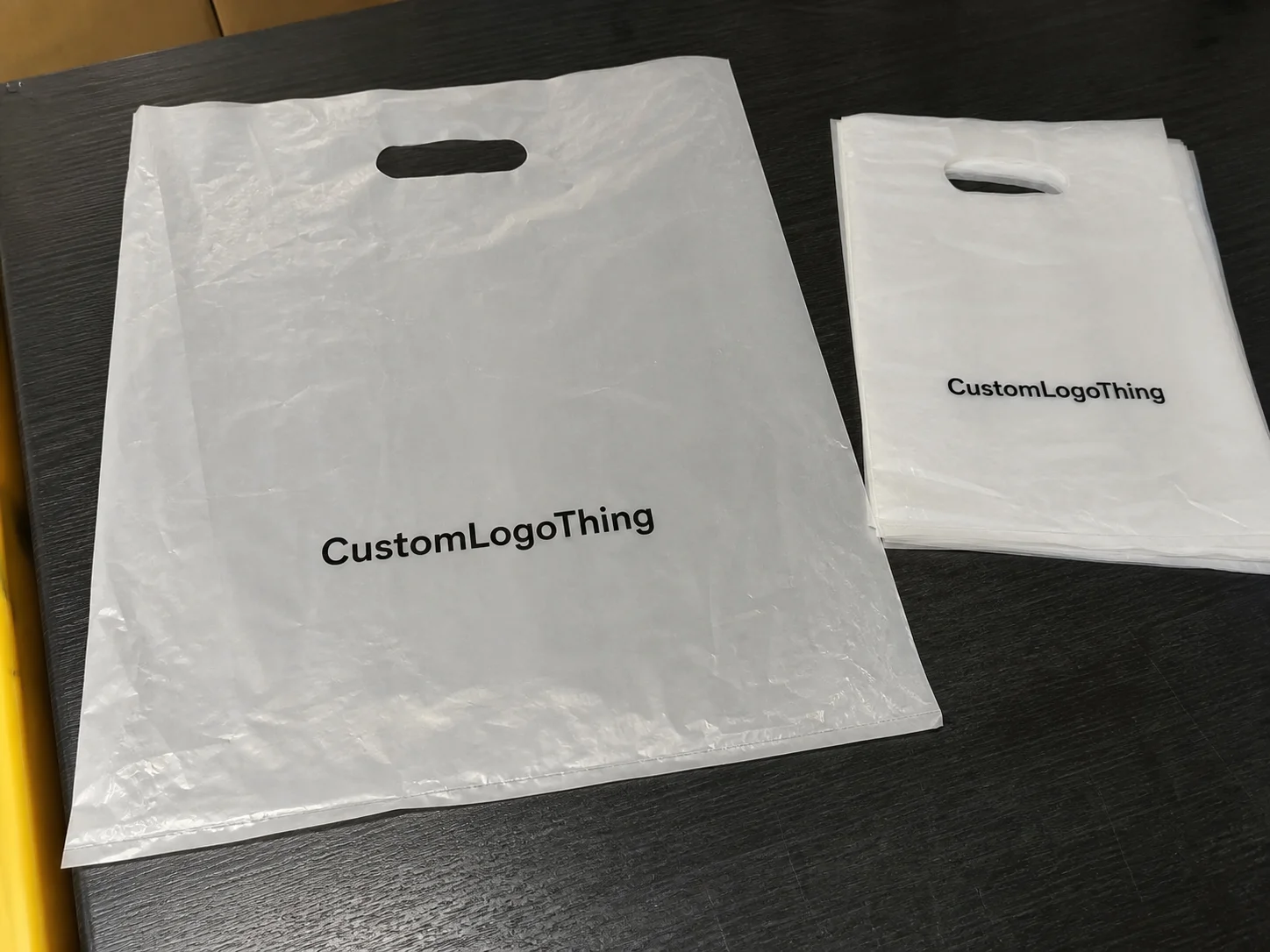
A torn garment cover does more than expose fabric to dust. It can make a suit look handled, flatten the perceived value of a bridal gown, or leave a uniform looking second-rate before anyone opens the package. That is why heavy-duty custom garment bags are often a practical packaging choice, especially when buyers need low-MOQ Custom Ordering instead of large stock commitments.
Thin commodity poly can work for short storage, but it often splits, scuffs, and creases under repeated handling. Heavier film resists snagging, keeps its shape better, and holds up more reliably in stockrooms, on racks, and in transit.
Low MOQ matters because apparel packaging demand is rarely stable. Seasonal launches, bridal programs, test drops, and multi-location rollouts may need branded covers without tying up cash in excess inventory. A smaller run also helps when product lines change, artwork gets updated, or size mixes shift between coats, gowns, suits, and uniforms.
There is a simple cost logic behind it. Better protection can reduce damage claims. Better presentation can support perceived value. Packaging does not create garment quality, but the wrong bag can undermine it quickly.
What low MOQ custom order actually means
For this category, low MOQ usually means custom garment covers made with stronger film, buyer-specific dimensions, and optional print, offered in quantities small enough for test runs, seasonal programs, or controlled replenishment. These orders are common for bridal shops, uniform suppliers, menswear brands, outerwear labels, and e-commerce sellers that need more than a basic dust cover.
The main advantage is flexibility. Buyers can match size, thickness, closure, and branding to the garment category instead of forcing one generic bag across every SKU. That matters when one program includes long dresses, another carries jackets, and a third ships folded uniforms in cartons.
Low MOQ also limits packaging risk. If branding changes, a line gets dropped, or a launch underperforms, there is less obsolete stock sitting in storage. That can outweigh a slightly higher unit price.
Materials, thickness, and closure options
Not every clear garment cover is truly heavy duty. The main variables are resin, thickness, and construction. Common materials include LDPE, EVA, PEVA, and recyclable poly structures. LDPE is the standard workhorse because it is flexible, widely available, and cost-conscious. EVA and PEVA often feel softer and more premium, but the cost can rise quickly. Recyclable poly options are more common now for buyers with lower-impact packaging goals.
Thickness matters as much as material choice. Light dust covers often sit around 30 to 40 microns. Heavy-Duty Garment Bags usually move into the 60 to 100 micron range, depending on size, garment weight, and shipment conditions. Long coats, bridalwear, and export programs usually need more wall strength than short shirt covers or light retail storage bags.
Construction details that change real-world performance
Side seals, bottom gussets, hanger openings, zippers, adhesive strips, and vent holes all affect performance. Reinforced seals help the bag survive repeated handling. Gussets make room for sleeves, hems, and bulkier silhouettes. Hanger openings need the right width and position to work cleanly on a rack. Zipper and adhesive closures add value when the garment needs tighter dust protection or direct-to-consumer shipping support.
Surface finish matters too. Clear film allows immediate garment inspection. Frosted or matte film hides fingerprints and often looks more premium. Glossy film can look bright, but scuffs tend to show faster. Tinted film may help with privacy or brand presentation, but it can also affect visibility at receiving.
“The best garment bag is the one that survives the customer journey, not the sample table.”
For bridalwear, uniforms, suits, and outerwear, dust resistance and moisture resistance are functional requirements, not decorative extras. The right bag should protect appearance through storage, rehanging, inspection, and transport.
Packaging performance is often judged against handling and transport expectations similar to broader protective packaging standards, including ISTA guidance. The exact test path depends on the shipment profile, but the principle is simple: the bag has to perform in real handling, not just look good in a proof.
Sizes, printing, and specs to confirm
Dimensions drive fit, freight, and presentation. Buyers should confirm width, length, gusset depth, hanger opening position, and fold orientation before approving production. A bag that is too short can leave a gown exposed. One that is too wide can add shipping bulk without improving protection.
Garment category changes the geometry. Dresses and coats usually need longer coverage, often in the 54 to 72 inch range depending on style. Shirts, uniforms, and short jackets may fit more compact formats, which can reduce carton volume and freight cost.
Print choice affects both lead time and quote structure. Flexographic printing is common for repeat designs and moderate artwork complexity. Gravure supports higher image quality but usually involves more setup. Screen printing can work for limited print zones or specialty effects. More colors usually mean more proofing, more setup time, and higher cost.
What to confirm before final approval
- Load tolerance for the intended garment weight
- Seal strength at side and bottom seams
- Film clarity or frost level
- Scratch resistance for retail handling
- Recycled content availability, if required
- Carton packing method and fold style
- Artwork placement for logos, QR codes, or care copy
Ask for dielines early and check logo placement on the actual bag size, not just on a flat mockup. If the bag will carry barcodes, size markers, or care instructions, make sure those elements are readable and scannable in use.
Use case should drive the spec. A light cover for in-store hanging is not the same as a shipping bag for e-commerce fulfillment. If the bag must survive repeated warehouse handling, upgrade the structure. If it only protects garments during short retail storage, the thickest film may be unnecessary.
Pricing, MOQ, and unit cost drivers
The quote usually moves on a short list of variables: material, thickness, dimensions, print colors, closure style, reinforcement features, and packing method. In low-MOQ custom orders, unit price typically rises as the run gets smaller because fixed setup costs are spread across fewer pieces.
Those setup costs include printing plates, color matching, machine changeovers, and line adjustments. Low MOQ does not guarantee a low piece price. It mainly reduces inventory risk and cash tied up in packaging stock.
| Order type | Typical MOQ | Typical unit cost drivers | Best fit |
|---|---|---|---|
| Plain standard cover | Low | Material and size only | Basic storage, internal use |
| Printed custom cover | Moderate to low | Plates, colors, proofing | Branded retail and e-commerce |
| Heavy-duty zipper or adhesive bag | Moderate | Closure, thickness, sealing | Premium garments, long storage |
| Recycled-content custom bag | Often higher | Material sourcing and certification | Brands with sustainability targets |
A practical quote checklist includes target quantity, exact dimensions, thickness, print area, artwork files, shipping destination, and delivery window. If those details are missing, suppliers are estimating instead of quoting.
Total landed cost matters more than ex-works piece price. Garment bags can look inexpensive per unit and still become costly in freight if cartons are oversized or packed inefficiently. That is especially relevant when comparing them with denser formats like other Custom Packaging Products.
Cash flow matters too. A lower MOQ can improve working capital even when the unit price is slightly higher, which is often the better trade-off for smaller brands or short seasonal runs.
Production steps and lead times
The production path is usually straightforward: inquiry, spec review, quotation, artwork check, sampling if needed, deposit, mass production, inspection, packing, and shipment. Most delays happen before production starts, not after.
Common slowdowns include missing dimensions, unclear artwork layers, absent Pantone references, and changes after proof approval. If the logo is not supplied as a clean vector file, prepress takes longer. If the background is frosted, low-contrast artwork can disappear.
Sample choice should match the project risk. A digital mockup works for copy and layout review. A plain-size sample checks fit. A pre-production printed sample is worth the extra time when the artwork is sensitive or the closure design is more complex.
Lead time depends on material availability, print complexity, order size, factory scheduling, and shipping mode. Simple runs may move in about 12 to 18 business days after proof approval, while more involved printed programs can take longer. Freight time sits on top of that, so buyers should plan from the in-hands date backward.
If garment bags are sourced alongside paper carriers or boxes, material and certification claims should stay consistent across the packaging program. The FSC website is a useful reference when paper components are involved.
Common ordering mistakes
The most expensive mistakes are usually small ones repeated at scale. Buyers choose film that is too thin for handling conditions, underestimate bag length for coats or gowns, or approve vent hole placement that weakens the structure. The result shows up later as tears, complaints, and avoidable reorders.
Over-specifying can also waste budget. Extra thickness, oversized dimensions, and premium finishes add cost without always improving performance. The right bag should fit the garment, survive the workflow, and support the presentation level required.
Print and warehousing mistakes that quietly add cost
Low-resolution logos, poor contrast on frosted film, unreadable warning text, and crowded artwork can make branded packaging look weaker than the garment inside. Warehousing creates another set of problems: awkward carton counts slow receiving, poor fold patterns waste floor time, and unclear bag identification creates sorting delays in multi-SKU operations.
- Confirm garment dimensions before choosing bag size.
- Match thickness to handling frequency and transit time.
- Check artwork contrast on the actual film finish.
- Review carton counts and pallet efficiency.
- Approve one final proof before production starts.
Garment bags and printed boxes should not be compared too loosely. Boxes provide structure. Bags provide surface protection and presentation. Different jobs require different spend logic.
How to prepare a clean spec pack
An accurate quote starts with complete information. Send garment dimensions, target bag size, thickness range, quantity by SKU, artwork files, closure style, and destination zip code or port. Include garment type as well, such as gown, suit, coat, uniform, or shirt, so the supplier can recommend the right structure.
Sample decisions should happen early. Choose a sample if the closure is complex, the branding is highly visible, or the launch date allows one extra review round. For most projects, a mockup plus a size sample followed by one final proof approval is a practical path.
Narrow the order into two or three realistic options, such as a clear LDPE version, a heavier frosted version, and a zipper version. That makes it easier to compare durability, appearance, and budget side by side.
Before approval, confirm carton count, labeling requirements, and replenishment cadence. If repeat ordering is likely, keep the specification file clean and archived so the reorder process is controlled rather than rebuilt from old emails.
Teams sourcing across multiple categories may also benefit from reviewing Wholesale Programs alongside packaging options so apparel packaging, inserts, and storage covers are planned together.
What is considered a low MOQ for heavy duty garment bags custom orders?
Low MOQ varies by size, thickness, and print setup, but it usually means an order small enough for test runs, seasonal programs, or smaller apparel brands that do not want excess inventory sitting in storage. Printed orders often require a higher minimum than plain bags because plate setup and machine changeover costs still have to be covered. Buyers can often bring the threshold down by choosing standard sizes, fewer print colors, and simpler closures.
How do I choose the right thickness for heavy duty garment bags low MOQ custom order projects?
Start with garment weight, shipment method, and expected handling frequency rather than guessing by feel alone. Long dresses, coats, uniforms, and export shipments usually need thicker film than short-term retail dust covers. Ask for recommendations in microns or gauge tied to your exact bag dimensions and product load.
Can custom heavy-duty garment bags be printed with logos and still ship quickly?
Yes, if the artwork is production-ready and the specifications are fixed early. Simple one- or two-color layouts usually move faster than dense multi-color coverage or specialty finishes. Delays more often come from proof revisions, missing Pantone references, or late dimension changes than from the printing step itself.
What information should I send to get an accurate quote for heavy duty garment bags low MOQ custom order packaging?
Provide dimensions, thickness target, material preference, quantity, print colors, artwork file format, closure style, and shipping destination. Include the garment type the bag must fit, such as gown, suit, coat, or uniform, to avoid sizing mistakes. If timing matters, share the required in-hands date so production and shipping options can be matched to the schedule.
Are heavy-duty custom garment bags better than standard thin poly garment covers for retail and e-commerce?
Usually yes for garments that face repeated handling, long transit routes, or higher presentation expectations. Heavier films reduce tearing and improve protection against dust and moisture during storage and shipping. The better choice depends on product value, use case, and damage reduction goals, not on choosing the thickest bag available by default.


