hotel gift boxes cost is not just a packaging line item; it shapes the first physical impression a property gives a guest before the room key is even used. A welcome amenity, a VIP checkout gift, or an event package can feel polished or forgettable in one quick unboxing moment, and the difference is often a few dollars in packaging rather than a dramatic change in the gift itself. A rigid box with a 1200gsm greyboard base, wrapped in 157gsm art paper, can make a $12 amenity set feel like a designed experience, while a thin folding carton can make the same contents feel rushed.
From a packaging buyer's point of view, hotel gift boxes cost should be measured against guest perception, review quality, and repeat booking potential. A sturdy branded box can make a modest soap set or chocolate assortment feel intentional, while a weak carton can make a better gift look hurried. That is why hotel gift boxes cost deserves the same attention as linen quality, signage, or in-room amenities. The most useful benchmark is not only unit price, but unit price plus damage rate, rework rate, and the time staff spend fixing presentation problems.
For Custom Logo Things, the better approach is to price the box as part of the full experience, then build the spec around the contents, the destination, and the brand standard. The numbers matter, and the wrong construction can cost more than the box itself if it damages presentation or creates avoidable rework. A clean brief usually starts with contents, internal dimensions, print method, finish, target MOQ, and delivery deadline. The least expensive quote is not always the least expensive outcome, especially when the box needs to survive handling, stacking, and transit.
Hotel Gift Boxes Cost Less Than a Missed Guest Touchpoint
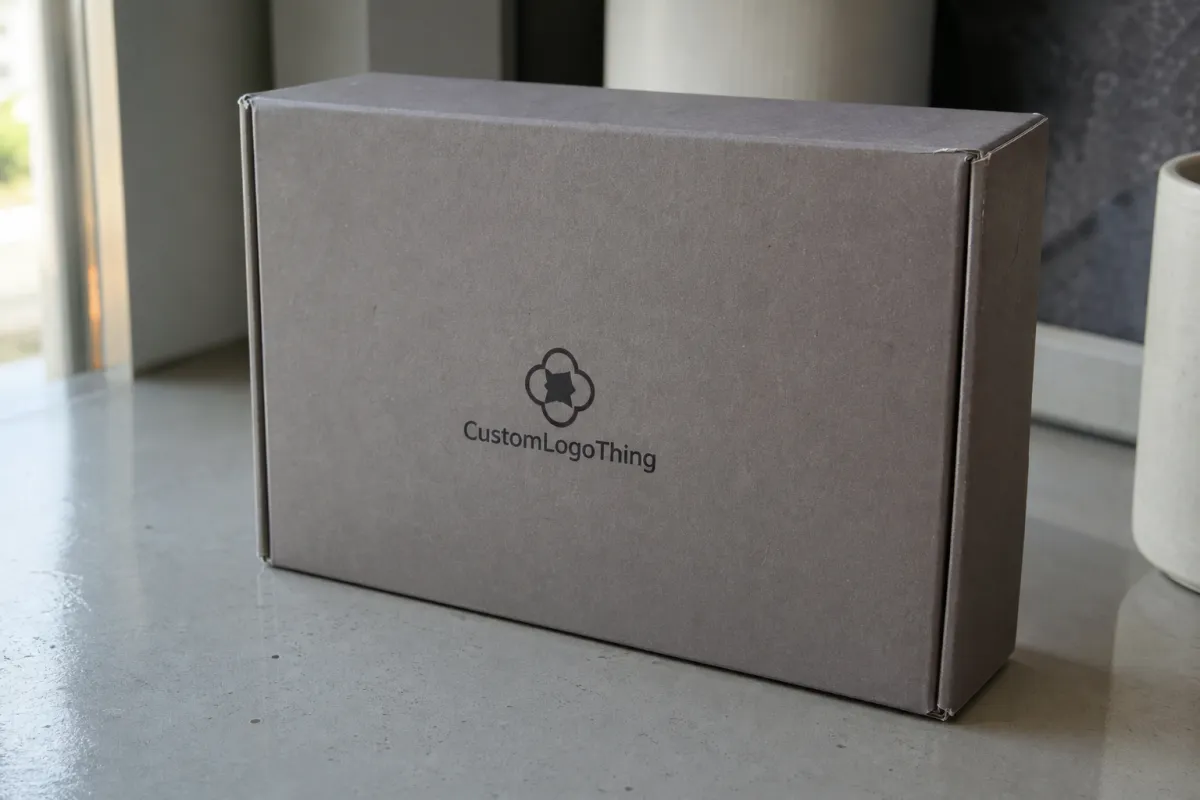
hotel gift boxes cost should be measured against the value of what happens after the guest lifts the lid. A visible, well-structured box helps a property look organized and deliberate. A thin carton with a loose insert, by contrast, can make a $12 amenity look like a leftover sample kit. That mismatch is exactly the sort of thing guests notice without ever sitting down to analyze it. The difference often comes down to a few details: board thickness, insert fit, print clarity, and how square the box remains after handling.
That gap matters because hospitality packaging is part of the stay, not a decoration added on top of it. If a welcome gift supports a wedding group, executive arrival, or loyalty member upgrade, the box is doing more than holding product. It is setting tone. In practice, hotel gift boxes cost is small compared with the revenue risk tied to weak first impressions, especially when the stay is short and the guest decides quickly whether the brand feels worth recommending. For premium programs, a box that lands in the $2.50-4.00 per unit range at 500 MOQ can be easier to justify than the cost of replacing damaged or underwhelming presentation.
"A good hotel box does not shout. It tells the guest, quietly and immediately, that the property paid attention to the details."
The contrast shows up in ordinary situations. A candle in a rigid box with a fitted insert feels curated. The same candle in a soft folding carton feels retail-basic. That is why hotel gift boxes cost should be discussed with the actual guest journey in mind: check-in, room reveal, checkout, or event handoff. Each moment asks for a different level of structure and finish. A checkout gift might only need a reinforced folding carton, while a VIP arrival set may need a shoulder box, magnetic closure, or drawer box with a precise die-cut insert.
There is also a practical side. If the box is going to carry chocolates, miniature bottles, spa items, or a folded robe accessory, it must survive handling, delivery, and staging by housekeeping or events staff. For that reason, hotel gift boxes cost should be tied to durability, not only decoration. A box that crushes easily or scuffs during handling can create a larger brand problem than a modest increase in unit cost. In production, that means checking board caliper, corner crush resistance, glue line strength, and fit around the contents before bulk release.
From a buyer's standpoint, the real question is not whether a premium box costs more. It does. The sharper question is whether the box supports the stay enough to justify the spend. Most hospitality teams already understand that a few cents on soap or tissue can change the guest experience. Packaging works the same way, only faster and more visibly. Even a small upgrade from a plain folding carton to a soft-touch rigid set can change the perceived value of the entire amenity program.
The most effective packaging briefs are simple: list the contents, the expected handling path, the target budget, and whether the box needs to be recyclable, FSC-certified, or suitable for textile inserts that may require OEKO-TEX Standard 100 or GOTS-compliant components. That single page of detail can prevent expensive revisions later.
What Goes Into Hotel Gift Boxes: Structure, Inserts, and Finish
hotel gift boxes cost varies first by structure. A folding carton is usually the leanest option and works well for light amenity kits, paper goods, or promotional inserts. Rigid setup boxes sit in a higher class; they are thicker, stronger, and better suited to gifts that need a premium presentation. Drawer boxes, shoulder boxes, and mailer-style presentation boxes each solve a different problem, and each one affects unit cost differently. For example, a 350-400gsm paperboard carton printed on a six-color offset press may be economical at 1,000 units, while a rigid box with 1200-1400gsm greyboard and wrapped art paper usually carries higher setup and handwork costs.
Inserts matter just as much. A set of die-cut paperboard compartments may be enough for soaps or sweets, while a molded pulp tray or EVA foam insert may be better for bottles, candles, or mixed contents that should not shift in transit. The tighter the fit, the better the presentation, but the more detailed the tooling and setup charges can become. Common insert options include paperboard partitions, molded pulp trays, EPE foam, EVA foam, and die-cut corrugated dividers. A molded pulp tray is often the best choice when sustainability is a priority and the item shapes are simple; EVA foam is often chosen when the product needs a more exact nest and a premium reveal.
Finish choices also shape the final impression. Soft-touch lamination gives a smoother, more tactile feel. Matte coating can keep the surface restrained and modern. Gloss makes colors pop, while foil stamping and embossing add contrast and a stronger brand signal. Spot UV is useful when a logo needs to stand out without covering the whole box in shine. None of these choices is free, and none is purely cosmetic. They influence both perceived value and production cost. A simple one-color print on a matte carton may be efficient, while foil, embossing, and soft-touch lamination together can add $0.25-0.80 per unit depending on quantity and size.
For buyers who want proof-oriented packaging decisions, this is where standards and material sourcing become useful. If a package is expected to travel, ask whether the packed sample has been considered against common transit-test logic such as ISTA protocols, which are designed to simulate handling and shipping stress. For fiber-based materials, FSC-certified board is often preferred when sustainability claims matter. When textiles, ribbon wraps, or fabric pouches are part of the set, relevant certifications can include GOTS for organic textiles, OEKO-TEX Standard 100 for tested textile safety, and GRS for recycled content claims. For factory social compliance, WRAP and BSCI reports are commonly requested. See the ISTA packaging testing resource and FSC certification information for the kind of documentation many hospitality teams now ask for.
The best structure depends on the contents and the story the hotel wants to tell. A spa property may want a calm, low-gloss box with soft-touch film. A city hotel hosting executive travelers may prefer a darker rigid box with clean edges and restrained foil. A resort gift set for families may need a structure that is easy to open, easy to restock, and strong enough for repeated handling. hotel gift boxes cost should reflect those practical decisions, not just the decoration on top. If the box is being packed on a case-making line, a simple wrap-style rigid box can be faster to assemble than a complex magnetic closure with multiple inserts.
There is a design truth buried in all of this: the box should do only as much work as the contents need. If the gift is fragile, the structure should protect it. If the gift is simple, the box should frame it without pretending to be something it is not. That balance is where experienced packaging teams save money, because they are not paying for drama they do not need. It also keeps the production spec realistic, which makes approval faster and final costs easier to predict.
Hotel Gift Boxes Cost: Pricing, MOQ, and Quote Drivers
hotel gift boxes cost is driven by the same mechanics that shape most custom packaging: size, material thickness, print coverage, insert complexity, finish level, quantity, and shipping method. Small changes in any one of those areas can shift the cost per piece more than buyers expect. A box that looks nearly identical on the outside may differ sharply in unit cost once the board spec and insert layout are finalized. A 1-color folding carton at 1,000 MOQ may land around $0.85-1.60 per unit, while a premium rigid presentation box at 500 MOQ can sit around $2.50-4.00 per unit before freight and duties.
MOQ has a direct effect on bulk pricing. The minimum order quantity spreads setup charges, tooling fees, plate charges, and press time across the run. If you order fewer units, the per-box price climbs because the fixed work is divided by a smaller base. That is why hotel gift boxes cost often looks high on a 200-piece pilot but becomes much more efficient at 1,000, 3,000, or 5,000 units. A common inflection point is 500 units, where the price may still be workable for a VIP program but not yet efficient for a property-wide amenity campaign.
Simple welcome kits usually stay at the lean end of the range, especially if they use a folding carton, limited color coverage, and no custom insert. Premium rigid sets with magnetic closures, foil stamping, and custom EVA inserts usually require more setup time and more hand assembly. A typical quote may separate printing, lamination, die cutting, insert making, and final packing. If the design uses a special board-wrap, corner wrap, or sleeve-and-tray construction, the labor line can rise faster than the material line.
For planning purposes, it helps to think in layers. Material cost covers the board, paper wrap, and insert. Process cost covers printing, die cutting, foil stamping, embossing, gluing, and assembly. Compliance cost covers any requested tests or certificates, such as OEKO-TEX Standard 100 for textile components, GRS for recycled claims, or WRAP/BSCI social compliance documentation. Logistics cost covers carton packing, master cartons, palletization, and freight. The final quote reflects all of those layers, not just the visible shell.
Lead time also affects price. A standard custom run with approved artwork and normal finishes often falls in the 18-22 business day range after proof approval, while samples typically take 5-8 business days for a digital proof or 7-14 business days for a physical pre-production sample depending on the structure. Rush orders usually cost more because they compress press scheduling, die-cutting, and hand assembly into a shorter window.
Buyers should also ask what is included in the sample fee. A good sample process may include a dieline review, a digital mockup, a white sample for size verification, and a pre-production sample with final materials and print. If the supplier cannot explain where the sample fee applies, it usually means the quote is missing detail somewhere else. Clarity up front is cheaper than redesign after production starts.
Process, Lead Time, and Approval Steps for Hotel Gift Boxes
The cleanest production process starts with a specification sheet. That sheet should include product dimensions, target quantity, insert type, print method, finish, and delivery address. Once the box size is set, the supplier can create or confirm the dieline. A good dieline prevents overhang, compression, and wasted board. For rigid boxes, the first step is usually a structure sample or white mockup, because the fit of the tray, lid, and insert matters more than the artwork at that stage.
The next step is artwork proofing. Suppliers typically provide a PDF proof or digital render for logo placement, text placement, and color reference. For multi-color offset printing, Pantone references should be confirmed before plate making. If color fidelity matters, buyers can request a hard proof or a press sample on the intended board stock. This is especially important for deep brand colors, metallic foils, or rich matte backgrounds where small shifts are easy to see under hotel lighting.
After proof approval, production moves through printing, die cutting, lamination or coating, foil stamping if required, gluing, and final assembly. High-volume folding cartons are often printed on offset equipment and then cut on a flatbed or automatic die cutter. Rigid boxes are usually made with separate board cutting, paper wrapping, and hand or semi-automatic case assembly. A Zund or Kongsberg cutting table is often used for prototypes and sample runs, while production can move to a Heidelberg Speedmaster or similar offset press, followed by a gluer and case-making line.
Inspection should not wait until the end. Good checkpoints include incoming board thickness and GSM, printed color match, foil alignment, glue application, corner squareness, insert fit, and carton count. Final inspection should confirm quantity, carton labeling, outer pack integrity, and whether the packed goods can pass a basic drop or vibration check without shifting. If the packaging is for textile items, labels and fiber content claims should be consistent with the underlying certification documents, such as GOTS or OEKO-TEX Standard 100, where applicable.
Sampling should be treated as a real stage, not a courtesy. A practical path is: 1) confirm dimensions and contents, 2) approve the dieline, 3) review a digital proof, 4) check a white or plain sample, 5) approve a pre-production sample, and 6) release bulk production. If the sample does not close properly, scratches easily, or leaves too much movement around the contents, the issue should be fixed before mass production begins. That is the simplest way to protect both timing and budget.
For most projects, the total calendar can be summarized like this: 2-4 business days for initial quoting and structure confirmation, 5-8 business days for a digital or white sample, 7-14 business days for a physical pre-production sample, and 18-22 business days for production after approval. Freight time is separate and depends on the route and mode. If a supplier promises custom rigid boxes in a few days without samples or proofs, the risk usually shows up later in fit, finish, or color variance.
Spec Checklist: Sizes, Printing, and Packaging Compatibility
hotel gift boxes cost stays under control when the spec is specific. Start with internal dimensions, not exterior dimensions, because the contents must actually fit. A bottle, candle, soap bar, or folded textile item should have enough room for insertion and removal without rubbing the finish. A practical tolerance is usually a few millimeters, but fragile products may need more space and a deeper insert cavity. If the contents include multiple pieces, list each item separately so the insert can be designed around the actual layout.
Printing should be specified in a way that a production team can act on immediately. State whether the box needs CMYK, Pantone spot colors, or a mix of both. If a logo must match a brand standard, call out the Pantone number and acceptable finish. Matte lamination, soft-touch film, gloss varnish, aqueous coating, foil stamping, embossing, debossing, and spot UV all produce different results and different costs. A board wrapped in 157gsm C2S paper will behave differently from one wrapped in kraft paper, textured stock, or specialty coated paper, so the wrapper choice should be written down explicitly.
Compatibility with the rest of the package matters as much as the box itself. If the set includes tissue, ribbon, stickers, mailers, or pouches, those components should be tested together. A box may be perfect on its own but fail when a satin ribbon adds bulk or a molded pulp tray raises the lid height. That is also where certification requests come in. If soft goods are included, ask for GOTS or OEKO-TEX Standard 100 documentation where relevant. If recycled content is important, ask for GRS support. If social compliance is a purchasing requirement, ask for WRAP or BSCI documentation before approval.
Transport performance should be part of the checklist. If the box is meant for hospitality delivery, it may need to survive stacking in a service cart, transfer in a tote, or courier transit between warehouse and property. Ask whether the design has been tested for compression, vibration, or basic drop resistance. Even without a formal lab report, a good supplier can run a practical pack test that shows whether the contents shift, the corners crush, or the lid pops open under ordinary handling.
When the box is expected to be reused or displayed, ask about surface durability too. Soft-touch film can show fingerprints if the surface is too dark or too matte. Gloss coatings can scuff if cartons are packed tightly. Foil can crack on sharp folds if the board is too stiff or the scoring is too shallow. These are small details, but they decide whether the box feels premium on day one and still looks good after staging and delivery.
Why Choose Us for Hotel Gift Boxes: Proof, Control, and Consistency
For hotel gift boxes, proof control matters because the guest sees every flaw immediately. The strongest packaging programs are the ones where structure, artwork, and finish are validated before bulk production starts. That means clear dielines, confirmed material thickness, color-checked proofs, and a sample that mirrors the final box as closely as possible. Consistency comes from repeatable process, not guesswork.
Good control begins with materials. Rigid boxes typically use greyboard or chipboard wrapped in printed or specialty paper. Folding cartons commonly use SBS, C1S, C2S, or kraft board depending on the visual direction. Inserts may be made from paperboard, molded pulp, EVA foam, or corrugated board. If sustainability is important, recycled board and GRS-aligned content claims can help, while textile add-ons may need GOTS or OEKO-TEX Standard 100 support. The right material is the one that fits the content, the budget, and the brand story at the same time.
Consistency also depends on machinery and process discipline. Offset printing is better for exact brand color and large quantities. Digital printing is useful for small runs, fast proofs, or versioned artwork. Die cutting defines the shape; lamination or coating protects the finish; foil stamping and embossing add premium detail; and case-making or gluing locks the structure together. Each station should have its own checkpoint so small defects do not carry forward into bulk packaging.
Inspection checkpoints should include board caliper verification, print registration, glue strength, magnet alignment if used, lid fit, insert fit, surface scratch check, and final carton count. For hospitality programs, a clean master carton label and clear packing list are also part of consistency, because the receiving team needs to stage boxes quickly without opening every shipper.
A reliable supplier should be able to explain the sample path, the approval path, and the quality path in plain language. If the answer is vague, the project will likely be vague too. The best outcomes usually come from a simple chain: approve the structure, approve the artwork, approve the sample, inspect the bulk, and ship only after the counts and finishes match the signed-off reference.
Next Steps to Order Hotel Gift Boxes With Confidence
If you are ready to quote hotel gift boxes, send a brief that includes the product list, box dimensions, target quantity, required finish, and delivery timing. The more exact the brief, the more useful the pricing. A box that looks simple on paper may need an insert, a stronger board, or a different closure once the contents are measured, so include actual item dimensions rather than approximate guesses.
It also helps to state the goal of the box. Is it for a welcome amenity, a VIP arrival, an event giveaway, or a checkout gift? Each use case has a different threshold for structure and finish. A 200-piece pilot may justify a higher per-unit cost if it is testing a new program, while a 5,000-piece rollout usually needs a lower unit cost and tighter process control.
Ask for a line-item quote that separates structure, printing, finish, insert, sample fee, and freight. That format makes it much easier to compare suppliers fairly. If one quote is low because it omits insert cost or uses a looser material spec, it will not stay low for long. A clear quote protects both budget and schedule.
Before approval, confirm three things: the contents fit without forcing, the artwork is accurate, and the final box matches the intended guest experience. That is the simplest filter for hotel gift boxes cost. If the box improves the stay and travels well, the spend is usually justified.
Frequently Asked Questions
What is the typical MOQ for hotel gift boxes? Many custom programs start around 500 units for rigid boxes and 1,000 units for folding cartons, though smaller pilot runs are sometimes possible at a higher unit price. MOQ depends on structure, print method, and insert complexity.
How much do hotel gift boxes cost? A simple folding carton may land around $0.85-1.60 per unit at 1,000 MOQ, while a premium rigid box often falls around $2.50-4.00 per unit at 500 MOQ. Add-ons such as foil, embossing, soft-touch lamination, and custom inserts can increase the price.
What is the normal lead time? Samples often take 5-14 business days depending on whether you need a digital proof, white sample, or pre-production sample. Bulk production commonly takes 18-22 business days after approval, excluding shipping.
Which certifications matter? For hospitality packaging, ask for GOTS or OEKO-TEX Standard 100 when textile components are involved, GRS for recycled claims, and WRAP or BSCI for social compliance documentation. FSC can be useful when board sourcing is part of the sustainability requirement.
What inspection points should I ask for? Check dimensions, print color, finish quality, glue strength, insert fit, magnet alignment if applicable, carton count, and outer packing condition. If the box is travel-sensitive, ask for a drop or vibration test on a packed sample.
What information should I send for a quote? Send box dimensions, contents, quantity, target material, desired finish, certification requirements, sample deadline, and delivery location. A dieline or reference photo also helps reduce revisions.

