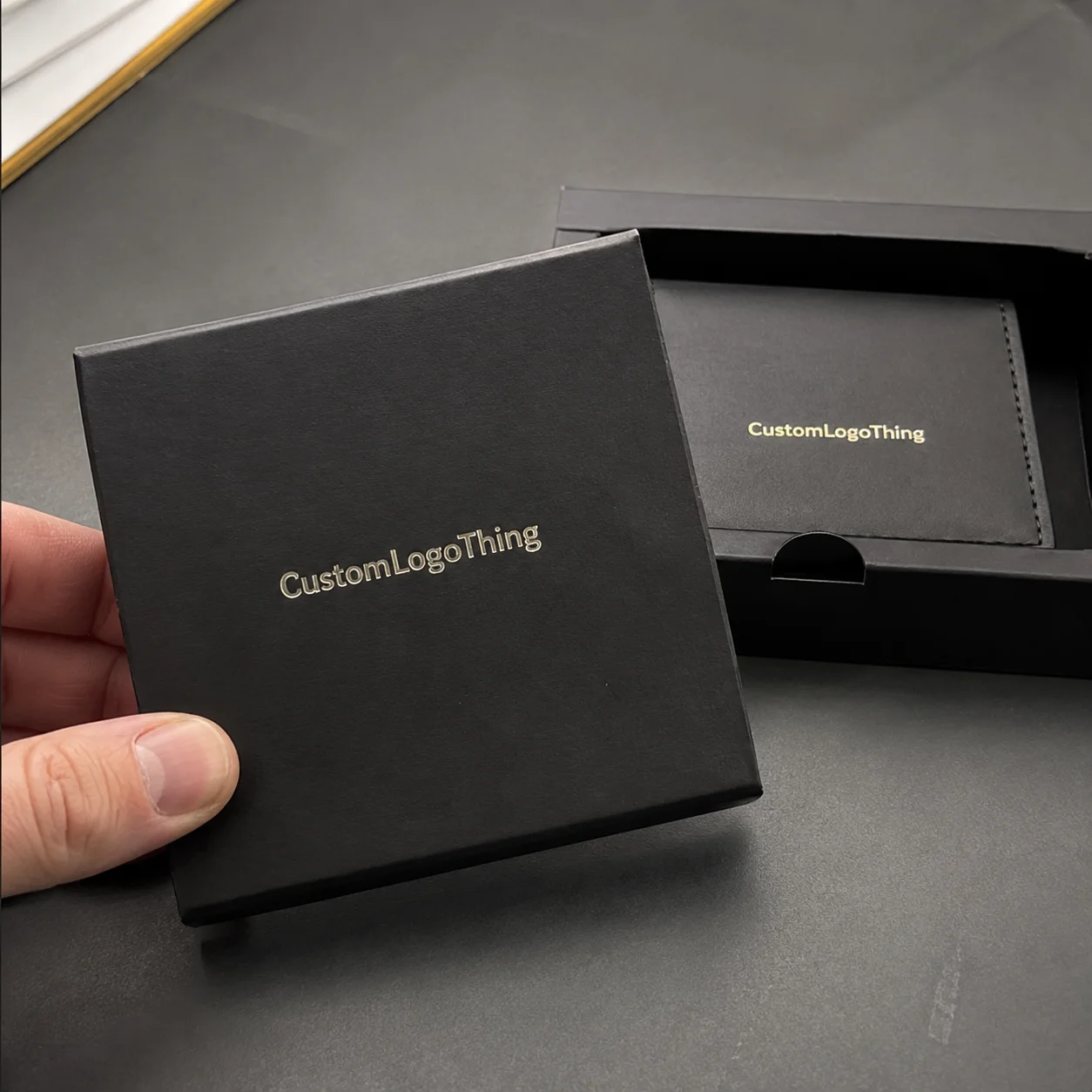
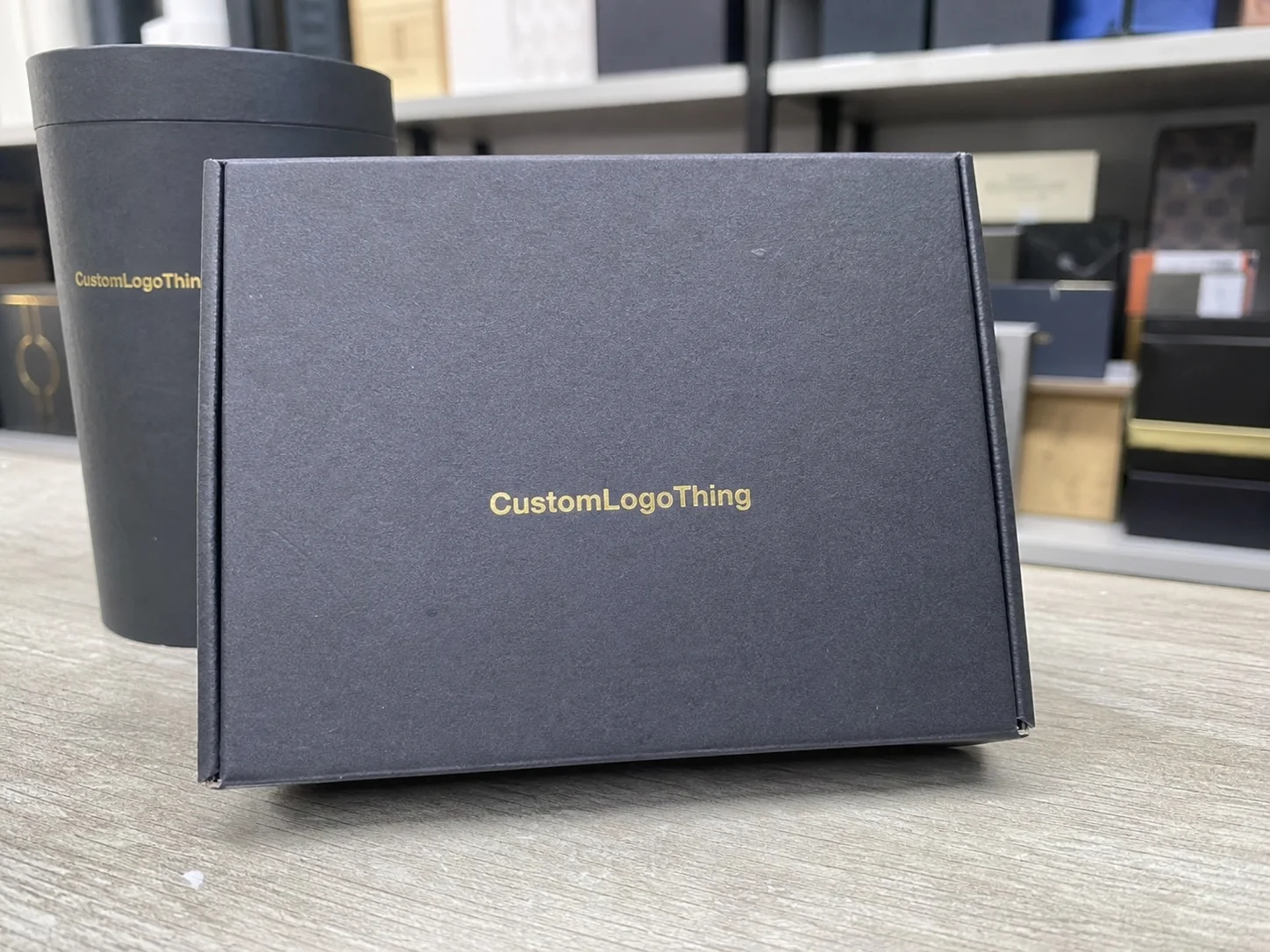
Buyer Fit Snapshot
| Best fit | Packaging for Different Product Types projects where brand print, material claims, artwork control, MOQ, and repeat-order consistency need to be specified before quoting. |
|---|---|
| Quote inputs | Share finished size, material target, print colors, finish, packing count, annual reorder estimate, ship-to region, and any compliance wording. |
| Proofing check | Approve dieline scale, logo placement, barcode or warning zones, color tolerance, closure strength, and carton packing before bulk production. |
| Main risk | Vague material claims, crowded artwork, missing packing details, or unclear freight terms can make a low unit price expensive after revisions. |
Fast answer: Packaging for Different Product Types: Material, Print, Proofing, and Reorder Risk should be specified like a repeatable production item. The safest quote records material, print method, finish, artwork proof, packing count, and reorder notes in one written spec.
Production checks before approval
Compare the actual filled-product size with the drawing, then confirm tolerance on folds, seals, hang holes, label areas, and retail display edges. Reserve space for logos, QR codes, warning copy, and material claims before decorative graphics fill the panel.
Quote comparison points
Review material grade, print process, finish, sampling route, tooling charges, carton quantity, and freight assumptions side by side. A quote is only useful when the supplier can repeat the same color, closure quality, and packing count on the next order.
Why Packaging Choice Is Never One-Size-Fits-All
I still remember a candle client in Los Angeles, California who thought the fix was “just a nicer box.” Cute idea, until we had cracked glass, melted wax residue, and customer complaints before the first 800 units even got through UPS Ground. We changed the packaging twice, then landed on a double-wall corrugated shipper with a molded pulp insert and a tight-fit folding carton made from 350gsm C1S artboard. Only then did the returns stop. That’s the real lesson behind how to choose packaging for different product types: the package has to survive the product, the route, and the customer, from the filling line to the last-mile drop point.
Packaging has four jobs, not one. It protects. It sells. It informs. It ships efficiently. If it only looks good on a render, you’ve bought decoration, not packaging. I’ve seen brands spend $1.40 per unit on a rigid setup box for a lightweight apparel item that could’ve shipped in a $0.32 mailer box made in Dongguan, Guangdong. Nice? Yes. Necessary? Not even close, especially when that same item could have fit in a 12 x 9 x 2 inch mailer with a 200gsm kraft liner and a single-color flexographic print.
The same structure can be a hero for one category and a disaster for another. A folding carton with a tuck top might work for a lip balm in a 20ml tube. Put a 12-ounce glass serum bottle in it without an insert and you’re basically funding a breakage problem. A paperboard sleeve can look elegant on a candle sleeve or soap bar, then fail completely for cosmetics that need tamper evidence and better crush resistance. How to choose packaging for different product types starts with the product’s behavior, not the logo on the lid or the foil stamp in the mockup.
Bad packaging decisions often begin the moment a team falls in love with the mockup before it understands the logistics. I’ve sat in meetings where everyone nodded at a beautiful matte black box, then nobody asked how it would hold a 1.2-pound device, pass a 3-foot drop test, or fit into a 25-pound master carton with a 32 ECT board rating. That’s how damage claims show up three weeks after launch. Then everyone acts surprised, which is adorable in the worst way, especially when the freight bill from Shenzhen to Chicago already includes a $180 pallet charge.
One cosmetics brand I worked with had a serum line with a dropper bottle, a tiny cap, and a very expensive-looking unboxing concept. Their first packaging choice was a thin folding carton with no insert. The product looked premium on a table. In transit? Three out of every hundred units arrived loose or chipped. We moved them to a 24pt SBS carton with a PET insert, added a tamper-evident seal, and tightened the neck support by 1.5mm on the dieline. Return rates fell by 78% in one replenishment cycle. That’s the kind of math that matters, especially when the SKU sells at $28 and each replacement wipes out the margin on the original order.
How to choose packaging for different product types also affects conversion. Customers read packaging in seconds. If the box feels flimsy, greasy, overstuffed, or hard to open, the brand feels cheap or careless. If the packaging is oversized, freight rises and shelf appeal drops. Bad packaging choices usually show up later as damage claims, low conversion, slow pack-out, or a warehouse in Nashville, Tennessee that needs two extra pickers just to assemble the thing during a holiday surge.
How Packaging Works by Product Type
The fastest way to think about how to choose packaging for different product types is to group products by risk. Fragile items need shock control. Perishables need barrier protection. Liquids need leak resistance. High-value products need security and presentation. Soft goods need size efficiency. Bulky items need strength without excess weight. That sounds simple, but each category pushes the structure in a different direction, and the material spec changes with it, from 18pt paperboard to 44 ECT corrugated and 0.06mm PE film.
For fragile products, I usually start with corrugated board, rigid boxes, or folding cartons with inserts. For perishable goods, flexible films, laminated pouches, and barrier-lined cartons show up a lot. Liquids often need secondary packaging with trays or fitted inserts because one cap failure can turn the whole carton into soup. For electronics, the right answer might be a corrugated shipper with a die-cut insert, anti-static material, and enough crush strength to survive stacking in a distribution center in Columbus, Ohio. For apparel, a mailer box or poly mailer may be enough if the brand doesn’t need a premium unboxing moment.
Here’s the mistake that keeps showing up: people treat all product packaging like it’s the same problem with different artwork. It isn’t. How to choose packaging for different product types means understanding what the product does under pressure, heat, humidity, and movement. A protein powder tub can tolerate a little rough handling. A glass diffuser bottle can’t. A sweatshirt can be compressed. A skincare ampoule can’t be rattled around in a loose box and expected to survive a shipment from Phoenix, Arizona in July when the trailer temperature hits 110°F.
Branding also changes the answer. DTC brands often care about the unboxing experience, printed interiors, and insert cards. Retail packaging has to hang, stack, face forward, and comply with shelf dimensions. Wholesale shipments care more about cube efficiency, pallet pattern, and compression strength. Same product. Different job. That’s why how to choose packaging for different product types cannot be based on one sample from one supplier or one quote from a factory in Yiwu, Zhejiang.
I once toured a Shenzhen line making custom printed boxes for a tea brand. Beautiful stuff. Foil stamp, soft-touch lamination, magnetic closure, and a 157gsm art paper wrap over 1200gsm greyboard. Then the client asked why the same structure couldn’t work for their ceramic mug line. Easy answer: because the tea weighs 120 grams and the mug can chip if you look at it wrong. We reworked the mug packaging to a corrugated mailer with a molded pulp cradle and kept the premium feel with a printed sleeve. The product changed. The packaging changed. Very normal. Very necessary.
Quick comparison: a skincare serum might need a tight paperboard carton with a molded insert, while a sweatshirt can ship in a poly mailer or mailer box, and a protein powder jar may need a corrugated shipper or retail carton with a shelf-ready panel. How to choose packaging for different product types becomes a lot easier when you stop asking “what looks best?” and start asking “what does this product need to survive?”
Key Factors That Decide the Right Packaging
There are six variables I look at before I recommend anything. Protection. Brand positioning. Distribution channel. Material selection. Sustainability goals. Regulatory needs. Miss one of those and you end up revisiting the project later, usually when the budget is already annoyed and the factory in Huizhou has already queued your job behind a cosmetic display run.
Protection comes first. If the product breaks, leaks, crushes, or absorbs moisture, everything else becomes a cleanup job. In packaging terms, that means checking drop resistance, crush resistance, moisture resistance, and barrier properties. For food, that may involve oxygen and grease barriers. For cosmetics, it may mean glass protection plus sealing. For electronics, static control and impact resistance matter more than glossy finishes. If you want to understand how to choose packaging for different product types, start with failure modes, not design trends. A 250ml bottle with a 28/410 pump has very different needs from a 50g balm tin, and the spec sheet should say that plainly.
Brand positioning comes next. A premium candle brand usually wants rigid presentation boxes, textured paper, or foil accents. A minimalist supplement brand may prefer clean white folding cartons with one Pantone color and no nonsense. A playful kids’ brand might use bold custom printed boxes with matte and gloss contrast. Branded packaging should match the customer promise, not fight it. If your product is positioned as eco-conscious but the packaging uses heavy plastic lamination and excess fillers, customers notice. They do. Especially if the package includes a full-coverage PE coating that makes the box harder to recycle in municipal programs across Portland, Oregon or Minneapolis, Minnesota.
Distribution channel changes the structure. E-commerce orders are handled by warehouse teams, conveyor systems, and carriers who do not care how pretty your unboxing concept is. Retail packaging needs shelf visibility, barcode placement, and perhaps hang tabs or peg holes. Subscription boxes need repeatable size logic because every extra cubic inch costs money. Wholesale shipping often favors corrugated board, stronger edge crush ratings, and simpler print. How to choose packaging for different product types is really how to choose packaging for different product types by channel, too, because a box moving through a 3PL in Atlanta, Georgia faces a different set of stresses than a carton sitting under fluorescent lights at a Sephora-style shelf.
Material selection matters because materials behave differently. Paperboard is great for folding cartons and many retail formats. Corrugated board handles shipping abuse better. Rigid board looks premium and carries higher perceived value. Flexible films and pouches reduce weight and work well for snacks, powders, and refill products. Specialty coatings can improve moisture resistance or scuff resistance. I’ve negotiated with suppliers over 0.08mm film changes that saved a client $0.11 per unit and cut corner tear-outs by more than half. Small spec change. Big operational difference. The same logic applies when moving from 300gsm C1S to 350gsm C1S artboard, where the extra stiffness can improve shelf feel without jumping all the way to a rigid setup.
Sustainability is not a sticker you slap on after the fact. Recyclability, recycled content, and material reduction all matter, but they have to work with performance. A fully recyclable paper structure is nice if the product survives inside it. If not, you’ve created waste twice. I prefer honest tradeoffs. A box that uses 18% less fiber and still passes ISTA 3A testing is a win. A box that “feels green” but causes 4% more returns is just expensive theater, and the landfill in the end does not care about the marketing copy.
Regulatory needs are the last gate, and they’re not optional. Food packaging may need compliance around indirect food contact, grease resistance, or barrier integrity. Cosmetics and supplements need clear labeling space, tamper evidence, and in some markets, dosage or ingredient requirements. Anything you put on a shelf should have room for legal copy, barcode space, batch codes, and any required warnings. If you’re working through these issues, the Custom Packaging Products page can help you compare formats before you spec something impossible, like a 2.5-ounce jar with a legal panel that only leaves 18mm of print height.
For standards and testing, I point clients to groups like the International Safe Transit Association for transit testing and the EPA recycling guidance when sustainability claims come up. You do not want to wing those decisions. Winging is for dinner plans, not packaging compliance, especially if you are shipping into markets where extended producer responsibility fees already apply to paper and plastic formats.
How to Choose Packaging for Different Product Types: Step-by-Step
If you want a practical path for how to choose packaging for different product types, use the same sequence I use with clients in Guangdong, New Jersey, and California. It keeps the conversation from drifting into “let’s make it prettier” before the structure is even right, and it usually shortens the sampling cycle by at least one round.
Step 1: Classify the product by risk profile and use case
Start with the obvious questions. Is the product fragile, liquid, perishable, soft, bulky, or high-value? How is it used by the customer? Is it opened once and kept, or shipped repeatedly? A candle and a hoodie do not need the same logic. A glass bottle and a powder pouch definitely do not. This first step anchors how to choose packaging for different product types in reality, not in a mood board from a Friday afternoon design review.
Step 2: Measure dimensions, weight, and fragility
Get exact measurements, not “about the size of a hand.” I need length, width, height, weight, and any weird geometry like tapered necks, handles, or sharp corners. I also ask where the product is most vulnerable. For one client’s hair oil bottle, the weak point was the cap seal, not the bottle. For another, it was the shoulder of a jar. The wrong measurement creates the wrong dieline. Then everyone blames the packaging vendor for being psychic, which is unfair unless the supplier also does clairvoyance in Suzhou.
Step 3: Match the format to the channel
E-commerce usually needs mailer boxes, corrugated shippers, or reinforced folding cartons. Retail may call for shelf-ready packaging, hang tabs, or display cartons. Wholesale can benefit from simpler structures that pack flat and stack efficiently. A DTC skincare line may want custom printed boxes with a premium feel. A warehouse snack brand may need pouches with high seal integrity. If you’re learning how to choose packaging for different product types, channel fit saves more money than fancy print ever will, especially when the cartoning line charges $65 per hour for manual assembly.
Step 4: Decide on inserts, seals, and closures
This is where many teams get lazy. Inserts keep products from shifting. Seals show tampering. Closures determine how many times the box can be opened without tearing apart. For glass and electronics, inserts are often non-negotiable. For food and supplements, tamper evidence can be a legal or retailer requirement. For apparel, a simple closure may be enough unless presentation is part of the brand promise. I’ve seen a $0.14 PET insert solve a $7.80 damage claim and a $0.03 adhesive seal prevent a retailer rejection in Dallas, Texas. That’s a very good trade.
Step 5: Test prototypes with real shipping conditions
Desk approval means nothing. I want an actual sample shipped in the same carton pattern, with the same fillers, through the same route, under the same stacking conditions. If you can, run basic ISTA-style transit testing or at least staged drop, vibration, and compression checks. One client insisted a sample passed because it looked perfect after a table drop. Then we sent it through a regional carrier route and the corner crushed on the second stop. Real conditions are not polite, and a 48-hour vibration test on a lab table tells you far more than a pretty unboxing video.
Step 6: Finalize artwork after structure is validated
Print should come after structure. Every time. Otherwise you lock artwork around a box size that turns out to be wrong. Finalize the dieline, confirm bleed and safe zones, verify barcode placement, then review the print spec. If the piece is going to be soft-touch laminated, foil stamped, or UV coated, confirm how those finishes affect scuff resistance and recyclability. That order keeps how to choose packaging for different product types tied to production reality instead of creative fantasy, and it prevents the dreaded reprint that burns both time and cash.
“The sample looked gorgeous. The first shipment looked like a crime scene.” That was a client’s line after they used a rigid box with no insert for ceramic skincare jars. Funny once. Expensive forever.
For brands building a whole product line, I usually recommend standardizing base dimensions where possible. Keep the outer structure consistent, then customize inserts, print, and closures by product type. That gives you easier sourcing, better case pack consistency, and fewer surprises in the warehouse. If you need an assortment of options, Custom Packaging Products is a sensible place to compare formats side by side before you commit to tooling or print plates, especially if you are deciding between a 24pt folding carton and a 44 ECT corrugated mailer.
Packaging Cost and Pricing: What Actually Drives Budget
Let’s talk money, because somebody has to. Packaging pricing looks mysterious until you break it down. The main drivers are material grade, box style, print complexity, insert type, and order quantity. If you need special finishing, multiple SKUs, or odd dimensions, costs rise fast. If you can standardize, they drop. It’s not magic. It’s factory math, and it works the same way in Dongguan, Xiamen, and Qingdao.
For simple folding cartons, I’ve seen pricing around $0.15 per unit for 5,000 pieces up to $0.42 per unit at 5,000 pieces depending on size, paperboard thickness, and print coverage. A Custom Rigid Box can run $1.10 to $3.50 per unit at similar quantities, especially if it includes magnets, ribbons, or foil. Corrugated mailers usually sit somewhere in the middle, often $0.38 to $1.20 per unit based on board grade and printing. That’s a broad range, yes, because how to choose packaging for different product types depends on what the box has to do, whether the run is 2,000 pieces or 20,000, and whether the factory uses litho-lam or direct print.
Volume changes the picture. The first run is always the most painful. A 1,000-unit order can feel unfairly expensive because setup costs get spread across fewer units. At 10,000 units, the per-unit cost often drops enough to make premium finishes viable. I once moved a client from 2,000 to 8,000 units on a mailer box, and the per-unit price fell by 31%. Same box. Same print. Different math. In practical terms, the unit price moved from $0.61 to $0.42 once the maker in Zhejiang amortized the die-cut and plate charges across the larger run.
| Packaging Option | Typical Use | Approx. Unit Cost at 5,000 Units | Main Advantage | Main Tradeoff |
|---|---|---|---|---|
| Folding carton | Cosmetics, supplements, light retail items | $0.18–$0.42 | Low material cost, strong retail presence | Limited protection without inserts |
| Corrugated mailer box | DTC, apparel, gifts, lightweight electronics | $0.38–$1.20 | Good shipping strength and branding space | More material than paperboard |
| Rigid box | Premium beauty, gifts, high-value products | $1.10–$3.50 | Premium feel, strong presentation | Higher cost and more storage space |
| Flexible pouch | Snacks, powders, refills, lightweight goods | $0.09–$0.65 | Lightweight and space-efficient | Less structural protection |
Hidden costs matter too. Freight can erase savings if the box is oversized. Warehousing costs rise if the packaging ships flat but needs time-consuming assembly. Damage replacement is the silent killer, because a cheap box can become the most expensive line item once you factor returns. I’ve watched a brand save $0.07 on packaging and lose $1.86 per order in replacement and support labor. That’s not saving. That’s bad bookkeeping with extra steps, and the 3PL in Indianapolis will bill every minute of extra pack-out time.
Spend more on structure when the product is fragile, expensive, or hard to replace. Save on decorative finishes when the customer won’t notice them or when they add cost without improving perceived value. For example, a matte laminate can make sense on a premium skincare box, but a three-color print with a clean finish might be enough for a practical household product. How to choose packaging for different product types is partly about choosing where “good enough” is actually good enough, especially when the target retail price is under $19.99.
Timeline and Production Process for Custom Packaging
The production process is usually predictable if people stop changing things halfway through. It starts with the brief, moves to structure selection, dieline creation, sampling, revisions, production, QC, and shipping. Simple projects can move quickly. Fully custom packaging with specialty finishing takes longer, especially if tooling, inserts, or unusual materials are involved. A straightforward folding carton from proof approval to shipment typically takes 12 to 15 business days in a well-run facility near Shenzhen, while more complex rigid boxes can take 18 to 25 business days.
Prototype turnaround is often 5 to 12 business days depending on complexity. Mass production might take 12 to 25 business days after approval, with freight added on top. If a client asks for hot foil, embossing, custom inserts, and a new structural format all at once, I warn them not to promise their launch date based on wishful thinking. That is how people end up paying for air freight at the worst possible time, such as a $3.40 per kilogram rate from Guangzhou to Los Angeles when ocean freight would have been a fraction of that.
Where do delays happen? Artwork approval. Material sourcing. Sample revisions. One time I sat with a client who took 11 days to approve a barcode placement. Eleven days. For a 60-second decision. Then they were shocked the ship date moved. Packaging is not slow. Indecision is slow, and every day of delay can push a factory slot in Vietnam or China back behind another customer’s carton run.
One factory visit sticks with me. Our Shenzhen facility had a full line ready for a beauty client, but the outer carton stock was held up because the customer changed from 350gsm C1S to 400gsm artboard after the sample stage. That sounds small. It is not. The change altered cutting pressure, folding performance, and print feel. The production team had to rework the settings and run extra QC. Two days gone. All because someone liked a slightly thicker board after the fact. How to choose packaging for different product types works best when the spec is locked before production starts, ideally before the PO is sent and the paper is slit in the mill.
Planning early also protects your margins. If packaging arrives late, emergency air freight can turn a reasonable project into an expensive one. A client once paid $4,700 to rush 1,800 cartons because the product launch was already booked. They could have avoided that with a three-week buffer and a sample approval deadline. Good planning is cheaper than heroics, and a calm timeline usually beats a rushed one by at least one production cycle.
If you want packaging to launch with your product release, build the timeline backward from your inventory date. Add time for sampling, revisions, approvals, and transit. Then add a few extra days because something will always need one more sign-off. That’s not pessimism. That’s experience speaking, especially if your cartons need to clear customs in Long Beach, California before a retail reset on Monday.
Common Mistakes and Expert Tips for Better Packaging Decisions
Most packaging mistakes are boring, which is why people keep repeating them. The first is choosing packaging for looks only. A beautiful box that fails in transit is just an expensive apology. The second is underestimating shipping stress. Warehouses stack, carriers drop, customers open boxes with keys, and nobody is handling your product like a museum piece. The third is ignoring retail compliance, which gets awkward fast when the barcode is covered by design elements or the carton cannot stand up on shelf at a 90-degree display angle.
Another classic mistake is using oversized packaging. You pay more in freight, lose shelf appeal, and increase void fill. I’ve seen brands ship a 4-ounce product in a box that could hold a pair of boots. That’s not premium. That’s lazy dimensioning. For how to choose packaging for different product types, size should be precise, not generous, especially when dimensional weight pricing starts at 139 cubic inches for one zone and your box is carrying mostly air.
Skipping prototype testing is also expensive. People assume the first sample will magically work because it looks polished. Nope. The board might flex too much. The insert might be too tight. The lid might pop open under compression. I always ask for a minimum of one real prototype, then a second revision if the product is fragile or the channel is rough. A $60 sample order is cheaper than a 500-unit replacement run from a plant in Foshan.
Here are the expert moves I actually use:
- Ask for material swatches before approving finishes. A sample board can look very different from a phone photo.
- Request drop-test or transit-test evidence if the item is fragile or high-value. ISTA-style testing beats guesswork.
- Design for assembly speed if your fulfillment team builds boxes in-house. Saving 6 seconds per pack matters at 2,000 units.
- Standardize the outer footprint across SKUs, then customize inserts or sleeves where needed.
- Balance print and performance so the package supports both brand and logistics.
There’s also a tradeoff between eco claims and actual performance that people like to oversimplify. I’m all for reducing material and choosing recyclable options, and I’ve pushed many clients toward FSC-certified paperboard where it made sense. But if the “green” version collapses in humid storage or ruins the product, the environmental benefit disappears fast. For credible sourcing and certification resources, the FSC site is a solid reference point, especially for brands specifying recycled content at 30% or higher.
My blunt advice? Standardize where you can. Customize where it matters. A lot of brands chase package branding details in places the customer never sees and ignore the surfaces that actually carry the brand story. Focus on the lid, the primary panel, the opening experience, and the internal protection. That’s the stuff customers touch. That’s what they remember, whether the carton is printed in matte black with silver foil or in a simple one-color kraft finish.
I’ve had clients ask if they should spend extra on foil stamping or embossing. Sometimes yes. Sometimes no. If the product is a luxury gift item, those finishes can justify a higher price point. If it’s a repeat-purchase consumable, a clean structure with great color control and precise fit may do more for the brand than shiny decoration. How to choose packaging for different product types is part engineering, part psychology, and part common sense. Common sense is rarer than people admit, especially when the sample room is full of shiny options from a supplier in Ningbo.
FAQs
How to choose packaging for different product types if my product is fragile?
Start with protection first. Choose a structure that resists crush and impact, then add inserts or cushioning. Prototype and ship-test the packaging before placing a full order. Use corrugated or rigid packaging when damage costs are higher than the extra packaging spend, and ask for a board spec such as 32 ECT, 44 ECT, or 24pt SBS depending on the item’s weight and breakability.
What packaging works best for food, cosmetics, and supplements?
Use packaging with the right barrier, tamper evidence, and label space for compliance. Food often needs moisture or grease resistance; cosmetics usually need premium presentation; supplements need clear labeling and secure closures. Match the packaging to shelf life, handling, and brand expectations, and if the product ships through hot climates like Texas or Florida, confirm that the seal and laminate can handle temperature swings.
How do I balance packaging cost with brand quality?
Spend on the parts customers touch and notice first, like the outer box and unboxing moment. Save on non-visible layers when possible, such as internal structures that can be simplified without losing protection. Compare packaging cost to breakage, returns, and customer perception instead of looking only at unit price, and remember that a $0.12 insert can protect a $24 item from a full replacement.
What is the fastest way to decide on packaging for a new product?
Identify the product’s weight, fragility, and shipping method first. Choose 2 to 3 Packaging Options That fit those needs, then request samples. Test the samples with real handling and shipment conditions before finalizing artwork. A clean decision can often be made in 3 to 5 business days if the team already has exact dimensions and target quantity.
How to choose packaging for different product types when launching online?
Prioritize mailability, protection, and the unboxing experience because e-commerce packaging gets handled more aggressively. Use packaging that can survive warehouse stacking, carrier abuse, and customer returns if needed. Make sure the format is efficient to pack, seal, and ship at scale, and build the outer size around dimensional weight thresholds so you do not pay for empty space on every shipment.
If you’re still sorting through how to choose packaging for different product types, start with the product’s risk profile, then work outward to branding, budget, and timeline. That sequence saves money, time, and a lot of headaches. I’ve seen the same mistake enough times to say this plainly: the right package is the one that protects the product, supports the channel, and makes financial sense. Everything else is decoration, whether it ships from Dongguan, Shenzhen, or a converted plant in New Jersey.