Buyer Fit Snapshot
| Best fit | Shipping Boxes projects where brand print, material claims, artwork control, MOQ, and repeat-order consistency need to be specified before quoting. |
|---|---|
| Quote inputs | Share finished size, material target, print colors, finish, packing count, annual reorder estimate, ship-to region, and any compliance wording. |
| Proofing check | Approve dieline scale, logo placement, barcode or warning zones, color tolerance, closure strength, and carton packing before bulk production. |
| Main risk | Vague material claims, crowded artwork, missing packing details, or unclear freight terms can make a low unit price expensive after revisions. |
Fast answer: Shipping Boxes: Board, Finish, Dieline, and Unit Cost should be specified like a repeatable production item. The safest quote records material, print method, finish, artwork proof, packing count, and reorder notes in one written spec.
Production checks before approval
Compare the actual filled-product size with the drawing, then confirm tolerance on folds, seals, hang holes, label areas, and retail display edges. Reserve space for logos, QR codes, warning copy, and material claims before decorative graphics fill the panel.
Quote comparison points
Review material grade, print process, finish, sampling route, tooling charges, carton quantity, and freight assumptions side by side. A quote is only useful when the supplier can repeat the same color, closure quality, and packing count on the next order.
How to choose shipping boxes sounds simple until a half-inch mistake turns into a messy week of damage claims, repacking labor, and freight charges that make your accountant stare at the ceiling. I’ve watched a cosmetics brand in Shenzhen lose nearly $1,800 in one month because the carton was just a touch too loose, and the product corners kept kissing the inside walls during transit. That is the ugly little truth behind how to choose shipping boxes: the wrong spec costs more than the box ever saved. I still remember looking at that pallet and thinking, “Well, that’s a very expensive lesson in cardboard.”
If you sell physical products, this choice affects package protection, dimensional weight, and the customer’s first impression all at once. I’ve seen a $0.12 difference in board grade save a client $400 on damaged returns in a single replenishment cycle. Not glamorous. Very real. Honestly, packaging is one of those decisions people underestimate until the returns pile up and everyone suddenly cares a lot. A carton made from 32 ECT board and the right flute can protect a $28 candle set better than a prettier box made from underspecified paperboard.
Most teams start with the wrong question. They ask, “What size box do I need?” The better first question is: how to choose shipping boxes that fit the product after packing, survive the trip, and don’t get punished by parcel pricing rules. That’s the game. Not box size alone. Cube, strength, packing method, and carrier math all matter. A box that is 14 x 10 x 6 inches on the outside may bill like a much larger carton once your carrier applies dimensional weight at the 139 divisor used by many parcel networks.
Custom Logo Things works with brands that care about order fulfillment, ecommerce shipping, and the unboxing moment, so I’m going to keep this practical. No fluff. No magical thinking. Just what I’ve learned after standing on factory floors, arguing with suppliers over caliper tolerances, and fixing packaging specs that should have been right the first time. I’ve also learned that a “quick” packaging decision is rarely quick; a custom run out of Ningbo or Foshan can still take 12-15 business days from proof approval, plus 5-7 business days for ocean freight to a West Coast port if you miss the window.
How to Choose Shipping Boxes: Why the Right Box Matters
The first time I saw a bad box spec blow up a budget was in a corrugated plant outside Dongguan. A client had chosen a carton that was only 1/2 inch too big on the inside. Sounds tiny, right? That tiny gap forced the pack team to add more void fill, increased pack time by 18 seconds per unit, and bumped damage claims because the product shifted under vibration. Multiply that by 12,000 units and suddenly the “cheap” box was an expensive hobby. I remember the operations manager rubbing his forehead like he could physically squeeze the cost back out of the spreadsheet. The boxes were made from 48 x 36 inch corrugated sheets, but the finished internal space still missed the mark by enough to matter.
So what are shipping boxes, really? Plain English: they’re the transit packaging that protects your product from your warehouse to the customer’s hands. The spec includes board strength, box style, and internal size. If you’re doing Custom Shipping Boxes, those choices also include print, finish, and how efficiently the carton stacks in your order fulfillment flow. A box built with 350gsm C1S artboard on the outside and a B-flute corrugated core inside behaves very differently from a basic 200gsm paperboard mailer in a warehouse in Dallas or Rotterdam.
Three pressures sit inside every carton decision: product protection, shipping cost, and customer experience. You can nail two and still fail the third. I’ve seen premium skincare arrive in a box so flimsy it looked like it lost a fight with a stapler, and the brand paid twice: once for the box, then again for replacements. Not exactly the kind of “brand experience” anyone puts on a slide deck. In one case, the carton cost $0.24 per unit in Guangzhou, but the replacement shipments and service time pushed the real cost past $1.10 per order.
The real job is balance. You want a carton that is just large enough for safe packing, strong enough for handling conditions, and small enough to avoid useless cube. That balance is the heart of how to choose shipping boxes. If you oversize, dimensional weight punishes you. If you undersize, product movement punishes you. Pick your poison poorly, and the carrier happily bills you for the privilege. A half-inch of dead space in a 12 x 8 x 4 inch carton can matter more than a nicer print finish in terms of margin.
Too many teams treat box selection like stationery buying. It’s not. It’s a cost-control decision that touches the entire supply chain. Get how to choose shipping boxes right, and the box becomes part of the profit model instead of a line item that quietly leaks money. I’m opinionated about this because I’ve seen the “small” box decision become the very thing that derails margin targets for a quarter. A brand shipping 50,000 units a year can save or lose six figures based on carton fit, board grade, and freight class.
“We thought we were saving $0.09 per box. Then we found out the damage rate was 3.4% higher and the savings were fake.” — a client ops manager after a carton redesign review I sat through in a very warm conference room
That kind of conversation is common. Someone focuses on unit price. Someone else focuses on brand presentation. Fulfillment cares about speed. The carrier cares about dimensional weight. The product team cares about breakage. How to choose shipping boxes means reconciling all four without pretending one number solves the whole problem. And yes, this is exactly the sort of meeting where everyone speaks with grave seriousness about “the package” while a box in the corner slowly collapses. In one Toronto meeting, the team argued over a $0.04 print upgrade while ignoring a 0.25-inch overhang that caused 2,300 crushed corners in the first production run.
How Shipping Boxes Work in the Real World
Corrugated boxes are built from linerboard and fluting. Think of the liners as the outer walls and the flute as the wavy middle layer that gives the board its crush resistance. E-flute is thinner and prints nicely. B-flute offers a little more cushion. C-flute is sturdier for heavier products. Double-wall is what I recommend when a box has to survive rougher handling or heavier packed weights. A common spec is 32 ECT single-wall for light ecommerce goods, while 44 ECT double-wall often fits bulkier shipments leaving factories in Suzhou or Ho Chi Minh City.
That structure matters because the box is not just a container. It is part of the shipping materials package that absorbs impact, resists stacking pressure, and keeps the product from moving around in transit. I toured a plant in Vietnam where they ran compression tests on stacked cartons, and one board change reduced top-load failure by about 22% without changing the outside dimensions. Same footprint. Different outcome. That’s why how to choose shipping boxes is more engineering than shopping. Cardboard is boring until it ruins your week. The difference between 150 lbs and 250 lbs burst strength can decide whether a carton survives a three-stop fulfillment route or caves in on the second pallet stack.
Dimensions are another place where people get tripped up. Some suppliers quote outside dimensions. Others quote inside dimensions. If you don’t confirm, you can end up with a box that looks right on paper and is wrong by the time the board thickness eats into the interior. I’ve had buyers order a 10 x 8 x 4 box, then discover the inside space was tight enough that their insert bowed the sides. Not fun. Also not the sort of surprise that makes procurement sleep better. A 0.125-inch board thickness on each side can shrink usable space by 0.25 inch in both length and width, which is enough to break a tight pack-out.
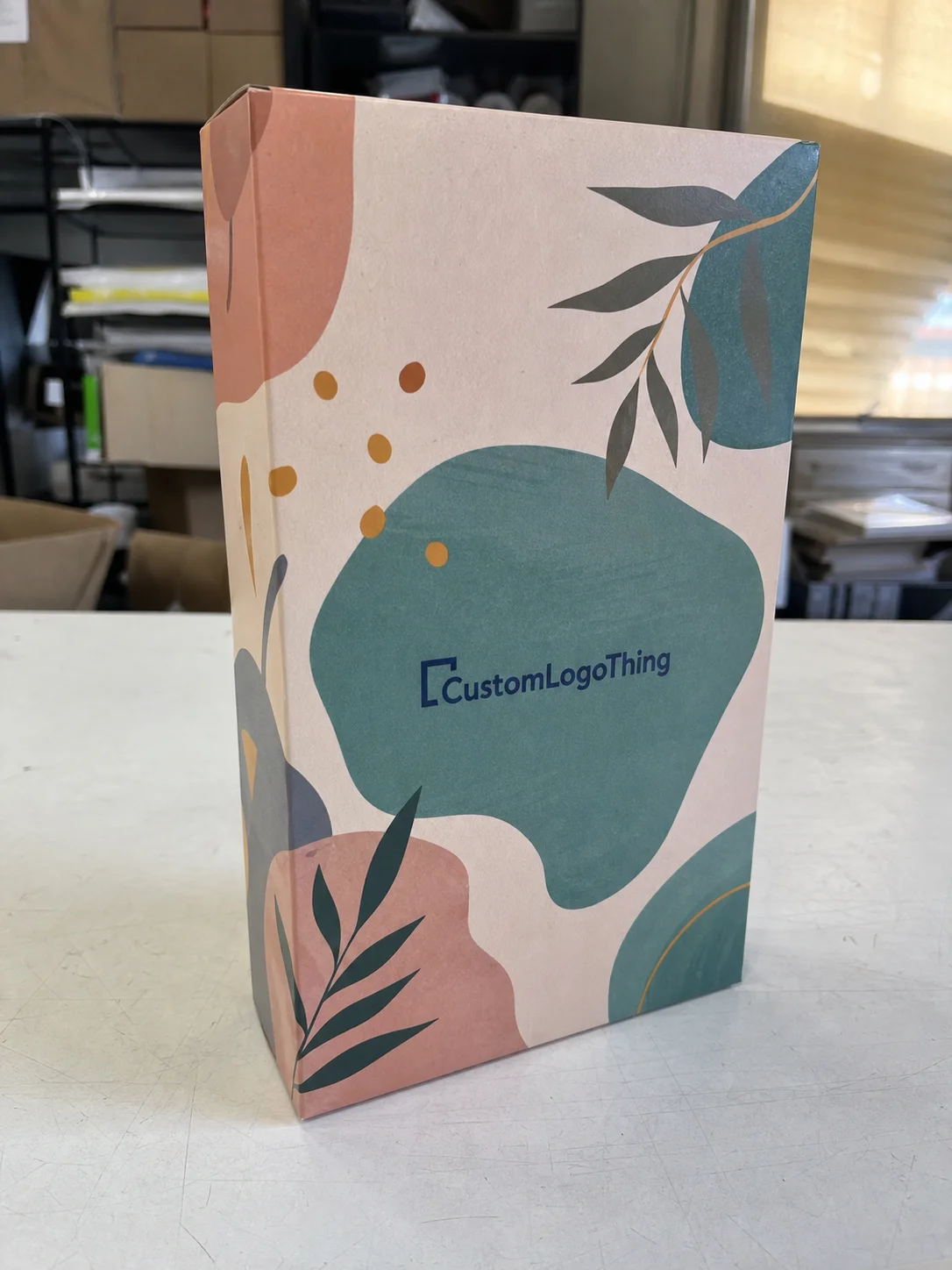
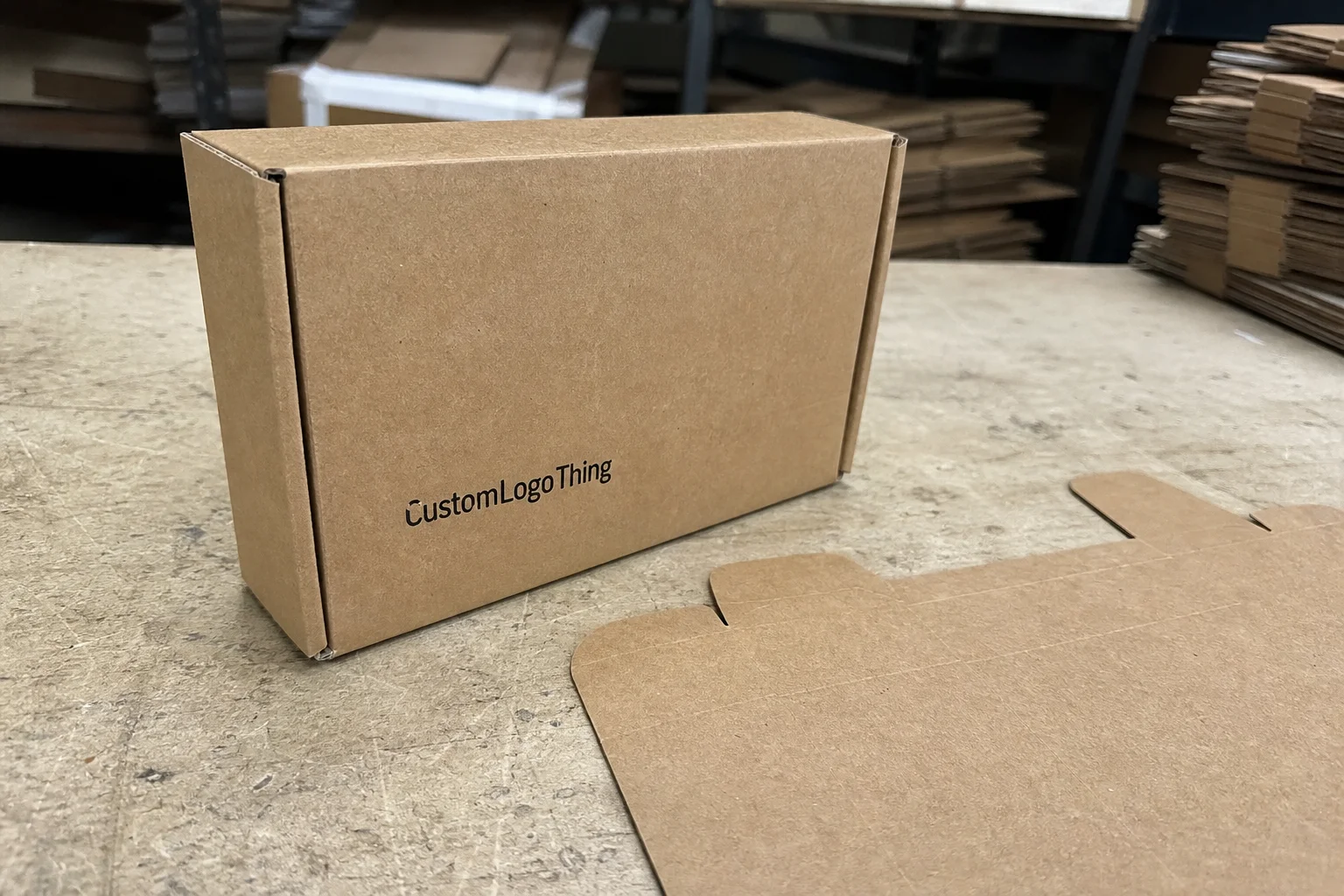
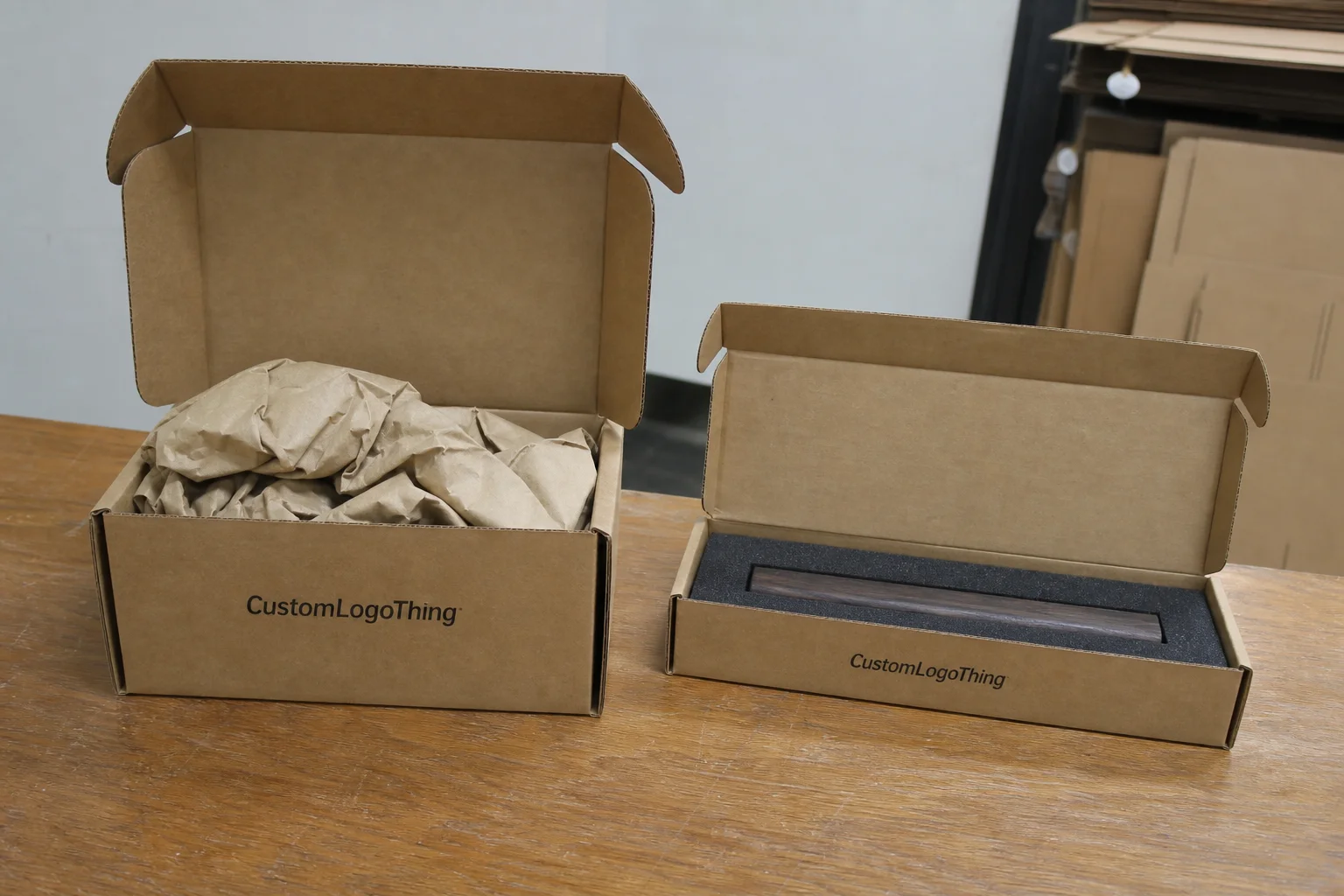
Common box styles matter too. Regular slotted cartons are the workhorse for ecommerce shipping. Mailer boxes are popular for subscription kits and retail presentation because they open cleaner and often feel more premium. Tuck-top styles are handy for lighter kits. Heavy-duty cartons are the answer when the product is bulkier or the route is rough. If you want a broader packaging system, you can also review Custom Packaging Products alongside your box spec so the whole set works together. A mailer box made in Yiwu with a matte lamination and 350gsm C1S wrap can look premium without needing a separate sleeve or belly band.
Carriers and fulfillment centers also treat boxes differently based on stackability, weight, and shape. A square-ish carton usually behaves better than a weird long rectangle that wants to tip during conveyor handling. And yes, that matters. I’ve seen one warehouse in Chicago save 9 minutes per thousand units just by standardizing carton heights. Small improvements add up in order fulfillment. That’s the unglamorous truth: the little boring changes are often the ones that actually move the needle. A 12 x 12 x 8 inch standard box can be faster to pick, tape, and label than three different sizes that each need a different filler setup.
Lead time is part of how shipping boxes work too. Stock cartons can arrive fast. Custom runs need sample approval, print setup, and production. In one launch I supported, the team approved artwork on a Thursday, caught a die-line mistake on Monday, and still made it because the supplier had pre-booked board. In another case, the brand lost two weeks because they skipped sample validation and caught the issue after the freight booking was already locked. Funny how “saving time” by skipping steps usually burns more time later. Packaging loves revenge. A supplier in Qingdao told me samples would be ready in 4 business days; production followed 12-15 business days after approval, which is normal if the paperboard is already reserved.
Key Factors in How to Choose Shipping Boxes
How to choose shipping boxes starts with the product, not the box catalog. Measure the packed product, not the naked item on your desk. If your candle ships with a foam insert, a lid protector, and a small thank-you card, those all count. I’ve watched brands forget the insert thickness and then wonder why the product didn’t fit after production. Well, the math was right. The input was wrong. I can’t tell you how many times that phrase has been muttered in a warehouse. A lip set packed in a 6.2 x 4.1 x 2.8 inch finished kit needs a different carton than the same items stacked loose in a poly bag.
Product dimensions and weight are the first filter. A 2-pound ceramic item needs a different carton than a 2-pound apparel bundle. Fragile ceramics need movement control. Apparel needs cube efficiency. That’s why how to choose shipping boxes is really about the packed version of the SKU, not the SKU itself. The product on its own is not the whole story; the product in motion is. A 14-ounce apparel set can ship in a B-flute mailer, while a 3.2-pound ceramic diffuser may need a 44 ECT single-wall box with molded pulp corners.
Fragility and cushioning come next. Sometimes a snug fit is perfect. Other times you need void fill, molded pulp, inserts, or a stronger wall structure. If you sell glass, electronics, or premium cosmetics, don’t get cute with thin board just because the print looked nice. I once stood beside a packing line where a client switched from single-wall to double-wall for a glass accessory kit. The unit cost increased by $0.17, but the damage rate dropped enough to save more than $1,200 per month. That’s the kind of tradeoff people should actually make. Cheap looking good on paper is not a strategy. In a trial run from Dongguan, the double-wall box held up after 1.2-meter drop tests while the single-wall version failed on the first corner impact.
Shipping method and distance change the answer too. Local courier delivery is not the same as national parcel shipping, and neither is the same as freight. International routes add humidity, stacking, and longer dwell times. A carton that works for a 2-day domestic route may fail after three handoffs and a week in a bonded warehouse. If you export, I’d rather see you test harder than guess harder. The ISTA testing standards are a good benchmark here; you can read more at ISTA. For a shipment moving from Shenzhen to Los Angeles, a 16-day transit cycle exposes cartons to far more handling than a local delivery in Singapore.
Cost and pricing are never just the unit price. A $0.08 cheaper box can become the expensive box if it increases dimensional weight by one billing tier. That’s how parcel math works. Better fit often beats cheaper cardboard. And if you want the eco angle, lower cube often means less material and fewer emissions per shipment. The EPA has useful context on sustainable materials at EPA paper and paperboard guidance. A right-sized carton can cut shipping volume by 8% to 15% in some product categories, which matters when you send 20,000 parcels a month.
Brand and customer experience are the last piece, and they matter more than some CFOs want to admit. If the box arrives dented, rattles in transit, or opens like a cheap lunch tray, the customer notices. If it opens cleanly, prints well, and feels intentional, you get a better unboxing moment. That is retention, not fluff. For brands selling premium kits, a well-designed carton can reduce returns because customers trust the shipment before they even touch the product. I know, I know — people still judge a product by its cardboard. Humans are wonderfully predictable that way. A clean 4-color print on a 350gsm C1S outer wrap can make a $22 kit feel closer to a $35 purchase, at least in the customer’s head.
Here’s my blunt take on how to choose shipping boxes: start with protection, then fit, then speed, then print. Reverse that order and you usually pay for it later. Sometimes in freight. Sometimes in reviews. Sometimes in a very awkward call from customer service on a Monday morning. I’ve seen a beauty brand in Austin learn this after 900 glossy boxes looked perfect and performed badly because the internal depth was 0.3 inch short.
| Box Option | Typical Use | Approx. Unit Cost | Strength | Best For |
|---|---|---|---|---|
| Stock regular slotted carton | Generic ecommerce orders | $0.38–$0.72 | Single-wall, standard | Fast replenishment, simple SKUs |
| Custom printed mailer box | Premium unboxing, subscription kits | $0.62–$1.45 | E-flute or B-flute | Brand presentation, retail-style unboxing |
| Heavy-duty double-wall carton | Glass, tools, bulkier goods | $1.20–$2.80 | High compression | Rough handling, heavier packed weight |
| Custom sized carton | Products with odd dimensions | $0.55–$1.90 | Match to spec | Lower filler use, better dimensional weight control |
How to Choose Shipping Boxes Step by Step
If you want a clean process, this is the one I use. It keeps how to choose shipping boxes from turning into a committee sport. Committees can ruin anything. Even cardboard. Especially cardboard, actually. A 5-step worksheet in a warehouse in New Jersey once cut selection time from 40 minutes to 12 minutes per SKU, which is the kind of unsexy efficiency that pays rent.
Step 1: Measure the packed product
Measure the product after you add everything it ships with: insert, wrap, accessory, instruction sheet, or bonus item. Do not measure the bare unit and call it done. I’ve seen a brand size a box for a lip set based on the tubes alone, then panic when the carton wouldn’t close with the insert and branded card inside. Their “final” size was off by 0.4 inch. The solution was not magic. It was better measuring. I always tell teams: if it ships together, it gets measured together. Use calipers, not guesses, and record the final packed dimensions in inches and millimeters.
Step 2: Set a target internal box size
You want enough clearance for safe packing, but not so much space that the item flops around. For many products, 1/8 to 3/16 inch of room per side is enough when you use the right insert or paper filler. Fragile products may need more. Heavy products may need less empty space and more board strength. This is where how to choose shipping boxes becomes a fit exercise, not a guessing game. Guessing, by the way, is how you end up making your team hate “box day.” A candle in a 5.5 x 5.5 x 4 inch mailer may need only a 0.125-inch buffer, while a glass jar in a 6 x 6 x 6 inch carton may need molded paper corners and a tighter height tolerance.
Step 3: Match board strength to the load
Single-wall works for many light ecommerce shipping orders. Double-wall makes sense when the product is heavier, stack pressure is higher, or the route is ugly. I’ve negotiated with suppliers who wanted to push a lighter board because it saved $0.06 per carton. Fine, until we tested it and the corners crushed after a basic drop. Saved pennies. Lost dollars. Classic. For example, a 32 ECT carton may be fine for a 1-pound apparel bundle, but a 44 ECT or double-wall spec can be smarter for a 6-pound beauty kit heading from Guangzhou to Berlin.
Step 4: Test the sample with real packing materials
Do not test an empty box and pretend that tells you anything useful. Use the actual tape, the actual inserts, the actual label placement, and the actual pack-out team. Shake it. Drop it. Stack it. If you can, mimic the carrier handling environment. ISTA-style testing is useful because it forces a more honest result, and honesty is very underrated in packaging. A sample from a factory in Foshan should be tested with the same kraft paper, tape width, and void fill you’ll use in production, not with showroom supplies.
I once watched a client pack a sample carton with tissue paper they would never use in production. The sample passed beautifully. Production failed. Why? Real packing materials were denser, the product shifted differently, and the carton fit changed by just enough to matter. Testing only counts if the test reflects reality. Packaging tests are not theater, even if someone in the room acts like they are. If your production tape is 48mm wide and your sample used 72mm, the test result is already suspect.
Step 5: Quote it properly
Ask for MOQ, lead time, sample charges, plate charges, freight terms, and whether the quoted price includes delivery to your warehouse or just ex-factory. I’ve seen “cheap” quotes gain $280 in freight and $75 in samples after the fact. That’s not cheap. That’s sales theater. If you’re comparing custom options, also ask whether the supplier can support other formats like Custom Poly Mailers for lighter SKUs so your packaging system stays consistent. In one quote from Xiamen, the factory offered $0.15 per unit for 5,000 pieces, but the final landed cost changed once FOB port charges and a $95 sample plate fee were added.
Step 6: Lock the spec and document it
Once the box works, write it down. Size. Board grade. Style. Print location. Tolerance. Approved sample photo. All of it. The reason is simple: the next person ordering boxes may not be the same person who tested them. If purchasing, fulfillment, and customer service don’t have the same spec sheet, you’ll get drift. Drift is expensive. Drift is also how a perfectly good carton slowly turns into a mystery problem nobody wants to own. Keep the final spec in a shared PDF and a spreadsheet so teams in Shanghai, Los Angeles, and Manchester are looking at the same numbers.
For teams that want speed, I usually recommend building a small decision matrix. Use one row per SKU, and include packed dimensions, packed weight, fragility, carrier type, and the approved box style. That way how to choose shipping boxes becomes a repeatable process instead of a fresh headache every quarter. A 10-SKU matrix can save hours when you reorder from a factory in Ningbo or a converter in Ho Chi Minh City.
Cost and Pricing: What Shipping Boxes Really Cost
People love asking, “What’s the cheapest box?” I usually answer with a question of my own: cheapest for what? If the unit price is low but the box increases damage, filler, or dimensional weight, you didn’t save anything. You just moved the cost somewhere you weren’t looking. I’ve had procurement people look disappointed when I say that, which is fair — nobody enjoys having the bargain demolished by math. A $0.31 carton that adds a $0.90 shipping penalty is not a bargain; it is a paper-thin illusion.
Several factors drive pricing. Board grade is one. Size is another. Print complexity matters too, especially if you’re doing multiple colors, coatings, or special finishes. Order quantity changes the math because setup costs spread out over volume. Custom sizing can cost more upfront, but it can also save money by reducing void fill and preventing returns. That tradeoff is central to how to choose shipping boxes wisely. A 1-color kraft print in Dongguan will usually cost less than a full-wrap matte lamination with spot UV in Shenzhen, and the quote should show that difference clearly.
Dimensional weight deserves special attention because carriers bill based on space as well as actual weight. If your carton is too large, the shipping fee can jump even if the product is light. I’ve seen a 9-ounce apparel bundle cost more to ship in a bulky box than a 2-pound product in a tighter carton. Absurd? Yes. Real? Also yes. Carrier pricing has a special talent for turning lightweight things into expensive things. In one parcel lane, a carton that measured 16 x 12 x 8 inches triggered a higher billed weight than a 12 x 10 x 6 inch redesign, even though the product weight stayed at 14 ounces.
Here’s a practical way to think about the economics of how to choose shipping boxes. A slightly stronger board can prevent one crushed corner out of 200 shipments. If that one damaged shipment costs you a replacement unit, outbound freight, return freight, and service time, the stronger board may pay for itself immediately. Cheap box. Expensive damage. It’s the same old story dressed in different cardboard. At a replacement cost of $18 and combined shipping of $9, one failure can wipe out the savings from dozens of cheaper cartons.
Stock boxes are often faster for standard shapes. They work well when the product fits cleanly and the packaging system is already dialed in. Custom boxes tend to win when product shape is odd, branding matters, or the current stock box wastes too much space. That is why I ask brands to compare total landed cost, not just box price. Landed cost means box price, freight, warehouse space, pack time, filler, and damage risk. Everything. Not just the invoice line. A stock carton in Los Angeles can be on your dock in 2-4 business days, while a custom carton from Guangzhou may need proofing plus 12-15 business days before it even leaves the factory.
During one supplier negotiation, I had a carton vendor in Shenzhen quote $0.41 per unit for 10,000 pieces. Sounds good. Then I asked about die charges, freight to the port, and sample revisions. The real landed number became $0.53. We redesigned the carton by shaving 0.2 inch off the height, moved to a slightly better board, and the final landed cost dropped to $0.49 while the damage rate improved. That is how to choose shipping boxes with your eyes open. And, frankly, with a healthy suspicion of any quote that looks a little too pretty. A factory in Foshan can quote beautifully; the question is always what happens after the first revision and the first freight bill.
One more thing: ask for a quote breakdown. Ask whether plate charges are one-time. Ask whether the sample is free or billed. Ask if freight is FOB, EXW, or delivered. Suppliers are not villains for charging these items. But if you do not ask, your comparison chart lies to you. A quote that looks $0.07 cheaper can become the expensive one once you include everything attached to it. I’ve seen a team in Minneapolis approve the lowest quote, then discover a $120 plate charge and a 7-day sample delay that pushed the launch by nearly two weeks.
Common Mistakes When Choosing Shipping Boxes
The first mistake is obvious once you’ve seen it: picking a box by outer dimensions only. Corrugated thickness steals internal space. A carton that looks right outside can be too tight inside. I’ve seen teams discover this after 8,000 units were already on the floor. That is a painful way to learn how to choose shipping boxes. It’s also the kind of mistake that makes everyone suddenly remember the word “spec” with great enthusiasm. A 0.125-inch wall on both sides can turn a “perfect” 10-inch box into a cramped 9.75-inch interior.
The second mistake is using one box for every SKU because it feels efficient. It is efficient right up until the packers need filler for half the items, or the smallest product rattles around in a giant carton. Standardization is good. Blind standardization is lazy. There’s a difference, and it shows up in damage claims. A 15-pack assortment in a 14 x 14 x 6 inch carton may work beautifully, while a single unit in the same box wastes material and drives up parcel costs.
Third, many brands ignore dimensional weight. Then they wonder why shipping costs rise even though the items are light. Because the box is large. The carrier does not care that the product weighs 11 ounces if the carton bills like a brick. That rule has crushed more margin plans than I can count. A light box that measures 18 x 12 x 10 inches can bill more than a dense item in a 10 x 8 x 6 inch carton, even before zones and surcharges show up.
Fourth, people choose weak board to save a few cents. I understand the temptation. I’ve had procurement teams try to shave $0.03 off a carton and then act shocked when corners collapsed under stacking. Save pennies on board, pay dollars on returns. A beautiful little equation. If sarcasm could be packed in a carton, that would be the label. A 28 ECT board that looks fine in a sample can fail fast in a stacked pallet environment if the route runs through humid Houston in July.
Fifth, teams skip testing. They trust a spec sheet like it’s a spell book. It isn’t. Real shipping materials behave differently under vibration, humidity, tape tension, and human handling. If you do not test, you are guessing. Guessing is not a process. A carton that survives in a climate-controlled room in Suzhou may behave differently after 48 hours in a humid dock in Miami.
And one more from experience: don’t let print approval distract you from box structure. I’ve sat in meetings where someone spent 45 minutes debating Pantone placement while the carton dimensions were still unresolved. The logo does not matter if the product arrives broken. I would rather ship a plain box that survives than a gorgeous one that arrives in pieces. A clean, plain 32 ECT carton in a 12 x 9 x 4 inch size beats an overprinted but underbuilt mailer every time.
Expert Tips for Better Box Selection and Faster Decisions
Use a simple matrix. I keep one for every client who ships more than three SKUs. Columns: SKU, packed weight, packed size, fragility, box style, board grade, test result, and reorder lead time. With that, how to choose shipping boxes gets much easier because you stop re-litigating every carton from scratch. The spreadsheet won’t win awards, but it will save arguments. A 20-row matrix with actual packed dimensions is far faster than relying on memory from a meeting six months ago.
Standardize where you can. Separate where you must. A brand may only need four or five box sizes if the product line is disciplined. But fragile items, premium kits, and heavier products usually deserve their own spec. The goal is not to force everything into one carton. The goal is to avoid unnecessary variation. A company shipping from Nashville and Vancouver might keep one 9 x 6 x 4 mailer for apparel, one 12 x 10 x 6 carton for accessories, and a double-wall option for heavier bundles.
Ask for board caliper details and sample runs. Not just “single-wall” or “double-wall.” Caliper tells you the thickness and helps you predict fit. A sample run tells you whether the print, fold, and closure behave correctly under real packing conditions. I’ve had suppliers promise a clean fold line and send me cartons with sloppy score lines. That’s why samples exist. They are the packaging equivalent of trust, but verified. Ask whether the board is 150gsm, 175gsm, or a heavier 200gsm liner if the supplier is quoting in paper weight rather than ECT.
Think about replenishment, too. If your lead time is 12 to 15 business days from proof approval, and your freight adds another week, you need buffer inventory. Promo spikes, influencer shoutouts, and seasonal order fulfillment can chew through box stock faster than expected. Packaging is part of planning, not an afterthought. A Black Friday promotion can burn through two months of cartons in 10 days if the forecast is off by 15%.
Build a feedback loop with operations. If customer service logs three crushed-corner complaints in a week, that matters. If fulfillment says one box style packs 20 seconds faster, that matters too. I’ve made packaging changes based on the people who actually touch the product every day. They see things the spreadsheet misses. A packer in a warehouse in Atlanta will notice a bad tuck tab long before a buyer sees the headline cost.
For brands balancing sustainability with cost, look for right-sized cartons, FSC-certified board where applicable, and minimal filler. If certification matters to your buyer base, check FSC for current standards and sourcing context. Sustainable does not mean flimsy. And eco-friendly should not be code for “we downgraded the board and hoped nobody noticed.” A 100% recycled liner made in Taicang can still perform well if the flute and caliper are specified correctly.
In short, how to choose shipping boxes gets easier when you stop treating box selection like a one-time purchase and start treating it like a controlled system. That mindset saves money. It also saves your team from the quarterly “why are we out of boxes?” panic. I’ve seen that panic, and it is not a flattering look on anyone. A disciplined reorder point and a 2-week safety buffer can keep the dock from turning into a rescue mission.
Next Steps: Choose, Test, and Lock the Right Box
If I were helping a brand clean up box selection this week, I’d start with the top 10 SKUs by volume and damage rate. Pull the packed dimensions. Pull the packed weight. Pull the return reasons. If one SKU is creating most of the trouble, that’s where the quickest savings usually hide. Usually, the loudest problem is also the most expensive one hiding in plain sight. A single high-volume item shipping from a factory in Dongguan can represent 40% of total box spend.
Next, pick two or three options per SKU. I like seeing one stock option and one custom option, because that comparison forces honesty. Sometimes stock wins. Sometimes a custom carton saves enough in dimensional weight and filler to justify the setup. You won’t know until you test. A $0.49 stock box and a $0.58 custom box can flip once you add $0.11 in filler, 6 seconds of pack time, and a higher damage rate to the stock option.
Then run packing tests with your real team. Use the actual labels. Use the actual tape. Use the actual insert. Make someone from fulfillment do it, not just the packaging designer. Designers are useful. So are the people who have to move 400 boxes before lunch. And, trust me, the fulfillment team will tell you very quickly if something is annoying. If your pack line in Phoenix uses 48mm tape and 10-inch void fill paper, test with those exact materials, not whatever is sitting in the sample room.
Compare full landed cost. That means the quote, freight, inventory space, labor, and expected damage rate. If one box costs $0.11 more but saves 1.6% in returns and cuts pack time by 6 seconds, it may be the cheaper option overall. That is the kind of math that matters in ecommerce shipping. The invoice line is only one part of the story. Over 25,000 shipments, a 6-second savings can free up dozens of labor hours in a month.
Finally, write the approved spec in one place and keep it current. I like one PDF with the internal dimensions, board grade, style, approved artwork, and photos of a finished sample. That one document prevents chaos later. It also makes reordering easier when your team changes, because teams always change. A spec sheet created in Guangzhou and saved with revision control can prevent a costly mismatch when your next order is produced in Ningbo six months later.
Here’s the honest answer to how to choose shipping boxes: do not chase the lowest box price. Choose the carton that protects the product, fits the pack-out, keeps dimensional weight under control, and makes your operation faster. If you do that, you get fewer claims, cleaner fulfillment, and a better customer experience. That’s the kind of boring win I love. It shows up on the margin statement, which is where the jokes stop and the real money begins. A carton that costs $0.52 but prevents one return per 150 shipments is often the better financial decision than a $0.44 box that looks clever on a quote sheet.
FAQs
How do I choose shipping boxes for fragile products?
Use a snug internal fit with enough clearance for cushioning materials. For fragile items, I usually start with single-wall at minimum and move to double-wall when the product is heavier or the route is rough. Then I test it with a real drop and shake scenario before ordering at scale. Fragile goods hate guesswork. A ceramic set leaving a factory in Shenzhen may need molded pulp inserts, while a glass bottle set heading through Atlanta or Dallas may need a stronger corrugated grade and tighter packing tolerance.
What size shipping box should I use for my product?
Measure the product after it is packed, not just the item itself. Include inserts, protective wrap, and any accessories that ship with it. The best box is usually the smallest one that still protects the product and keeps packing efficient without bulging at the seams. If the packed kit measures 8.4 x 6.1 x 3.2 inches, choose the next workable internal size with enough room for closure and labels, not a box that adds 1.5 inches of unnecessary empty space.
How does shipping box size affect cost?
Larger boxes can increase dimensional weight charges even when the item is light. Bigger cartons also use more board, more filler, and more warehouse space. In most cases, a better fit lowers both shipping fees and damage-related costs, which is why how to choose shipping boxes matters so much. A carton that adds one billing tier can cost several dollars more per parcel, especially on routes into New York, Chicago, or London.
Should I use stock boxes or custom shipping boxes?
Stock boxes are faster and often cheaper upfront for generic sizes. Custom boxes can reduce filler, improve branding, and lower shipping waste when the fit matters. I usually choose based on volume, product shape, and how much packaging efficiency affects margins. If you ship 1,000 units a month from a warehouse in Los Angeles, custom sizing may pay back faster than you expect; if you ship 80 units a month, stock may be the smarter move.
How long does it take to get custom shipping boxes made?
Sample approval usually happens before production starts. Lead time depends on quantity, print complexity, and whether special board or sizing is needed. Build in enough time for testing, revisions, and freight so you are not rushing a launch or a restock. A typical custom order from proof approval to finished cartons is 12-15 business days in production, plus freight time that can range from 3 days domestically to 4-6 weeks for ocean shipments from Guangdong to the United States.