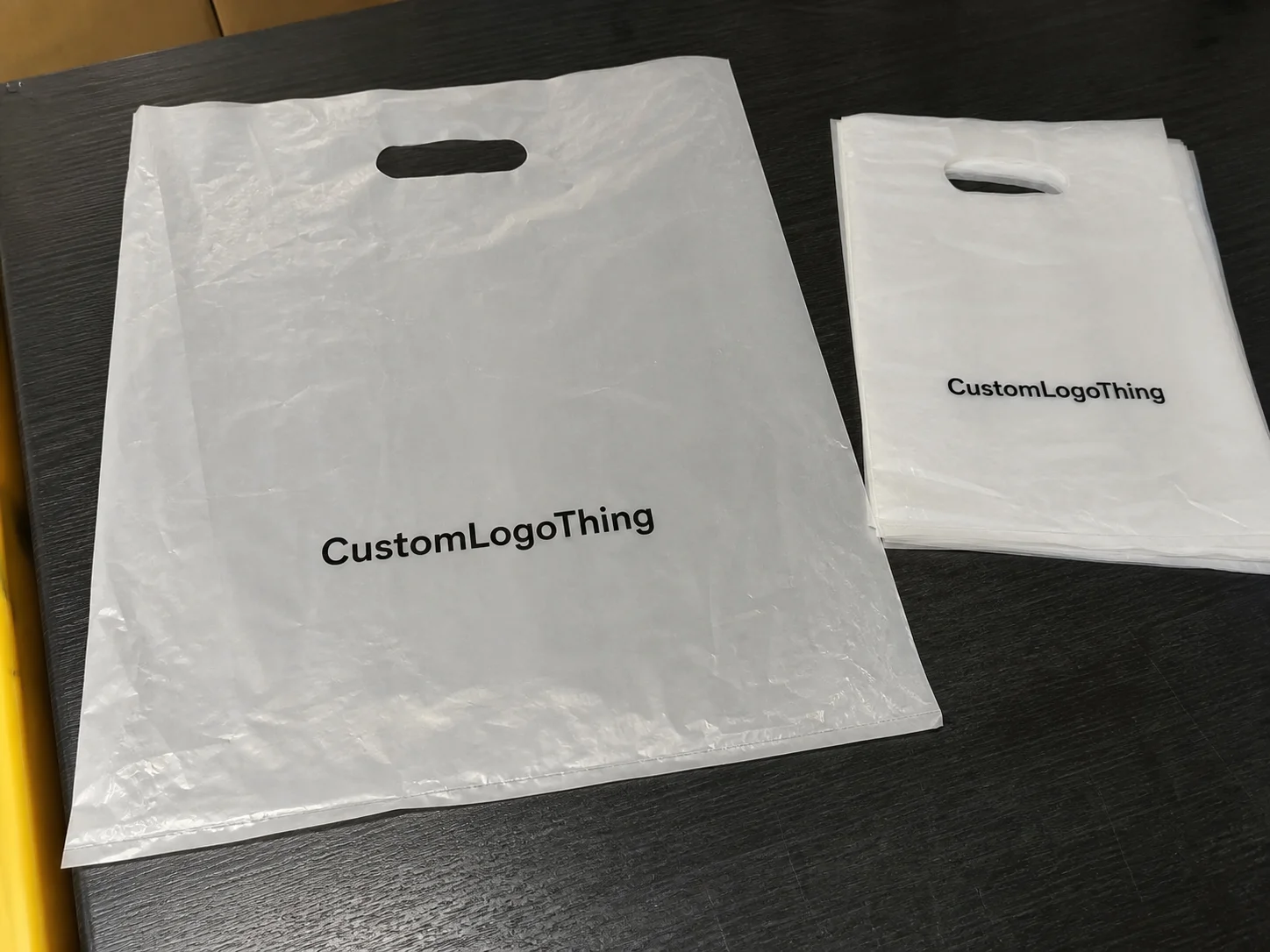
Buyer Fit Snapshot
| Best fit | Conduct Sustainable Packaging Audits projects where brand print, material claims, artwork control, MOQ, and repeat-order consistency need to be specified before quoting. |
|---|---|
| Quote inputs | Share finished size, material target, print colors, finish, packing count, annual reorder estimate, ship-to region, and any compliance wording. |
| Proofing check | Approve dieline scale, logo placement, barcode or warning zones, color tolerance, closure strength, and carton packing before bulk production. |
| Main risk | Vague material claims, crowded artwork, missing packing details, or unclear freight terms can make a low unit price expensive after revisions. |
Fast answer: Conduct Sustainable Packaging Audits: Quote Scope, Sample Proof, MOQ, and Lead Time should be specified like a repeatable production item. The safest quote records material, print method, finish, artwork proof, packing count, and reorder notes in one written spec.
Production checks before approval
Compare the actual filled-product size with the drawing, then confirm tolerance on folds, seals, hang holes, label areas, and retail display edges. Reserve space for logos, QR codes, warning copy, and material claims before decorative graphics fill the panel.
Quote comparison points
Review material grade, print process, finish, sampling route, tooling charges, carton quantity, and freight assumptions side by side. A quote is only useful when the supplier can repeat the same color, closure quality, and packing count on the next order.
Brands are often shocked by the same pattern I keep seeing on factory floors: the packaging that looks cheapest on paper turns out to be the most expensive once freight, breakage, and rework are counted together. I remember standing beside a palletizer in a corrugated converting plant in Pennsylvania and watching a team celebrate a lighter mailer, only to realize later that the return rate had quietly climbed by 2.8% after the first 18,000 units shipped. That is exactly why how to Conduct Sustainable Packaging audits matters so much. Done properly, it uncovers hidden waste, trims cost, and gives you a cleaner packaging story without sacrificing product protection.
I’ve sat in enough supplier meetings to know the trap. A team will point to a lighter mailer, celebrate the lower resin use, and then discover the return rate jumped by 2.8%. Or they’ll switch to a “greener” carton only to pay more in dimensional weight fees because the box was 15 mm larger than it needed to be. I’ve seen that exact mistake happen with a white SBS board carton that looked beautiful in mockup and behaved like a little budget vampire once it hit parcel shipping through the Memphis and Dallas distribution lanes. How to conduct sustainable packaging audits is not about collecting eco-friendly talking points. It is about tracing the entire system from material sourcing to customer disposal, then making decisions with numbers instead of wishful thinking.
Here’s the real prize: when you learn how to conduct sustainable packaging audits with discipline, you often find improvements in four directions at once. Less waste. Lower freight. Better compliance. Better package branding. That combination is hard to beat, and honestly, it is rare enough that when it shows up, I get a little suspicious at first, which is probably a healthy instinct in packaging.
What a Sustainable Packaging Audit Really Reveals
A sustainable packaging audit is a structured review of how your packaging performs across environmental, operational, and customer-facing criteria. It is broader than a supplier check and far more useful than a quick material swap conversation. If you are learning how to conduct sustainable packaging audits, start by thinking of it as a total system review, not a one-variable experiment. In a typical audit, I will map 12 to 40 packaging components across one product line before we even talk about redesign.
In practice, the audit looks at materials, sourcing, transport efficiency, recovery options, regulatory risk, and user experience. That matters because packaging is never just “a box.” It is product packaging, freight protection, shelf presentation, and disposal behavior all rolled into one. In my experience, the brands that treat packaging as a cost center miss the fact that packaging design can change margin by 3% to 8% on a high-volume SKU when freight and damage are included. I have watched a simple change in flute profile make more difference than a whole round of marketing adjectives ever could, especially on a 48-count beauty set moving through a 3PL in Atlanta.
One client in the personal care category learned this the hard way. Their folding carton looked elegant, but the glued sleeve added 6 grams per unit and created a crush issue in transit. After we audited the line, the team moved to a tighter structure and a different board grade. The result was not just a material reduction. They also cut damage claims by 41% over three shipping lanes, from Phoenix to Chicago to Newark. That is the kind of outcome how to conduct sustainable packaging audits should be aiming for.
Another common surprise: the most expensive packaging is sometimes the least sustainable, especially once overpackaging, freight, and returns are counted. I have seen a brand pay $0.18 per unit for a mailer that seemed fine until the total landed cost hit $0.42 after oversized cartons, air fill, and damage replacements were added. On paper it looked efficient. In the warehouse, it was wasteful. Honest audits expose those contradictions fast. I mean, paper does not care how impressive the spreadsheet looked on Friday.
For brands selling through retail packaging channels, marketplaces, or direct-to-consumer, the stakes are even higher. Retailers increasingly scrutinize claims, and customers are not shy about posting disposal confusion online. If your package says recyclable but the local recovery stream cannot handle it, that mismatch becomes a trust problem. That is another reason how to conduct sustainable packaging audits should include end-of-life reality, not only material labels. A package that works in Portland, Oregon but fails in rural Kentucky is not truly sustainable; it is regionally inconsistent.
“We thought we were auditing packaging. We were actually auditing business habits.” That was a line a plant manager in Ohio gave me after we reviewed 18 SKUs and found four packaging specs had not been updated in six years.
For standards and definitions, I often cross-check with industry sources such as the Institute of Packaging Professionals and recovery guidance from the EPA. Those sources will not solve your internal process, but they help keep the audit grounded in accepted terminology and disposal realities, especially when your team is comparing curbside recycling rules across California, Illinois, and Ontario.
How Sustainable Packaging Audits Work
The basic workflow is straightforward, though the discipline is what separates a useful audit from a glossy one. If you are figuring out how to conduct sustainable packaging audits, think in seven moves: inventory your formats, collect data, benchmark performance, identify hotspots, score opportunities, prioritize changes, and then pilot the best options. A focused internal audit can be completed in 2 to 4 weeks for a single SKU family, while a multi-site review may run 6 to 12 weeks if data sits in SAP, Excel, and two procurement inboxes.
Start with the packaging inventory. That means every carton, mailer, insert, dunnage item, label, tape, wrap, and secondary component tied to each SKU. I like to capture dimensions in millimeters, weights in grams, and annual usage in units. A spreadsheet is enough for a small portfolio. Larger operations may need software, but software never replaces clean input data. I have lost count of the times a beautiful dashboard turned out to be powered by a pile of half-correct specs from 2019 and one guess from a buyer in New Jersey.
The data sources matter more than people expect. Pull SKU counts, material specs, damage returns, shipping weights, supplier invoices, and disposal pathways. If you have complaint tags from customer service, include them. If your warehouse records void-fill usage by order type, include that too. Good audits are built from boring details. That is the truth. Packaging audits are not glamorous, which is maybe why so many people avoid them until the freight bill makes eye contact. I once found a 16% discrepancy in annual usage simply because the East Coast warehouse was counting by case while the West Coast site was counting by pallet.
From there, compare current packaging against sustainability criteria such as recycled content, recyclability, compostability, source reduction, and transport efficiency. The comparison has to be balanced. A 20% recycled-content carton might look better environmentally, but if it adds 12% to freight cost because of excessive size, You Need to Know that before changing over. In one audit, a switch from 275gsm folding carton board to 350gsm C1S artboard improved print quality, but only after we verified the added stiffness would not push the parcel weight into a higher rate tier.
A simple example: one brand replaced a rigid plastic clamshell with a paperboard tray and a thinner clear window. That change reduced virgin plastic use by 68%, but the real gain came from a different angle. The new pack also lowered dimensional weight fees by 11% because the footprint shrank by 9 mm on each side. That is the kind of layered benefit how to conduct sustainable packaging audits should reveal. The work paid off in the first quarter after launch, not three years later.
The best audits are cross-functional. Procurement sees supplier constraints. Operations sees line speed and labor. Finance sees margin. Sustainability sees claims risk and reporting. Customer service sees complaints and damage patterns. If one team owns the whole process, blind spots multiply. I have watched “perfect” packaging proposals die in implementation because no one asked the warehouse if the new insert would slow packing by 18 seconds per unit. Eighteen seconds sounds harmless until you multiply it by 240,000 units and suddenly everyone wants to talk about “process realities.”
Key Factors to Evaluate in a Packaging Audit
When clients ask me how to conduct sustainable packaging audits, I tell them to evaluate six factors every single time: material choice, product protection, end-of-life reality, supply chain impact, cost, and brand/compliance alignment. Miss one of those, and the audit starts to wobble. I have seen good ideas collapse because someone forgot to check lead time out of a factory in Dongguan or because a supplier in Ohio could not hold a consistent board caliper for a 60,000-unit run.
Material choice
Paper, corrugate, molded fiber, plastics, and biobased options each have a use case. Corrugate is often excellent for shipper strength and printability. Molded fiber can be strong in trays and separators, especially where nesting matters. Some plastics still make sense where moisture, tamper evidence, or barrier performance are non-negotiable. I have seen teams force a paper-only rule onto products that needed moisture resistance, then end up with swollen cartons and returns. That is not sustainability; that is expensive optimism. For example, a 32 ECT corrugated mailer might be ideal for dry apparel, while a PET or PP insert could still be justified for a humid coastal shipment if the product is sensitive to condensation.
Honestly, I think this is where most people get packaging design wrong. They pick a material first and a performance need second. It should be the other way around. I have been in rooms where everyone fell in love with an FSC claim and nobody asked whether the product inside would survive a humid July depot run in Houston or a cold-weather transfer through Minneapolis. That question tends to become urgent later, usually after a customer has already done the complaining for you.
Product protection
Lower-impact packaging is not automatically better if it increases breakage, leakage, or cosmetic damage. A package that saves 8 grams but raises returns by 1.5% is not a win. If your item has a fragile edge, liquid content, or a pressure-sensitive finish, protection has to be measured with shipping tests, not assumptions. Industry test standards such as ISTA protocols are useful here because they help simulate actual distribution hazards rather than relying on feel-good guesses. In a recent test, a cosmetic pump packed in a 24-point SBS sleeve passed bench compression but failed after two drop events from 36 inches onto a plywood deck.
End-of-life reality
Recycling access, contamination risk, compostability claims, and consumer disposal behavior all deserve scrutiny. A package is not “recyclable” just because the material family can be recycled somewhere. The local system matters. So do the ink coverage, adhesives, labels, and coatings. In one client review, a seemingly recyclable paper mailer failed because a laminated window and incompatible adhesive made it non-recoverable in practice. That kind of mismatch is exactly why how to conduct sustainable packaging audits must include the disposal route, from curbside programs in Seattle to store-dropoff requirements in suburban Texas.
Supply chain impact
Distance from source, supplier reliability, minimum order quantities, and transport emissions all affect sustainability. A recycled board sourced 1,700 miles away may carry a different footprint than a slightly less recycled option made 200 miles from the plant. Lead time matters too. If a supplier needs 10,000 units minimum and you only use 3,500 per month, you may be locking cash into storage and creating obsolescence risk. That is waste by another name, and the warehouse usually knows it before procurement does. I have seen molded fiber tooling out of Guangdong require 35 to 45 days longer than a domestic thermoform, which changed the decision entirely once holiday demand was added.
Cost and pricing
Compare unit cost with total landed cost. Unit price alone can mislead you by 30% or more once freight, storage, labor, damage, and disposal are counted. I have negotiated with suppliers who offered a 2-cent reduction on paper, then added a palletization requirement that pushed freight up enough to erase the gain. If you are serious about how to conduct sustainable packaging audits, you need to view cost through the whole chain. A nice quote from a converter is not the same thing as a smart decision. A mailer quoted at $0.15 per unit for 5,000 pieces can become a $0.23 landed item after inserts, pallets, and zone 7 surcharges are added.
Brand and compliance factors
Label clarity, regulatory claims, retailer rules, and marketplace requirements are part of the audit too. A beautiful package that misstates compostability or uses vague “eco-friendly” language can create legal and reputational risk. Brand and compliance are not side issues. They are part of the package’s life cycle. I often ask whether the claim would still make sense if a customer in Los Angeles, Toronto, or Munich read it beside the local disposal instructions.
Here is a simple comparison I often use during audit workshops:
| Packaging Option | Typical Strengths | Common Risks | Best Use Case |
|---|---|---|---|
| Corrugate shipper | Good protection, easy printability, widely recyclable | Can be oversized, may add freight cost if poorly designed | E-commerce, general transport, branded packaging |
| Molded fiber tray | Reduced plastic use, nestable, strong for inserts | Tooling lead time, variable surface finish | Electronics, food service, protective inserts |
| Flexible mailer | Lightweight, low material use, lower cube | Less crush protection, not suitable for fragile goods | Apparel, soft goods, lightweight product packaging |
| Rigid plastic pack | Barrier performance, tamper resistance, product visibility | Recovery concerns, compliance scrutiny, higher resin dependence | Moisture-sensitive or high-protection applications |
That table is not a verdict. It is a starting point. The right choice depends on damage history, route conditions, and customer expectations. That is the practical heart of how to conduct sustainable packaging audits. A tray that works beautifully in Milan may need a different coating or closure for a summer shipment through Miami.
Step-by-Step: How to Conduct Sustainable Packaging Audits
If you want a repeatable method, use this seven-step framework. It works whether you are auditing one hero SKU or a sprawling packaging portfolio. And yes, this is the part where how to conduct sustainable packaging audits becomes a real operating process rather than a one-time project. I have seen teams use this framework to audit 14 SKUs in a month and to overhaul 120 SKUs over a quarter.
Step 1: Define audit goals and scope
Decide whether you are auditing one product line, one facility, or the full portfolio. A focused audit on a single category may be enough if that category represents 35% of volume. Broader audits make sense when the packaging architecture is inconsistent across regions. Write the scope down. If the scope keeps expanding, the project will stall. I have watched well-intentioned teams turn a tidy audit into a six-month existential crisis because nobody wanted to say what was out of bounds.
Step 2: Build a packaging inventory
Record dimensions, weights, materials, suppliers, monthly usage, and associated SKUs. I recommend capturing exact specs such as “350gsm C1S artboard with aqueous coating” or “32 ECT corrugated board with 3-inch depth.” Those details matter because tiny changes can alter freight class and durability. This is also where custom printed boxes and package branding should be documented, especially if artwork affects coating or substrate choice. If a box is printed in Charlotte on one run and sourced from Monterrey on the next, that should be visible in the audit file.
Step 3: Gather performance data
Pull damage rates, return rates, complaints, shipping costs, and disposal feedback. If you can separate transit damage from customer misuse, do it. If not, note the limitation. Some audits also include warehouse labor minutes per pack, which helps quantify the true operational cost of a design. I have seen an insert change save 7 seconds per unit, which sounds tiny until you multiply it by 18,000 units a month. Over a year, that is more than 1,400 labor hours at a busy fulfillment center in Indiana.
Step 4: Score each package
Use a simple rubric. I like scoring four categories on a 1-to-5 scale: environmental impact, cost efficiency, protection, and circularity. You can weight them differently depending on business priorities. A premium DTC brand may weigh customer experience higher. A regulated product might emphasize compliance and barrier performance. The key is to make trade-offs visible. If the scorecard says a package is a 4 on cost but a 2 on protection, that tension should be written plainly, not hidden in a meeting note.
Step 5: Identify the biggest wins
Prioritize high-volume, high-cost, high-waste packages first. That is where the payback lives. A 2-cent improvement on a carton used 2 million times a year matters far more than a 20-cent improvement on a niche SKU sold 3,000 times. The math is blunt. That is why how to conduct sustainable packaging audits should always start with volume. If a single carton size can be eliminated in favor of two standardized formats, the savings often show up in warehouse slotting, freight, and procurement hours within one quarter.
Step 6: Pilot replacements
Never switch every SKU at once unless the change is extremely low risk. Test one or two alternatives in controlled shipping trials, line trials, or limited regional launches. Use a sample size large enough to matter. For fragile goods, I prefer at least 50 to 100 shipments per lane if budget allows. Small samples can lie. A run of 75 units on a dry route from Denver may tell you almost nothing about what happens when the same SKU moves in August through Savannah.
I remember a cosmetics client who wanted to swap to a thinner carton immediately. We tested 80 shipments on one lane, then found the new board held up perfectly in dry weather but warped after two humid depot transfers. That would have been an expensive mistake at scale. The team was not thrilled with my insistence on a second round of tests, but they were even less thrilled by the idea of shipping warped cartons to customers with tinted moisturizers inside.
Step 7: Measure results and document changes
Track savings, emissions reductions, and customer response after implementation. Do not stop at material weight reduction. Measure freight cube, damage rates, complaint volume, and labor impact. Then document what changed and why. A good audit creates an institutional memory so the same mistakes do not return six months later when a different buyer takes over. I like to note the supplier, the board grade, the board caliper, the test method, and the exact approval date in one shared record.
For teams building their own packaging program, pairing the audit with a sourcing review can be smart. If you need new cartons or inserts after the audit, explore Custom Packaging Products that align with your revised specs rather than forcing old designs into a new sustainability framework. If a new tray ships from a plant in Guangdong and reaches proof approval in 3 business days, that timing should be compared directly against a domestic option out of Ohio or California.
Process, Timeline, and Budget: What to Expect
Most people underestimate the timeline for how to conduct sustainable packaging audits. A small audit may take 2 to 4 weeks. A multi-site or multi-SKU audit can take 6 to 12 weeks, especially if data lives in three systems and two people’s inboxes. Clean data speeds everything up. Messy data slows everything down. I once had a carton spec buried in an email chain with 43 replies, and I am still not sure whether the final number came from engineering or from someone’s best guess after lunch. For prototype development, sample production typically takes 7 to 10 business days, and final cartons often ship 12 to 15 business days from proof approval if the converter is running standard 4-color offset and aqueous coating.
Here is the rough sequence I see most often: data collection takes the first 25% of the schedule, analysis takes the next 25%, supplier outreach and sample development consume the middle, and testing plus reporting take the final quarter. If the team cannot agree on priorities early, add another week or two. That is normal. When a plant in North Carolina is waiting on one final die-line adjustment, a single day can ripple through the whole schedule.
Budget depends on internal labor, consultant support, test materials, sample production, lab testing, and any software tools you use. Some teams spend under $5,000 for a focused internal audit. Larger programs with external testing and engineering support can land well above $25,000. That sounds like a wide range because it is. Scope changes everything. A molded fiber tooling review in Qingdao or a structural test run at an ISTA lab in Chicago will cost more than a simple desktop review of kraft mailers.
To make the cost picture clearer, here is a practical framework:
| Audit Type | Typical Timeline | Primary Cost Drivers | Common Outcome |
|---|---|---|---|
| Single SKU audit | 2-4 weeks | Internal labor, sample testing | Quick redesign or material change |
| Category audit | 4-8 weeks | Data cleanup, supplier sampling, testing | Packaging standardization and cost reduction |
| Multi-site portfolio audit | 6-12 weeks | Cross-functional coordination, lab testing, reporting | Portfolio rationalization and policy updates |
The cheapest option is not always the smartest. Rushing the process usually creates false savings. I have seen teams skip testing, approve a lower-cost mailer, and then pay more in replacements than they saved in materials. A 3-cent unit saving is meaningless if the damage rate rises by 2 percentage points. One client in Illinois saved $0.04 per unit on a carton and then lost $11,200 in replacement shipments over the next two months.
If you are working with a consultant, ask exactly what is included: line review, supplier interviews, shipping tests, scoring model, or only a desktop review. Transparency matters because some audits are really just slide decks with no implementation support. That is not enough for how to conduct sustainable packaging audits that actually change operations. You want the consultant to name the lab, the test standard, and the review cadence, not just promise “insights.”
Common Mistakes That Undercut Audit Results
There are five mistakes I see repeatedly when teams try to learn how to conduct sustainable packaging audits. None of them are glamorous. All of them are expensive. I have seen these mistakes in facilities from New Jersey to Southern California, and the root cause is usually the same: the team is moving faster than the data can support.
First: focusing only on material weight. Weight matters, but it is not the whole story. A lighter pack that increases damage or freight cube can be worse overall. I have watched teams celebrate a 14% reduction in material use while ignoring a 19% rise in void fill. That is not progress. That is just moving the mess from one column of the spreadsheet to another.
Second: trusting sustainability claims without verification. Ask for certification, recovery documentation, recycled-content evidence, and test data. If a supplier says “recyclable,” ask where, under what conditions, and with what closures or coatings removed. The label should not outrun the evidence. I usually want to see the mill certificate, the chain-of-custody record, and at least one recent ship test from a real route, not a sales sheet polished for a trade show in Las Vegas.
Third: using one packaging solution across every SKU. A glass bottle, a soft textile item, and a metal accessory do not need the same structure. Standardization is useful, but over-standardization creates waste and can hurt customer experience. Good package branding should support the product, not flatten its needs. A 15 ml serums line packed in a rigid shipper may need a different insert depth than a 500 ml household refill pouch, even if both live under the same brand umbrella.
Fourth: skipping procurement and operations. This one hurts. A sustainability team can love a design that procurement cannot source in the required lead time or that the warehouse cannot pack at speed. If the line slows by 12 seconds per unit, labor cost will find you fast. Operations has a way of exposing romance, which is rude but useful. I have seen a beautiful carton design fail because the glue pattern added just enough friction to slow a semi-automatic erector by 9 seconds per box.
Fifth: measuring success too early. Packaging needs real-world testing. Weather, route vibration, pallet stacking, and customer handling all matter. I never trust a packaging change until it has survived actual shipping, not just a perfect lab run. That caution is part of how to conduct sustainable packaging audits the right way. A trial that survives one dry February shipment from St. Louis may not survive a July cross-dock in Savannah.
“Our first audit found six easy wins, but the seventh was the one that saved us the most money.” That was a quote from a procurement director after we standardized three carton sizes and reduced inventory by 27%.
Expert Tips for Stronger Sustainable Packaging Audits
If you want better results from how to conduct sustainable packaging audits, start with high-volume packaging first. Small improvements on big movers usually deliver the clearest environmental and financial returns. A 1% improvement on a packaging line that ships 4 million units a year is not “small.” It is material. If that line is a 3PL operation in Indianapolis or a fulfillment site in Savannah, the savings show up in freight, labor, and inventory counts almost immediately.
Use a scorecard with weighted criteria. I usually recommend a structure where protection, cost, and sustainability each have their own weighting, because otherwise the loudest stakeholder wins by default. That is rarely the best outcome. A weighted scorecard makes trade-offs visible and keeps the conversation honest. For example, a brand may choose 40% protection, 35% sustainability, and 25% cost for fragile goods, while apparel may invert those weights by shifting cost higher.
Ask suppliers for proof, not promises. That means certificates, test reports, recycled-content verification, and end-of-life documentation. If they cannot provide it within a few days, that tells you something. I have had suppliers show me beautifully designed sell sheets that fell apart the moment we asked for chain-of-custody proof. Good sourcing depends on evidence. If a quote comes back at $0.15 per unit for 5,000 pieces, I still want to know the board grade, the print method, the carton count per pallet, and the exact lead time from approval to ship date.
Test from the customer backward. A package is only sustainable if it arrives intact and is easy to dispose of correctly. That simple idea filters out a lot of bad decisions. If the box is elegant but impossible to recycle in the customer’s region, the sustainability story weakens. If it protects the product but is impossible to open without a knife, customer satisfaction suffers. I have seen easy-open tear strips cut complaint volume by 18% in one quarter, which is a very real sustainability win because fewer replacements means less material overall.
Benchmark against peers. Compare your material usage, box dimensions, and damage rate against industry averages where possible. Sometimes you will find your packaging is well above average. Sometimes you will discover it is already efficient but badly documented. Both outcomes are useful. Both can guide how to conduct sustainable packaging audits with more confidence. A standard shipper measuring 260 x 180 x 120 mm may be fine for one category and wildly oversized for another, so the context always matters.
One more tip from the factory floor: talk to the people who tape, fold, fill, and ship the packages every day. They know where the design fights them. They know which custom printed boxes bow under humidity, which inserts slip, and which closure tabs slow the line. Their feedback is cheap, direct, and often more useful than a polished presentation from headquarters. A supervisor in Monterrey once showed me a better glue flap by holding two sample cartons side by side with a ruler and a sharp memory.
If you are also refining branded packaging or package branding, remember that sustainability and presentation do not have to compete. A well-designed kraft box with sharp one-color print can look premium, ship efficiently, and reduce material complexity. I have seen brands improve customer perception simply by cleaning up structural design and removing unnecessary layers. A 120 gsm kraft wrap with soy-based ink can look remarkably polished when the folds are tight and the dieline is disciplined.
FAQ
How do you conduct sustainable packaging audits for a small business?
Start with your top-selling SKUs and track package size, weight, material, shipping cost, and damage rate. Use a simple scorecard to compare sustainability, protection, and cost without needing enterprise software. Focus on the biggest packaging offenders first because small businesses usually get faster ROI from a narrow audit scope. In my experience, even a 10-SKU review can reveal one or two changes that pay back within a single quarter, especially if you are shipping 300 to 1,000 orders per week from a single fulfillment center.
What data do I need for a sustainable packaging audit?
You need packaging specs, monthly usage volumes, supplier information, freight costs, damage or return data, and disposal details. If possible, add customer complaint data and any certifications or test reports from suppliers. The more complete the data, the easier it is to spot hidden cost and waste drivers. For how to conduct sustainable packaging audits well, data quality is the difference between a useful decision and a guess. I like to include exact board grade, insert count, print coverage, and landed cost by zone whenever possible.
How long does a packaging sustainability audit usually take?
A focused audit for one product line can often be completed in a few weeks. Larger audits take longer because teams must collect cleaner data, test alternatives, and coordinate suppliers. Timelines usually stretch when packaging information is scattered across departments or systems. If the audit includes shipping trials and sample production, plan on additional time for proof approval and field testing. In practical terms, sample development may take 7 to 10 business days, and final production often takes 12 to 15 business days from proof approval at a standard converting plant in the Midwest.
What should I prioritize first in a packaging audit?
Prioritize high-volume packaging, high-cost packaging, and packaging with the most damage or return issues. These categories usually have the highest payoff because small changes create bigger gains across the supply chain. Also look for packaging with misleading sustainability claims or disposal confusion. That is usually where the fastest risk reduction lives. If one carton size is used 1.2 million times a year and another only 8,000 times, the larger volume item should almost always come first.
How do I know if a packaging change is actually sustainable?
Check the full picture: material sourcing, manufacturing impact, shipping efficiency, protection performance, and end-of-life reality. A package is not truly better if it saves material but increases breakage, freight emissions, or landfill contamination. Pilot test the alternative and measure both environmental and operational results before scaling. That final check is a core part of how to conduct sustainable packaging audits that hold up in the real world. I want to see fewer damages, a stable line rate, and a clear disposal path in at least two regions before I call a change a win.
My honest view? The best audits are not the ones with the prettiest dashboards. They are the ones that change specs, reduce waste, and survive the first month of shipping. If you are serious about how to conduct sustainable packaging audits, treat it as a business process, not a branding exercise. The payoff shows up in freight, returns, labor, and customer trust. Start with the top-volume SKUs, verify every claim against real data, and pilot changes long enough to see them under actual route conditions. That is the path to packaging that is lighter on the planet and steadier on the balance sheet, whether your packaging is made in Pennsylvania, printed in Mexico, or finished in Guangdong.