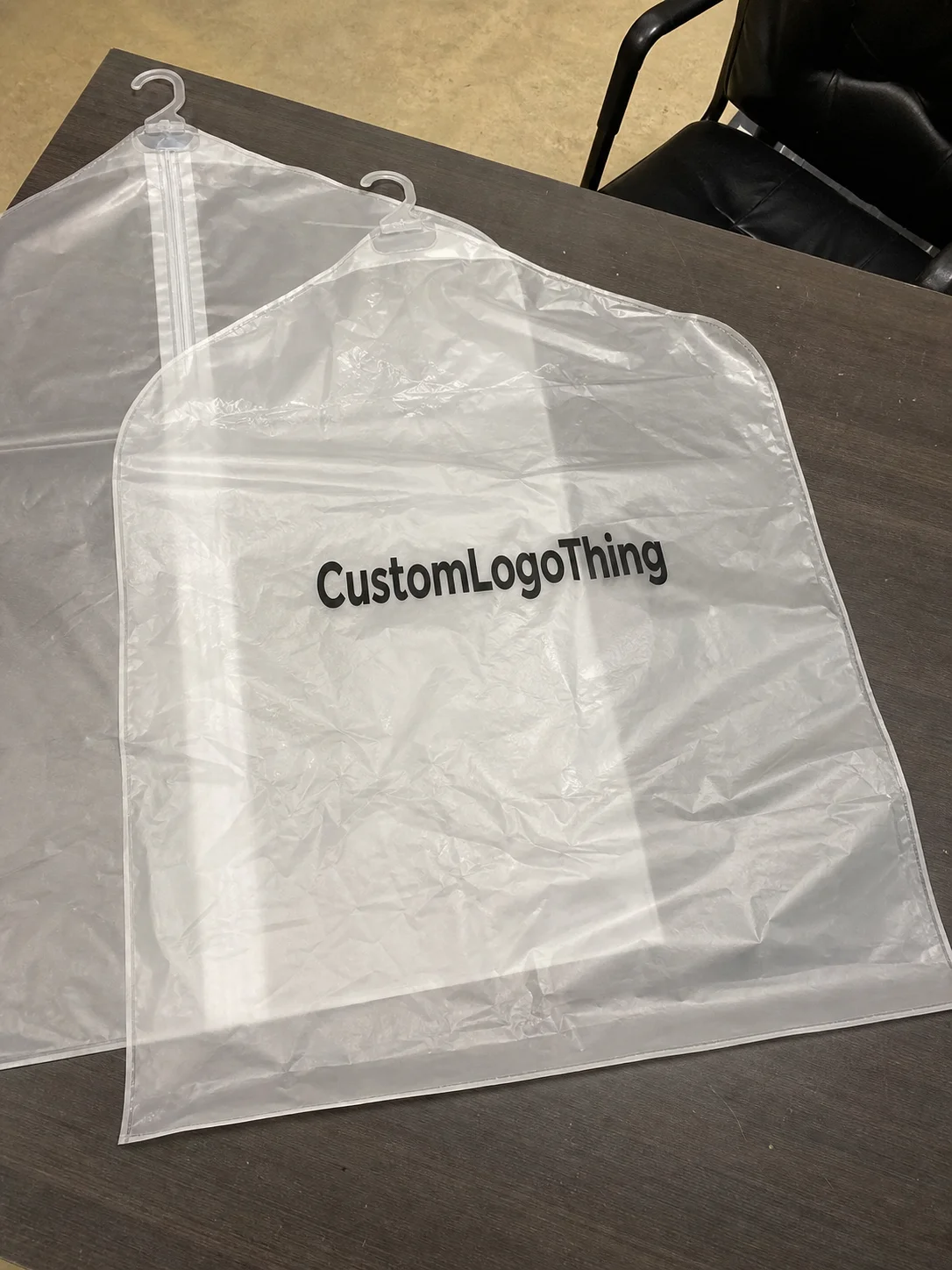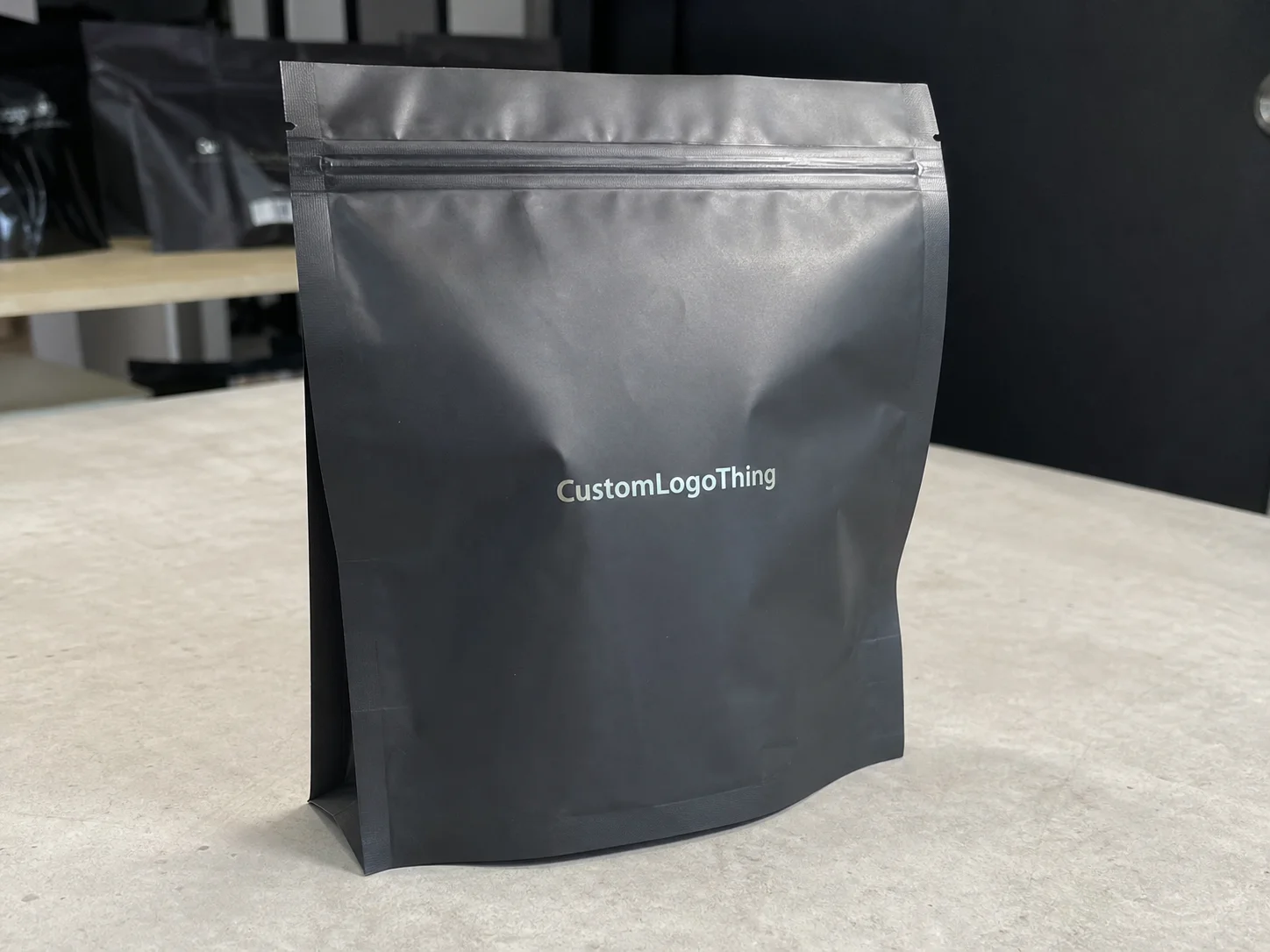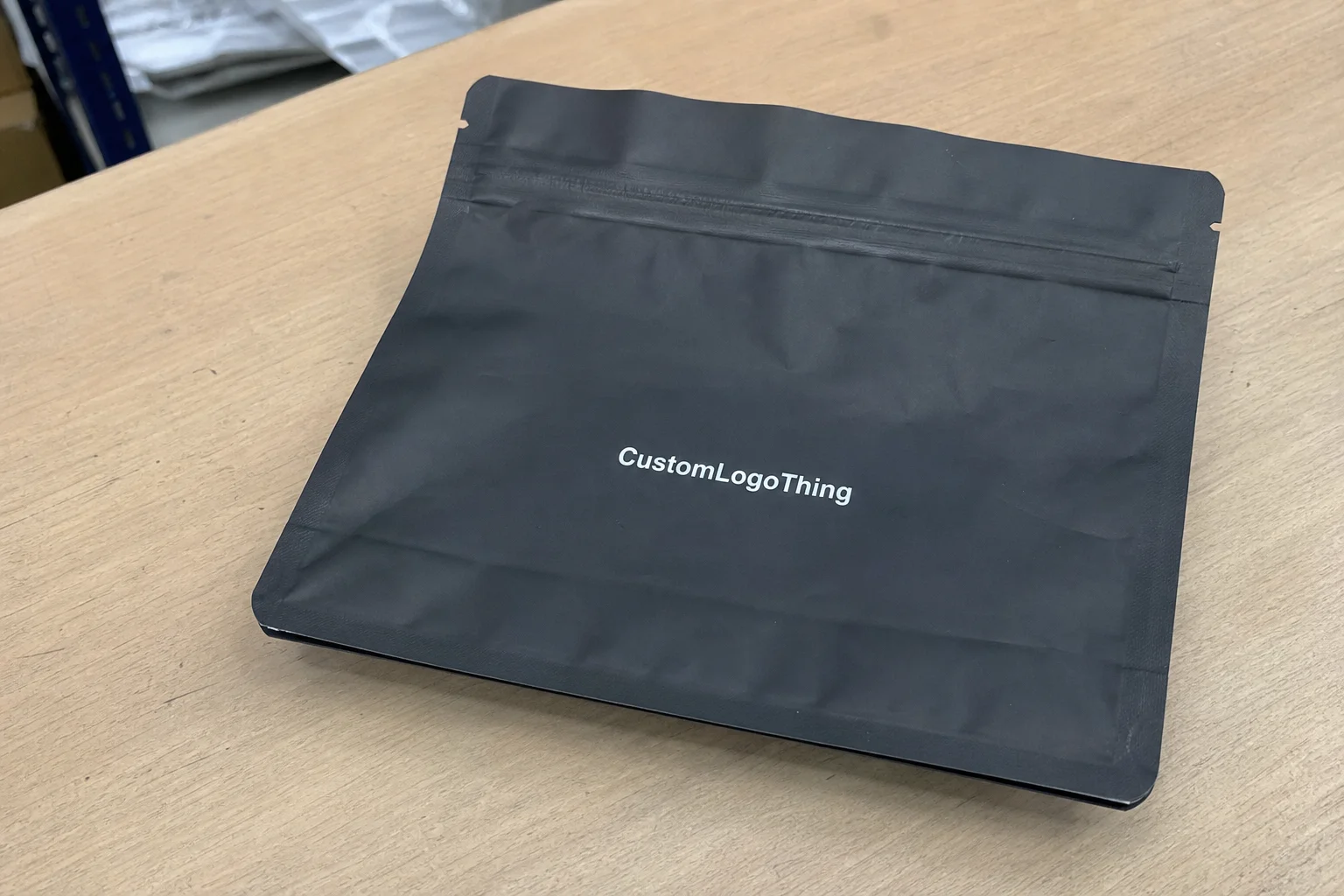
Buyer Fit Snapshot
| Best fit | Create Sustainable Packaging for Ecommerce projects where brand print, material claims, artwork control, MOQ, and repeat-order consistency need to be specified before quoting. |
|---|---|
| Quote inputs | Share finished size, material target, print colors, finish, packing count, annual reorder estimate, ship-to region, and any compliance wording. |
| Proofing check | Approve dieline scale, logo placement, barcode or warning zones, color tolerance, closure strength, and carton packing before bulk production. |
| Main risk | Vague material claims, crowded artwork, missing packing details, or unclear freight terms can make a low unit price expensive after revisions. |
Fast answer: Create Sustainable Packaging for Ecommerce: Material, Print, Proofing, and Reorder Risk should be specified like a repeatable production item. The safest quote records material, print method, finish, artwork proof, packing count, and reorder notes in one written spec.
Production checks before approval
Compare the actual filled-product size with the drawing, then confirm tolerance on folds, seals, hang holes, label areas, and retail display edges. Reserve space for logos, QR codes, warning copy, and material claims before decorative graphics fill the panel.
Quote comparison points
Review material grade, print process, finish, sampling route, tooling charges, carton quantity, and freight assumptions side by side. A quote is only useful when the supplier can repeat the same color, closure quality, and packing count on the next order.
People keep asking me how to create sustainable Packaging for Ecommerce, and my answer is usually the same: stop buying something pretty and calling it responsible. I remember standing in a supplier’s warehouse in Dongguan, China, next to a stack of 5,000 glossy mailers that cost the brand $0.29 per unit and still couldn’t be curbside recycled because of the mixed PE film and paper laminate. Cute. Also useless. That mistake cost them $1,450 before freight, plus another $220 for samples they approved in a rush from Shenzhen and never properly tested. Which, honestly, is a lot to pay for a package that still can’t decide what it is.
How to create sustainable packaging for ecommerce really means building packaging that cuts waste, uses responsible materials, and still gets the product to the customer in one piece. The package has to protect the item, keep shipping costs sane, and give the customer a disposal path that makes sense in their city or region. Skip one of those pieces and the whole sustainability story falls apart fast. I’ve seen that story collapse in a meeting room in Los Angeles and in a warehouse outside Ho Chi Minh City. Neither version is fun, and both usually end with someone asking why the return rate jumped from 2.8% to 6.1%.
I’ve spent 12 years in custom printing and packaging, and here’s the part most brands miss: sustainable packaging is not brown paper and vibes. It’s a design decision. It’s material selection. It’s testing. It’s numbers. And yes, how to create sustainable packaging for ecommerce can absolutely be cost-effective if you Build It Right from the start instead of trying to “green” a bad package after the fact. I’ve had more than one client ask me to “make it sustainable” after they already approved a structure that was basically a recycling headache in a nice suit, usually after a sample round that already burned through $800 in freight from Ningbo.
Below, I’m walking through materials, costs, timelines, common mistakes, and the actual steps I’d use if I were launching a packaging line tomorrow. I’ll keep it practical, because theory doesn’t survive a fulfillment center at 3:00 p.m. on a Friday, especially when your warehouse team in Texas has 18,000 units to pack and the tape machine is acting possessed. If you’ve ever watched a crew try to assemble a fancy insert with one eye on the clock and one eye on the shipping cutoff, you know exactly what I mean.
Why Sustainable Ecommerce Packaging Matters More Than You Think
Packaging gets touched by everyone. Your warehouse team handles it. The carrier handles it. The customer handles it. Sometimes the garbage sorter handles it too, which is not the glamorous ending brands imagine. If you’re figuring out how to create sustainable packaging for ecommerce, you’re really designing a chain of decisions that affects waste, shipping damage, and brand trust all at once. In one 2024 audit I reviewed for a skincare brand shipping 12,000 orders a month from New Jersey, the box choice alone was responsible for 14% of the package’s total material weight.
I remember a client selling skincare in custom printed boxes with a glossy laminated insert, a plastic tray, and a magnetic closure. It looked expensive. It also failed recyclability tests, used too much material, and added nearly $0.42 per unit in unnecessary component cost at 10,000 units. We redesigned it into 350gsm C1S artboard sleeves with FSC paperboard and a molded pulp insert sourced from a factory in Dongguan, and their freight weight dropped by 11%. That’s what real sustainability looks like: less junk, less weight, less confusion. No dramatic reveal. Just better math.
In plain English, sustainable packaging means packaging that uses resources more efficiently, creates less waste, and still protects the product during shipping. That may mean recycled corrugate, FSC-certified paperboard, molded pulp, kraft mailers, or a smarter mailer structure that eliminates the need for extra fillers. How to create sustainable packaging for ecommerce starts with that definition, not with whatever material happens to be trendy on social media this week. I’m looking at you, random “eco” trend cycle that appears every six months like a bad sequel.
Why do ecommerce brands care so much? Because lower landfill impact is nice, but so is lower return volume. Damaged products cost more than the box ever did. I’ve seen brands spend $0.28 on packaging and lose $14.00 on a replacement shipment because the insert was weak and the item cracked in transit. On one subscription beauty line shipping from Atlanta, we found the real problem was a tray that only held 62% of the bottle’s sidewall. That’s not sustainability. That’s expensive denial.
The biggest misconception is that eco-friendly packaging is automatically more expensive. Sometimes it is at low quantities. Sometimes it isn’t. I’ve quoted recycled mailers at $0.31/unit for 3,000 pieces and seen a custom corrugated redesign cut total landed cost by 9% because the box was smaller and the freight charge dropped. On a 10,000-unit run out of Vietnam, the smaller carton also reduced cubic volume by 17%, which mattered more than the unit price. So yes, how to create sustainable packaging for ecommerce can save money. You just need to design with the whole system in mind.
And no, I’m not saying every brand needs a full packaging overhaul next week. I am saying that sustainable packaging belongs in the same conversation as brand trust, fulfillment speed, and product protection. Pretending otherwise is how people end up paying for a beautiful box that nobody can recycle. Gorgeous. Useless. Very on-brand for bad planning. I’ve watched that exact mistake happen in a London pitch room where the mockup looked like luxury and the spec sheet looked like a landfill.
How Sustainable Packaging for Ecommerce Actually Works
How to create sustainable packaging for ecommerce is not about one material. It’s a system. Product size, package structure, filler choice, print method, and shipping method all interact. If one piece is off, you can accidentally cancel out every environmental gain you thought you made. Yes, I’ve seen that happen more than once. Usually right after someone says, “We’ll just use the green option.” That sentence has caused more headaches than I care to count, especially when the “green” option was a paper mailer with a plastic window glued on in Guangzhou.
The main performance goals are pretty straightforward: protect the product, use less material, lower freight weight, and make end-of-life disposal easier. A box that is recyclable but arrives smashed doesn’t help anyone. A super-strong package that uses three layers of plastic and half a pound of foam doesn’t help either. Good packaging design sits in the middle and does the job without extra drama. I’m talking about a carton that can survive a 36-inch drop, a 48-hour humidity cycle at 85% RH, and a warehouse pack-out line moving 240 units an hour.
Here’s how I usually break down the material families:
- FSC paperboard for retail packaging, sleeves, folding cartons, and lightweight product packaging.
- Recycled corrugate for shipping boxes and mailer cartons that need stacking strength.
- Molded pulp for inserts, trays, and protective cradles.
- Kraft mailers for apparel, soft goods, and lower-fragility items.
- Compostable films when a film barrier is actually necessary, not just because someone said “plastic is bad.”
- Water-based inks for printing that keeps the package easier to recycle than heavy solvent or mixed-finish alternatives.
Now let’s clear up the vocabulary mess. Recyclable means the material can be processed into new material, usually if the local system accepts it. Recycled means it already contains recovered content. Biodegradable means it can break down over time, but that says nothing about where, how fast, or under what conditions. Compostable means it can break down in a composting environment, and that often requires industrial facilities, not a backyard bin and a prayer. If your customer lives in Toronto and your compostable claim only works in an industrial facility in California, that claim is not doing you any favors.
That language matters because brands misuse it constantly. I’ve had clients tell me they wanted “biodegradable shipping boxes,” which is a lovely phrase that means almost nothing useful. Better to ask: does the customer need curbside recyclability? Industrial compostability? Lower virgin fiber use? Better shipping performance? Once you know the answer, how to create sustainable packaging for ecommerce gets a lot clearer. And yes, that answer changes by region. A package sold in Berlin may need different disposal guidance than one shipping to Dallas.
Different product categories need different solutions. Cosmetics often need premium presentation with controlled inserts. Apparel can usually go lighter with poly-mailer alternatives or kraft mailers. Supplements may need stronger barrier considerations and sometimes food-contact compliance. Electronics need crush protection and ESD concerns. Fragile goods need very deliberate testing. There is no magic one-box-fits-all solution, despite what some sales rep in a polished polo might say. A 120-gram lipstick box and a 1.2-kilogram Bluetooth speaker do not need the same structure, and pretending they do is how you end up paying twice.
Testing is where the words become real. Drop testing, crush testing, and humidity testing keep “sustainable” from turning into “arrived broken.” I like to reference ISTA protocols for transit testing, because packaging that passes a pretty render but fails a 36-inch drop is just expensive art. If you want a reliable baseline, start here: ISTA packaging transit testing standards. A good lab in Hong Kong, Chicago, or Rotterdam can usually turn around preliminary transit results in 5 to 7 business days.
Key Factors That Shape Sustainable Packaging Costs and Performance
If you want to understand how to create sustainable packaging for ecommerce without blowing your budget, You Need to Know what actually drives cost. Material type is only one part. Thickness, print coverage, finish, insert style, quantity, and testing all move the number up or down. I’ve seen brands obsess over a $0.03 paper upgrade while ignoring a carton size that added $1.20 in dimensional weight. That’s like buying cheaper shoes and then leasing a bigger car to carry them. Brilliant in the worst possible way. On a 5,000-piece shipment out of Shenzhen, that one mistake added $6,400 in carrier charges over a quarter.
Here’s a real-world example. A beauty brand came to me asking for recycled mailers at scale. At 2,500 units, the price was $0.27 each. At 10,000 units, it dropped to $0.16 each because the factory could run a full sheet conversion and reduce waste. Same structure. Same print. Different economics. That’s why how to create sustainable packaging for ecommerce is never just a material question; it’s a volume and sourcing question too. The factory in Zhejiang quoted a 12-15 business day lead time from proof approval, while the same item from a small domestic printer in Ohio was 21 business days.
Custom corrugated can get cheaper faster than people expect, especially when you reduce the box dimensions. If you cut a shipping carton from 12 x 10 x 6 inches to 10 x 8 x 5 inches, you may save on board usage, freight, and void fill. Multiply that across 20,000 orders and the math gets serious. I’ve personally negotiated runs where reducing board caliper by one spec point saved roughly $3,400 over a quarter. On another project in California, switching from 44 ECT to 32 ECT after testing dropped the board cost by 8% without increasing damage. Not sexy. Very useful. My favorite kind of savings, honestly.
Hidden costs are the sneaky ones. Oversized cartons increase dimensional weight charges. Heavy decorative finishes can slow recycling. Weak inserts create returns. Warehouses spend extra seconds on complicated pack-outs, and labor is not free just because nobody talks about it at the strategy meeting. If your packaging takes 18 seconds longer to assemble and you ship 8,000 units a month, that extra labor adds up fast. At $18 per hour, those 18 seconds can quietly add about $720 a month in labor cost. That is not a rounding error.
| Packaging Option | Typical Unit Cost | Strength | Recyclability | Best Use |
|---|---|---|---|---|
| Kraft mailer | $0.18–$0.42 | Light to medium | High | Apparel, soft goods |
| Recycled corrugated box | $0.24–$0.68 | Medium to high | High | Most ecommerce shipping |
| FSC paperboard folding carton | $0.16–$0.55 | Light to medium | High | Retail packaging, cosmetics, supplements |
| Molded pulp insert | $0.09–$0.38 | Medium | High | Fragile inserts, product retention |
| Compostable film mailer | $0.22–$0.60 | Light to medium | Depends on facility | Special programs, controlled disposal |
Supplier reality matters too. Not every factory can source certified FSC paper or verified recycled content consistently. Some “eco” claims are basically marketing sugar sprayed over standard materials. Ask for certificates. Ask for spec sheets. Ask for the actual board weight, not the vague “premium paper” description that somehow never includes a gram measurement. That kind of answer makes me tired before lunch. I want to see the board caliper, the GSM, the recycled content percentage, and the country of origin, whether that is Taiwan, Vietnam, or Guangdong.
For compliance and claims, standards help. FSC matters if you want responsible forestry sourcing. How2Recycle guidance can help with consumer-facing disposal labels. ASTM standards can come into play for compostability claims. If a supplier can’t show you documentation, I’d treat the claim as noise. You can read more about responsible material systems here: FSC certification information. If a supplier says the coating is “water-based,” ask whether it’s an aqueous coating, a dispersion coating, or something else entirely. Details matter. Always.
Lead time is another major factor in how to create sustainable packaging for ecommerce. Sustainable materials can take longer because you may need samples, test rounds, and approval on certifications. Simple projects might move from concept to approved sample in 2-3 weeks. More customized structures can stretch to 4-6 weeks before production even starts. Production itself typically takes 12-15 business days from proof approval for a standard folding carton run in South China, while molded pulp can take 18-25 business days depending on tooling. That’s normal. Rushing the process usually creates more waste, not less. It also creates those awful “Can we just ship it?” emails that make everyone in packaging quietly sigh.
Step-by-Step: How to Create Sustainable Packaging for Ecommerce
Here’s the practical version of how to create sustainable packaging for ecommerce. No fluff. No heroic branding speech. Just the sequence I’d use if I were sitting with a packaging team at Custom Logo Things and trying to get a launch approved before the next production cycle. If you’re launching from a facility in Chicago, Shenzhen, or Ho Chi Minh City, this sequence still works.
- Audit what you already ship. Measure current box dimensions, void fill usage, damage rates, and return reasons. If 6% of your orders arrive damaged, that’s your starting point. Don’t guess. Track the last 500 shipments and calculate the actual average damage rate by SKU.
- Define the actual sustainability target. Is the goal recyclability, reduced plastic, lower freight weight, fewer materials, or premium branded packaging? Pick the primary goal before you touch design. If you try to solve four problems at once, you usually solve none of them.
- Choose the structure. Decide between mailers, folding cartons, shipping boxes, sleeves, or inserts. Right-sizing usually beats stuffing a product into a box that could fit a toaster. If your bottle is 3 inches wide, don’t spec a carton built for 5.5 inches of internal width just because the sample looked spacious.
- Select the materials and print method. Favor mono-material systems whenever possible. Use water-based or soy-based inks where appropriate. Keep coatings minimal. If you need a finish, ask whether the finish helps protection or just makes the sample look nice under studio lights. A 2-color flexo run in Dongguan can cost 18% less than a full-coverage offset print, and it usually recycles better too.
- Prototype and test. Build samples. Run drop tests. Put the package in hot and humid conditions if your supply chain crosses climate zones. Get your warehouse team to assemble it. They will tell you the truth in 12 seconds flat. I usually ask for at least 10 prototype units and one packed master carton before I approve anything.
- Lock the supply chain. Confirm MOQ, lead time, certification documents, backup material options, and carton specs before launch. If the factory says “no problem” but won’t confirm the board grade, you do not have a plan. Ask for a signed spec sheet, a production timeline, and a backup paper mill in case the primary one misses allocation.
I’ll give you an anecdote from a factory visit in Shenzhen. A client wanted a beautiful retail packaging setup for subscription products. We sampled a rigid box with a magnetic closure, and it looked fantastic. Then the pack-out crew told me each unit took 38 seconds to assemble and required three separate inserts. That alone killed the economics. We switched to a fold-flat custom printed boxes structure with a paperboard sleeve and a molded pulp tray. The unboxing still felt premium, but assembly dropped to 11 seconds. The unit cost went from $1.18 to $0.64 at 8,000 pieces, and the project actually became scalable. That’s the kind of change that makes how to create sustainable packaging for ecommerce actually workable.
Another thing I do is measure the package from the inside out. Product dimensions matter more than outer beauty. If your serum bottle is 2.1 inches wide and your current carton gives it 1.4 inches of air on all sides, you’re paying to ship empty space. Empty space is the unofficial mascot of bad ecommerce packaging. I’ve fought that mascot more times than I’d like to admit, including in a Manila sampling session where the box was 30% larger than the bottle and 100% less useful.
For brands with multiple SKUs, I usually recommend standardizing a few packaging sizes instead of making a unique structure for every product. Three smart sizes can cover a lot of volume. That simplifies purchasing, lowers tooling costs, and helps warehouse staff move faster. If the brand is still learning how to create sustainable packaging for ecommerce, standardization is one of the easiest wins. On one beauty line in New York, we cut the pack-out matrix from 14 carton options to 4 and saved about $2,100 in monthly labor and setup waste.
And yes, sample approval matters. Do not approve a sample because it “looks good.” Approve it because it survives shipping, stays clean, packs fast, and gives your product packaging a credible experience. Pretty is nice. Functional is paid for. A sample that survives a 4-foot drop, a 24-hour warehouse dwell, and a week in transit from Ningbo is a sample worth approving.
Common Mistakes Brands Make With Sustainable Packaging
Most mistakes come from skipping one basic question: what problem is this packaging supposed to solve? If you’re trying to figure out how to create sustainable packaging for ecommerce, start there. Brands often chase the greenest material on paper, then discover it’s too weak, too expensive, or totally wrong for the product. I’ve watched that happen in person at factories in Guangzhou and in boardrooms in Austin, and the outcome is usually the same: a revised quote and a lot of annoyed faces.
Mistake 1: choosing a material before the product needs are clear. I’ve seen a clothing brand insist on ultra-light mailers, then get crushed returns because folded accessories were getting bent. Sustainability does not excuse poor protection. If the item is a hardcover planner, a 60-micron mailer is not the hero you think it is.
Mistake 2: mixing materials in ways that complicate disposal. A paper box with a plastic laminate, foil stamping, and adhesive-heavy windows may look premium, but it is a recycling headache. If your package needs a decoder ring to sort, customers won’t bother. Worse, your recycling claim can get muddy fast if the outer shell is paper but the finish is not.
Mistake 3: ignoring box size and freight weight. If the package is 20% larger than necessary, shipping emissions and carrier charges creep up. You can be “eco” on the material side and still waste money moving air. I’ve seen dimensional weight add $1.08 per order on a route from California to New York because the carton was built like a trophy case.
Mistake 4: overdecorating. Heavy ink coverage, metallic foil, and soft-touch finishes can interfere with recyclability. I’m not saying never use finishes. I’m saying use them like you pay for them, because you do. A soft-touch laminate may add $0.09 to $0.14 per unit and complicate recovery in curbside systems. That’s not a free flourish.
Mistake 5: forgetting the warehouse. A gorgeous insert that takes 30 seconds to place can slow the entire fulfillment line. If the pack-out team hates it, you’ll hear about it after launch, usually with a few words I can’t print here. (And if I’m being honest, they’re probably right.) On a 25,000-unit run, that extra 30 seconds can cost more than the insert itself.
Mistake 6: trusting “eco” claims without proof. Ask for FSC certificates, recycled content documents, resin or fiber specs, and transit-test results. If a supplier refuses to provide documentation, I don’t care how friendly they are. Friendly does not replace facts. Neither does a green logo and a smiley face.
There’s also a brand messaging mistake. Don’t overstate what you can’t prove. If the package is recyclable in most curbside programs but not all, say that carefully. If the insert contains 80% post-consumer recycled content, say that exactly. Vague claims invite backlash, and backlash is a terrible look for a brand trying to learn how to create sustainable packaging for ecommerce. If you ship to Canada, Germany, and the U.S., your claim language may need three different versions. Yes, really.
One more thing. Don’t confuse “less packaging” with “better packaging” if the product starts breaking. I’ve seen brands remove protective components to save 3 cents, then spend 27 cents replacing damaged units. That’s not efficiency. That’s self-inflicted pain with a sustainability filter on it. The math is not hard; the ego sometimes is.
Expert Tips for Better Sustainable Packaging Decisions
If you want better results, keep the design simple. One-material systems are easier for customers to dispose of and easier for factories to build. That’s why how to create sustainable packaging for ecommerce often starts with fewer parts, not more clever parts. Clever is fun for design presentations. Simple is what survives actual shipping. A clean kraft mailer from Vietnam with one spot-color print will usually beat a complicated two-material structure from a factory in southern China that needs three assembly steps.
My favorite tip is to reduce dimensions before upgrading materials. Smaller packaging often beats fancy packaging. I’ve watched a brand spend months debating a recycled insert while ignoring a box that was 1.5 inches too wide. Trim the box first. Then decide if you still need a material change. On a 15,000-unit quarterly run, trimming that width saved one client $2,860 in freight and material cost combined.
Standardize SKUs wherever you can. If you sell eight products, you do not necessarily need eight unique pack-outs. A few smart structures can support most of the line. That cuts tooling, lowers MOQ risk, and makes inventory simpler. For growing brands, that matters more than people think. A factory in Foshan will also quote you faster when you ask for 3 structures instead of 11.
Keep printing restrained. One- or two-color branding often looks cleaner than heavy full-coverage art, and it usually costs less too. Strong typography, good spacing, and smart package branding can carry a design without drowning it in ink. The package should support the product, not audition for attention. A 2-color print on 350gsm C1S artboard can still look premium if the layout is disciplined and the dieline is clean.
Ask suppliers for real data, not vague claims. You want:
- Material weight in gsm or caliper
- Recycled content percentage
- Certification documents
- Lead time by SKU
- Transit-test results
- MOQ and reorder pricing
I had a negotiation with a paperboard supplier in Guangdong where they kept pushing a “natural eco board” description. I asked for the actual specs and got 350gsm C1S with 60% recycled fiber and a water-based aqueous coating. Fine. Good, even. But the magic words were hiding the useful details. Once we pinned them down, the client could compare three quotes correctly instead of comparing marketing copy. One quote from Shenzhen came in at $0.15 per unit for 5,000 pieces, another from Vietnam at $0.19, and a domestic quote in Illinois landed at $0.31. That’s how how to create sustainable packaging for ecommerce becomes a business decision instead of a guess.
Be careful with sustainability claims in your marketing. The FTC and similar agencies care about deceptive environmental claims, and your customers do too. If you are saying something is recyclable, make sure the recovery pathway is real. If you are saying FSC-certified, make sure the chain-of-custody documentation exists. Don’t invite trouble because a label sounded good in a mockup. A label that looks great in a rendering and fails in Sydney, Toronto, or Denver is just expensive decoration.
For many brands, the right first move is not a full system overhaul. It’s one pilot. One hero SKU. One shipping lane. One packaging format. Then you measure damage reduction, customer feedback, and unit economics. I’ve seen that approach outperform big-bang launches nearly every time because it gives you evidence before you scale. Run the pilot for 30 days, ship at least 500 orders, and check the return rate before you touch the rest of the line.
And if you need a starting place for sourcing, custom printed boxes, inserts, and other branded packaging components, explore Custom Packaging Products. The point isn’t to buy more packaging. The point is to buy the right packaging.
Next Steps to Launch Sustainable Packaging for Ecommerce
If you want the shortest path forward, here it is: measure current packaging, identify the biggest waste source, and improve one thing first. That is the simplest answer to how to create sustainable packaging for ecommerce without turning the project into a six-month identity crisis. I’ve seen teams in Los Angeles spend 14 meetings debating the color of kraft paper while the carton size kept bleeding freight dollars. Don’t be that team.
Here’s the 3-item checklist I use with teams that need momentum:
- Request sample materials from at least 2-3 suppliers so you can compare board feel, printability, and strength.
- Ask for landed pricing, not just unit price. Freight, setup, and packaging labor matter.
- Run a small shipping test with real product, real carriers, and real warehouse staff before you order full volume.
Then set a timeline that people can actually follow. A realistic path is concept and material selection, sampling, testing, production approval, and rollout. For a simple project, sampling and sign-off may take 2-3 weeks. For a more complex custom structure, plan 4-8 weeks before production is ready. If a supplier promises faster without asking about your specs, they’re either overconfident or not listening. Neither is great. In my experience, standard folding cartons from a factory in Shenzhen typically move from proof approval to finished goods in 12-15 business days, while molded pulp programs in Dongguan can run 18-25 business days depending on tooling and drying time.
Budgeting matters too. Start with one hero SKU or one shipping lane instead of reworking your whole line at once. If your best-selling product accounts for 40% of shipments, fix that first. You’ll learn faster and reduce risk. I’ve watched brands spend six figures trying to “do it all” when a $4,500 pilot would have given them the same insights. That part still annoys me, because the cheaper route was sitting there the whole time. One pilot in Oregon saved a client $0.11 per unit and cut damage claims by 23% in the first month.
For ecommerce brands, the winning formula is pretty simple: protect the product, reduce material use, and make end-of-life disposal clear. That’s how to create sustainable packaging for ecommerce without overcomplicating it. You do not need a miracle. You need good specs, honest testing, and a supplier who can actually deliver what they promise. If your supplier can quote a 5000-piece run, tell you the board grade, and confirm a 12-15 business day timeline from proof approval, you’re already ahead of half the market.
If I were advising a founder today, I’d say this: audit your current packaging this week, request samples this week, and compare cost versus damage reduction before you scale. Not next quarter. Not after another round of “let’s make it greener” meetings. Right now. Because the fastest way to build better packaging is to stop guessing and start measuring. And yes, I’ve said that in a warehouse in Dongguan with a carton cutter in one hand and a spreadsheet in the other. It still holds up.
FAQ
How do I create sustainable packaging for ecommerce without increasing breakage?
Start with protection first, then reduce material where testing shows you have room. Use right-sized boxes, molded pulp, or paper-based inserts instead of oversized void fill. Run drop and transit tests before launch so sustainability doesn’t turn into replacement shipments. If your product ships from a fulfillment center in Ohio to customers across the U.S., test at least one lane that includes a 3-foot drop and a 48-hour transit simulation.
What materials are best for sustainable ecommerce packaging?
Recycled corrugated board, FSC-certified paperboard, molded pulp, kraft mailers, and responsibly sourced paper fillers are common strong options. The best material depends on product weight, fragility, and whether you need recycling or composting compatibility. Choose the simplest material that protects the product and fits your shipping method. A 350gsm C1S folding carton might work for a cosmetic item, while a 32 ECT corrugated mailer is better for a heavier SKU.
How much does sustainable packaging for ecommerce cost?
Costs vary by material, print complexity, quantity, and certification requirements. At low volume, eco materials can cost more per unit, but reducing box size and damage often offsets that quickly. Ask suppliers for landed cost, not just unit price, so you can compare freight and damage savings accurately. For example, a 5,000-piece run might come in at $0.15 per unit for a simple folding carton, while a 10,000-piece recycled mailer could land at $0.16 per unit depending on the factory location and print method.
How long does it take to develop sustainable ecommerce packaging?
Simple projects can move from concept to sample approval in a few weeks. Custom structures, certifications, and testing add time, especially if you need multiple revisions. Plan for sampling, testing, production lead time, and shipping before launch. A straightforward carton from proof approval to production is often 12-15 business days, while more complex molded pulp or multi-component packaging can take 4-6 weeks from approval to delivery.
Can sustainable packaging still look premium for ecommerce brands?
Yes. Premium does not require plastic lamination or heavy finishes. Use clean structural design, smart typography, minimal ink coverage, and strong unboxing flow. Well-executed kraft, paperboard, and recyclable inserts can look more premium than overdesigned packaging that feels wasteful. A 2-color print on 350gsm C1S artboard from a factory in Guangdong can look sharp if the dieline, fold lines, and fit are dialed in.