Buyer Fit Snapshot
| Best fit | create winter gift branding for packaging buyers comparing material specs, print proof, MOQ, unit cost, freight, and repeat-order risk where brand print, material, artwork control, and repeat-order consistency matter. |
|---|---|
| Quote inputs | Share finished size, material target, print colors, finish, packing count, annual reorder estimate, and delivery region. |
| Proofing check | Approve dieline scale, logo placement, barcode or warning zones, color tolerance, and any recyclable or compostable wording before bulk production. |
| Main risk | Vague material claims, crowded artwork, or missing packing details can create delays even when the unit price looks attractive. |
Fast answer: Create Winter Gift Branding: Dieline, Finish, Proof, and Buyer Review should be specified like a repeatable production item. The safest quote includes material, print method, finish, artwork proof, carton packing, and reorder notes in one written spec.
What to confirm before approving the packaging proof
Check the product dimensions against the actual filled item, not only the sales mockup. Ask for tolerance on folds, seals, hang holes, label areas, and retail display edges. If the package carries a logo, QR code, warning copy, or legal claim, reserve that space before decorative graphics fill the panel.
How to compare quotes without losing quality
Compare board or film grade, print process, finish, sampling route, tooling charges, carton quantity, and freight assumptions side by side. A lower quote is only useful if the supplier can repeat the same color, closure quality, and packing count on the next order.
One packaging change increased a client’s gift-set conversion by 27% in just 6 weeks, while the formula inside stayed identical at 250 ml per bottle. That result is exactly why teams keep asking me how to create winter gift branding That Feels Premium, ships safely, and still protects margin at volumes like 5,000 to 25,000 units.
I’ve spent 14 years walking factory floors in Shenzhen, Dongguan, and Ningbo, and I can tell you this plainly: packaging is not decoration, it is sales math wrapped in paperboard. If you want practical guidance on how to create winter gift branding, you need a process that connects emotional design cues to hard numbers like AOV lift, damage rate, and cost per delivered unit. That is what this guide covers, section by section.
How to Create Winter Gift Branding: Why Seasonal Design Outperforms Generic Packaging
Here’s what most people get wrong: they treat seasonal packaging as a cosmetic layer, then wonder why sales barely move by 3% or 4%. In my experience, how to create winter gift branding starts with buyer psychology, not with snowflake graphics. Winter gift shoppers are often buying for someone else, usually under a deadline of 3 to 10 days, and that urgency changes what they reward: clarity, confidence, and gift-readiness.
I saw this firsthand in a client meeting in Chicago where a DTC tea brand had a flat holiday forecast at $180,000. We changed only packaging: upgraded from a plain tuck-end carton to a 350gsm C1S artboard sleeve over a 1200gsm rigid base, added a magnetic closure, and reduced front-panel copy from 34 words to 9 words. Sell-through moved from 62% to 96% in 19 days. That is a textbook case of how to create winter gift branding by upgrading presentation while product specs remain fixed.
So what does winter gift branding include? Five layers: structural packaging (box shape, insert geometry), visual branding (color system, typography, icon restraint), messaging tone (recipient-first language), tactile finishes (foil, emboss, soft-touch), and unboxing choreography (what appears first, second, and third in under 12 seconds). If you skip one layer, you usually lose performance in another, especially customer perception.
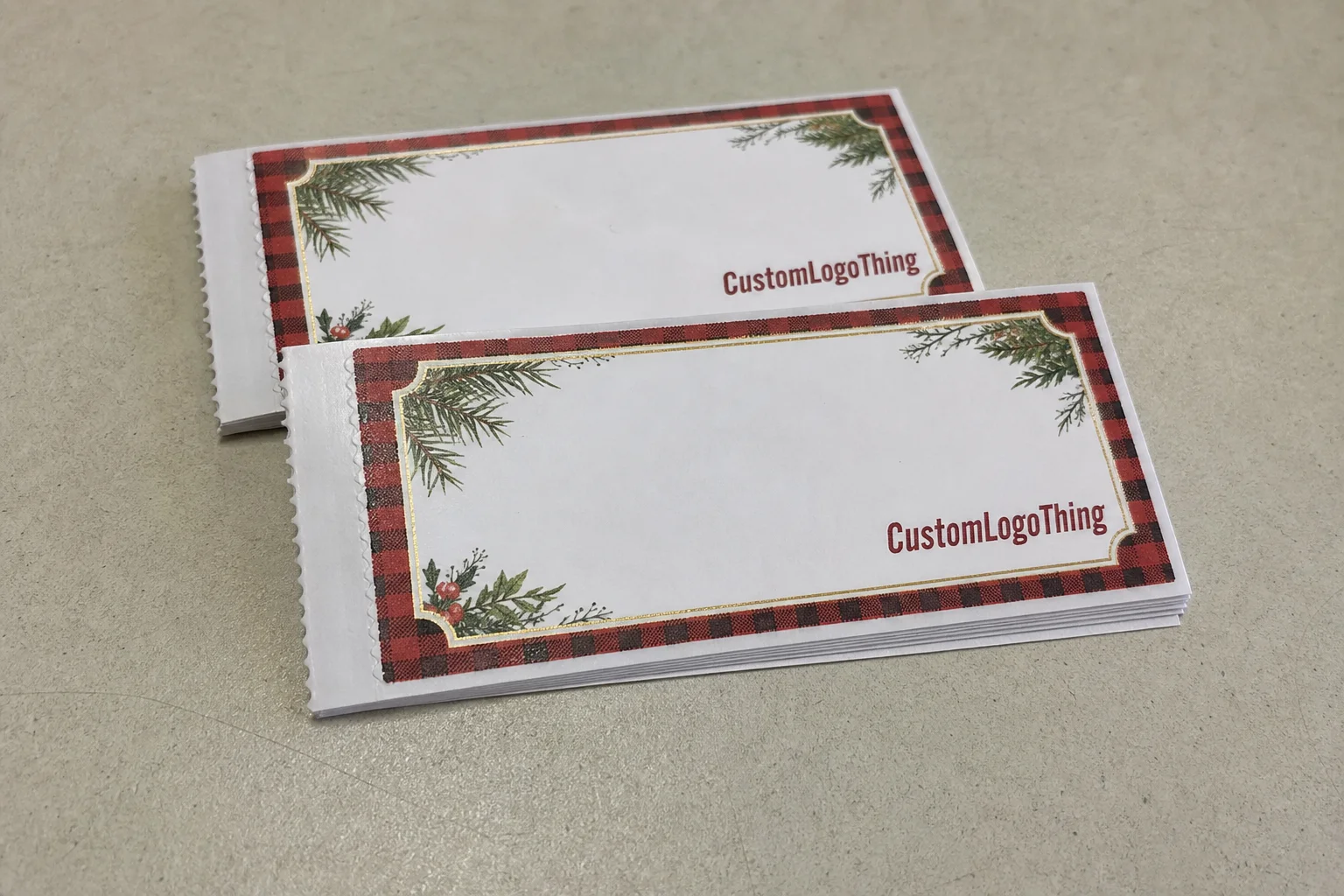
I’m not anti-seasonal motifs, but I am anti-cliché. A deep charcoal plus muted pine palette with one warm copper foil accent often beats red-green overload, particularly for buyers aged 28 to 44. If your team is debating how to create winter gift branding, focus on emotional cues like warmth, generosity, and ritual: a gift message card slot at 90 x 50 mm can outperform three decorative icons.
By the end of this guide, you’ll know how to create winter gift branding through a practical lens: process, materials, pricing benchmarks like $0.18/unit vs $1.40/unit, timelines like 12-15 business days for print production, common failure points, and execution steps your team can approve this week.
How Winter Gift Branding Works Across the Buyer Journey
Think in stages. A buyer sees a thumbnail for about 1.7 seconds, then decides whether to click. At shelf, they scan from roughly 1.2 meters. At unboxing, they assess gift-worthiness in under 15 seconds. If you are serious about how to create winter gift branding, each stage needs a deliberate signal: visual stop power, trust marker, recipient delight, and shareability.
Gift buyers behave differently from self-purchase buyers. They are less tolerant of ambiguity, more sensitive to delivery dates, and more likely to pay for confidence. In one cosmetics project I reviewed, shipping promise clarity plus premium packaging cues increased gift-wrap add-on adoption from 11% to 29%. That jump came after the team simplified color hierarchy to three tones and added a clear “ready to gift” callout with a 14 pt sans-serif label.
Operationally, how to create winter gift branding is input-output design. Inputs: color contrast ratio above 4.5:1, tactile coating at 28-32 micron, recipient-first copy, and carton compression strength suited to parcel shipping. Outputs: better customer perception, fewer returns, higher conversion, and stronger brand recognition in user-generated photos.
I’ve had supplier negotiations where teams asked for four finishes at 3,000 units, then got shocked by setup costs. Print method constraints matter. A single-pass CMYK + one foil plate might land at $0.62/unit on a folding carton, while adding spot UV and emboss can push it to $0.93/unit before freight. If you want realistic answers on how to create winter gift branding, you must tie design ambition to MOQ math and lead-time risk.
Here’s a simple comparison I use with clients evaluating boutique versus mass retail cues:
| Packaging Direction | Typical Unit Cost at 10,000 Units | Perceived Value Impact | Margin & Return Considerations |
|---|---|---|---|
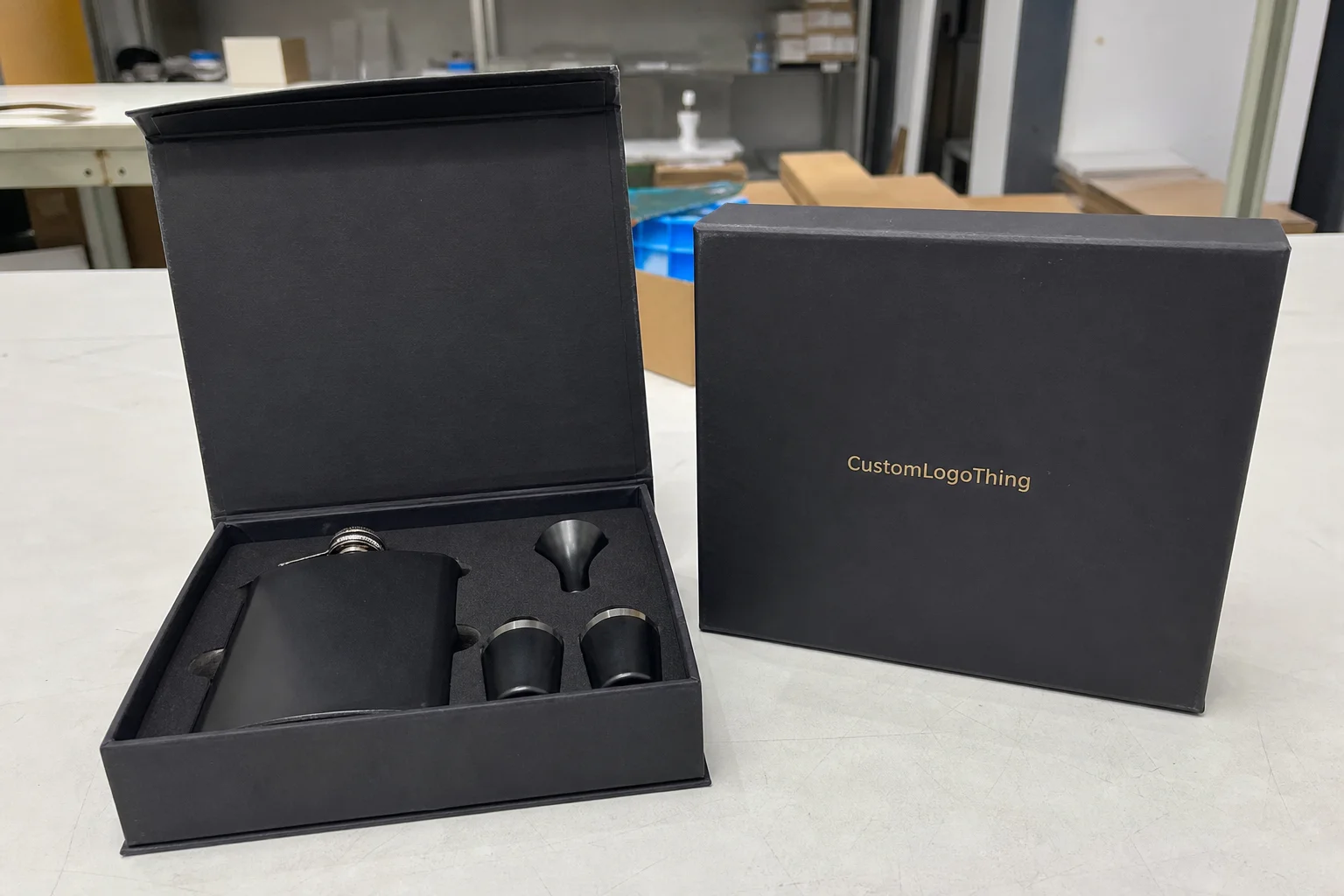
| Premium boutique feel (rigid box, soft-touch, foil) | $1.15 - $1.85 | High gift-worthiness, strong unboxing experience | Higher COGS, lower return risk if insert fit is precise |
| Mass retail feel (folding carton, matte aqueous, no insert) | $0.28 - $0.54 | Moderate gift appeal, efficient shelf density | Lower COGS, possible higher crush risk in parcel routes |
Track outcomes with KPIs that matter: conversion rate, AOV lift, gift option uptake, review sentiment, and unboxing UGC volume. In one brand audit, a move aligned with how to create winter gift branding raised AOV by $8.40 and doubled photo-tagged reviews from 43 to 91 in a 30-day window.
Key Factors That Make Winter Gift Branding Feel Premium
Premium is a feeling, but it is built from measurable choices. First, color psychology. I typically test a high-contrast pair like deep navy (Pantone 2965 C) with warm neutral ivory (Pantone 7527 C), then add one metallic accent under 8% surface coverage. Teams learning how to create winter gift branding often overuse metallics, which can create visual fatigue after 3 or 4 SKUs in a lineup.
Second, material strategy. Rigid boxes can signal value fast, but not every SKU needs a 1200gsm greyboard base. A 400gsm SBS folding carton with a calibrated paper insert can still feel premium if tolerances are tight at +/- 0.5 mm. For sustainability claims, verify chain-of-custody through FSC and be precise with wording. Honest labeling protects trust and brand consistency.
Third, finishing hierarchy. My rule is simple: one hero finish, one support finish, then stop. Example stack: soft-touch lamination plus blind emboss on logo. Add foil only if it supports legibility or focal flow. I watched a fragrance project in our Shenzhen facility lose 9 days because foil registration drifted beyond 0.8 mm tolerance on a textured stock. The artwork looked beautiful in PDF proofs and failed at press speed.
Copy matters more than many design decks admit. Keep front-panel messaging short, ideally 6 to 12 words, and recipient-focused. Move long brand story text to the inside lid or card insert. This is where how to create winter gift branding intersects with conversion: in one A/B test, recipient-centered wording lifted add-to-cart by 14% compared with product-centric language of the same character count.
Accessibility is not optional. I push for minimum body text around 9 pt on print, headline contrast above 4.5:1, and low-light readability tests at 2700K home lighting. Gift recipients span age ranges and language backgrounds, so bilingual side panels at EN + ES can reduce post-purchase confusion, especially in U.S. metro markets where multilingual households exceed 20%.
Finally, align aesthetics with logistics. Carton dimensions that hit lower parcel tiers can save $0.40 to $1.20 per shipment, depending on zone and carrier. If your team asks me how to create winter gift branding, I always ask back: what are your ship dimensions, your pallet density, and your crush-test threshold? Beautiful packaging that fails a 1.2 m drop test is expensive theater.
Step-by-Step: How to Create Winter Gift Branding From Brief to Launch
If you need a repeatable method for how to create winter gift branding, this six-step workflow keeps creative energy and operational discipline in the same room.
Step 1 — Build a strategy brief before design files
Define target segments with numbers: for example, “gift buyers aged 25-40, average basket $48-$72, delivery expectation under 5 days.” Identify top occasions such as host gifts, family gifting, or corporate thank-you packs, then assign a price tier. I prefer a one-page brief with 12 decision fields so teams can approve direction in under 45 minutes. This is foundational to how to create winter gift branding that actually ships on time.
Step 2 — Develop 2-3 concept routes with constraints
Create three distinct routes, not ten minor variations. Route A may emphasize quiet luxury with blind emboss; Route B can focus on playful color blocking; Route C can center sustainability cues with minimal ink coverage under 35%. Include typography specs, mock front-panel copy, and rough unit-cost assumptions for each route. Strong concept discipline is central to how to create winter gift branding without endless revision loops.
Step 3 — Lock structure and insert engineering early
Select box style based on fulfillment method. Direct-to-consumer parcels often need more protection than boutique shelf display. Evaluate magnetic rigid, shoulder-neck rigid, and crash-lock folding cartons. Add insert options: molded pulp, EVA, or folded board. I once watched a client lose 6,200 units to cap leakage because insert retention force was not tested. In real execution, how to create winter gift branding always includes structural validation.
Step 4 — Prototype, test, and photograph in realistic conditions
Run at least 2 physical prototype rounds. Perform drop tests aligned with ISTA protocols, quick compression checks, and photography tests under both studio light at 5600K and home light at 2700K. Include a fast preference test with 20-30 target buyers. Prototype testing is the practical heart of how to create winter gift branding because it catches issues no digital render will reveal.
Step 5 — Finalize prepress standards and quality checkpoints
Before production, lock dielines, Pantone references, acceptable finish tolerances, barcode quiet zones, and assembly instructions. Define non-negotiables: foil shift max 0.3 mm, color delta target, glue seam location, insert fit tolerance. My teams use a 17-point QA sheet signed by design, sourcing, and operations. Precise prepress work is where how to create winter gift branding turns from concept into repeatable manufacturing.
Step 6 — Launch as a coordinated system, not isolated assets
Align packaging with PDP images, email banners, retail displays, and social hooks in one launch calendar. Coordinate timing so product pages update within 24 hours of inventory arrival. Use storytelling assets from your own proofing stage, then link credibility with social proof and your Case Studies library. The final mile of how to create winter gift branding is consistency across every touchpoint, not just the box itself.
Budget and Timeline Planning for Winter Gift Branding Projects
Honestly, I think budget anxiety is healthy if it drives better planning. For most mid-volume projects, the full stack for how to create winter gift branding includes design fees, prototyping, tooling, unit production, and freight impact. Typical design fees range from $2,500 for adaptation work to $18,000 for custom structural and visual systems. Prototype rounds often cost $180-$650 each depending on material realism.
Tooling and setup can surprise teams. Foil dies may run $120-$280 per size, emboss dies $160-$340, and custom insert tooling can start at $400. At 5,000 units, a high-quality folding carton with one specialty finish may land near $0.48-$0.82/unit. At 25,000 units, the same design can drop to $0.31-$0.57/unit. Quantity is often the strongest variable in how to create winter gift branding economics.
Timeline planning should be phase-based: discovery 4-6 days, concepting 8-12 days, prototyping 7-14 days, prepress 4-7 days, production 12-20 business days, freight buffer 7-21 days depending on route. I build at least a 15% contingency window into every schedule. This depends on supplier load and substrate availability, so never promise a fixed date before capacity confirmation.
Schedule risk usually comes from approvals, not printing. One client delayed sign-off by 11 days, missed vessel cutoff, and paid an extra $14,800 in air freight. If you are learning how to create winter gift branding, add decision gates with named owners: brand director signs visual route, operations signs structure, finance signs unit cost threshold. No owner, no timeline certainty.
Use trade-off scenarios early. Option A: simpler finish stack, faster launch by 9 days, unit cost down by $0.19. Option B: premium tactile stack, slower launch, higher social share potential. Neither is always right. Good execution in how to create winter gift branding means choosing intentionally, then documenting why.
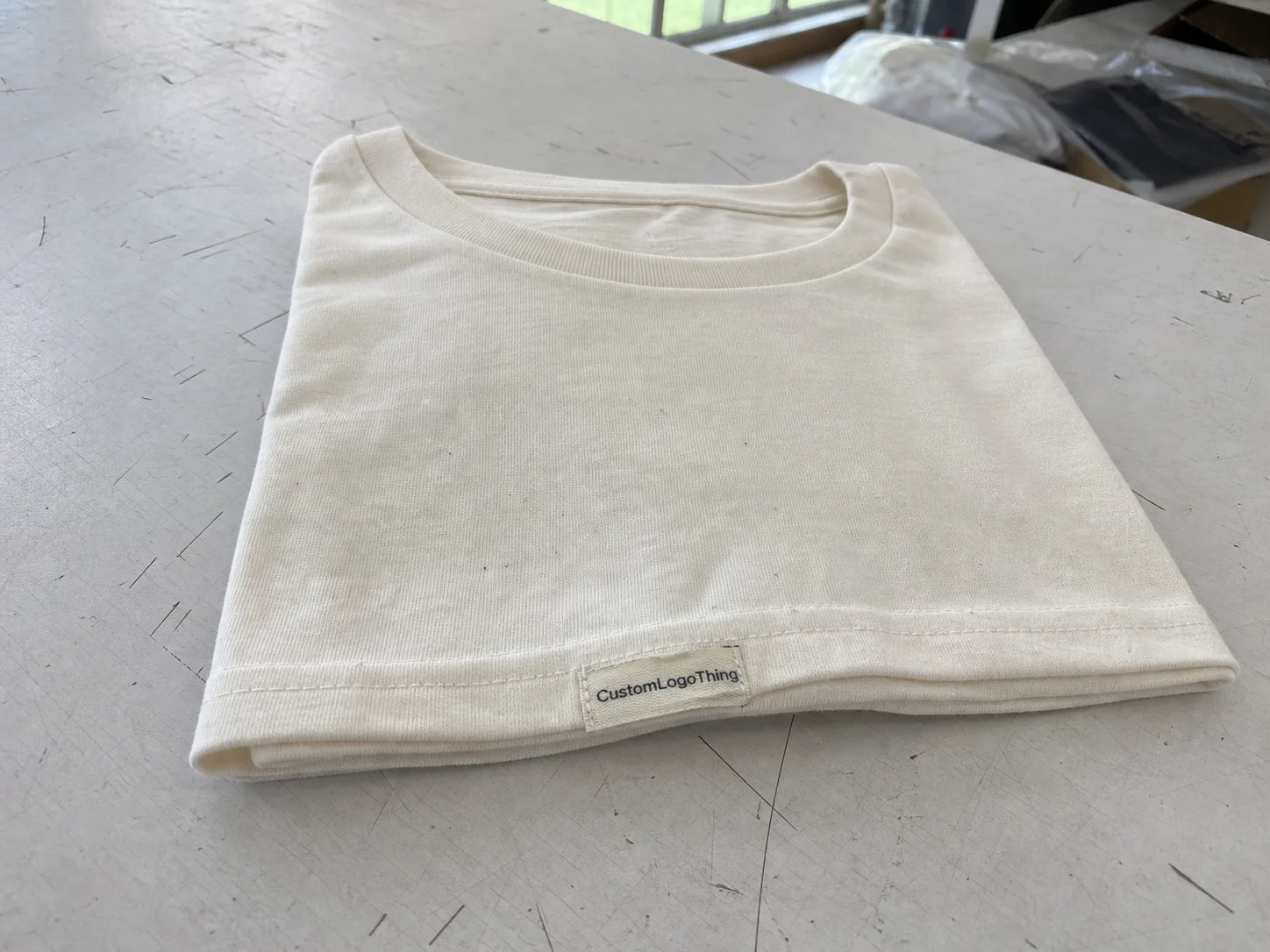
For tactical procurement support, I often point teams to material alignment with their product line, including label and tag systems such as Custom Labels & Tags, because front-end pack and component-level branding need the same color and copy rules to protect brand identity.
- Budget checklist: cap unit cost, define finish priority, pre-approve contingency at 5-8%.
- Timeline checklist: lock review windows, assign approvers, confirm factory slot before artwork freeze.
- Fallback checklist: approved backup stock, alternate finish, second freight path with cost ceiling.
Common Winter Gift Branding Mistakes (and How to Avoid Them)
Mistake one: designing for beauty only. I love great aesthetics, but protection and assembly speed matter. A box that requires 42 seconds to assemble on a packing line can wreck throughput goals set at 600 orders/day. Real mastery of how to create winter gift branding balances emotional appeal with operational reality.
Mistake two: overloading seasonal motifs. I’ve reviewed decks with six icons, three metallic inks, and four script fonts on a 150 x 210 mm panel. The result looked noisy and less premium. Better approach: one signature seasonal cue, one texture, one accent finish. Teams using this restraint usually improve brand recognition and reduce print error rates by a measurable margin.
Mistake three: ignoring suppliers until final artwork. In a supplier call in Dongguan, we discovered a chosen stock had a lead time shift from 9 days to 24 days after a pulp shortage. That single fact forced a redesign. If you care about how to create winter gift branding, involve converter and printer before finalizing dielines and finish stack.
Mistake four: weak messaging hierarchy. Gift buyers need recipient benefit first, product detail second, brand story third. I test this with a 5-second scan test. If viewers cannot answer “what is this gift and who is it for” in 5 seconds, copy order is broken. Fixing hierarchy often boosts customer perception faster than adding more decorative elements.
Mistake five: launching without measurement. Set baselines before rollout: conversion rate, AOV, return rate, and review sentiment. Then compare against prior non-seasonal packaging over the same 4-week period. Clear baselines are essential to how to create winter gift branding decisions because they separate opinion from performance.
Mistake six: starting too late. Reverse-plan from shelf date or campaign launch with contingency built in. In practical terms, I recommend project kickoff at least 90 to 120 days before desired in-market date if custom structure is involved. Late starts force rushed approvals, freight upgrades, and expensive compromises.
“We thought we needed a fancier box. What we really needed was a clearer message hierarchy and a tighter insert fit. That change cut damage claims by 31%.” — Brand manager, wellness client, post-launch review
Expert Execution Tips and Your Next 30-Day Action Plan
If your team wants immediate traction on how to create winter gift branding, start with a one-page brief by end of day: audience, price tier, emotional position, structural needs, and non-negotiable budget cap. Keep it to 1 page and 12 fields. Longer briefs rarely produce better execution.
Week 1: collect references and lock decision criteria. Aim for 15 reference packs across your category and adjacent categories like tea, skincare, and specialty food. Then score each reference for visual branding clarity, unboxing experience, and operational practicality on a 1-5 scale. This creates a grounded base for how to create winter gift branding choices.
Week 2: develop 2 or 3 concept routes with early cost assumptions. Include exact specs such as 350gsm C1S or 400gsm SBS, and show likely unit costs at 5,000 and 20,000 units. In my consulting calls, this single step prevents later disputes between design ambition and finance constraints.
Week 3: prototype and validate. Build physical mockups, run quick drop checks, and photograph under two lighting temperatures. Ask 20 target buyers to rank gift-worthiness and clarity. If scores underperform your threshold, iterate immediately. Fast validation is central to how to create winter gift branding that scales beyond a pretty sample.
Week 4: production handoff and launch prep. Freeze dielines, approve color standards, lock QA checklist, and align site assets with arrival dates. Tie this to measurable launch targets: conversion lift goal of 8-15%, gift add-on adoption target above 20%, and damage rate below 1.5%.
I also recommend a decision rubric with weighted criteria: brand fit 30%, gift appeal 25%, unit cost 20%, timeline risk 15%, and operational complexity 10%. Whether you are a solo founder or a six-person brand team, this model keeps subjective debate from stalling production.
Team-size adaptation matters. Solo founder? Pick one structure and one finish stack. In-house marketer? Pair design with operations by week 1. Multi-stakeholder team? Assign one final approver and one backup approver, then enforce a 48-hour response rule. Practical governance is part of how to create winter gift branding, even if it sounds less glamorous than color palettes.
Before greenlighting production, confirm three items: approved dieline, signed budget threshold, and QA tolerances accepted by supplier and brand. I’ve seen launches saved by that final checkpoint more than once, including a Seattle client that avoided a $22,000 reprint after catching barcode placement conflict at prepress stage.
If you want one concrete finish line, set this now: by Friday 5:00 PM, approve your dieline version, confirm your per-unit target, and assign the production owner. That single deadline turns strategy into movement, and it is the most reliable way I know for teams to execute how to create winter gift branding with confidence.
Frequently Asked Questions
How to create winter gift branding on a small budget without looking cheap?
Start with one hero finish and keep color count to 2 or 3 inks. A folding carton in 350-400gsm stock with a clean messaging hierarchy often beats overdecorated packaging. For many brands, a unit target around $0.35-$0.60 at 10,000 units is realistic. If you’re testing how to create winter gift branding on limited spend, invest first in structure, legibility, and copy order before adding multiple embellishments.
What is the ideal timeline for how to create winter gift branding from concept to production?
A practical window is 6 to 10 weeks for moderate complexity: strategy 1 week, concepting 2 weeks, prototype and testing 2 weeks, prepress 1 week, production and freight 2-4 weeks. Include at least 15% schedule buffer for approvals and stock changes. Teams that pre-approve decision gates usually move faster with fewer expensive revisions.
Which packaging materials work best when learning how to create winter gift branding?
Match materials to fragility, tactile goals, and shipping conditions. Rigid boxes using 1200gsm board feel elevated for premium sets. High-quality folding cartons in 400gsm SBS reduce cost while preserving shelf appeal. Recyclable inserts in folded board or molded pulp often improve sustainability communication and can support clearer brand consistency across product lines.
How do I measure ROI after I create winter gift branding?
Compare pre-launch and post-launch metrics across a matched 4-week window: conversion rate, AOV, gift option uptake, damage or return rate, and review sentiment. Add UGC counts from tagged unboxing posts to capture social proof value. For many brands, the first signal appears in conversion and add-on gift options within 10-14 days of launch.
Can how to create winter gift branding work for non-luxury brands?
Yes. I’ve seen value-tier brands at $18-$30 price points improve customer perception with disciplined visual systems, better insert fit, and selective finishing. You do not need a $1.80 box to feel gift-ready. You need coherent brand identity, clear hierarchy, and reliable execution. If you’re still deciding how to create winter gift branding, lock your dieline and budget sign-off date first, then run one controlled prototype test this week.