Set two similar packages on a table and most people reach for the one with the cleaner label first. That is why brands still custom make stickers instead of treating them as an afterthought. A good sticker can add branding, compliance details, a QR code, batch info, or a seasonal message without forcing a full packaging redesign.
That flexibility also creates buying mistakes. A sticker that looks simple on screen is still a construction problem: face stock, adhesive, finish, cut, and format all have to match the job. A dry indoor box seal may work in matte paper. A bottle that sits in condensation usually needs a film such as white BOPP with permanent adhesive and a protective laminate. The graphic can stay the same while the build changes completely.
The sections below focus on what helps buyers decide: material, adhesive, size, cost, MOQ, lead time, format, and inspection.
Why custom make stickers can change how people notice your brand
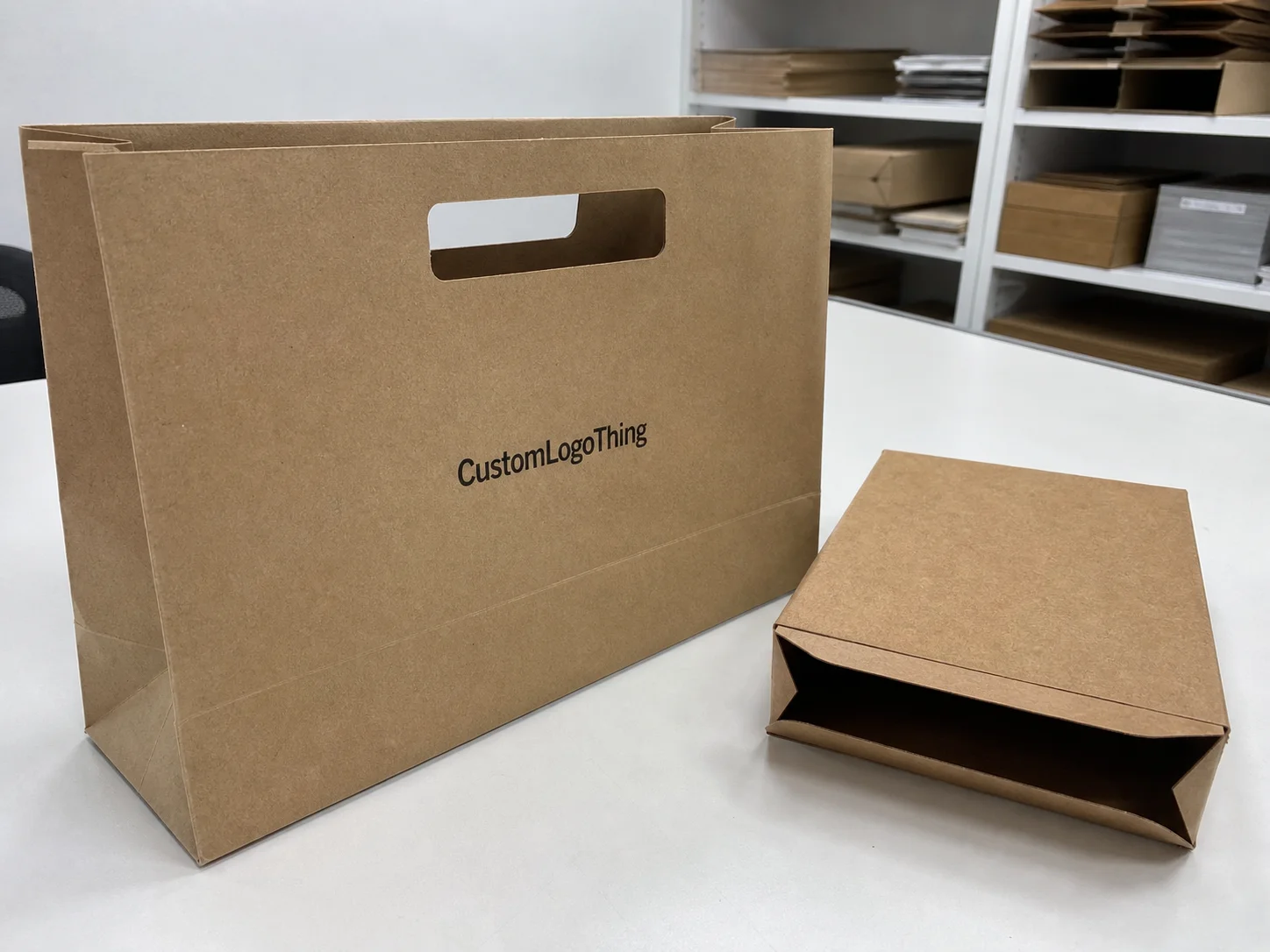
Packaging teams usually start with boxes, pouches, or bottles. Yet the sticker is often the first branded element people actually read. It may carry the logo, product name, ingredients, instructions, or promo message. If it is crooked, cloudy, undersized, or weak in color, the whole package feels less considered.
Stickers are also functional tools, not just decoration. They can:
- Seal boxes, tissue wraps, and folded cartons
- Display ingredients, instructions, or batch information
- Support inventory systems with color coding
- Add seasonal messaging without changing core packaging
- Extend branding onto shipping materials and secondary packs
This matters for growing brands. A small ecommerce seller may begin with plain mailers and a branded seal, then move into Custom Packaging Products as volume grows. A startup may launch with one bottle label and later expand into a wider system of Custom Labels & Tags as SKU counts increase. Stickers make that transition easier because they let you test designs and uses before committing to larger packaging runs.
A sticker is small, but it carries a disproportionate share of the brand signal. If the material, fit, or finish is wrong, people notice.
They are also one of the lower-cost ways to improve presentation. That does not mean a sticker is always the right answer, but it is often the fastest and cheapest way to upgrade packaging without replacing the package itself.
How sticker production works from artwork to finished rolls or sheets
The production flow is simple: artwork review, proofing, material selection, printing, finishing, cutting, inspection, and packing. Most delays happen before the press starts, usually because of missing bleed, low-resolution files, copy changes, or unclear sizing.
For short and medium runs, digital printing is common because it handles full-color artwork, gradients, and multiple SKUs without plate charges. For higher volumes with simpler repeating art, flexographic printing can lower unit cost. The break point depends on quantity, material, and finishing.
A sticker itself is layered:
- Face stock: the printable top material
- Adhesive: the layer that bonds to the package
- Liner: the backing removed during application
- Laminate or varnish: optional protection against scuffing, moisture, and abrasion
After printing, stickers are usually finished in one of three formats. Individual die-cut pieces suit giveaways and inserts. Kiss-cut sheets work for smaller batches and office use. Roll labels are usually best for hand application at scale and are often required for semi-automatic applicators.
Finish affects both look and performance. Gloss boosts color and contrast. Matte cuts glare and often reads better under bright retail lighting. Lamination matters on bottles, jars, and other packs that rub during shipping. Clear and holographic materials can look strong, but poor contrast becomes obvious fast.
The best production choice usually starts with use conditions: smooth or rough surface, room temperature or refrigerated, short-term promotion or long shelf life. A dry carton seal and a chilled beverage label are different jobs and should not be quoted as if they are the same.
If distribution is rough, shipping standards such as those discussed by ISTA can help frame what the package may face in transit. The sticker does not need to survive every extreme condition, but it does need to survive the real one.
Key specs that matter most when you custom make stickers
Five variables do most of the work when you custom make stickers: material, adhesive, size, finish, and shape. If those are right, the rest of the order is much easier.
Material choices in plain language
Paper is usually the lowest-cost option and works well for dry indoor use such as box seals, short-life packaging, and handouts. It often runs about 15% to 35% lower than film, depending on size and finish. The tradeoff is durability: paper scuffs, absorbs moisture, and tears more easily.
White BOPP is one of the most common film materials for product packaging because it resists moisture and flexes well on bottles, jars, tubs, and pouches. Clear BOPP creates a no-label look but only works when contrast is carefully planned. Vinyl is better for outdoor decals and harder-duty use, though it costs more.
Specialty materials such as metallic, holographic, textured, and tamper-evident films can work well, but they add cost and raise the risk of artwork mistakes.
Why adhesive matters more than many buyers expect
Adhesive choice is where many sticker orders fail. A standard permanent adhesive may work on smooth cardboard or glass, but chilled plastic, powder-coated metal, or low-surface-energy plastics may need a different construction. Temporary adhesives fit short-term promotions or removable decals. Freezer-grade and all-temperature options help when labels are applied cold or stored in cold conditions.
More tack is not always better. If the sticker needs to remove cleanly from a gift box, laptop, or reusable tin, aggressive adhesion becomes a problem. Surface texture, application temperature, and storage conditions all affect real performance.
Size, finish, and shape strategy
Size should be tested on the actual package, not judged on a monitor. A label that looks fine on screen can feel cramped once legal copy, barcode space, and lot code areas are added. Fonts below about 6 pt are often risky, especially when reversed out of dark backgrounds.
Gloss can make bold artwork feel richer. Matte is easier to read under glare and often suits minimalist branding. Soft-touch can feel premium, but it is not always ideal for high-rub shipping use.
Simple shapes such as circles, rectangles, squares, and ovals are efficient to produce and easy to apply. Custom die-cut silhouettes can stand out, but they increase waste, setup time, and unit cost. Fine points and tiny internal cuts also slow peeling and hand application.
- Use at least 0.125 inch bleed for most sticker artwork
- Keep text and logos inside a safe area away from trim edges
- Check contrast carefully on clear, metallic, and holographic stocks
- Leave clean space around barcodes for reliable scanning
Sticker pricing and unit cost: what actually changes your quote
Sticker pricing usually depends on material, size, print coverage, finish, cut complexity, quantity, format, and shipping. If two quotes are far apart, one of those factors is usually different even when the descriptions sound similar.
Quantity lowers unit cost, but overordering can create dead inventory if ingredients, compliance copy, or campaign artwork may change soon. That is why digital printing stays useful for growing brands: the unit cost may be higher than a very large run, but the inventory risk is lower.
Small MOQs vary by supplier and construction, but standard digital jobs are often practical in the low hundreds, while some specialty materials or finishes make more sense at higher volumes. Custom dies, specialty adhesives, and premium films can also push MOQs up.
| Option | Typical Use | Common Cost Range | Notes |
|---|---|---|---|
| Matte paper, standard shape | Box seals, indoor promo use | $0.05-$0.10 each at 5,000 | Economical, not ideal for moisture |
| White BOPP with laminate | Bottles, jars, pouches | $0.08-$0.16 each at 5,000 | Better water and scuff resistance |
| Clear BOPP | Transparent no-label look | $0.10-$0.18 each at 5,000 | Needs careful artwork contrast |
| Custom die-cut vinyl | Outdoor or giveaway decals | $0.20-$0.45 each at 1,000 | Durable, higher material cost |
Specialty upgrades move pricing quickly: UV-resistant films, metallic effects, holographic stock, tamper cuts, white ink on clear film, and unusual die lines all add cost in both materials and finishing time.
The cleanest quote requests include final size, quantity, intended surface, environment of use, finish preference, and whether you need rolls, sheets, or singles. If machine application is involved, roll orientation matters too.
What affects turnaround when you custom make stickers?
The main drivers are proof approval, file quality, material availability, finishing requirements, order volume, and shipping method. Standard jobs often fall in the 7 to 15 business day range after proof approval, but custom dies, specialty stocks, and multi-SKU orders can extend that timeline.
Lead time is not just print time. A realistic schedule includes quoting, artwork submission, proof review, approval, production scheduling, printing, finishing, inspection, packing, and transit. The most common slowdowns are low-resolution files, missing bleed, unresolved copy edits, and last-minute size changes.
Turnaround also shifts with stock availability, laminate requirements, unusual cut paths, custom die creation, and roll unwind requirements for applicators. Rush production may be possible, but it usually comes with fewer material options and higher freight costs.
Shipping should be planned separately from production. A job may finish in eight business days and still need another two to five days in transit. That distinction matters for launches, trade shows, and retailer delivery windows.
Some buyers also need sourcing documentation. If certified paper is required, standards such as those described by FSC can affect material availability and procurement timing.
Step-by-step guide to ordering stickers without guesswork
A better buying process starts with the application, not the artwork.
- Define the job. Is the sticker decorative, instructional, sealing, or the primary product label? Identify the surface: corrugated, glass, PET, HDPE, metal, or paperboard. Then note the environment: moisture, abrasion, refrigeration, freezer exposure, sunlight, or heavy transit rubbing.
- Choose material and adhesive from the use conditions. Paper may be enough for dry cartons. For bottles, jars, and flexible packaging, BOPP is often safer. Outdoor or heavy-wear decals may justify vinyl.
- Test the size on the real package. Print a paper mockup and place it on the actual box, bottle, jar, pouch, or mailer.
- Prepare print-ready files. Use proper bleed, confirm resolution, define colors clearly, and convert fonts to outlines if requested. If the sticker is clear or metallic, mark transparent or unprinted areas.
- Request the quote with exact specifications. Include dimensions, quantity, format, finish, application surface, environment, and deadline. If you need roll labels, confirm unwind direction.
- Review the proof slowly. Check copy, ingredient panels, logo placement, dieline position, barcode area, finish notes, and size callouts.
- Inspect the first delivered batch on actual products. Test adhesion, edge lift, wrinkling, laminate clarity, peel speed, and barcode readability before full use.
Define the use, test the fit, review the proof carefully, and inspect the first batch on real packaging before scaling up.
Common sticker ordering mistakes that create waste, delays, or weak branding
The most expensive mistakes are usually simple ones. Buyers choose a stock because it looks premium in a mockup, then discover it wrinkles on a curved bottle or lifts in cold storage. Size causes problems too: a label can look balanced on screen but end up too small to read or too large for seams, folds, or mandatory copy.
Artwork problems are another repeat issue. Low-resolution images, missing bleed, thin reversed text, and poor dielines all reduce final quality. Barcode placement also deserves attention. Wrap a code around a narrow bottle or place it too close to an edge and scanning problems appear fast.
Finishes can fail in subtler ways. Heavy gloss over tiny light text creates glare. Clear material over a patterned pouch can make legal copy hard to read. Soft-touch laminate may look good in a sample pack but wear poorly in rough fulfillment.
Format mistakes are common too. Teams order sheets because they seem convenient, then find that rolls would have saved labor during fulfillment. Individual die-cut pieces are good for handouts and inserts but inefficient for high-volume product labeling.
Most failures come from mismatch: the wrong stock for the surface, the wrong finish for the lighting, the wrong format for the workflow, or the wrong size for the package.
Smart next steps before you place a sticker order
Before ordering, answer a short checklist honestly: what is the sticker supposed to do, what surface will it stick to, what environment will it face, what size actually fits, and how many are safe to buy before anything changes?
- Intended use: branding, sealing, labeling, instruction, or promotion
- Surface type: cardboard, glass, plastic, metal, pouch film, or paperboard
- Environment: dry, wet, chilled, frozen, outdoor, or high-rub shipping
- Specifications: size, shape, material, adhesive, finish, and format
- Commercial details: quantity, deadline, storage conditions, and reorder plan
If the sticker needs to survive water, abrasion, condensation, or repeated handling, test one or two material options instead of assuming. Compare quotes using total price, unit Cost, Lead Time, format, and durability notes so you are comparing usable value, not just the lowest number.
Version control matters. If ingredients, SKU codes, or campaign graphics may change soon, avoid buying more inventory than you can realistically use. Storage matters too, since heat, dust, and humidity can reduce performance before application.
If you are ready to custom make stickers, replace a vague idea with a precise specification. Once the use case, material, size, finish, and format are defined, pricing gets cleaner, production gets smoother, and inspection becomes easier.
FAQ
What do I need to custom make stickers for product packaging?
You need the final size, artwork, intended surface, environment of use, quantity, finish preference, and delivery format such as rolls, sheets, or die-cut singles. It also helps to define the sticker's job clearly: branding, sealing, labeling, or promotional use.
How much does it cost to custom make stickers in small quantities?
Small-quantity pricing depends mainly on size, material, finish, shape complexity, and stock type. Short runs are useful for testing or limited editions, but unit cost is usually much higher than it is on larger repeatable runs.
How long does it take to custom make stickers from proof to delivery?
Many standard jobs fall into a 7 to 15 business day production window after proof approval, then shipping time is added on top. File quality, stock availability, quantity, and finishing details can either keep that schedule on track or slow it down.
What material is best for bottles, jars, or mailers?
For bottles and jars, film materials such as white or clear BOPP are common because they handle moisture better than basic paper. For dry mailers or indoor box seals, paper may be enough. The right choice depends on the surface, storage conditions, and whether the label needs to stay permanent or remove cleanly.
Should I order rolls, sheets, or individual pieces?
Rolls are usually best for faster hand application or machine application. Sheets are useful for smaller batches or office handling. Individual die-cut pieces fit giveaways, inserts, or retail handouts. The best format is the one that matches how your team will actually peel, store, and apply the stickers.


