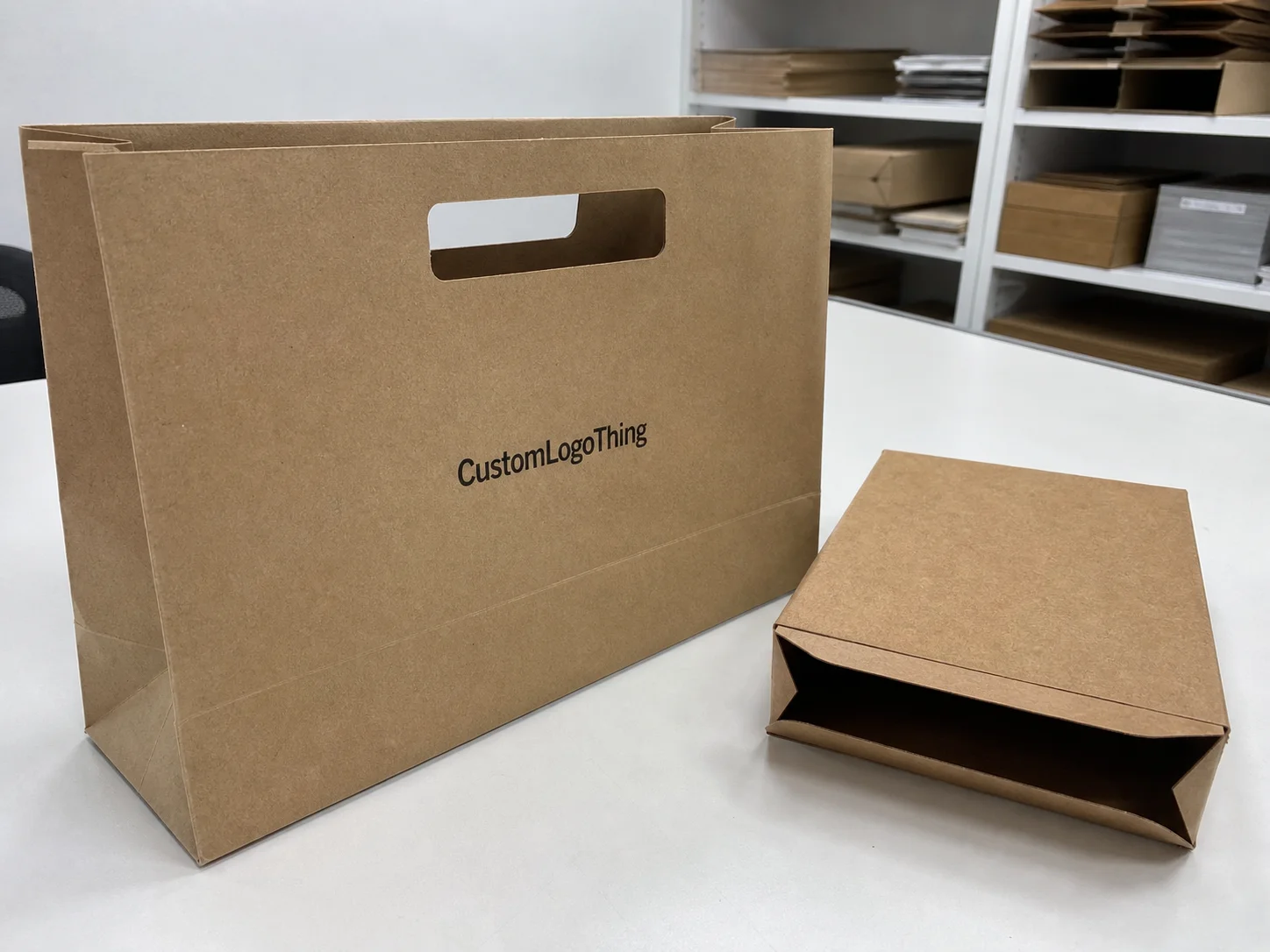
If you need to customize shipping boxes, the project usually reaches far beyond printing a logo on the outer panel. The carton has to fit the product, protect it through handling, keep packing labor predictable, and avoid adding needless freight cost. A box that looks fine on a spec sheet can still fail in practice if it leaves too much empty space, crushes too easily, or forces the packing team to use extra filler and tape just to make it work.
The smartest programs treat the box as part of the shipping system, not a separate branding exercise. Material choice, structure, internal dimensions, print method, and packing workflow all affect the result. If any one of those pieces is off, the cost usually shows up later as damage claims, slower fulfillment, or higher dimensional weight charges.
That is why buyers who want to customize shipping boxes successfully should think about more than appearance. The right solution needs to protect the item, stay efficient on the line, and hold up under the normal abuse that comes with parcel networks and warehouse stacking. A practical box often saves more money than a visibly “better” one that was overbuilt or poorly sized.
Why customize shipping boxes instead of using stock cartons
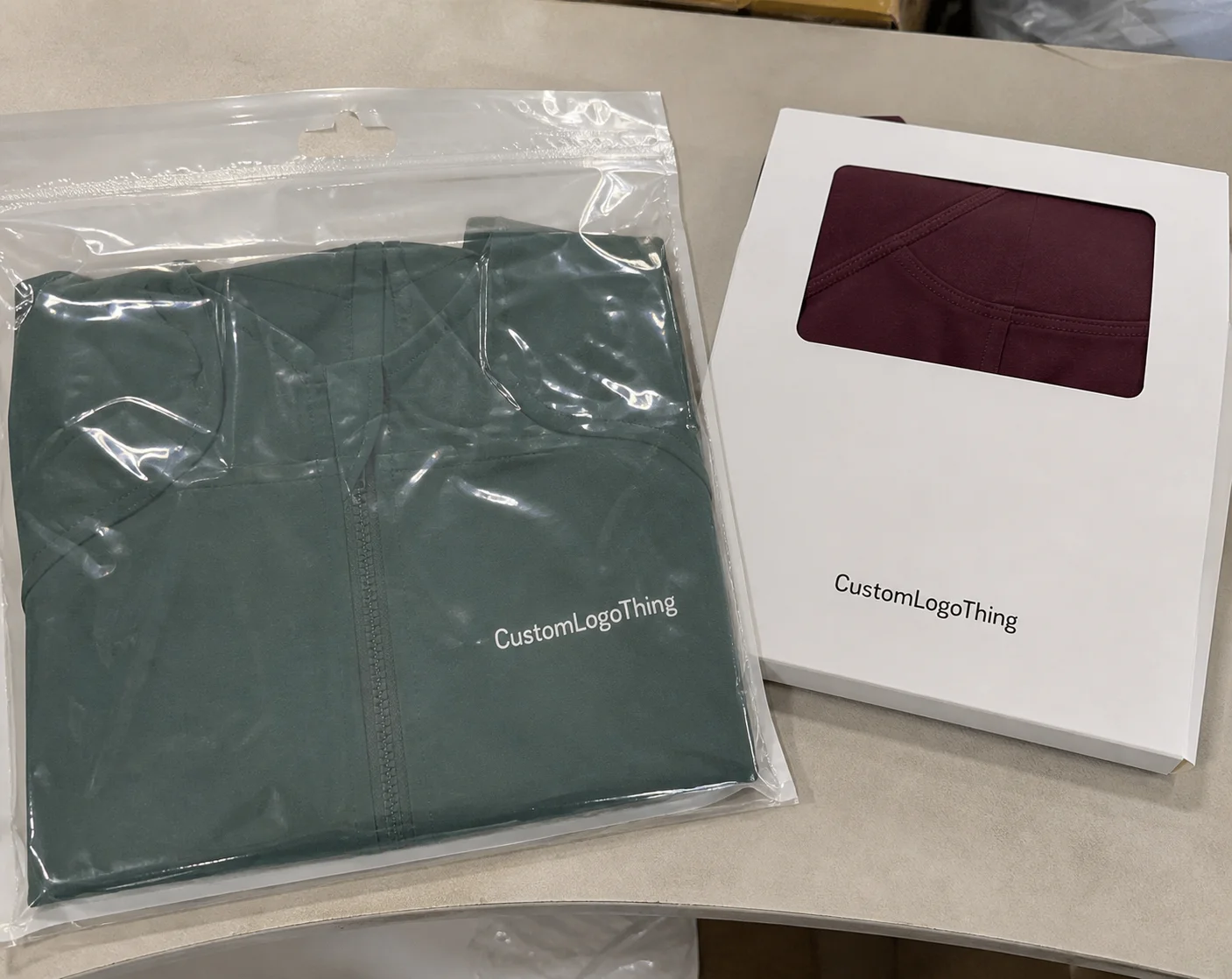
The most common packaging mistakes are also the easiest to miss. A carton is too large, too weak, or too generic for the product it carries. Extra empty space means more corrugated board, more filler, and often more dimensional weight. An underspecified carton raises the risk of corner crush, panel deflection, and product movement during ecommerce shipping, especially when the item is fragile, dense, or prone to surface damage.
To customize shipping boxes well, you need to think about the internal space, flute profile, board grade, wall construction, closure style, and any inserts that help hold the product in place. A roll-end mailer, for example, behaves very differently from a regular slotted container. Double-wall board handles stacking and compression better than single-wall, but it also costs more and can add weight. There is no universal “best” carton; the right choice depends on the item, the route, and the amount of abuse the package is likely to see.
Most buyers end up with four practical gains:
- Better fit so the product moves less inside the box.
- Lower shipping cost through right-sizing and reduced cube.
- Cleaner branding with a more intentional presentation.
- Faster packing because workers are not wrestling oversized cartons or excessive filler.
A familiar mistake is trying to make one generic carton cover every SKU. That may seem efficient at first, but the result is usually a box that is too loose for some products and too weak for others. Most operations do better with a small family of sizes and board grades that match the actual product mix rather than a single all-purpose shipper.
“A shipping box earns its place by fitting the product, surviving the trip, and keeping the packing line moving. If it misses one of those jobs, the savings tend to disappear somewhere else.”
For heavier or more fragile goods, corrugated shippers usually make more sense than presentation-first cartons. Lighter goods may fit better in mailer-style formats. If you are comparing options, it helps to look at Custom Shipping Boxes, Custom Poly Mailers, and other Custom Packaging Products side by side rather than assuming one format can do everything.
How to customize shipping boxes step by step
Most projects start with measurements and shipping requirements. A supplier needs the packed dimensions, unit weight, protective materials, carrier type, and the damage risks you are trying to reduce. A box for folded apparel is straightforward. A box for glass bottles, electronics, or a dense kit with multiple components usually needs more careful planning because the loads, clearances, and closure demands are very different.
From there, the structure gets defined. Sometimes a modified stock size is enough, which can shorten lead time because the format already exists and only needs dimensional adjustment. Other jobs need a custom dieline built around the product and the packing method. Modified stock designs are usually easier to launch. Fully custom dielines give tighter control over fit, material use, opening style, and presentation.
The process usually looks like this:
- Measure the packed product and define the shipping requirements.
- Select the structure, closure style, and corrugated grade.
- Prepare artwork for the chosen print method.
- Review the dieline proof for folds, glue areas, panels, and safe zones.
- Approve a sample for fit, packout, and transit checks if needed.
- Release to production after final sign-off.
Proofing is where many delays begin. Artwork can look correct on a flat screen and still fail once fold lines, glue tabs, and wrapped panels are involved. Another common issue is designing around the product alone and forgetting insert thickness, board caliper, or the small amount of clearance packers need to load the item quickly without forcing it into place.
Production methods matter too. Flexographic printing is common for larger runs and straightforward graphics. Digital printing is often a better fit for shorter runs, versioned artwork, and faster sample development. Die cutting creates the final shape, while converting turns printed sheets into finished boxes. To customize shipping boxes efficiently, the print method, structure, and order volume should support each other rather than work against each other.
What specs matter most for customized shipping boxes
Strength starts with the corrugated structure. Single-wall cartons work well for many ecommerce shipments, especially lighter and medium-weight products. Double-wall construction is more useful when the item is heavier, the stack load is higher, or the shipment is likely to face rougher handling. Flute profile also changes performance. Smaller flutes can improve print quality and create a tighter box profile. Larger flutes can improve cushioning and compression resistance. Neither is automatically better.
Board grade matters just as much. Recycled content, burst strength, and edge crush rating all influence how the carton behaves in transit. Buyers often ask for the strongest board available because it feels safer, but that is not always the right answer. If the product is light and stable, a right-sized carton with a suitable grade can perform better than an overbuilt one that only adds cost and weight.
Dimensions affect much more than appearance. An oversized box increases filler use, tape consumption, storage space, and freight exposure tied to dimensional weight. A tighter fit reduces movement, which often improves protection without adding material. Most effective packaging design programs leave enough room for the product, cushioning, and normal packing tolerance, but not much more.
Branding decisions need to respect the substrate. Corrugated board is not folding carton stock, so fine type, soft gradients, and very light colors may not reproduce as sharply. Flexographic printing works well for solid logos and repeat production. Digital printing can support more detailed artwork and shorter runs, though the per-unit cost can rise depending on quantity. If brand color matters, ask how proofs are handled and what variation is normal on corrugated surfaces.
| Box option | Typical strength | Branding | Best use |
|---|---|---|---|
| Single-wall RSC | Good for light to medium loads | Simple flexo or digital print | General ecommerce shipping |
| Double-wall RSC | Higher stacking and crush resistance | Works well for larger panels | Heavier or fragile products |
| Custom die-cut shipper | Depends on design and board grade | Strong presentation and structure options | Premium unboxing or engineered fit |
Sustainability should be part of the spec review from the beginning. Right-sizing cuts board use. Recycled content may support internal goals. Fewer inserts can reduce waste if the carton itself is doing more of the protective work. Buyers with formal sourcing or reporting requirements often review guidance from the EPA and the Flexible Packaging Association, and FSC certification can matter when fiber sourcing is tracked closely.
Customization costs, MOQ, and quote factors to plan for
Price depends on size, board grade, print coverage, ink count, quantity, tooling, and finishing. A small one-color carton and a large die-cut box with heavy print are not comparable projects, even if both are called custom shippers. That is why two quotes can look similar at first glance and still reflect very different specifications.
As a rough planning range, a modestly printed custom corrugated shipper may land around $0.60-$1.20 per unit at 1,000-2,500 pieces, with better pricing often available at higher volumes depending on board choice and artwork complexity. Sample runs, tooling charges, and special handling should be included in landed cost from the start. Freight can shift the economics more than many buyers expect, especially with bulky cartons that consume trailer space quickly.
Minimum order quantity depends on style and print method. Digital work can support smaller runs. Flexo printing and custom die-cutting usually make more financial sense at higher quantities because setup costs need to be spread across more units. A lower MOQ is not automatically the better deal if it drives the per-box price too high.
Quote reviews usually come down to a few basic variables:
- Internal dimensions and total board usage.
- Wall construction and flute selection.
- Print method and number of colors.
- Plate or die charges tied to setup.
- Samples and freight to the delivery point.
Supplier comparisons only help if the specs match line by line. A single-wall quote should not be compared with a double-wall quote as if they were equivalent. The same goes for plain kraft versus printed and coated cartons. For a fair comparison, keep the size, board, print coverage, quantity, and delivery terms consistent across every quote.
Teams deciding whether to customize shipping boxes or stay with stock should look past the box price alone. A carton that costs more per unit can still save money if it reduces damage, cuts filler, and speeds up fulfillment. That is often true for operations trying to improve branded packaging without pushing freight or labor too far.
How long does it take to customize shipping boxes?
Most custom box orders follow a predictable sequence, but lead time depends heavily on how quickly the buyer finalizes details. A straightforward project with approved artwork and no sample delay may move in about 12-15 business days after proof approval. More complex jobs take longer, especially if the structure is changing, the print is more demanding, or a physical sample needs review before production begins.
A practical timeline usually includes these stages:
- Discovery and specification gathering.
- Dieline creation or modification.
- Artwork setup and proofing.
- Sample or mockup approval, if required.
- Press setup, die cutting, and converting.
- Final inspection and shipment.
Buyer responsiveness has a direct effect on schedule. Accurate dimensions, press-ready files, and quick proof approval help the project move cleanly. Delays usually come from unresolved size decisions, artwork revisions after proofing, or structural changes introduced after the sample stage.
Testing deserves more attention than it often gets. A sample can look excellent on a table and still perform poorly once it is packed, stacked, taped, and moved through a parcel network. If the shipment will face normal carrier handling, ask whether the design has been checked against common transit stress patterns or internal pack trials. Guidance from organizations such as ISTA is useful because it keeps the focus on real shipping performance rather than appearance alone.
Specialty printing, new tooling, or structural revisions can all add time. That is normal. The smoothest projects are usually the least dramatic ones: dimensions are settled early, graphics are built to the dieline, and performance goals are defined before the job reaches production. If you need to customize shipping boxes on a repeat basis, keeping approved specs and reorder details in one place will shorten future cycles.
Common mistakes when you customize shipping boxes
The first mistake is measuring the product instead of the packed unit. Inserts, bubble wrap, paper fill, foam, and board thickness all take up room. Leave them out of the calculation and the box may arrive too tight, forcing packers to jam the product into place and slowing the line at the same time.
Another frequent error is overbuilding the carton. Heavy-duty board can feel like cheap insurance, but if the product is light, stable, and traveling a short distance, that added strength may not solve anything. It simply raises material cost, shipping weight, and storage burden.
Artwork prep causes plenty of trouble as well. Corrugated layouts have fold lines, glue tabs, and print-safe zones that standard design files often ignore. A strong visual concept can still print poorly if it was not built around the actual dieline and converting process.
Sample approval without real testing is another costly shortcut. A carton that holds one unit on a bench is not automatically ready for fulfillment. Check how it closes, how much tape it needs, how it stacks, and how it behaves under a simple transit simulation if you can. A short test run is a lot cheaper than handling returns and damage claims after launch.
A few other problems appear often enough to watch for:
- Choosing ambitious color goals without checking how corrugated will reproduce them.
- Ignoring carrier size rules and dimensional weight thresholds.
- Trying to use one box size for several very different SKUs.
- Failing to document specs clearly for future reorders.
The safest approach is to treat the carton as part of the shipping system rather than a separate branding project. That shift in thinking prevents a surprising number of avoidable problems and leads to better results when you customize shipping boxes for growth, efficiency, or both.
Expert tips for better shipping box results and next steps
Use the real product during sample review before committing to production. A quick packout with the actual item, actual cushioning, and actual tape method reveals far more than a drawing or on-screen proof. It is much easier to correct a fit problem before thousands of cartons are printed and delivered.
Many operations also benefit from building around one or two standard box families. That keeps tooling simpler, makes reordering easier, and gives the warehouse a smaller set of formats to manage. A short list of well-planned sizes can still cover a wide SKU range if the dimensions and cushioning strategy are thought through carefully.
Before requesting quotes, document the basics clearly:
- Product dimensions and weight.
- Insert or filler requirements.
- Damage risk level and shipping distance.
- Print goals and brand color expectations.
- Monthly or annual usage for pricing tiers.
If you want to customize shipping boxes with fewer surprises, ask for a sample, compare every quote against the same specification, and confirm whether plates, dies, freight, and finishing are included. That discipline catches hidden cost early and makes supplier comparisons much more honest.
Teams building a wider packaging system may also want to review Custom Packaging Products alongside the box spec so the outer carton, inner protection, and branding work together. A cleaner packaging system usually means fewer packing errors and more reliable protection during transit.
Next step: measure the packed product, define the shipping goals, gather the artwork files, request a sample, and compare quotes by size, board, print method, and delivery terms. Done well, the decision to customize shipping boxes becomes a practical way to control cost, improve protection, support branded presentation, and make fulfillment easier to repeat.
FAQs
How do I customize shipping boxes for different product sizes?
Measure the packed product rather than the item by itself, and include inserts, cushioning, and closure space. Choose box sizes that reduce empty space without making packing difficult. If you ship multiple SKUs, group them into a small set of standard sizes so fulfillment stays manageable.
What affects the price when I customize shipping boxes?
Size, board grade, print coverage, order quantity, tooling, and sample needs all affect price. Smaller runs usually cost more per box because setup is divided across fewer units. Freight and added finishing can also change the final landed cost.
How long does it take to produce custom shipping boxes?
Lead time depends on approval speed, sample requirements, print method, tooling, and material availability. Simpler orders move faster than highly printed or structurally complex cartons. Clear specs and quick approvals usually shorten the timeline.
Do custom shipping boxes need a minimum order quantity?
Most do, since setup costs are tied to tooling, plates, and press preparation. MOQ varies by style and decoration method. Ask for tiered pricing if you want to compare a smaller trial run with a larger production order.
Should I use custom shipping boxes or custom mailer boxes?
Shipping boxes are generally the better choice for heavier or more fragile products that need stronger corrugated protection. Mailer boxes are often used for lighter products and a more presentation-focused opening experience. The right choice depends on product weight, shipping method, and how much protection the trip requires.