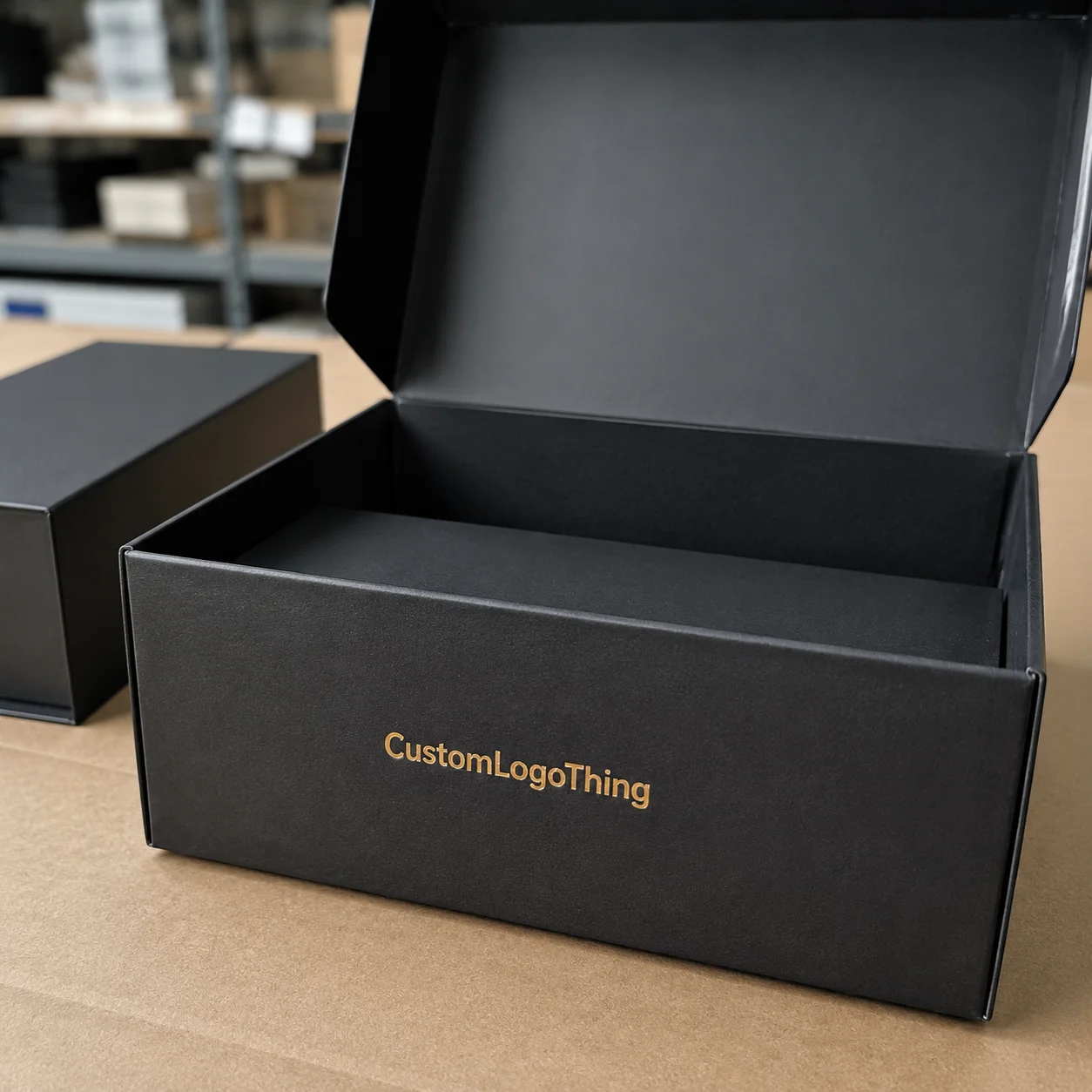
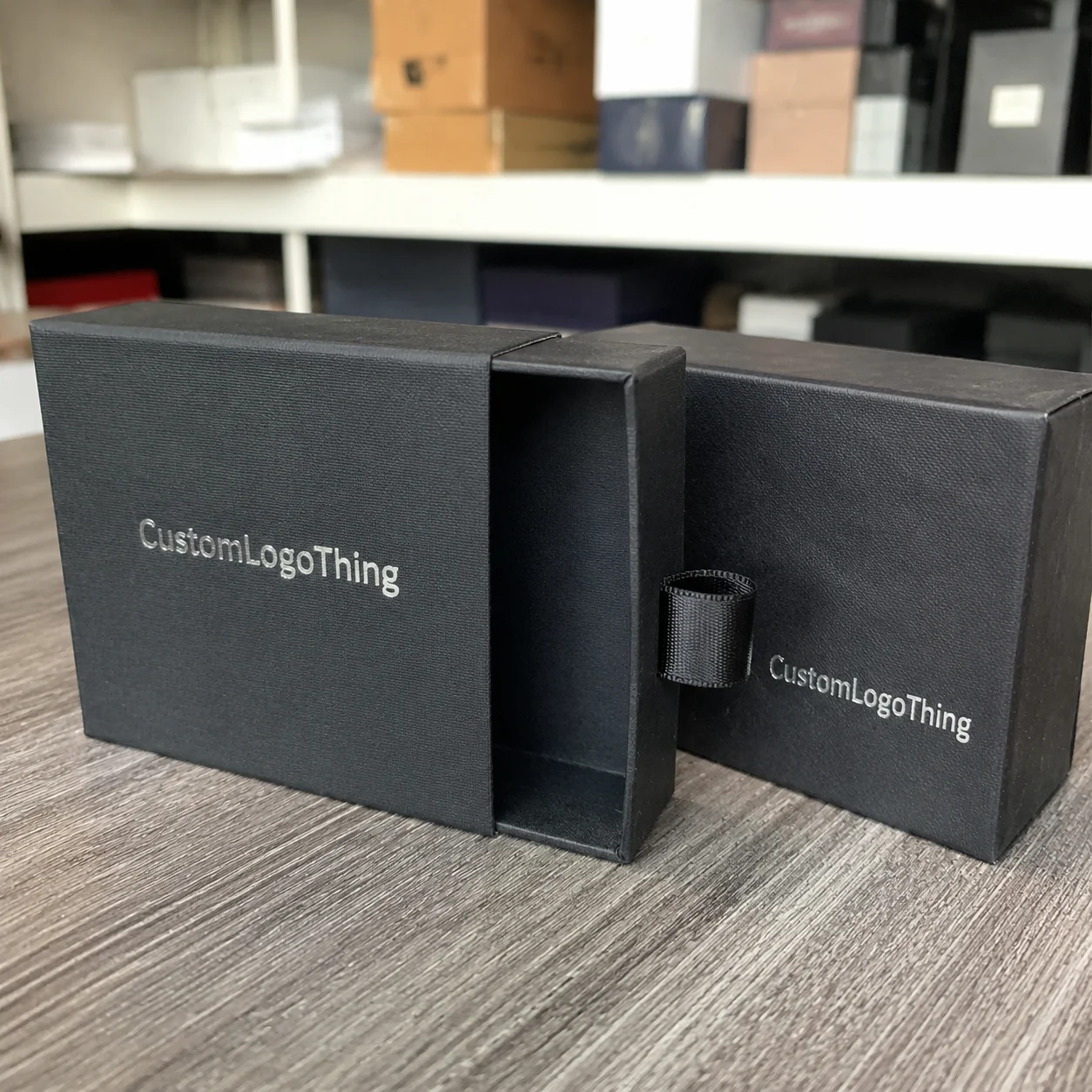
Buyer Fit Snapshot
| Best fit | design custom product packaging buyer review for packaging buyers comparing material specs, print proof, MOQ, unit cost, freight, and repeat-order risk where brand print, material, artwork control, and repeat-order consistency matter. |
|---|---|
| Quote inputs | Share finished size, material target, print colors, finish, packing count, annual reorder estimate, and delivery region. |
| Proofing check | Approve dieline scale, logo placement, barcode or warning zones, color tolerance, and any recyclable or compostable wording before bulk production. |
| Main risk | Vague material claims, crowded artwork, or missing packing details can create delays even when the unit price looks attractive. |
Fast answer: Design Custom Product Packaging Buyer Review: Dieline, Finish, Proof, and Buyer Review should be specified like a repeatable production item. The safest quote includes material, print method, finish, artwork proof, carton packing, and reorder notes in one written spec.
What to confirm before approving the packaging proof
Check the product dimensions against the actual filled item, not only the sales mockup. Ask for tolerance on folds, seals, hang holes, label areas, and retail display edges. If the package carries a logo, QR code, warning copy, or legal claim, reserve that space before decorative graphics fill the panel.
How to compare quotes without losing quality
Compare board or film grade, print process, finish, sampling route, tooling charges, carton quantity, and freight assumptions side by side. A lower quote is only useful if the supplier can repeat the same color, closure quality, and packing count on the next order.
I still remember a Tuesday morning at a folding carton plant in Dongguan where 18,000 units were paused on press because the glue flap swallowed a nutrition panel and the barcode quiet zone got clipped by a fold. I was holding a coffee I never got to drink (it went cold, naturally), staring at a pallet of almost-right cartons that were, operationally speaking, completely wrong. That kind of expensive lesson teaches you how to design custom product packaging the right way: not as artwork first, but as a coordinated system of structure, print, protection, and operations. Brands that want Packaging That Sells and survives real shipping lanes need more than a pretty mockup.
Across 20+ years on factory floors, I’ve watched smart founders spend $6,000 on premium finishes and still lose margin because their pack-out line slowed from 42 units/minute to 27. I’ve also seen a simple board upgrade from 18pt SBS to 24pt SBS cut dent complaints by 31% in one quarter. Honestly, this is the most misunderstood tradeoff in packaging: teams obsess over what customers see and forget what operations has to touch all day. That gap is exactly why this guide exists. You’ll see how to design custom product packaging from brief to production, with the details that actually move outcomes: specs, costs, timing, testing, and decision points that prevent rework.
How to Design Custom Product Packaging: Why It Matters More Than Most Brands Realize
A lot of brands think packaging starts in Illustrator. Honestly, that’s usually where problems start. At one California co-packer I worked with, nearly 40% of first-run packaging corrections traced back to decisions made before the dieline existed. Wrong panel hierarchy, no allowance for dust flaps, logo crossing score lines, and warning text below legal minimum size—classic misses. Painfully classic.
Custom packaging includes structure (box style, lock type, insert geometry), substrate (SBS, kraft, corrugated flute profile, rigid board), print process (offset, flexo, digital), finish (matte AQ, soft-touch lamination, spot UV, foil), compliance copy (warnings, ingredient panels, country of origin), and unboxing flow (how the product is revealed in 3 to 8 seconds). Learning how to design custom product packaging means shaping those parts together, not in isolation.
Business impact goes far beyond shelf beauty. In one nutraceutical project, changing from a reverse tuck end to an auto-lock bottom with a tighter insert reduced in-transit scuff and movement enough to cut return claims from 4.8% to 2.1% over 90 days. In a DTC skincare launch, moving to E-flute custom printed boxes with a molded pulp insert pushed damage-free deliveries from 92% to 98.6%. Conversion improved too because opening experience matched the premium price point.
Most teams miss the same point: packaging design gets treated as a brand exercise only. Real success with package branding comes from balancing three forces at once—brand intent, engineering constraints, and operational reality. Ignore one, and the bill arrives later as reprints, delayed launches, or freight costs that wreck margin (and occasionally your Friday evening).
By the end, you’ll know how to design custom product packaging with a repeatable process, realistic timeline gates, and cost controls that protect margin. We’ll cover workflow, specs, testing, procurement alignment, and the mistakes that keep showing up in pilot runs and supplier calls.
How Custom Packaging Design Works from Concept to Production
A clean workflow for how to design custom product packaging is straightforward, but each stage needs a clear decision owner. The sequence I recommend is discovery brief, structural concept, dieline creation, artwork adaptation, white sample, prepress proof, pilot run, then full production. Skip one stage and defects sneak in. I used to think teams were exaggerating when they said they could “save a week” by skipping white samples; then I watched one team lose three weeks fixing what that skipped sample would’ve caught in 30 minutes.
Who does what in a real packaging project
Brand team: sets goals like shelf impact, tone, and target cost-per-unit (CPU).
Packaging engineer: owns structure, board caliper, fit tolerance, and transit performance.
Prepress technician: checks trapping, overprint settings, TAC limits, and separations.
Press operator: controls registration, dot gain, and color consistency run-to-run.
QA lead: verifies dimensions, adhesive integrity, barcode scans, and pack-out functionality.
I once sat in a supplier review in Shenzhen where brand marketing approved a hero purple in RGB that looked beautiful onscreen but shifted muddy in CMYK on uncoated kraft. The room went silent in that special way only print rooms can—half technical concern, half “who signed this?” energy. We solved it by locking Pantone 2685 C on coated SBS and using a CMYK fallback only for low-volume digital short runs. That single decision prevented an 11-day schedule slip.
Production realities matter. Digital mockups are useful, but they lie about board memory, crease behavior, and foil edge sharpness. Dielines need clear bleed (typically 3mm), safe zone (at least 2.5mm), and non-print glue areas. On folding cartons, I reserve 10-12mm glue flaps and verify panel growth after scoring. Small details, big difference.
Print process selection should match factory setup and run length:
- Offset litho: best for high-detail branded packaging, typically efficient above 5,000 units.
- Flexo: ideal for corrugate and shipping-grade product packaging, lower cost at scale.
- Digital: great for 250 to 2,500 unit pilots, quick iteration, no plates.
Typical timeline from approved brief to delivered goods runs 4 to 10 weeks, depending on complexity. Fast projects can close in 12-15 business days from proof approval for simple one-color custom printed boxes. Projects with foil + emboss + specialty substrate can stretch to 35-45 business days. Delays usually trace back to late artwork, missing compliance copy, or unclear insert specs. (And yes, occasionally to someone discovering “final_final_v7_REAL.ai” wasn’t final.)
Teams that want consistent results while learning how to design custom product packaging should use approval gates: Gate 1 brief signoff, Gate 2 structure signoff, Gate 3 artwork signoff, Gate 4 prepress proof signoff, Gate 5 pilot release. No gate, no production. I’m opinionated about this because I’ve seen the alternative too many times.
Key Factors to Get Right When You Design Custom Product Packaging
Start with the product itself. Dimensions to the millimeter. Weight to the gram. Orientation rules. Fragility profile. Moisture or UV sensitivity. Tamper evidence needs. If a bottle is 148mm high but cap tolerance fluctuates ±1.2mm across suppliers, your insert aperture must account for that. It’s the unglamorous side of how to design custom product packaging, and it saves real money. I know “unglamorous” doesn’t sell moodboards, but it does save launches.
Material trade-offs you should decide early
- SBS paperboard (18pt–28pt): clean print, premium feel, strong for retail packaging.
- Kraft board: natural look, good sustainability perception, weaker color consistency for saturated brand palettes.
- Corrugated E/B/C flute: E for printability and compactness, B for stacking strength, C for heavier loads.
- Rigid setup boxes: premium unboxing, higher labor and freight cube.
- Recycled-content substrates: eco value, sometimes variable surface smoothness and color holdout.
For sustainability targets, verify chain-of-custody claims with trusted programs like FSC. Recycling and recovery guidance in the U.S. is available through EPA recycling guidance, which helps with policy alignment and claims language. Quick disclaimer from real-world production: availability of certified stock can vary by region and quarter, so always confirm supply before locking launch dates.
Color control is another frequent pain point. Pantone spot colors deliver consistency for signature brand hues, while CMYK is cheaper and more flexible. If your logo depends on one exact deep green, use a spot color for that panel. Typography should be tested at final size. I’ve seen legal copy set at 4.5pt pass design review and fail compliance review in seconds, which is a fantastic way to turn a calm afternoon into chaos.
Logistics can wreck a beautiful design. Case pack efficiency, pallet footprint, and barcode scan reliability matter as much as front-panel impact. One beverage accessory client moved from 24 units/case to 30 units/case by reducing carton depth 6mm and changing insert geometry. Freight cost dropped about 14% per thousand units shipped.
If you sell DTC, validate with drop tests (often ISTA 3A protocols for parcel environments), plus vibration and compression where needed. Knowing how to design custom product packaging means planning for truck vibration, conveyor strikes, and porch drops—not only retail shelves.
Step-by-Step: How to Design Custom Product Packaging Without Rework
This is the framework I use with teams that need speed Without Costly Mistakes. Follow these seven steps and your first-pass success rate usually rises fast. I’ve used this sequence with startups, mid-market brands, and one enterprise team that still managed files like a startup (respectfully).
Step 1: Write a brief with measurable targets
Define hard metrics: damage rate target (for example, under 1.5%), CPU ceiling (say $0.68 landed), shelf objective (visible brand block at 4 feet), and lead-time cap (under 25 business days post-approval). That turns packaging design from subjective debate into measurable execution.
Step 2: Lock product measurements and protection specs first
Before visuals, confirm product dimensions, acceptable movement, orientation constraints, and environmental exposure. For glass, call out impact zones and headspace requirements. For powders, define seal integrity requirements. Fuzzy inputs make how to design custom product packaging an expensive guessing game.
Step 3: Choose structure and materials through testing
Request 2-3 structural concepts from your supplier or engineering partner. Test compression, burst, drop, and vibration as relevant. I recommend white samples first because color distracts decision-making. At one Nevada facility, we solved chronic corner crush by shifting from an FEFCO 0427 variant to a reinforced tuck with a 1.5mm board increase. No artwork change required.
Step 4: Build dielines and place artwork correctly
Respect bleed lines, fold allowances, glue areas, and barcode quiet zones. Keep critical text 2.5-3mm inside safe areas. Avoid putting small type across scores. Verify UPC sizing and contrast per GS1 scanner guidance. This stage is where many teams fail while figuring out how to design custom product packaging. Honestly, most reprints I see are preventable right here.
Step 5: Prototype in stages, not all at once
- Plain white structural sample
- Color proof (2D + folded sample)
- Production-grade mockup with real substrate and finish
Three rounds may sound slow, but I’ve watched that sequence prevent five-figure reprint bills. A cosmetics client in New Jersey caught a foil registration issue at mockup stage that would have wasted 22,000 cartons in production.
Step 6: Run prepress checks and a controlled pilot batch
Prepress should verify separations, rich black builds, trapping, TAC, and dieline lock. Then run a pilot batch—often 300 to 1,000 units—through your actual pack line. Measure assembly speed, defect rate, barcode scans, and shipping survivability. If pilot KPIs pass, release full run.
Step 7: Document a version-controlled packaging spec sheet
Your spec sheet should include board grade, print method, approved colors, finish stack, tolerances, barcode location, adhesive type, shipper configuration, and QA checkpoints. Version control is non-negotiable. I label specs like PKG-SKU142-REV06 and tie every PO to that revision. If you’re not strict here, someone is gonna pull the wrong rev at 6:12 p.m. on a Thursday. Ask me how I know.
If your team asks me how to design custom product packaging with minimal rework, this seven-step system is always my answer.
Cost and Pricing: Budgeting Custom Product Packaging the Smart Way
Let’s get practical with numbers. Packaging costs are driven by material grade, structure complexity, number of print colors, finishing choices, insert count, and assembly labor. A straight tuck carton in 18pt SBS with 4-color CMYK might land at $0.22-$0.34/unit at 10,000 pieces. Add soft-touch lamination + spot UV + fitment insert and you may jump to $0.48-$0.79/unit, depending on region and freight.
Fixed and variable costs matter while learning how to design custom product packaging. Fixed costs include dies, plates, and proofing setup. Variable costs include board, ink, labor, and finishing per unit. Small runs feel expensive because setup is spread across fewer units. I usually tell founders: don’t judge your packaging economics at 1,000 units and assume that’s your forever cost curve.
| Packaging Option | Typical MOQ | Setup Cost | Unit Cost (est.) | Best Use Case |
|---|---|---|---|---|
| Digital printed folding carton (18pt SBS) | 500 | $120-$350 | $0.62-$1.10 | Pilots, short seasonal runs |
| Offset printed carton + matte AQ | 5,000 | $650-$1,800 | $0.18-$0.42 | Core SKU retail packaging |
| E-flute corrugated custom printed boxes | 3,000 | $450-$1,200 | $0.39-$0.88 | DTC shipping + branded unboxing |
| Rigid setup box + paper wrap + insert | 1,000 | $900-$2,500 | $1.40-$3.80 | Premium gift/product launches |
These ranges are directional, not universal pricing guarantees. Mill pricing, labor volatility, and freight swings can move quotes a lot quarter to quarter. If a quote seems “too high” or “too low,” ask for line-item assumptions before you approve anything.
Over-customization can crush margins at low volume. I advised one startup to remove a hidden foil area and replace magnetic closure with a friction lock. Unit cost dropped from $2.26 to $1.34 at 2,000 units, with almost no perceived brand downgrade. Honestly, this is one of my favorite boring wins. Customers noticed the product, not the missing magnet.
Freight and storage need equal attention. Assembled rigid boxes can consume 3x to 5x the warehouse cube of flat-packed cartons. Dimensional Weight Charges can erase savings from low production unit cost. If cash flow is tight, stagger reorders every 6-8 weeks instead of buying six months of inventory upfront.
Teams comparing suppliers should review Custom Packaging Products and ask each vendor to quote three volumes (e.g., 2,500 / 10,000 / 25,000) with clear setup and landed freight breakdowns. That’s how to design custom product packaging decisions around real economics, not sticker shock.
Common Mistakes Brands Make When Learning How to Design Custom Product Packaging
Mistake one: starting with visuals before structure. Great render, bad reality. Art crossing fold lines, barcodes on curves, warning copy in glue zones—I still see this weekly.
Mistake two: underestimating transit abuse. A beautiful 350gsm C1S carton may look sharp on shelf but fail e-commerce drops without corrugated support or inserts. Product packaging must survive distribution channels, not photo shoots.
Mistake three: skipping prototypes and rushing to full run. I get why people do it—deadlines, launch pressure, investor promises. One missed fit tolerance can create thousands in scrap and a two-week delay. I’ve had calls where everyone asked, “How did this happen?” and the answer was simply, “We skipped the sample.”
Mistake four: ignoring lead times on specialty materials. Holographic board, premium foil, molded pulp inserts, and certain water-based barriers can add 10-20 business days, especially with international sourcing.
Mistake five: siloed teams. Marketing approves premium finishes, operations discovers slower pack rates, procurement flags budget overruns after the PO draft. Learning how to design custom product packaging requires alignment across all three from day one. If those three functions are not in the same room early, frustration is basically guaranteed.
Cleaner outcomes usually come from involving your fulfillment lead and QA lead earlier. Then validate options through Custom Packaging Products with realistic assembly and shipping assumptions.
Expert Tips and Actionable Next Steps to Design Custom Product Packaging Successfully
My favorite tool is a packaging scorecard. Rate each concept 1-5 on protection, cost, speed, sustainability, and brand impact. Weight categories by business priority. For a fragile DTC item, protection might be 35% of the score. For a shelf-first retail launch, brand impact might be 30%. It sounds simple, but it keeps the loudest voice in the room from winning by volume alone.
A second tactic: run an A/B pilot in one region or channel. Track conversion lift, damage claims, and customer feedback over 30 days. Data beats opinions every time. I’ve seen a less flashy structure outperform premium concepts because it opened faster and reduced dents by 22%.
Action checklist:
- Finalize packaging brief with hard targets
- Gather product samples and exact specs
- Request 2-3 structural concepts
- Test white samples and transit performance
- Approve dieline + artwork lock
- Run pilot batch with QA metrics
- Issue version-controlled spec sheet
- Book production window and freight
30-60-90 day execution roadmap
Days 1-30: Brand + engineering align on brief, product specs, and concept shortlist. Owner: Design Lead + Packaging Engineer.
Days 31-60: Dielines, proofs, white samples, color mockups, and test cycles. Owner: Packaging Engineer + QA Lead.
Days 61-90: Pilot run, KPI review, spec finalization, procurement release, launch readiness. Owner: Procurement Manager + Operations Lead.
If you’re preparing a new launch, compare options in Custom Packaging Products and insist every quote maps back to your scorecard criteria. Brands that win with branded packaging treat execution like a system, not a design sprint.
How to Design Custom Product Packaging for Different Sales Channels?
Start by separating your requirements by channel, then build one packaging system with controlled variants. Retail packaging needs shelf blocking, legibility at distance, and fast visual recognition. E-commerce packaging needs transit durability, cube efficiency, and reliable barcode performance after handling. Wholesale packaging needs pallet logic and case-pack efficiency that reduces touchpoints in fulfillment. The brands that execute this well don’t build three unrelated formats; they build one structural family with channel-specific tuning.
If your team is still deciding how to design custom product packaging by channel, use this quick filter: for retail, prioritize print quality and front-panel hierarchy; for DTC, prioritize protection and unboxing; for club or wholesale, prioritize stack strength and logistics economics. Run pilots in each channel with measurable KPIs—damage rate, pick-pack speed, scan success, and customer feedback. That is how to design custom product packaging without guessing.
Final takeaway: treat packaging like an operating system with measurable inputs and controlled outputs. Build the brief, test structure before aesthetics, run pilots, lock revision control, and keep procurement aligned from day one. Do that, and your packaging will protect product, support margin, and scale with fewer fire drills. Kinda simple on paper, hard in execution, absolutely worth doing right.
FAQs
How do I design custom product packaging for a small budget?
Start with standard box styles and dimensions so you avoid custom tooling costs that can run $400 to $1,500 per dieline. Keep print simple—1 to 2 colors or selective panel printing—and use one standout finish only if needed. Match MOQ to realistic sell-through (for example, 2,500 instead of 10,000) so cash isn’t trapped in inventory. Most importantly, prototype early. A $180 white sample can prevent a $4,000 reprint. I’ve seen that exact math play out more than once.
How long does it take to design custom product packaging from idea to delivery?
Typical timelines range from 4 to 10 weeks depending on structure complexity and finishing. A simple folding carton can move in about 12-15 business days after final proof approval. Projects with rigid boxes, inserts, foil, or imported substrates often need 30-45 business days. Use milestone signoffs—brief, structure, artwork, prepress, pilot—to keep the schedule predictable.
What materials are best when I design custom product packaging for shipping?
Pick materials based on weight, fragility, and transit route. For many parcel shipments, corrugated board with the right flute profile (often E or B) gives better crush resistance than paperboard-only solutions. Add inserts to control internal movement, especially for glass, electronics, or multi-part kits. Validate with drop and vibration testing before full release. Honestly, if you skip testing, you’re guessing.
How can I design custom product packaging that is sustainable and still premium?
Use recycled-content boards, right-size the structure to cut material waste, and avoid mixed materials that hinder recycling. Water-based inks and coatings can support sustainability goals where durability allows. Premium feel doesn’t require heavy laminates; strong structure, clean typography, and tactile paper selection can create a high-end experience with lower environmental load.
What files do manufacturers need to design custom product packaging accurately?
Provide editable vector files (AI/PDF), logo assets, Pantone or CMYK color specs, and high-res images at 300 dpi. Share exact product dimensions, weight, orientation rules, and all compliance copy. Confirm dieline ownership and technical rules for bleed, safe zones, glue areas, and barcode placement. Approve a final production proof tied to a version-controlled spec sheet before mass production.