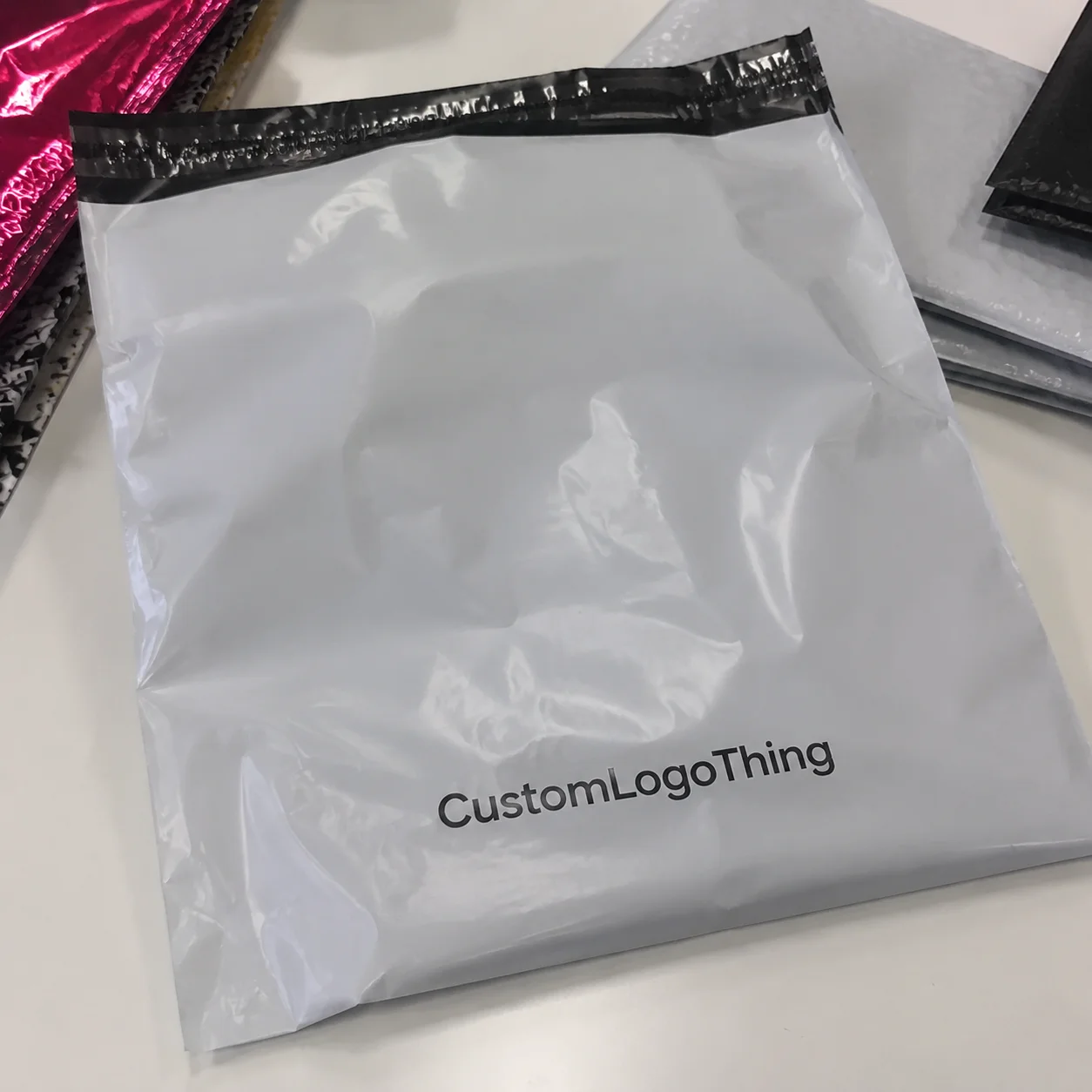
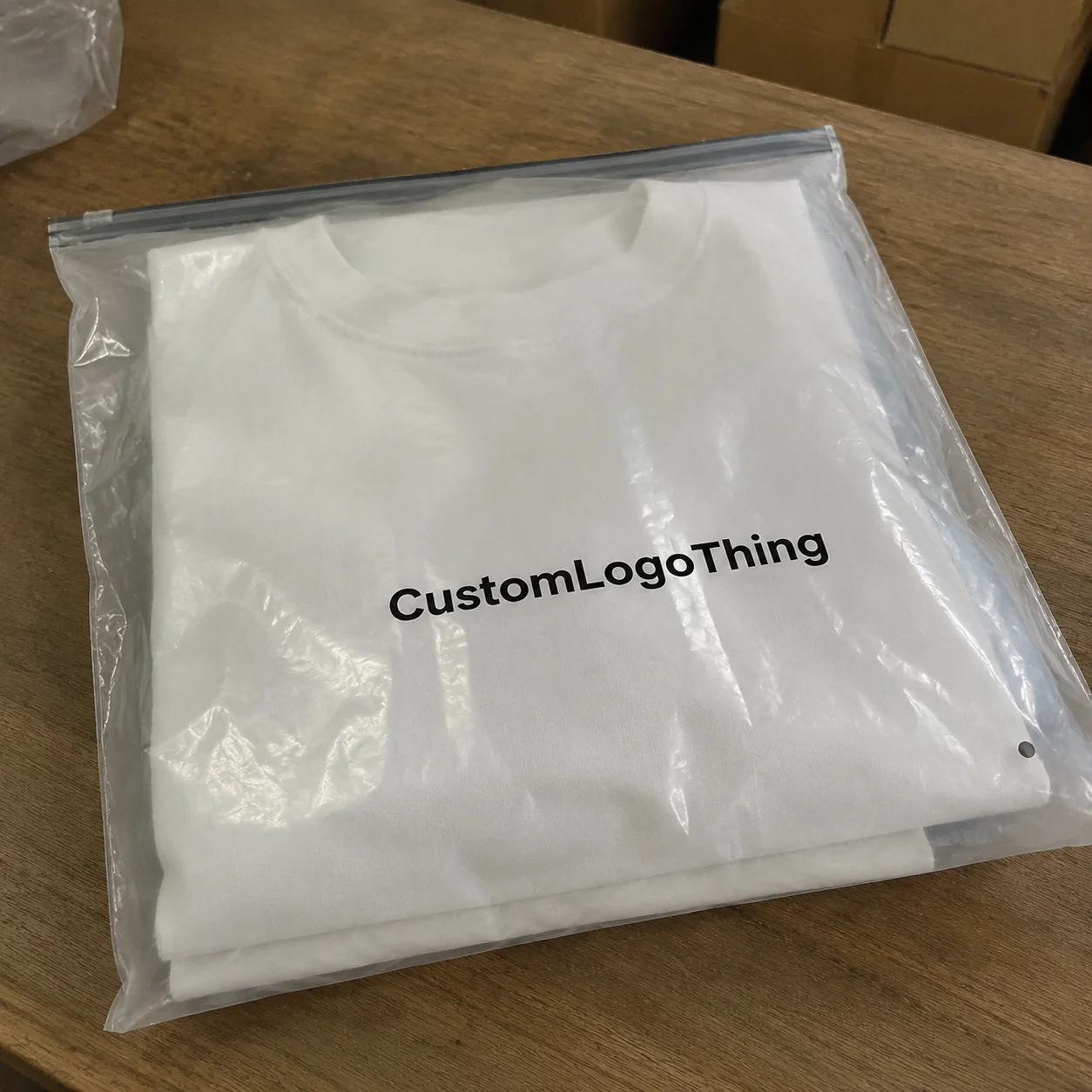
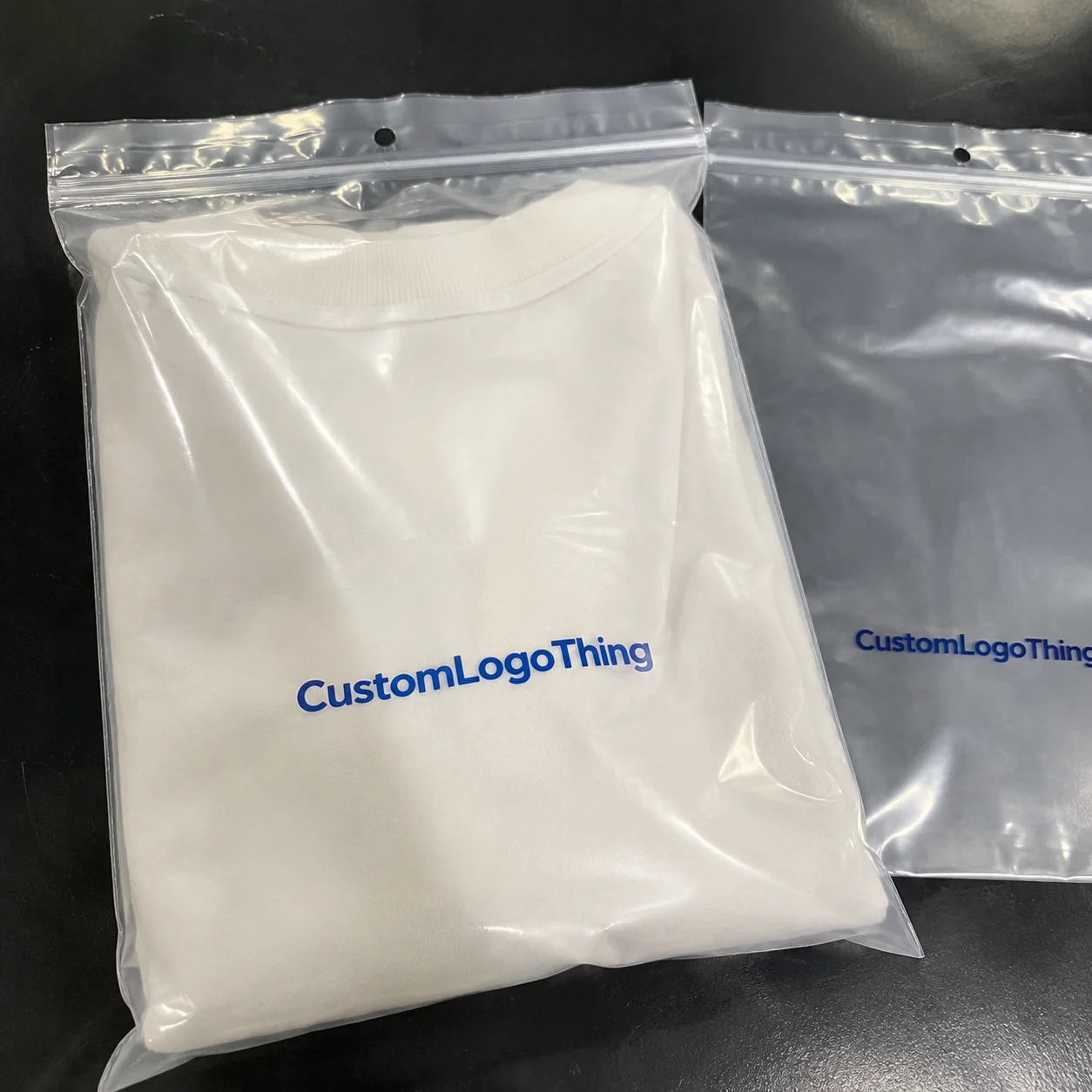
Buyer Fit Snapshot
| Best fit | Design Eco-friendly Packaging Materials projects where brand print, material claims, artwork control, MOQ, and repeat-order consistency need to be specified before quoting. |
|---|---|
| Quote inputs | Share finished size, material target, print colors, finish, packing count, annual reorder estimate, ship-to region, and any compliance wording. |
| Proofing check | Approve dieline scale, logo placement, barcode or warning zones, color tolerance, closure strength, and carton packing before bulk production. |
| Main risk | Vague material claims, crowded artwork, missing packing details, or unclear freight terms can make a low unit price expensive after revisions. |
Fast answer: Design Eco-friendly Packaging Materials: Quote Scope, Sample Proof, MOQ, and Lead Time should be specified like a repeatable production item. The safest quote records material, print method, finish, artwork proof, packing count, and reorder notes in one written spec.
Production checks before approval
Compare the actual filled-product size with the drawing, then confirm tolerance on folds, seals, hang holes, label areas, and retail display edges. Reserve space for logos, QR codes, warning copy, and material claims before decorative graphics fill the panel.
Quote comparison points
Review material grade, print process, finish, sampling route, tooling charges, carton quantity, and freight assumptions side by side. A quote is only useful when the supplier can repeat the same color, closure quality, and packing count on the next order.
Why Learning How to Design Eco-Friendly Packaging Materials Matters
Packaging waste is bigger than most teams assume until they pull their own numbers. U.S. EPA reporting has consistently kept containers and packaging near the top of municipal solid waste categories by tonnage, often around one-third of total generation depending on year and methodology. I still remember presenting that data in a quarterly review years ago: polite nods at first, then a hard pivot once we overlaid tonnage, freight, and returns costs on the same slide. That moment explains why how to design eco-friendly packaging materials has moved from “nice sustainability topic” to a board-level operating issue.
Three quarters ago, I was in Dallas with a wellness brand shipping roughly 40,000 subscription kits a month. Their old design used a vacuum-formed virgin PET tray, two layers of bubble wrap, and a regular slotted container (RSC) corrugated shipper. We switched to a molded fiber insert with a 1.6 mm wall, retained compatibility with a 32 ECT outer shipper, reduced total packaging weight by 64 grams per unit, and lowered DIM freight spend by about $0.21 per shipment. The kicker was customer response: complaints about “all this plastic” dropped 41% across two billing cycles. Freight savings got finance excited; that customer signal got leadership aligned.
In practice, how to design eco-friendly packaging materials means balancing four things at the same time: environmental impact, product protection, customer experience, and delivered cost. Miss one and the redesign usually fails in production or in the field, often right before a weekend ship cutoff because packaging has a kinda wicked sense of timing.
Teams also get tripped up by surface-level wins. A recyclable icon alone does not make a pack workable in real recovery systems. You need to check fiber sourcing, converter energy profile, shipping cube efficiency, reuse potential, and what actually gets collected and sorted in your customers’ ZIP codes. A shiny green claim on a mixed-laminate pouch that local MRFs can’t process is still a disposal problem, just one with prettier graphics.
Below is the framework I use during plant walk-throughs and supplier negotiations—from Dallas to Newark to Shenzhen—to answer how to design eco-friendly packaging materials with data instead of guesswork. You’ll get screening factors to score before approval, an eight-step process from baseline to launch, realistic cost and timeline ranges, and failure points I see over and over. We’ll also cover where brand expression can conflict with recyclability and how to make those calls without turning every meeting into a design-vs-ops standoff.
If your team handles product packaging, retail packaging, subscription kits, or custom printed boxes, this playbook is built for real constraints—MOQ pressure, machine compatibility, and deadlines that are always tighter than anyone planned.
How to Design Eco-Friendly Packaging Materials: The System Behind Better Packs
A dependable method for how to design eco-friendly packaging materials starts with lifecycle thinking, not one-off material swaps. I map six connected stages with clients: extraction, conversion, packing, distribution, customer use, and recovery. Improvement in one stage can create losses in another. For example, reducing film thickness by 15 microns may lower resin use, but if puncture failures rise even 2% to 3%, returns and reships can erase that gain. I learned this the hard way on a personal-care pouch update; it looked brilliant on the conference table and awful on the returns dashboard six weeks later.
The core trade-off triangle is simple:
- Sustainability outcomes (recycled content, recyclability, lower emissions)
- Protection performance (drop, compression, shelf life, leakage control)
- Unit economics (material + labor + freight + damages)
Most failed redesigns over-optimize one corner. If the brief says “make it greener and we’ll sort out breakage later,” you’re probably gonna be writing escalation notes next month.
Material families also behave differently in live operations, not just in sample reviews:
- Recycled paperboard: strong print performance and broad curbside acceptance in many regions; stiffness can decline under high humidity.
- FSC-certified virgin fiber: high structural integrity and premium graphics, usually at higher cost than high-PCR fiber blends. (Reference: fsc.org.)
- Mono-material PE/PP: generally better recyclability potential than mixed laminates in channels where store drop-off or film collection exists.
- Glass: excellent barrier and premium perception, but heavy in freight and high risk in parcel networks without protective architecture.
- Aluminum: valuable recovery stream and strong barrier properties, with energy-intensive primary production.
- Molded pulp: practical substitute for thermoformed trays in many protective formats.
- Compostable biopolymers: valid in narrow cases where composting infrastructure is verified and contamination risk is managed.
Another common myth: multilayer automatically means better. In plenty of categories it means harder recovery. A metallized PET/PE laminate can deliver great oxygen barrier and machine speed, but end-of-life options narrow quickly. Mono-material structures often improve sortability and reprocessing odds, though you may need coatings, scavengers, or modified atmosphere controls to maintain shelf-life targets.
For teams actively working on how to design eco-friendly packaging materials, right-sizing and lightweighting usually produce the quickest measurable gains. I audited a cosmetics program in New Jersey where average void hit 38% by volume. We resized from 10 x 8 x 6 inches to 9 x 7 x 5, reduced corrugated use, cut kraft void fill by 19 grams per order, and improved trailer cube utilization enough to shave monthly freight by low five figures. Warehouse supervisor’s line was perfect: “We’re shipping less air and fewer regrets.”
Good eco packaging design is iterative by nature: concept, prototype, test, adjust, pilot, launch, and measure again. Teams that skip that loop usually pay later through line downtime, damage spikes, or retailer compliance misses.
Key Factors to Evaluate Before You Design Eco-Friendly Packaging Materials
Before approving any redesign, run a structured screening pass. This is where how to design eco-friendly packaging materials shifts from aspiration to execution.
1) Protection requirements define your floor
Start with product physics, always. A fragile glass dropper bottle has impact risk that a dry accessory kit does not. An oil-rich snack with a nine-month shelf target needs oxygen and grease control that plain paper can’t provide on its own. I ask teams for five baseline metrics up front: damage rate, leak rate, compression failure rate, average transit duration, and DC stack height. If damage is 1.8% and each return costs $14.60 all-in, protection is not optional. I’ve seen teams debate finish options for two weeks before agreeing on drop-test height, which is backwards and expensive.
2) Compliance and claims risk
Food-contact packaging may trigger FDA requirements in the U.S. or parallel frameworks in other markets. Retailers increasingly request substantiation for recycled-content claims and disposal language. EPR rules are expanding across multiple states and countries, creating fee and reporting implications tied to material type and weight. Keep a claims file with supplier declarations, test reports, and certifications by SKU. ISTA protocols remain a dependable transport-testing reference (ista.org). My practical tip: assign one person as claims owner, because chasing old declarations during legal review is chaos.
3) Customer disposal behavior in the real world
I’ve watched thoughtfully Designed Compostable Mailers underperform simply because customers had no access to industrial composting. If your audience mostly has curbside paper and rigid plastic collection, design for those paths first. How to design eco-friendly packaging materials is partly behavioral design. If disposal instructions feel like homework, people won’t follow them.
4) Brand expression and unboxing constraints
Premium package branding often adds coatings, foils, windows, and layered inserts. Every extra layer can increase weight or reduce recoverability. You can still get strong shelf presence with fewer materials: two-color flexo on natural kraft paper, embossing instead of plastic windows, and structural form instead of add-on components. Cleaner branded packaging usually ages better and performs better in recovery streams.
5) Supply chain and converter reality
Ask early about MOQ, lead time, and regional availability. A substrate that looks ideal in sampling can still come with a 12-week lead time and a 25,000-unit minimum. In one Shenzhen negotiation, a client wanted a compostable film with great optics but unstable allocation. We moved to mono-PE through two converters on an 8–10 week cadence and got more stable fill-line performance. Not flashy, but operational consistency is what keeps programs alive.
6) Metrics that keep teams honest
Track a compact KPI set monthly:
- Packaging weight per unit (grams)
- Recycled content (%) by component
- Damage and return rate (%)
- Cube utilization in pallet and parcel channels (%)
- Total cost per shipped unit ($)
- Estimated carbon impact per 1,000 units (with method disclosed)
Without this scoreboard, decisions drift toward opinion. With it, conversations get shorter, clearer, and way less political.
7) Use a decision matrix
For how to design eco-friendly packaging materials, I recommend weighted scoring. Example for fragile goods: protection 40%, sustainability 35%, cost 25%. For durable goods: cost 35%, sustainability 35%, protection 30%. Applying one grid to every candidate keeps the loudest voice from driving technical decisions.
Step-by-Step: How to Design Eco-Friendly Packaging Materials from Brief to Launch
The most repeatable path I trust uses eight steps. It works across DTC mailers, shelf-ready retail packaging, and multi-component kits.
Step 1 — Baseline audit
Document current specs in detail: board grade, flute profile, film gauge, insert material, dimensions, component count, unit cost, freight effect, and historical damage rate. In one accessories program, we found 11 components inside a single shipper, including two redundant wraps adding 18 grams and 3.4 seconds of labor per unit. The ops manager looked at the BOM and said, “We built a nesting doll for a charging cable.” He wasn’t wrong.
Step 2 — Set measurable goals
Define targets teams can execute and finance can evaluate:
- Reduce total packaging weight by 20%
- Increase post-consumer recycled content from 35% to 70%
- Cut void fill usage by 50%
- Keep damage rate at or below 1.2%
This is the operating backbone for how to design eco-friendly packaging materials that survives real approval cycles.
Step 3 — Build a shortlist of viable materials
Limit options to three to five candidate structures. Too many options slow decisions and testing. Request technical data sheets, migration documentation where needed, barrier performance data, and machinability notes. A practical shortlist might include: 400gsm recycled SBS carton plus molded pulp insert, E-flute micro-corrugate with paper lock, mono-PE pouch with 30% PCR, and uncoated corrugated cardboard shipper with integrated retention tabs.
Step 4 — Structural design and right-sizing
Redesign for product fit and logistics efficiency at the same time. Reduce dead space, simplify packing motion, and improve pallet patterns. At an Ohio co-packer, throughput moved from 26 to 31 packs per minute after removing a separate insert and switching to a one-piece locking die-cut. No capex required, just better structure.
Step 5 — Prototype and test
Run lab and transit testing before scale: compression, drop, vibration, humidity conditioning, seal integrity, and shelf simulation where relevant. Align tests to your actual lane profile. If 40%+ of orders move through hot, humid summer routes, include that conditioning. ISTA 3A is a strong parcel baseline for many programs.
Step 6 — Pilot run and live shipping trial
Use a controlled release—often 2,000 to 10,000 units depending on volume. Track pack-out time, jams, customer comments, damage, and return reasons. Pilots expose what desktop reviews miss: strap scuffing, pallet overhang behavior, print abrasion, and QR codes too small to scan under warehouse lighting.
Step 7 — Launch with clear disposal guidance
Use plain instructions on-pack. “Flatten box and recycle curbside” outperforms symbols alone. If a component requires store drop-off, state it directly and include a short URL. Communication is part of how to design eco-friendly packaging materials; unclear guidance can erase engineering gains.
Step 8 — Post-launch optimization loop
Review performance monthly for at least one quarter, then move to quarterly cadence if stable. Compare live results to baseline and targets. If damage rises by 0.3 points, diagnose quickly. If PCR availability tightens, activate backup specs. Version one is the start line, not the finish.
Cost and Timeline: Budgeting Eco-Friendly Packaging Without Surprises
Budget friction can sink a technically strong project. The fix is simple: map the full cost stack before locking materials. For how to design eco-friendly packaging materials, I separate visible and hidden costs immediately.
- Substrate and component cost
- Conversion and print (inks, plates, number of passes)
- Tooling (dies, molds, setup)
- Assembly labor and line-speed effects
- Storage footprint and handling
- Freight (weight + DIM impact)
- Damage and returns
- Compliance testing and claims documentation
A design that costs $0.03 more per unit can still win if parcel spend drops $0.08 and returns fall by 0.4 percentage points. Total landed cost beats unit-price-only analysis almost every time. Procurement teams naturally start with piece price, so bring freight and returns data to the same decision table.
| Scenario | Typical Packaging Format | Indicative Unit Cost Range* | MOQ Range | Lead Time from Proof Approval | Notes |
|---|---|---|---|---|---|
| Low complexity | Single-color recycled mailer or simple kraft carton | $0.18–$0.42/unit at 10,000+ units | 5,000–10,000 | 12–18 business days | Good for fast right-sizing gains and straightforward branding updates |
| Medium complexity | Printed carton + molded pulp insert | $0.48–$1.10/unit at 5,000–20,000 units | 5,000–15,000 | 18–30 business days | Balanced option for protection and curbside-compatible components |
| High complexity | Barrier pouch or multi-component protective kit | $1.20–$2.80/unit at 3,000–10,000 units | 10,000–25,000 often required | 30–55 business days | Tooling, validation, and shelf-life testing usually drive schedule |
*Ranges vary by print coverage, region, resin/fiber markets, and testing scope. Treat these as directional planning numbers, not fixed quotes.
MOQ pressure is especially real for emerging brands with tight cash flow. Specialized sustainable substrates may require longer runs. I usually advise negotiating staggered releases against annual commitments where converters allow it. You can often get flexibility if your forecast quality is strong and payment behavior is consistent.
Typical project timing: discovery (1–2 weeks), design (2–4), sampling (2–5), testing (2–8), pilot (2–6), production ramp (2–6). Delays usually come from tooling revisions, claims/legal review, and sudden substrate allocation shifts.
Build contingency for at least one failed test loop. On a California food pack project, seal integrity failed under high humidity at day 14. Revised seal-jaw settings and a modified film structure added three weeks, but prevented a potential field failure and expensive rework. Not fun in the moment, but far cheaper than a recall scenario.
Procurement note: dual-source critical materials early. For how to design eco-friendly packaging materials, resilience is part of sustainability. If one mill slips allocation, your launch plan should still hold.
Common Mistakes Brands Make When They Design Eco-Friendly Packaging Materials
Across beauty, food, supplements, and electronics, I keep seeing the same six mistakes. The good news: each one is preventable with a short checklist and discipline.
Mistake 1: Chasing trend materials without fit testing
Correction checklist:
- Run drop, compression, and humidity testing before sign-off
- Validate shelf-life requirements with actual product, not assumptions
- Compare damage-rate projections against baseline economics
Mistake 2: Assuming compostable is always better
Correction checklist:
- Map disposal pathways for top customer ZIP codes
- Verify industrial compost access rates with current local data
- Choose recyclable formats where infrastructure is stronger
How to design eco-friendly packaging materials should match operating reality, not idealized end-of-life scenarios.
Mistake 3: Overdesigning aesthetics and reducing recoverability
Correction checklist:
- Limit mixed-substrate constructions where possible
- Replace plastic windows with structural reveals or print cues
- Review every decorative element for recovery impact before approval
Mistake 4: Making vague green claims
Correction checklist:
- Document recycled-content and certification evidence
- Use precise language (“recyclable where facilities exist”)
- Maintain legal-reviewed substantiation files by SKU
Mistake 5: Ignoring machinery compatibility
Correction checklist:
- Test on actual fill and pack lines at production speed
- Measure jam rates and OEE effect during pilot
- Train operators on changed material behavior and setup windows
Mistake 6: Treating packaging as one-and-done
Correction checklist:
- Set quarterly KPI reviews with ownership by function
- Plan version updates based on measured outcomes
- Tie supplier scorecards to quality and sustainability performance
“We thought launch was the finish line. Six months later, we realized iteration two and three delivered most of the value.” — Operations director, mid-market DTC brand I advised last spring
Teams underestimate this all the time. How to design eco-friendly packaging materials depends less on perfect first drafts and more on fast, disciplined learning loops. That’s honestly the part I like most—watching a decent version become a high-performing system after a couple of focused revisions.
Expert Tips and Next Steps to Design Eco-Friendly Packaging Materials Successfully
If you need speed, simplify structure before swapping substrates. Format cleanup alone can remove 10% to 22% of material in many systems: fewer inserts, fewer labels, fewer closure parts. Then optimize material choices.
Run side-by-side pilots under identical conditions: old pack versus new pack, same destination mix, same carrier services, same 30-day window. That gives you clean comparisons on damages, freight, and customer response.
Bring converter, co-packer, QA, and logistics teams in early. During a Chicago workshop, we caught a pallet overhang issue in CAD review that would have driven corner crush on long-haul LTL routes. Fixing it pre-tooling saved about $6,800 in change fees and likely two weeks on schedule. Small geometry, big consequences.
If your team is planning now, follow this sequence:
- Create or download a packaging audit worksheet with at least 12 fields (material, dimensions, weight, cost, damage, returns, and operational metrics).
- Pull three months of shipment and return data by SKU and lane.
- Shortlist two redesign opportunities based on impact and feasibility.
- Request quotes from at least two suppliers per concept, including MOQ, lead time, and alternate substrate options.
- Lock a test plan with pass/fail criteria before sampling starts.
Need production-ready references? Review Custom Packaging Products to compare formats that support right-sizing, recycled fiber content, and print customization. If you’re evaluating a broader range, that same Custom Packaging Products page helps narrow options for mailers, cartons, and custom printed boxes before you invest in tooling.
30-60-90 day action plan
First 30 days: complete the baseline audit, define KPIs, and set measurable targets. Build your weighted scorecard for how to design eco-friendly packaging materials.
Days 31-60: prototype the top two or three concepts, run lab tests, and document supplier risk data (MOQ, lead time, backup source availability, and quality history).
Days 61-90: execute a live pilot, review operational and financial performance, and make a go/no-go decision with revision triggers documented in writing.
Final takeaway: how to design eco-friendly packaging materials works best as a measurable operating system, not a one-time creative exercise. Start with your baseline, choose two high-impact redesign targets, run controlled testing, and commit to post-launch iteration for at least one quarter. Track weight, damage, disposal outcomes, and delivered cost every month. If those four move in the right direction together, your packaging strategy is working in the real world—not just on a slide.
And yes, first versions are rarely perfect. Mine definitely weren’t.
If you want practical structure ideas before your next sampling round, browse Custom Packaging Products and compare format complexity against your current architecture.
FAQ
How do I design eco-friendly packaging materials for fragile products?
Start with protection benchmarks, then optimize sustainability inside those limits. For fragile SKUs, run compression and drop protocols before scale-up and compare molded pulp, engineered corrugated inserts, and paper-based void fill sized to exact geometry. In practical terms, how to design eco-friendly packaging materials for fragile goods means holding breakage below target (often 1.0%–1.5% or lower by category) while removing avoidable plastic components.
What is the most affordable way to design eco-friendly packaging materials?
Right-sizing and lightweighting are usually the lowest-cost first steps because they reduce material, void fill, and freight together. After that, replace mixed-material components with mono-material alternatives where performance allows. Always evaluate total landed cost, not substrate price alone, while planning how to design eco-friendly packaging materials.
How long does it take to design eco-friendly packaging materials and launch them?
Simple updates can launch in roughly 4–8 weeks. New formats needing tooling, shelf-life validation, and live pilots often take 10–20+ weeks. Most programs follow this sequence: audit, concepting, prototypes, testing, pilot, rollout. Keep schedule buffer for approvals and material lead-time shifts.
How can I verify claims when I design eco-friendly packaging materials?
Request recycled-content declarations, certifications, and technical specifications from suppliers. Store documentation by SKU and keep claim language precise on-pack. “Recyclable where facilities exist” is generally safer than broad universal wording. Reliable documentation is central to responsible how to design eco-friendly packaging materials.
Should I choose recyclable or compostable options when I design eco-friendly packaging materials?
Base the decision on local infrastructure and customer disposal behavior. In regions with strong recycling access, mono-material recyclable formats often outperform compostables in actual recovery rates. Compostable formats can still make sense for food-soiled or specific niche applications where verified composting access exists. The right choice depends on product risk, contamination profile, and real end-of-life pathways in your market.